
Summary and Key Points: The war in Ukraine is nearing four years, with losses described as surpassing 1.2 million even as Moscow insists it is winning.
-The campaign has settled into an attrition grind: slow advances measured in tens of meters a day, heavy daily casualties, and a force repeatedly rebuilt through continuous recruitment and cash incentives.
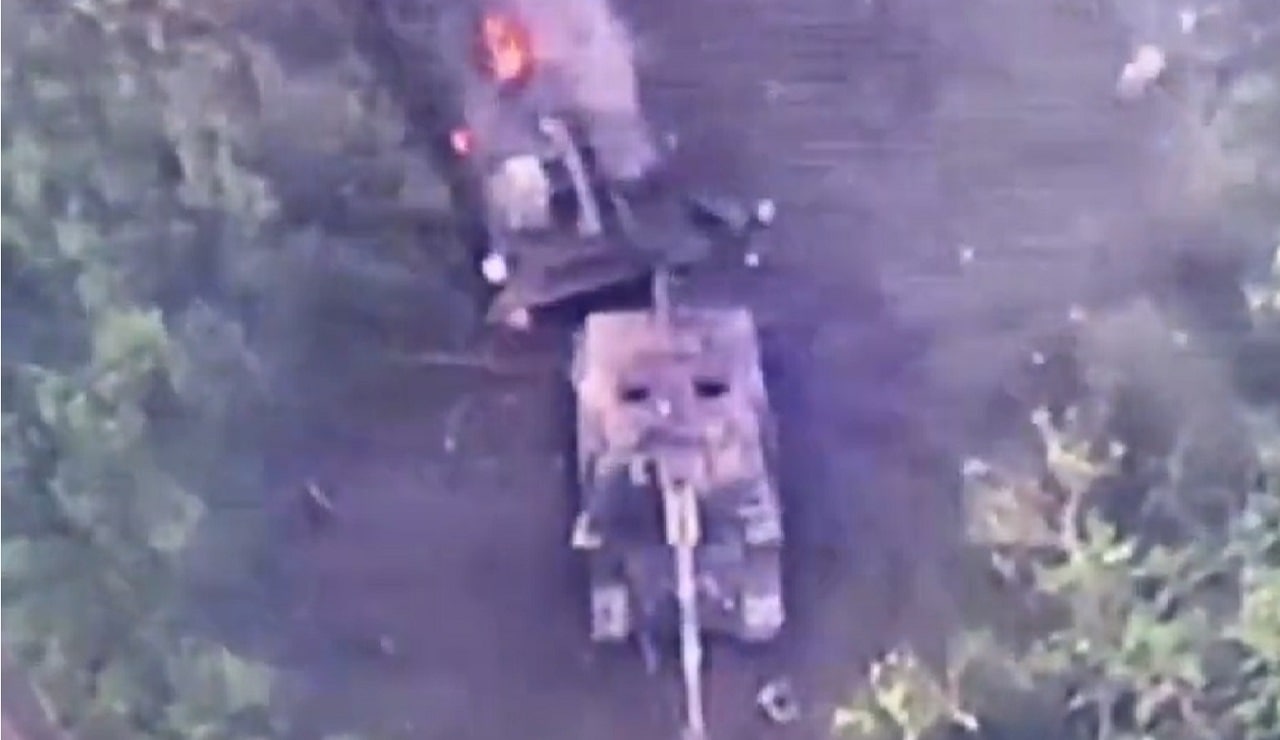
War in Ukraine. Image Credit – Creative Commons
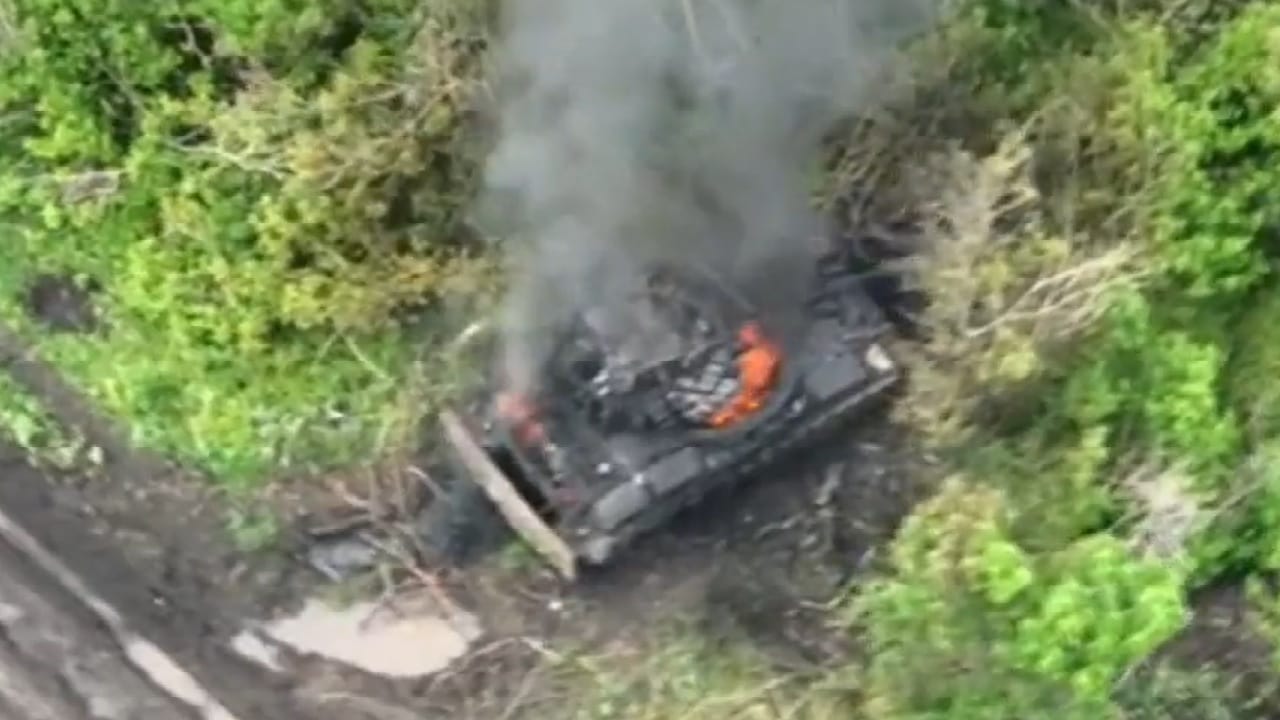
Russian T-62 Tank on Fire in Ukraine. Image Credit – Twitter Screenshot
-To keep domestic pressure manageable, the state suppresses casualty reporting, restricts independent media, and spends heavily on compensation for families.
-On the battlefield, reliance is shifting toward older gear and lower-quality formations—enough to keep fighting for now, but at mounting military and economic cost.
Russian Casualties In Ukraine War Have Topped 1.2 Million
The war in Ukraine, which many thought would be over in a matter of days or weeks, will reach four years on February 24, and it has no end in sight.
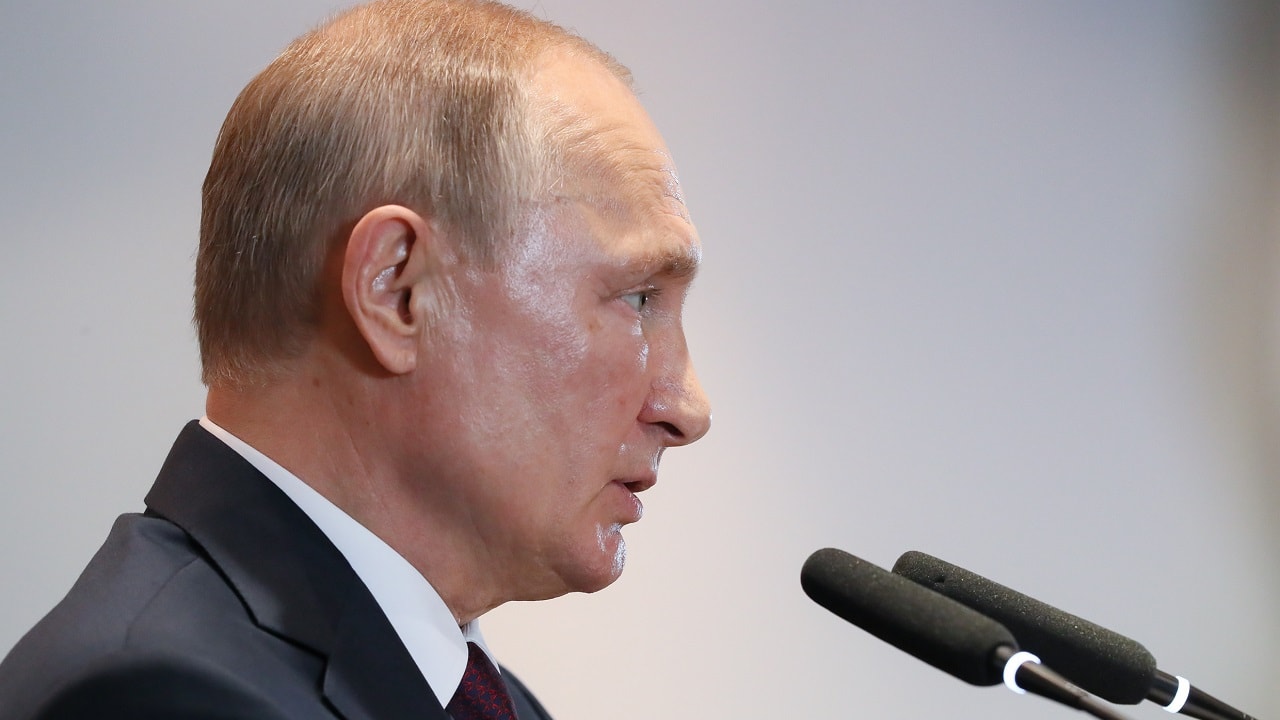
Russian President Putin continues to paint a picture of inevitable victory, despite the fact that Moscow hasn’t accomplished one of its strategic goals since beginning this “special military operation.”
On December 17, 2025, in a speech at the National Defence Control Center of the Russian Federation, Putin stated, “Our troops are advancing with confidence and grinding down the hostile forces, defeating enemy units, their groups of forces and reserves, including so-called elite formations trained in Western centers and equipped with modern foreign weaponry.”
Two days later, during his annual end-of-year question and answer session, Putin added that “ever since our forces drove the enemy from the Kursk Region, the strategic initiative has been firmly in the hands of the Russian Armed Forces. What does this mean? It means that our forces are advancing along the entire line of contact.”
How can Russia sustain these heavy losses and keep fighting indefinitely? And how have they adapted to these horrendous losses?
Russia’s Military Has Turned Over More Than 100 Percent
Russia is replenishing its forces much faster than was thought possible. Although the quality of its troops has fallen, NATO Supreme Allied Commander in Europe Gen. Christopher Cavoli observed that “Russia is reconstituting that force far faster than our initial estimates suggested. The army is actually now larger by 15 percent than it was when it invaded Ukraine.”
Ukraine has suffered far fewer casualties, but still has suffered in horrifying numbers, about 400,000. However, it is worth noting that Russia’s population is four times Ukraine’s, and Russia has approximately 18.9 million military-age males aged 20-39, compared with Ukraine’s 5 million. In essence, Ukraine’s losses are higher, measured by the percentage of its population lost.
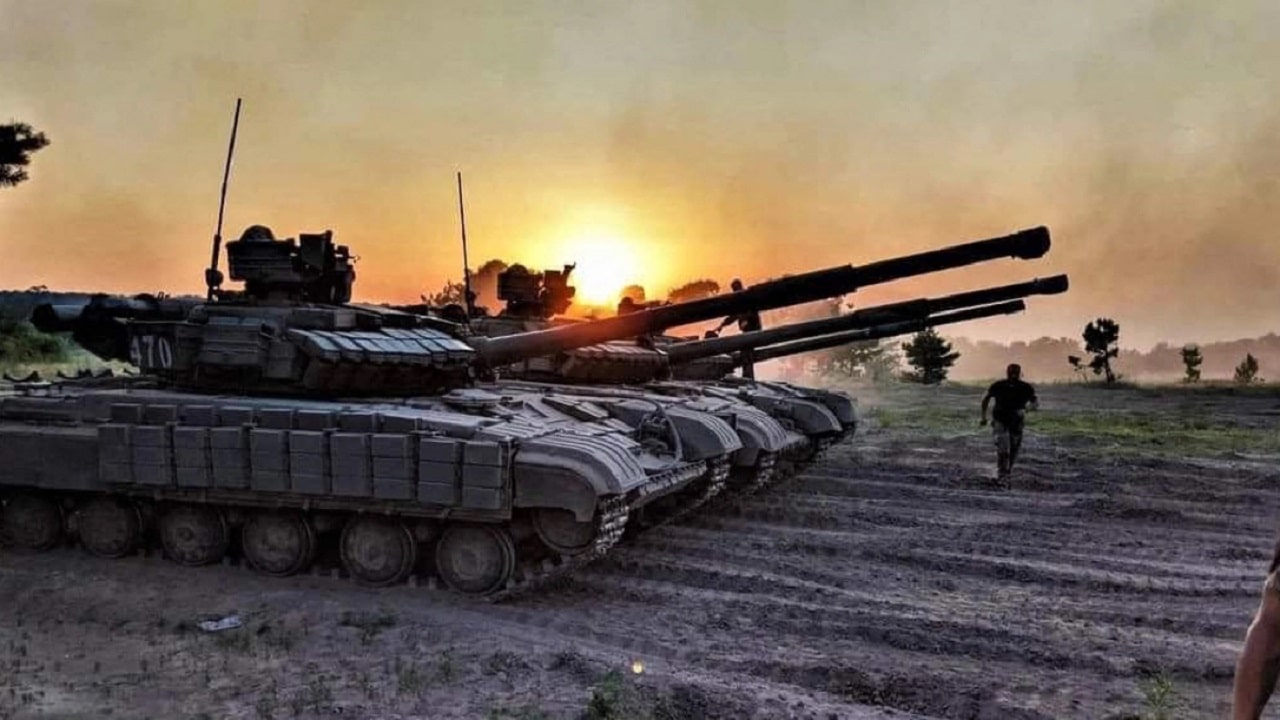
Image from Ukraine Government – handout.
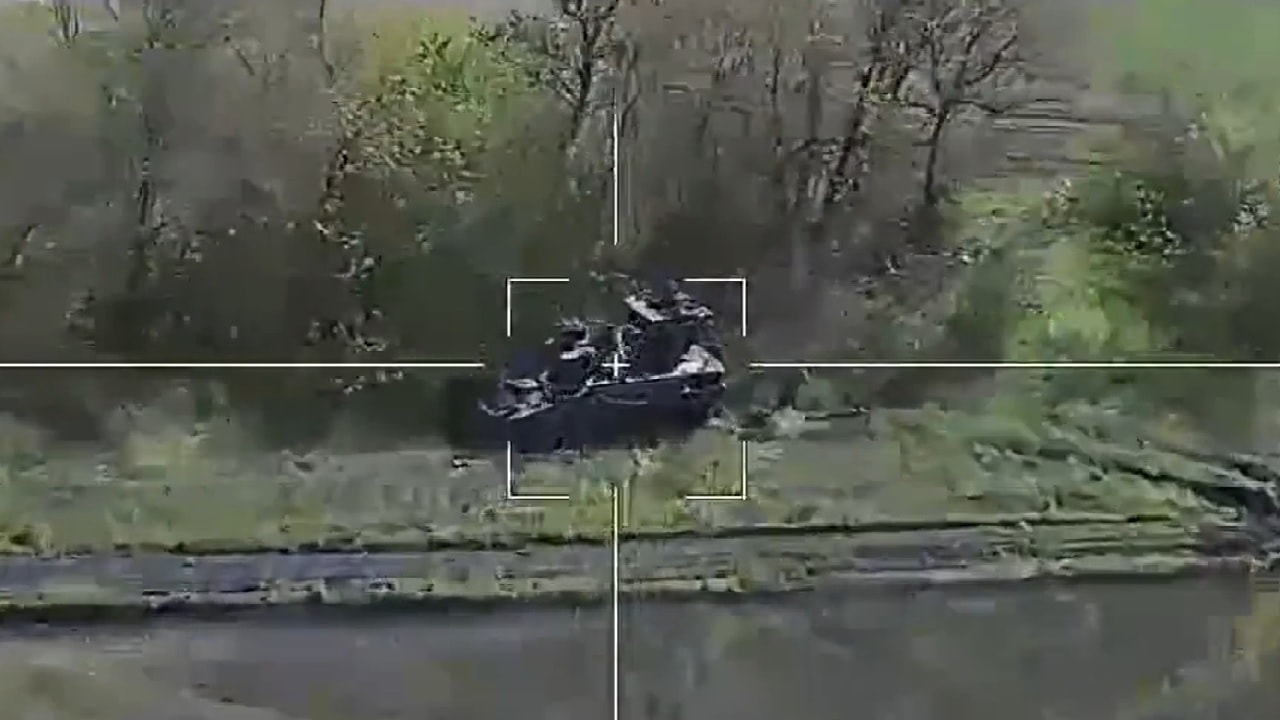
Russian Lancet Attack in Ukraine. Image: Creative Commons.
However, the strain on Russia’s economy is telling, as War on the Rocks pointed out, Russia’s spending for the military in 2025 was, “40 percent of Russia’s federal expenditures would go to defense and national security — a share that would exceed Russia’s combined spending on education, health, and social and economic welfare.
“In contrast, to maintain its global force posture, defense spending in the United States has averaged 15 percent of the total U.S. government budget over the past decade.”
The Center for Strategic and International Studies (CSIS) posted on January 27 that Russian forces are advancing an average of 70 meters a day. That’s less than the World War I advances during the bloody Battle of the Somme in 1916.
At the current monthly rate of advance in Ukraine, it would take Russian forces over 152 years to capture the remaining 80 percent of Ukraine, if Russia can sustain massive personnel losses indefinitely. Russian victory is thus hardly inevitable.
How Has Moscow Adapted In The Bloody Stalemate?
Despite these extreme losses—the highest for any major power since World War II—Russia has adjusted by adopting an attrition strategy, employing high-volume recruitment, and leveraging its larger population to sustain the war effort.
The scale of casualties as of January 2026 is staggering. Russia has suffered over 1.2 million (killed, wounded, or missing). Fatalities are estimated to range from 243,000 to 352,000, with more than 160,000 names confirmed by independent media.
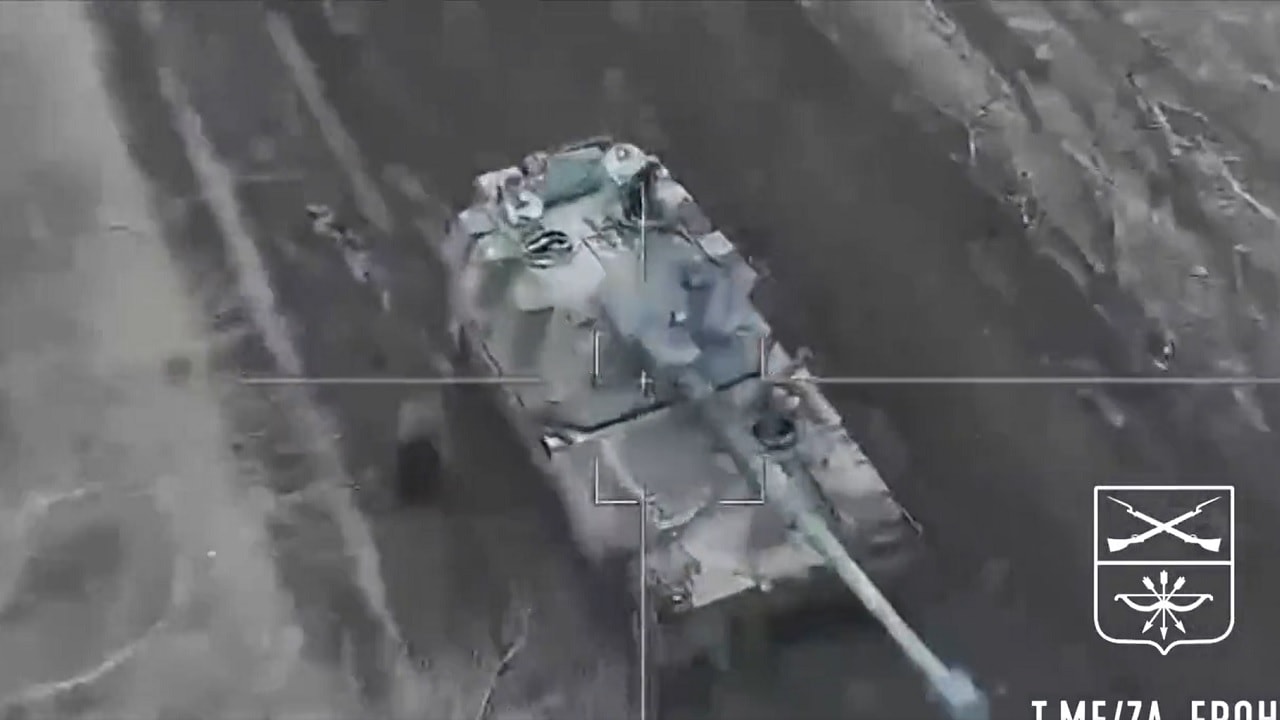
Russian Lancet Drone Attack on Ukraine. Image Credit: Twitter Screenshot.
In late 2025, daily casualties remained high, often exceeding 1,000, with peak periods in late 2024 recording over 1,500 daily losses. To cope with these massive losses, Russia has implemented several, mainly structural, adjustments.
Moscow has shifted to a war of attrition, believing that Ukraine cannot match the losses that Russia is suffering for much longer.
Russia’s strategy of trading large volumes of personnel and equipment for minimal, incremental territorial gains (averaging 15–70 meters per day in early 2025) is only an option because Moscow lacks a free and independent press.
Persistent Recruitment & Financial Incentives:
Instead of a large, single mobilization, the Kremlin relies on continuous, rolling recruitment, offering significant financial incentives to volunteers, which has allowed them for the time being, to maintain a large force.
However, the high losses have led to reliance on older, often outdated, low-quality equipment and units. As high-quality, trained units were depleted, Russia has increasingly relied on mobilized troops, former prisoners, and older, less advanced armored vehicles, such as T-62 and T-54/55 tanks.
Suppression of Information
The Russian state has classified, restricted, or hidden data on military losses, and media coverage of casualties is strictly controlled. Just mentioning the word “war” in regards to Ukraine can result in a prison sentence. Moscow insists that the invasion be referred to as a “special military operation.”
Major independent outlets, such as Echo Moskvy and Dozhd (TV Rain), were shut down or banned. “Foreign agent laws” have nearly silenced all independent news reports.
Distributing information that contradicts the official military narrative can lead to up to 15 years in prison. The Kremlin utilizes state-run media, bot networks, and paid trolls to disseminate pro-war propaganda.
High Compensation Payments
The government has spent over 1.2 trillion rubles ($15.3 billion) in 2024 alone on compensation for families of the dead and injured to maintain internal support and mitigate social unrest.
Is the staggering casualty rate sustainable? While Russian casualties are immense, they have not yet caused a total collapse of the army, partly because the country’s population size allows for continued, albeit costly, recruitment.
High casualty rates have, however, hampered Russia’s ability to form high-quality, professional units, leading to a reliance on “meat grinder” tactics.
Analysts suggest Russia may be forced to further tap into strategic reserves to sustain the war in 2026 as voluntary recruitment methods struggle to keep pace with rising mortality rates.
Casualties Are Not An Issue For Putin…Yet
Putin is unmoved by the number of casualties. CSIS also pointed out that, “Russia’s daily average of casualties has increased every year since 2022. However, many of the soldiers killed and wounded in Ukraine are from Russia’s Far North, Far East, and prisons—and are not the children of Moscow and St. Petersburg elites.
Putin likely considers these types of soldiers more expendable and less likely to undermine his domestic political support base.”
Because Putin rules unchecked by political opposition and with a state-controlled press, the narrative of the war has been carefully orchestrated by the Kremlin to prop up Putin as an effective wartime leader, hide the weaknesses of the military, and continually portray the “special military operation” as proceeding according to plan.
They can sustain the casualties in the short term, but Putin is biding his time because he believes the West’s desire to support Ukraine will waver and break. However, these losses and the mismanagement of the war will eventually erode public support for it.
About the Author: Steve Balestrieri
Steve Balestrieri is a National Security Columnist. He served as a US Army Special Forces NCO and Warrant Officer. In addition to writing on defense, he covers the NFL for PatsFans.com and is a member of the Pro Football Writers of America (PFWA). His work was regularly featured in many military publications.