
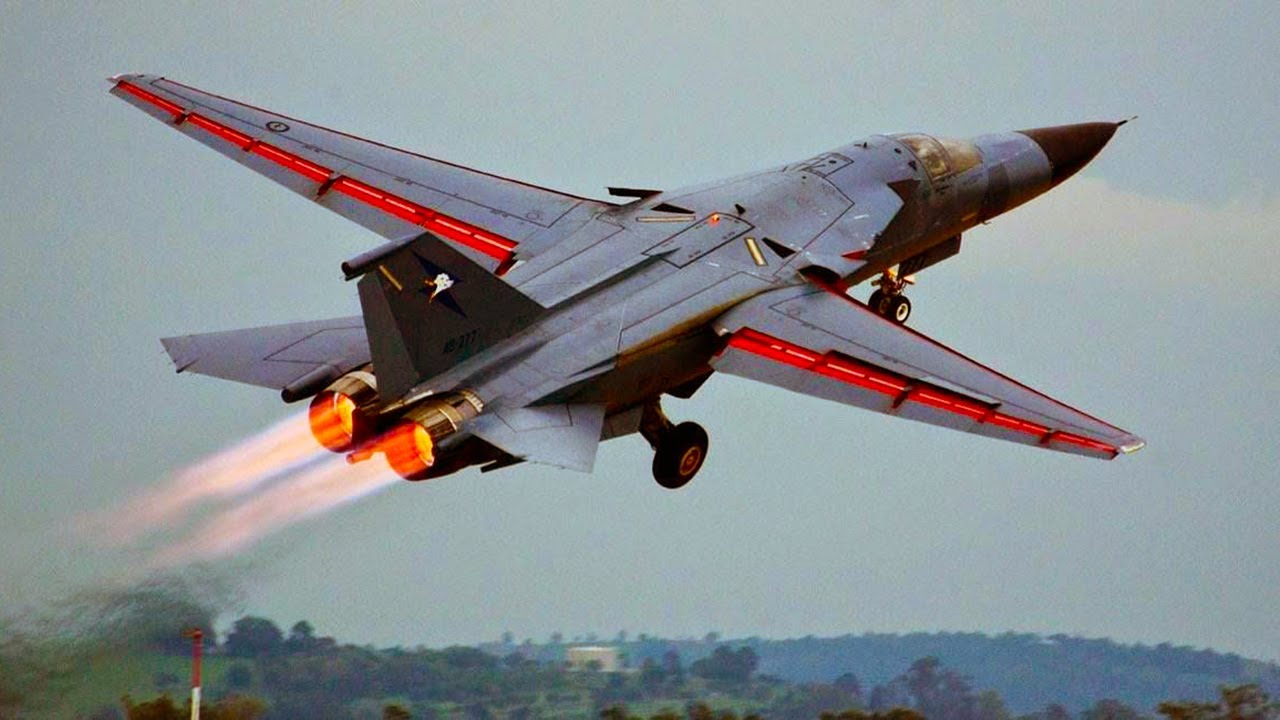
In the last week of November 2011, a convoy of flatbed trucks made a series of short trips from RAAF Base Amberley to a former coal mine fifteen miles away at Swanbank, outside Ipswich, Queensland. The cargo was 23 F-111 fuselages, the swing-wing strike jet that had been the backbone of Australian air power for 37 years, and at the bottom of the landfill pit, a crew spent four days lowering them in, wingless and stripped, and covering them with earth. The first two went into the ground on Monday, November 21; by Thursday all 23 were buried.
No air force had ever held a funeral quite like it, and the reasons, once laid out, explain a great deal about what modern military machines are made of and what it costs to be rid of them.
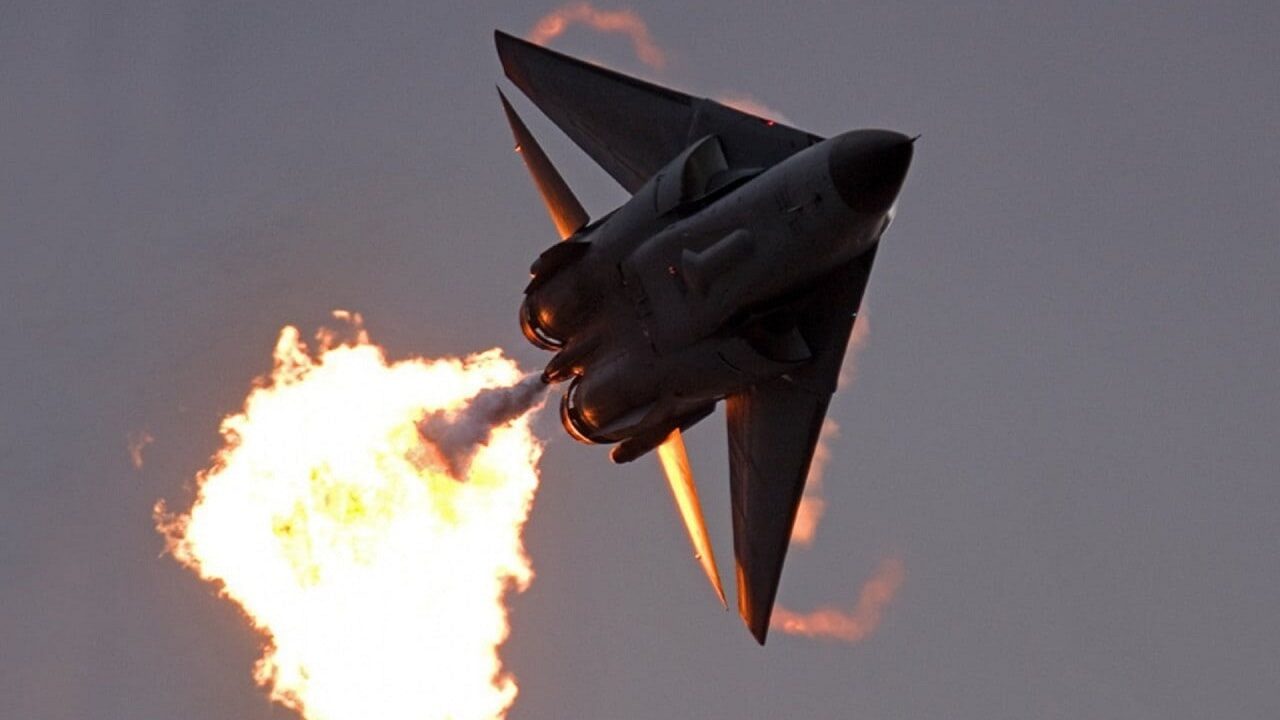
F-111. Image Credit: Creative Commons.
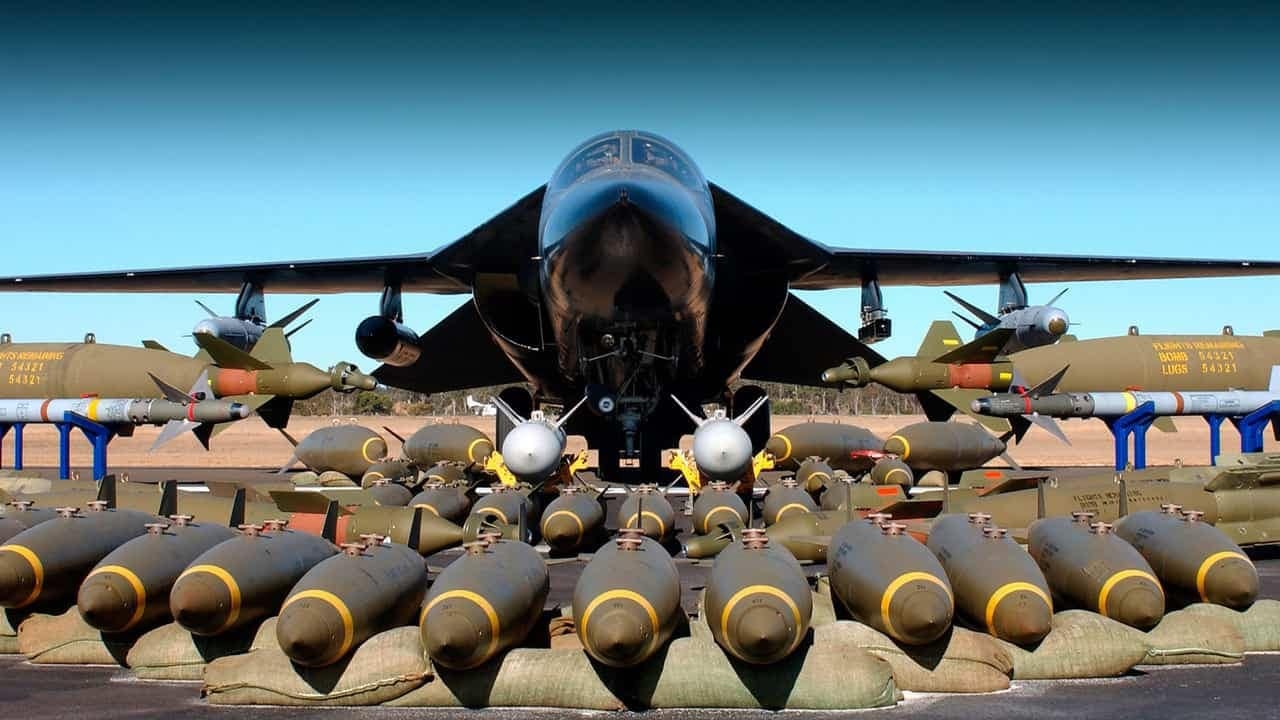
F-111 weapons loadout. Image Credit: Creative Commons.
The Pig: Meet the F-111
Australia’s F-111 story began with one of the boldest procurement decisions in the country’s history.
In 1963, the government ordered 24 F-111Cs off the drawing board, before the type had flown anywhere, buying the longest-ranged strike aircraft in the region to hold potential adversaries at risk far from Australian shores.
The boldness was repaid with a famous decade of trouble: technical problems, cost blowouts, and structural failures in testing delayed delivery until June 1973, ten years after the order.
Once the jets arrived, the relationship became a love affair. Australian crews nicknamed the aircraft the Pig for its long snout and its habit of hunting low with its nose down, following terrain by radar at high speed in the dark, and its dump-and-burn party trick, igniting fuel vented behind the aircraft into a rolling banner of flame, which became the signature image of Australian airshows.
The fleet grew and changed over the decades: four airframes were converted for reconnaissance, four attrition replacements were bought from US stocks, and 15 F-111Gs were added in the 1990s.
Through nearly four decades, the Pig was the region’s ultimate deterrent, and its entire operational ledger of ordnance delivered in anger amounts to one action: in 2006, a pair of Australian F-111s sank the seized drug-smuggling ship Pong Su with laser-guided bombs.
The deterrent worked by existing.
The last landing came at Amberley on December 3, 2010, and the Super Hornet, which replaced the Pig’s mission, bridged the gap to the F-35.
Why You Bury a Bomber
The strangeness of what followed dissolves under the engineering facts, which the RAAF itself has laid out in its own explainer.
The F-111’s fuselage was built from bonded panels, and the adhesive bonding those panels contained asbestos, sealed into the structure itself.
Wings, tails, stabilizers, engines, and everything else that could be unbolted was removed and scrapped or salvaged in the ordinary way; what was left was a hull whose hazardous material could not be separated from its airframe without cutting into it, releasing fibers that cause incurable disease.
Recovering the metal would have required a purpose-built facility, full protective equipment, and costs running into the millions of dollars per airframe, according to estimates, all to salvage material worth a fraction of the bill. Burial in an engineered landfill cell, by contrast, permanently and cheaply eliminated the possibility of exposure.
Two further facts closed the case. The military arrangement under which Australia had bought the jets required that they be securely disposed of, an American demilitarization condition that ruled out selling the hulls or letting them sit in a scrapyard; Australia has no desert boneyard on the Davis-Monthan model, and the option of parking them indefinitely did not exist.
And Australia had already learned this aircraft’s chemistry the hard way. For decades, maintenance personnel had crawled inside F-111 fuel tanks in the deseal-reseal programs, working with toxic sealants and solvents in confined spaces, and the damage to their health became the subject of a parliamentary inquiry and a compensation scheme that remain a sober chapter of the type’s Australian history.
A country that had paid that price was never going to ask another generation of workers to carve up asbestos-bonded hulls to save a disposal fee.
Thiess Services planned the burial for months, the 13 best survivors went to museums and bases across the country, and the remaining 23 went into the ground, their positions recorded on a diagram like graves in a war cemetery.
Aviation enthusiasts hated it, understandably. The alternative was worse.
Why It Mattered
The burial at Swanbank matters beyond Queensland because it was an early, honest answer to a question every air force will eventually face.
Cold War aircraft were built with the miracle materials of their era, asbestos among them, and modern aircraft are built with carbon composites, sealants, and coatings that present their own end-of-life problems; the disposal bill is written into an airframe on the day it is manufactured and comes due decades later, whether or not anyone budgeted for it.
Australia paid its bill in full view, photographed the process, and kept the record, and the honesty is the model: the same accounting logic that this publication has traced through the F-111’s combat record, a superb aircraft too easily dismissed as a boondoggle, applies to its afterlife as well, and warships and warplanes alike are now reaching the age where their builders’ material choices govern their funerals.
The Pig’s American sisters flew Vietnam and Desert Storm and retired into the Arizona desert; the Australian jets, bought off a drawing board by a country that needed reach, served twice as long, sank one drug ship, deterred everything else, and ended in a pit fifteen miles from home.
Thirteen of them stand in museums, where the swing wings that changed aircraft design can still be walked around and touched. The other 23 lie under the earth at Swanbank, mapped and sealed, the region’s old ultimate weapon disposed of the way you dispose of the thing it was built from, and the strangest retirement in Air Force history reads, on the facts, as one of the most responsible.
Epilogue: We Visited the F-111 at the National Museum of the US Air Force – Check Out the Photos
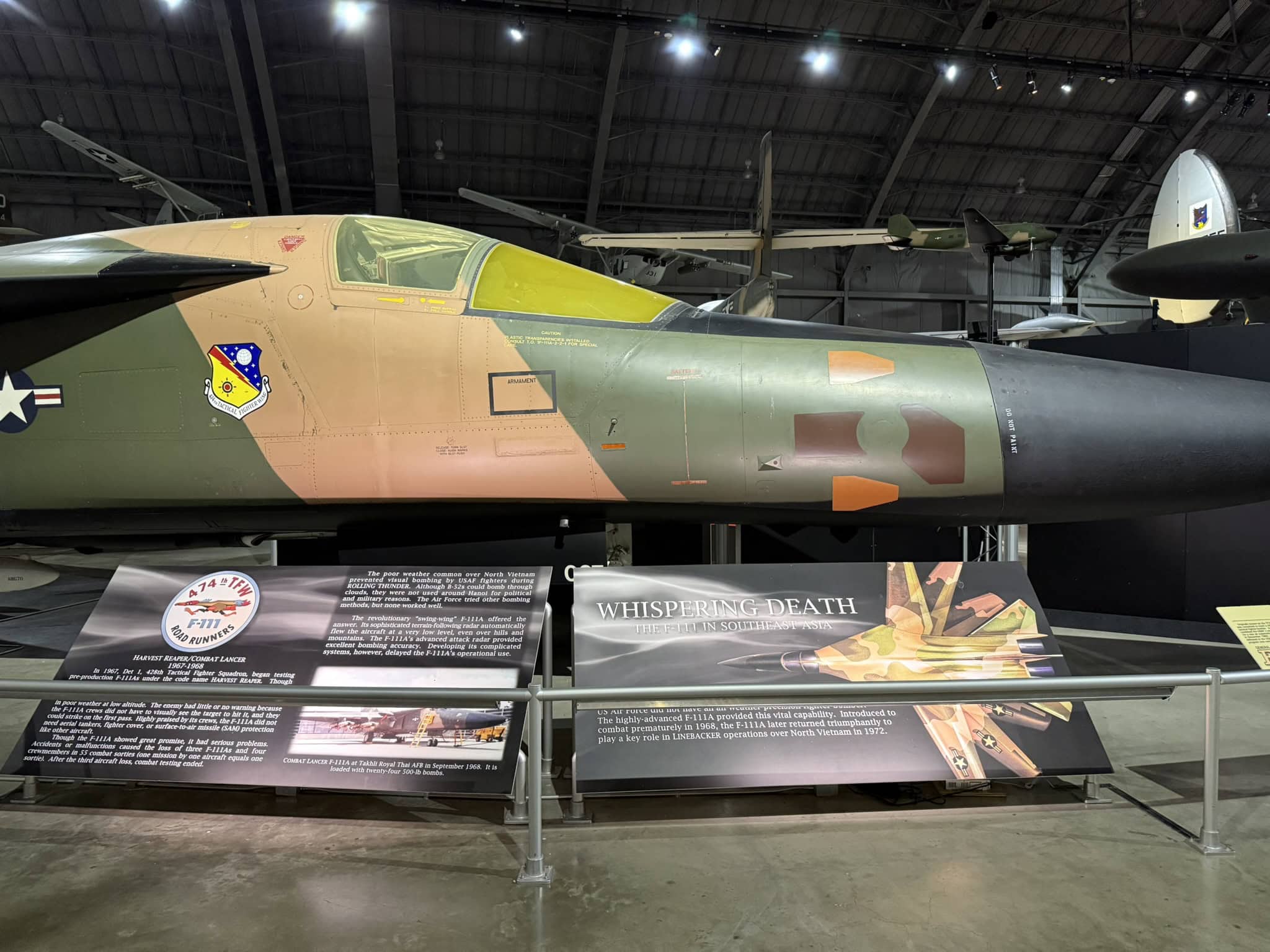
F-111 at the National Museum of the U.S. Air Force. 19FortyFive Photo by Harry J. Kazianis.
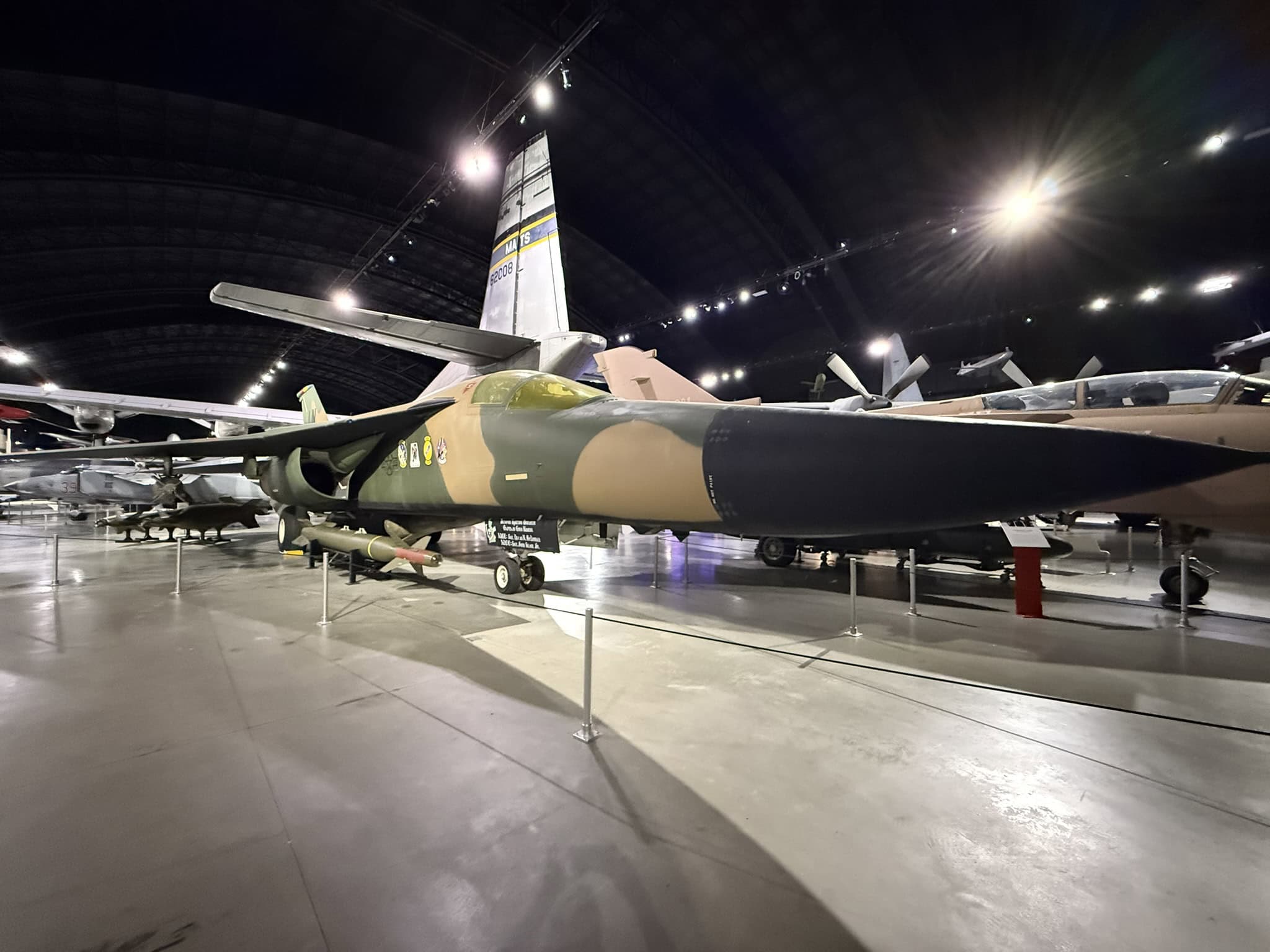
F-111 at the National Museum of the U.S. Air Force. 19FortyFive Photo by Harry J. Kazianis.
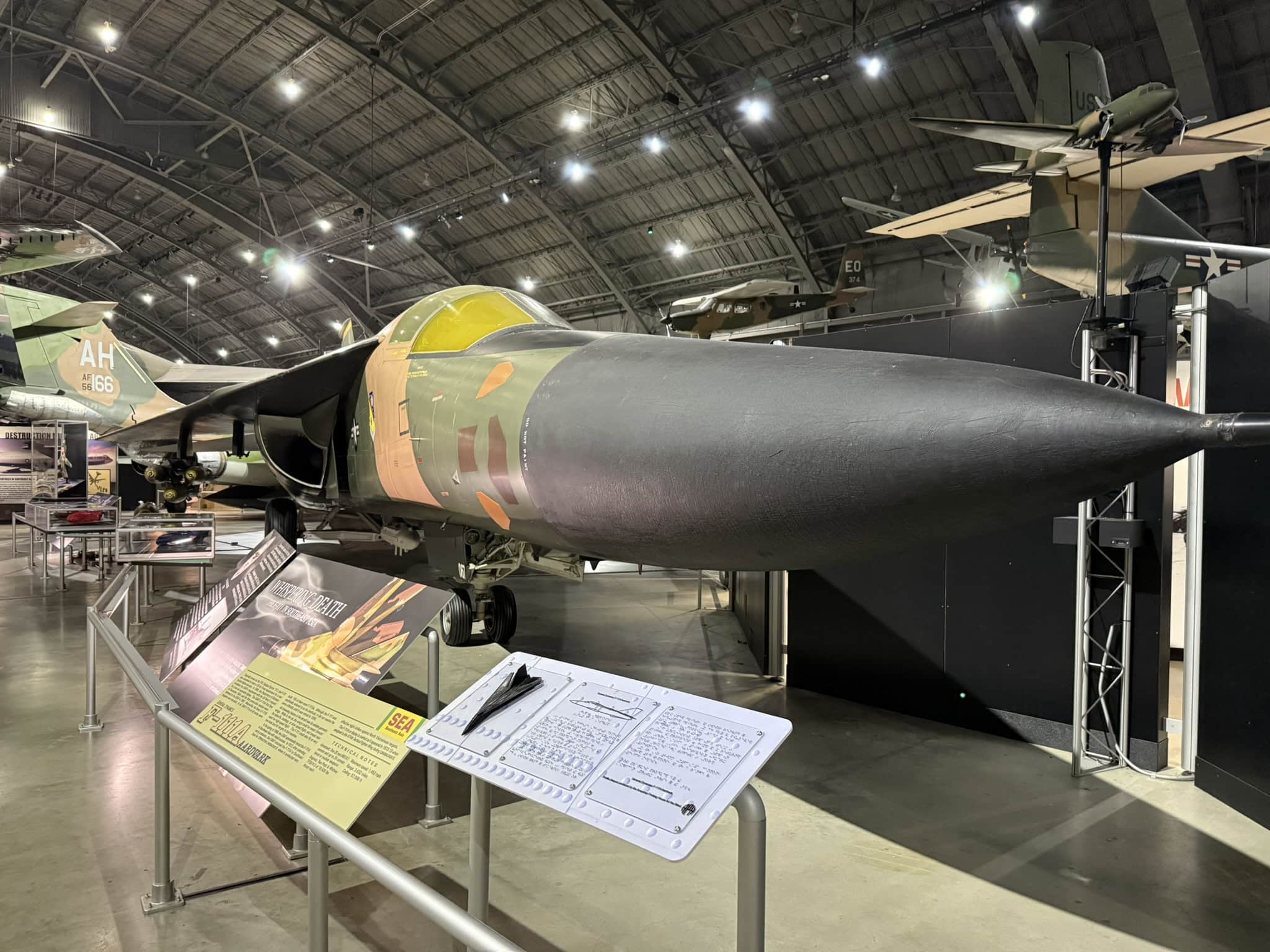
F-111 at the National Museum of the U.S. Air Force. 19FortyFive Photo by Harry J. Kazianis.
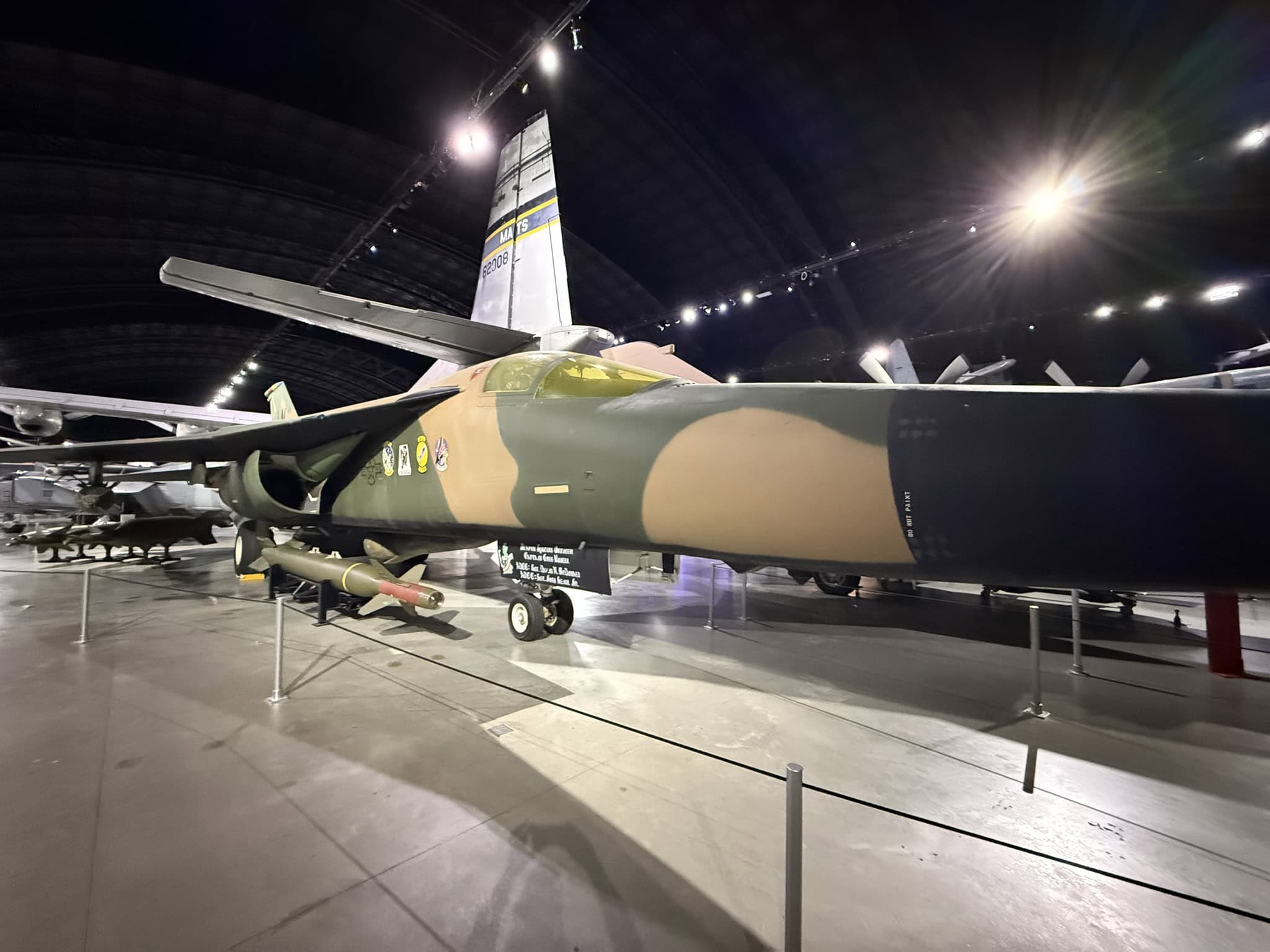
F-111 On Display at the National Museum of the U.S. Air Force. Taken on July 19, 2025, by Harry J. Kazianis for 19FortyFive.com
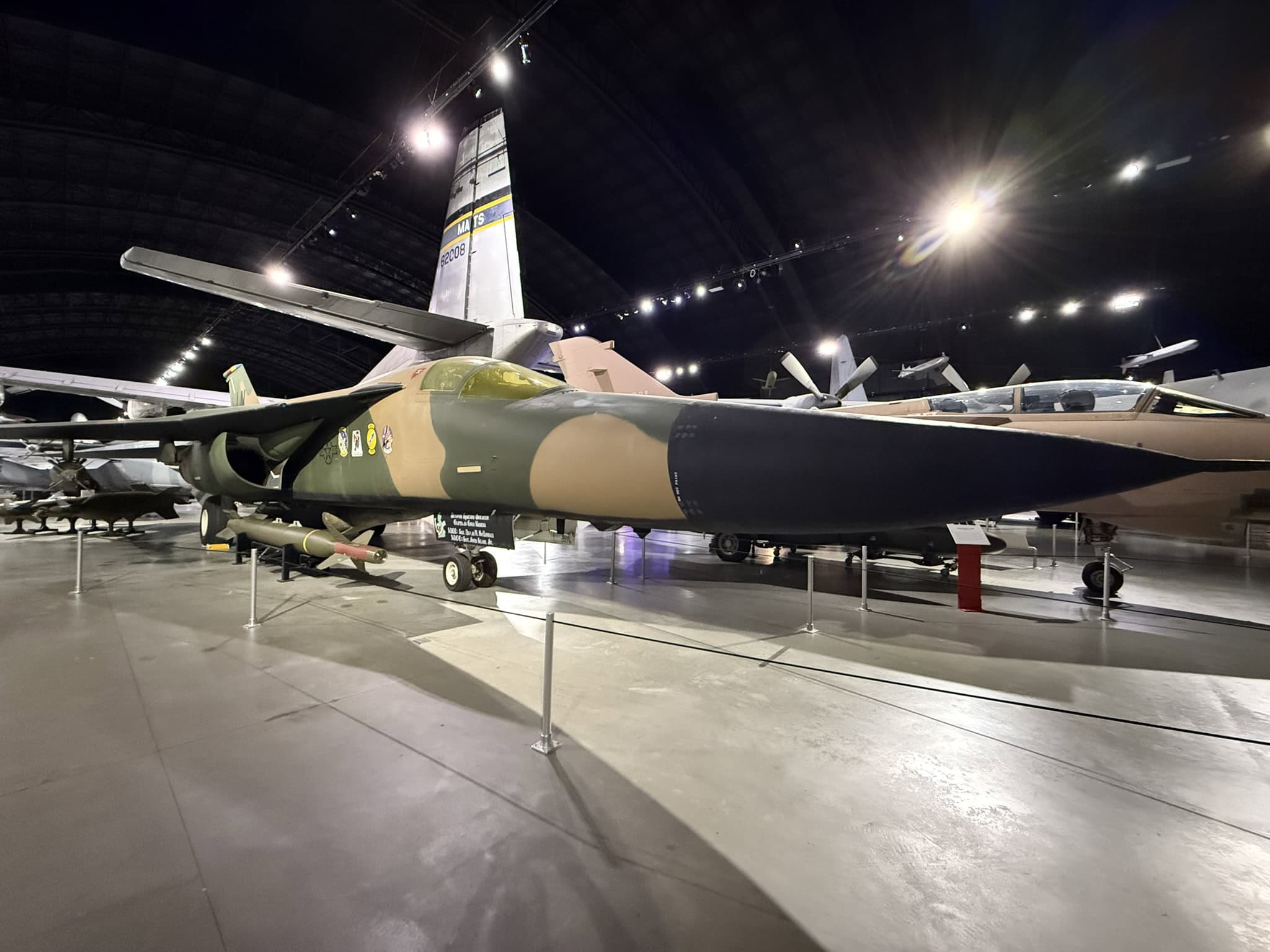
F-111 On Display at the National Museum of the U.S. Air Force. Taken on July 19, 2025, by Harry J. Kazianis for 19FortyFive.com
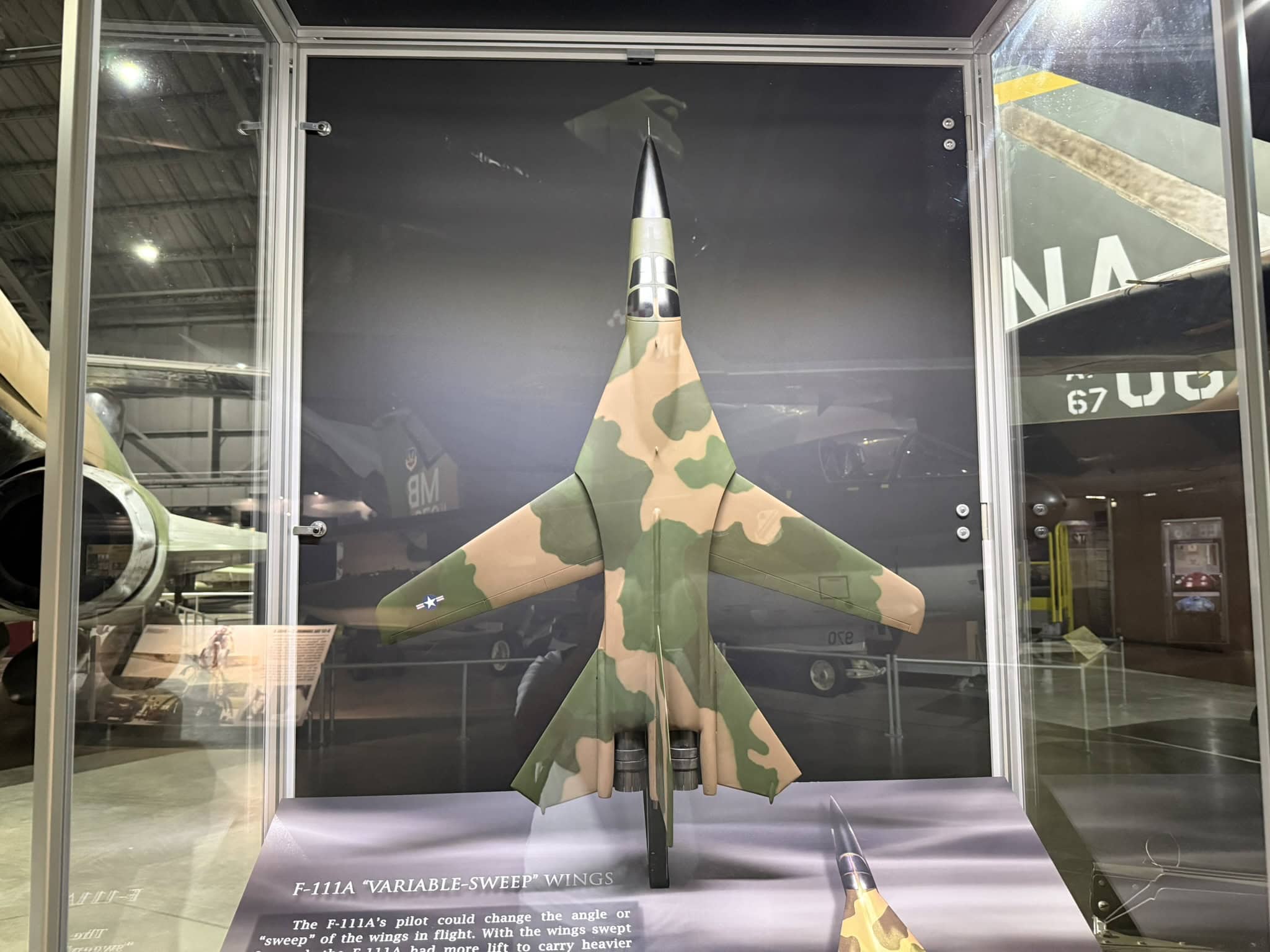
F-111 On Display at the National Museum of the U.S. Air Force. Taken on July 19, 2025, by Harry J. Kazianis for 19FortyFive.com
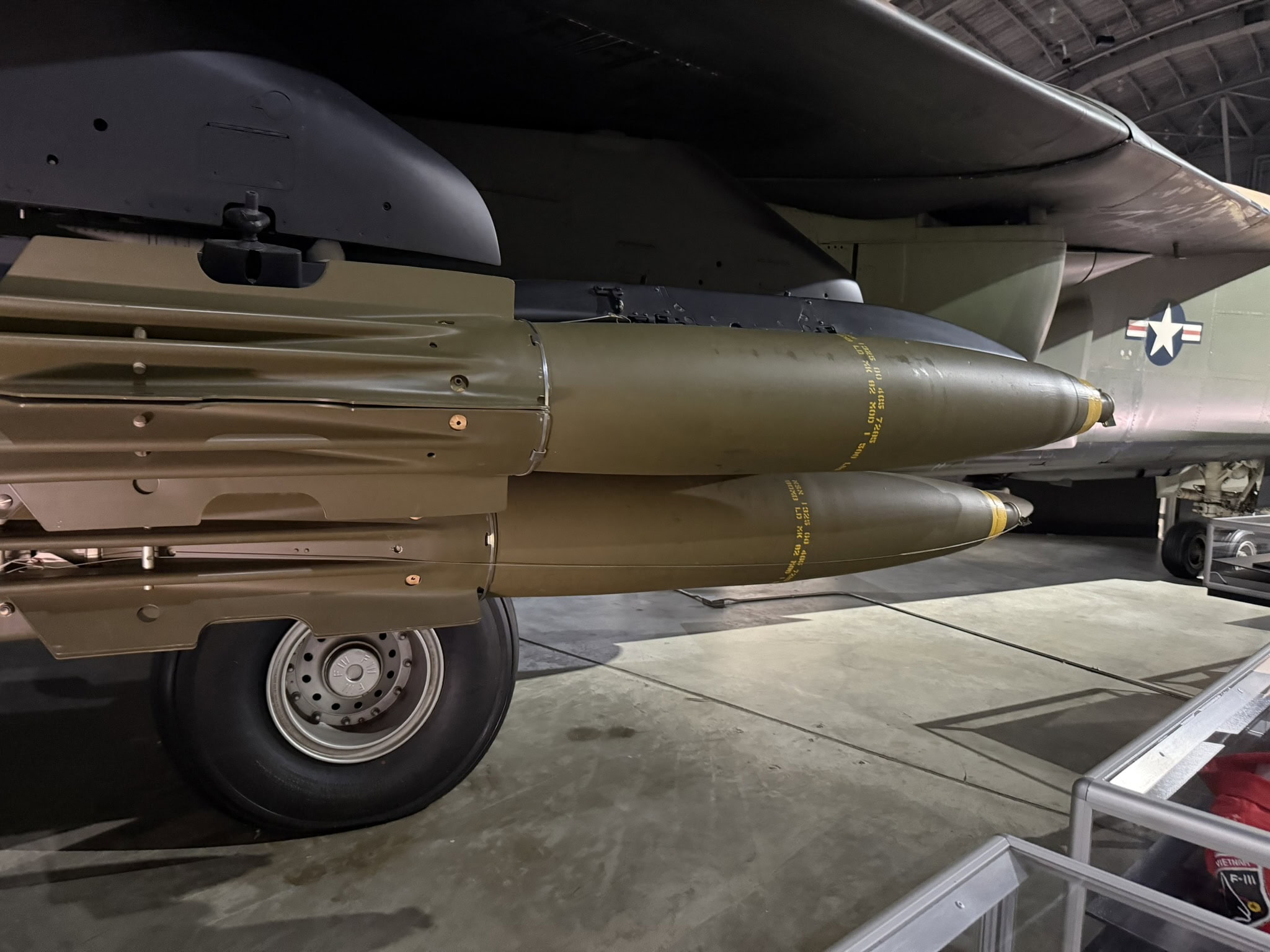
F-111 On Display at the National Museum of the U.S. Air Force. Taken on July 19, 2025, by Harry J. Kazianis for 19FortyFive.com
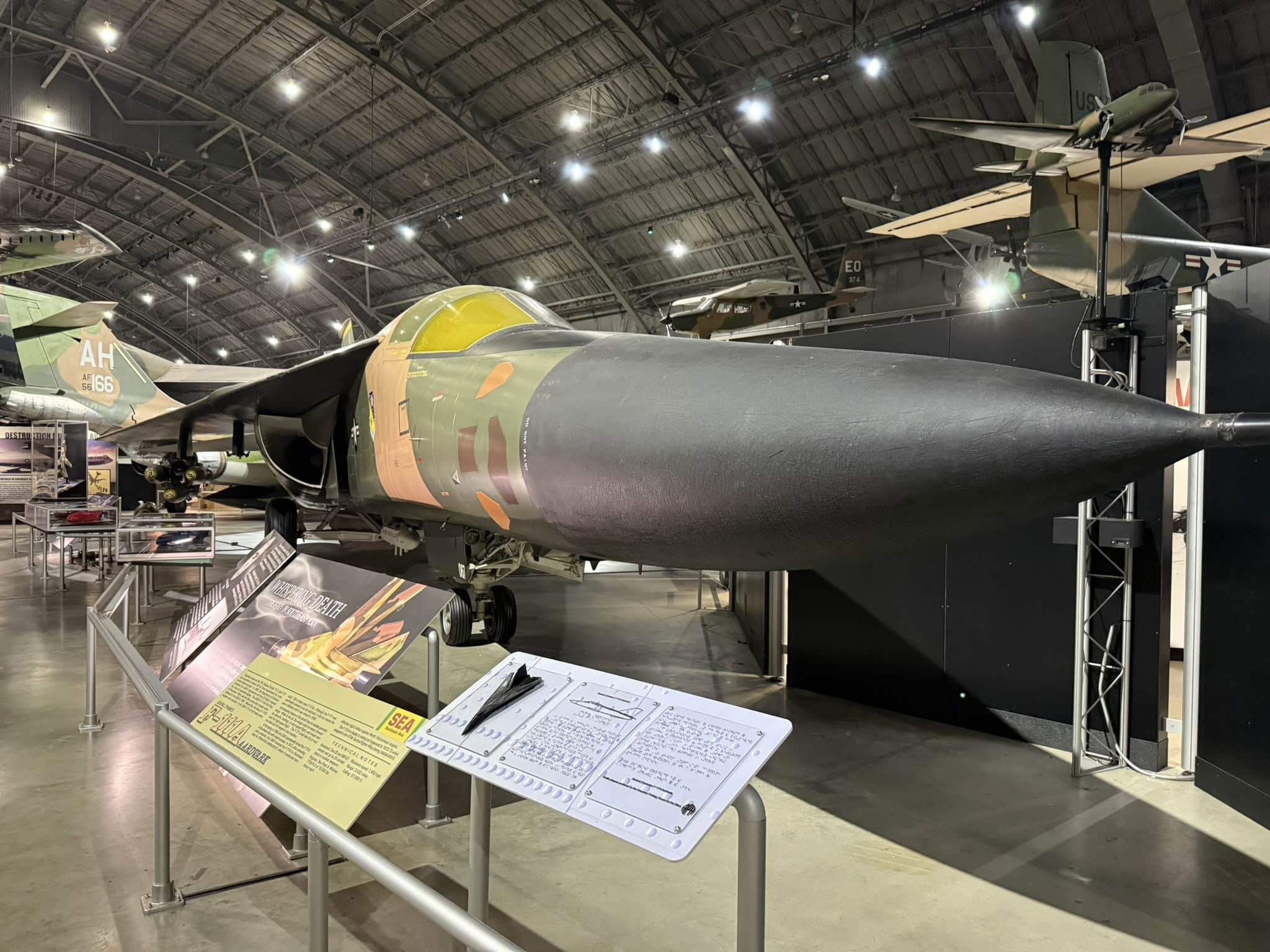
F-111 On Display at the National Museum of the U.S. Air Force. Taken on July 19, 2025, by Harry J. Kazianis for 19FortyFive.com
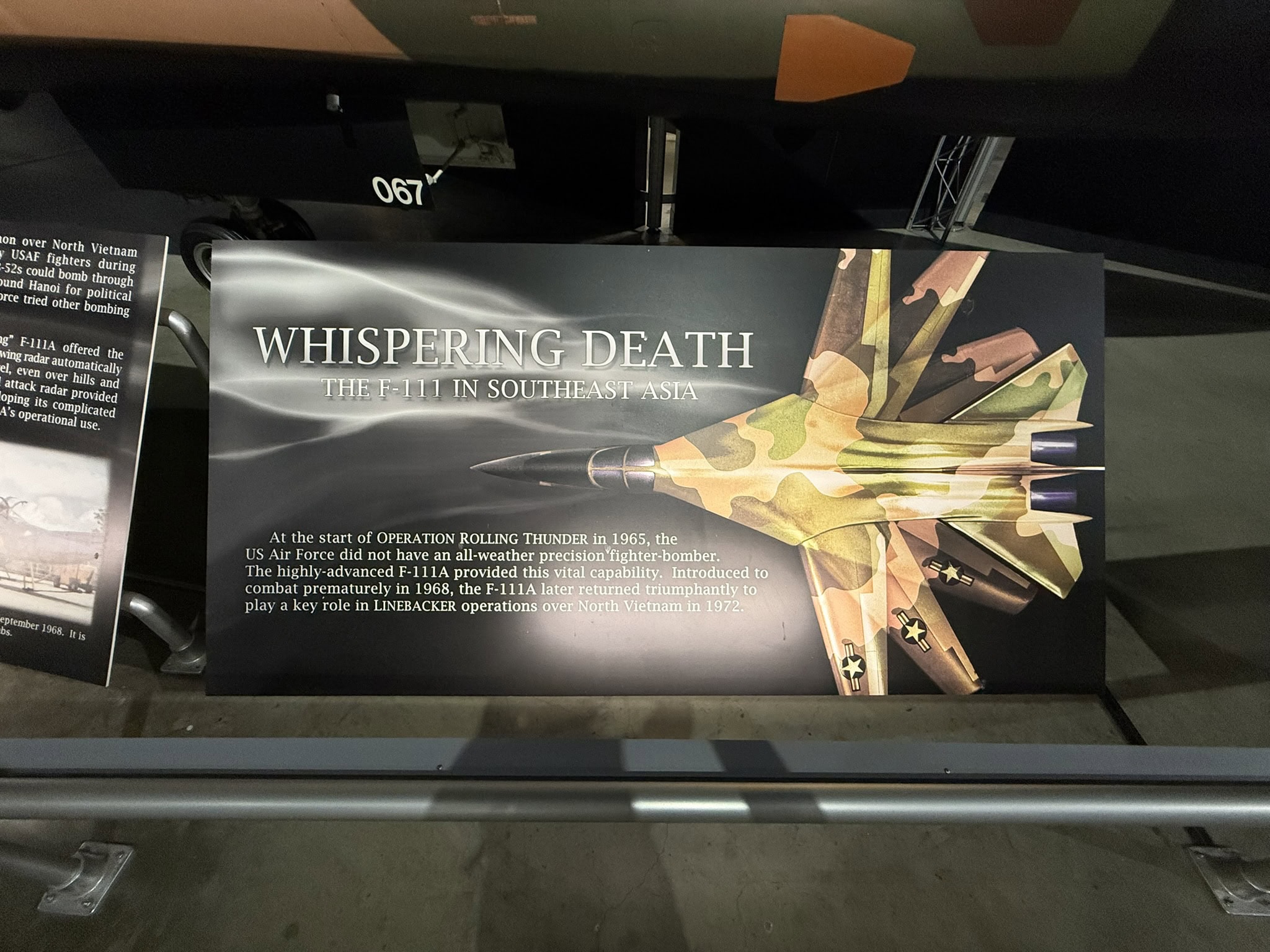
F-111 On Display at the National Museum of the U.S. Air Force. Taken on July 19, 2025, by Harry J. Kazianis for 19FortyFive.com
About the Author: Harry J. Kazianis
Harry J. Kazianis (@Grecianformula) was the former Senior Director of National Security Affairs at the Center for the National Interest (CFTNI), a foreign policy think tank founded by Richard Nixon based in Washington, DC. Harry has over a decade of experience in think tanks and national security publishing. His ideas have been published in the NY Times, The Washington Post, The Wall Street Journal, CNN, and many other outlets. He has held positions at CSIS, the Heritage Foundation, the University of Nottingham, and several other institutions related to national security research and studies. He is the former Executive Editor of the National Interest and the Diplomat. He holds a Master’s degree focusing on international affairs from Harvard University.

