
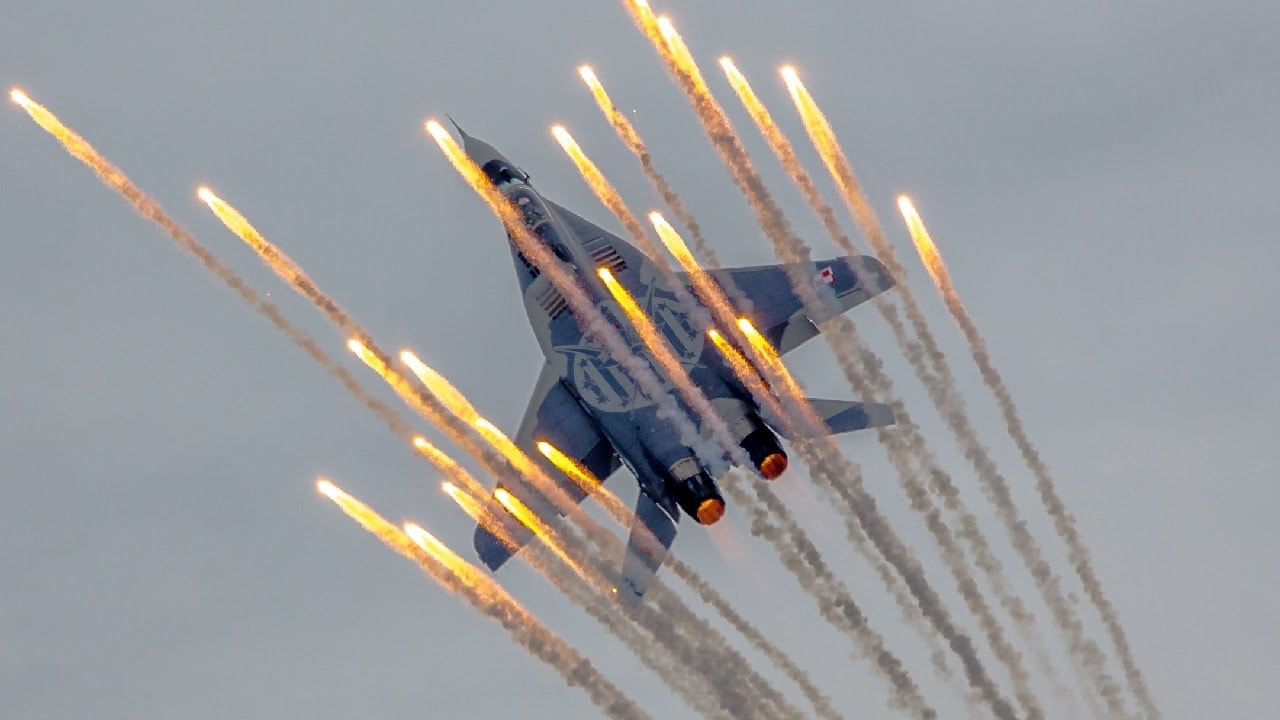
Key Points and Summary – In 1989, Soviet MiG-29 pilot Alexander Zuyev staged a daring escape from a Black Sea airbase, fighting past guards, taking a bullet, and launching one of the USSR’s newest fighters.
-He crossed into Turkey and forced a landing, triggering an instant diplomatic crisis: Moscow demanded the jet and the pilot, while Ankara sought to avoid escalation.
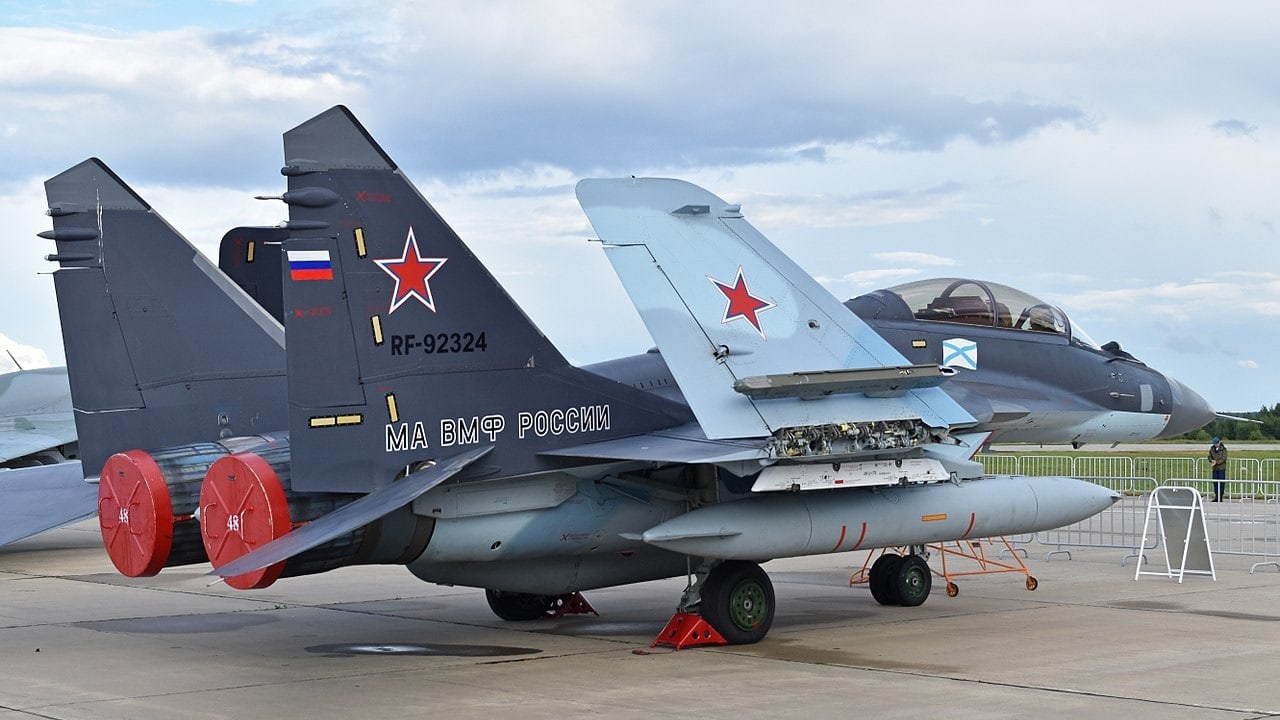
Naval variant of the second generation MiG-29, with the NATO codename ‘Fulcrum-D’. Reported to be operated by the 100th Independent Shipborne Fighter Aviation Regiment (OKIAP) based at Severomorsk. On static display at the Aviation cluster of the ARMY 2017 event. Kubinka Airbase, Moscow Oblast, Russia.
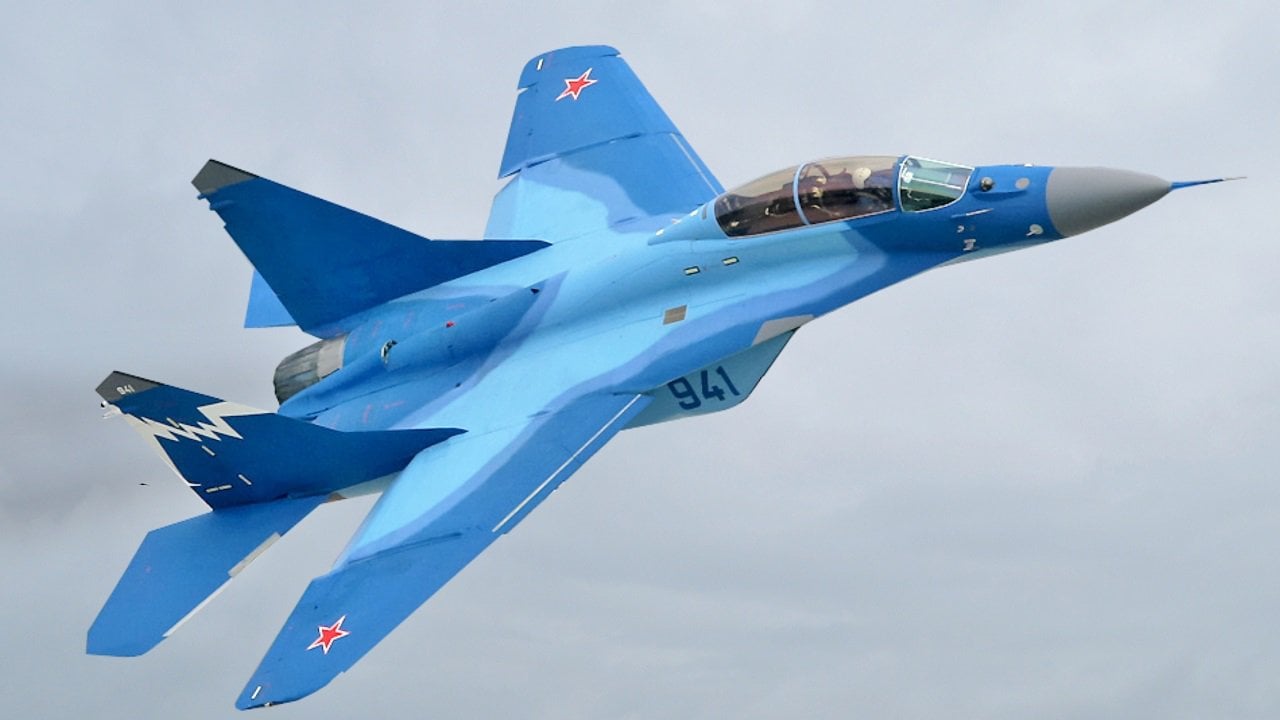
MiG-29K. Image Credit: Creative Commons.
-The aircraft was ultimately returned, but NATO still gained a windfall—brief access to the jet and, more importantly, Zuyev’s firsthand testimony on MiG-29 performance, training, and maintenance.
-He later emigrated to the U.S. and died in a 2001 civilian flight accident.
The Day Turkey Took In a Bleeding MiG-29 Pilot—and NATO Took Notes
In 1989, a bleeding Soviet fighter pilot landed his MiG-29 in Turkey, a shocking moment at the climax of the Cold War.
The pilot, Alexander Zuyev, was a Soviet Air Defense Forces (PVO) captain who had fought his way out of an airbase in the Black Sea region with a handgun before stealing a MiG-29 and crossing into NATO airspace.
The defection was dramatic, not just as a personal escape, but also for the transfer of secret frontline technology from behind the Iron Curtain.
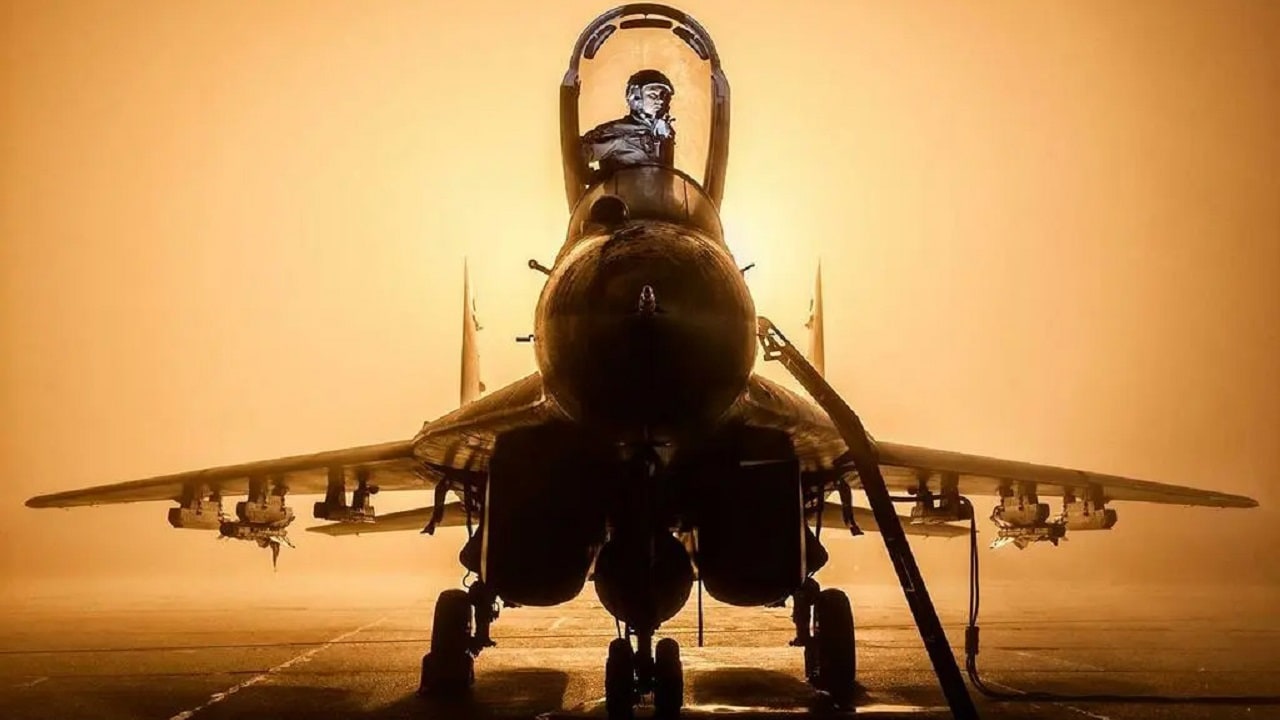
MiG-29 fighter. Image Credit: Creative Commons.
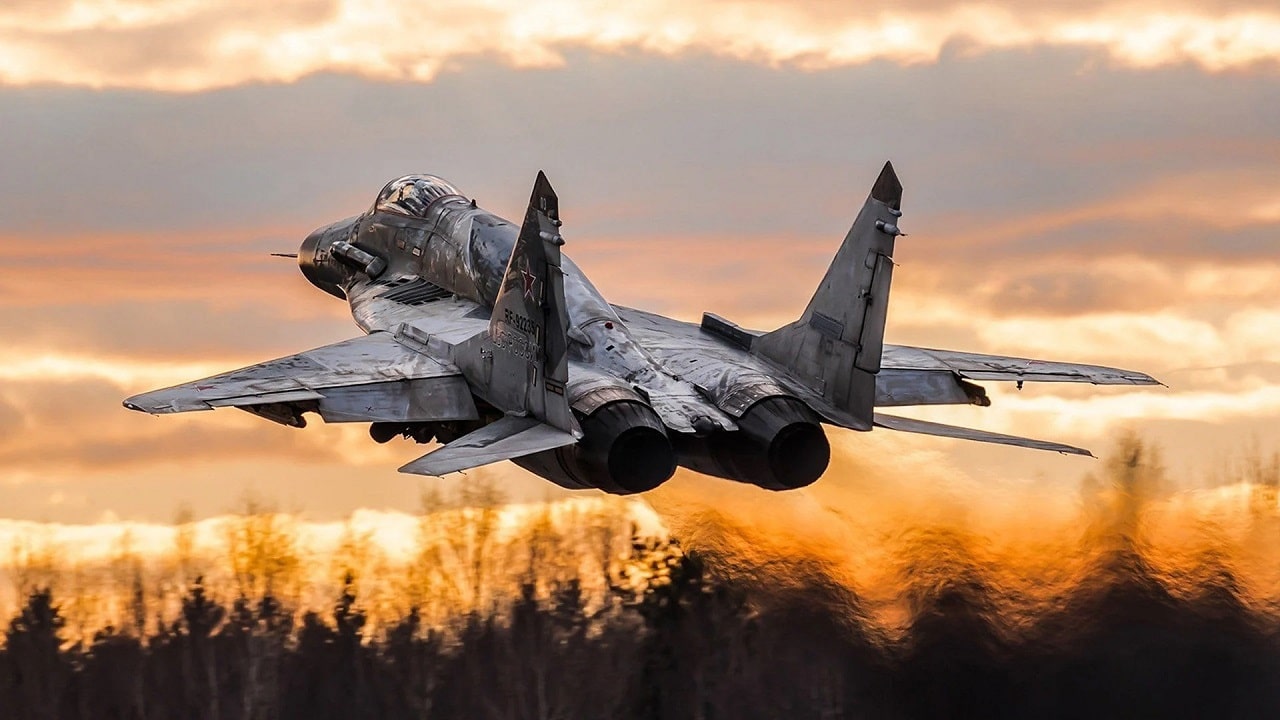
MiG-29 fighter jet. Image Credit: Creative Commons.
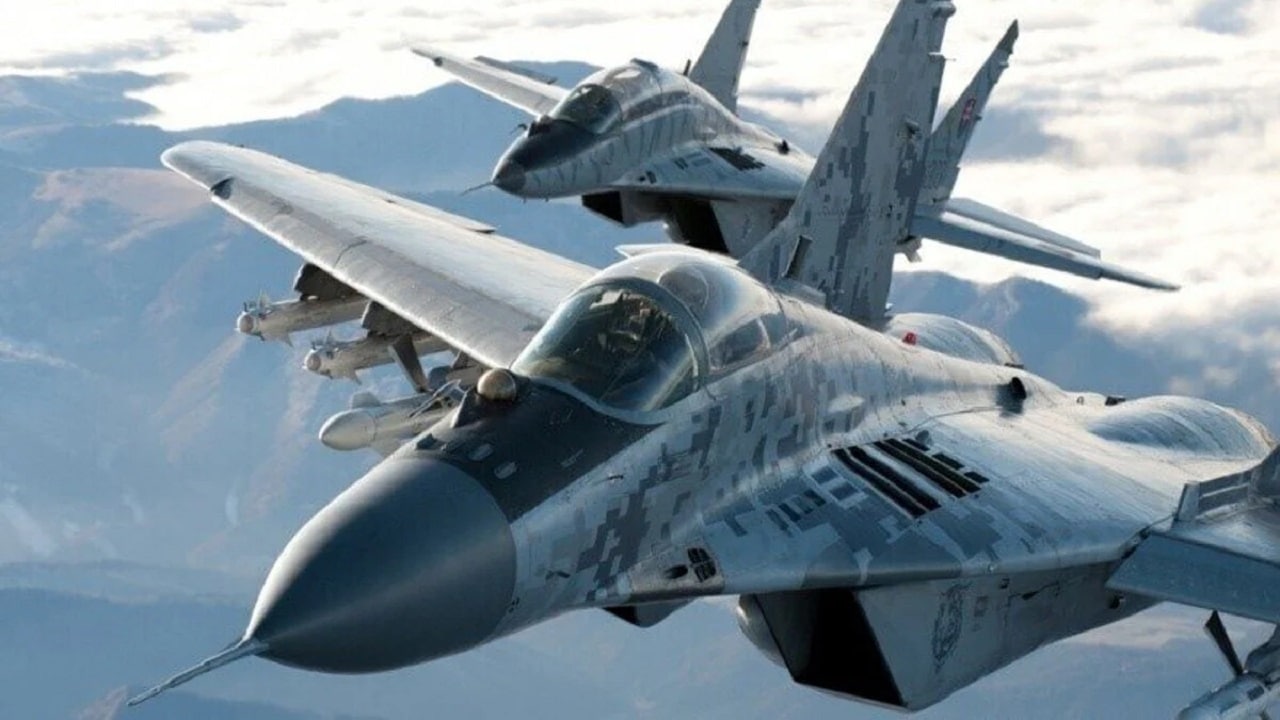
MiG-29. Image Credit: Creative Commons.
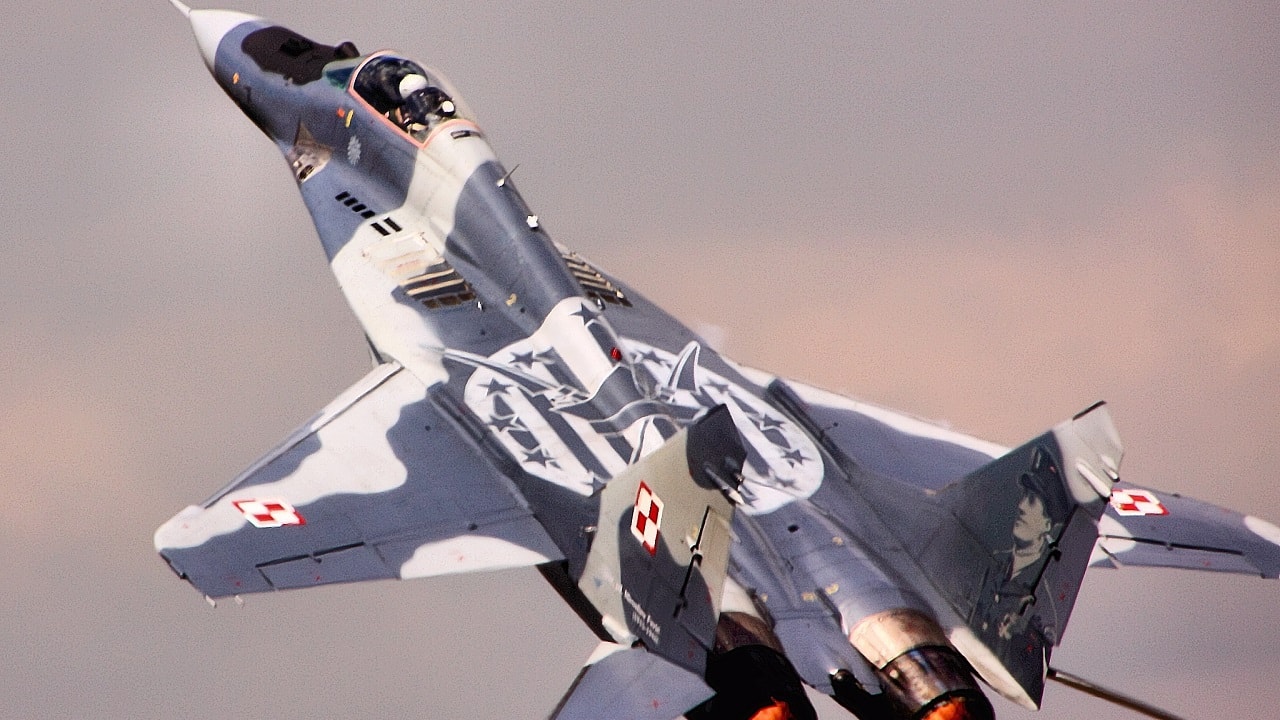
Polish Air Force MiG-29 at the 2013 Royal International Air Tattoo.
The Russian MiG-29 Fighter Flies Into NATO Territory
Zuyev was a pilot stationed in the Black Sea region—a politically sensitive frontier between NATO and the Warsaw Pact.
Young and highly trained, Zuyev was flying one of the USSR’s newest and most closely guarded fighters, the MiG-29.
Introduced in the early 1980s as competition to the American F-16 and F/A-18, the MiG-29 was one of the first Soviet fighters with accurate look-down/shoot-down radar, high off-foresight missiles, and extreme maneuverability.
At the time, the MiG-29 was feared, poorly understood, and mythologized in the West—where analysts were desperate for firsthand insight into its systems and handling.
The Defection
Zuyev, who had been trained on the MiG-29, wanted to defect from the Soviet Union.
He planned his escape under extreme risk, knowing that capture meant prison, or worse.
When he made his move, base guards confronted him. Desperate to defect, Zuyev engaged in a gun fight with the guards.
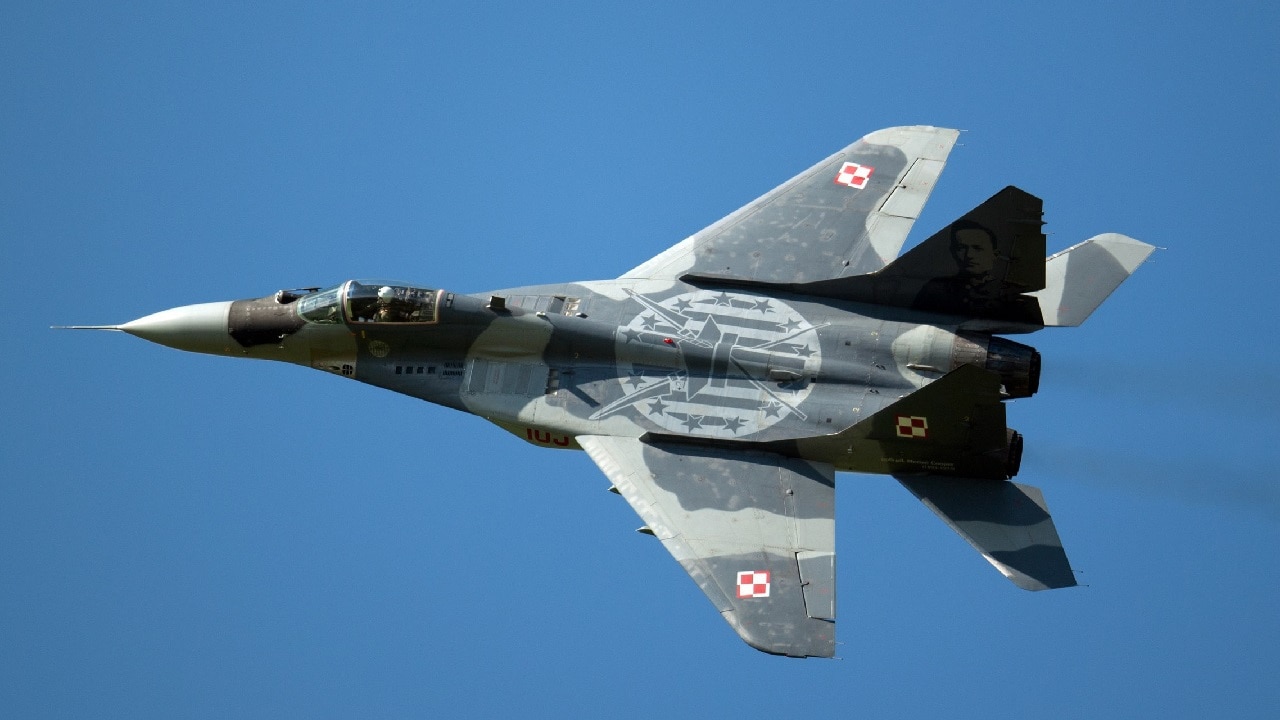
MiG-29 fighter. Image Credit: Creative Commons.
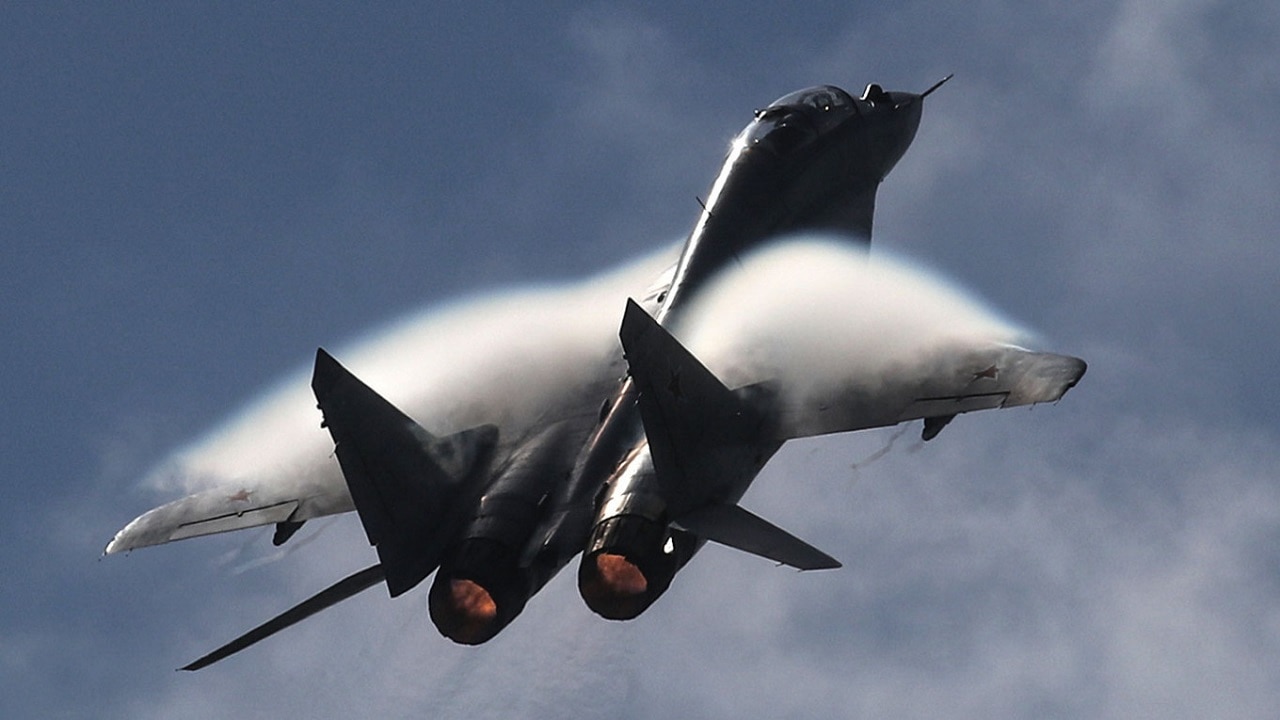
MiG-29 fighter.
Despite being shot, Zuyev managed to launch the MiG-29 and escape Soviet airspace.
He then flew a short—but politically explosive—route across the Black Sea and into Turkey.
Naturally, Turkish air traffic control initially resisted Zuyev’s landing, but he insisted.
Zuyev landed the aircraft, armed and bleeding, a shocking human moment, a cinematic Cold War crisis.
The diplomatic fallout was immediate. The Soviet Union demanded the return of the pilot and the aircraft while framing Zuyev as a criminal hijacker.
Turkey was caught in a difficult spot, between its obligations to NATO and a desire to avoid escalation with Moscow.
A compromise was negotiated: the aircraft was returned under escort; Zuyev was allowed to seek asylum.
The Intelligence Learned on the Russian MiG-29
Despite the MiG-29’s return to the Soviet Union, the defection was still an intelligence coup for NATO.
Even without long-term possession, Zuyev’s defection offered brief inspection opportunities and visual confirmation of materials, layouts, damage tolerances, etc.
And regardless, Zuyev’s insights were ultimately more valuable than the hardware itself, and he was interrogated exhaustively.
He provided insights into cockpit ergonomics, handling characteristics, training doctrine, and maintenance realities—a trove of invaluable intelligence that reinforced a key insight about Soviet aircraft: they were often aerodynamically excellent but system-limited.
The Propaganda
The fact that a frontline Soviet pilot, trusted to fly the USSR’s most secretive fighter aircraft, voluntarily defected to the West represented a massive propaganda victory. Zuyev’s defection under fire reinforced the narrative of ideological exhaustion under Soviet rule and a loss of faith in Soviet institutions.
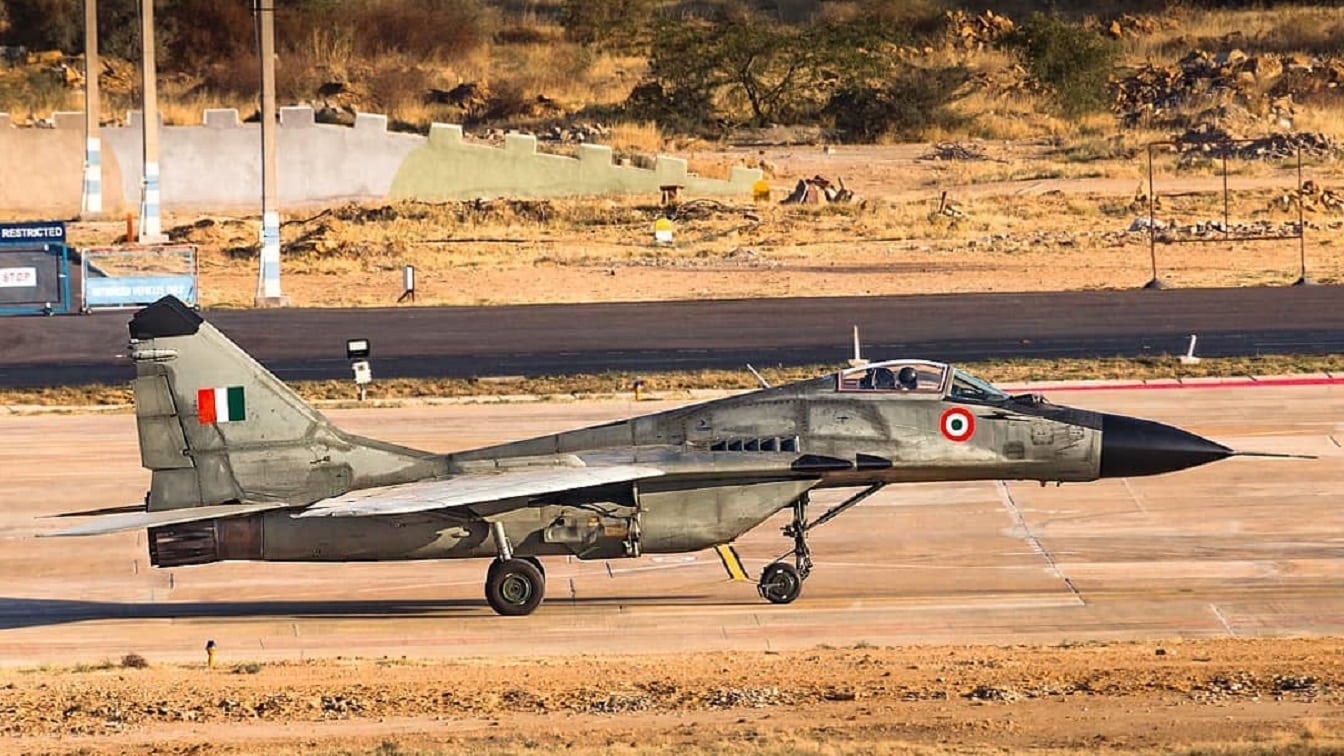
MiG-29. Image Credit: Creative Commons.
The defection happened just before the fall of the Berlin Wall and the ultimate collapse of the Soviet Union, underscoring the failure of the entire Soviet state.
So, Zuyev wasn’t just an intelligence asset but a living symbol of Soviet failure.
The Emigration
Zuyev emigrated to the United States and settled in Southern California. He founded a consulting firm and lectured on Soviet aviation. He authored a memoir, blending personal narrative with geopolitical transformation; he served as something of a translator between East and West.
Tragically, Zuyev was killed in 2001, at age 39, in a civilian training aircraft accident. The irony is that he wasn’t flying in combat, or in espionage, or in any military capacity.
He was flying a Yak-52, near Bellingham, Washington, when he and Mike Warren entered a flat spin and failed to recover.
The Legacy: More Than MiG-29 Fighter Data
The Zuyev defection showed the limits of state secrecy; aircraft, systems, and institutions are only as opaque as the humans within them.
Zuyev’s defection helped to reinforce Western confidence heading into the 1990s. Of course, one pilot defection didn’t shift the balance of the Cold War or anything so dramatic—but Zuyev’s defection confirmed the direction history was already moving in.
Today, Zuyev’s defection has largely been forgotten. But obscure or not, the moment serves as one of the more compelling human dramas of the entire Cold War.
About the Author: Military Expert Harrison Kass
Harrison Kass is an attorney and journalist covering national security, technology, and politics. Previously, he was a political staffer and candidate, and a US Air Force pilot selectee. He holds a JD from the University of Oregon and a master’s in global journalism and international relations from NYU.