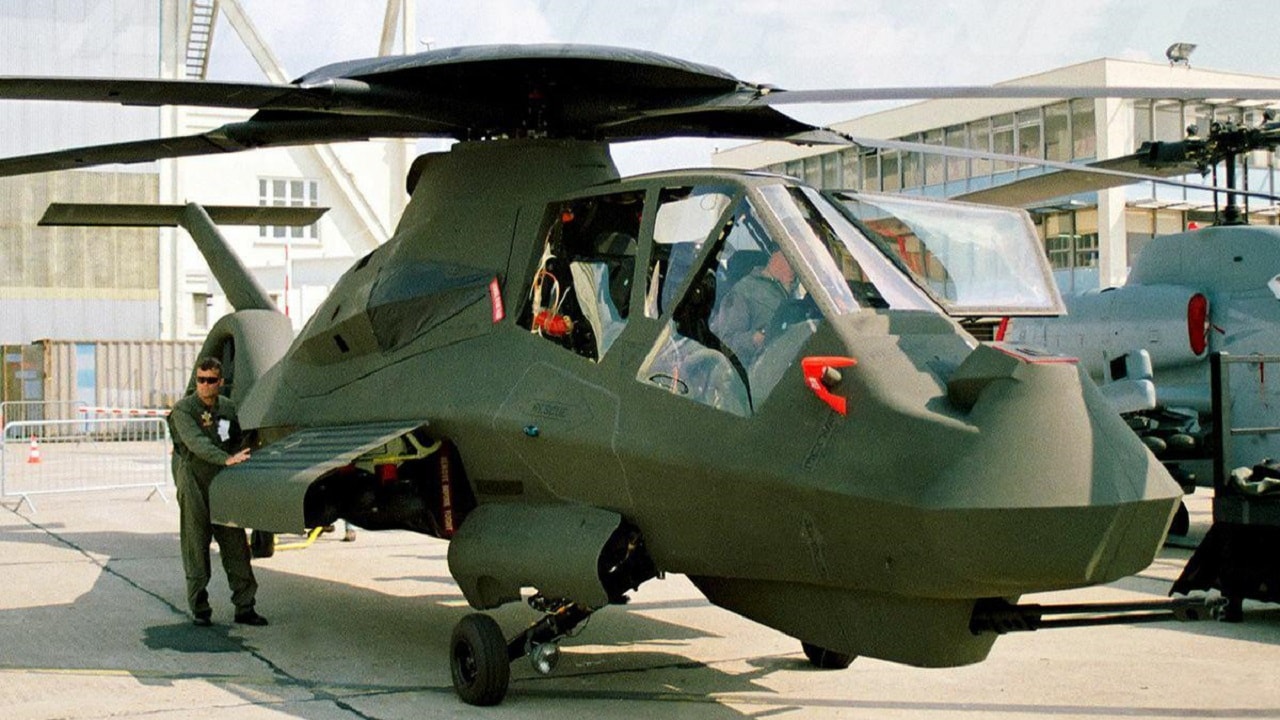
Synopsis: The RAH-66 Comanche cancellation initially looked like a brutal setback for Army aviation—an expensive next-generation stealth helicopter project abruptly ended.
-But in hindsight, it became a strategic reset. Money and technology tied to the Comanche effort were redirected into upgrades and future-ready capabilities, including improvements to the Apache fleet, new sensors, and early manned-unmanned teaming concepts that tightened the kill chain and reduced risk to crews.
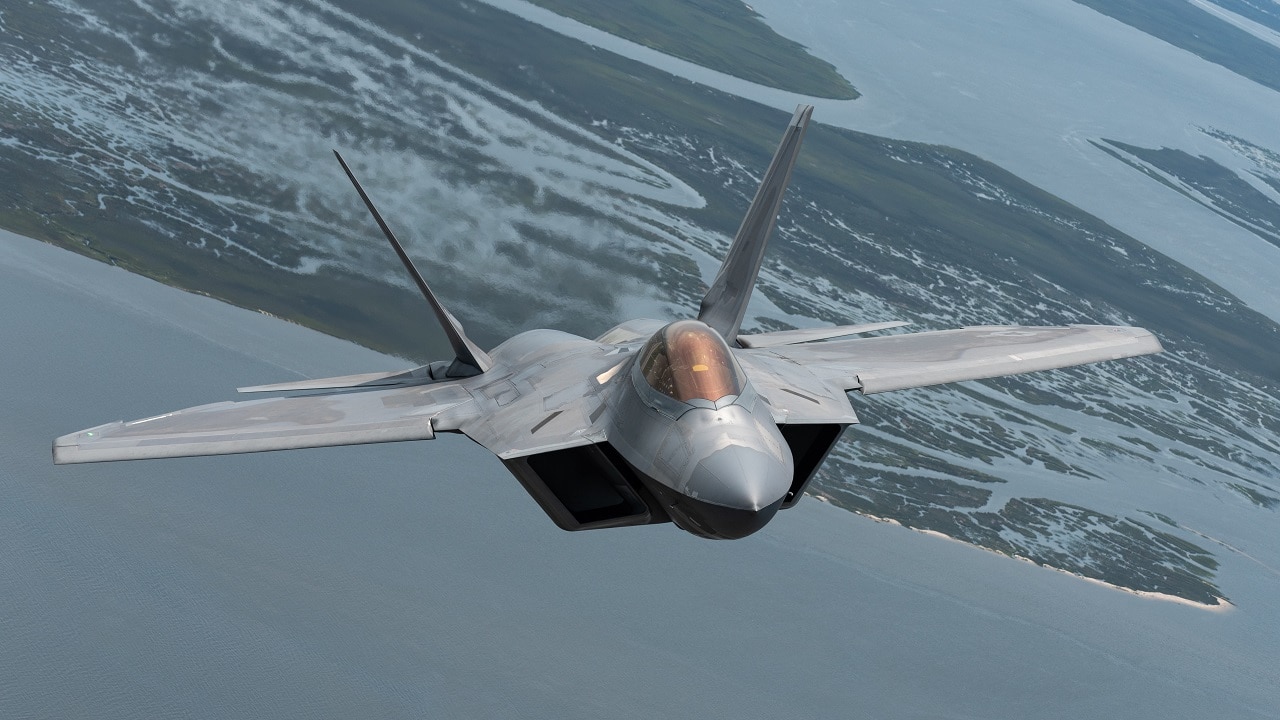
U.S. Air Force Maj. Paul ‘Loco’ Lopez, F-22 Demo Team commander/pilot, performs an aerial demonstration during the MCAS Beaufort air show, April 27, 2019. Maj. Lopez has over 1,500 hours flying both the F-15 and the F-22 and is in his second year as the commander of the F-22 Raptor Demonstration Team. (U.S. Air Force photo by 2nd Lt. Samuel Eckholm)
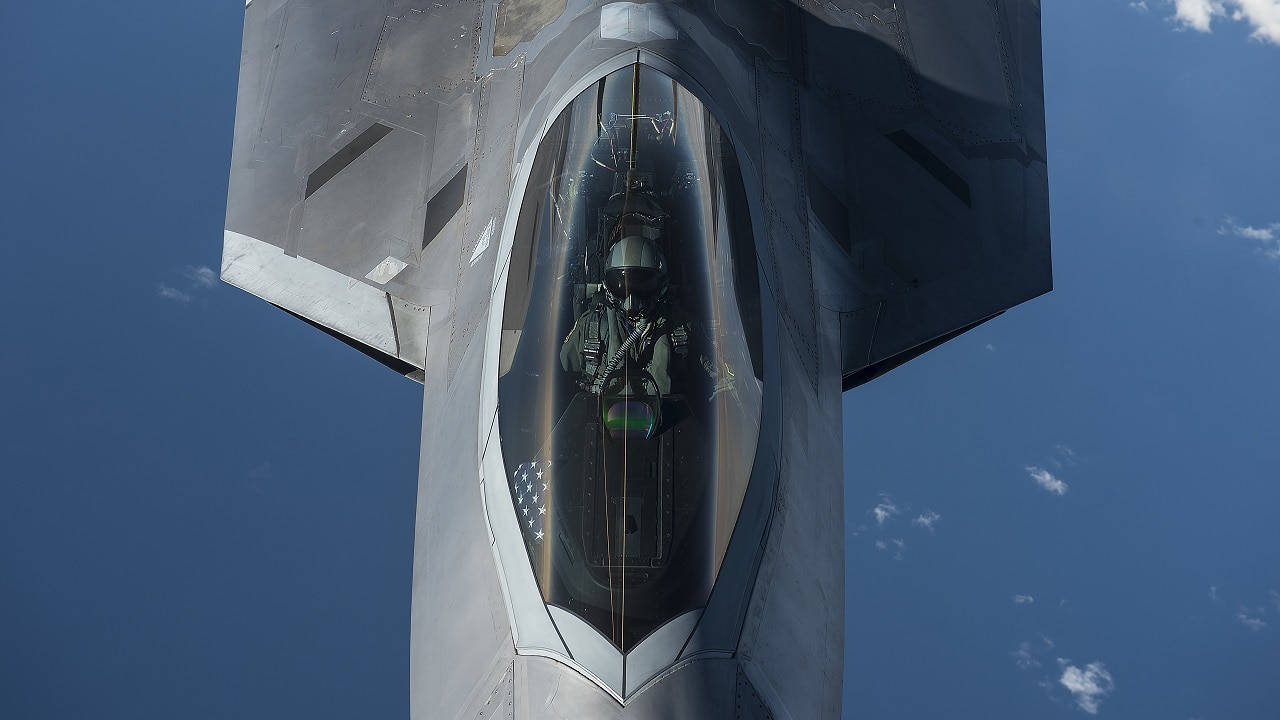
A U.S. Air Force F-22 Raptor pilot from the 95th Fighter Squadron, Tyndall Air Force Base, Fla., flies over the Baltic Sea Sept. 4, 2015. The U.S. Air Force has deployed four F-22 Raptors, one C-17 Globemaster III, approximately 60 Airmen and associated equipment to Spangdahlem Air Base, Germany. While these aircraft and Airmen are in Europe, they will conduct air training with other Europe-based aircraft. (U.S. Air Force photo by Tech. Sgt. Jason Robertson/Released)
-The pivot also helped accelerate longer-term modernization efforts under Future Vertical Lift, reshaping Army aviation around networking, drones, and speed. What looked like retreat ultimately became reinvestment.
The RAH-66 Comanche “Failure” That Reset Army Aviation
What began as a cautionary tale, in hindsight, looks like one of the Army’s smartest strategic resets.
The cancellation of the stealthy RAH-66 Comanche helicopter shook the Pentagon acquisition world in the early 2000s.
It was an abrupt end to a promising next-generation technology. The Comanche had incorporated a series of breakthrough technologies expected to inspire a new generation of tactics and attack possibilities.
The decision to cancel the RAH-66 sparked concern that Army aviation would linger in a haze of mediocrity and fall dangerously behind aggressive, fast-modernizing rivals.
Great Decision?
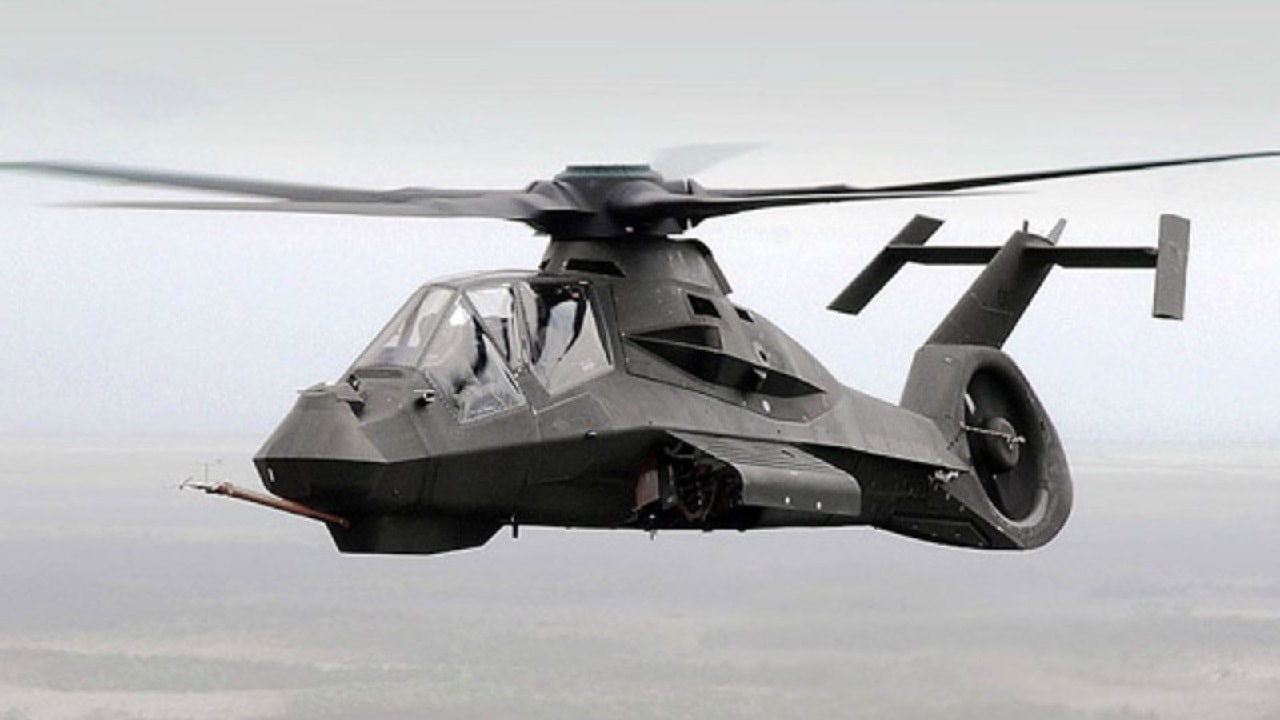
RAH-66 Comanche. Image Credit: Creative Commons.
In hindsight, the Army showed resilience by weathering the storm of criticism toward its acquisition community and intelligently redirecting funds into a series of future platforms.
What was initially seen as an ill-advised move to save money wound up being regarded as an intelligent and forward-thinking decision that helped give direction to a successful series of weapons and technologies.
Much of the technological progress achieved after $7 billion of investment into the Comanche was harvested for key platforms such as the Army’s Paladin self-propelled Howitzer.
The Army’s Non-Line-of-Sight Cannon, built as part of the Future Combat Systems program, used electric drive technology and digital computing capabilities originally designed for the Comanche. Funds were also redirected to counter a new generation of emerging threats, such as networking and drone attacks.
The Army upgraded its Apache attack helicopter, incorporating a new 701D Improved Turbine Engine Program that was advanced and fuel-efficient; adding composite rotorblades; integrating new targeting sensors; and developing breakthrough manned-unmanned teaming options.
Manned-Unmanned Teaming?
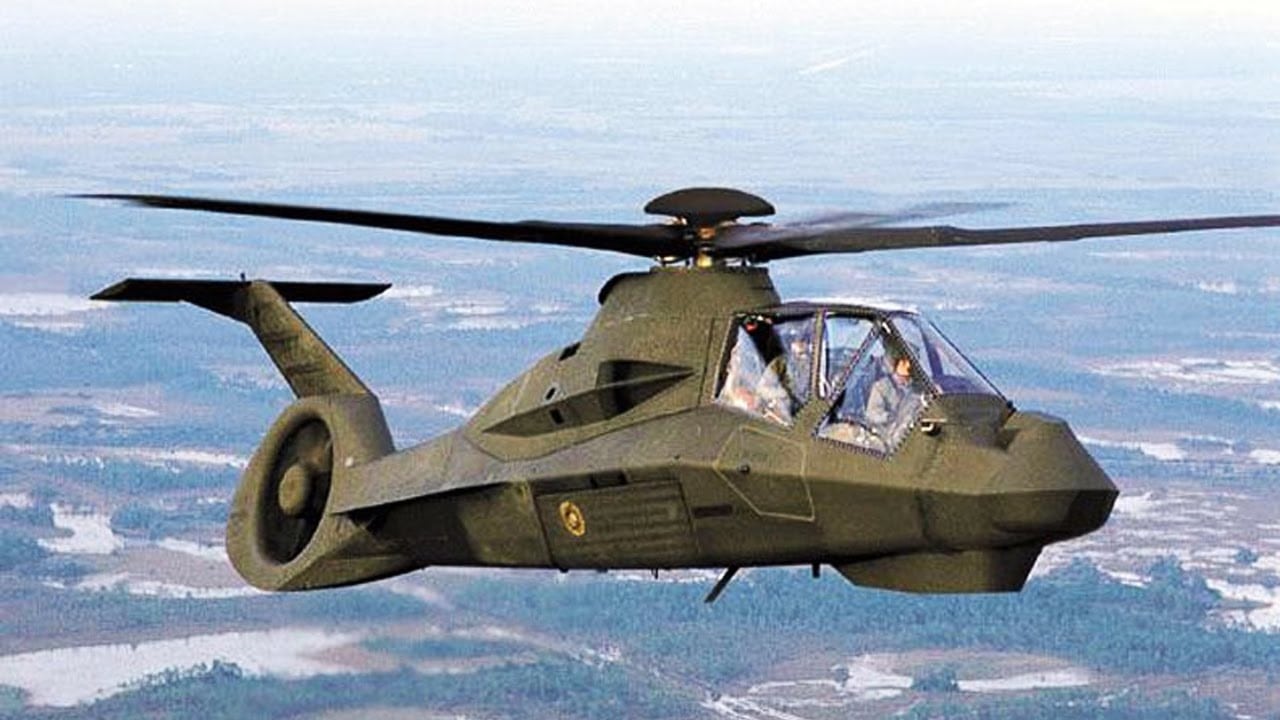
RAH-66 Comanche.
The Army was an early adopter of manned-unmanned teaming: Kiowa Scout helicopters and Apache attack helicopters could control drones’ flight paths from the cockpit.
The Army’s Manned-Unmanned Teaming (MUM-T) was a collection of technologies and tactics Apache pilots leaned on to identify critical targets through drones before taking off.
This expedited targeting and streamlined the kill chain so Apache crews could lower their risk of being exposed to enemy hostile fire.
During the war in Afghanistan, the Army used Apache helicopters to control Grey Eagle drones to find targets, conduct forward reconnaissance, and send real-time video data directly to the cockpit of the helicopter.
This successful use of MUM-T put the Army more than a decade ahead of other military services around the world.
Future Vertical Lift
Perhaps most important of all, Comanche funds were successfully redirected into Future Vertical Lift, a promising program that has now come to life.
The Comanche’s cancellation did not stifle innovation but rather enabled, inspired, and launched a new generation of technology now in the air.
One example is the Future Long Range Attack Aircraft tiltrotor platform: The Textron Bell-Helicopter MV-75 is a paradigm-changing tiltrotor aircraft capable of reaching 280 knots, hovering, and maneuvering with helicopter-like agility.
The MV-75 is now fully operational, and its conceptual and technological development can be traced to dollars redirected from the Comanche cancellation.
About the Author: Military Expert Kris Osborn
Kris Osborn is the President of Warrior Maven – Center for Military Modernization. Osborn previously served at the Pentagon as a highly qualified expert in the Office of the Assistant Secretary of the Army—Acquisition, Logistics & Technology. Osborn has also worked as an anchor and on-air military specialist at national TV networks. He has appeared as a guest military expert on Fox News, MSNBC, The Military Channel, and The History Channel. He also has a Masters Degree in Comparative Literature from Columbia University.