

Synopsis: “Only the dead have seen the end of war” is one of the most repeated lines in military culture, but it’s commonly credited to the wrong person. The piece argues the quote traces to philosopher George Santayana, written in the aftermath of World War I as a rebuke to the idea that modern conflict would finally end war itself. The misattribution stuck after Gen. Douglas MacArthur used it in his 1962 West Point farewell, explicitly calling it Plato’s. Regardless of authorship, the line endures because it captures a bleak, soldier’s-eye view: conflict may pause, but it rarely disappears.
MacArthur Made It Famous, Plato Took the Credit: The Quote’s Real Origin
“Only The Dead Have Seen The End Of War” — Plato (or not?)
The quote “Only the dead have seen the end of war” generally recognizes that conflict is a perpetual part of the human experience, and actual cessation of war’s horrors is only experienced in death, as the living are constantly caught in its cycles.
This quote is often misattributed to Plato, the ancient Greek philosopher of Classical Athens, who is most commonly considered the foundational thinker of the Western philosophical tradition. But actually originating from philosopher George Santayana.
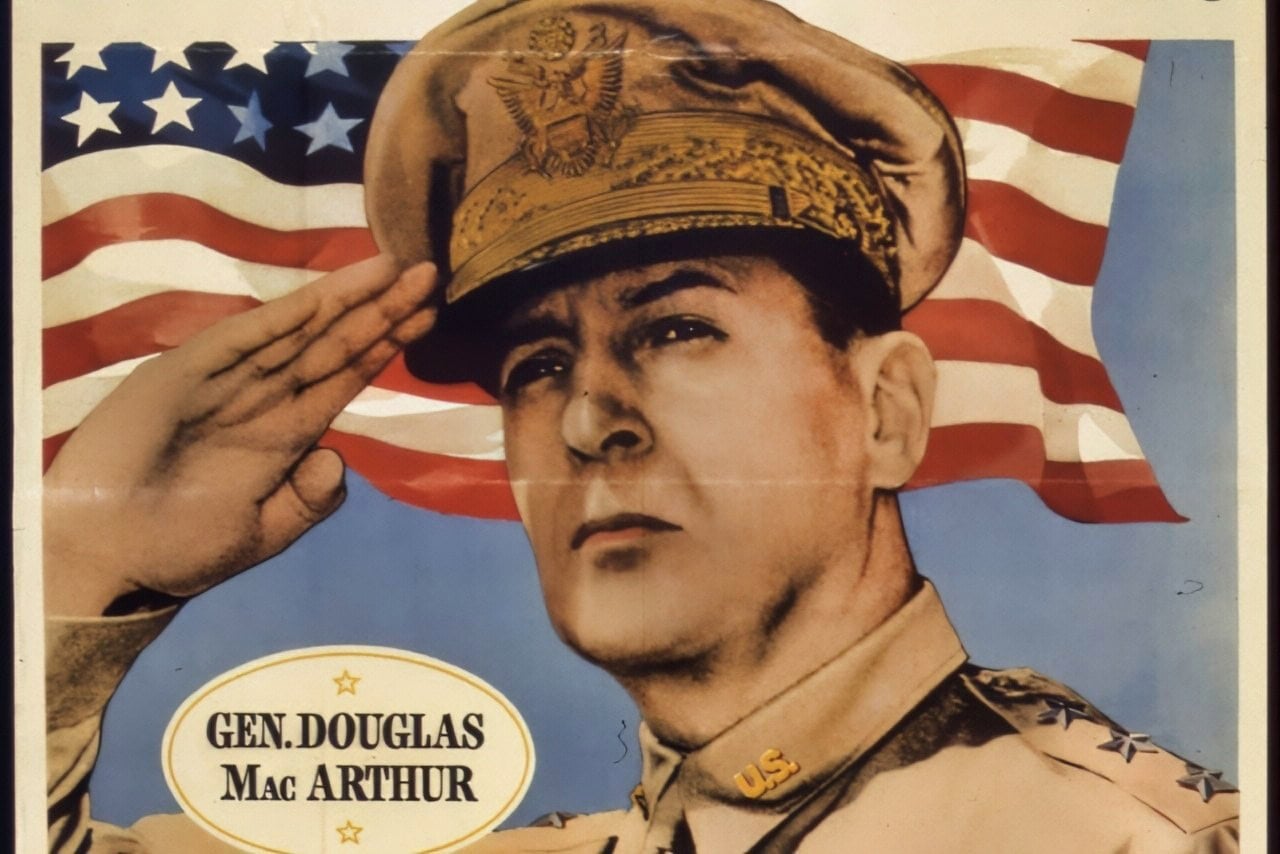
Douglas MacArthur. Image Credit: Creative Commons.
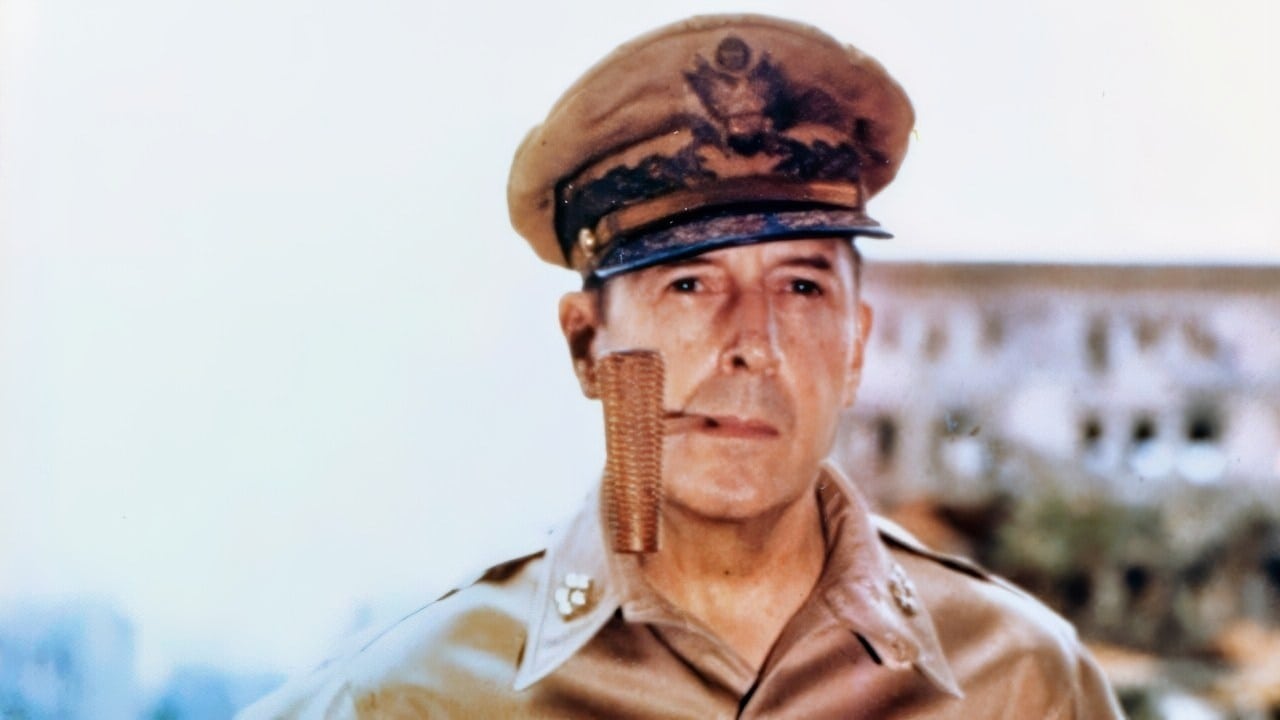
General Douglas MacArthur. Image Credit: Creative Commons.
Santayana wrote in his 1922 work Soliloquies in England and Later Soliloquies about the horrors of World War I and railed against the prevailing thought that WWI was “the war to end all wars,”by H.G. Wells.
The entire quote by Santayana is “Only the dead are safe; only the dead have seen the end of war. Not that non-existence deserves to be called peace; it is only by an illusion of contrast and a pathetic fallacy that we are tempted to call it so.”
However, the misattributing of the quote to Plato was furthered by General Douglas MacArthur, who quoted it in his farewell address to the cadets at West Point in 1962. In his famous speech, MacArthur said, “But always in our ears ring the ominous words of Plato, that wisest of all philosophers: ‘Only the dead have seen the end of war.’”
Regardless of who actually wrote it, the quote suggests peace is an illusion for the living, as new conflicts always arise, making death the only escape from perpetual warfare.
Core Meaning of the Quote:
The quote, “Only the dead have seen the end of war,” means that war is a perpetual human condition, a never-ending cycle of conflict, and true peace, free from its trauma, is only experienced in death, as the living are constantly embroiled in or affected by it, even after ceasefires.
The quote is a pessimistic view that humanity can’t escape its violent nature, with peace existing only in the finality of the grave. The quote suggests a deep-seated human tendency towards violence and division, as evidenced by human history, which implies that lasting peace is an illusion for the living.
The prevailing feeling is that war is endless. As long as people live, there’s potential for conflict, making war a constant feature of history, not a temporary event to be fully overcome.
This pessimistic view holds that death is the only escape. The dead are the only ones truly finished with war; they are beyond its suffering, making death the ultimate, albeit tragic, “end” to conflict.
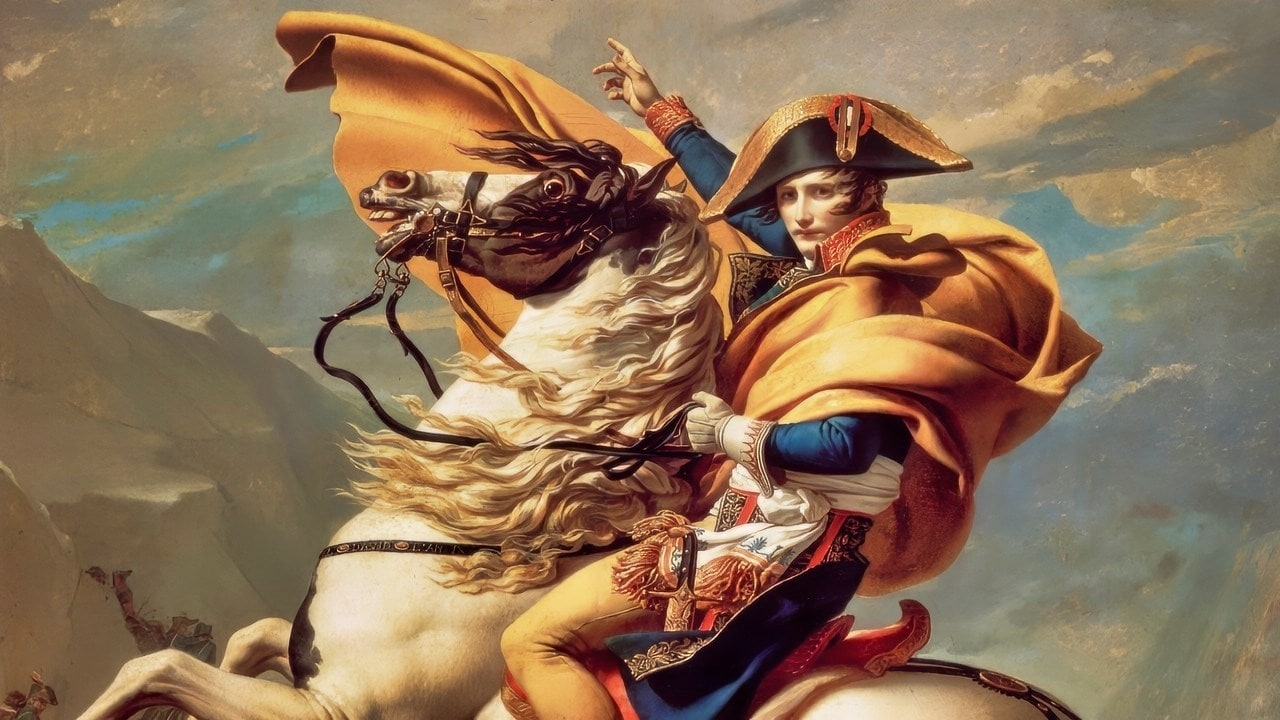
Napoleon Riding Off to War. Image Credit: Creative Commons.
Relevance Today:
The quote remains poignant as modern conflicts (geopolitical, cyber, cultural) continue, underscoring that the struggle for peace is unending and making it a timeless reflection on the human condition.
The quote reflects a deep understanding of war’s relentless nature, often felt by soldiers and those who experience its aftermath. The misattribution to Plato also became popular after being used in films like “Black Hawk Down.”
Plato, And The Foundation Of Western Philosophy:
Plato, who was born approximately between. 428–423 BC, and died 348/347 BC, was an ancient Greek philosopher of Classical Athens.
Plato laid the foundation for Western philosophy by combining his thoughts on ethics, politics, metaphysics, and knowledge, establishing the Socratic method through his dialogues.
He founded the Academy (the first university), which stressed mathematics and science and introduced influential concepts such as the Theory of Forms and the Philosopher-King, shaping later thinkers like Aristotle and subsequent Western thought.
Plato’s Utopian Dream, “The Republic”:
Plato’s most famous work was “The Republic,” a Socratic dialogue written around 380 BC that explores justice and the ideal city-state (Kallipolis), a utopian city-state ruled by “philosopher-kings,” individuals with wisdom and virtue.
And the question,” what is justice,” where it is argued that the just man is happier than the unjust one.
Through conversations, Socrates and others discuss the nature of justice, the theory of Forms, the soul, and the role of philosopher-kings, proposing a utopian society with a strict class structure and communal living for guardians.
The Republic is considered one of the most influential works in philosophy and political theory. It laid the groundwork and is regarded as the cornerstone for Western political thought and ethics.
In 348/347 BC, Plato died and was buried in his garden in the Academy in Athens. A will preserved by one of his ancient biographers, which discusses his estate, does not mention the Academy, which suggests that he left a separate provision for it or possibly established an endowment.
About the Author: Steve Balestrieri
Steve Balestrieri is a National Security Columnist. He served as a US Army Special Forces NCO and Warrant Officer. In addition to writing on defense, he covers the NFL for PatsFans.com and is a member of the Pro Football Writers of America (PFWA). His work was regularly featured in many military publications.