
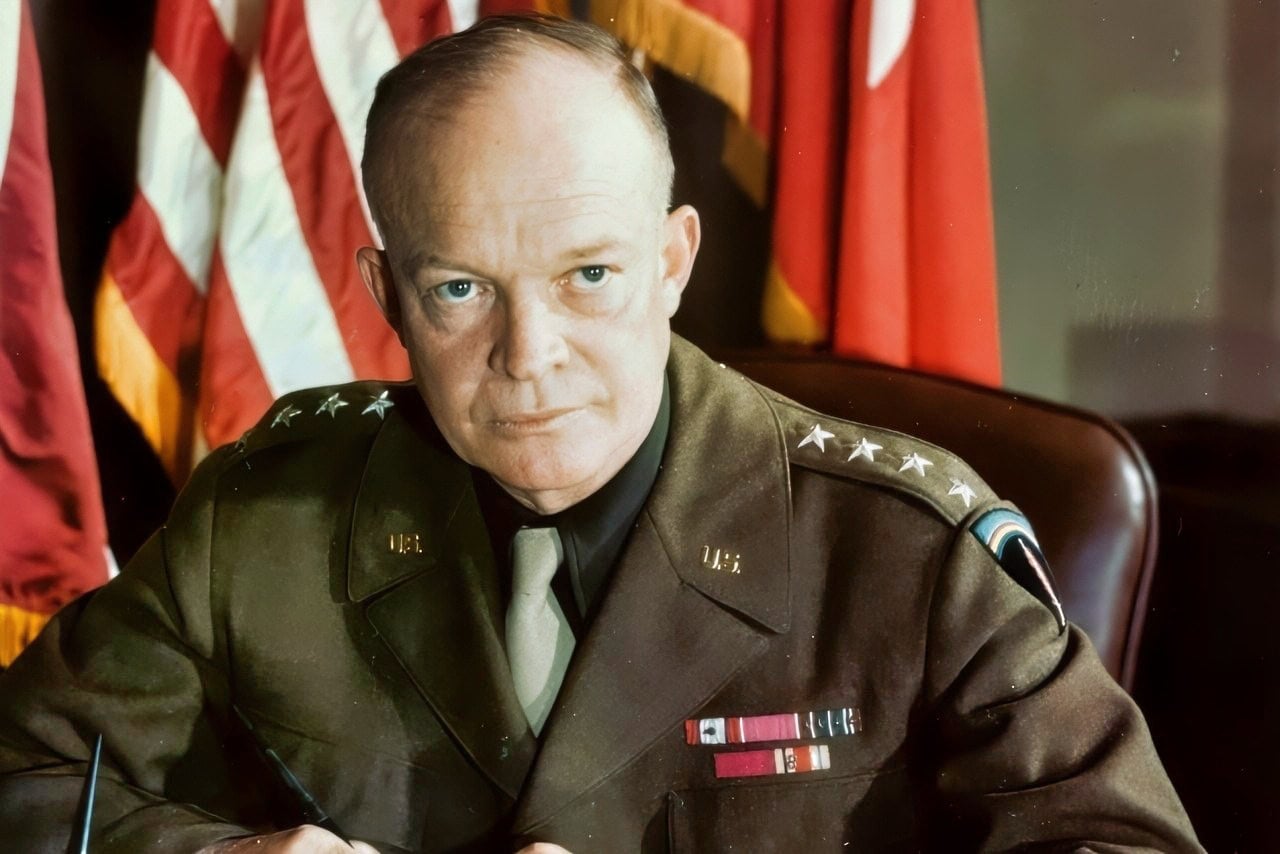
Key Points and Summary – Dwight D. Eisenhower’s ascent to Supreme Allied Commander wasn’t luck—it was a long apprenticeship shaped by mentors, education, and unglamorous assignments.
-After missing frontline combat in World War I, Eisenhower helped build early U.S. tank doctrine, forged key relationships with officers like George Patton, and absorbed strategic thinking under leaders such as Fox Conner and Douglas MacArthur.
-He then piled on formal study at Fort Leavenworth and the Naval War College, plus staff work that exposed him to mobilization and coalition realities.
-Out of that experience came a lasting leadership insight: strategy matters, but the force’s daily effectiveness depends on sergeants—the NCOs who train, enforce standards, and lead at the point of execution.
Eisenhower’s Secret Weapon: Why He Said “The Sergeant Is the Army”
‘The Sergeant Is the Army.’ – General Dwight D. Eisenhower
Dwight Eisenhower, before he was elected the 34th president of the United States in 1952, was best known as an Army general, serving as the Supreme Commander of the Allied Expeditionary Force in the European theater.
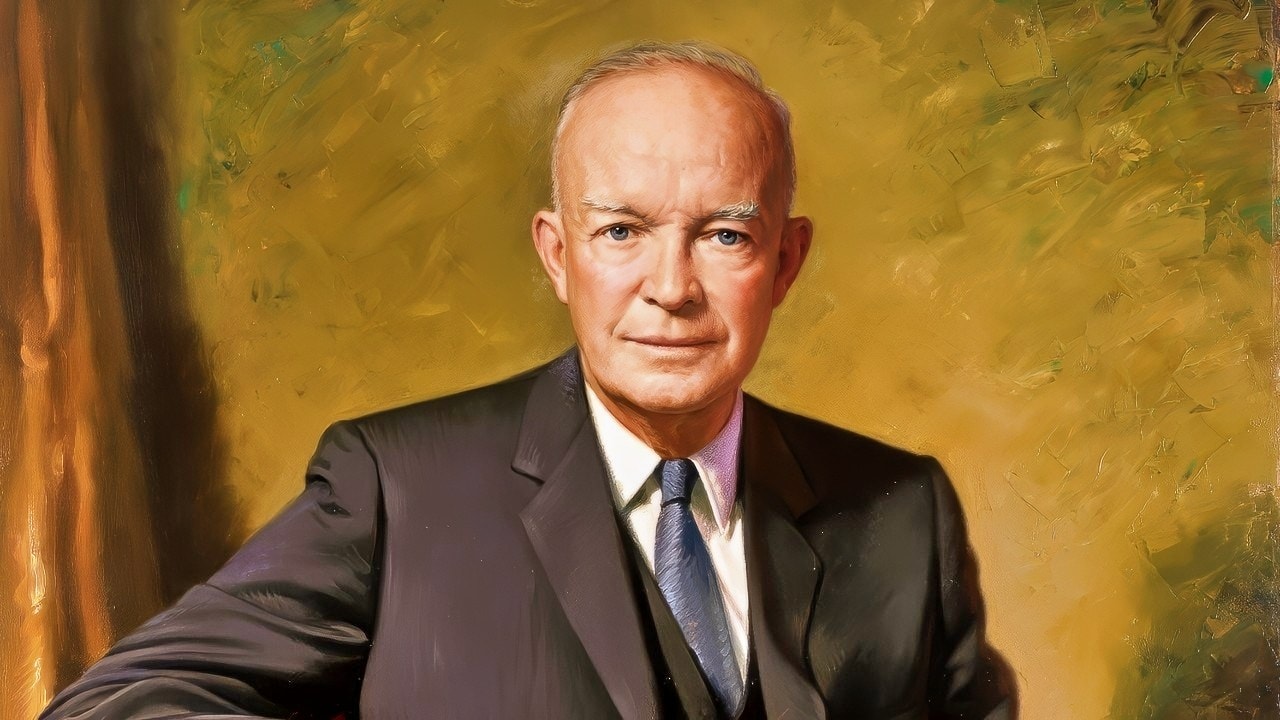
Former General Dwight D. Eisenhower. Image Credit: Creative Commons.
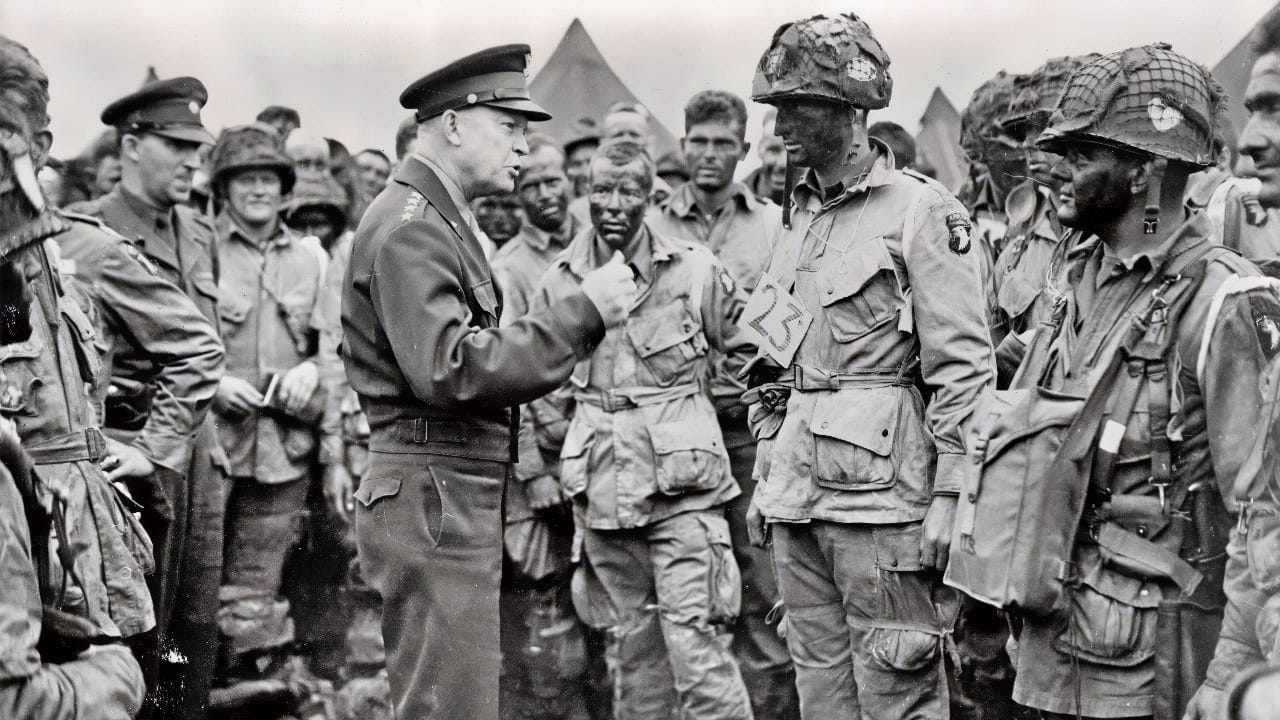
Dwight D. Eisenhower D-Day 1944. Image Credit: Creative Commons.
During his service, he oversaw the Normandy invasion, as well as other pivotal moments of the war.
But less known is how Eisenhower rose to that position.
The Rise of Ike
Eisenhower was born in Kansas in 1890. According to a biography published on the Warfare History Network website, the future president had first eyed a career in the Navy, but ultimately went to West Point instead, where he began in 2011.
“Cadet Eisenhower was awarded his commission in the infantry in June 1915, having graduated 61st of 164,” War History Network said. “His class, more than any other, would be touched by History, would be known in due course as the Class the Stars Fell On. Two of its members would be among only five U.S. Army officers ever to wear five stars.”
Once the U.S. entered World War I, Eisenhower “bombarded the Army with missives offering his life in return for combat duty in France,” as most of his West Point classmates had deployed already. In 1918, he was transferred to Fort Meade in Maryland. Told at first he would command a tank battalion, he was instead ordered to Camp Colt in Pennsylvania, to “build a brand-new tank battalion from scratch,” the Warfare History Network reported.
The idea at Camp Colt, the account said, was for “the troops commanded by Ike [to be] designated the nucleus of the new Army Tank Corps and assigned the mission of training all of the Army’s replacement tank crewmen, who would graduate to the war.”
However, that wasn’t quite to be. Due to what was described as “an arcane agreement with the British,” Eisenhower’s tank corps never actually was deployed to France. In October of 1918, Eisenhower was told he would finally deploy to France the following month, but alas, the armistice was signed in November, meaning World War I concluded without the future general and president ever deploying there.
Eisenhower was promoted to lieutenant colonel near the end of the war and named a permanent major in June 1920.
Between the Wars
After World War I, Eisenhower remained in charge of the Tank Corps. Soon after, “met and fell into the orbit” of the future Gen. George Patton.
“The two became fast friends and partners in applying lessons learned to the nascent American tank doctrine. Patton was five years older than Ike and had graduated from West Point six years ahead of Ike, but the two became inseparable friends and partners,” The Warfare History Network account said.
It was a pivotal dinner in 1919, with Patton and Gen. Fox Conner, that led further to Eisenhower’s rise. When Conner, two years later, was placed in command of an infantry brigade in the Panama Canal Zone, he brought in Ike as his executive officer.
“Ike’s official duties were light, giving him plenty of reason to leap at every opportunity to keep his mind active,” the Warfare History Network account said. “It was in this atmosphere that Fox Conner, one of the great military minds of his era, began his three-year effort to inscribe all he knew and all he believed on the mind of a man he felt might be one of the next generation’s great military leaders.”
Eisenhower stayed for three years, writing that his time in the Canal Zone, under Conner, was “a sort of graduate school in military affairs and the humanities, leavened by comments and discourses of a man who was experienced in his knowledge of men and their conduct.”
After Panama, Eisenhower continued his education, this time in actual academia. In 1925, he headed to Command and General Staff School at Fort Leavenworth, Kansas.
“He studied hard and graduated at the top of his class, a really important career milestone, especially for a man who had missed his generation’s big war,” the account said. After that, Eisenhower was brought to the Battle Monuments Commission in Washington, where he got to know retired General of the Armies John J. Pershing.
Then came another stint in academia, this time at the Naval War College, from which he graduated in 1928. After that, he finally made it to France for a tour, where “the military part of his mind idly fought mock campaigns on the passing vistas, memorizing terrain as it did.”
After that, Eisenhower headed back to Washington as an assistant executive officer assigned to the assistant secretary of war. Doing this led Eisenhower to meet with industry leaders to discuss how to learn lessons from the sluggish industrial mobilization during World War I.
Eisenhower’s next mentor was General Douglas MacArthur, who was by then the Army chief of staff, and he was by MacArthur’s side during his brutal quashing of the Bonus March in 1932. By the mid-1930s, he was formally MacArthur’s aide de camp, later following him to the Philippines.
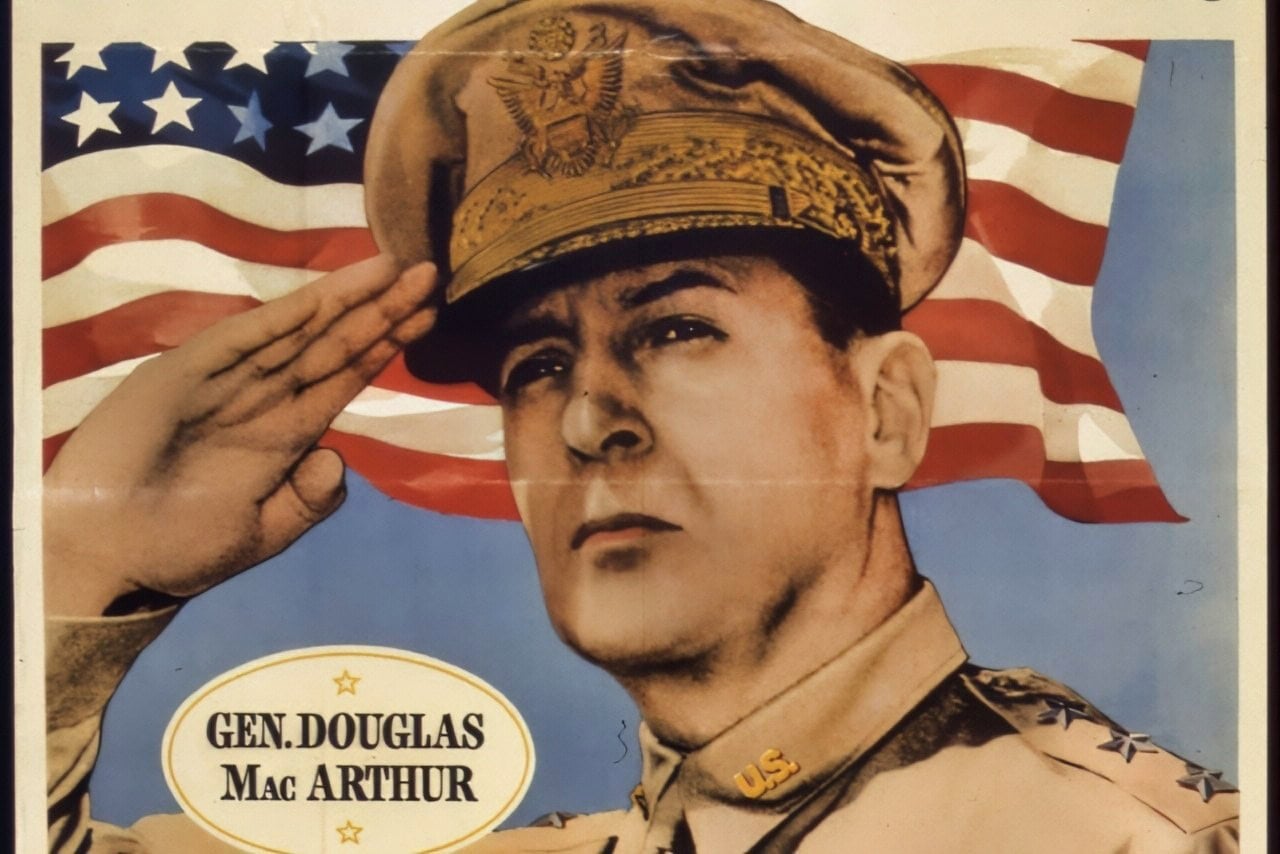
Douglas MacArthur. Image Credit: Creative Commons.
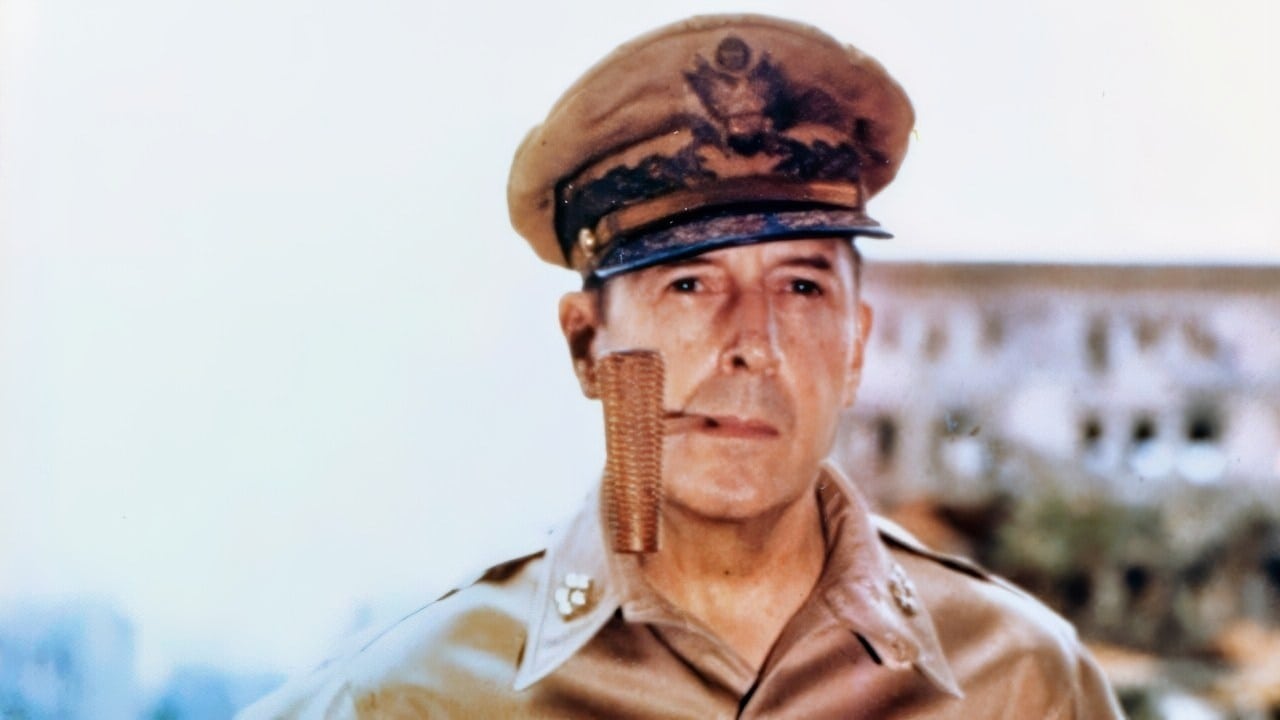
General Douglas MacArthur. Image Credit: Creative Commons.
And then, in 1941, the Japanese attacked Pearl Harbor. All the things Eisenhower learned in the previous two decades helped lead him to some of the most crucial military victories ever achieved.
The Quote
The quote is shared often, including by official Army channels, like the Army’s X account. You can even get the quote on a T-shirt. Or on a poster.
It’s not clear exactly when Eisenhower said this, whether it was during his service as a general or perhaps later on, during his time as president. But there’s little doubt what the quote means exactly.
“In this succinct statement, Eisenhower emphasizes the central role of the noncommissioned officer (NCO)—particularly the sergeant—in the functioning and effectiveness of the military. While generals may set strategy and officers may command,” one analysis says.
“It is the sergeants who train, discipline, and lead soldiers on the ground. They embody the daily leadership, continuity, and competence that keep the Army operating effectively. By saying ‘the sergeant is the Army,’ Eisenhower is acknowledging that real military strength lies not only at the top, but in the capable hands of those who lead from the middle.”
About the Author: Stephen Silver
Stephen Silver is an award-winning journalist, essayist, and film critic, and contributor to the Philadelphia Inquirer, the Jewish Telegraphic Agency, Broad Street Review, and Splice Today. The co-founder of the Philadelphia Film Critics Circle, Stephen lives in suburban Philadelphia with his wife and two sons. For over a decade, Stephen has authored thousands of articles that focus on politics, national security, technology, and the economy. Follow him on X (formerly Twitter) at @StephenSilver, and subscribe to his Substack newsletter.