
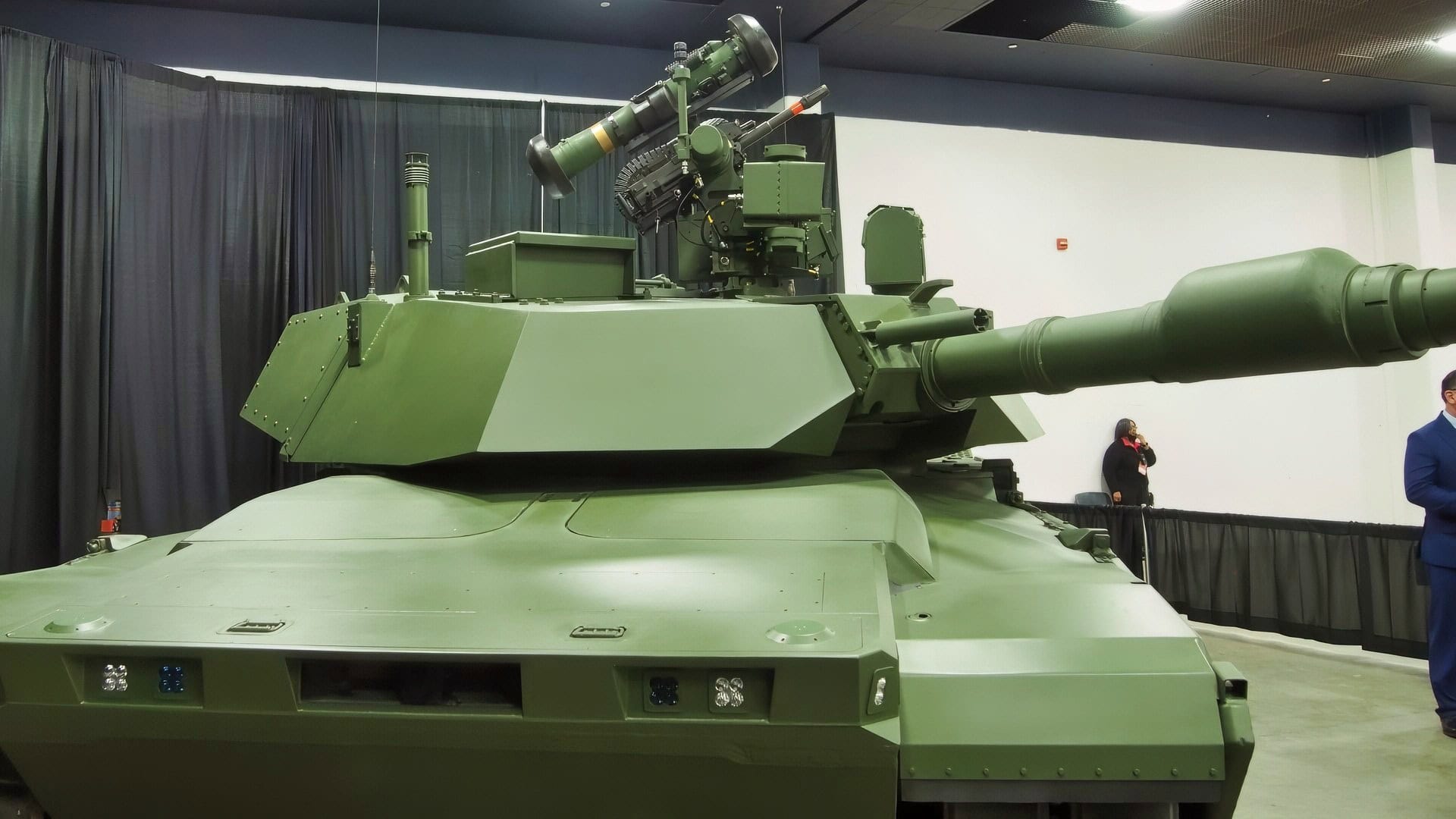
The Big Idea You Need to Understand: The US Army’s M1E3 Abrams represents the most significant rethink of the tank in decades.
-Yet some observers are asking whether it could be the last tank the Army fields, suggesting that the entire tank concept has become outdated in the face of modern defensive systems.
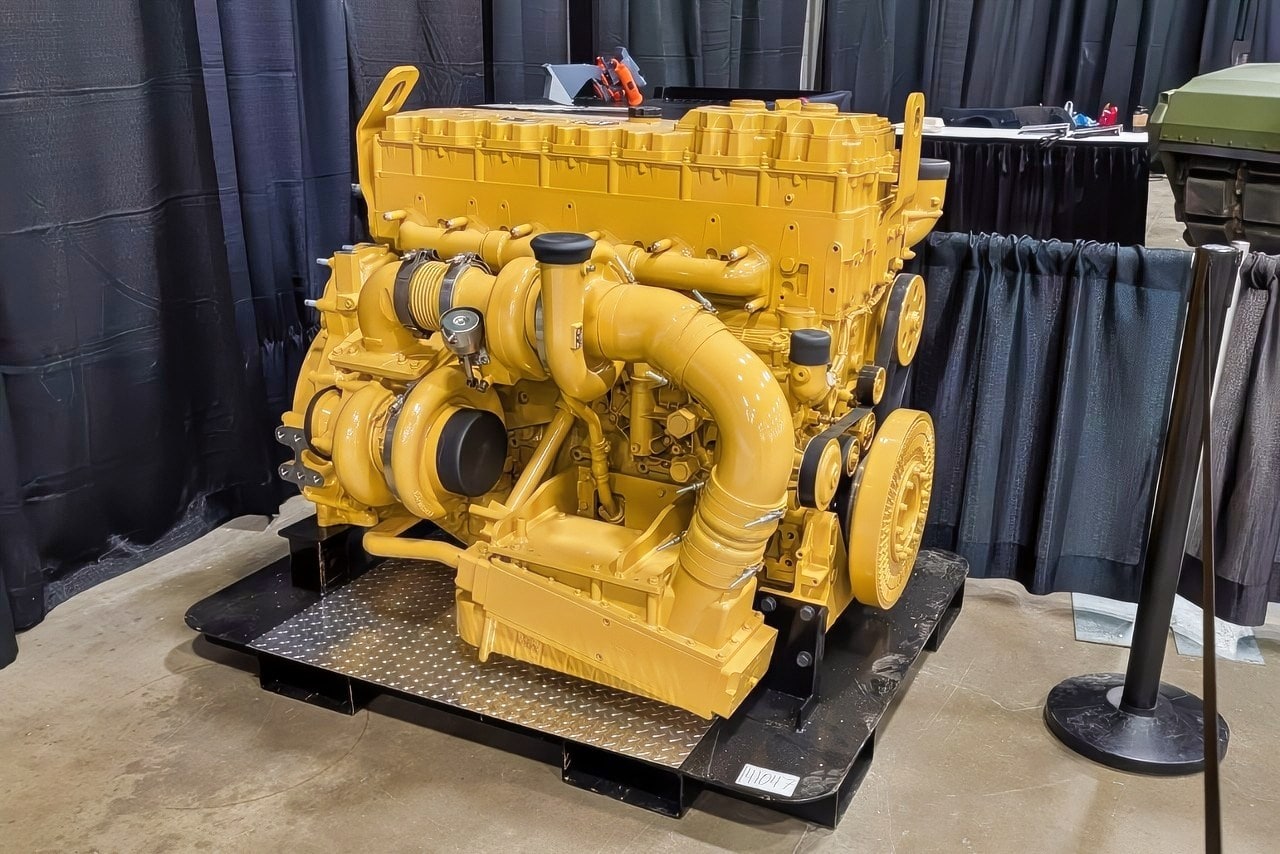
M1E3 Tank at the Detroit Auto Show. Image Credit: 19FortyFive.
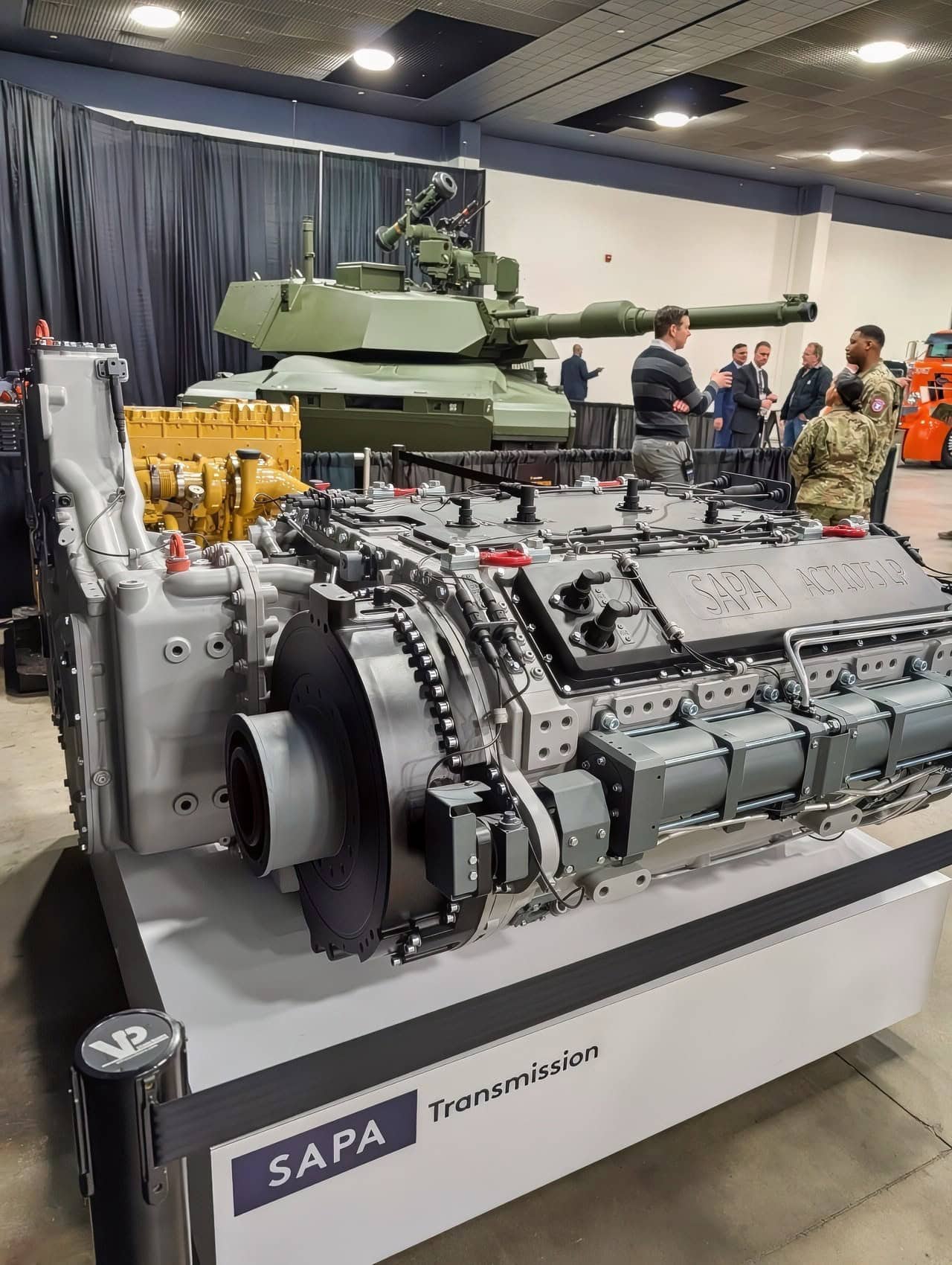
M1E3 Tank at the Detroit Auto Show. Image Credit: 19FortyFive.
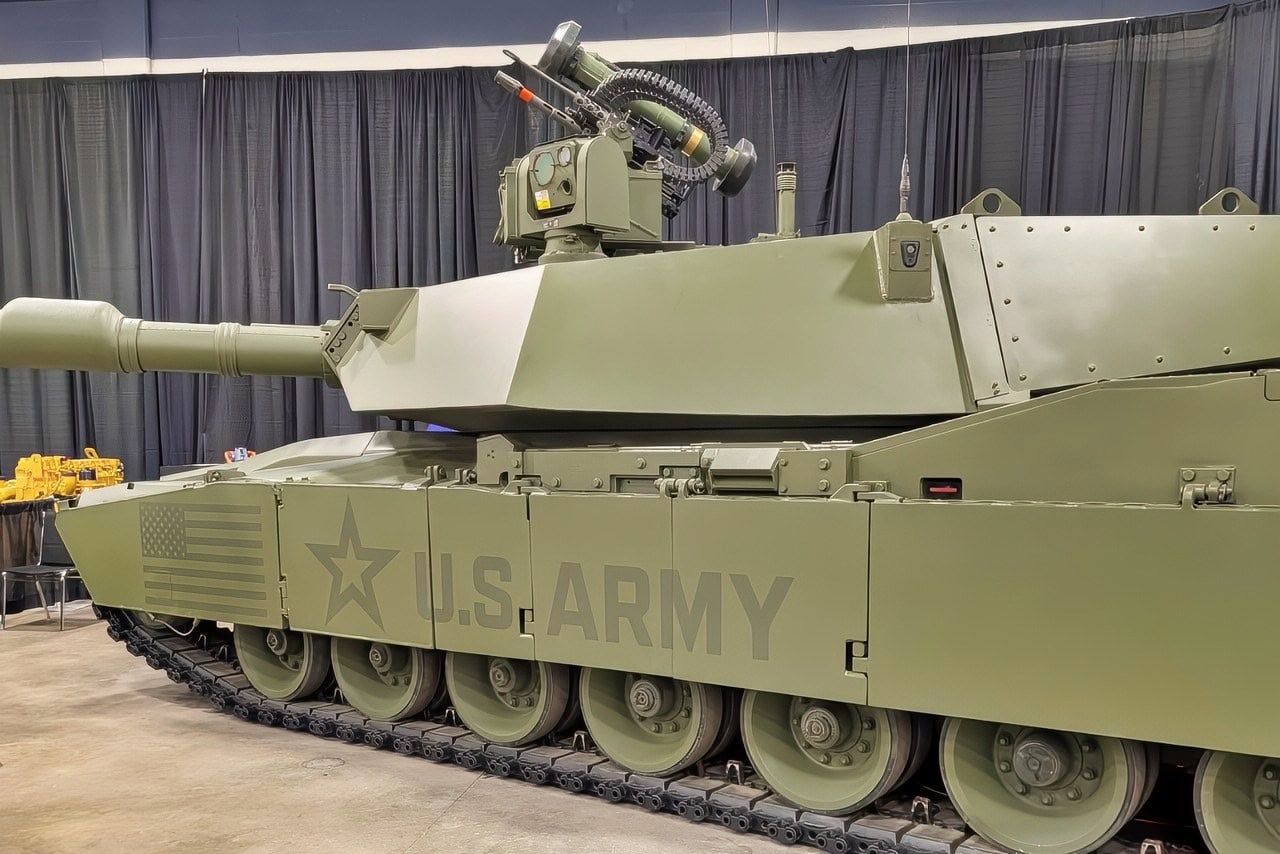
M1E3 Tank at the Detroit Auto Show. Image Credit: 19FortyFive.
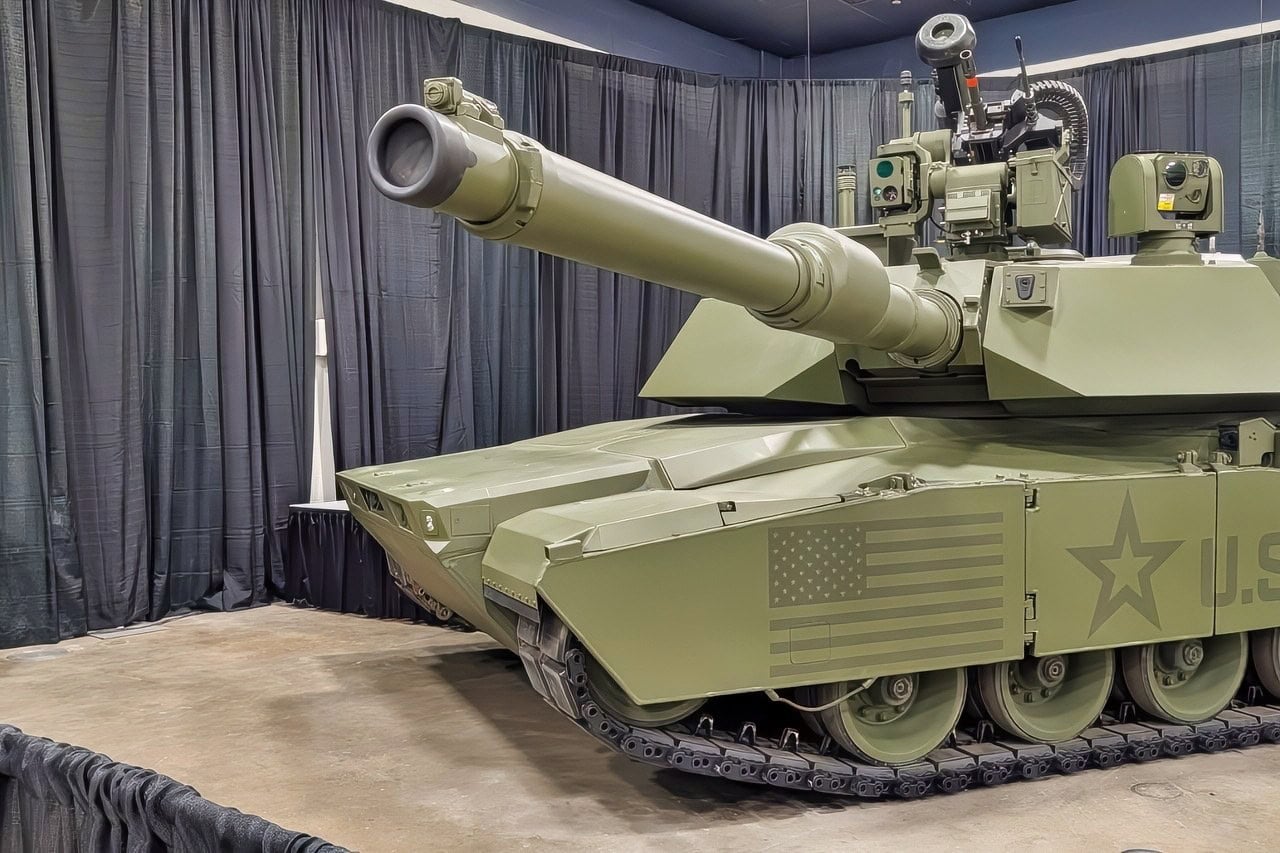
M1E3 Tank at the Detroit Auto Show. Image Credit: 19FortyFive.com
-While the tank has become constrained, modern war, specifically the Russo-Ukraine War, suggests the tank will remain relevant in future conflicts.
The M1E3 Justification
The Abrams fleet is aging; it’s heavy and logistically demanding; it’s become something of a burden.
And incremental upgrades, like the M1A2 SEP v3/v4, offer only diminishing returns.
The Army pursued a deeper revision of the M1E3, seeking reduced weight, improved survivability, enhanced power generation, and modern digital and sensor systems.
The result, the M1E3, isn’t so much a new tank but a reset of the Abrams concept, calibrated for the demands of modern war fighting. We actually visited the M1E3 demo at the Detroit Auto Show, and can’t get our mind off it.
Defining the M1E3
In plain terms, the M1E3 is an evolutionary redesign—not a clean-sheet tank. It prioritizes survivability over armor mass and sensors and networking over brute force. The tank is, in effect, a more sophisticated platform, designed to operate in sensor-saturated and drone-heavy battlefields.
In designing the M1E3, the goal was to reduce combat weight significantly relative to earlier Abrams tanks.
The lighter tank improves strategic mobility, bridge crossing, and fuel efficiency.
These traits are critical for Indo-Pacific and expeditionary scenarios. Hybrid or improved power systems are also under consideration, with better onboard power generation for sensors, active protection, and electronic warfare. This reduces the logistics burden relative to legacy turbine power systems.
A smarter tank
The M1E3 marks a shift away from the trend of continually increasing armor thickness.
The emphasis now is on Active Protection Systems (APS), signature reduction, and situational awareness.
The shift essentially accepts the premise that no tank can “absorb” modern precision weapons.
The new platform also relies on enhanced optics, thermal sights, and 360-degree awareness.
The tank will integrate into broader battlefield networks, as modern weapons systems tend to do; the M1E3 won’t fight alone but rather as part of a combined-arms system.
Yet, while the M1E3 is becoming smarter, lighter, and more modern, it still retains a familiar centerpiece: a high-velocity main gun.
Firepower has proven to remain decisive against fortifications, vehicles, and infantry in cover. Potential growth paths include new munitions and improved targeting integration, but the main-gun concept will remain on the new model.
The last tank?
Tanks today face unprecedented threats, leading some to declare the tank concept outdated.
New threats include drones, top-attack munitions, precision artillery, and persistent ISR. Cost curves are rising, and returns are diminishing. It is reasonable for overseers to question whether incremental tank improvements are still worthwhile.
The tank will eventually become obsolete. But the Russo-Ukraine War suggests that moment hasn’t yet arrived. In Ukraine, tanks have suffered heavy losses—but they have not outright disappeared.
The lesson appears to be that tanks are highly vulnerable when misused or overused, but not yet obsolete. Successful employment requires infantry support, air defense, electronic warfare, and the integration of combined arms.
Ukraine demonstrates that tanks remain essential for breakthrough attempts, ground-holding operations, and fire support. Tank losses reflect poor doctrine, lack of protection, and overexposure.
Tactics are changing in real time
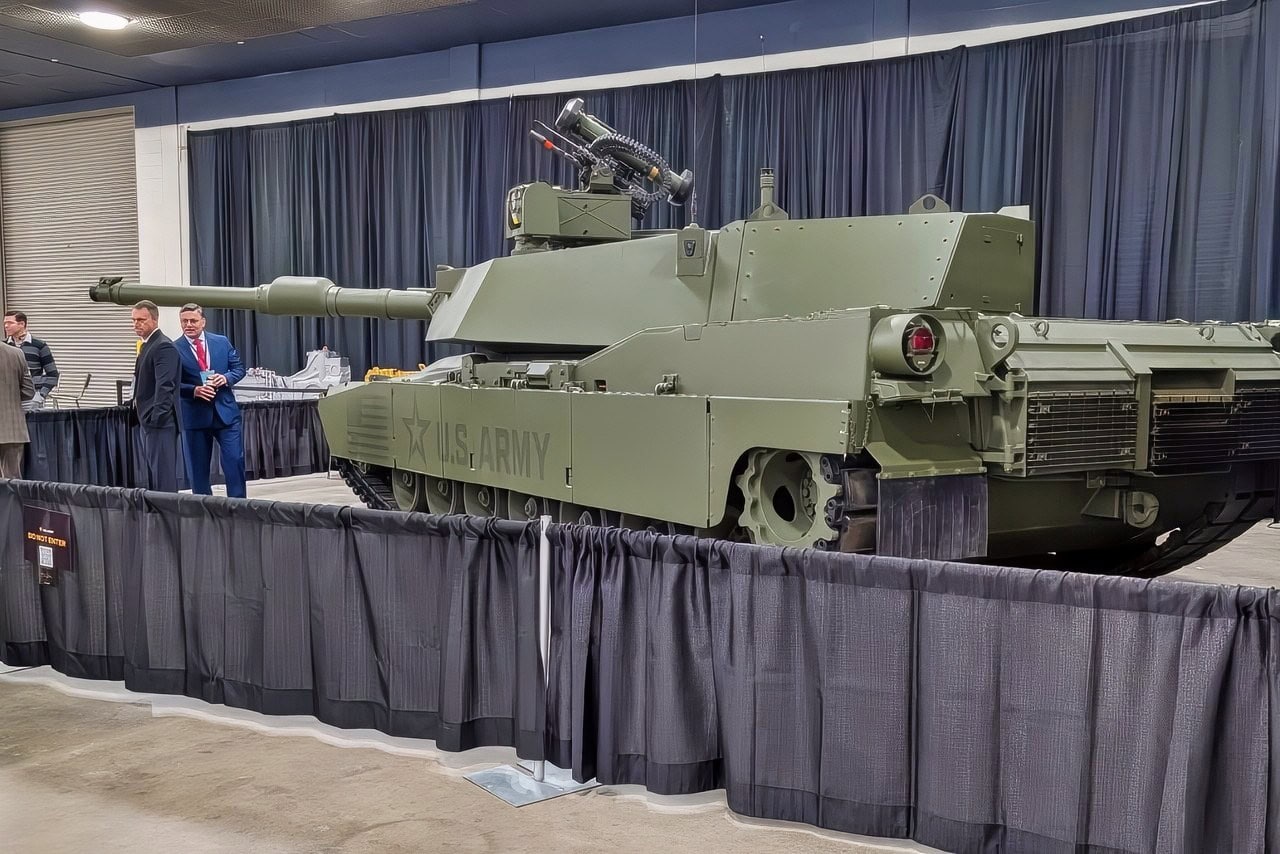
M1E3 Tank at the Detroit Auto Show. Image Credit: 19FortyFive.
Tanks are no longer independent battlefield kings; they are vulnerable. And accordingly, their role has been reduced.
Now, tanks are one node in a sensor-to-shooter network, protected by APS and EW, and they require support from drones and infantry. The M1E3 is designed for this reality of vulnerability.
However, the M1E3 could represent the final Abrams lineage reset. But the M1E3 is unlikely to be the last tracked, armored direct-fire platform. Future tanks may evolve radically: they may be lighter, more autonomous, and emphasize systems over armor—but some form of the tank is likely to survive through another generation of warfare.
The US will likely still need tanks, as the platform is vital for seizing terrain, surviving under fire, and breaching defensive lines. To date, no substitute exists for a protected, mobile, direct-fire platform.
The M1E3 acknowledges the modern battlefield reality: tanks are vulnerable.
Yet simultaneously, the M1E3 adapts to those vulnerabilities by sidestepping them rather than meeting the challenges through escalation of direction.
About the Author: Harrison Kass
Harrison Kass is an attorney and journalist covering national security, technology, and politics. Previously, he was a political staffer and candidate, and a US Air Force pilot selectee. He holds a JD from the University of Oregon and a master’s in global journalism and international relations from NYU.