
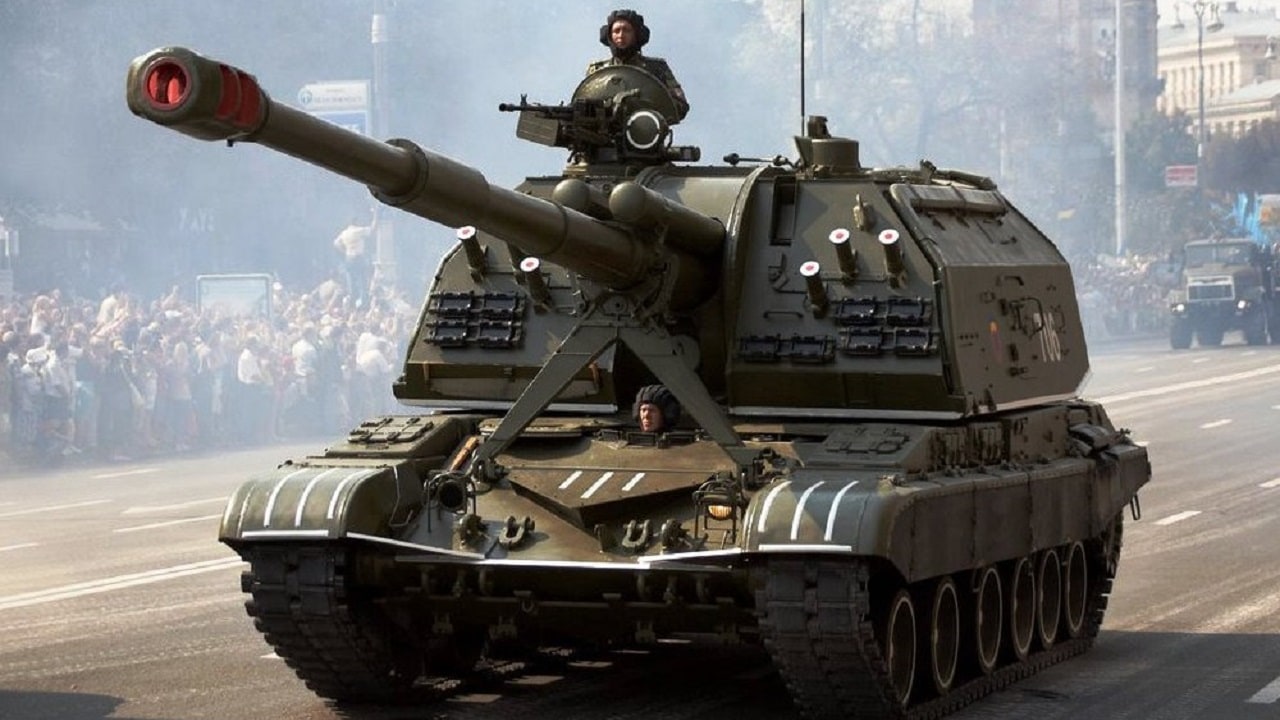
Synopsis: Casualty estimates now put combined Russian and Ukrainian losses near 2 million, underscoring a staggering human cost for limited territorial change after four years of fighting.
-Russian casualties are estimated at roughly 1.2 million, with Ukrainian casualties around 600,000, pushing the total toward 2 million by spring.
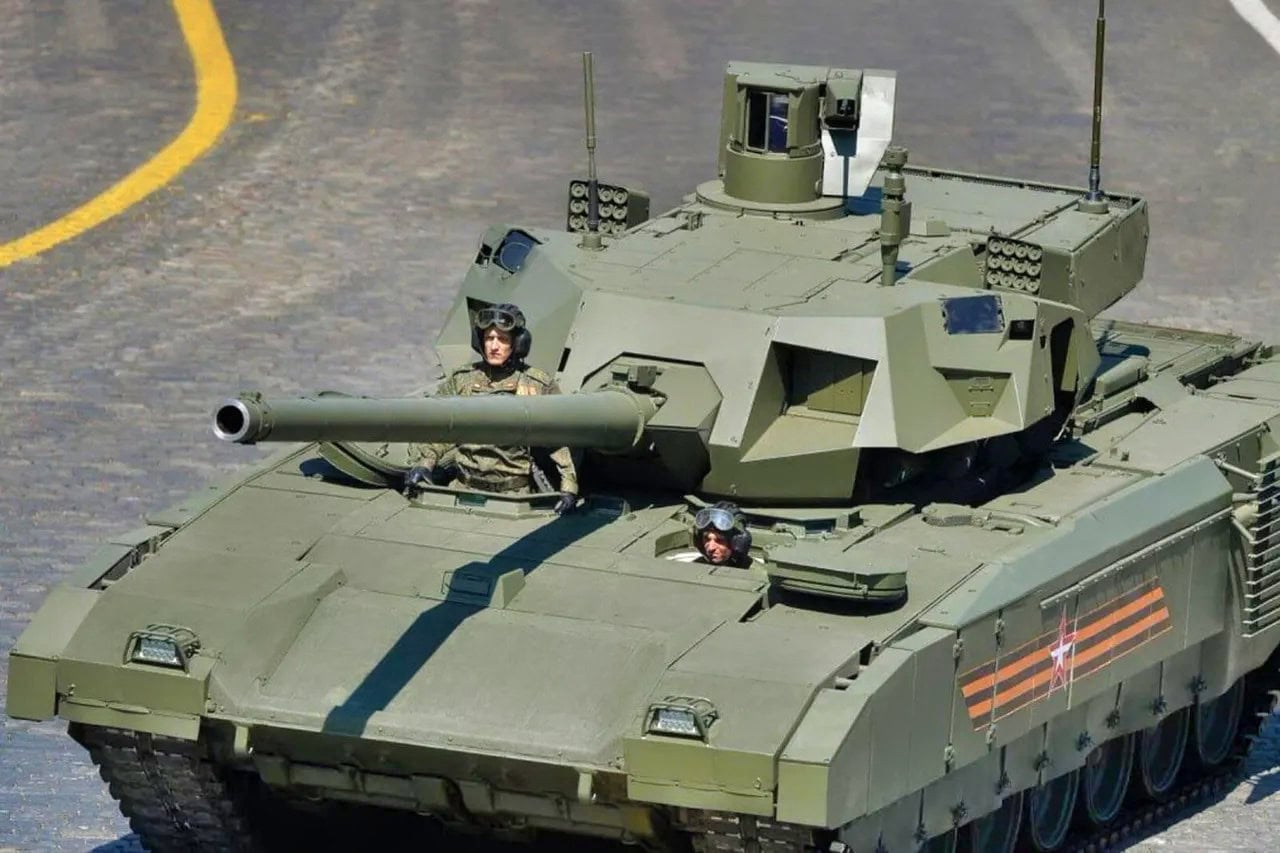
Russian T-14 Armata Tank. Image Credit: Social Media Screenshot.
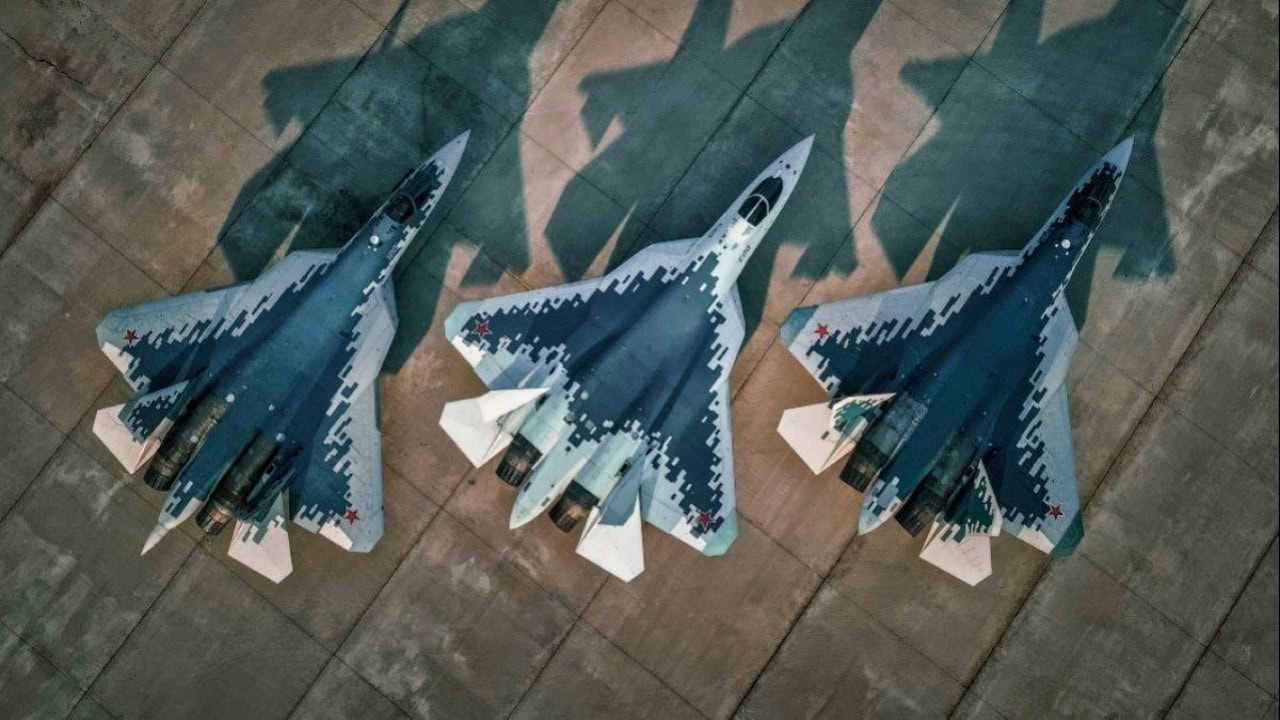
Su-57 Felon. Image Credit: Russian Government.
-Despite those losses, Russia’s gains remain marginal, with advances often counted in feet and the front defined by attrition rather than breakthroughs.
-Persistent drone surveillance has reshaped tactics, driving small-unit infiltration and rapid counter-targeting.
-North Korean troop participation and tentative diplomatic talks add new volatility, while Russia’s economy shows signs of strain under the war’s weight.
Nearly 2 Million Casualties: Why the Ukraine War Has Become an Attrition Grinder
A new study reported on by The New York Times estimates that combined Russian and Ukrainian casualties are approaching 2 million. If the figures are accurate, the Russia-Ukraine War is one of the bloodiest conflicts since World War II. The tally shows an enormous human cost for minimal territorial change after four years of fighting.
The study and its findings
The findings come from a new report by the Center for Strategic and International Studies (CSIS). Casualty estimates were compiled from U.S. government assessments, British intelligence estimates, and open-source analysis.
The exact numbers remain uncertain, as Russia is believed to underreport losses, and Ukraine does not publish official casualty figures. Yet despite the uncertainty, broad trends are consistent across sources, offering some strong insights into the realities on the ground.
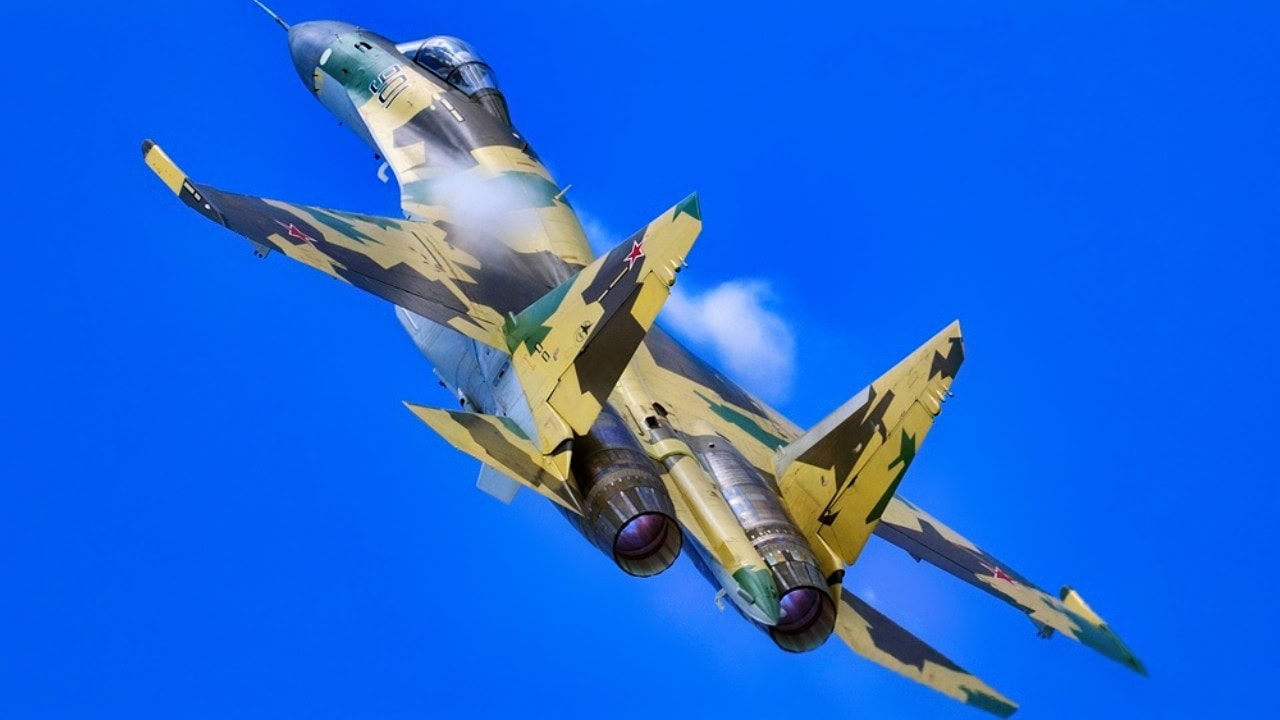
Su-35 Fighter from Russia. Image Credit: Creative Commons.
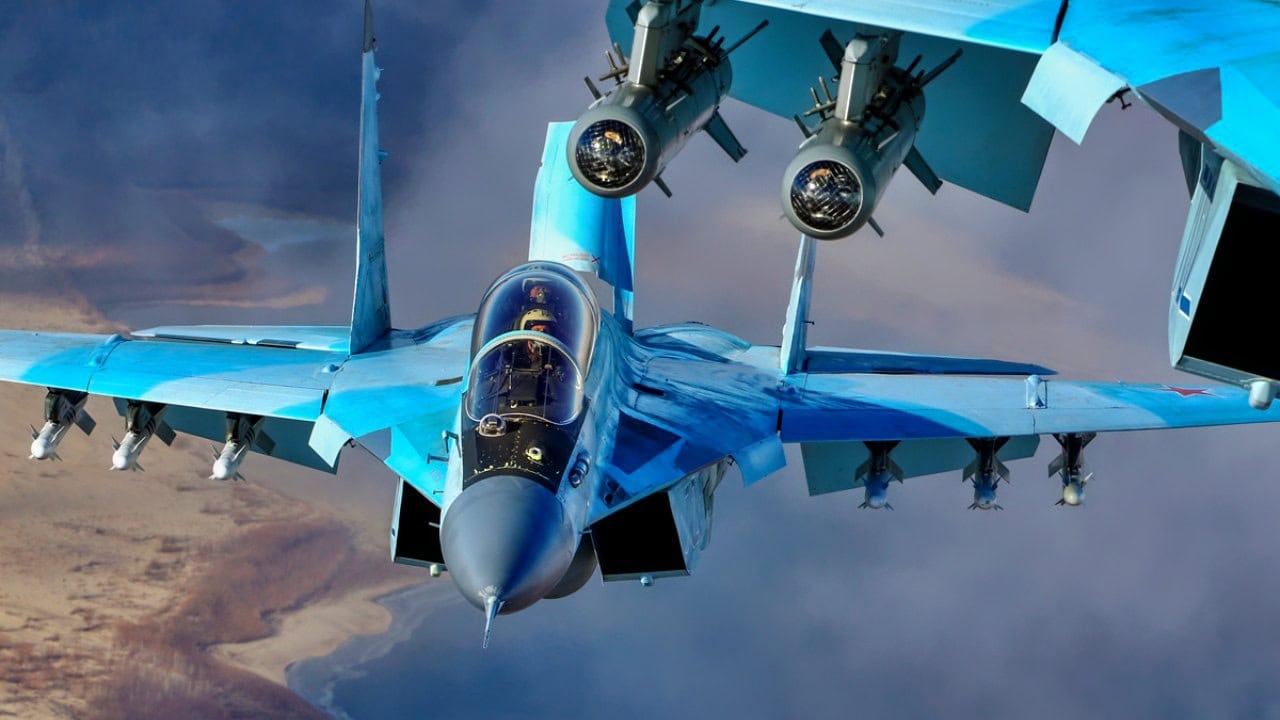
MiG-35 Fighter from Russia.
A grim accounting
The estimated total casualties, including killed, wounded, and missing, are as follows: 1.2 million Russian troops; 600,000 Ukrainian troops.
The combined total thus is nearing 1.8 million, with the potential to reach 2 million by spring. Estimated Russian troops deaths are 325,000 since February 2022. Ukrainian deaths are estimated at 100–140,000.
No breakthroughs
Despite the high casualty numbers, Russia’s battlefield progress remains marginal. Since January 2024, Russia has seized roughly 1.5 percent of Ukrainian territory; Russia currently occupies about 20 percent of Ukraine. In some sectors, Russian advances measure in tens or hundreds of feet per day.
The eastern front is a grind of attrition where fighting is concentrated in Luhansk and Donetsk. Winter conditions have slowed both sides, but did not halt combat. Progress has been driven by attrition rather than operational breakthroughs.
Tactical adaptations
Both sides have made adjustments over the course of their four years at war. Persistent drone surveillance has reshaped ground tactics, and Russia increasingly avoids assembling large armored formations. New Russian tactics include small infantry teams, motorcycle units, and foot infiltration to evade drones.
Ukrainian forces have responded with drone monitoring of tracks and footprints in the snow, and rapid targeting once movement is detected.
Russia has maintained its force levels thanks to the first large-scale draft since World War II. It has recruited prisoners and debtors and offered financial incentives and bonuses for enlistment. Russia’s larger population has allowed replenishment at scale.
Ukraine, by contrast, has a smaller population and is losing a larger share of its total force.
Foreign influence
As many as 15,000 North Korean troops are reported to have fought alongside Russia, mostly deployed near Russia’s western regions after Ukrainian incursions. South Korean intelligence assesses that North Korea has already sustained hundreds of casualties.
North Korean involvement signals the growing internationalization of the conflict.
The casualty study was released shortly after rare trilateral talks involving Russia, Ukraine, and the United States.
Ukrainian President Volodymyr Zelensky described the talks as constructive, and a Kremlin spokesman signaled that further talks were possible. The United States and Ukraine remain aligned on much of a draft framework for a peace settlement, but Russia’s willingness to accept any proposal remains unclear.
Economic harm
The war is straining Russia’s economy. CSIS assesses that Russian manufacturing has declined and overall growth has slowed to around 0.6 percent in 2025. Further, Russia has a lack of globally competitive tech firms.
CSIS argues that Russia’s performance reflects structural decline. High casualties for minimal gains amid an economic erosion points to general weakness. According to the CSIS study, Russia retains nuclear weapons but no longer qualifies as a “great power” across most categories.
The war increasingly resembles a contest of endurance rather than strategy. Human losses have vastly outpaced territorial or political gains. Even absent battlefield collapse, the data suggests that Russia is paying a generational price, while Ukraine is bearing disproportionate strain.
The CSIS study raises a hard question: How long can this level of attrition continue without forcing a political reckoning?
Politics and strategy aside, the scale of death is remarkable. Nearly 2 million casualties, without strong indication of a forthcoming resolution, is a human tragedy.
About the Author: Harrison Kass
Harrison Kass is an attorney and journalist covering national security, technology, and politics. Previously, he was a political staffer and candidate, and a US Air Force pilot selectee. He holds a JD from the University of Oregon and a master’s in global journalism and international relations from NYU.