
Oil futures markets are signaling that traders expect prices to decline over the coming months rather than remain elevated. This prediction may seem counterintuitive given the ongoing war in the Persian Gulf, which typically sends oil prices soaring—especially considering the instability in the Strait of Hormuz, through which roughly one-fifth of global petroleum trade passes. And with the resumption of fighting between the United States and Iran, the central question becomes: why are financial markets betting against the headlines?
Spot Prices vs. Futures Markets
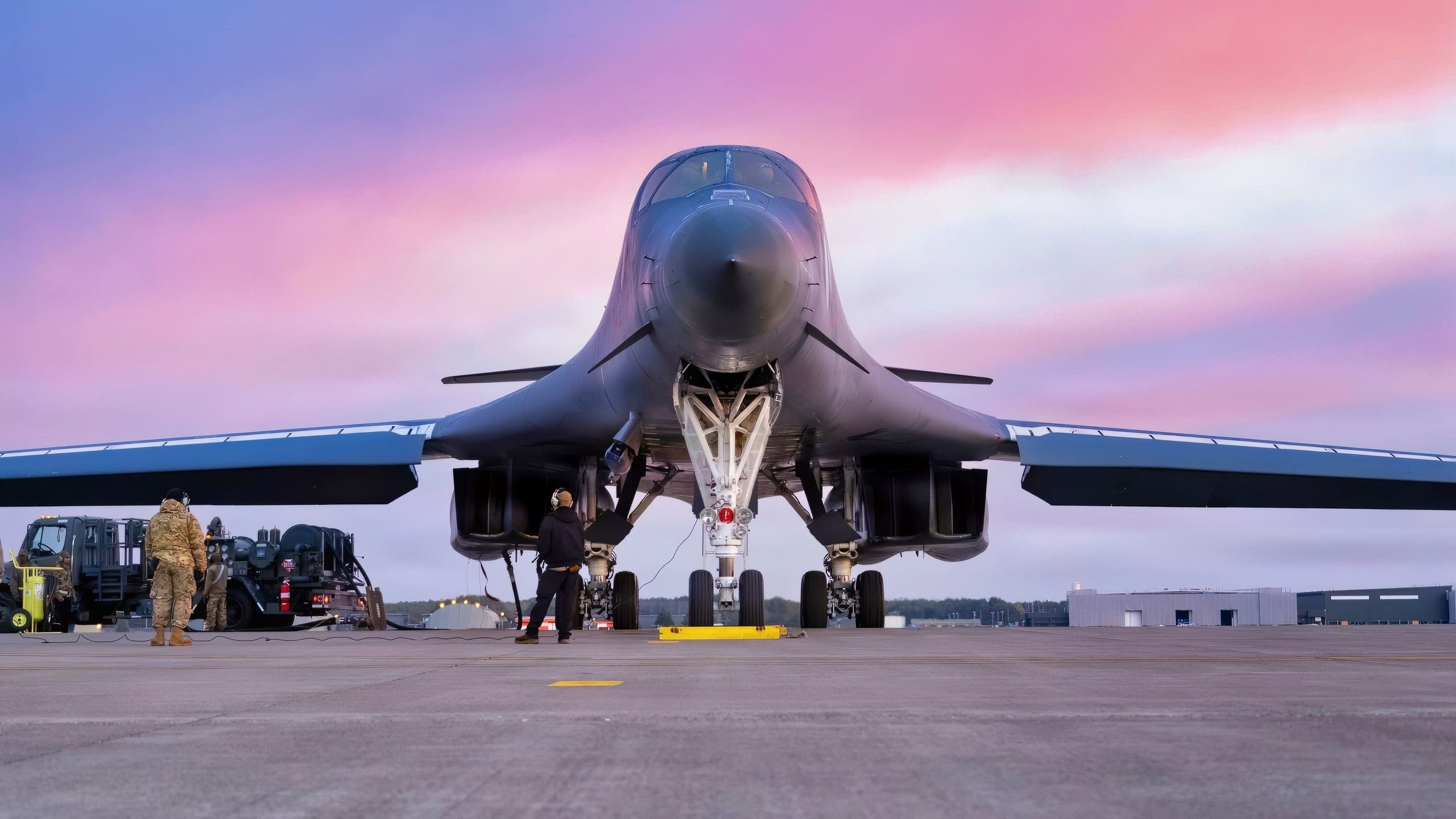
A U.S. Air Force B-1B Lancer gets hot pit refueled before its return to Dyess Air Force Base, Texas, at Misawa Air Base, Japan, Nov. 17, 2025, concluding a bomber task force deployment. BTF operations employ U.S. strategic bombers globally, deter adversaries, assure allies and partners, strengthen interoperability and maintain readiness and global strike capability. (U.S. Air Force photo by Senior Airman Emma Anderson)
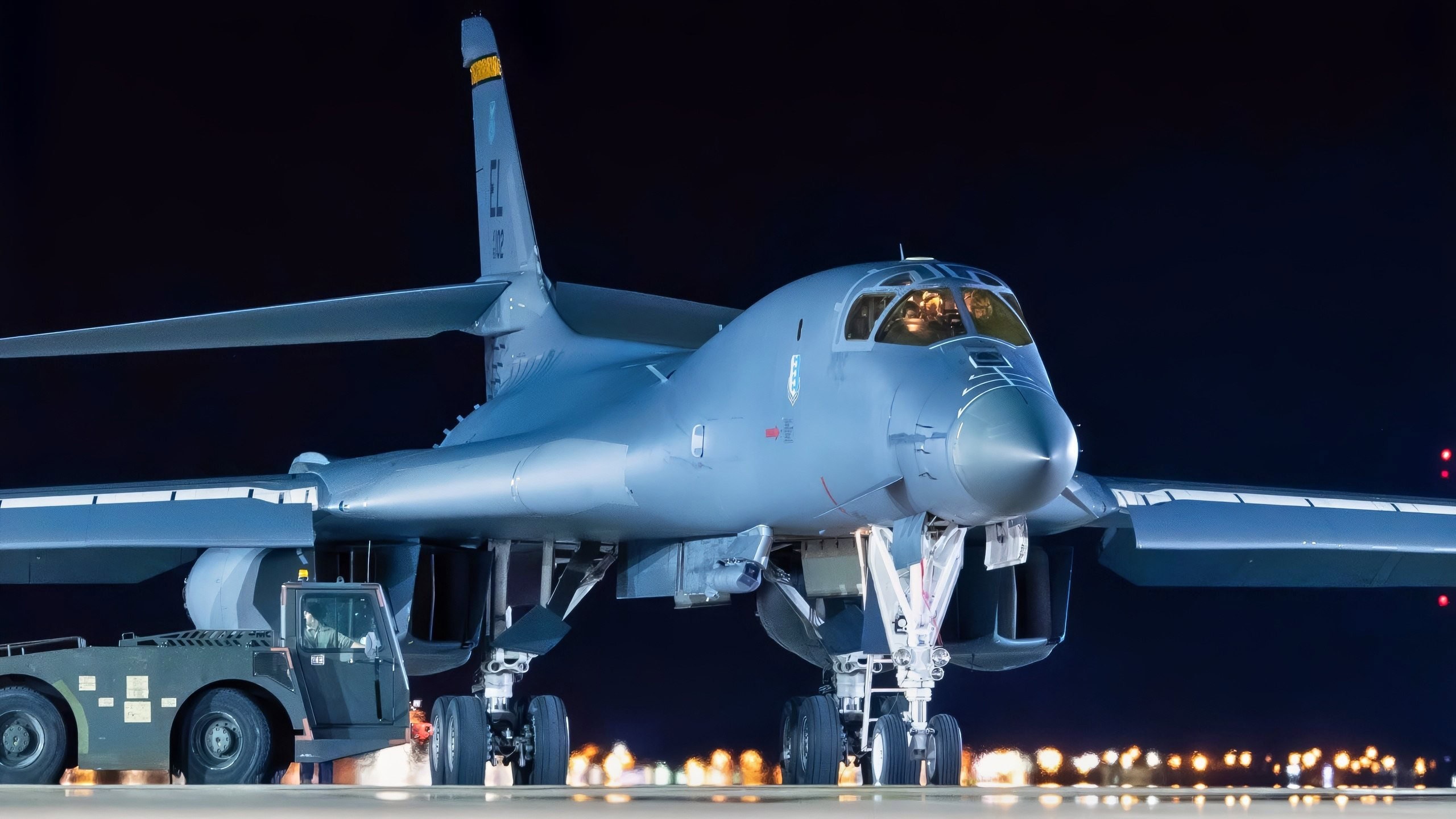
Aircrew piloting a B-1B Lancer prepare to park at Ellsworth Air Force Base, S.D., April 30, 2020. A pair of B-1s flew from the continental United States and conducted operations over the South China Sea as part of a joint U.S. Indo-Pacific Command and U.S. Strategic Command Bomber Task Force mission. (U.S. Air Force photo by Tech. Sgt. Jette Carr)
A spot price is what oil costs today. A future is what traders think oil will cost months from now. Because markets are forward-looking, rather than acting only on current events, speculation plays a significant role. As the New York Times recently reported, futures contracts are predicting that today’s spike in oil prices is only temporary and that prices will soon fall.
So the markets are basically making a prediction about where the conflict goes next, in the next few months, rather than simply reacting to today’s resumption in fighting.
Falling Prices?
The markets believe that political and economic pressures will force de-escalation between the US and Iran. Why? Because high oil prices hurt virtually every major economy, and because expensive energy increases transportation costs and manufacturing becomes more expensive.
Inflation rises. Consumer spending declines. The result is an economic and corresponding political environment that incentivizes governments to restore stability as quickly as possible. Investors are betting that because neither Washington nor Tehran will benefit from a prolonged energy crisis, each side will seek resolution. Higher fuel prices, of course, carry domestic political costs, with inflation remaining a concern globally. If diplomacy resumes, the “war premium” currently built into oil prices could disappear rapidly, offering immediate economic and political benefits to both warring factions.
Driving Demand Destruction
Oil markets don’t move solely because of supply, however. Demand matters just as much as supply. If oil becomes too expensive, consumers will drive less, airlines will reduce their schedules, factories will slow production, and freight activity will decline. Economists call this trend “demand destruction.” Ironically, high prices can actually pull oil prices back down because consumption and demand become so limited. Some investors are likely accounting for this demand destruction, believing that prices will eventually drop as a result of reduced consumption.
Betting on Diplomacy
Reports indicate that diplomatic channels remain active. Qatar, Pakistan, and other intermediaries are continuing to attempt to reduce tensions between the US and Iran. Investors believe that both sides will ultimately prefer negotiations over an open-ended regional war. The upside of continuing to fight is clearly limited, while the upside of negotiating is high. Markets reflect this simple reality. And if Hormuz traffic normalizes, additional supply will return quickly. Oil prices do not need a comprehensive peace deal in order to lower; just an indication that diplomacy has traction should suffice.
Heavy Assumptions Included
Of course, these market assumptions could be wrong. The markets are pricing probabilities, not certainties. Physical disruption still matters. Twenty percent of globally traded oil moves through Hormuz. If Hormuz is shut down, this will tighten inventories. There is no way around that physical fact. Insurance costs will increase, and tanker traffic will slow. Shipping companies will reroute vessels and supply chains will become less efficient. These physical constraints will keep prices elevated regardless of what oil traders think is going to happen diplomatically.
The geography of the conflict is another factor, and the geography still favors Iran, which doesn’t need to defeat the US Navy outright; it only needs to create persistent uncertainty. Asymmetric threats are enough to discourage commercial shipping. As long as Iran has mines, drones, anti-ship missiles, and small fast attack craft, insurance prices can be raised dramatically and near-instantly. Even isolated incidents may have outsized market effects because energy traders react to perceived risk as well as actual disruptions.
If the market assumptions fail, possible consequences include prolonged supply disruptions, sustained high oil prices, renewed inflation, higher shipping costs, and greater volatility in financial markets. All of this will, of course, increase pressure on governments to intervene either diplomatically or militarily.
About the Author: Harrison Kass
Harrison Kass is a writer and attorney focused on national security, technology, and political culture. His work has appeared in Tablet, City Journal, The Hill, The Spectator, and The Cipher Brief. He holds a JD from the University of Oregon and a master’s in Global & Joint Program Studies from NYU. More at harrisonkass.com.