The Houthis Held Back for 5 Weeks — They’re Running a Calibrated Escalation Strategy Designed by Iran for Maximum Leverage
The Yemen-based, Iran-backed Houthis have, until very recently, remained relatively quiet in the ongoing Iran War.
That is all changing as we enter the sixth week of the Iran War, following President Donald Trump’s unhinged Easter Sunday threats to destroy Iranian civilian infrastructure during his undeclared war against the Islamic Republic.
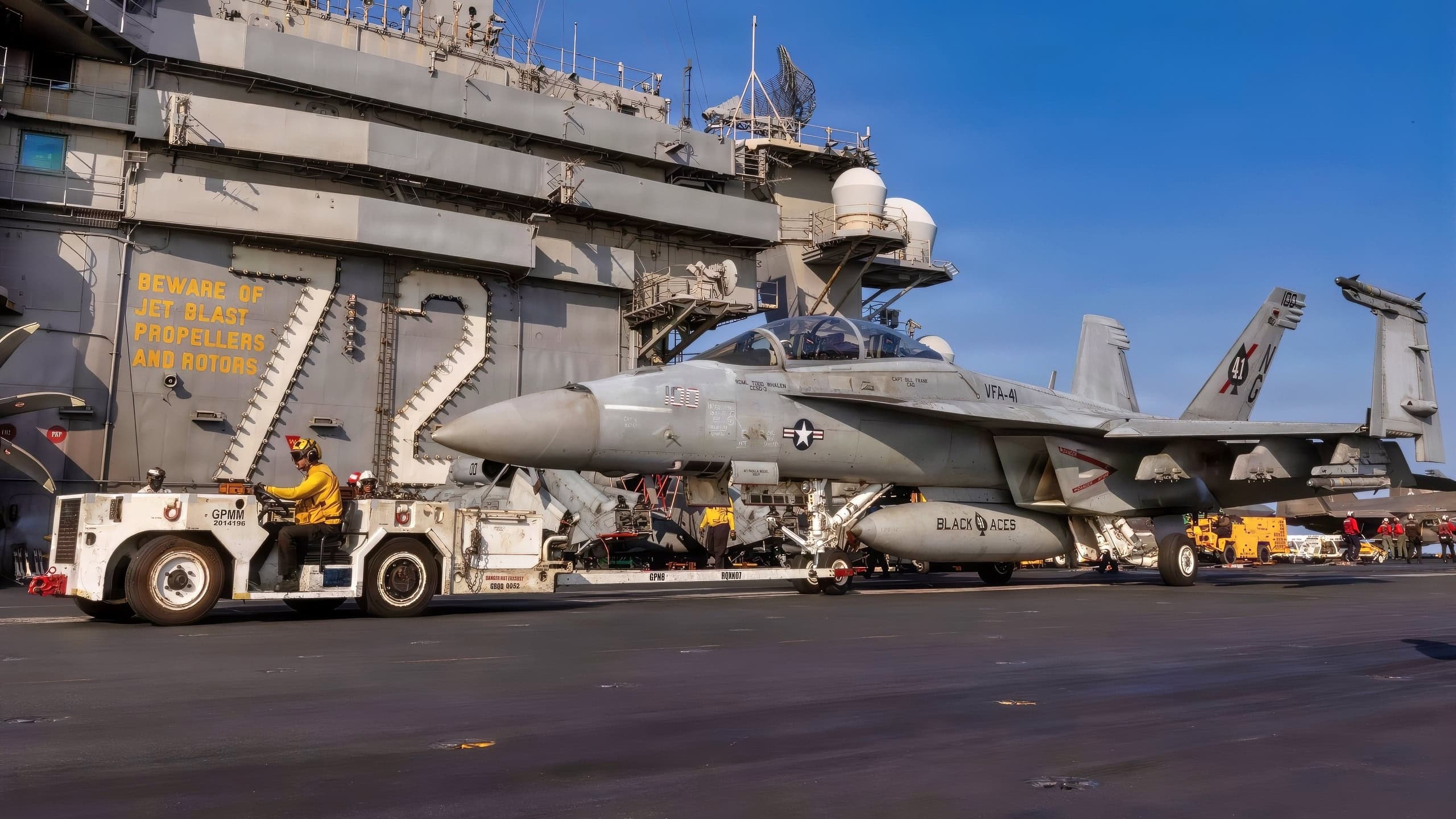
An F/A-18F Super Hornet, attached to Strike Fighter Squadron (VFA) 41, is taxied on the flight deck of Nimitz-class aircraft carrier USS Abraham Lincoln (CVN 72) in support of Operation Epic Fury, March 6, 2026. Abraham Lincoln is deployed to the U.S. 5th Fleet area of operations to support maritime security and stability in the Middle East. (U.S. Navy photo)
Many expected the Houthis to intervene once the US-Israeli-initiated conflict against Iran began.
A Pattern of Terror
After all, the Houthis have terrorized global shipping in areas like the Red Sea and the Strait of Bab el-Mandeb for years—and they’ve even caused significant damage to key Israeli ports through their sporadic missile blockades of Israel.
But the Houthis have held back for the past five weeks.
That’s now changing.
The Houthis’ leadership announced they are intervening on behalf of Iran.
As the world continues to process the Iranian closure of the Strait of Hormuz, fears grow that the Houthis are about to deliver a decisive blow to the global economy by disrupting the remaining trade routes through the Middle East, targeting the Red Sea and the Strait of Bab el-Mandeb again.
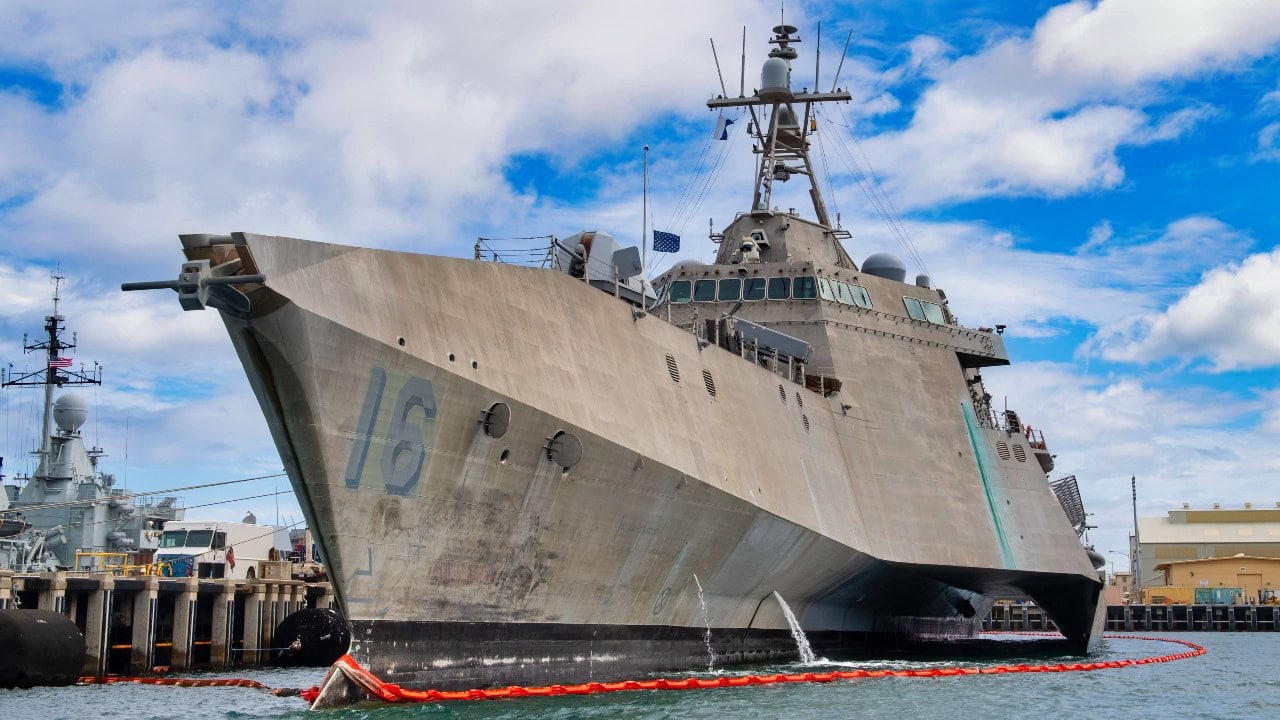
(July 7, 2022) – Independence-variant littoral combat ship USS Tulsa (LCS 16) moored at Joint Base Pearl Harbor-Hickam during Rim of the Pacific (RIMPAC) 2022. Twenty-six nations, 38 ships, four submarines, more than 170 aircraft and 25,000 personnel are participating in RIMPAC from June 29 to Aug. 4 in and around the Hawaiian Islands and Southern California. The world’s largest international maritime exercise, RIMPAC provides a unique training opportunity while fostering and sustaining cooperative relationships among participants critical to ensuring the safety of sea lanes and security on the world’s oceans. RIMPAC 2022 is the 28th exercise in the series that began in 1971. (U.S. Navy photo by Mass Communication Specialist 3rd Class Demitrius J. Williams)
If the Houthis follow through on their threats, as they seem to be preparing to do, the global economy could easily fall into a depression. Currently, the besieged Arab states and Israelis are increasingly relying on the Red Sea and the Strait of Bab el-Mandeb to transport their goods to and from the Middle East, since the Strait of Hormuz has been effectively shut down by Tehran.
If the Houthis now close off the other two major waterways in the region, we could see a nightmare scenario develop for the global economy.
But the Houthis are not acting recklessly. In fact, as proxies of the Islamic Republic of Iran, the Houthis are engaged in a carefully calibrated escalation strategy that gives Tehran maximum leverage without provoking what they fear is a full-scale US military invasion of their territory.
Even if the US did invade, however, the pressures that Iran and its proxies have placed on the region’s trade flows are strong enough that the Americans and Israelis might have no choice but to enter negotiations with the Islamic Republic to end the war from a position of cooperation rather than strength.
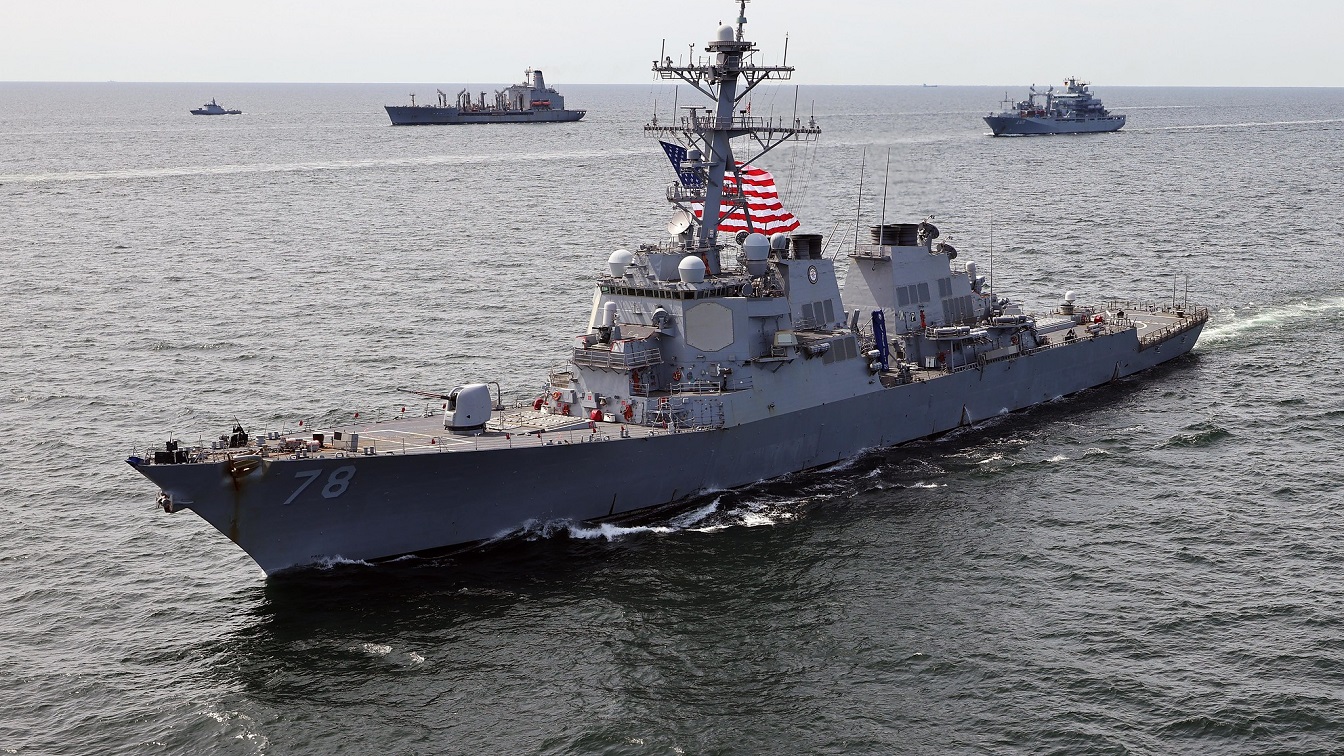
BALTIC SEA (June 6, 2022) The Arleigh Burke-class guided-missile destroyer USS Porter (DDG 78) sails in formation in the Baltic Sea, June 6, 2022, during exercise BALTOPS22. BALTOPS 22 is the premier maritime-focused exercise in the Baltic Region. The exercise, led by U.S. Naval Forces Europe-Africa, and executed by Naval Striking and Support Forces NATO, provides a unique training opportunity to strengthen combined response capabilities critical to preserving freedom of navigation and security in the Baltic Sea. (U.S. Navy photo) 220606-N-NO901-3008
Keeping Their Powder Dry—Until Now?
Until now, the Houthis have mainly stayed on the sidelines of the conflict.
Many Yemenis are genuinely concerned about how renewed US and allied airstrikes targeting Yemen, in response to Houthi provocations, could harm their lives.
As a result, the Houthis have limited their ballistic missile launches, reduced drone harassment of international shipping, and carried out symbolic strikes with controlled escalation.
Consequently, the Houthis are cautiously engaging in the conflict, showing measured restraint and responsibly following the escalation ladder.
Remarkably, the Houthis are acting less like a terrorist militia and more like a disciplined regional proxy with clear strategic goals.
That should cause both American and Israeli military planners to hesitate, especially as Washington becomes increasingly worried about the spillover effects from these Iranian-backed attacks on global trade in the region.
The Houthis give Iran real geographic advantages by offering Tehran a strategic southern chokepoint.
Additionally, since the Houthis are a proxy force, Tehran can claim they are acting independently (though few will believe this), but there is a deniability buffer that Tehran’s current blockade of the Strait of Hormuz lacks.
This aligns with Iran’s broader unconventional warfare doctrine, which aims to stretch already-strained US forces across multiple fronts, enforce defensive postures everywhere (thereby weakening defenses in key areas), and avoid direct confrontation with the US (while still influencing outcomes).
Think of the Houthis as Iran’s paw in the southern instability zone, like how Hezbollah operates in the northern part of the Middle East for Iran.
Bab el-Mandeb is Very Important
Let’s examine the Strait of Bab el-Mandeb.
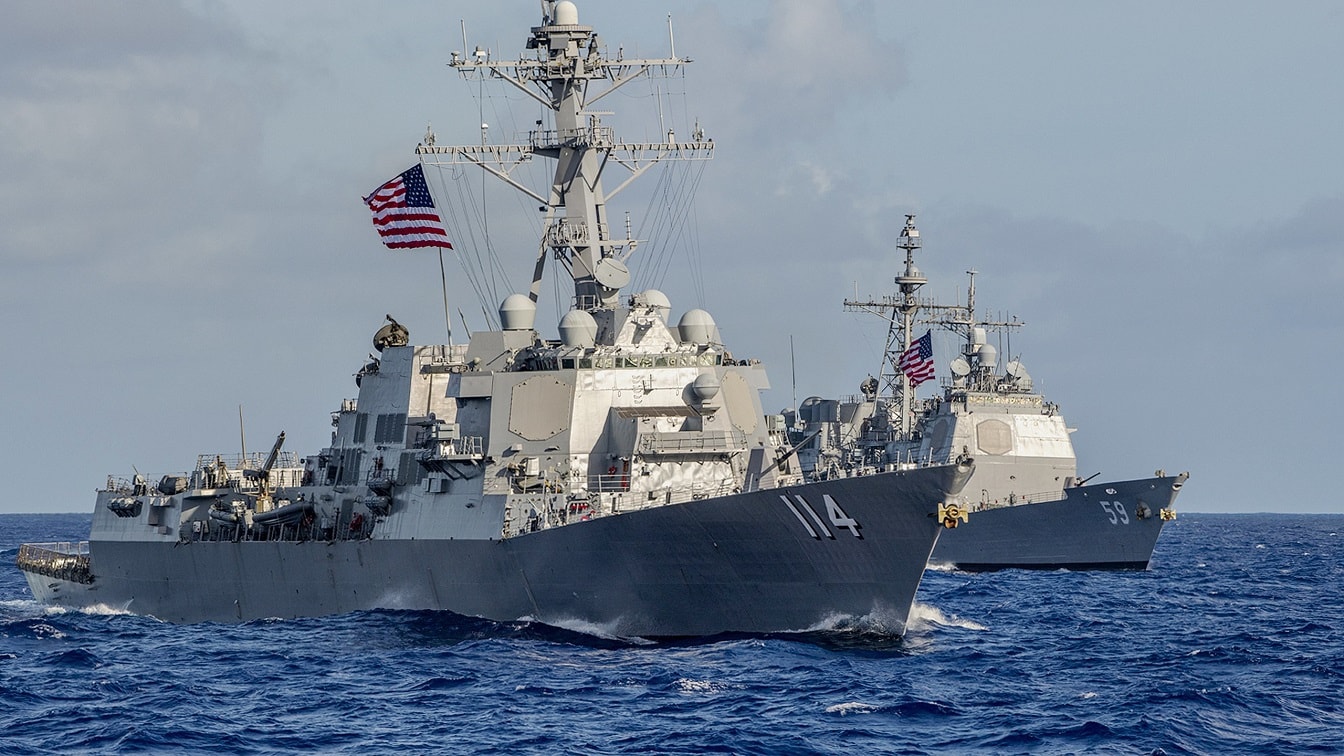
The Arleigh Burke-class guided-missile destroyer USS Ralph Johnson (DDG 114) and the Ticonderoga-class guided-missile cruiser USS Princeton (CG 59) steam in formation during dual carrier operations with the Nimitz and Theodore Roosevelt Carrier Strike Groups (CSG). Dual carrier operations unify the tactical power of two individual CSG, providing fleet commanders with an unmatched, unified credible combat force capable of operating indefinitely. The CSGs are on a scheduled deployments to the Indo-Pacific.
Like the Strait of Hormuz, it is one of the world’s most critical strategic chokepoints, linking the Indian Ocean, Red Sea, Suez Canal, and even Europe.
About 15 percent of global trade passes through this corridor alone.
If the Houthis carried out their proposed blockade of the Strait of Bab el-Mandeb, it would primarily disrupt global energy supplies, container shipping, and food chains.
Combined with a closure of the Strait of Hormuz, this would hinder global trade in a way that could rival the economic impacts of the pandemic global shutdowns.
Furthermore, by closing this waterway, the Houthis would signal a significant strategic shift by Tehran from minor harassment to genuine economic warfare.
But, closing the Strait of Bab el-Mandeb while the Strait of Hormuz is blockaded will trigger a massive retaliation by the US Navy, which abandoned their fight against the Houthis over the Red Sea last year.
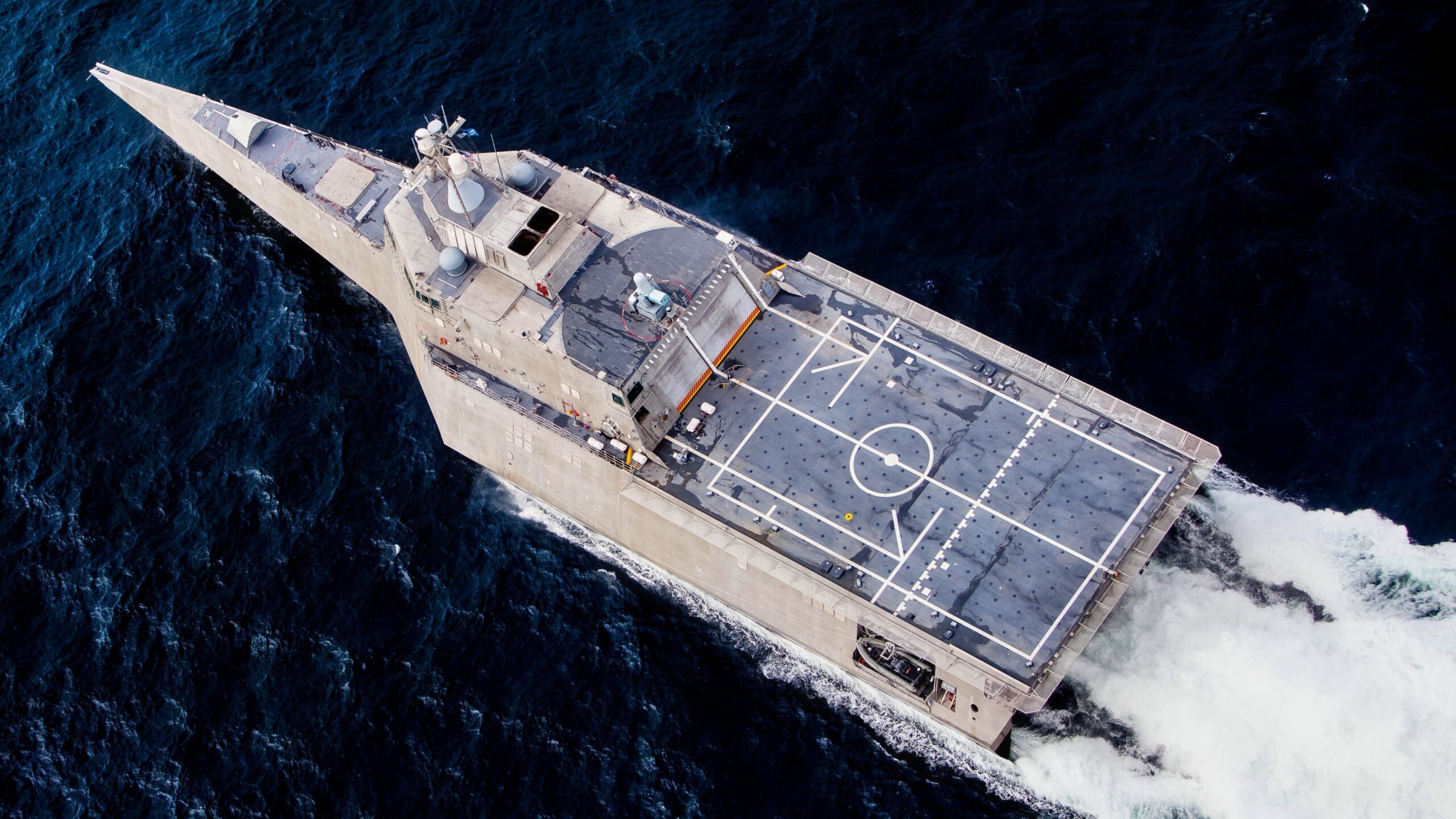
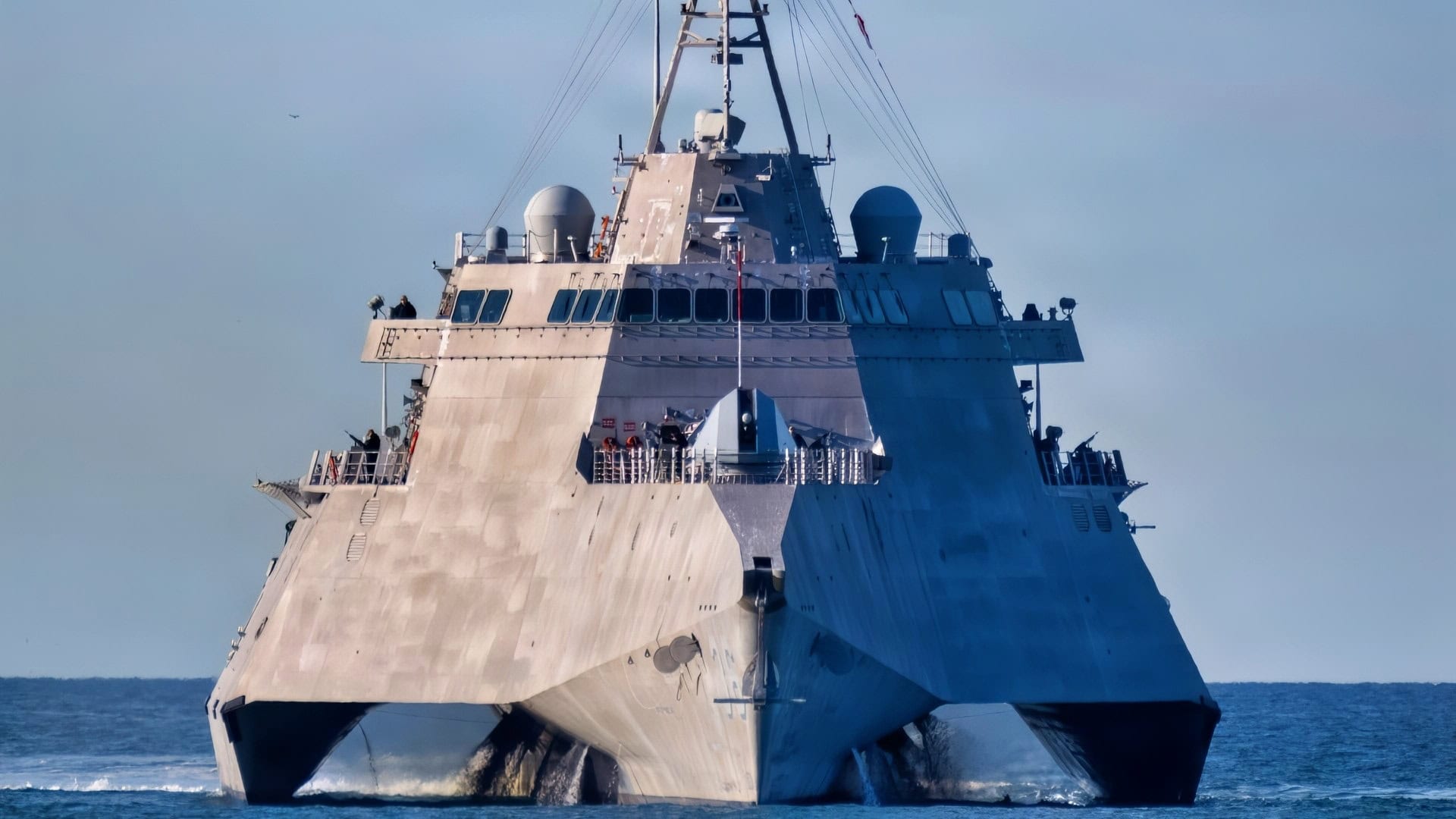
US Navy Littoral Combat Ship. Image Credit: Creative Commons.
In fact, the Houthis’ move to close the Strait of Bab el-Mandeb might, in turn, prompt the very multinational military response that has so far been missing in this war, since places like Europe cannot withstand the pressure of both the Strait of Hormuz and the Strait of Bab el-Mandeb being closed simultaneously.
This explains why the Houthis have held back.
They are probably waiting for the US and Israel to overreach. Once that happens (which is happening now), the Houthis might strike when US and Israeli defenses are stretched thin. In other words, the Houthis are not weak. They are waiting for the best moment to attack, when disruption is high and risk is low.
Right now, the Iranians are implementing a strategy that resembles slowly boiling a frog in water. The Americans and Israelis don’t yet realize that the main threat from the Houthis is not their large missile and drone arsenals.
It’s the Houthis’ ability to disrupt global logistics networks in the Middle East.
The world depends on the flow of goods passing through these narrow waterways of the Middle East—the Strait of Hormuz, the Red Sea, and the Strait of Bab el-Mandeb. Whoever controls these chokepoints controls global energy flows, trade routes, and can even destroy entire nations by cutting off access to these crucial passages—since the inflationary spiral caused by such blockades could topple economies and political regimes worldwide.
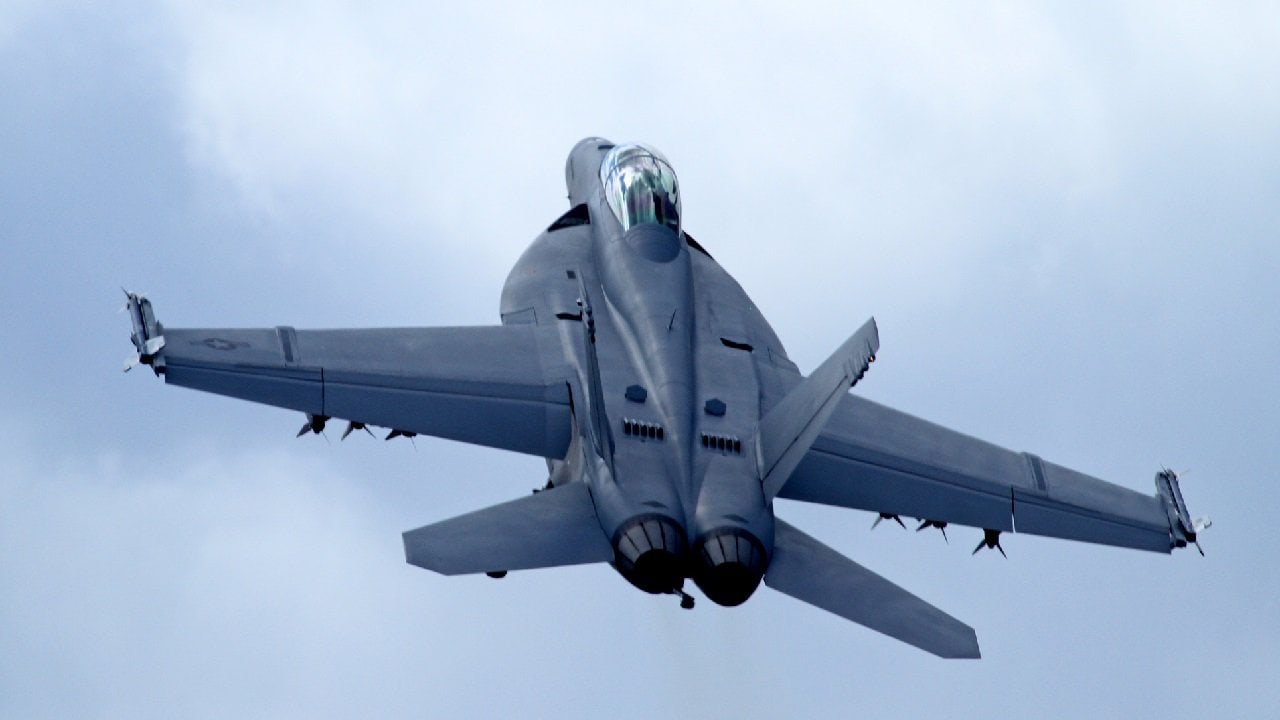
Block III F/A-18 Super Hornet.
What About the Red Sea Corridor?
The Houthis have previously impacted the trade flows through the Red Sea. The Red Sea route connects the Suez Canal to the wider world. We are talking about an additional 12-15 percent of all global seaborne oil trade and total global maritime trade being disrupted by such a closure.
What’s more, closing the Red Sea down would force shippers to navigate their goods around the Cape of Good Hope, thereby decreasing daily trade volume through the Suez Canal and Red Sea by around 50 percent.
These disruptions will create massive manufacturing delays and global inventory shortages, only adding to fears of inflation spiking again.
We are once more talking about the worst aspects of the pandemic shutdowns caused by this growing war.
Underestimate the Houthis at Your Own Peril
Far from being the sideshow in the ongoing Iran War (which has quickly escalated into the Mideast War and now threatens to become a third world war), the Houthis might be the spark that ignites the larger conflict we all fear will soon unfold.
If the Houthis keep their attacks limited, Washington can pretend this conflict is manageable.
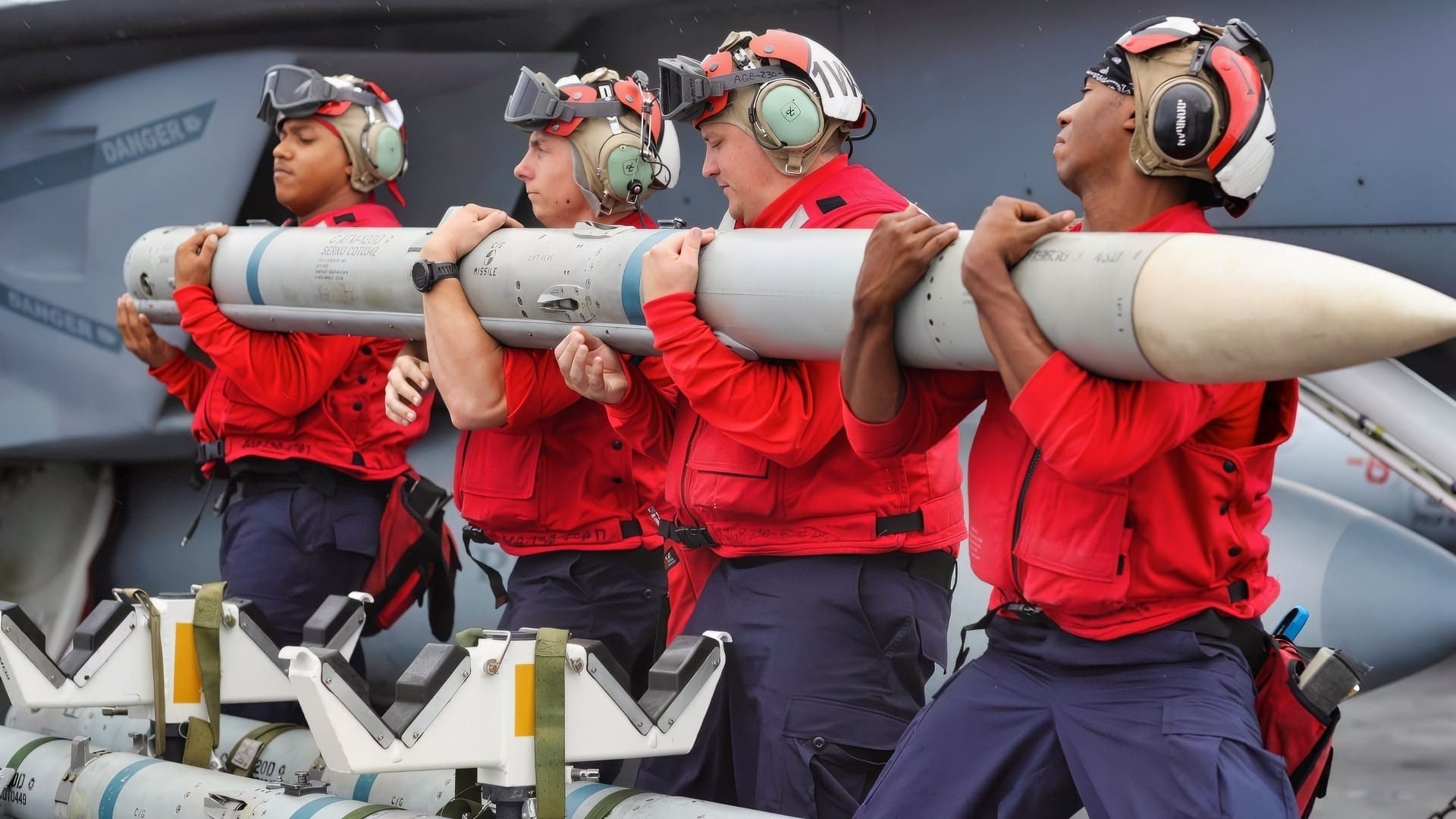
ATLANTIC OCEAN (July 31, 2018) Sailors prepare to transfer ordnance onto an F/A-18E Super Hornet from the Pukin’ Dogs of Strike Fighter Squadron (VFA) 143 on the flight deck of the Nimitz-class aircraft carrier USS Abraham Lincoln (CVN 72). (U.S. Navy photo by Mass Communication Specialist 2nd Class Jessica Paulauskas/Released)
But the moment the Bab el-Mandeb becomes more than just a harassment zone—when it turns into an Iranian chokehold, like the Strait of Hormuz—that illusion shatters.
At that point, we are truly in a world war.
And the United States will find itself fighting not just for regional stability but for the functioning of the entire world economy.
Unfortunately, this is a battle the United States might eventually lose, given the significant drain on its military capabilities in recent years, the tough political shifts within the country, and the country’s already fragile economic situation today.
About the Author: Brandon J. Weichert
Brandon J. Weichert is the Senior National Security Editor at 19FortyFive.com. Recently, Weichert became the editor of the “NatSec Guy” section at Emerald.TV. He was previously the senior national security editor at The National Interest. Weichert is the host of The National Security Hour on iHeartRadio, where he discusses national security policy every Wednesday at 8pm Eastern. He hosts a companion show on Rumble entitled “National Security Talk.” Weichert consults regularly with various government institutions and private organizations on geopolitical issues. His writings have appeared in numerous publications, among them Popular Mechanics, National Review, MSN, and The American Spectator. And his books include Winning Space: How America Remains a Superpower, Biohacked: China’s Race to Control Life, and The Shadow War: Iran’s Quest for Supremacy. Weichert’s newest book, A Disaster of Our Own Making: How the West Lost Ukraine, is available for purchase wherever books are sold. He can be followed via Twitter/X @WeTheBrandon.