According to Ukraine’s political leaders, Russia this weekend launched one of its largest ballistic missile attacks since the beginning of its full-scale invasion almost four-and-a-half years ago.
The current acting prime minister stated it was actually the largest attack ever, but the Ukraine Air Force (PSU) stated there had been slightly larger combined totals of missiles and drones fired against the country in the past.
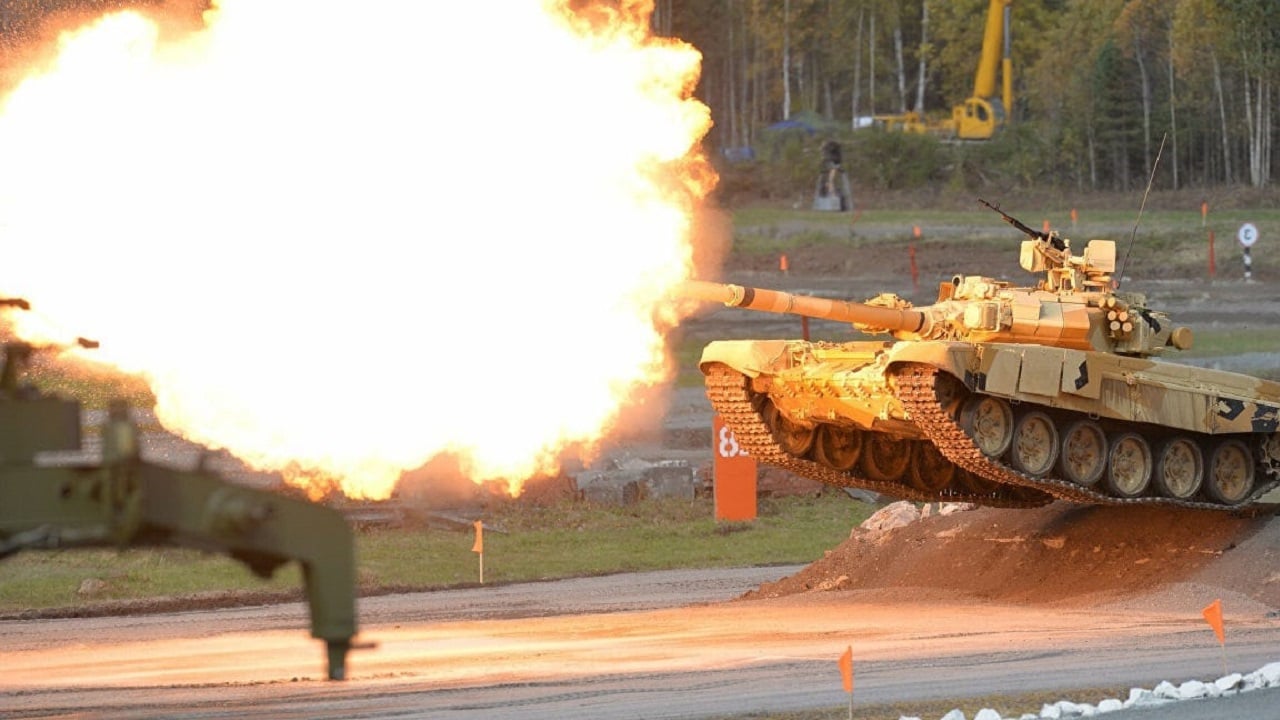
T-90M tank. Image Credit: Creative Commons.
The PSU stated Russia’s military had launched “a massive combined strike against Ukraine using attack UAVs and various types of air- and ground-launched missiles” overnight on Saturday and into Sunday.
The main target, as usual, was the capital Kyiv.
“The enemy launched more than 40 missiles of various types – most of them against the capital – and 120 attack drones,” President Volodymyr Zelensky said on his official platform.
Andriy Sybiha, who is currently the acting minister of foreign affairs, said Russia had launched “around four dozen” missiles.
These missiles have been modified so that, in the terminal phase, they descend on a ballistic trajectory to complicate interception. He called it the “largest number of ballistic missiles since the start of the war.”
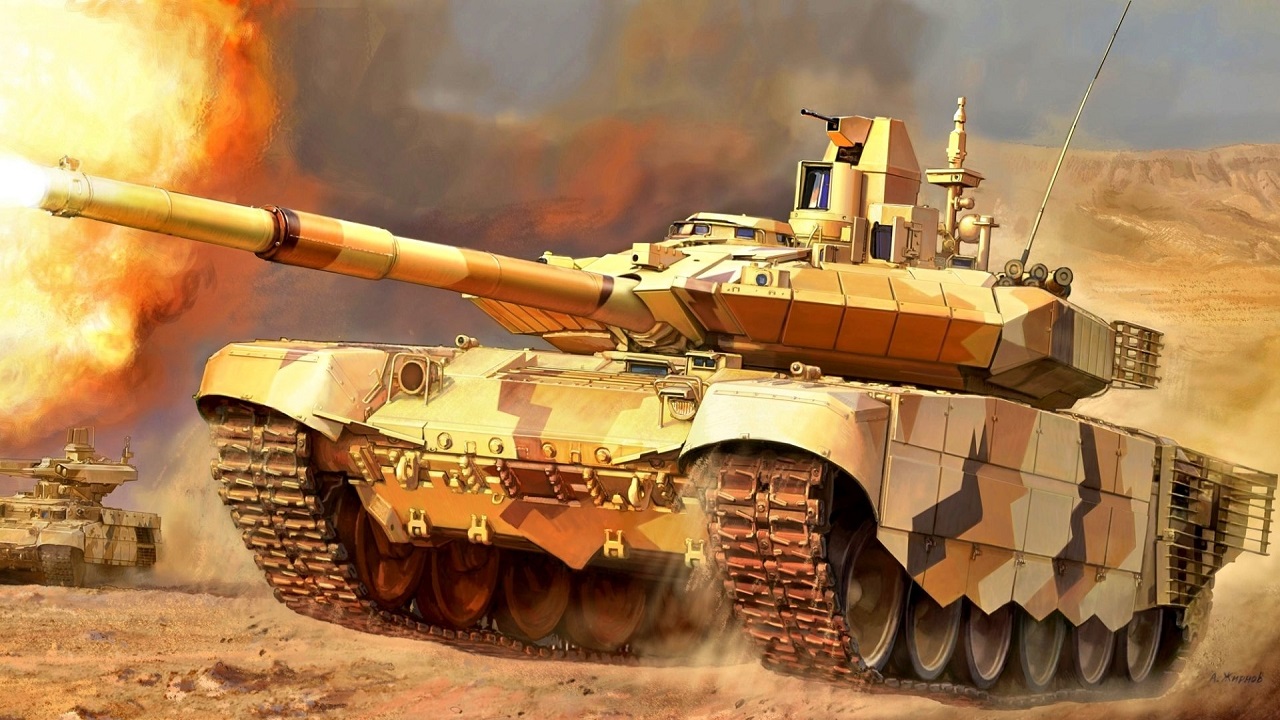
Russian T-90 Tank. Image Credit: Creative Commons.
Modifying Trajectories
The number of missile intercepts in this war has created a volume of data on the performance of defense systems like the US-made Patriot that exceeds that extracted from all other previous conflicts combined.
Russia’s missile designers have exploited as much of that data as they have collected as possible and are modifying these weapons so that they can evade the Patriot and other missile defense platforms.
What their modifications have done is alter ballistic missile control systems so that they do not travel on a predictable trajectory per their original design, according to a report from October 2025.
According to the available data, Russia’s missile forces have been devising methods that cause these missiles to depart from their normal descent aspect as they approach their targets.
Those Russian missiles then dive at steep angles or make rapid maneuvers that “confuse and avoid” the Patriot system’s interceptors.
One Ukrainian official called these modifications a “game-changer for Russia.” At the time of the October 2025 report, four Russian Iskander-M missiles were fired, and all four hit their targets due to these modifications.
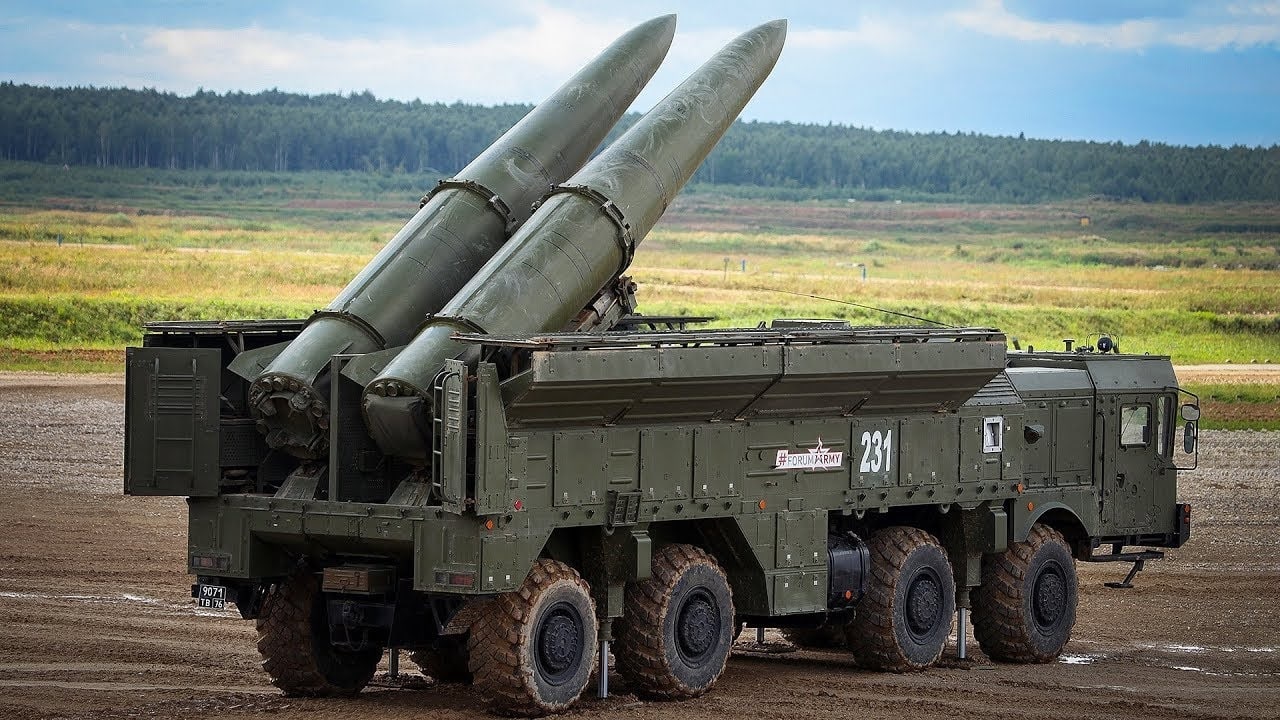
Iskander ballistic missile. Image Credit: Creative Commons.
But Russia is not the only player who knows how to adapt to new challenges.
Last month, in June 2026, Russia launched 5,929 aerial attack weapons against Ukrainian cities and other targets.
But thanks to their own modifications by the Ukrainians to their air defenses, they destroyed or managed to use electronic warfare to disable 5,277 of them, which is an overall intercept success rate of nearly 90 percent.
The Air and Missile Defense Deficit
The Ukraine Air Defense Forces (PPO) reportedly “shot down or neutralized 126 targets, including 18 missiles and 108 unmanned aerial vehicles,” the service said.
But 23 of the missiles fired and 10 of the drones reached and hit 20 different targets, the Ukrainian military reported.
Strikes were reported in five districts of Kyiv, and the state emergency services reported one person had been killed and 16 wounded.
Throughout the entire country, different municipalities reported a total of 16 civilians killed and 77 injured in the past 24 hours from Russian drone and missile attacks.
The majority of these casualties were in the Kharkiv and Donetsk regions.
Russian Defense Ministry claimed that it had carried out a “massive strike” and used the standard line that these were attacks on Ukrainian “defense industry facilities and logistics centers in the city of Kyiv.”
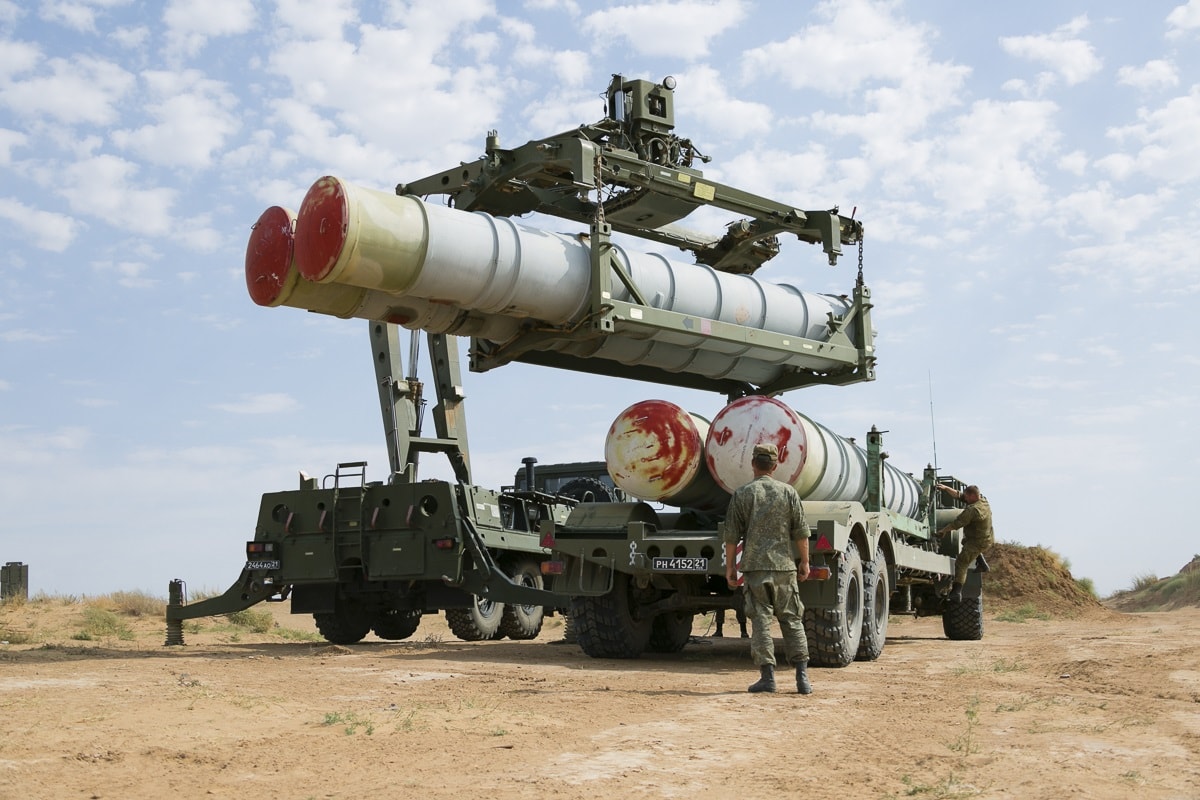
Russia’s S-400 Air Defense System. Image: Russian Military.
This statement is belied this morning by Ukraine’s Ambassador to Australia and New Zealand, Vasyl Myroshnychenko.
He was in Kyiv this weekend and posted a video from the site of the latest Russian attack near the Lukyanivska underground station that shows the devastation from this latest missile strike,
This area was once known for its defense plants; however, since the war began, most of them have been bombed into non-existence, making a missile attack on this district nothing less than just unjustified wanton destruction.
But Russia continues to hit this site regardless and has succeeded only in obliterating the McDonald’s that is housed in the same building as the underground station on multiple occasions.
This particular Golden Arches, which has required rebuilding several times, has the dubious distinction of being the location that has suffered more missile attacks than any other in the franchise’s history.
Ukrainian President Volodymyr Zelenskiy stated that “protection against ballistic missiles is our constant and top priority right now. Interceptors are needed every day, and I am grateful to everyone who takes our agreements seriously and ensures the delivery of anti-ballistic capabilities.”
What will continue to be a problem for Ukraine, however, is a global shortage of interceptor missiles. There is unlikely to be any dramatic increase in the deliveries of these weapons – particularly those missiles used in the Patriot batteries – according to a long discussion on the daily Ukraine war podcast produced by the London Daily Telegraph.
The other bit of unhappy news is that while promises have been made to provide the blueprints that would permit Ukraine to manufacture its own Patriot interceptors, there are still numerous details to be clarified and it is also unclear which model of the several fired by the US-made platform’s missile will be produced locally in Ukraine.
Ukraine’s air defense forces should also not expect that production line to kick off anytime soon.
Most of the estimates to date are that it could be two years or more before any of these interceptors roll out of a factory in Kyiv. By that time, the war is likely to be over.
About the Author: Reuben F. Johnson
Reuben F. Johnson has thirty-six years of experience analyzing and reporting on foreign weapons systems, defense technologies, and international arms export policy. Johnson is the Director of Research at the Casimir Pulaski Foundation. He is also a survivor of the Russian invasion of Ukraine in February 2022. He worked for years in the American defense industry as a foreign technology analyst and later as a consultant for the U.S. Department of Defense, the Departments of the Navy and Air Force, and the governments of the United Kingdom and Australia. In 2022-2023, he won two awards in a row for his defense reporting. He holds a bachelor’s degree from DePauw University and a master’s degree from Miami University in Ohio, specializing in Soviet and Russian studies. He lives in Warsaw.