
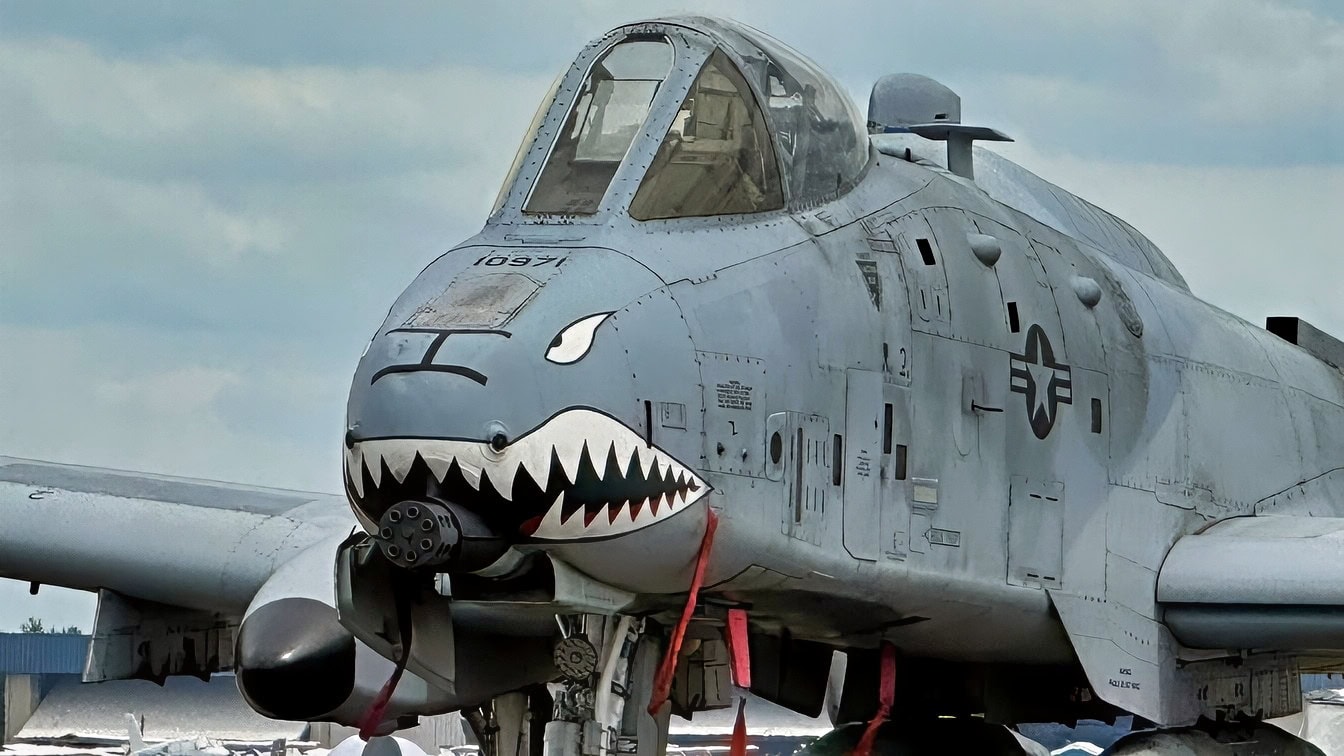
The A-10 Warthog Retirement Plan Now Runs Through 2030: The U.S. Air Force entered fiscal 2026 intending to retire all 162 remaining A-10 Thunderbolt IIs. That plan is gone. As of July 31, 2026, the service’s current force-structure proposal keeps a shrinking Warthog fleet through fiscal 2030.
The numbers fall in stages. The Air Force proposes retiring 49 A-10s in fiscal 2027, leaving 54. It would retire none in fiscal 2028, remove 18 in fiscal 2029, and retire the final 36 during fiscal 2030. The last aircraft would therefore leave service by September 30, 2030, if Congress approves the schedule.
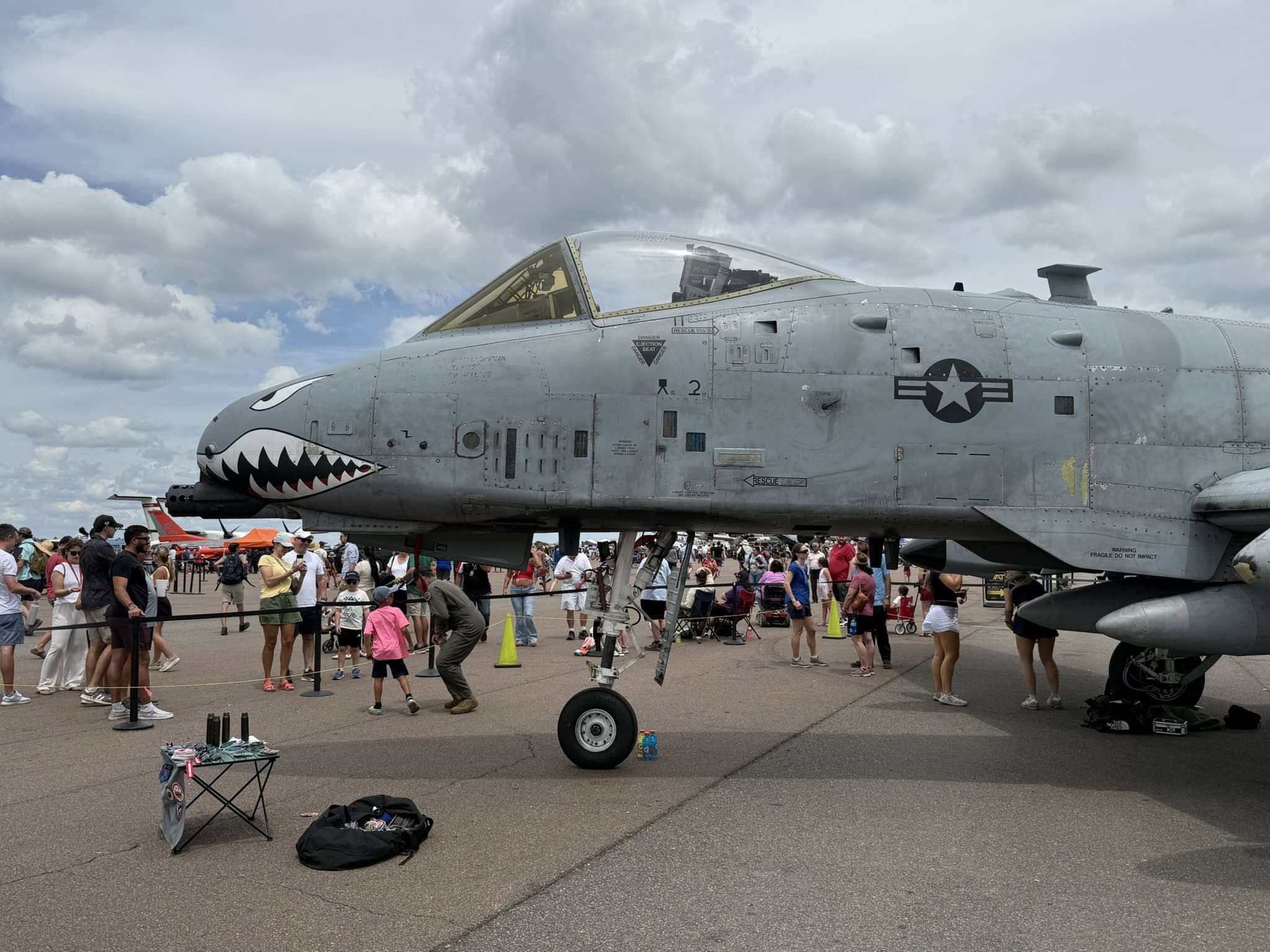
A-10 Warthog at Lakeland Air Show in Lakeland, Florida. Image by Harry J. Kazianis.
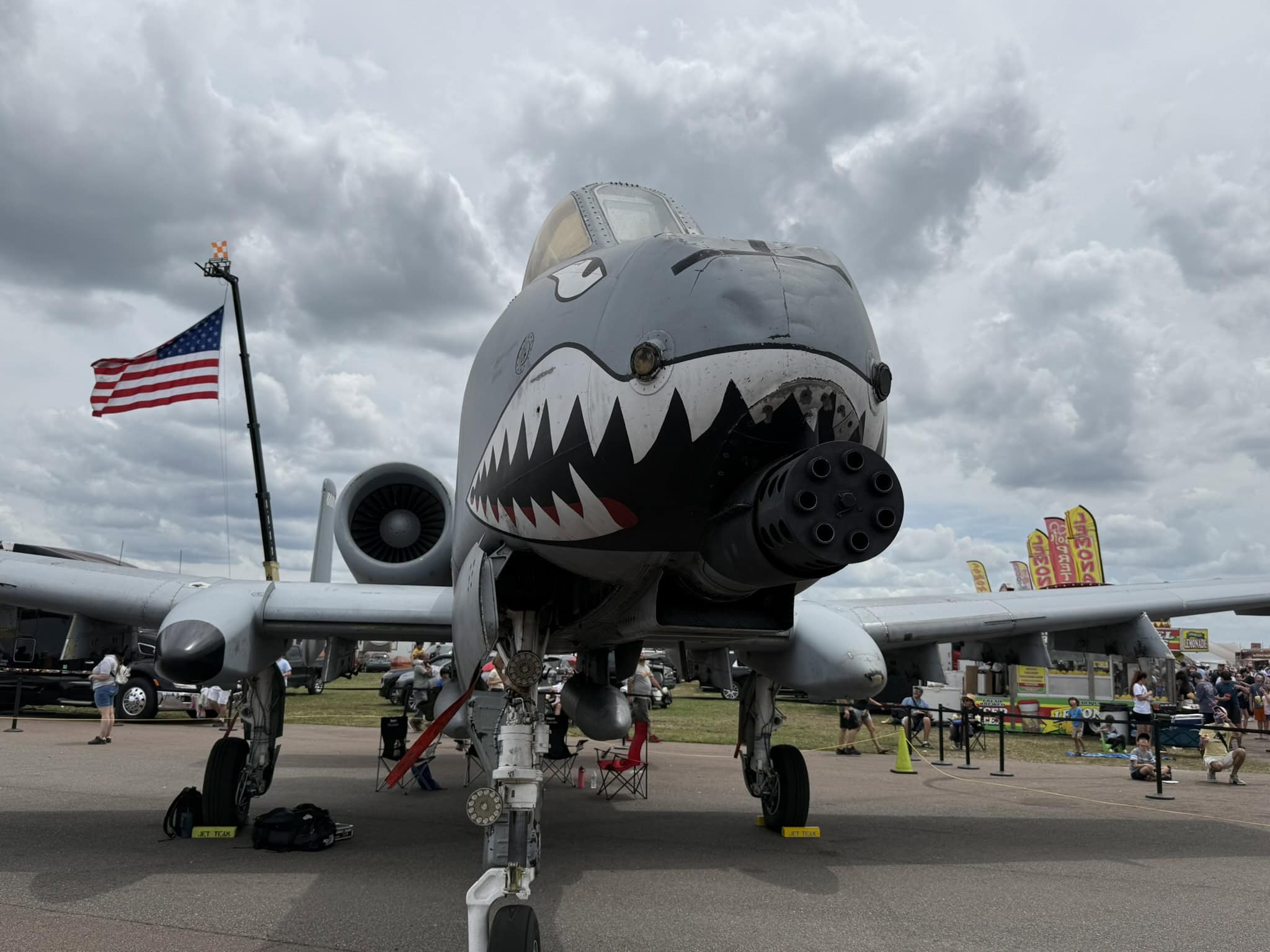
A-10 Warthog at Lakeland Air Show in Lakeland, Florida. Image by Harry J. Kazianis.
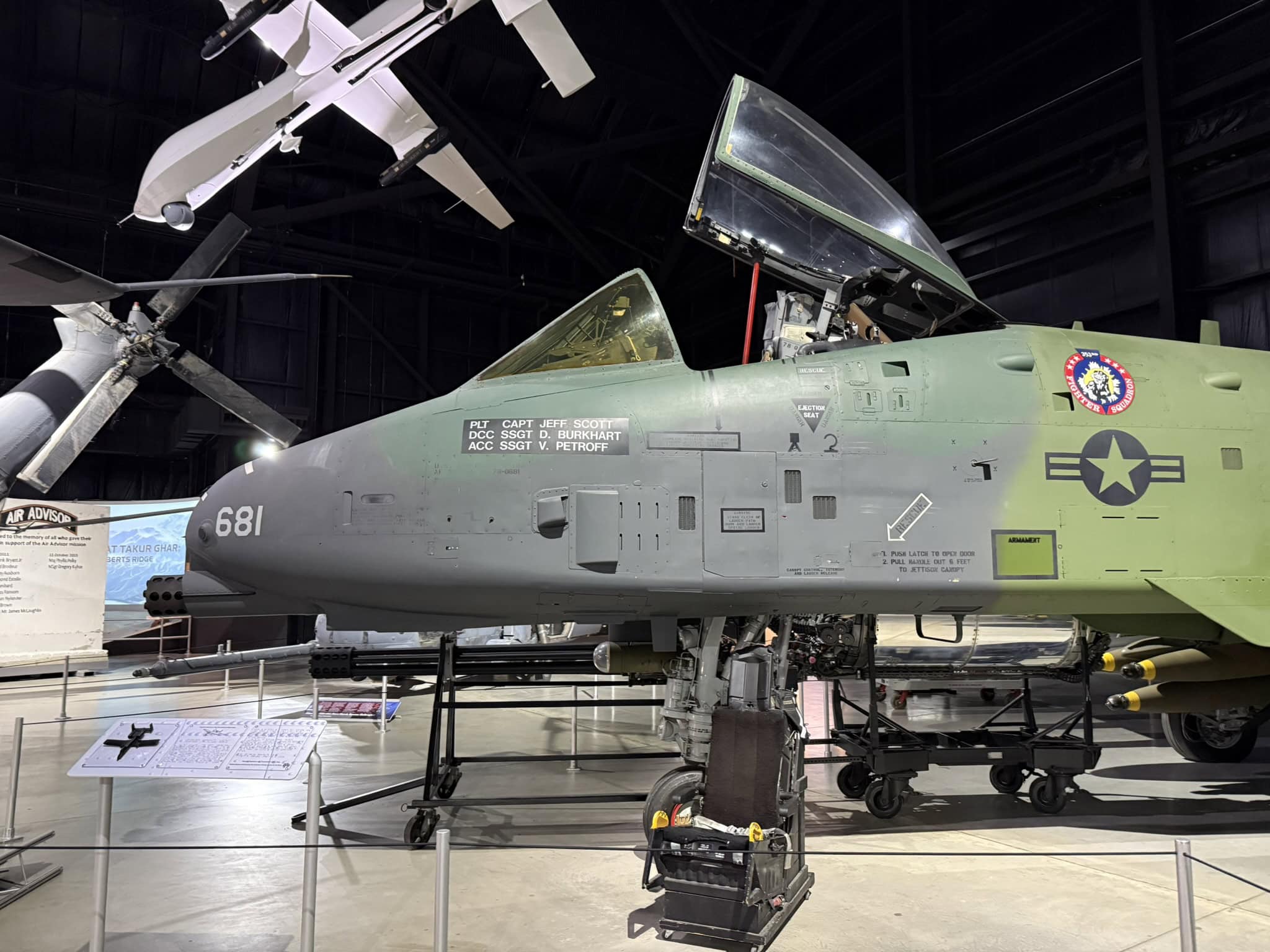
A-10 Warthog. 19FortyFive Image.
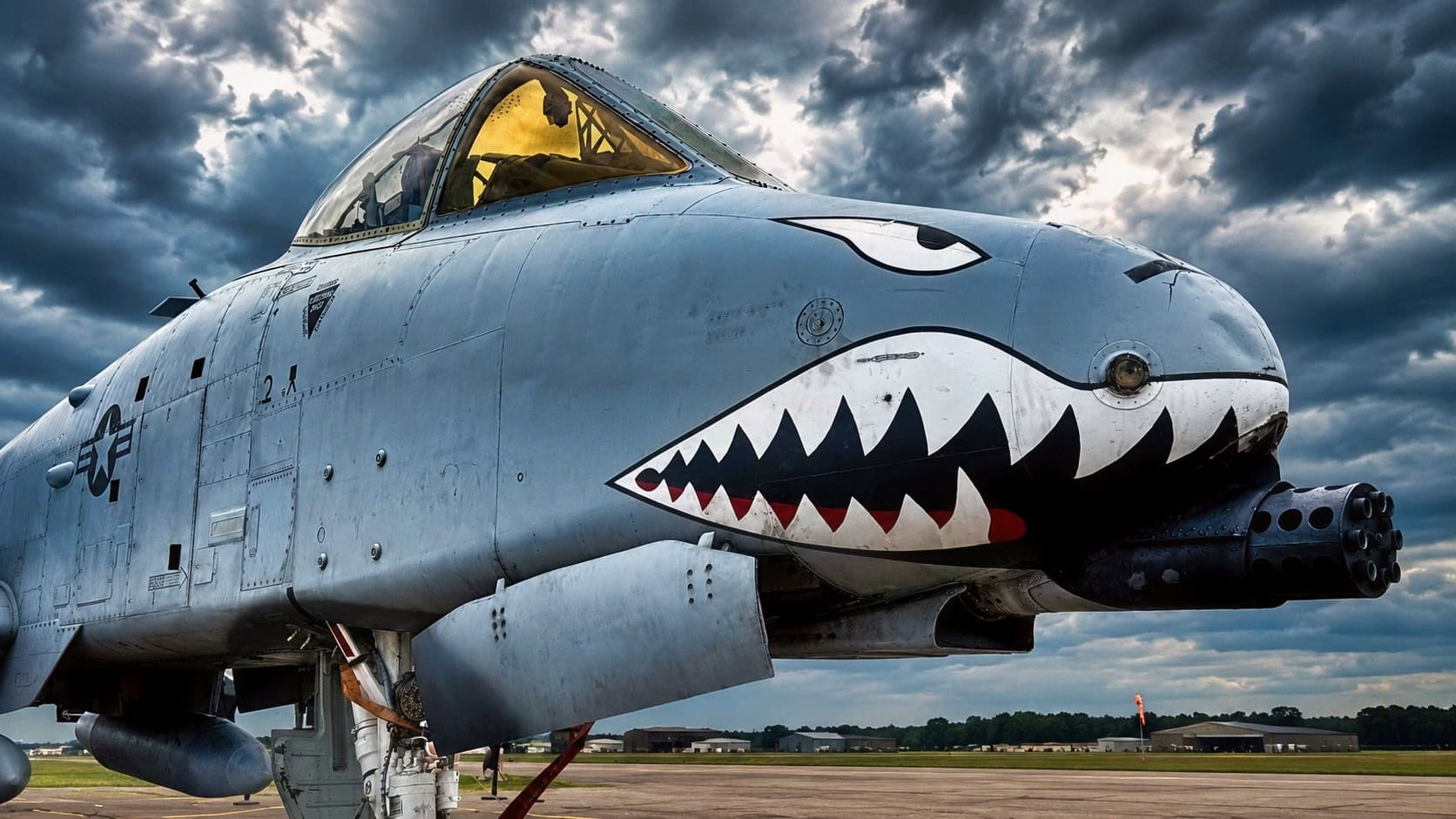
A-10 Warthog at Lakeland Florida 2026 Airshow. Image taken by Harry J. Kazianis for 19FortyFive.com. Enhanced with Banana Nano.
Congress controls the first step. The fiscal 2026 defense law prevents the Air Force from reducing the total inventory below 103 aircraft or the primary mission inventory below 93 before October 1, 2026. Individual aircraft judged non-airworthy and uneconomical to repair are exempt.
The reversal followed renewed combat use during Operation Epic Fury. A-10s attacked Iranian small boats, supported maritime operations, and covered the recovery of the two crew members of a downed F-15E. One Warthog was lost after taking Iranian fire, reinforcing both the aircraft’s continuing battlefield value and the survivability concerns behind its planned retirement.
The Air Force Plans Three Squadrons Before the Final Drawdown
The 54-aircraft force is expected to support three squadrons of 18 jets each. Two active-duty squadrons at Moody Air Force Base, Georgia, would remain alongside the Air Force Reserve’s 442nd Fighter Wing at Whiteman Air Force Base, Missouri. One Moody squadron is scheduled to close in 2029. The remaining Moody and Whiteman units would operate 36 aircraft into 2030.
The service says it will concentrate the healthiest airframes in the surviving units. That approach limits near-term structural risk, but it also turns retired aircraft into a source of components for the smaller fleet. Every reduction therefore supports the aircraft that remain while shrinking the pool available for training, testing, attrition replacement, and unexpected operational demand.
This arrangement buys time without reversing the Air Force’s judgment about the aircraft. Service leaders argue that the A-10’s low-altitude operating profile leaves it vulnerable to modern integrated air defenses. They want personnel and money moved toward stealth aircraft, long-range weapons, and platforms built for conflict with China or Russia. Congress has repeatedly slowed the Warthog’s long retirement process because no other aircraft reproduces its full close-air-support package.
The A-10 Extension Arrived After Its Support System Started Closing
Keeping airframes is easier than preserving the system that produces safe sorties. The Air Force had already begun shutting down depot maintenance, pilot training, and engine work before extending operations to 2030. That leaves the service rebuilding support capacity while continuing to retire aircraft.
Hill Air Force Base completed its final A-10 depot overhaul in February. The 571st Aircraft Maintenance Squadron prepared to deactivate after performing structural repairs, wing replacements, and major overhauls since 1998. Davis-Monthan Air Force Base graduated the final class of newly qualified A-10 pilots in March. Its maintainers completed their final TF34 engine build in May.
The House-passed fiscal 2027 defense bill would require the Air Force to retain enough training, testing, depot repair, logistics, and contractor capacity to keep the fleet operationally viable through 2030. That provision addresses the central weakness in the extension plan: an aircraft does not remain combat-ready because its retirement date moved on a spreadsheet.
F-35s, F-15s and F-16s Will Divide the A-10 Mission
Air Force Chief of Staff Gen. Kenneth Wilsbach told lawmakers there would be no close-air-support or combat-search-and-rescue gap. The service plans to assign those missions across F-35A, F-15E, and F-16 units rather than select one direct successor.
The mission portfolio also includes counter-drone work with laser-guided rockets, another job the successor force will have to absorb.
The replacement is functional rather than identical. The A-10 was designed around close air support, with armor, redundant flight controls, long loiter time, low-speed handling, and a 30-millimeter cannon. The F-35 brings stealth, fused sensors, and access to defended airspace. The F-15E carries a larger strike load and operates at greater speed. Neither behaves like a Warthog circling close to troops for an extended period.
That difference drives the replacement argument. The Air Force defines success as preserving the missions across a modern force. A-10 supporters want a designated aircraft whose primary job remains supporting ground troops and protecting rescue forces.
Congress Is Considering Another A-10 Extension
The bipartisan BRRRRT Act, introduced on July 20, would require at least 126 A-10s through fiscal 2033 and block retirement until the Pentagon certifies that a fully operational replacement exists. It would also force the Air Force to restore training, sustainment, depot, and flight-test capacity. The bill has not passed either chamber.
The broader fiscal 2027 authorization process also remains unfinished. The House passed its bill on July 22, while the Senate failed to advance its version on July 14 and withdrew the motion to proceed on July 23. The current 103-aircraft protection expires September 30, leaving the fiscal 2027 retirement request subject to another congressional fight.
Whiteman was named the sole candidate for 24 F-15E Strike Eagles on July 29, with initial operational capability projected for 2032. The final A-10C flight at Davis-Monthan took place that same day, ending Warthog operations at the base two months before Congress’s current fleet protection expires.
About the Author: Harry J. Kazianis
Harry J. Kazianis (@Grecianformula) was the former Senior Director of National Security Affairs at the Center for the National Interest (CFTNI), a foreign policy think tank founded by Richard Nixon based in Washington, DC. Harry has over a decade of experience in think tanks and national security publishing. His ideas have been published in the NY Times, The Washington Post, The Wall Street Journal, CNN, and many other outlets worldwide. He has held positions at CSIS, the Heritage Foundation, the University of Nottingham, and several other institutions related to national security research and studies. He is the former Executive Editor of the National Interest and the Diplomat. He holds a Master’s degree focusing on international affairs from Harvard University.

