
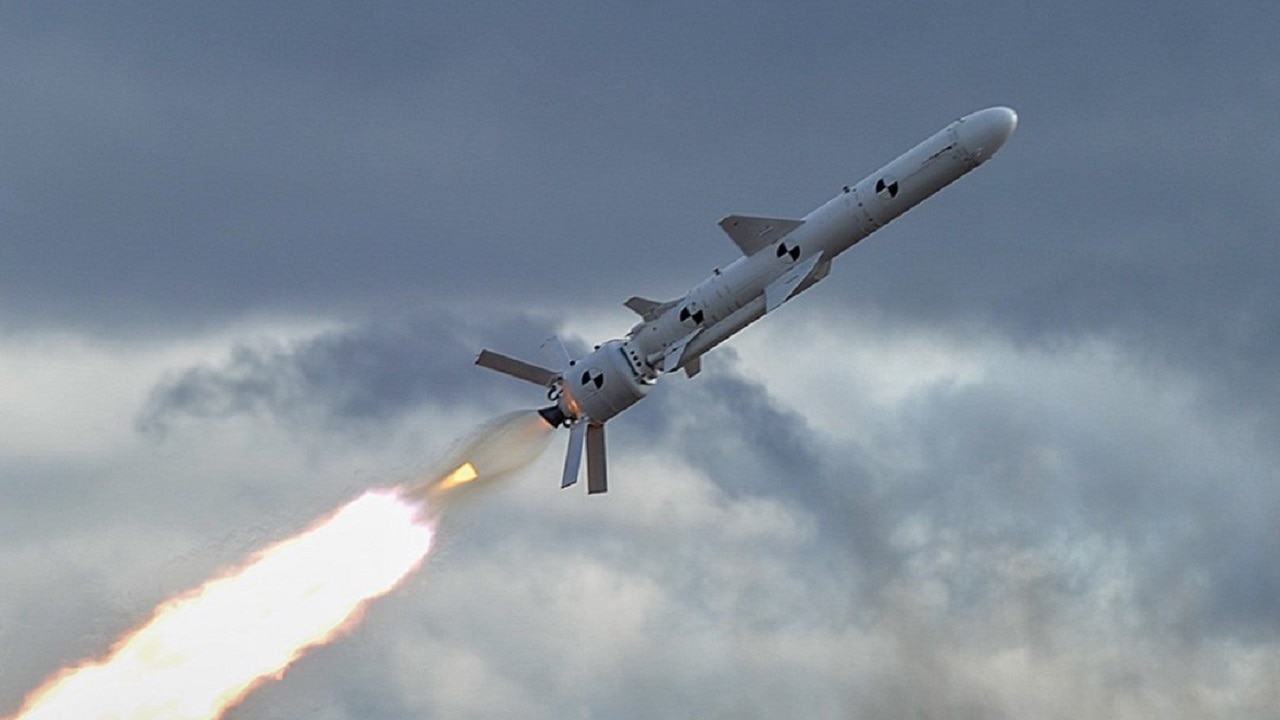
Ukraine, in recent days and weeks, has been making a renewed effort to strike Russia’s “shadow fleet” of sanctioned vessels, especially in the Sea of Azov and sometimes the Black Sea.
That effort has stepped up in recent days.
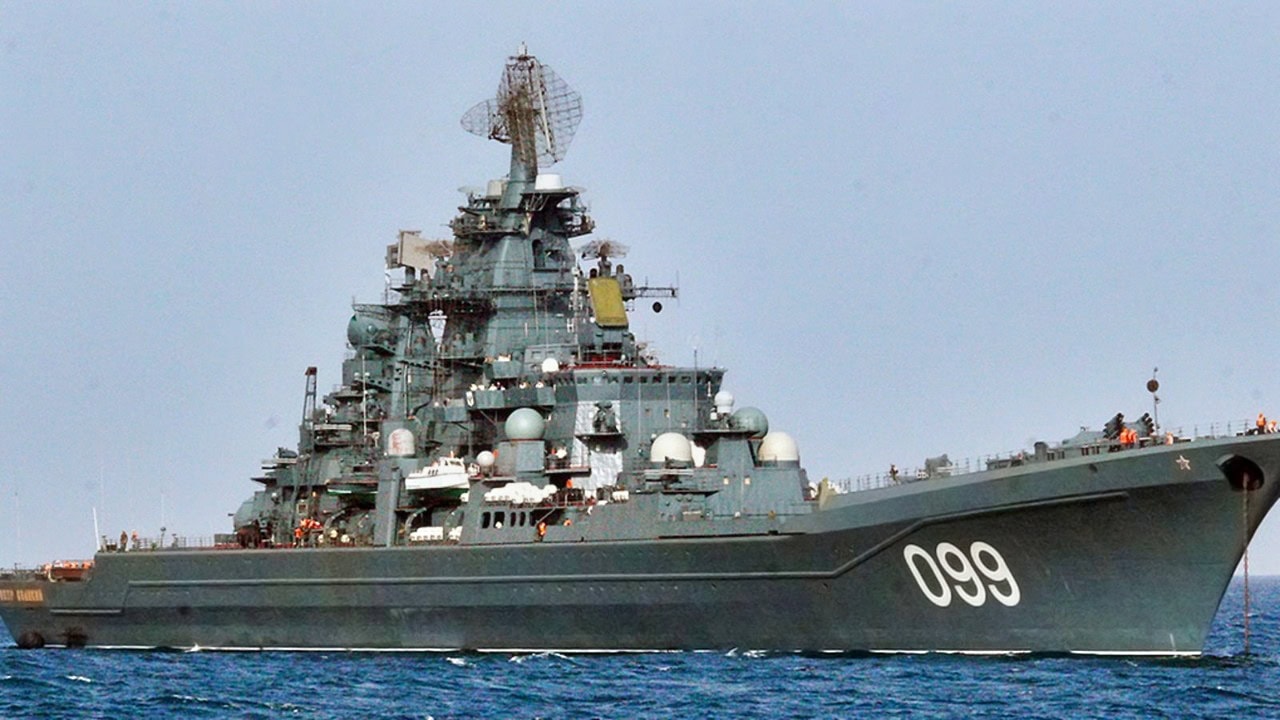
Kirov-Class Battlecruiser Russian Navy. Image Credit: Creative Commons.
According to the Kyiv Independent, Ukraine’s drones have “hit another 13 Russian shadow fleet vessels in the Azov Sea and the Black Sea over the last two days.” The Independent cited Commander of Ukraine’s Unmanned Systems Forces Robert Brovdi, known as “Madyar,” in a recent Telegram post.
That post came with a video of the explosions.
“(Russia’s) shadow fleet vessels were warned by fire over a 48-hour period on July 21–22 that it was inadvisable to navigate the waters of the Azov and Black Seas in the interests of the aggressor country,” Brovdi said in the Independent’s translation of his Telegram post.
The Independent added that Ukraine’s Unmanned Systems Forces, which runs its drone corps, has hit “126 vessels in the Azov Sea and 70 in the Black Sea as of July 22.”
The New Voice of Ukraine, meanwhile, reported that European Union forces had “intercepted” a Russian shadow fleet tanker on July 20.
“Every illicit voyage helps sustain Russia’s war machine. We are matching our sanctions with action at sea,” Kaja Kallas, EU High Representative for Foreign Affairs and Security Policy, said in a social media post.
What is the “Shadow Fleet”?
According to a Brookings Institution analysis published in early 2025, Russia has built a fleet full of tankers, mostly aimed at avoiding Western sanctions, including price caps. Most were sold to Russia by Western companies.
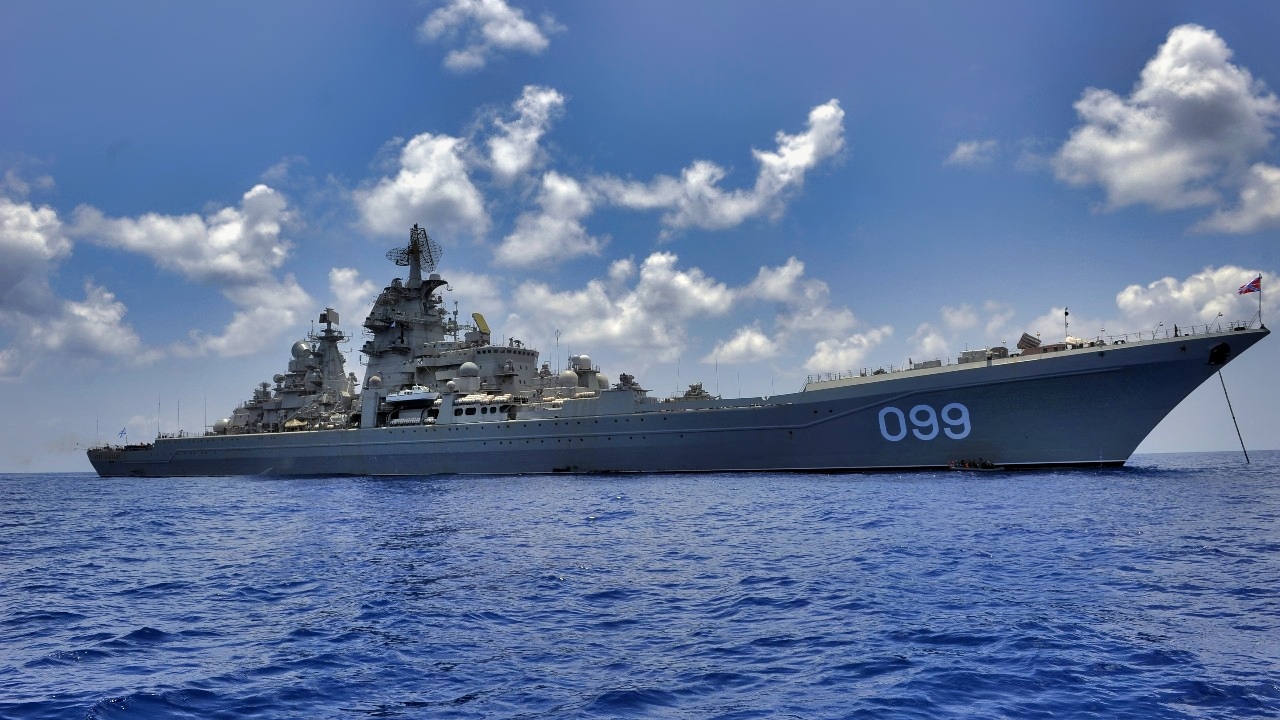
Kirov-Class Russian Navy. Image Credit: Creative Commons.
The shadow fleet was mostly created in response to the G7 and Australia placing a price cap on Russian oil in late 2022, a few months after Russia invaded Ukraine.
How do the Russians do it?
“A focal point of the shadow fleet strategy is to obscure the ownership of the fleets’ tankers and to mask the origin of the Russian oil those ships carry.
To do this, Russia employs a host of deceptive maneuvers, such as repeated ship-to-ship transfers of liquid cargo, blending oil from multiple countries, spoofing ships’ location data, and automatic identification system blackouts,” the Brookings authors wrote.
“Russia has also devoted unprecedented resources to purchasing aging ships from Western companies, obscuring the Russian ownership of those vessels through complex schemes involving shell companies and frequent reflagging of ships, among other measures.”
The Kyiv School of Economics said that Russia had spent about $10 billion in acquiring tankers between 2022 and 2024.
Kinetic Sanctions
Ukraine has referred to its long-range drone strikes as “kinetic sanctions,” or in some cases “long-range sanctions.”
Edward Wrong wrote for RUSI earlier this year about the early successes of the anti-Shadow Fleet campaign.
“Since late November, at least seven tankers that regularly transport Russian crude and are considered part of its shadow fleet have incurred critical damage after being attacked by drones or suffering unspecified ‘external explosions,'” Wrong wrote in early January.
“Ukrainian intelligence services have claimed responsibility for four of these attacks while being conspicuously non-committal on the others; and in subsequent media comments they have made clear that their intent is to substantially damage Russian seaborne crude oil export revenues.”
The attacks, the RUSI analysis says, have succeeded in another way: Causing insurance rates to rise dramatically in a short period.
“These strikes likely signify a new expanded phase of Kyiv’s justified campaign to degrade Russia’s energy production and export infrastructure – and thereby deprive it of funding for its war against Ukraine,” Wrong writes.
“If so, ship owners, insurers, ports and financial institutions that engage in Russian oil trade in violation of the newly lowered price cap, even unwittingly, may be significantly underestimating the enhanced risk now that the shadow fleet is a direct target in the conflict.
Ukraine is at the forefront of drone technology, does not feel bound by geographic restraints, and is likely unafraid of facing any legal consequences in national or international courts.”
He went on to describe 2025 as a “banner year” for “attacks on tankers linked to Russian shadow fleet activity,” and it appears, judging by recent developments, 2026 has been a similarly productive year in that regard.
About the Author: Stephen Silver
Stephen Silver is an award-winning journalist, essayist, and film critic, and contributor to the Philadelphia Inquirer, the Jewish Telegraphic Agency, Broad Street Review, and Splice Today. The co-founder of the Philadelphia Film Critics Circle, Stephen lives in suburban Philadelphia with his wife and two sons. For over a decade, Stephen has authored thousands of articles that focus on politics, national security, technology, and the economy. Follow him on X (formerly Twitter) at @StephenSilver, and subscribe to his Substack newsletter.