
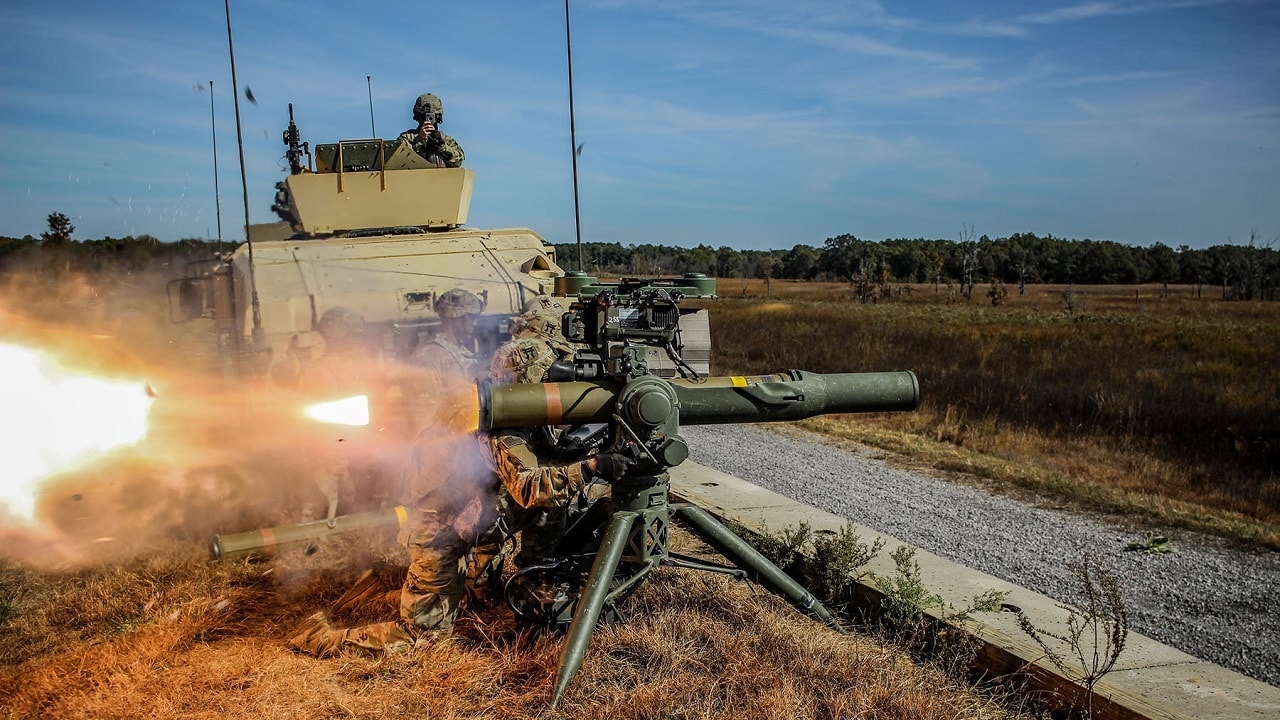
America sold billions of dollars in weapons like the F-4 Phantom and F-14 Tomcat. However, there was a lot more to those arms sales: think missiles, and not during the Shah era either. The United States secretly sold thousands of missiles and other military equipment to Iran during the Iran-Iraq War as part of the covert “arms-for-hostages” initiative that triggered the Iran-Contra Affair.
Between 1985 and 1986, the Reagan administration secretly authorized the sale of U.S.-made weapons to Iran, bypassing an official U.S. arms embargo.
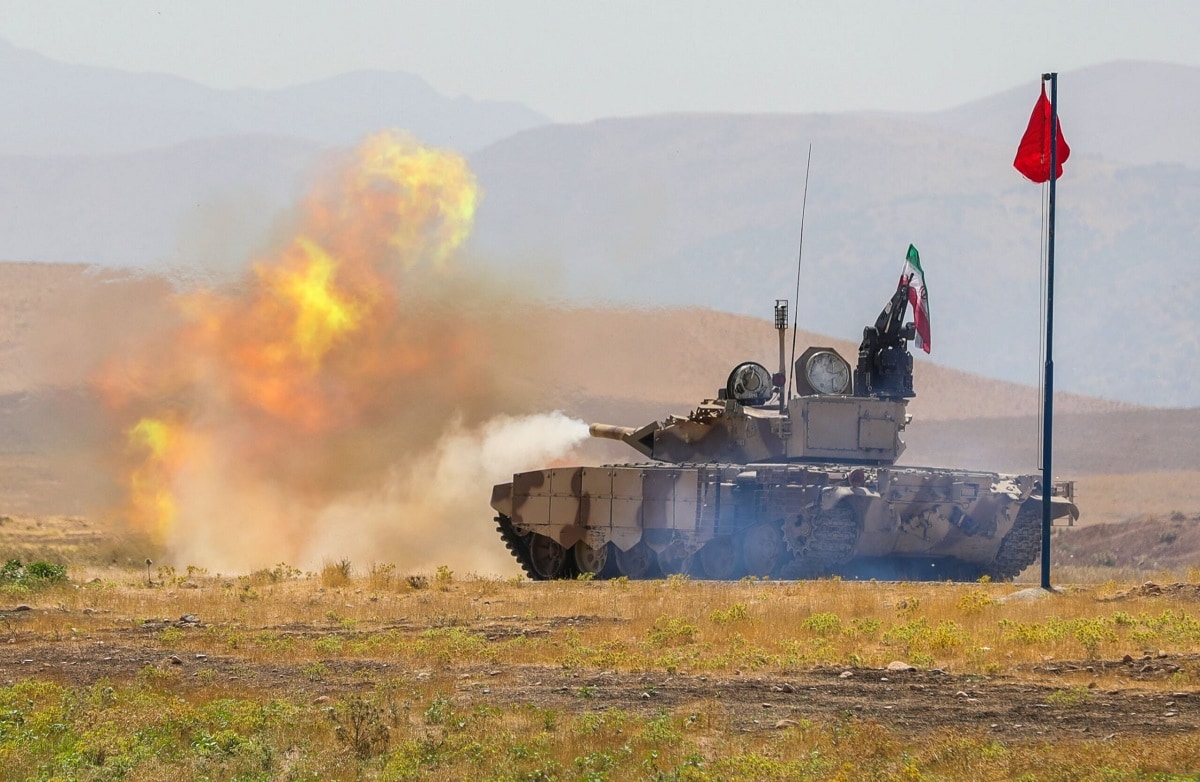
Iran Army tank. Image Credit. Creative Commons
Shipments brokered through intermediaries included over 1,500 U.S. anti-tank TOW missiles and Hawk anti-aircraft missile components.
U.S. officials sought to secure the release of American hostages held by Iran-backed groups in Lebanon and attempted to build ties with perceived moderate factions within the Iranian government.
Discovery, Fallout, And Scandal Nearly Sink Reagan’s Administration
Profits from the hidden missile sales to Iran were illegally funneled by members of the National Security Council (such as Lt. Col. Oliver North) to fund the anti-communist Contra rebels in Nicaragua.
On November 3, 1986, the Lebanese pro-Syrian magazine Al-Shiraa published an explosive report revealing that the United States was secretly selling weapons to Iran.
This expose broke the wide-ranging Iran-Contra political scandal, exposing the Reagan administration’s covert “arms-for-hostages” and illegal funding operations.
Background Of The Iran-Iraq War
The Iran-Iraq War began on September 22, 1980, when Iraqi forces under leader Saddam Hussein launched a full-scale invasion of western Iran.
Driven by territorial disputes over the Shatt al-Arab waterway and fears of Iran’s new Islamic revolution spreading, Iraq hoped for a quick victory, but the conflict turned into a brutal eight-year stalemate.
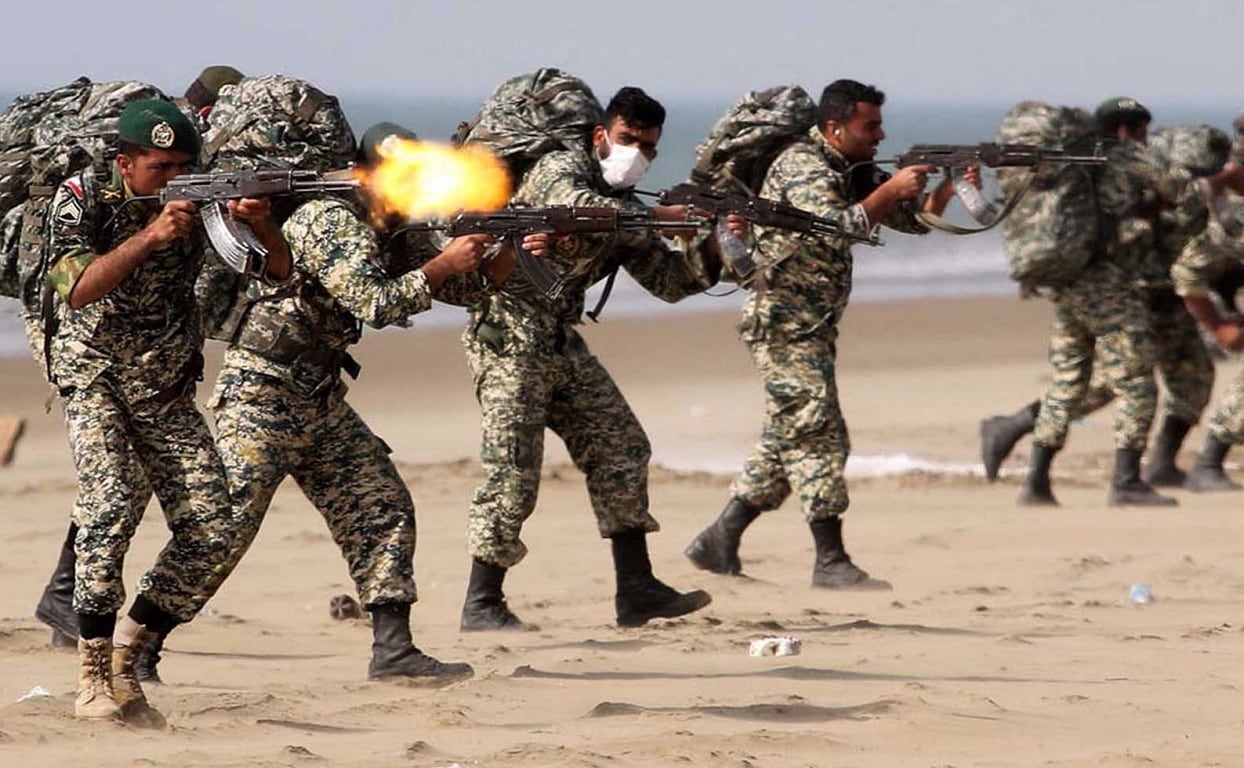
Image: Iranian Military Photo Handout.
After the Islamic Revolution in 1979, Ayatollah Khomeini was installed as the leader of the Islamic Republic.
Saddam Hussein, who was wary of Iran’s revolution spreading, viewed Khomeini’s early chaotic rule as a military weakness and sought to exploit it.
After initial attacks began with air strikes on Iranian airfields and ground crossings into Iran’s oil-rich Khuzestan province on September 22, 1980, rapid advances allowed Iraqi troops to capture cities like Khorramshahr, though they failed to seize the major oil refinery center of Abadan.
By late December that year, the war had devolved into a bloody stalemate with horrendous casualties on both sides.
The US Played Both Sides In the Iran-Iraq War
The US, contrary to public opinion, did not sell large quantities of arms and war supplies to Iraq at the outset of the war. The US did sell some helicopters and aircraft early in the conflict, ostensibly as farming equipment.
However, the US did share key battlefield intelligence and satellite imagery with Iraq.
And Washington made millions of dollars in food credits available to Saddam Hussein to purchase food, which probably would have been spent on weapons.
Iraq bought most of its weapons from the Soviets and the French, not the United States.
The CIA, under the leadership of William Casey, an old OSS operator from WWII, developed a close rapport with Iraqi intelligence during the war.
While this was going on, there were the CIA-trained Nicaraguan Contra rebels trying to overthrow the Communist dictatorship of Daniel Ortega, whom President Reagan referred to as a “Communist dictator with designer sunglasses.”
Reagan was trying to support that uprising, despite the Democrat passage of the Boland Amendment, which cut aid to the Contras.
Despite Iran taking US hostages and calling for “Death to America,” Iran was desperate for arms and in 1985 secretly approached Washington for weapons.
National Security Adviser Robert McFarlane sold the president on the idea that it would strengthen ties to “moderate” Iranians in the government, as well as in Lebanon, where Reagan was desperate to obtain the release of seven Americans held there by terrorist organizations.
Secretary of Defense Caspar Weinberger and Secretary of State George Shultz opposed the deal, but Reagan, McFarlane, and CIA Director Casey supported it. The deal went through.
Al-Shiraa reported that McFarlane had secretly visited Tehran carrying a fake Irish passport, accompanied by a load of weapons.
Weapons For Hostages, And Cash For The Contras
The secret dealings aimed to secure the release of American hostages held by pro-Iranian Hezbollah militants in Lebanon, but were in direct violation of a strict U.S. arms embargo against Iran and broke President Reagan’s public promise never to negotiate with terrorists.
A total of seven shipments were made between August 1985 and November 1986, when the story broke.
The US sold over 2,000 missiles to Iran (contemporary congressional reports cite the number at roughly 2,008 TOW anti-tank missiles) alongside hundreds of Hawk anti-air missile spare parts and other munitions through a mix of direct shipments and Israeli intermediaries.
Smaller quantities of other tactical missiles, such as Sidewinder and Phoenix air-to-air missiles, were involved in various proposed or executed secondary shipments.
Hezbollah released three hostages but shortly afterward took three more. Secretary of State George Shultz called the fiasco “a hostage bazaar.”
The Aftermath Of The Scandal
Al-Shiraa’s reporting forced the Reagan administration into a corner, leading Attorney General Edwin Meese to launch an internal probe into illegal activities.
Investigations soon confirmed that $18 million from the $30 million clandestine Iranian arms sales was illegally diverted by Lieutenant Colonel Oliver North, then an unknown member of the administration, to fund the anti-communist Contra rebels in Nicaragua, bypassing the Boland Amendment, with the full knowledge of the National Security Adviser Admiral John Poindexter.
The leak triggered high-profile congressional hearings and the findings of the Tower Commission, severely damaging the administration’s credibility and resulting in multiple criminal convictions of key White House and security officials.
It was a huge black eye for the Reagan administration; however, by the time he left office in January 1989, he had the highest approval rating of any US president since Franklin Delano Roosevelt.
In an interesting footnote to this story, forty years later, the US still operates under the myth that there are Iranian moderates in the government.
About the Author: Steve Balestrieri
Steve Balestrieri is a National Security Columnist. He served as a US Army Special Forces NCO and Warrant Officer. In addition to writing on defense, he covers the NFL for PatsFans.com and is a member of the Pro Football Writers of America (PFWA). His work was regularly featured in many military publications.