
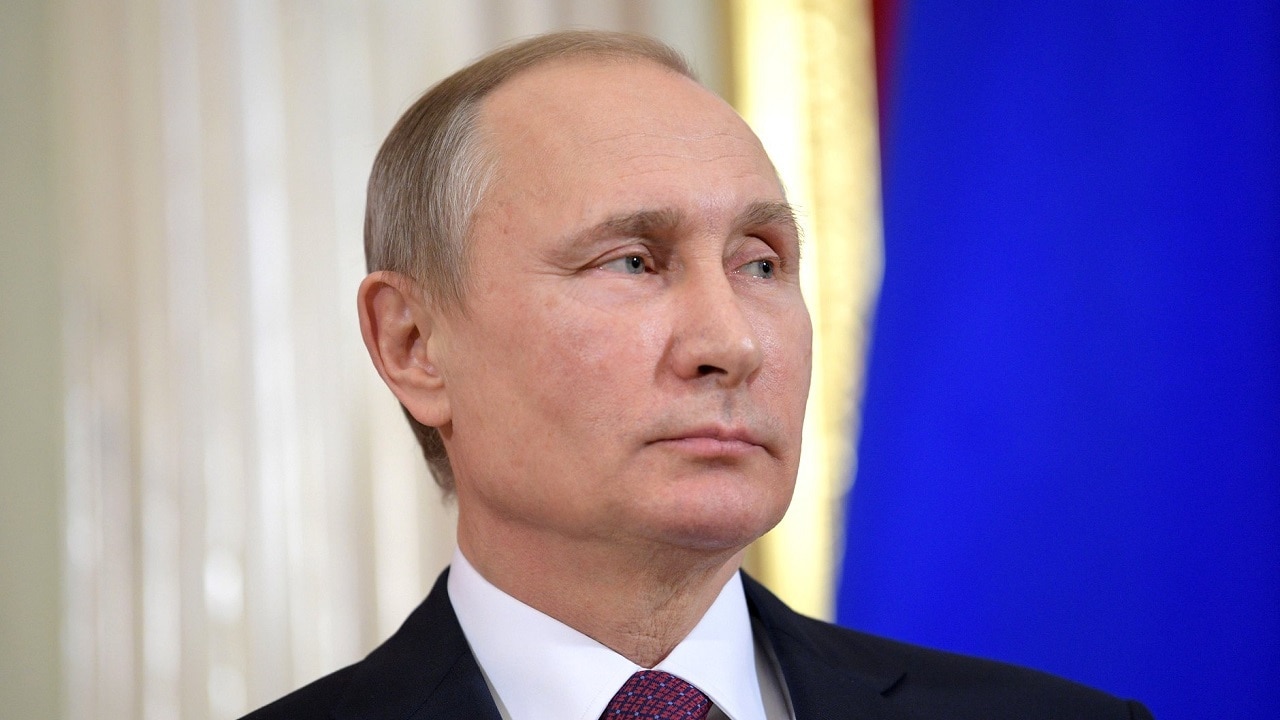
Russian President Vladimir Putin announced a reshuffle of Russian military leadership on Wednesday, August 5.
The changes saw some of the country’s most senior wartime commands altered as Moscow attempts to adapt to new wartime dynamics, with Ukrainian strikes reaching deeper into Russian territory.
The changes affect three critical parts of the Russian war effort: frontline command, military logistics, and, crucially, drone warfare.
Appointments were announced during a televised meeting at the Kremlin attended by Defense Minister Andrei Belousov, Chief of the General Staff Gen. Valery Gerasimov, and other senior military commanders.
During the meeting, the Russian president said that Moscow was adapting its structure based on lessons that are continuously being learned during operations in Ukraine.
“We continue to improve the structure of the Defense Ministry in light of the needs and experience of the special military operation,” Putin said during the meeting.
The reshuffle largely sees experienced commanders reassigned or promoted, rather than introducing new leadership.
It suggests that the Kremlin is not looking to completely redefine how it conducts the war, but is refining its command structure at a crucial time, with Ukrainian strikes severely damaging the country’s oil refineries and energy infrastructure.
The Appointments Explained
Perhaps the most significant appointment saw Col. Gen. Denis Lyamin named commander of the newly established Unmanned Systems Forces, a branch dedicated to coordinating drone warfare across the armed forces.
The announcement suggests Russia is doubling down on drone warfare and production much in the same way Ukraine has established its own drone unit as its own domestic industry has blossomed.
Putin instructed Lyamin to complete the formation of the new service in the near future, formally placing one of Russia’s fastest-growing and critical military capabilities under a new, centralized leadership.
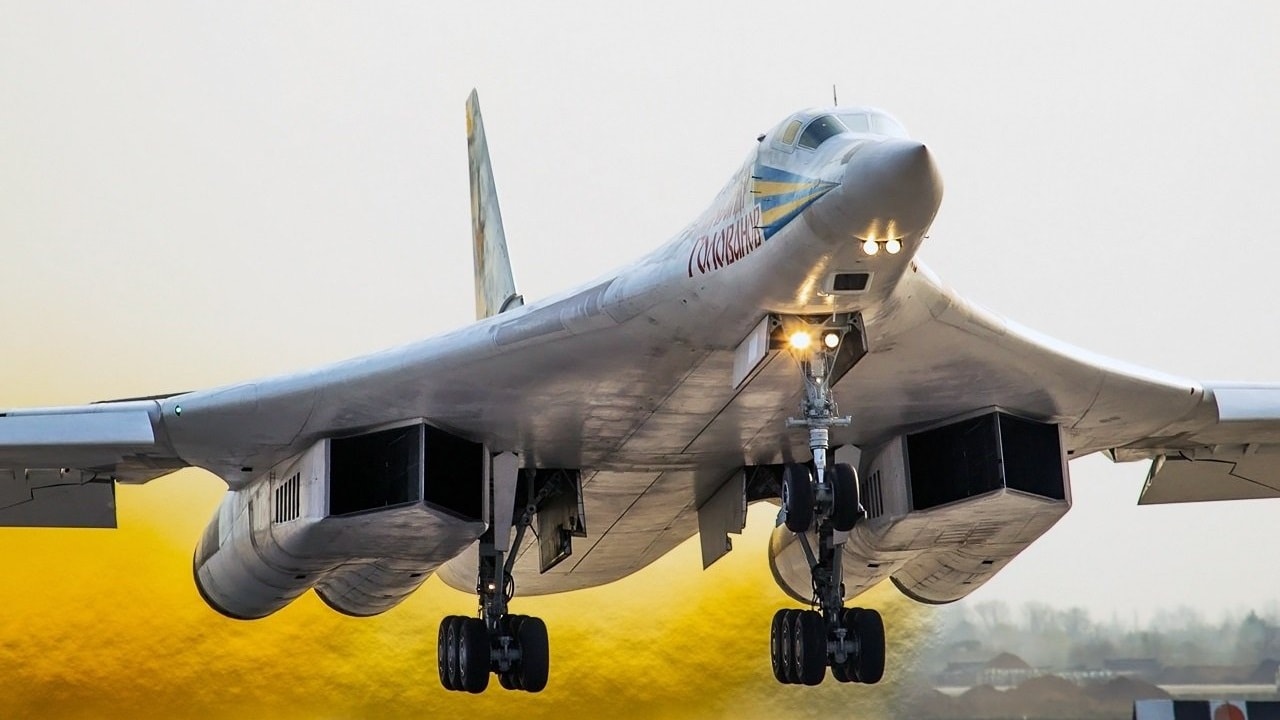
Russian Tu-160 bomber. Image Credit: Creative Commons.
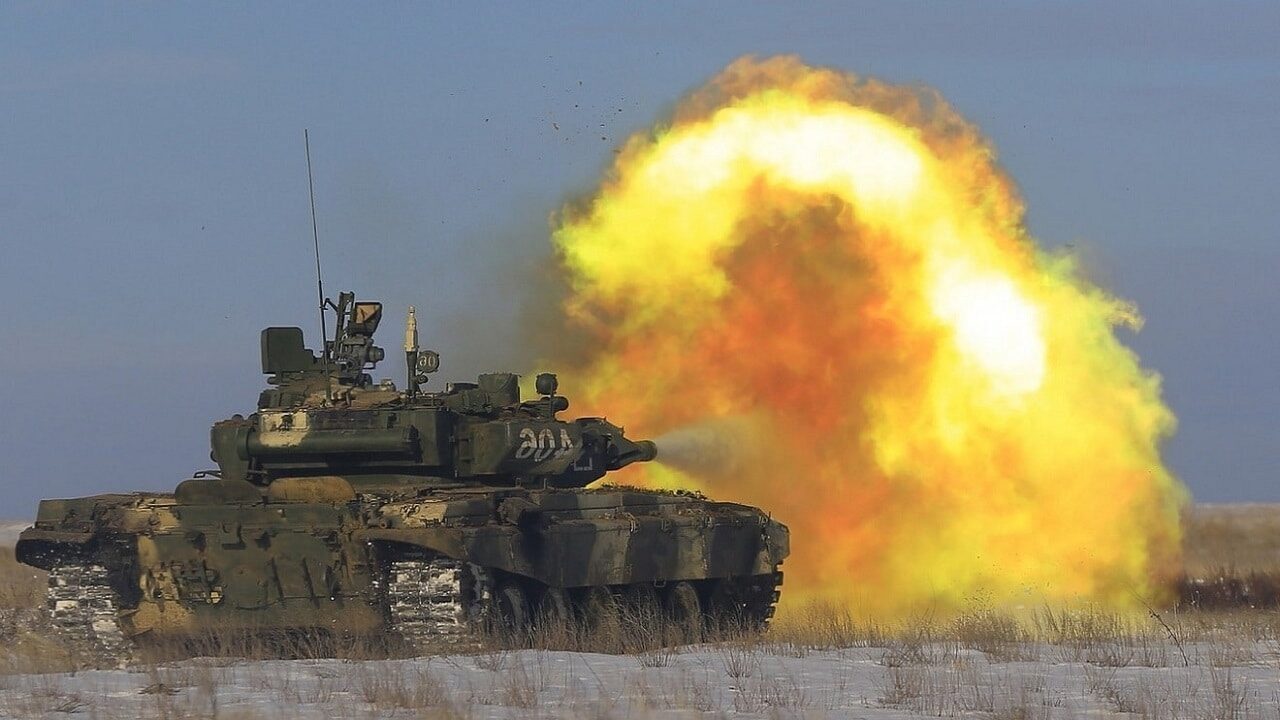
Ukrainian Army Tank Firing. Image Credit: Creative Commons.
Lyamin previously served as chief of staff of Russia’s Center troop grouping and is a career ground-forces officer who graduated from the Kazan Higher Tank Command School before serving in a variety of command positions. Putin described him as “one of the most qualified specialists” to oversee the new branch.
Col. Gen. Valery Solodchuk was also moved to a new post, leaving the command of Russia’s Center troop to become the new deputy defense minister.
He will now oversee military logistics and rear support in his new role, as well as transportation, supply, maintenance, repair, and other support functions that are required to support Russian forces on the front line in Ukraine and operating in Russia.
Speaking during the meeting, Putin said that no other official understood the requirements of Russian troops better than commanders who had recent frontline experience.
“No one understands what our troops, soldiers, and commanders need on the ground today better than frontline district and task force commanders like you,” Putin said to Solodchuk.
Solodchuk will be replaced by Col. Gen. Alexander Ivanayev, who previously led Russia’s East troop grouping.
Ivanayev will also be replaced by Lt. Gen. Pyotr Bolgarev, who previously served as chief of staff of the East grouping, and will now assume command on an acting basis while also leading the Eastern Military District.
The changes fundamentally alter Russia’s frontline command structure at a time when Moscow is believed to be considering new tactics to accelerate progress in the eastern regions of the Donbas.
What Russia Says the Changes Are Intended to Achieve
The Kremlin says the appointments are intended to modernize the Russian military based on lessons learned in the war in Ukraine, with Putin repeatedly emphasizing during the Wednesday meeting that the reorganization reflects changing battlefield requirements – specifically, the growing importance of drones and unmanned systems.
The creation of the Unmanned Systems Forces is arguably the most significant institutional change announced during the meeting, and in recent years.
Although Russia has already employed drones extensively throughout the war, using Iranian Shahed designs and creating their own “Geran” versions of the unmanned systems, the establishment of a dedicated command suggests Moscow is preparing to double down on these systems even more.
Following Ukraine’s Lead
Ukraine established its own Unmanned Systems Forces in June 2024, becoming the first country in the world to create a separate and dedicated military branch dedicated exclusively to drone warfare.
President Volodymyr Zelenskyy signed the decree establishing the new service in February of that year before formally launching the branch several months later.
He described drones and unmanned systems as a decisive and critical element of modern warfare, and in the years that followed, that commitment to new technology has paid off, with Ukraine now routinely striking high-value targets deep beyond the front lines and inside Russian territory.
What Next?
The reshuffle comes as Moscow appears to be preparing for a new push to seize the remainder of Ukraine’s Donetsk region.
In early July, reports described how Putin had rejected proposals for a ceasefire and remained determined to capture the rest of the Donbas before entering serious negotiations.
Putin’s insistence on capturing the Donbas reportedly faced some pushback from allies internally.
Reports from later in July also indicated that Russia’s Defense Ministry had assured Putin it could establish full control of Donetsk by the end of 2026, though sources familiar with the discussions said other commanders believed it would only be possible sometime in 2027.
About the Author: Jack Buckby
Jack Buckby is a British researcher and analyst specializing in defense and national security, based in New York. His work focuses on military capability, procurement, and strategic competition, producing and editing analysis for policy and defense audiences. He brings extensive editorial experience, with a career output spanning over 1,000 articles at 19FortyFive and National Security Journal, and has previously authored books and papers on extremism and deradicalization.