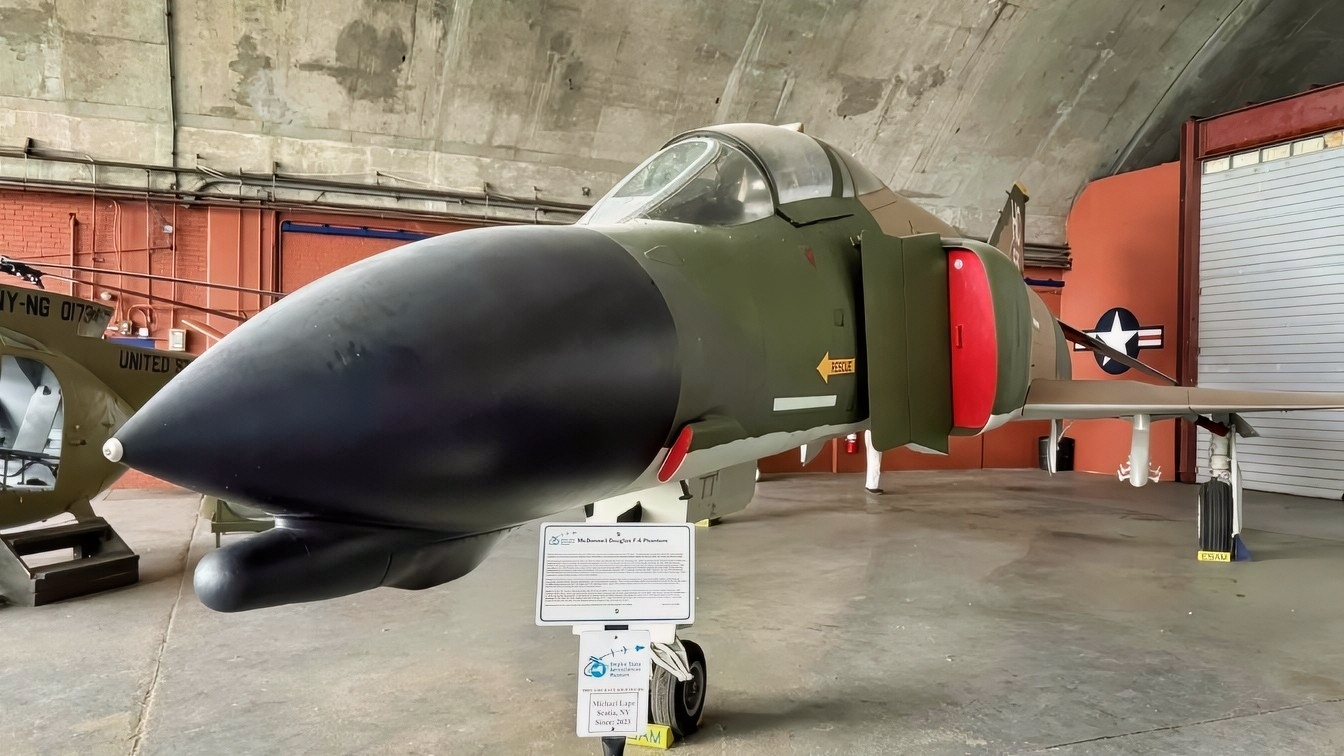
A story of a fully fueled F-4 Phantom flying upside down beneath a refueling tanker may sound like an aviation disaster.
However, for one former United States Air Force (USAF) pilot, it was just one part of a miserable night over Southeast Asia.
The Story of Luke Graves
Captain Luke Graves served in Vietnam in 1969 as part of USAF’s 8th Tactical Fighter Wing, better known as “Wolfpack”. The Vietnam War had been waged for 14 years by this point, with U.S. involvement well into its fifth year.
Captain Graves flew 177 combat sorties in North Vietnam and Northern Laos between 1968 and 1969. He flew the F-4D, leading a formation of three Phantoms under the callsign “Killer.” He was no stranger to the elements, with Southeast Asia regularly experiencing tropical monsoon thunderstorms. On the night in question, the weather was just as bad, known as “Delta Sierra,” with heavy thunderstorms for hundreds of miles.
“I’ll never forget that the water was up to my ankles on the ramp as I was trying to pre- flight my aircraft,” said Graves when recounting the night.
The weather meant that the planned afternoon takeoff had to be delayed until 11 pm.
The thunderstorms were still present, yet it was the best opportunity to launch the mission.
The Mission
Killer’s mission was to strike an anti-aircraft site around an area known as the “Bird’s Head,” close to the border between North Vietnam and Laos.
It had been intended as a daytime mission, but the weather was so poor that a nighttime raid was the only option.
Shortly after 11 pm local time, the three fighters went airborne and immediately encountered a huge line of storms.
To compensate, Graves spaced his formation into a three-mile radar trail and pushed through it before contacting controllers to arrange the aerial refueling they needed before reaching their target.
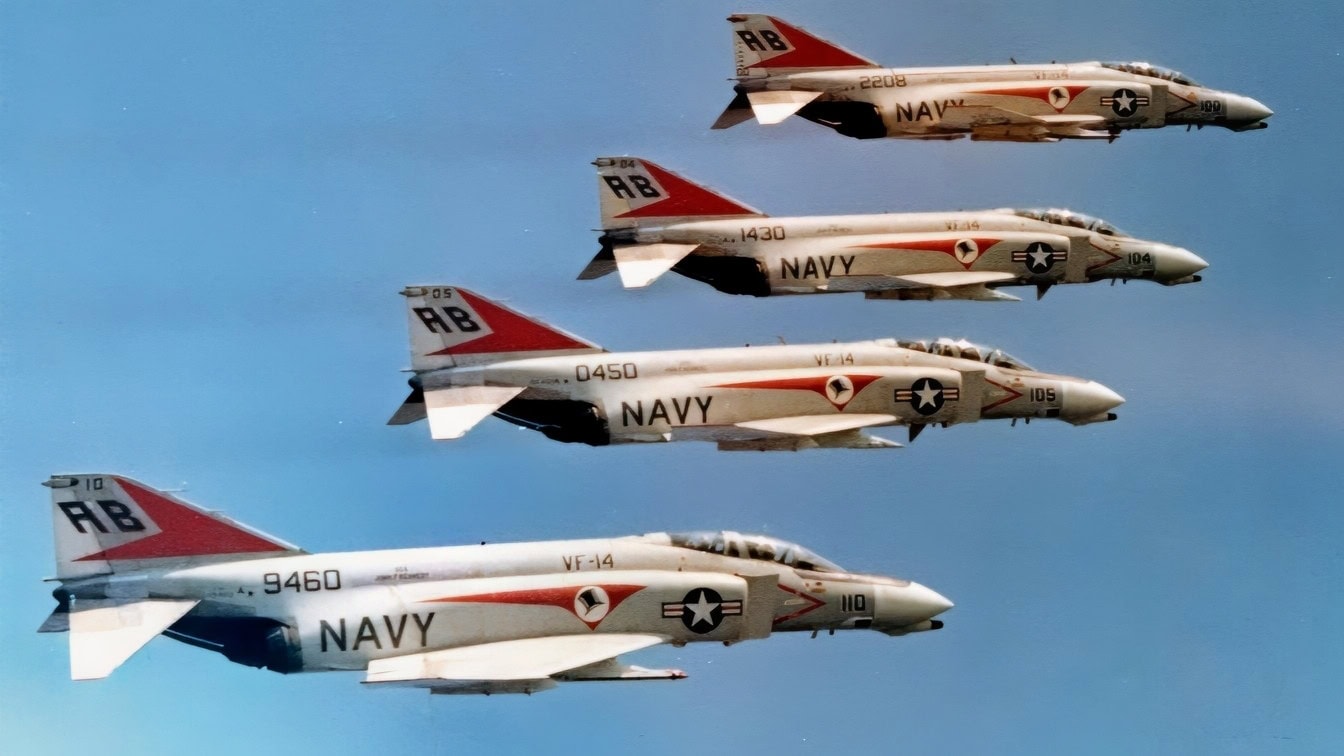
F-4 Phantoms in 1970 Creative Commons Image.
That decision created another problem.
The atrocious weather had forced three tankers operating under the callsigns Cherry, Peach and Lemon into a comparatively small area.
In addition, other aircraft operating in the area also needed fuel.
The result was a crowded patch of sky containing several large tankers and combat aircraft, all trying to avoid thunderstorms while maintaining the precise positioning required for aerial refueling.
Rolling Under the Tanker
Graves’ formation eventually linked up with Cherry and began taking fuel.
The tanker and three F-4s were maneuvering around the storm cells when, according to Graves, the tanker flew directly into one.
Graves had already taken on fuel and was sitting beneath the tanker in the pre-contact position when visibility disappeared, forcing the USAF Captain to call for a lost-wingman maneuver.
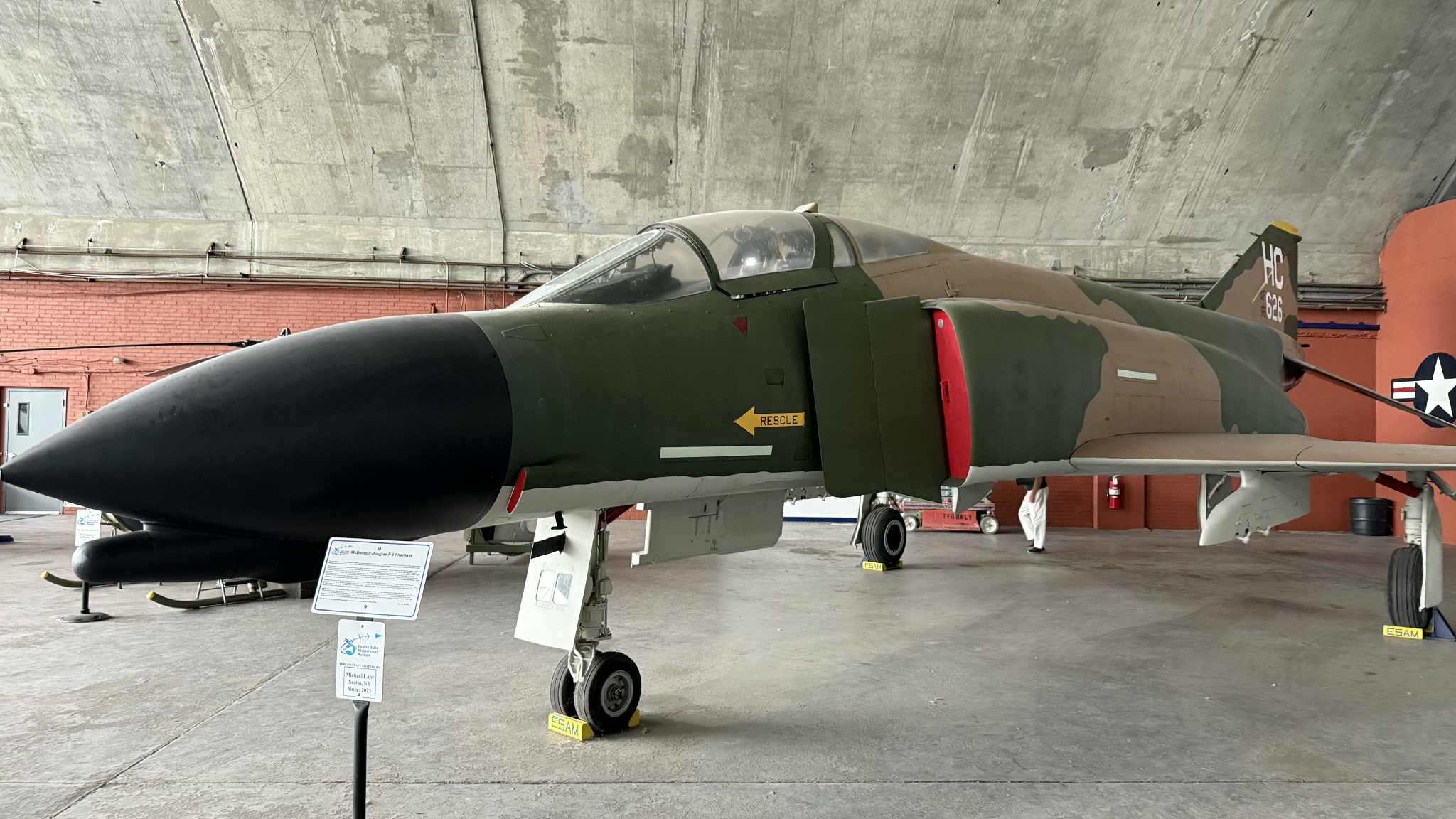
F-4 Phantom 19FortyFive Photo
However, his two wingmen had separated in opposite directions, and Graves still had a tanker above him.
His solution? Roll his F-4 Phantom underneath the tanker to create separation.
“Flying upside down underneath a tanker while in a thunderstorm on instruments with a full fuel and bomb load was a once-in-a-lifetime thriller,” Graves later recalled.
Target in Sight…
Remarkably, the maneuver ended without a collision, and the three Phantoms regrouped after completing their refueling before continuing toward the Bird’s Head.
The thunderstorms continued, and it wasn’t until a hole in the weather emerged that they were able to begin their attack.
But where there’s thunder, there’s lightning, and the pitch-black sky lit up, giving the enemy with knowledge of what was about to happen.
Diving into a Volcano
Aided by the persistent flashes of lightning, the anti-aircraft gunners Killer was attempting to destroy fired towards the F-4.
“It felt like we were diving into a volcano,” Graves recalled.
All three aircraft made it through without being hit.
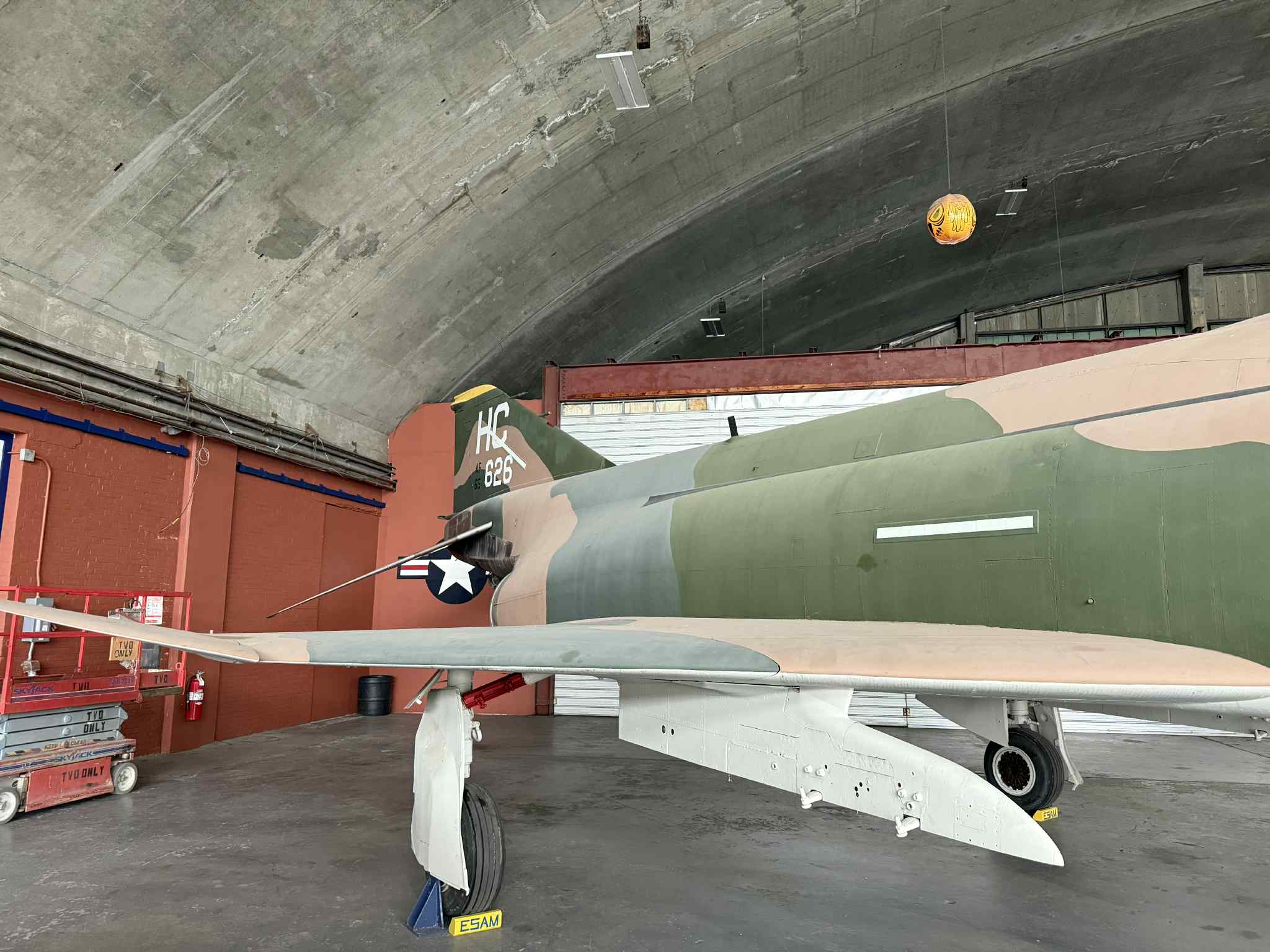
F-4 Phantom 19FortyFive Photo
However, their problems did not end there, as stormy weather forced Graves and his formations to fly low on the return journey, risking their lives above the mountainous terrain.
“I was going visual because of the lightning strikes,” said Graves, describing how each flash briefly revealed the terrain and allowed him to avoid the ridges.
Things went from bad to worse when, after contacting Wolfpack, Graves was advised that the Ubon airfield was soaked, and Killer would be required to fly through the same thunderstorms to refuel again and await further instructions.
“I figured we had filled our bravery square for the night so I just took us to Udorn and bought the boys a drink,” Graves said.
About the Author: Shay Bottomley
Shay Bottomley is a British journalist. He has written for the Western Standard, Business Insider, Maidenhead Advertiser, Slough Express, Windsor Express, Berkshire Live and Southend Echo.