At the start of the Second World War, the German Wehrmacht was easily the world’s dominant tank force.
Led by brilliant strategic and tactical theorists such as Heinz Guderian and Erwin Rommel, the Germans understood the strengths and weaknesses of mechanized, high-speed maneuver warfare and used it to great effect in the early days of WWII.
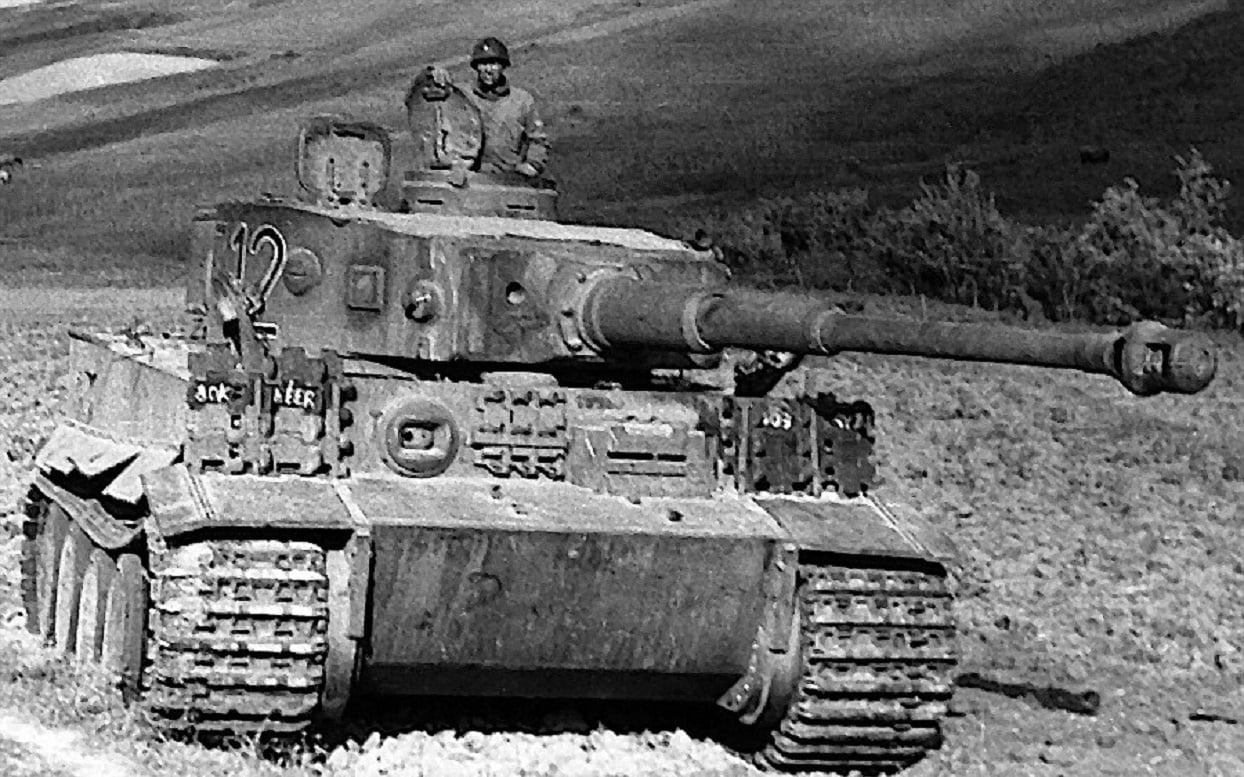
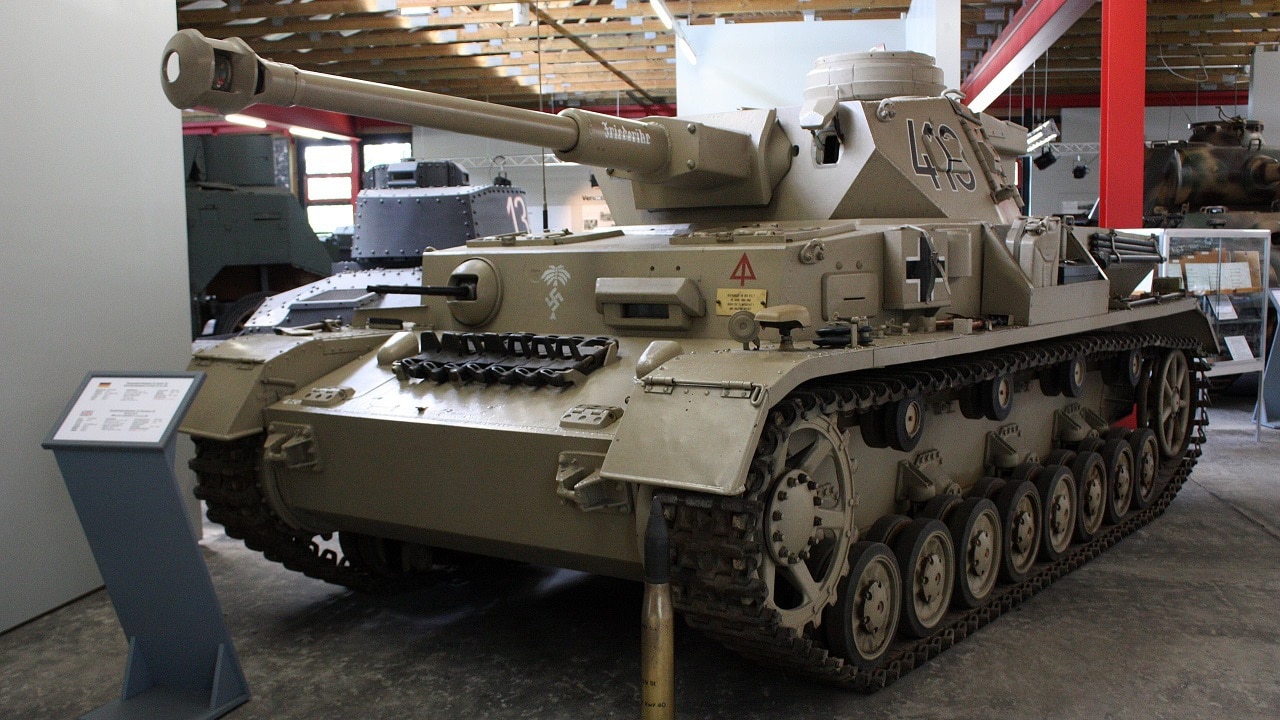
Image of Panzer Tank. Image Credit: Creative Commons.
The Wehrmacht was also aided by the composition of its tank forces.
The Panzer I, II, and III were small, light tanks that were quick enough for Nazi Germany’s style of warfare. The Panzer IV, however, was Germany’s first medium tank.
Originally designed to take out enemy anti-tank guns, the Panzer IV quickly became the backbone of the Wehrmacht’s armored divisions and became the most widely produced German tank of the war.
Design and Development
When the Panzer IV was first developed, the Panzerwaffe, under the visionary leadership of Guderian, viewed the new medium tank as a support vehicle for the Panzer III.
Its main role was to destroy enemy fortifications and anti-tank weapons, while the Panzer III would engage enemy armor (this would, of course, change over the course of the war).
Each tank battalion was to be equipped with three medium companies of Panzer IIIs and one heavy company of Panzer IVs.
Because the Treaty of Versailles prohibited Germany from obtaining tanks, the development of the Panzer IV was carried out under the name Begleitwagen, or support vehicle, to disguise the vehicle’s true purpose.
The manufacturers MAN, Krupp, and Rheinmetall-Borsig each developed prototypes of the new medium tank, with Krupp’s design ultimately selected for further development.
Because the Panzer IV was originally designed to clear enemy fortifications, its main armament was a short-barreled 75 mm KwK 37 cannon.
This low-velocity gun was designed primarily to fire high-explosive rounds at fortified bunkers, although it could fire armor-piercing rounds if necessary.
Fitted with a Maybach HL108 TRM engine (later the HL120 TR engine), the tank could reach a modest speed of 38-42 kilometers per hour, depending on the variant.
The Panzer IV in the Early War
Although the Panzer IV entered service during the occupation of Czechoslovakia, the tank made its first combat debut during the invasion of Poland in 1939.
While Poland’s tanks were weak against German armor, its anti-tank guns were more than capable of penetrating most of its tanks, which allowed the Panzer IV to shine in its intended support role.
During the invasion of France, the Wehrmacht easily outmaneuvered the French through superior training, tactics, mobility, and the use of tactical radios.
The Panzer IV’s 75 mm gun, however, struggled against certain French tanks like the Char B1 and the Somua S35.
The tank was also employed by the German Afrika Corps under the command of Rommel.
The new variant, the Panzer IV Ausf. F2, was equipped with a longer gun that could reliably penetrate any British tank.
Despite superior tanks and tactics, the Germans were ultimately constrained by lower amounts of material supplies than the British, who received boatloads of supplies from the Americans.
Fighting a Losing Battle
On the Western Front, the Panzer IV comprised about half of Germany’s tank forces.
Thanks to a constant stream of continual upgrades, the Panzer IV was a respectable adversary to Allied armored forces.
During the early days of the Normandy invasion, German tanks in defensive positions inflicted heavy casualties on American and British forces.
However, the Wehrmacht was outnumbered and heavily outgunned. Despite numerous counterattacks, Allied artillery made it almost impossible.
Further, advances in Allied tanks, such as the British Firefly (an M4 Sherman with a 17-pounder gun) and upgunned American Shermans, eroded the Panzer IV’s firepower advantage.
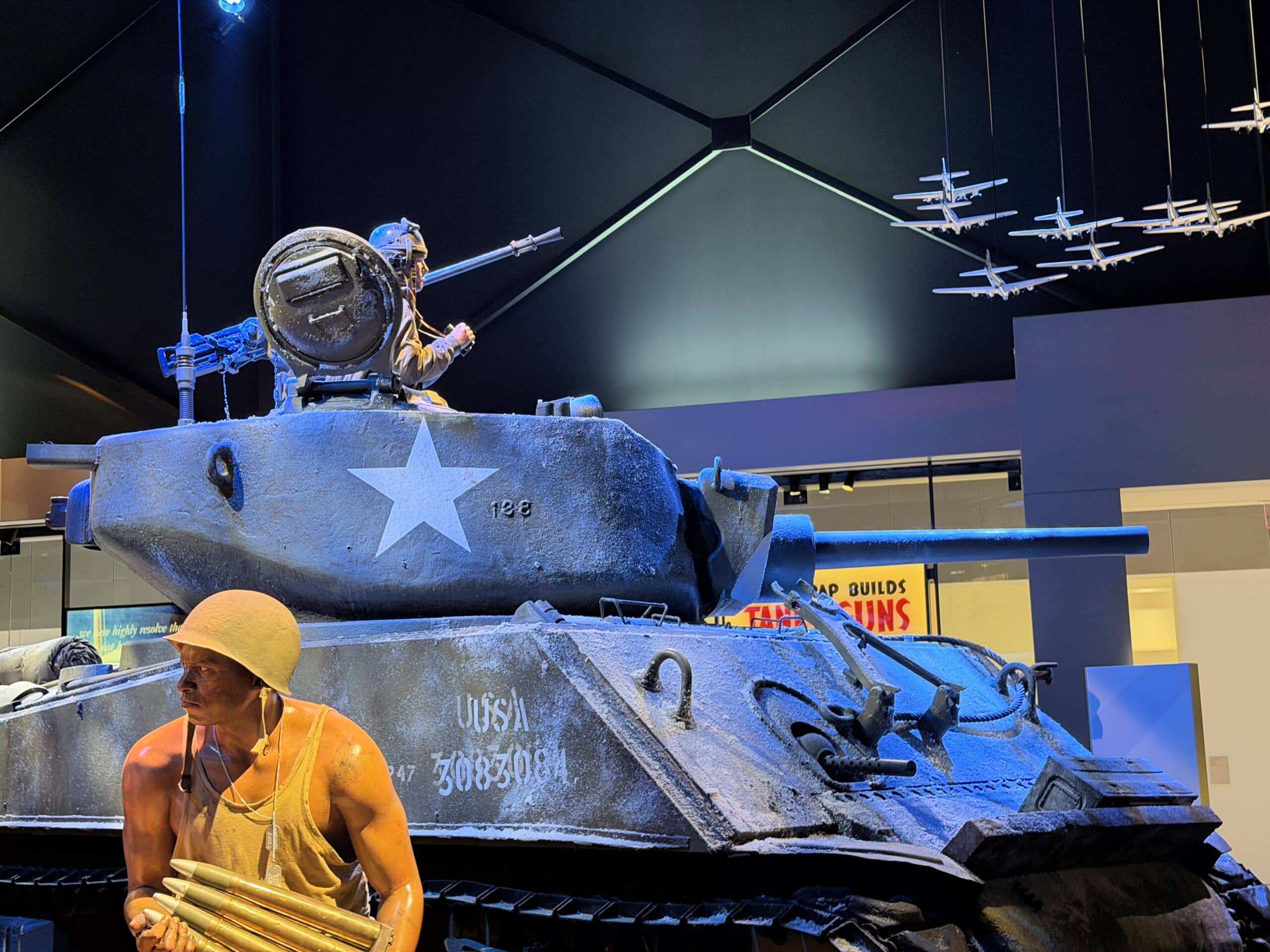
M4 Sherman. 19FortyFive Image.
Although combat on the Western Front was brutal, the Eastern Front saw the most intense combat of the war.
In the initial days of Operation Barbarossa, the Wehrmacht was shocked by the appearance of KV-1 and T-34 tanks, which were practically impervious to most German anti-tank weapons from the front.
However, these tanks were not yet available in sufficient numbers, and the Germans quickly adapted to counter Soviet armor.
German tanks initially dominated the battlefield until 1942, when the brutal winter slowed down their advance.
As the Soviet industry entered into full swing, the Wehrmacht soon found itself outnumbered by T-34s.
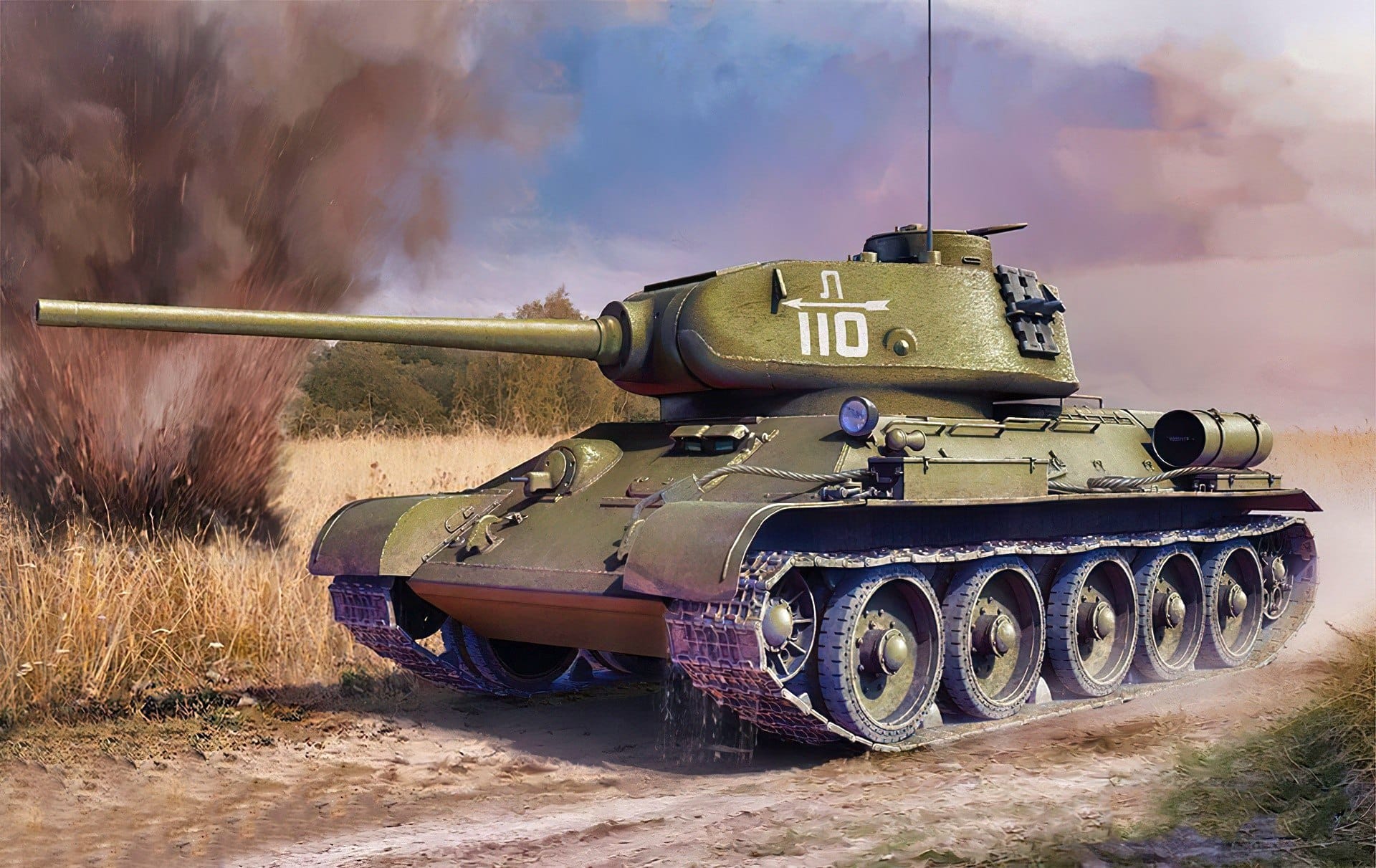
T-34 Tank. Image Credit: Creative Commons.
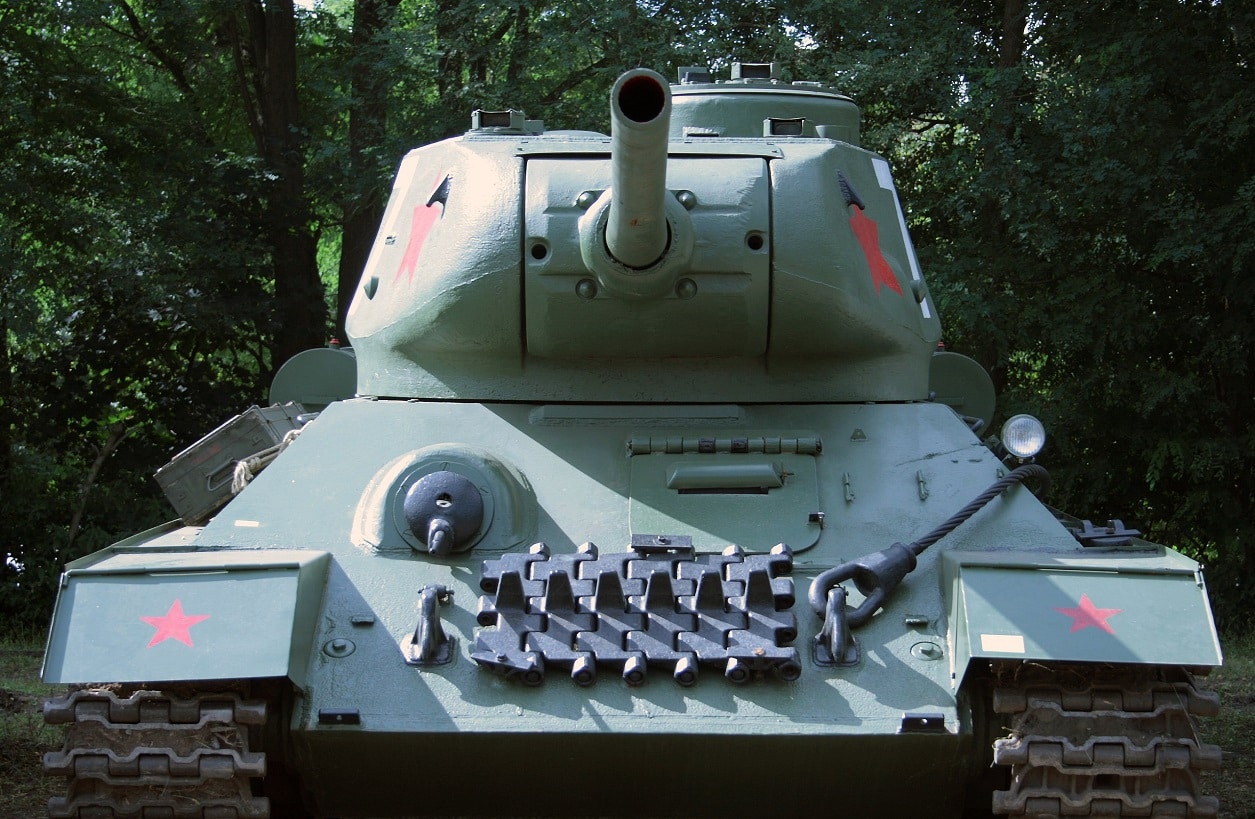
T-34 Tank. Image Credit: Creative Commons.
Because of early mechanical problems with the Tiger and the Panther, Germany’s tank forces were composed mostly of upgraded Panzer IVs and Panzer IIIs.
According to some estimates, Germany lost 6,153 Panzer IVs on the Eastern Front during the war, representing about 75% of all Panzer IV losses in all theaters.
Was the Panzer IV Not Enough?
The Panzer IV evolved constantly throughout the war. From 1937 to 1945, ten different versions were put into production, not counting the number of other specialized vehicles that used the Panzer IV’s chassis.
Each variant improved the tank’s firepower, mobility, or armor.
Near the end of the war, the final production variant, the Panzer IV Ausf J, was significantly simplified to get as many tanks to the front lines as possible.
The problem with Germany’s approach to production was that German engineers were too meticulous.
The engineers took great care to get every detail right and make small improvements here and there.
Meanwhile, the U.S. and the USSR simplified their tanks as much as humanly possible and produced tens of thousands of them.
The Panzer IV, especially in its later iterations, was a good tank, but German manufacturing couldn’t produce enough to change the outcome of the war.
About the Author: Isaac Seitz
Isaac Seitz, a Defense Columnist, graduated from Patrick Henry College’s Strategic Intelligence and National Security program. He has also studied Russian at Middlebury Language Schools and has worked as an intelligence Analyst in the private sector.