The People’s Republic of China (PRC) is rapidly advancing its armed forces to counter the United States’ advanced capabilities.
Right now, Beijing’s strategy appears to be based on simply denying the Americans easy military access to the First Island Chain and then moving beyond it to balance against the United States in more dynamic threat environments.
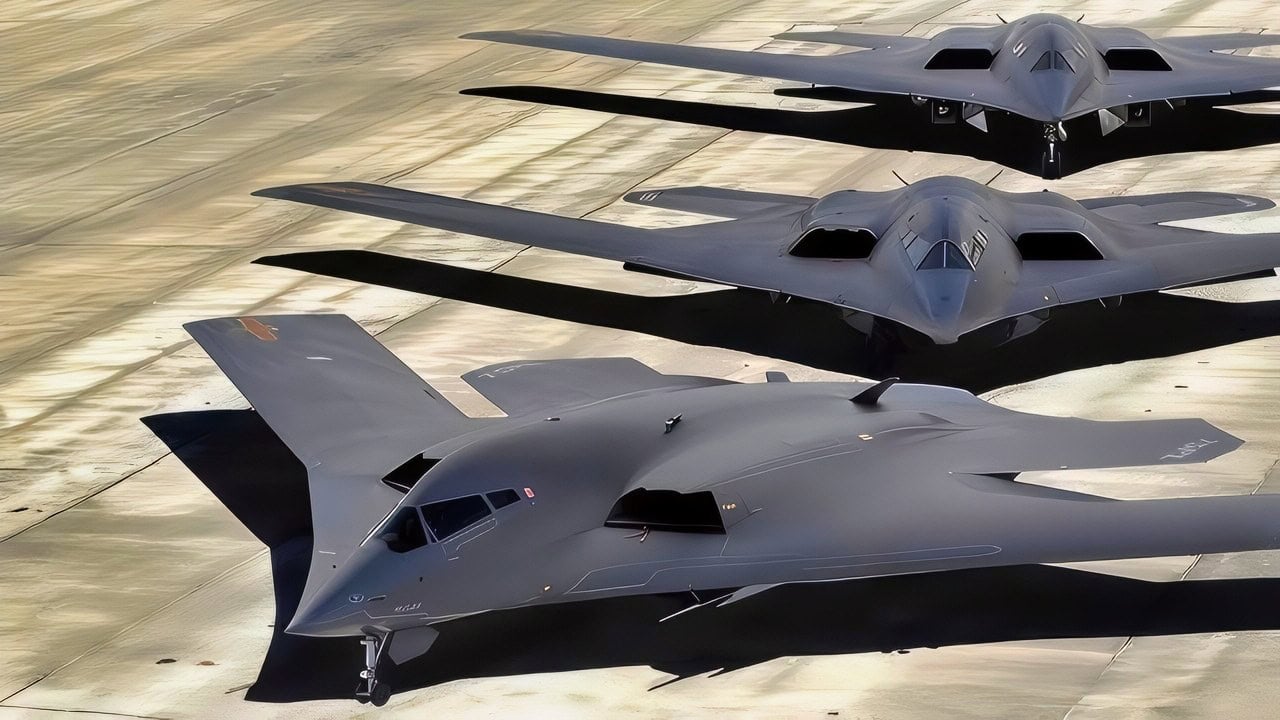
One of the systems that China is banking on being able to counter the Americans farther beyond the First Island Chain is the Xi’an H-20 long-range, nuclear-capable stealth bomber.
It looks very much like the American B-2 Spirit long-range, nuclear-capable stealth bomber.
However, it is probably more technologically advanced given that it is still under development, whereas the American B-2 has been flying for decades.
So, the H-20 might look more like the B-2, but it probably has more advanced technological accouterments, comparable to those of the upcoming US replacement for the B-2, the B-21 Raider.
Does China even need such a plane right now?
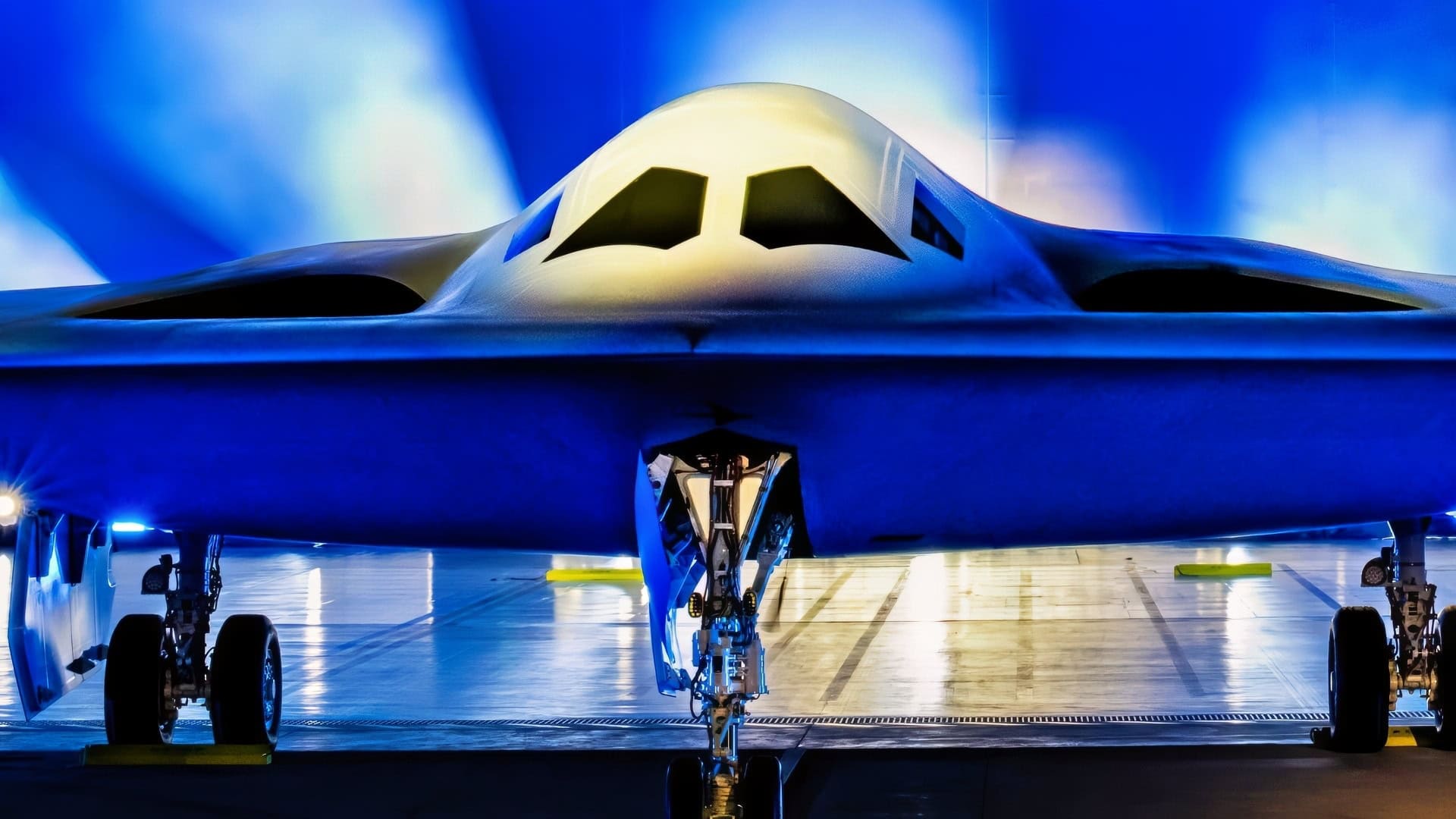
A B-21 Raider is unveiled at Northrop Grumman’s manufacturing facility on Air Force Plant 42 in Palmdale, California, Dec. 2, 2022. The B-21 will be a long-range, highly survivable, penetrating strike stealth bomber capable of delivering both conventional and nuclear munitions. (U.S. Air Force photo by Airman 1st Class Joshua M. Carroll)
The Background
If a war between China and the United States erupted, the answer would likely be “no.”
And the reason is that the Chinese military has plenty of methods for hitting US military bases and warships operating near the First Island Chain if war between the two sides began.
A subsonic flying-wing bomber optimized for low observability, the H-20 is believed to have an unrefueled range of around 10,000 kilometers.
With mid-air refueling, the H-20 could reach intercontinental distances. Some experts assess that the H-20 could carry around ten tons of weapons–including nuclear weapons.
Such a plane, if it existed, would give the PLAAF significant military capabilities it currently lacks.
But the H-20 would not significantly augment the PLAAF’s fighting capabilities in the First Island Chain, the likeliest place where a Sino-American war would be fought.
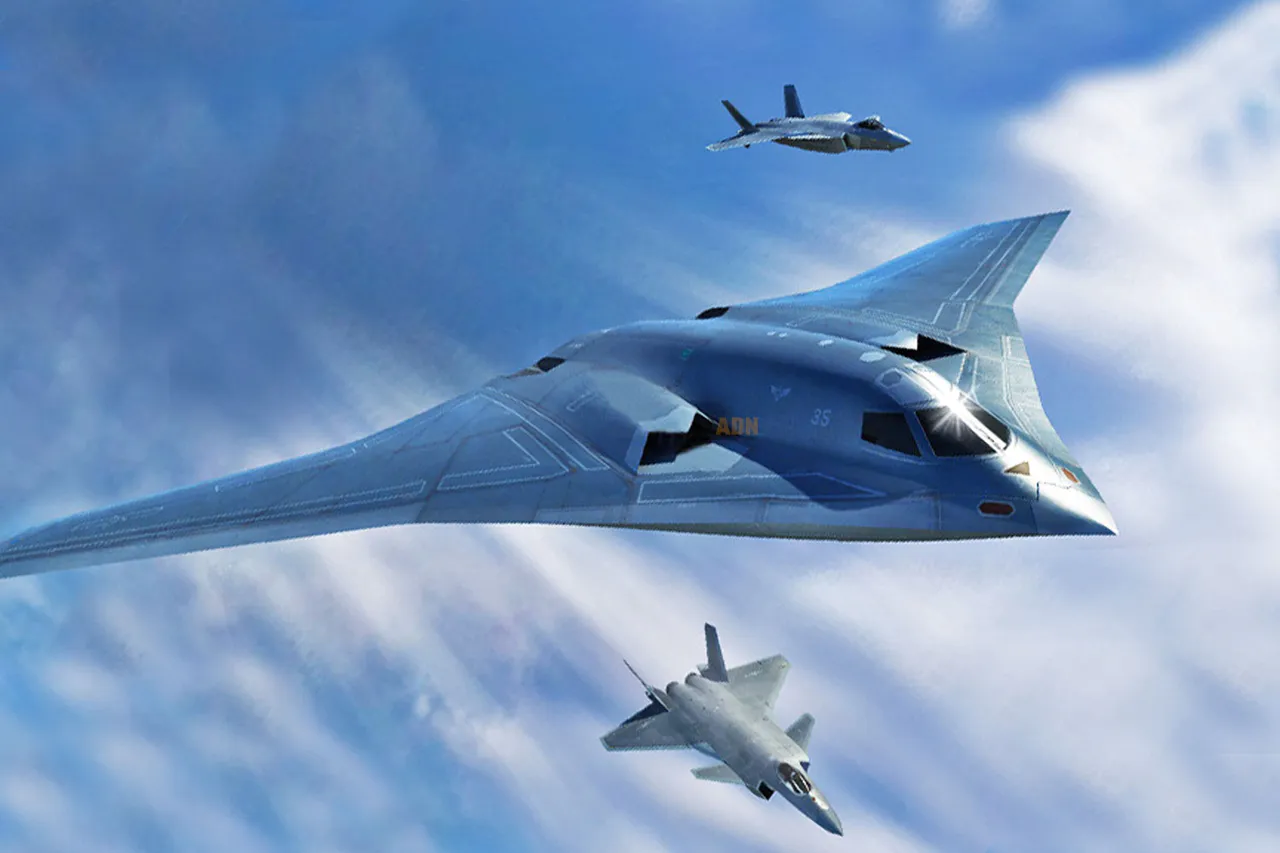
H-20 Bomber. Image Credit: Creative Commons.
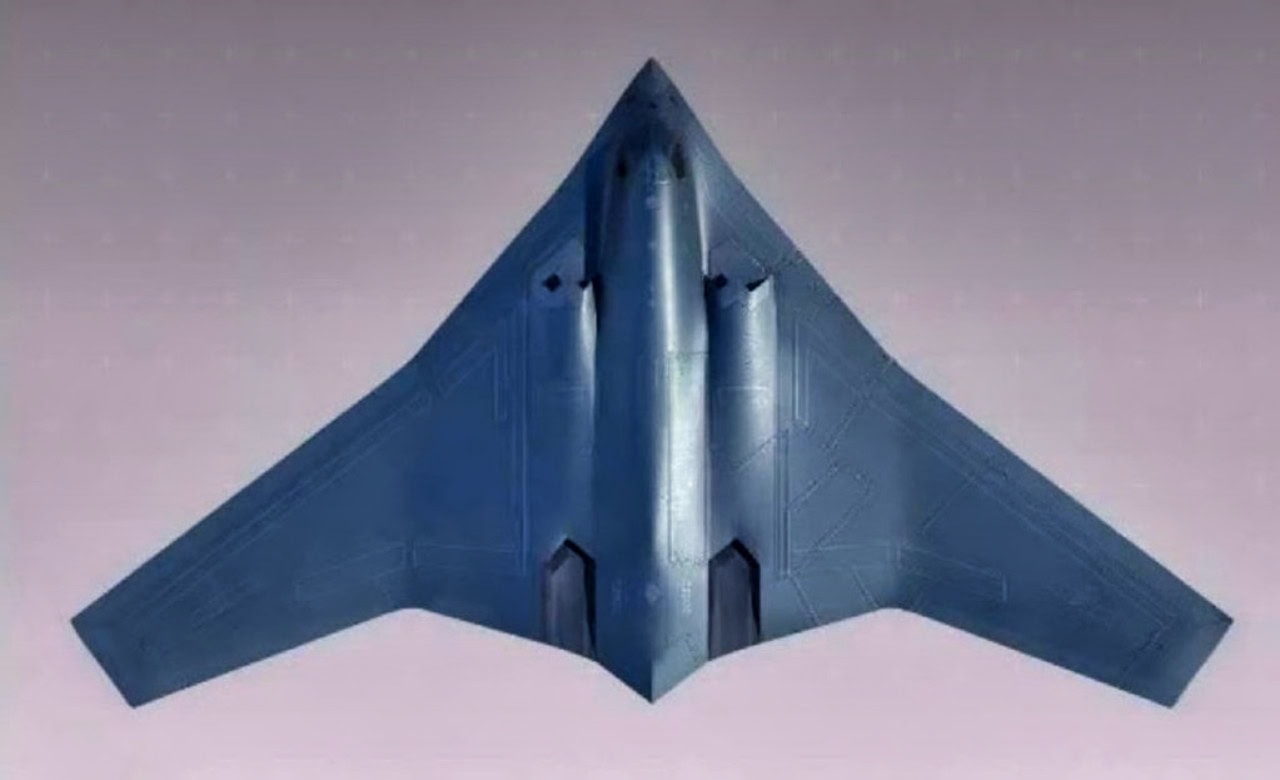
H-20 Bomber from China Artist Rendition.
Just think about it: the PLA Rocket Force has massive numbers of ballistic, cruise, and hypersonic missiles capable of attacking targets throughout the First and Second Island Chains.
The DF-26 intermediate-range ballistic missile alone has a range of 4,000 kilometers and can threaten Guam and any other American installation (or allied base) throughout the region.
Indeed, Pentagon estimates indicate that China had 300 DF-26 launchers and 550 missiles last year.
China Has Other Capabilities
The H-20 is a redundant capability–and it needlessly risks Chinese pilots and technology.
The same weapons the H-20 might be needed to fire at a US facility like Andersen Air Force Base on Guam could effortlessly be launched in swarms from Chinese territory.
So, the H-20 becomes more of a vanity project and less of a tactical necessity.
Plus, the older Chinese long-range bombers, the H-6s (based on the old Soviet Tu-16), have essentially become flying missile trucks.
Modern Xi’an H-6Ks carry long-range cruise missiles, which allow them to launch devastating attacks from beyond visual range without risking their safety (since they no longer have to penetrate enemy airspace).
The H-6N is nuclear-capable, and the Pentagon has long assumed that the plane gives China its own nuclear triad for deterrence.
Meanwhile, Chinese state media showed how their fifth-generation stealth fighter, the Chengdu J-20 “Mighty Dragon,” can escort H-6N bombers carrying what appeared to be the JL-1 nuclear-capable air-launched ballistic missile.
And the J-20 and Shenyang J-35 fifth-generation air superiority stealth warplane will deploy drone swarms soon–and China can deploy such swarms from other launch sites.
China also has a bevy of submarines, surface warships, land-based anti-ship missiles, and a growing carrier capability, giving the PLA many ways to attack US targets throughout the Western Pacific.
While the H-20 would help the Chinese more effectively threaten the Third Island Chain and the Western Hemisphere itself, that requirement is not as pressing as developing other capabilities to dominate the First and Second Island Chains.
Technical Woes
At the same time, multiple reports indicate that the Chinese are struggling with certain technical aspects of the H-20.
Beijing is having difficulty developing efficient, large turbofan engines, radar-absorbing materials, large composite structures, precision manufacturing, and the complicated flight-control systems needed for a tailless flying wing.
Of course, China is an advanced industrial and high-tech superpower.
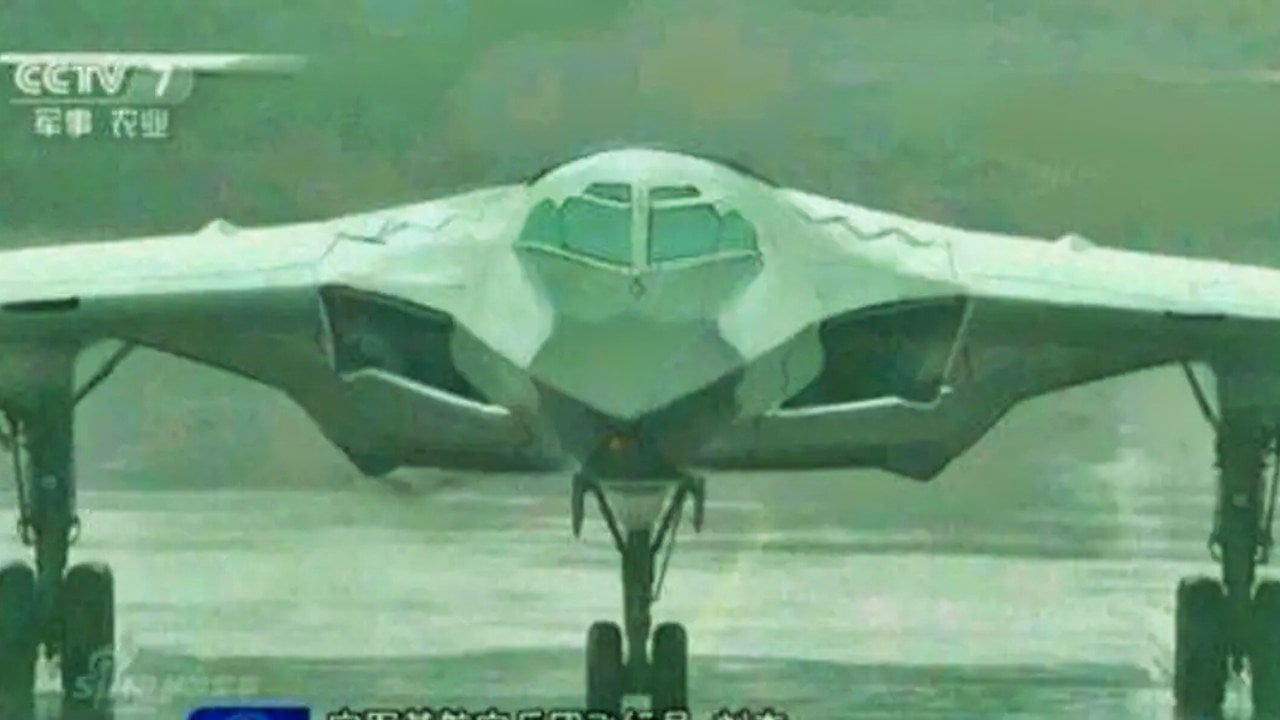
Image Credit of H-20 Bomber: Creative Commons.
One must not underestimate their ability to quickly develop the skills and technologies required to build and maintain the H-20.
But the Chinese are effectively starting from scratch, whereas the Americans have had decades to refine their stealth bombers.
China does have some experience with smaller flying-wing drones, but producing a crewed intercontinental stealth bomber presents an entirely new level of complexity.
With China’s other aforementioned capabilities in the First and Second Island Chains, too, the need for the H-20 is not as well defined as it once was.
That’s not to say the H-20 is disappearing.
That is to say, however, that the Chinese are not as hard-pressed to develop this system as they might have been now that their missiles and drones are so capable.
About the Author: Brandon J. Weichert
Brandon J. Weichert is the Senior National Security Editor at 19FortyFive.com. He also manages The Weichert Brief on Substack. Weichert also hosts “National Security Talk” on Rumble. He is the author of four bestselling national security books, the most recent of which is A Disaster of Our Own Making: How the West Lost Ukraine (Encounter Books). Follow him via Twitter/X @WeTheBrandon.