“Nobody ever defended anything successfully; there is only attack and attack and attack some more,” George Patton once said — at least, many people believe he did, anyway. The words are widely attributed to General George S. Patton, though no established speech or diary entry shows him saying them.
The quotation should therefore be considered attributed to Patton — but what the world does know for sure is that the words reflect Patton’s style as a military leader.
Patton believed that commanders should always seize the initiative and move faster than their opponents, and continue attacking before the enemy has time to recover.
Patton’s First Motorized Assault
Patton first attracted national attention during the 1916 Mexican Expedition led by Brigadier General John J. Pershing. American troops had entered the country in pursuit of the revolutionary leader Pancho Villa, whose forces had attacked Columbus, New Mexico, on March 9.
On May 14, Patton led a small group of soldiers in three cars during a raid on a ranch near San Miguelito. Those Americans killed three Villa supporters, including one of the senior commanders of the revolutionary leader, Julio Cardenas.
That assault is sometimes described as the U.S. Army’s first-ever motorized attack.
Patton had used automobiles to reach the ranch quickly, surprise its occupants, and remove the bodies of the three men tied to the vehicles.

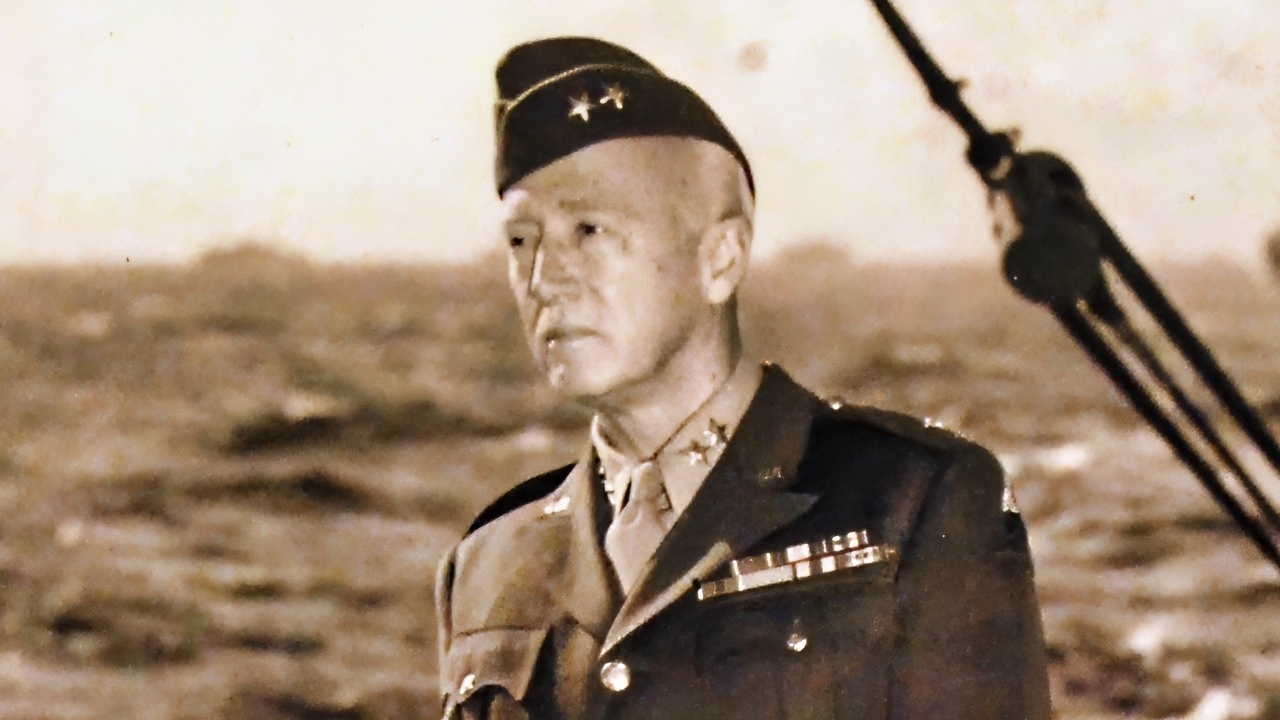
General Patton Portrait. Image Credit: Creative Commons.
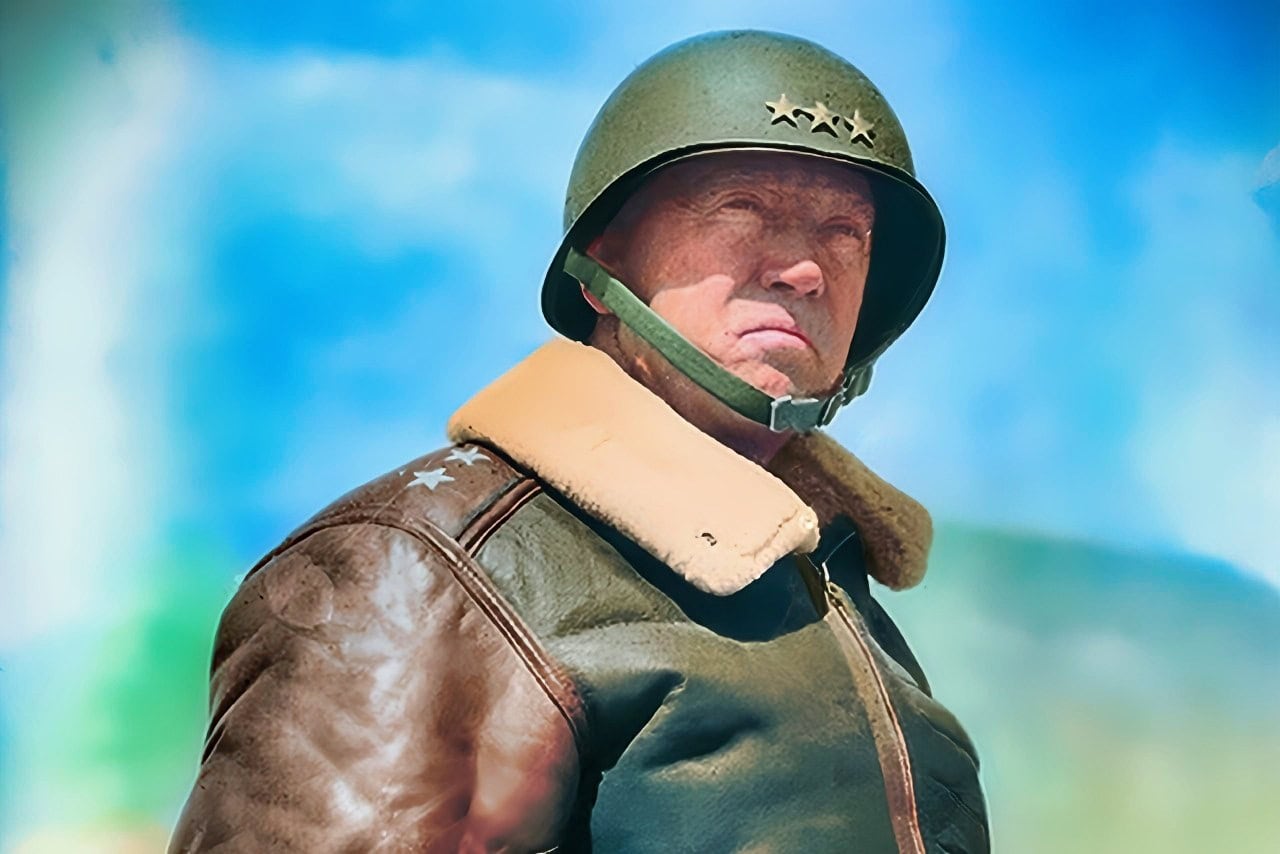
George Patton U.S. Army Photo
Compared to the battles that Patton would later command, it was small, but it revealed the characteristics of his approach that would define his later successes.
He moved quickly and aggressively, willing to use new technology and unconventional tactics to strike the enemy by surprise.
Leading Tanks from the Front
Patton first used tanks during World War I – and those military vehicles would help define his military career.
In 1917, he joined the newly established U.S. Tank Corps and helped organize and train American tank units equipped with French Renault FT light tanks.
In September 1918, during the Saint-Mihiel Offensive, Patton commanded tanks supporting the first major offensive to be conducted by an independent American army.
He didn’t direct the battle from distant headquarters, either — he moved forward on foot and helped the tanks cross difficult ground. He even encouraged the tank crews.
Patton then led from the front again when the Meuse-Argonne Offensive started on September 26 near Cheppy, France.
During this time, he attempted to move tanks and disorganized infantrymen against Germany’s machine gun positions – and he was eventually shot in the thigh while advancing with a small group of men.
He continued to direct the attack until he was evacuated.
This conduct demonstrated his belief that a commander should create momentum and be visibly present during the most important parts of the campaign.
The Race Across Sicily
By the time of World War II, Patton’s preference for taking offensive action had developed into a full method of commanding armies — not just units.
During the Allied invasion of Sicily in July 1943, his Seventh Army had been assigned to protect the flank of General Bernard Montgomery’s British Eighth Army.
Patton pursued a more ambitious operation, though.
After he received authorization to advance west, his forces moved quickly across Sicily and captured Palermo on July 22 — less than two weeks after the landings.
He then turned east toward Messina, where the mountainous terrain made the advance difficult.
Patton maintained the pressure, though, using coastal advances and amphibious landings combined with constant attacks.
On August 17, American troops entered Messina, shortly before Montgomery’s forces arrived.
The campaign showed both the strengths and limitations of Patton’s approach to war: his offensive strategy helped overrun the island, but most German and Italian troops escaped across the Strait of Messina before the Allies could trap them.
Turning Toward Bastogne
Patton’s philosophy was severely tested during the Battle of the Bulge. Germany launched an offensive through the Ardennes on December 16, 1944, eventually surrounding American forces in Bastogne and forcing the Allies onto the defensive.
Patton responded by turning the Third Army north from its existing operations in Lorraine.
Because he had already instructed his staff to prepare plans for such a move, three divisions began changing direction within days.
On December 22, the Third Army attacked the southern side of the German advance, pushing north toward Bastogne to break through the German forces surrounding the town.
Then, four days later, tanks from the 4th Armored Division reached the American defenders and created a route for supplies and reinforcements to reach them.
Patton had answered the German attack with one of his own — not just defensive measures.
The operation showed that he didn’t think defense was useless, but a temporary necessity, since his objective was always to regain the initiative, force his opponent to react, and then resume his own advance.
About the Author: Jack Buckby
Jack Buckby is a British researcher and analyst specializing in defense and national security, based in New York. His work focuses on military capability, procurement, and strategic competition, and he produces and edits analysis for policy and defense audiences. He brings extensive editorial experience, with a career output spanning over 1,000 articles at 19FortyFive, and has previously authored books and papers on extremism and deradicalization.