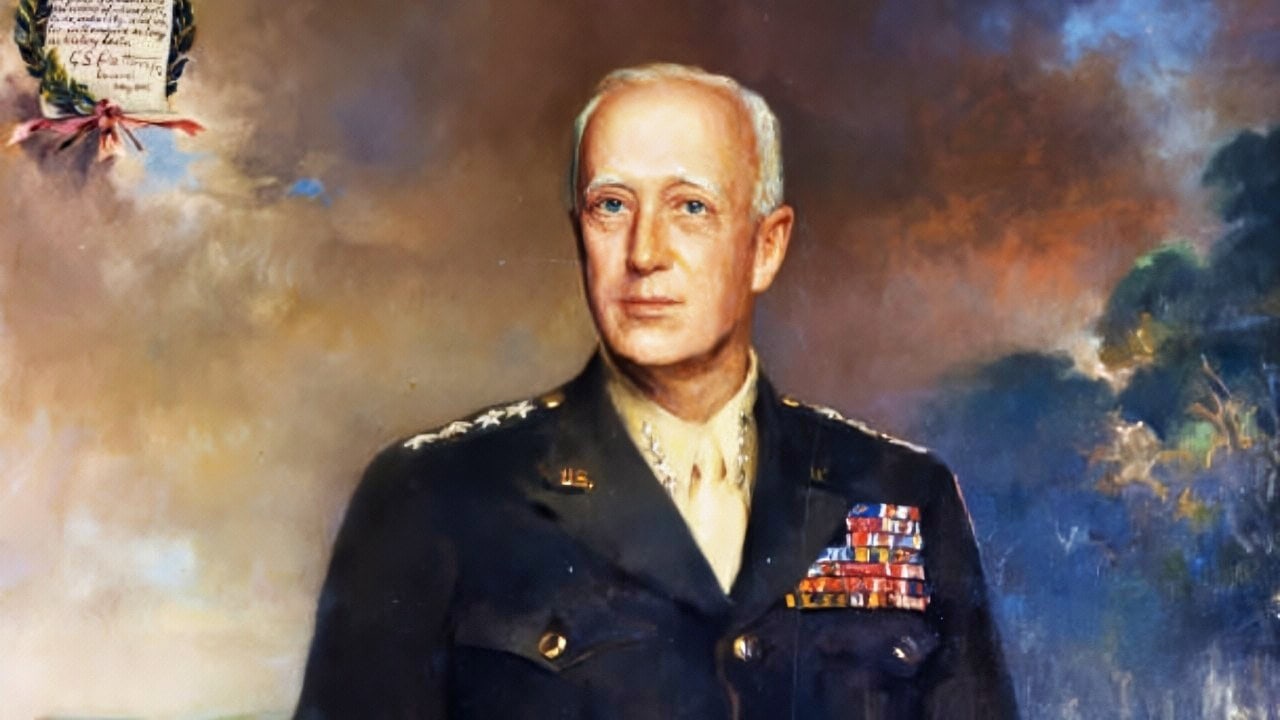
“It is foolish and wrong to mourn the men who died. Rather, we should thank God that such men lived,” George S. Patton once said. Gen. Patton made that now-famous statement in Boston on June 7, 1945, just one month after Nazi Germany surrendered and the Second World War came to an end. It’s a quote that has since become a fixture of American military remembrance ceremonies and commemorations, but it was not just an abstract observation about the deaths of soldiers.
Patton had just returned from Europe, where he led his Third Army in a fight from Normandy into Czechoslovakia.
Thousands of his men had been killed, and his words were a clear attempt at redirecting attention from their deaths to what their service had accomplished and the bravery those men showed.
What Patton Said In Boston
The famous quote is understood to have been made during a state dinner held for Patton at the Copley Plaza Hotel in Boston.
Biographer Ladislas Farago recorded the statement in Patton: Ordeal and Triumph, a book about his life. A surviving program from the event also confirms that Massachusetts Gov. Maurice Tobin hosted the June 7 dinner honoring Patton and the Third Army.
Modern reporting has described the atmosphere around the speech, with Patton reportedly becoming emotional while officials praised him for his leadership. During the event, though, he is said to have told guests that the honors belonged to his soldiers, not him.
Earlier that same day, Patton had addressed wounded veterans at Boston’s Hatch Memorial Shell, an outdoor concert stage on the Charles River Esplanade, completed in 1940. A recording of that speech preserved by the National Archives captures part of that appearance, and during the speech he argued that soldiers didn’t need to die to qualify as heroes. He then pointed to the wounded men who were seated in front of him.
Patton did, however, remark that a man killed in action may be “frequently” a “fool.”
The comment attracted the attention of the newspapers, which prompted angry responses from some Gold Star families — but Patton later said that his point was framed badly, and that he was attempting to recognize living heroes and not disparage the dead.
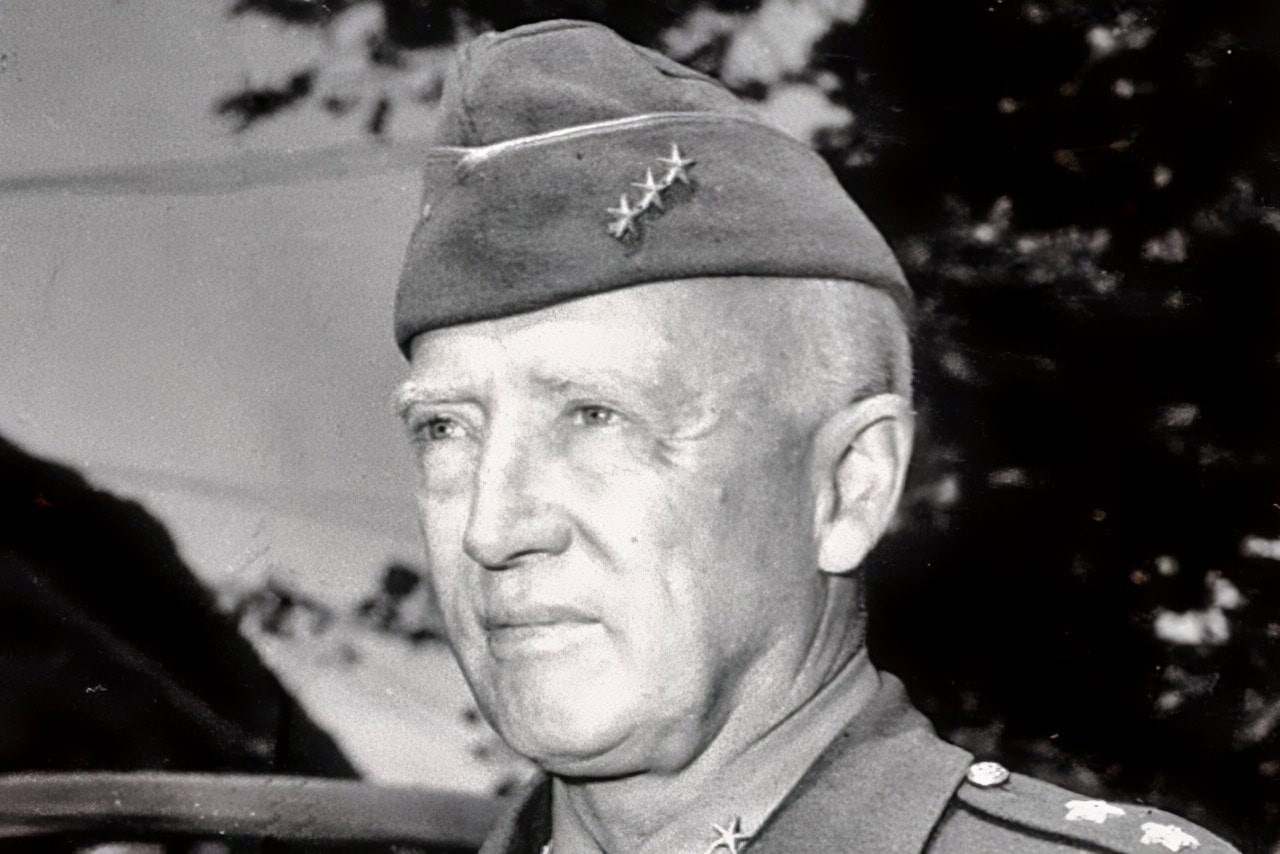
George S. Patton Quote of the Day. Creative Commons Image.
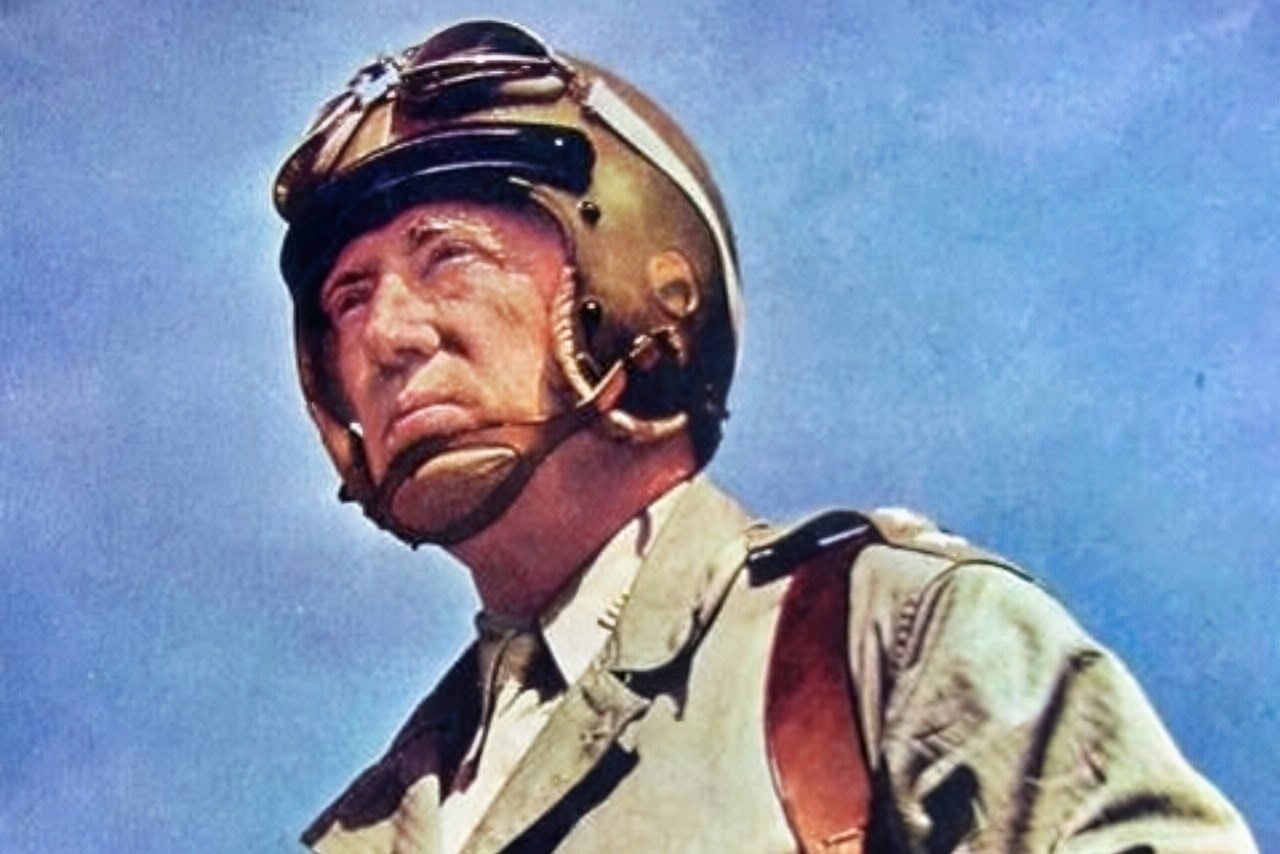
General George Patton of the U.S. Army. Image Credit: Creative Commons.
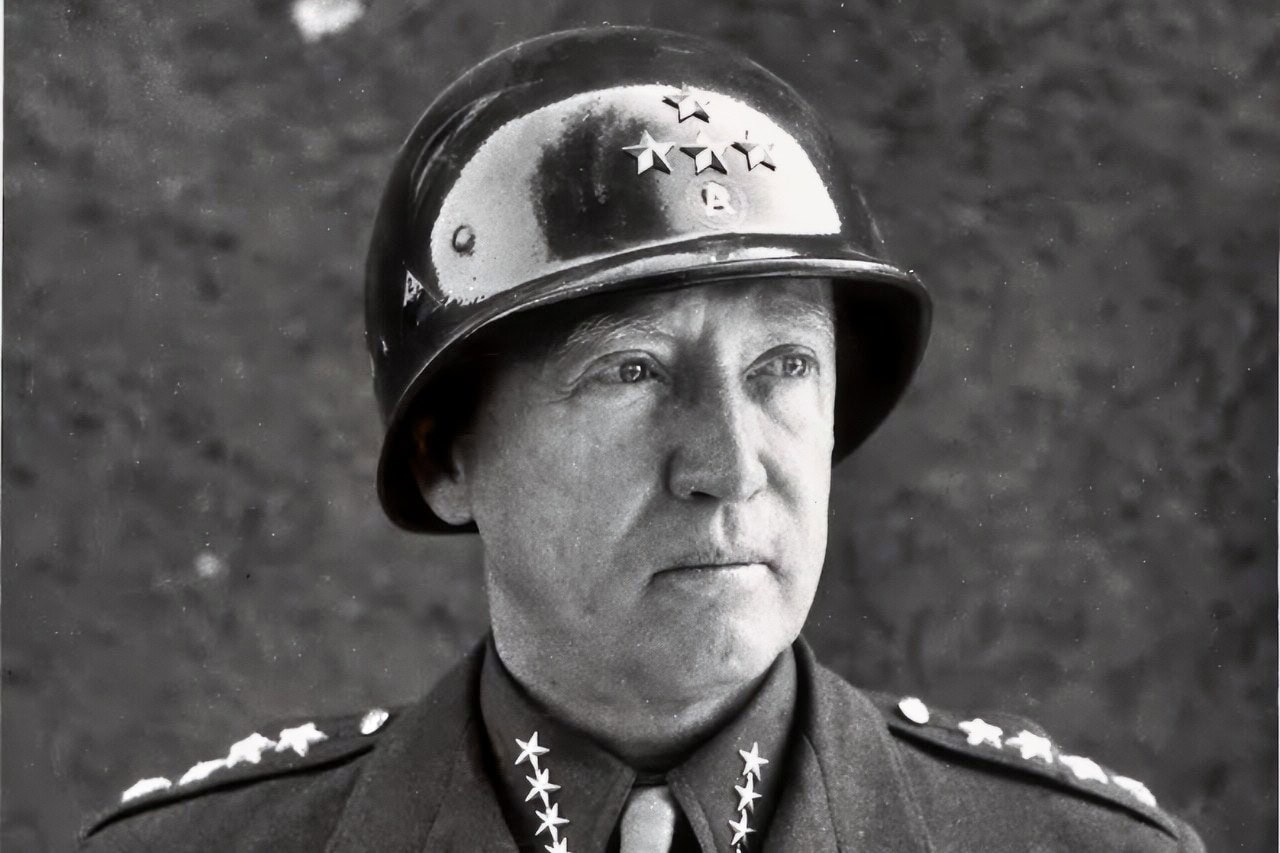
U.S. Army General George Patton
The Third Army Breaks Out
Patton’s record gave his comments particular weight. On August 1, 1944, he assumed operational command of the Third Army in France. It was just weeks after the Allied landings in Normandy.
He did not command the initial invasion in part because of incidents in 1943 when he famously struck two hospitalized soldiers. The incident had damaged his standing, though it had not completely destroyed his reputation as an effective leader. Gen. Dwight D. Eisenhower and Gen. Omar Bradley still considered him extremely capable, and so his military career continued.
After the U.S. success in Operation Cobra, the WWII offensive launched by the U.S. First Army under General Bradley on July 25, 1944, Patton’s army moved quickly toward Brittany and then turned east across France.
A combination of fuel shortages and stretched supply lines meant that the advance began to slow as they reached the German border — a result of logistical constraints rather than Patton’s ability.
Patton’s focus on moving quickly did mean that soldiers were exposed to risk. He argued that speed could save lives by preventing the enemy from reorganizing — but that strategy carries its own risks.
Bastogne
Patton’s reputation was firmly reinforced during the Battle of the Bulge — the final major German offensive campaign on the Western Front. Germany launched its Ardennes offensive on December 16, 1944, and the American forces were surrounded at Bastogne.
At this point, Patton had already instructed his staff to prepare a possible response, and the Third Army turned major formations north and began an attack within days. Some elements of the 4th Armored Division reached Bastogne on December 26.
The Third Army then advanced into Germany and crossed the Rhine at Oppenheim overnight into March 23, 1945. On April 12, Patton visited the Ohrdruf concentration camp with Eisenhower and Bradley. Photographs and military records documented that visit, with the general viewing bodies and other evidence of Nazi crimes committed there. Patton then ordered local German civilians to enter the camp and see what had been done there.
After the War
Patton attracted controversy after the war when he retained former Nazis in administrative positions. He also compared Nazi Party membership to membership of an American political party. Those words did not go down well with many people, even if they were not made in support of the Nazi regime.
Eisenhower removed him from Third Army command in October of 1945, and on December 9, Patton broke his neck when his car collided with an Army truck near Mannheim. He was paralyzed from the neck down and later died from complications in a hospital in Heidelberg on December 21.
About the Author: Jack Buckby
Jack Buckby is a British researcher and analyst specializing in defense and national security, based in New York. His work focuses on military capability, procurement, and strategic competition, and he produces and edits analysis for policy and defense audiences. He brings extensive editorial experience, with a career output spanning over 1,000 articles at 19FortyFive, and has previously authored books and papers on extremism and deradicalization.