
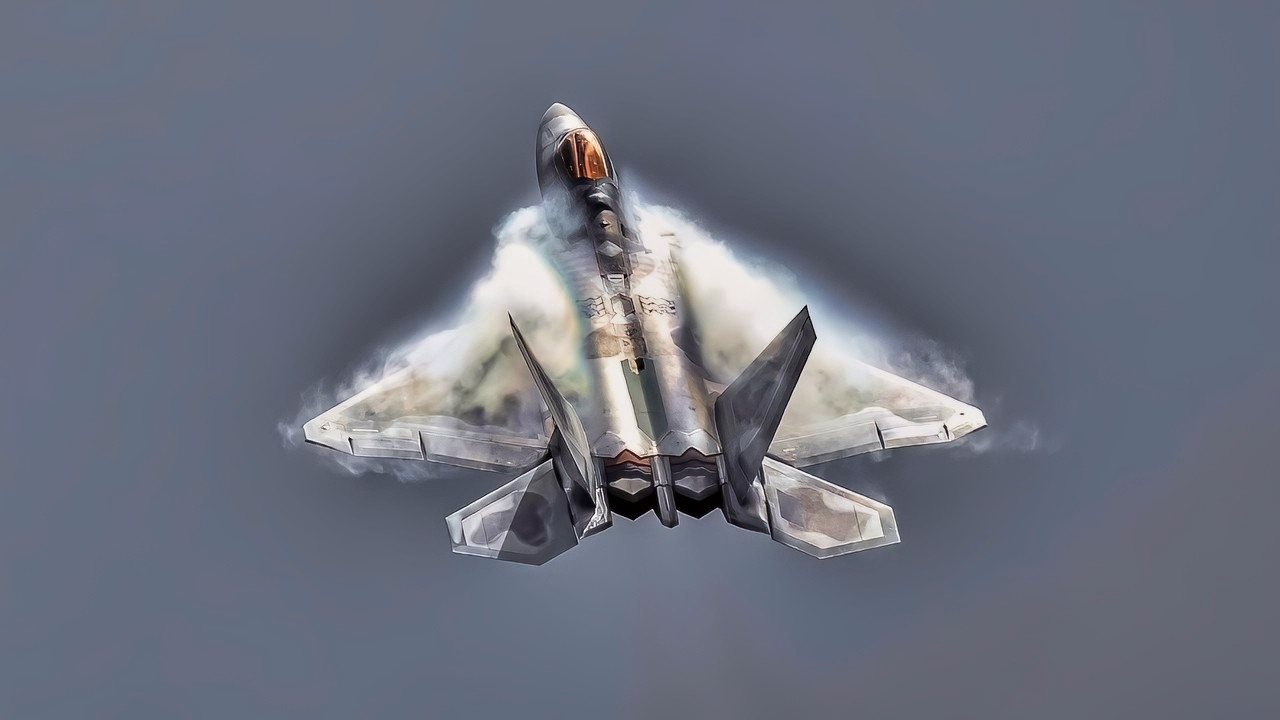
Summary and Key Points: The F-22 Raptor is still one of the world’s most formidable air superiority fighters, but it carries one weakness no upgrade can fully correct: the Air Force built only 187 production jets against an original plan of roughly 750.
The F-22 Raptor Has a Numbers Problem
The Lockheed Martin F-22 Raptor remains one of the world’s most formidable air-superiority fighters, combining stealth, supercruise, maneuverability, and advanced sensors—all revolutionary when it entered service in 2005. But the F-22 program has one weakness no upgrade can fully correct: the low quantity of aircraft built.
The Air Force built only 187 production Raptors, a fleet small enough to limit deployment flexibility, maintenance availability, and the Air Force’s ability to sustain operations across multiple theaters.
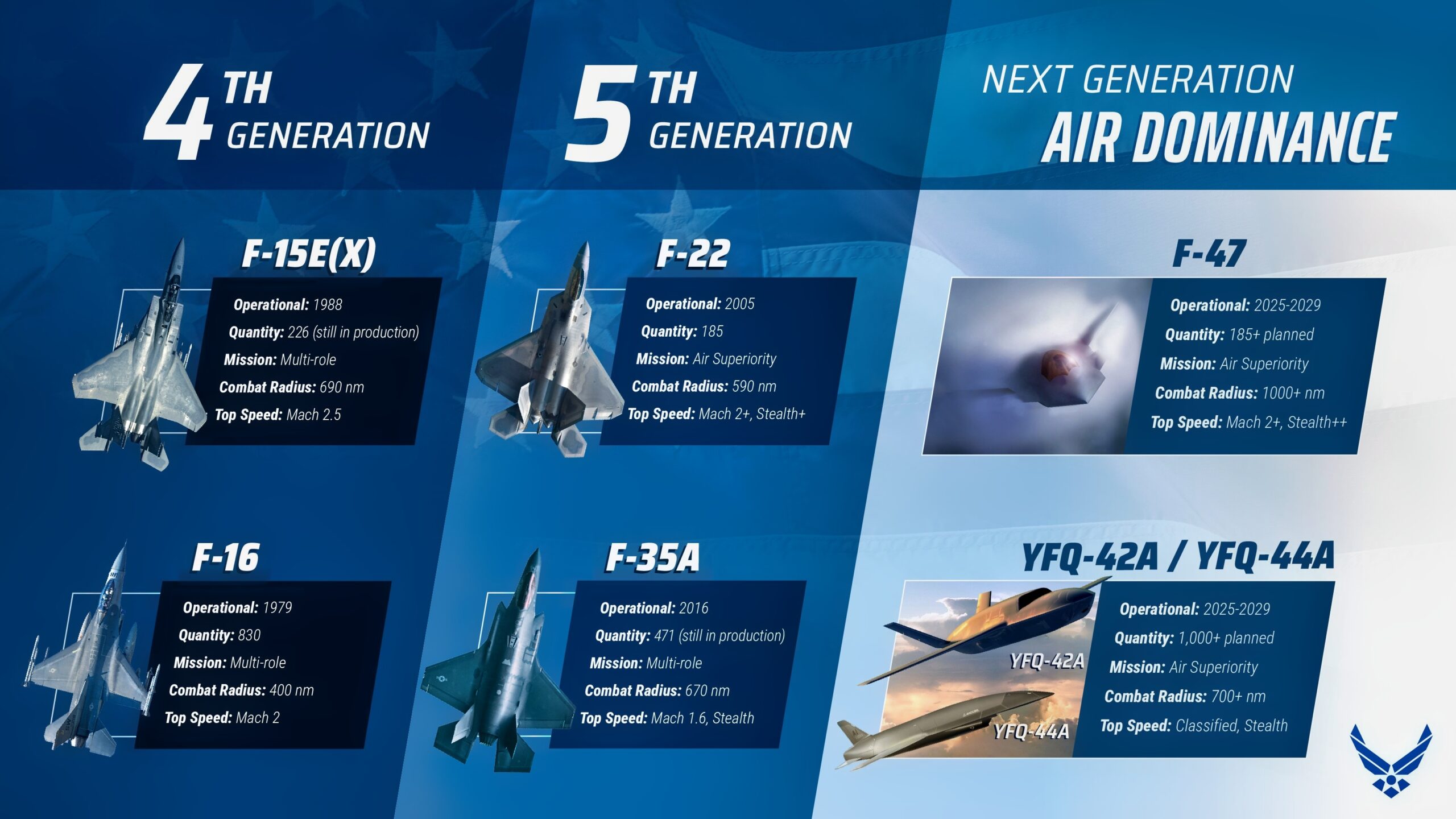
F-47 Infographic. Image Credit: U.S. Air Force
Granted, since the F-22 was unveiled twenty-plus years ago, 187 F-22s have never been inadequate. But in an academic sense, or in a future hypothetical—perhaps where the US needs to maintain an air superiority edge in the Indo-Pacific and Europe simultaneously—the F-22’s overall quantity is low.
Lockheed F-22 Raptor Fleet: Why So Small?
The F-22 originated in the Advanced Tactical Fighter (ATF) program during the Cold War. Initially, the Air Force envisioned acquiring approximately 750 aircraft to replace the F-15 in the air-superiority role.
But after the Soviet Union’s collapse, the strategic rationale for a 750-aircraft F-22 fleet weakened. Procurement targets were cut as costs rose and defense priorities shifted, just as the United States enjoyed a perch atop a unipolar world order.
By the late 2000s, the Air Force was fighting counterinsurgency campaigns in Iraq and Afghanistan, where the F-22 had no practical purpose. Defense Secretary Robert Gates questioned the need to continue purchasing expensive air-superiority fighters when the military faced other immediate requirements.
In 2009, the Obama administration moved to terminate additional F-22 procurement, and production ended in 2011 with the final aircraft delivered in 2012. The resulting fleet consisted of 187 production aircraft plus development and test aircraft. The decision saved procurement spending—but permanently constrained the F-22’s fleet size.
The Importance of Numbers
While the US has never needed more than 187 F-22s, quantity has its place—in theory.
Not every aircraft in the inventory is available for combat at any given moment. Some are undergoing maintenance, receiving upgrades, participating in training, or assigned to testing.
Others may be needed to defend the United States or fulfill commitments in Europe and the Middle East.
As a consequence, the number of Raptors available for a specific contingency is substantially smaller than the total inventory.
In a conflict with China, the Air Force could face demands for sustained operations across an enormous theater. Aircraft losses, maintenance requirements, and repeated combat sorties would further strain the fleet. Essentially, a smaller force offers commanders less flexibility to absorb attrition or support simultaneous missions.
The China Calculus
The US made the F-22 procurement decisions when it enjoyed overwhelming air superiority. Russia and China were lagging.
Most nations on earth were irrelevant in terms of air superiority. But in the years since, the strategic environment has changed considerably.
China has developed and deployed the Chengdu J-20, a fifth-generation stealth fighter, and has expanded overall production of advanced combat aircraft.
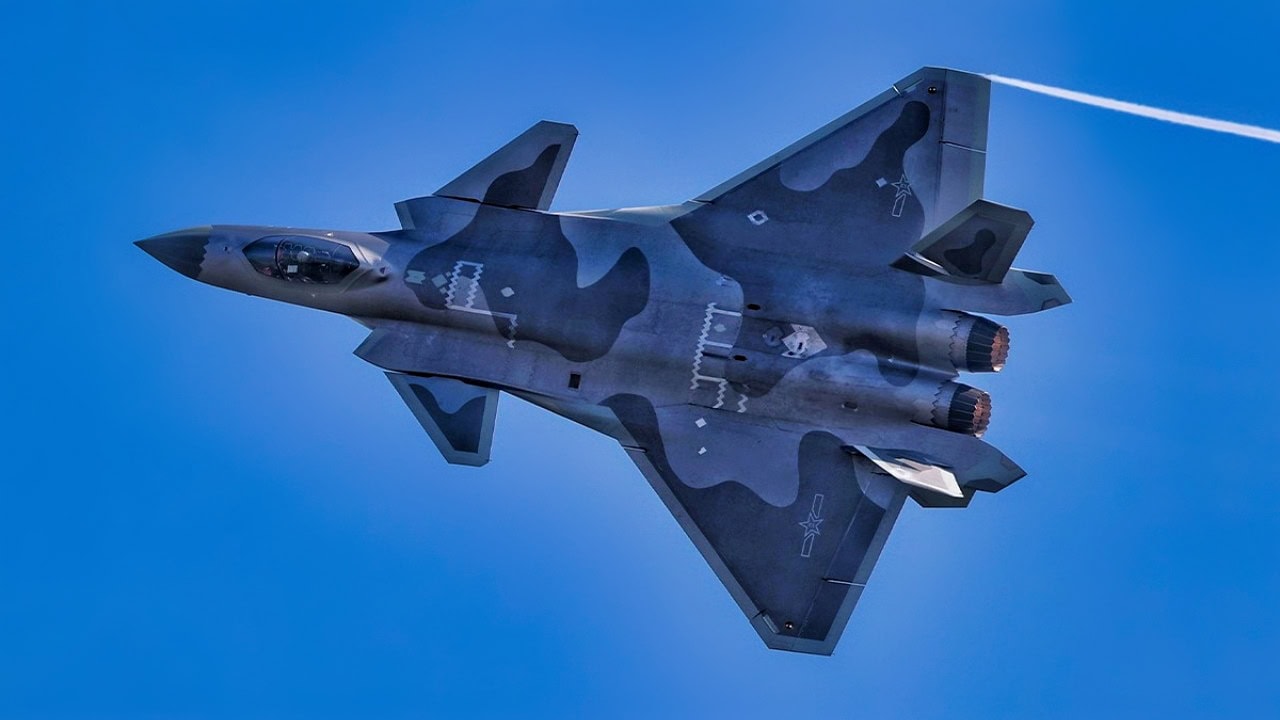
J-20 Fighter. Image Credit: Creative Commons.
Beijing has also invested in long-range missiles, integrated air defenses, and airborne surveillance systems. These capabilities could complicate American air operations in the western Pacific.
And while the F-22 remains highly capable, its relatively small fleet could struggle to maintain persistent coverage across multiple operating theaters.
What About the F-47?
In March 2025, the Air Force selected Boeing to develop the F-47 under its Next Generation Air Dominance program.
The aircraft is intended to succeed the F-22 as America’s premier air-superiority fighter. The F-47 has been publicly described as prioritizing range, survivability, sensor integration, and manned-unmanned teaming. The F-47 is being developed for a more demanding threat environment than the one the F-22 was designed to face.
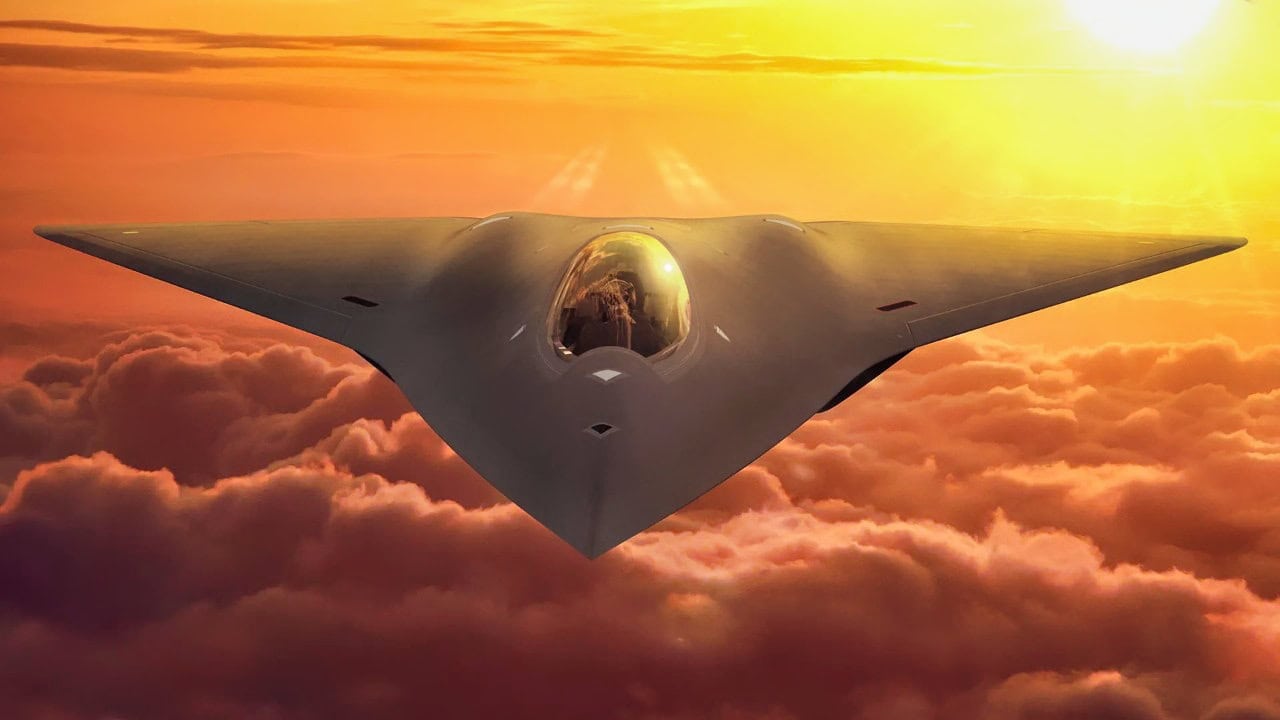
F-47 NGAD Fighter via Lockheed Martin.
However, the program will be expensive. Procuring enough F-47s will depend in part on affordability and perceived ROI. Budget constraints, development challenges, and competing modernization programs could place pressure on procurement.
So the Air Force will need to procure enough F-47s to avoid a fate similar to the F-22’s.
About the Author: Harrison Kass
Harrison Kass is a writer and attorney focused on national security, technology, and political culture. His work has appeared in Tablet, City Journal, The Hill, The Spectator, and The Cipher Brief. He holds a JD from the University of Oregon and a master’s in Global & Joint Program Studies from NYU. More at harrisonkass.com.