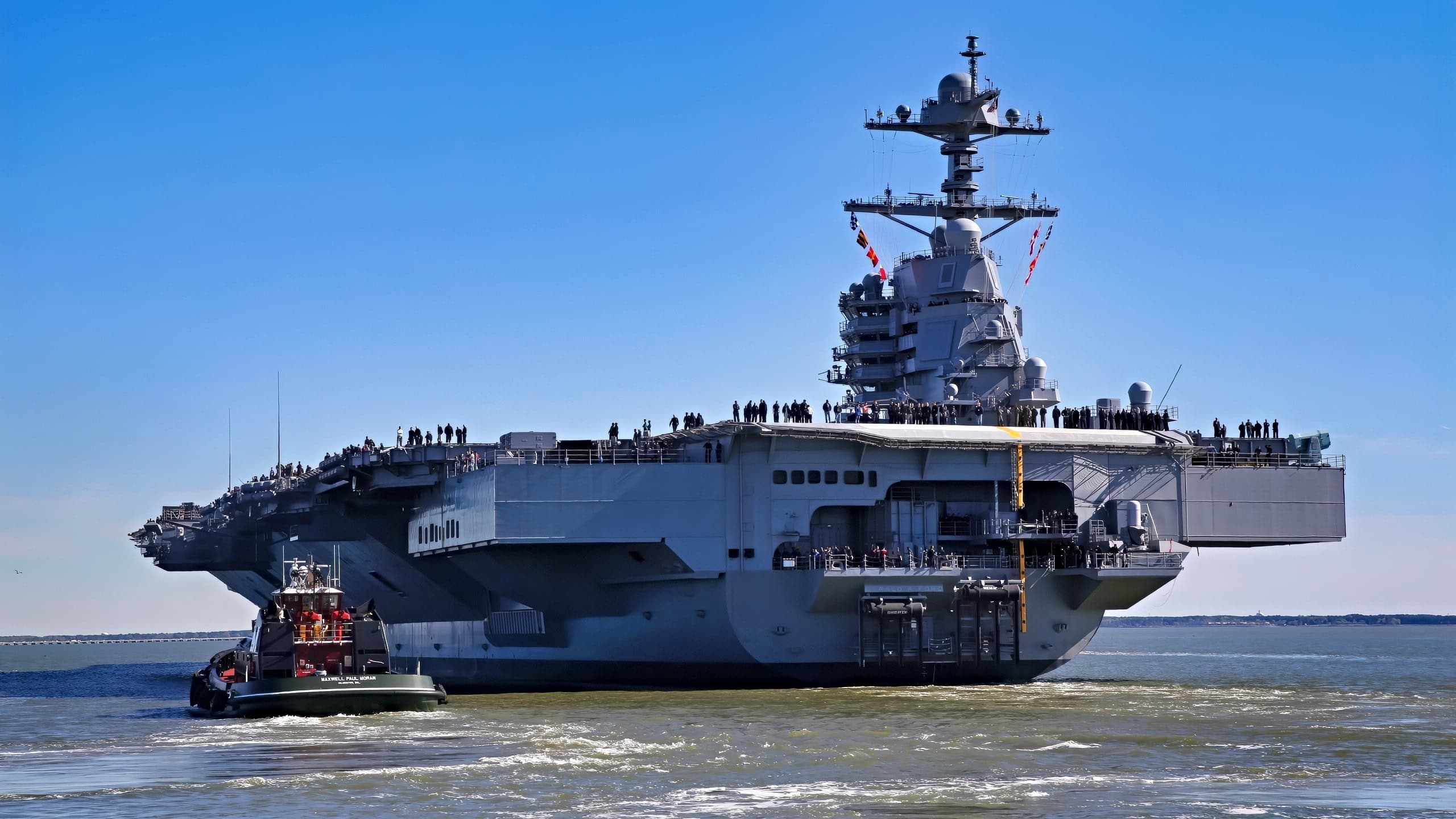
Iran has stepped up efforts to disrupt shipping in the Strait of Hormuz, laying a fresh batch of naval mines in recent days, according to U.S. officials. The move marks a further escalation in the standoff between Tehran and Washington over control of one of the world’s most vital energy routes.
Almost One-Quarter of Global Oil Supply Threatened
The strait, a narrow passage linking the Persian Gulf to global markets, typically carries around 20 percent of the world’s seaborne oil. But traffic has dropped dramatically since the conflict intensified, with ship movements falling from more than 100 a day to just a handful on some days.
The disruption is already being felt across global energy markets.
According to Axios reporters Barak Ravid and Marc Caputo, the latest mining operation was carried out by Iran’s Islamic Revolutionary Guard Corps (IRGC) Navy.
U.S. intelligence detected and monitored the activity, though officials declined to say exactly how many mines were deployed. Before this latest development, analysts believed Iran had laid fewer than 100 mines since the war began.
This is not the first time Iran has mined the strait during the conflict, and it remains unclear whether all earlier explosives have been found and cleared.
That uncertainty is adding to the risk for commercial vessels still attempting to pass through.
Washington’s Swift Response to Strait of Hormuz Crisis
The U.S. response has been swift. After being briefed on the situation, President Donald Trump said he had ordered the Navy to take lethal action against any Iranian boats caught laying mines. Writing on Truth Social, he said there should be “no hesitation,” and added that American mine-clearing efforts were being intensified.
Much of Iran’s capability lies in its use of small, fast boats.
These vessels, often similar in size to fishing boats, can carry a handful of mines and deploy them quickly. U.S. officials say Iran still has dozens of these craft, some fitted with rocket launchers or machine guns, making them a persistent threat to larger commercial tankers.
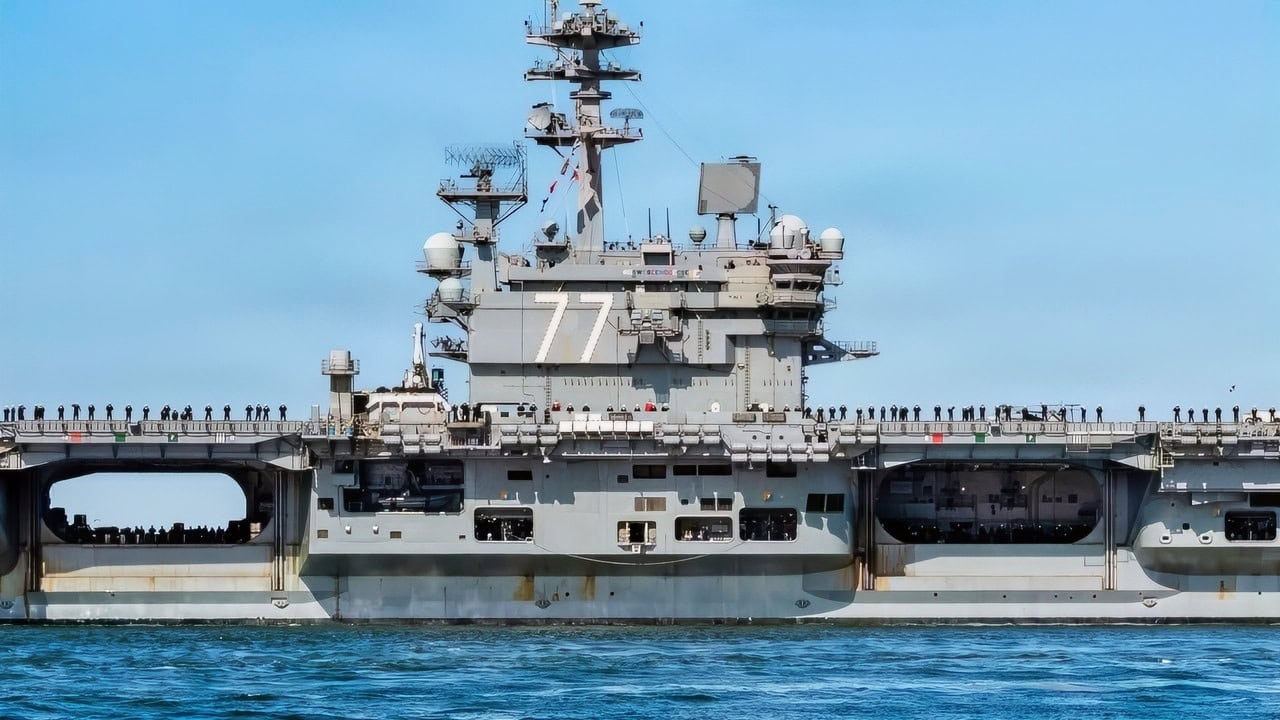
NAVAL STATION NORFOLK (March 31, 2026) The Nimitz-class aircraft carrier USS George H.W. Bush (CVN 77), the flagship of the George H.W. Bush Carrier Strike Group, departs Naval Station Norfolk to begin operations in support of its scheduled deployment, March 31, 2026. More than 5,000 personnel are assigned to the George H.W. Bush Carrier Strike Group. The George H.W. Bush Carrier Strike Group provides combatant commanders and America’s civilian leaders increased capacity to underpin American security and economic prosperity, deter adversaries, and project power on a global scale through sustained operations at sea. (U.S. Navy photo by Mass Communication Specialist 2nd Class Derek Cole)
Even after early U.S. strikes reportedly destroyed much of Iran’s larger mine-laying infrastructure, these smaller platforms have allowed Tehran to continue its campaign in the waterway.
They are harder to track and can operate in the Strait’s tight, congested conditions.
At the same time, the United States has been reinforcing its military presence.
The USS George H.W. Bush aircraft carrier has now entered the region, joining two other carrier strike groups already nearby. American officials claim this fresh buildup means Washington will have more flexibility if Iran’s naval blockade escalates.
U.S. Central Command has also moved to mitigate risks to shipping.
Since the beginning of the blockade in February, some 33 vessels have reportedly been rerouted from the strait. At the same time, specialized mine countermeasure ships—such as the USS Chief and USS Pioneer—are sailing alongside underwater drones that can find and neutralize explosives.
Anti-Mine Plans Could ‘Take Months’ in Hormuz
However, this hardly means that clearing the Strait of Hormuz is easy.
The Wall Street Journal suggests the plans to properly remove the mines could take months, and international efforts to reopen the route are currently being mulled.
The wider economic ruckus this issue has set in motion is also not going anywhere.
The International Energy Agency (IEA) is already warning that this disruption is the worst oil supply shock on record, even more dire than the crises of the early 1970s.
The reality is that, with fewer ships moving through the Strait of Hormuz and soaring insurance costs, global supply chains are under huge strain, with no clear end in sight.
Tehran seems keen to keep the pressure on, with Iranian regime officials framing their behavior as a display of fortitude, with reports that vessels have been seized or forced to comply with updated transit demands.
Video footage publicized this week by Iranian state media appears to show IRGC forces boarding a commercial ship.
Discussions remain ongoing, but the diplomatic path is far from clear, with Iran demanding an end to the U.S. naval blockade before it makes any serious considerations.
Washington is also holding firm, and the build-up of yet more military hardware in the region means we could be approaching a crunch point. Either it gets used, and the conflict heats up again, or Washington backs down.
About the Author: Georgia Gilholy
Georgia Gilholy is a journalist based in the United Kingdom who has been published in Newsweek, The Times of Israel, and the Spectator. Gilholy writes about international politics, culture, and education. You can follow her on X: @llggeorgia.