
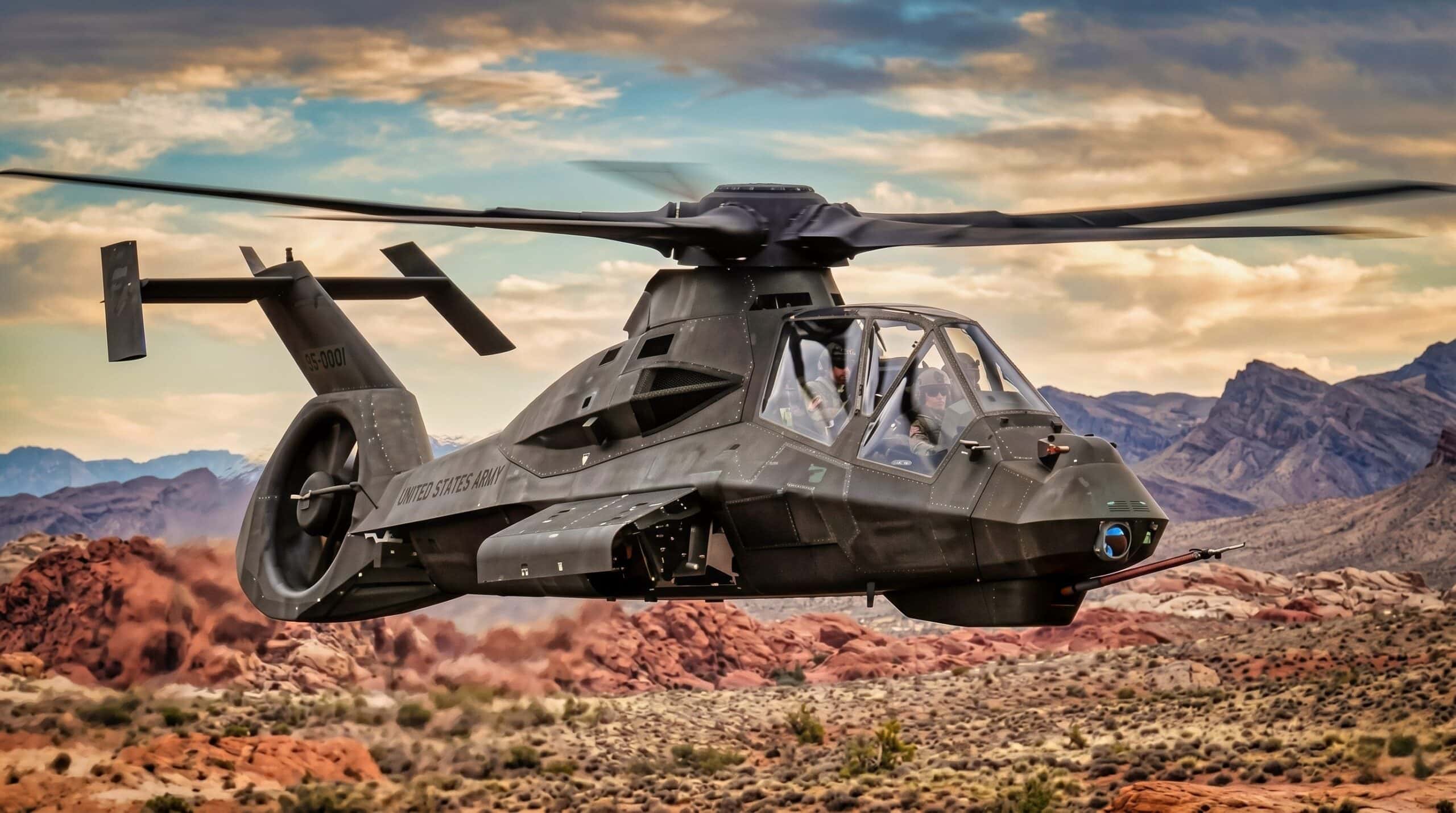
The U.S. Army poured $7 billion into the RAH-66 Comanche—a stealth attack and reconnaissance helicopter that was supposed to revolutionize how armored cavalry and special operations forces fought on the battlefield. Only two prototypes ever flew before the Army canceled the entire program in 2004, killed by skyrocketing costs and the rise of cheap combat drones doing the same job better.
RAH-66 Commanche: The Stealth Helicopter Failure
It was a good idea. The U.S. Army wanted a new attack and reconnaissance helicopter, but decided the best approach was to make it stealthy. This would aid special operations forces and allow armored cavalry units to receive intelligence and surveillance data from above, and provide close air support to save friendly forces like no other helicopter in the fleet.
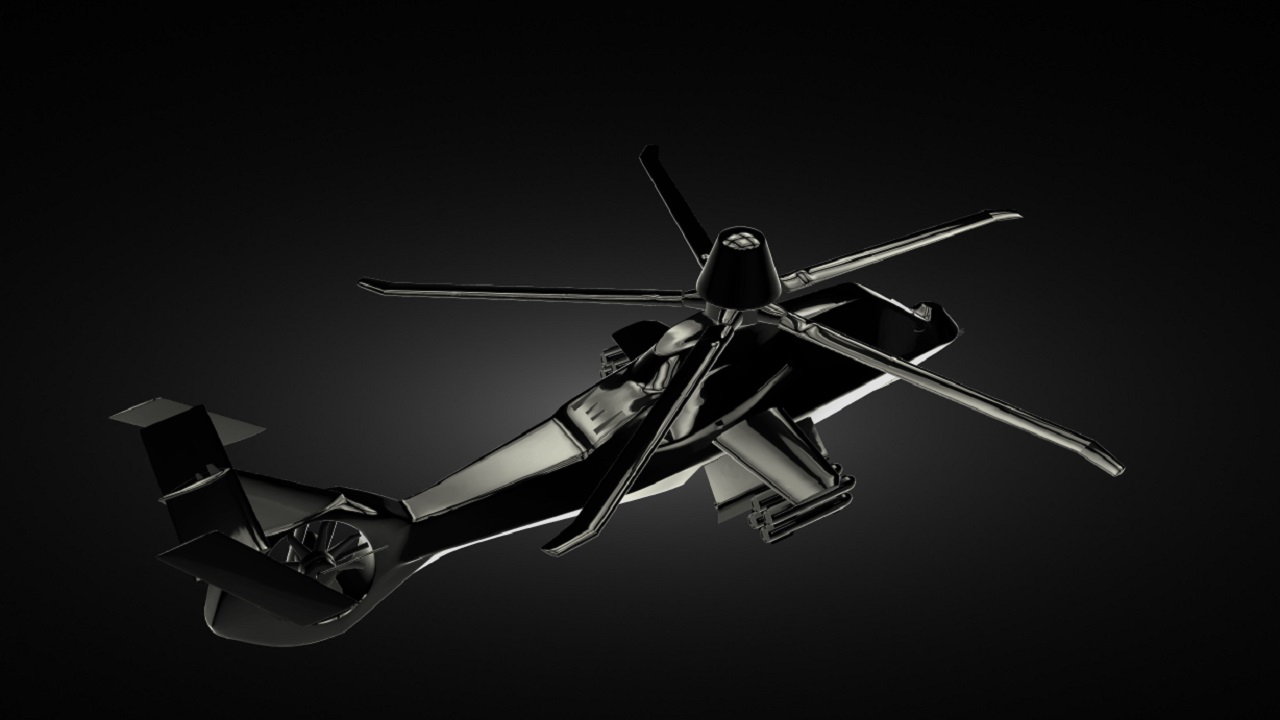
RAH-66 Comanche model. Image Credit: Creative Commons.
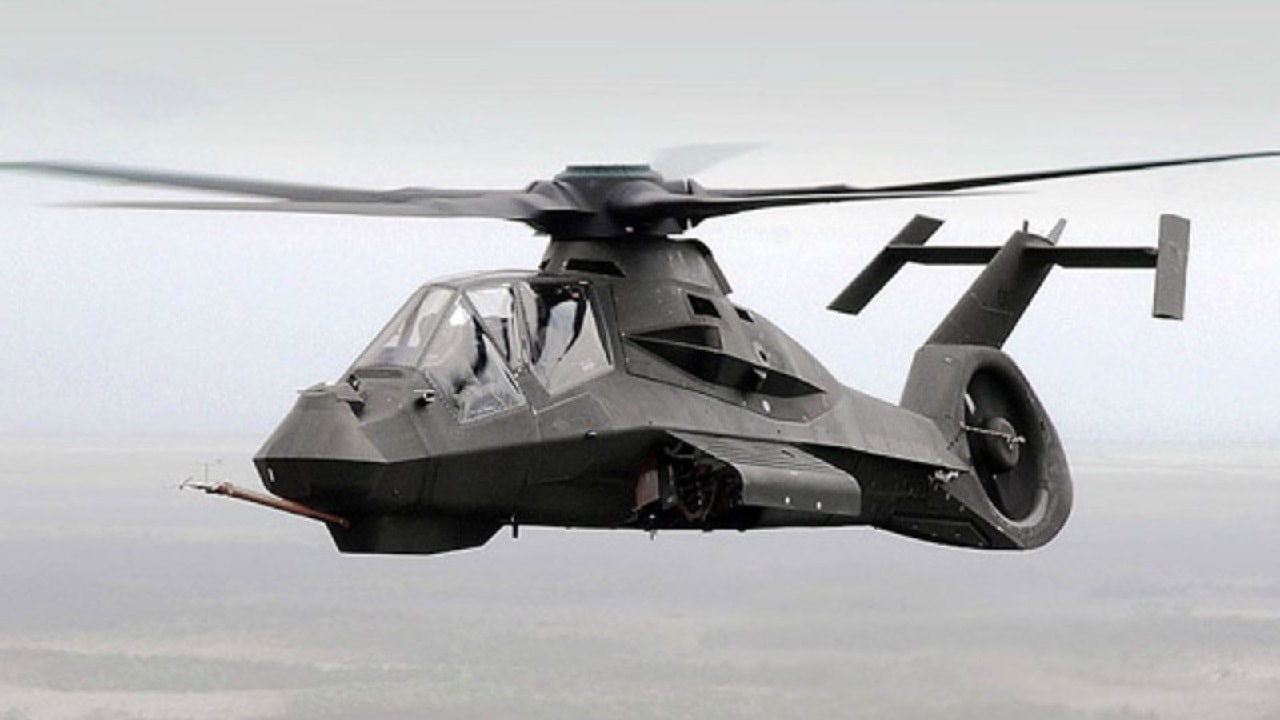
RAH-66 Comanche. Image Credit: Creative Commons.
On paper, this concept looked appealing, but the reality of this project sank in quickly. The advent of the Boeing-Sikorsky RAH-66 Comanche was rocky and fraught with challenges. The project was dreadfully expensive, and the chopper’s technical challenges just never solidified enough to produce it in numbers.
RAH-66: It Met an Ignominious End
The Comanche was later canceled in 2004 after an eye-watering $7 billion was invested in research and development. Only two prototypes were built, and the service branch never got to see them integrated with ground troops.
Combat Drones Took Over the Battle Space
Along with its radar-evading capability, the Comanche had a reduced heat signature and an advanced digital fly-by-wire system. But the Army soon realized that combat drones could take its place. The service branch examined the success of the MQ-1 Predator armed with Hellfire missiles, which could do much damage to enemy vehicles and terrorists hiding in buildings. The RAH-66 was seen as something overcome by events and would have been too expensive to produce in numbers.
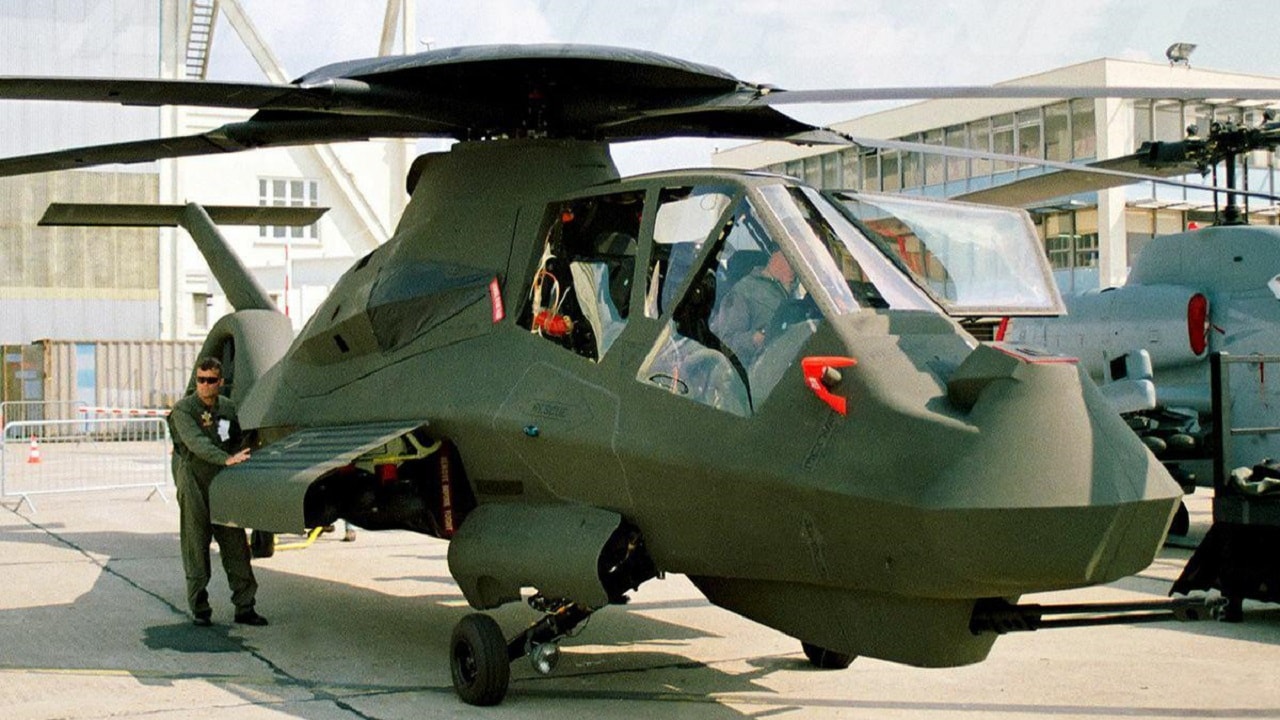
RAH-66. Image Credit – Creative Commons.
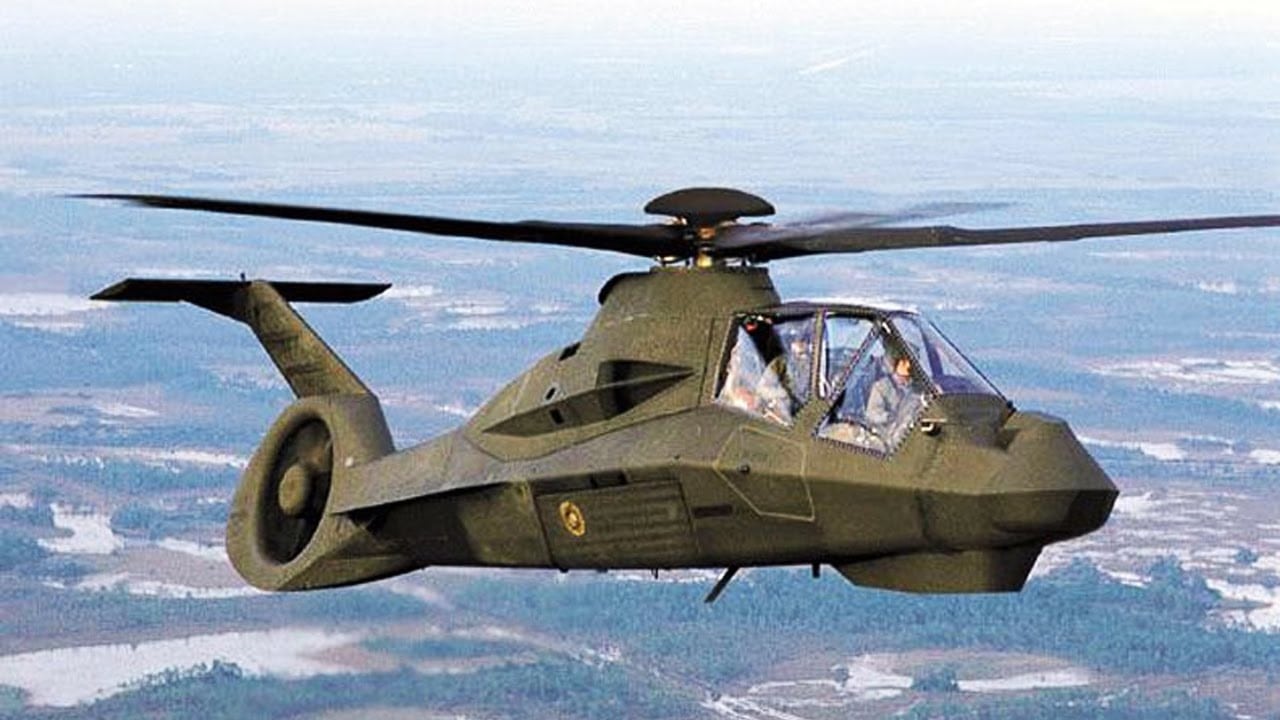
RAH-66 Comanche.
Attack and Recon Helicopters Needed to Minimize the Noise
The RAH-66 Comanche was meant to address two problems.
First, helicopters can be loud and easily alert the enemy. This was evident during the Vietnam War when the Viet Cong insurgents and North Vietnamese Army soldiers could hear a UH-1 Huey helicopter from far away.
Easy for the Enemy to Acquire Radar Lock
Second, during the Cold War, if a conflict with the Soviet Union sparked, American helicopters, even fast and deadly ones like the Apache attack chopper, would be easily seen on enemy radars.
Neat Design Looked Intimidating
The designers of the Comanche hoped to mitigate those issues. The engineers designed the whirlybird to be fast and agile, giving pilots a thrill as they pursued the enemy and spied on ground fighters in reconnaissance mode.
The Comanche looked cool too, with sleek lines, rounded features, and an intimidating shape that sent the message this was a tough customer in battle.
Borrowing from the F-117 Nighthawk
The Comanche reminds me of the F-117 Nighthawk, with features that would make it more radar-evasive and absorbent coatings that increase its stealth. But it also had the menacing look of an Apache. This thing was going to dominate a battlefield and was a 21st-century instrument of death for future use during the Global War on Terror or against a near-peer adversary that used advanced radar.
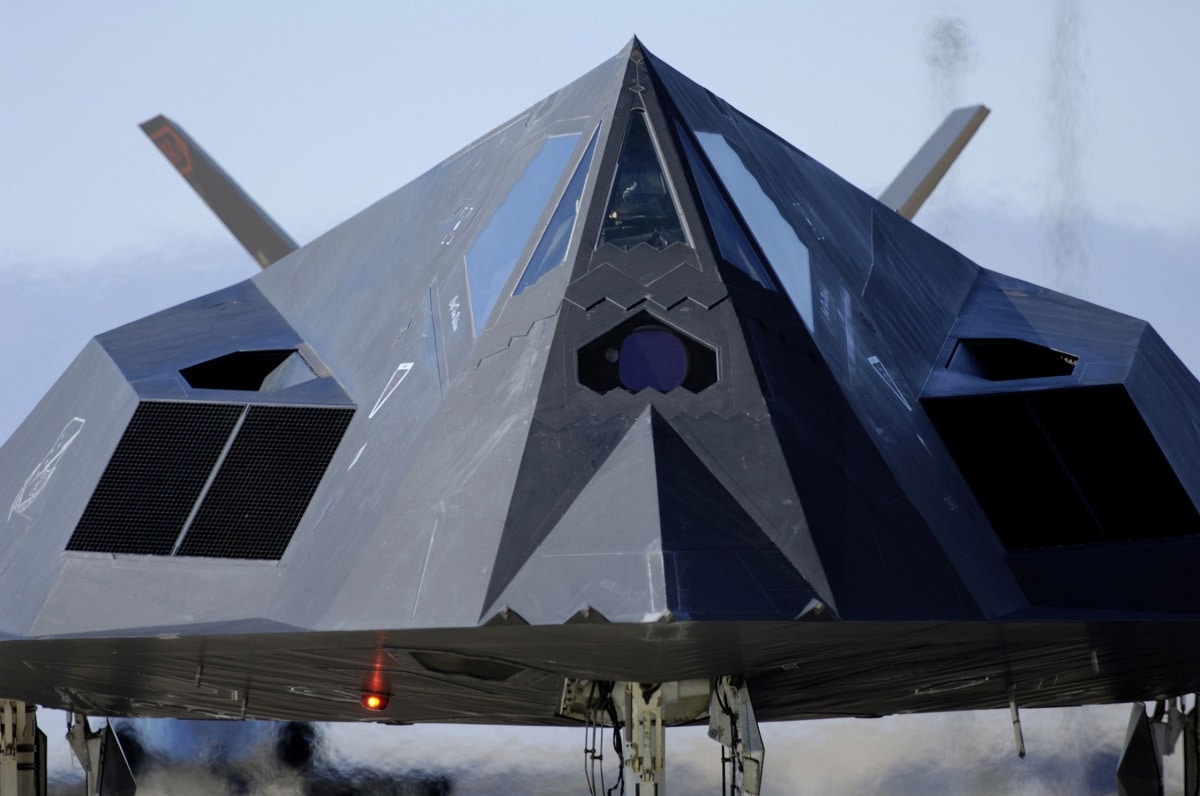
F-117 Stealth Fighter.
The RAH-66 had two seats for a pilot and a gunner. The aircraft had a five-blade main rotor and a long tail boom. The tail rotor was shrouded for better radar evasion.
Trying to Avoid Enemy SAMs
Conventional helicopters emit significant heat, allowing the enemy to achieve missile lock and blow them out of the sky with MANPADS (man-portable air-defense systems) or more advanced surface-to-air missiles.
“Thermal signature reduction was another key focus area. The designers incorporated innovative cooling systems that channel hot engine gases through the helicopter’s tail boom before release, significantly reducing the heat signature,” according to Plane Historia.
Helping Armored Forces and Special Operations
The RAH-66 Comanche would have been great for armored cavalry regiments. It could speed to the front of the column and provide intelligence to Abrams tanks and Bradley Fighting Vehicles.
It could work in concert with Apaches and protect the flanks of the advancing armored columns. The First Cavalry Division was probably salivating at the potential for the RAH-66.
For Army Special Forces and Rangers, the excitement was palpable as well. This helicopter could provide overwatch during “snatch” raids and would have been valuable in Iraq and Afghanistan for “jackpot” missions to eliminate bad guys or to protect other combat search-and-rescue aircraft.
Special operators could have called in close air support and waited for the Comanche’s missiles and rockets when the enemy approached danger close.
The Cost Multiplied and Alerted the Bean Counters
But work on the Comanche sputtered along, and the dollars added up. Soon, Congress and the Department of Defense noticed the program was becoming a money pit. Seven billion was seen as too much.
Plus, the Army had been working on stealth helicopters since the 1980s, and the decades spent without anything entering serial production were wasted.
The Age of Drones
Meanwhile, combat drones were having great success on the battlefield, collecting intelligence data and punishing the enemy with missiles. The unmanned aerial vehicles were much cheaper and easier to produce.
They could also help armored cavalry regiments and special operations forces. The Army glimpsed into the future and saw that unmanned craft would take over the battlefield. This was the right call, and it spelled doom for the Comanche program.
The Nails in the Coffin
Too bad, because there were many potential use cases for a stealthy attack/recon chopper that would look like something pilots would have fun flying. The program just did not have the staying power or cost-effectiveness to survive. But this was a fascinating concept to ponder, and the technology for integrating radar-absorbing materials into helicopters remained useful years later.
So it was farewell to the Comanche, and that was disappointing. It never made it past the defense acquisition “valley of death” from prototype to serial production.
Cancellation was probably the right decision for a program that looked so promising on paper but caused headaches when executed.
About the Author: Dr. Brent M. Eastwood
Author of now over 3,500 articles on defense issues, Brent M. Eastwood, PhD, is the author of Don’t Turn Your Back On the World: A Conservative Foreign Policy and Humans, Machines, and Data: Future Trends in Warfare, plus two other books. Brent was the founder and CEO of a tech firm that predicted world events using artificial intelligence. He served as a legislative fellow for US Senator Tim Scott and advised the senator on defense and foreign policy issues. He has taught at American University, George Washington University, and George Mason University. Brent is a former US Army Infantry officer. He can be followed on X @BMEastwood.