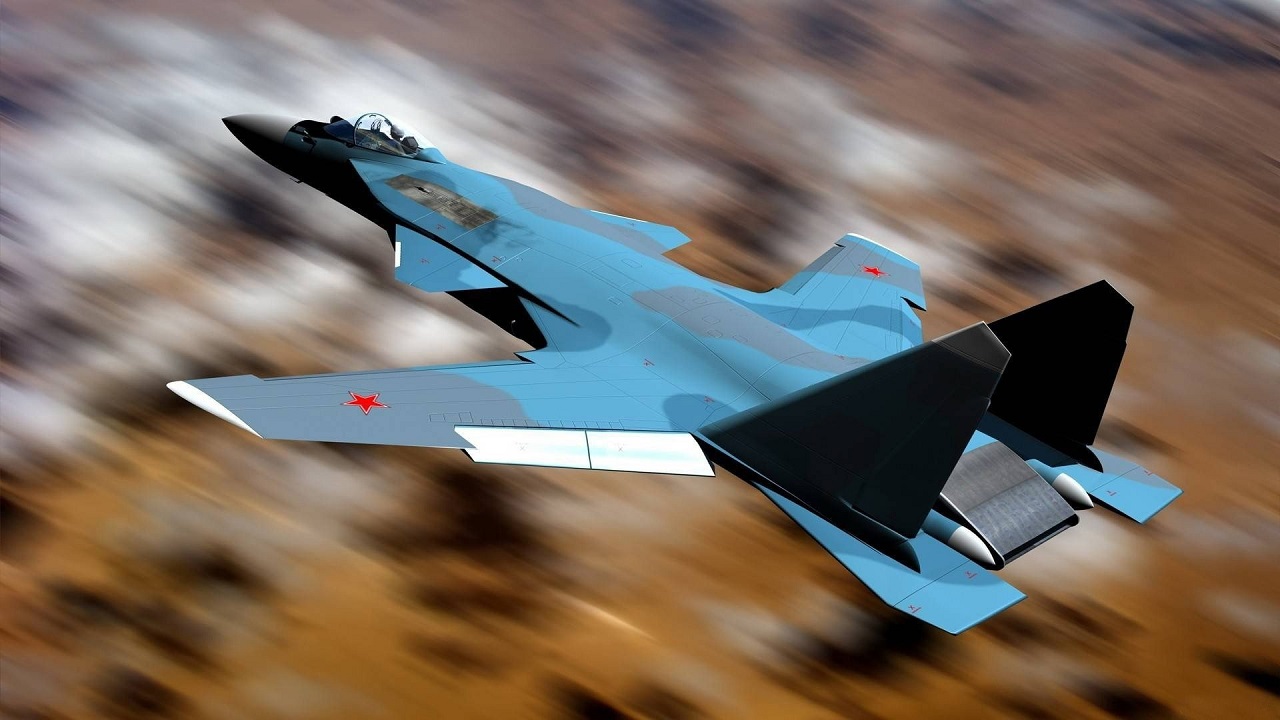
Russia has long competed with the United States and other Western powers for innovative military aviation designs. During the Cold War, this lust for technological innovation to yield real combat advantages led to the Sukhoi Su-47 Berkut. Looking less like another warplane and more like something from a science fiction film, the Su-47 featured radically forward-swept wings, onyx-black paint, canards, and internal weapons bays. Moscow built only one flying prototype of this wild design.
Despite its legendary status among aviation enthusiasts, the aircraft never entered production.
What the Su-47 Was Supposed to Be
Russia’s Su-47 was born out of the late-stage Soviet Union’s need for a next-generation air superiority fighter to compete with future American stealth aircraft. Early designs included the S-32 and S-37 before Sukhoi opted for the “Golden Eagle” (Berkut) designation. But Sukhoi, the iconic Russian design bureau, never intended the Su-47 to serve as a frontline production fighter.
It was truly a concept plane.
As such, Moscow used its sole Su-47 prototype as a demonstrator. Russian pilots used the Su-47 to test advanced aerodynamics, fly-by-wire systems, composite materials, and stealth concepts that became incorporated into aircraft such as Russia’s fifth-generation warplane, the Su-57 “Felon.”
Why the Foward-Swept Wings Mattered
Sukhoi gave the Su-47 a unique–truly defining–feature, its forward-swept wing configuration. Rather than the usual backward-sweeping wings, Sukhoi made their Golden Eagle prototype with its wings angled forward from the fuselage.
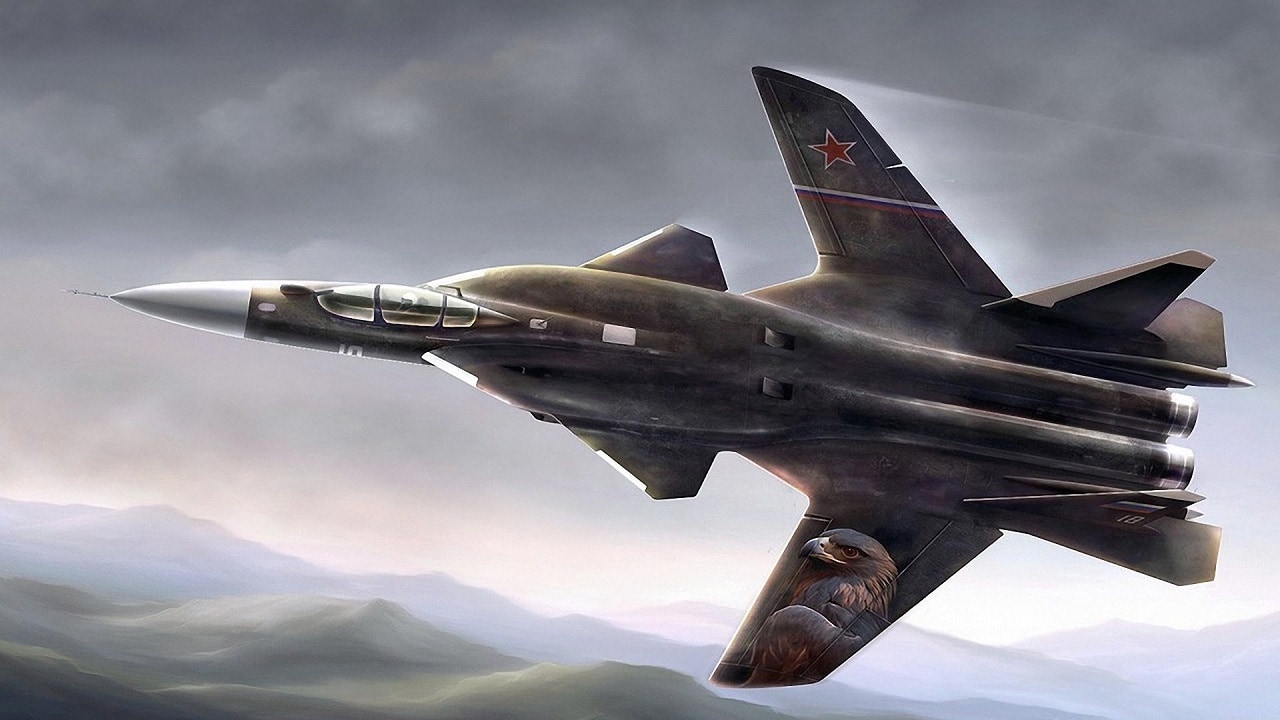
Su-47. Artist Rendition. Image Credit: Creative Commons.
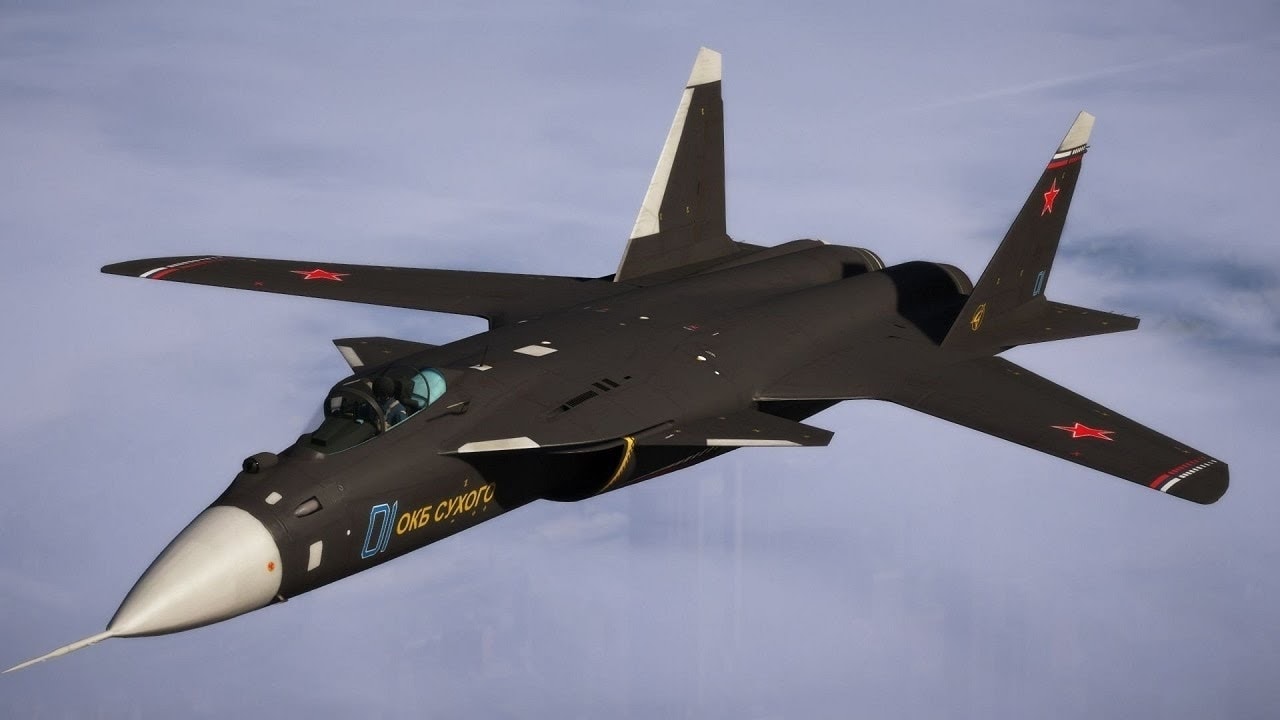
Su-47. Image Credit: Artist Rendering/Creative Commons.
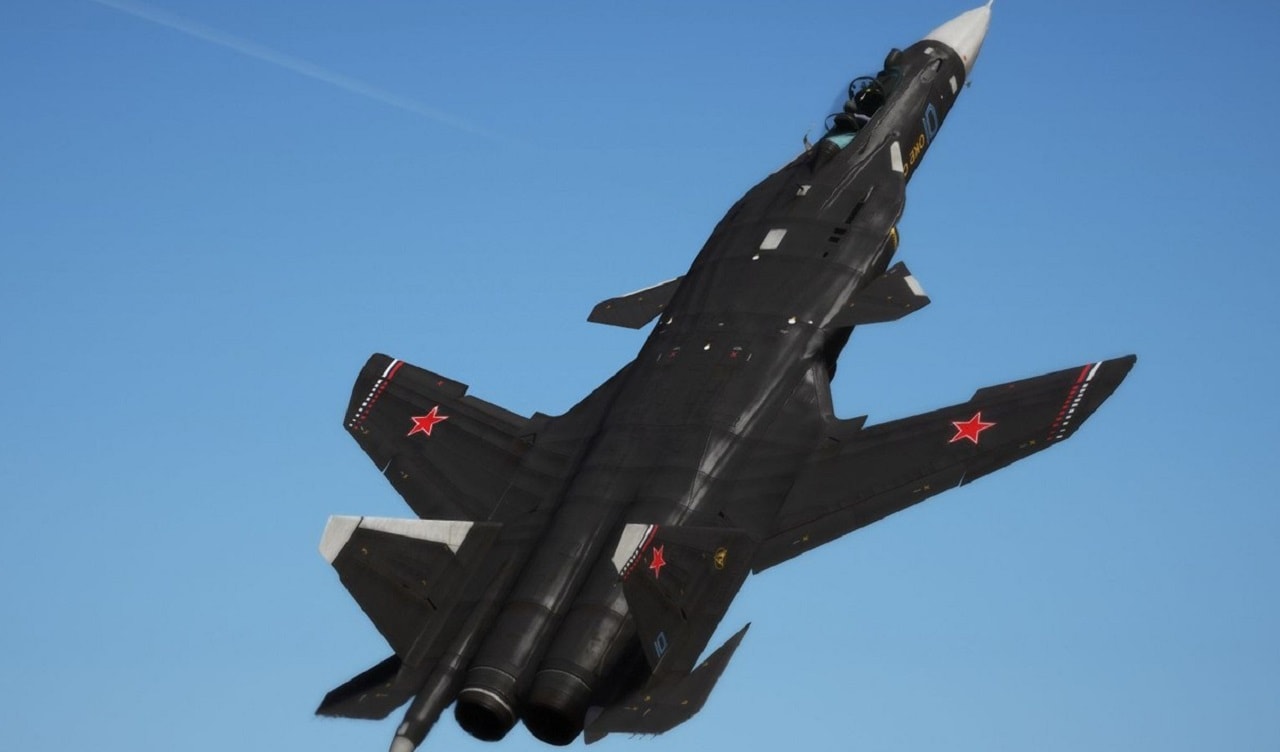
Su-47 fighter. Image Credit: Creative Commons.
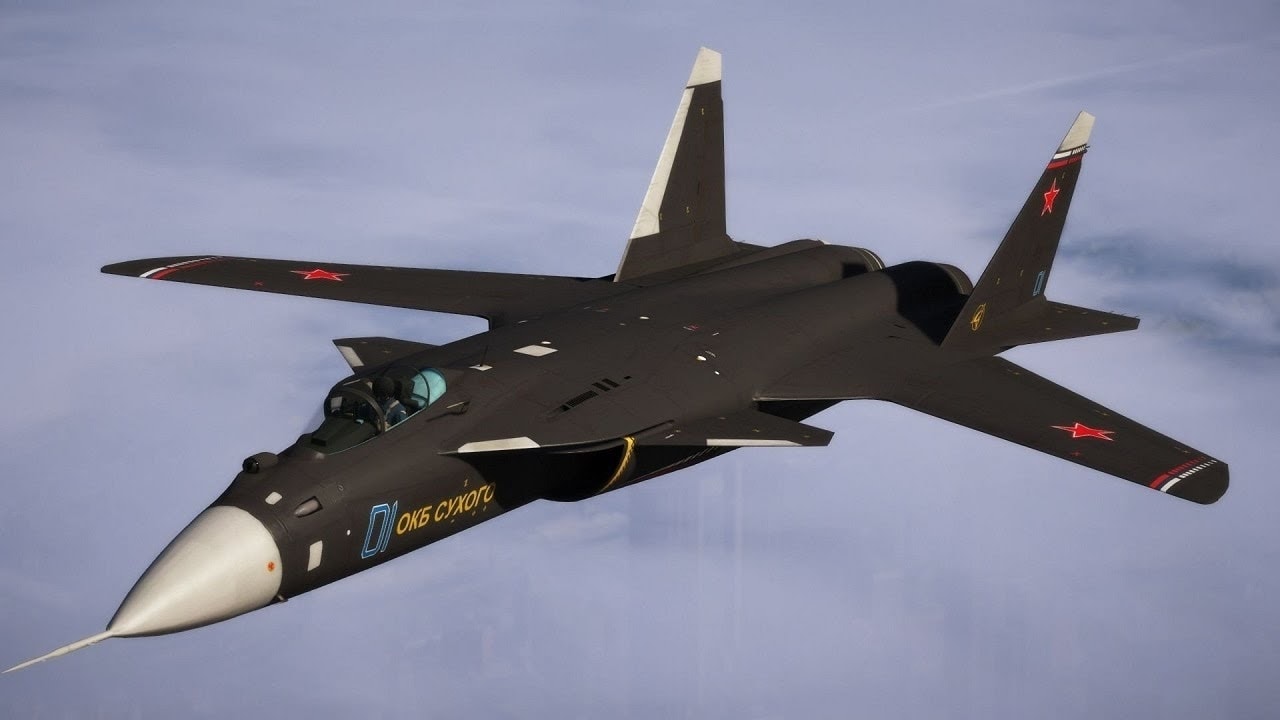
Su-47. Image is a YouTube screenshot/artist rendering.

Su-47 Artist Rendering. Image Credit: Creative Commons.
Hence, the Su-47’s appearance as a starfighter from Star Wars ensured that the late Soviet Union lived up to President Ronald Reagan’s moniker for it: the “evil empire.”
But Sukhoi’s revolutionary forward-swept wing design was more than just a menacing aesthetic for the futuristic, unique warplane. It offered real advantages. Those forward-swept wings gave the Su-47 exceptional maneuverability.
The design enhanced airflow over the control surfaces, meaning the plane could maintain extremely high angles of attack (had it ever been in combat, that’d have been a key tactical advantage over most NATO warplanes at the time). With those unique wings, the Su-47 had delayed stall behavior and strong subsonic agility.
It would have been an exceptional dogfighter.
Sukhoi gave the late-stage Soviet Union what they always wanted in a warplane: supermaneuverability, which had already been on display with the thrust-vectoring Flankers (but the Su-47 took that concept to the extreme).
The Fatal Problem: Aeroelasticity
The reason Sukhoi only built one prototype had less to do with the collapse of the Soviet Union and more to do with basic physics. You see, the forward-swept wings did offer many advantages and were really cool to look at. But those wings caused a dangerous phenomenon known as aeroelastic divergence.
Basically, under high-speed flight loads, the wings twisted outward rather than stabilizing naturally. That twisting increases lift at the wing tips, which exacerbates stress and can cause catastrophic structural failure.
Traditional swept-back wings, such as those that defined the Grumman F-14 Tomcat, naturally resist this complication. Forward-swept wings, however, amplify it.
To resolve the problem, Sukhoi relied heavily on advanced composite materials to make the wings rigid enough to survive high-speed flight. The Soviet Union, and later post-Soviet Russia, simply lacked the industrial and financial capacity to mass-produce such exotic structures affordably in the 1990s.
Russia’s “Almost Stealth Fighter”
Clearly, the Su-47 Berkut was the USSR’s first attempt at a stealth warplane. It possessed composite materials, enjoyed reduced radar signature shaping, had internal weapons bays, and came with advanced avionics.
Compared to the Lockheed Martin F-22 Raptor, the Su-47 was not a “true stealth fighter.” For Russia in the late 1980s and early 1990s, though, it was undoubtedly the most ambitious warplane they could have designed.
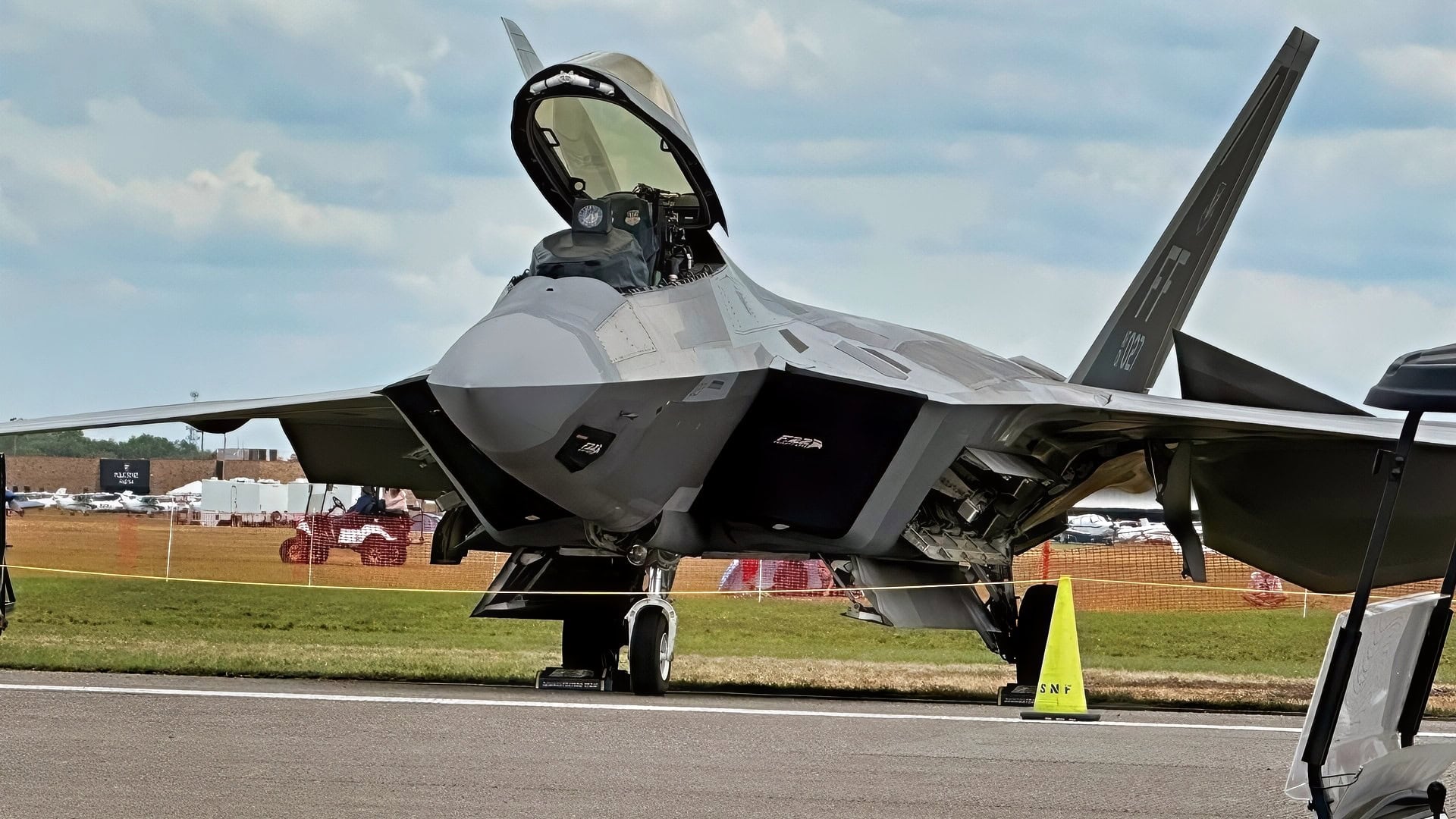
F-22 Raptor Lakeland Florida Airshow. Taken by Harry J. Kazianis on 4/19/2026.
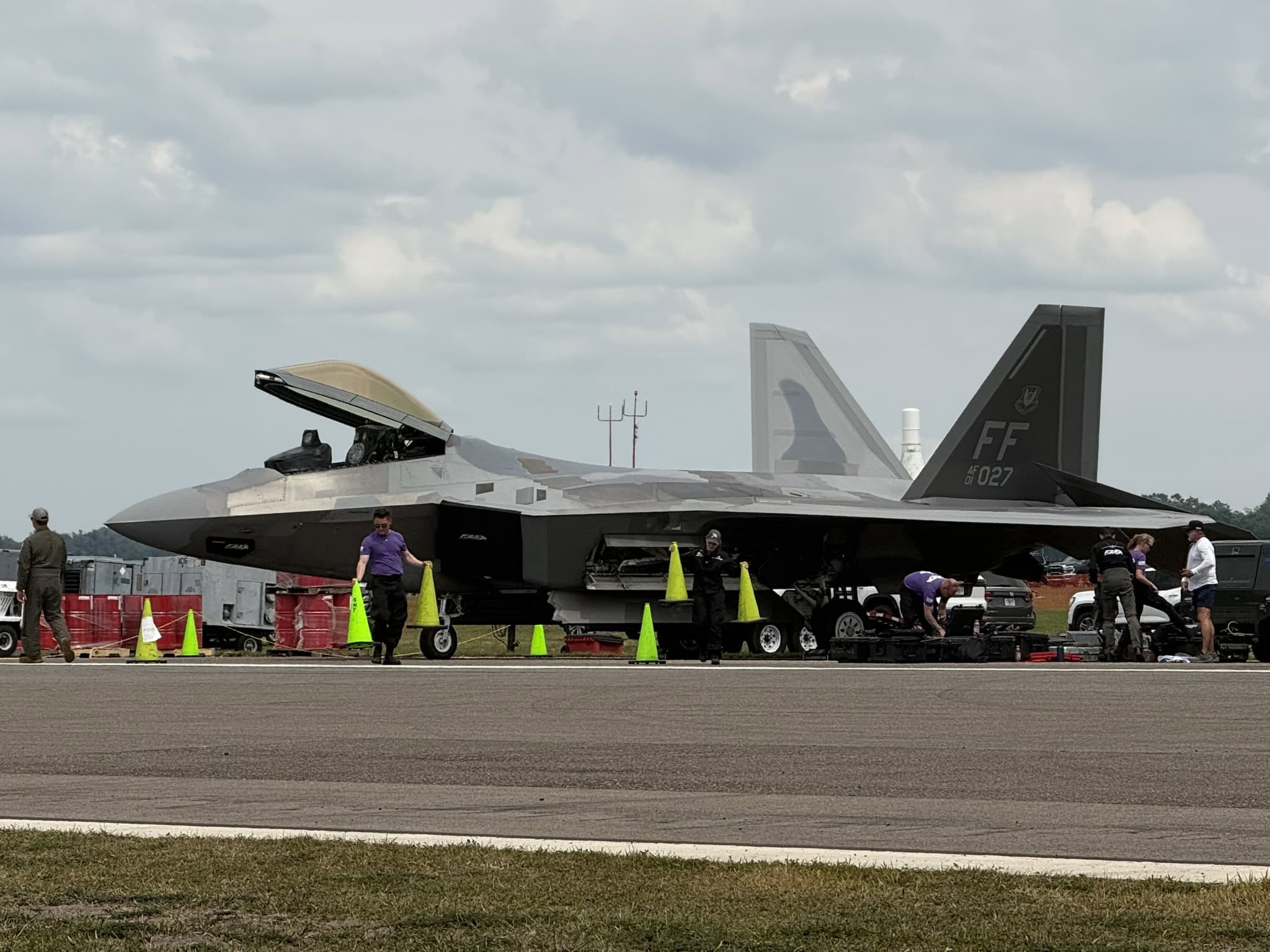
F-22 Raptor Lakeland Florida Airshow. Image Credit: 19FortyFive.com
Where the Su-47 failed the stealth test, though, was in the stylish canards, which created all manner of radar reflectivity (thereby negating the stealth). Nevertheless, this platform was cutting-edge and allowed the Soviets, and then the Russians, to test an assortment of advanced technologies they otherwise would not have been able to test.
A Victim of the Soviet Collapse
Timing severely hampered the Su-47’s future. Because the system emerged as the USSR imploded under the weight of its own contradictions, the plane was doomed. The chaotic post-Soviet 1990s could not sustain the Su-47 program beyond the single aircraft that Sukhoi built. Plus, by the mid-1990s, Sukhoi was transitioning toward more practical, evolutionary designs derived from its Flanker family of warplanes.
In fact, Sukhoi sustained the Su-47 program only thanks to significant private funding after state funding dried up. The Su-47 first flew in 1997 and became a major airshow sensation because it looked unlike anything in the sky.
The Su-47’s Real Legacy
Experts assess that the Su-47 was a failed program. But that is an unfair designation. Sukhoi later incorporated the hard lessons learned from the Su-47 Berkut program into future Russian designs, such as the aforementioned Su-57 and even the Su-35.
The Berkut was less a dead-end fighter and more a bridge between late-Soviet aviation and modern Russian aerospace design.
Why Aviation Fans Still Love It
Sukhoi’s Su-47 Berkut became so iconic because it represented the last burst of Soviet experimental aviation ambition. It looked like science fiction in a way most real military aircraft never do. Even today, the jet maintains a cult following.
This plane is truly one-of-a-kind and continues to have a lasting impact on the development of Russian military aviation today. It will likely continue to influence Russian military aviation for another generation or so, too. That’s not a failure.
About the Author: Brandon J. Weichert
Brandon J. Weichert is the Senior National Security Editor at 19FortyFive.com. Recently, Weichert became the editor of the “NatSec Guy” section at Emerald. TV. He was previously the senior national security editor at The National Interest. Weichert hosts The National Security Hour on iHeartRadio, where he discusses national security policy every Wednesday at 8 p.m. Eastern. He hosts a companion show on Rumble entitled “National Security Talk.” Weichert consults regularly with various government institutions and private organizations on geopolitical issues. His writings have appeared in numerous publications, among them Popular Mechanics, National Review, MSN, and The American Spectator. And his books include Winning Space: How America Remains a Superpower, Biohacked: China’s Race to Control Life, and The Shadow War: Iran’s Quest for Supremacy. Weichert’s newest book, A Disaster of Our Own Making: How the West Lost Ukraine, is available for purchase at any bookstore. Follow him via Twitter/X @WeTheBrandon.