With the USS Nimitz now in the Caribbean, the prospect of an American operation against Cuba has increased. And while Havana retains an air defense network, the country’s ability to mount a serious counterair campaign is hampered by aging equipment, insufficient training, and its inability to absorb substantial losses.
The Cuban Air Defense Network
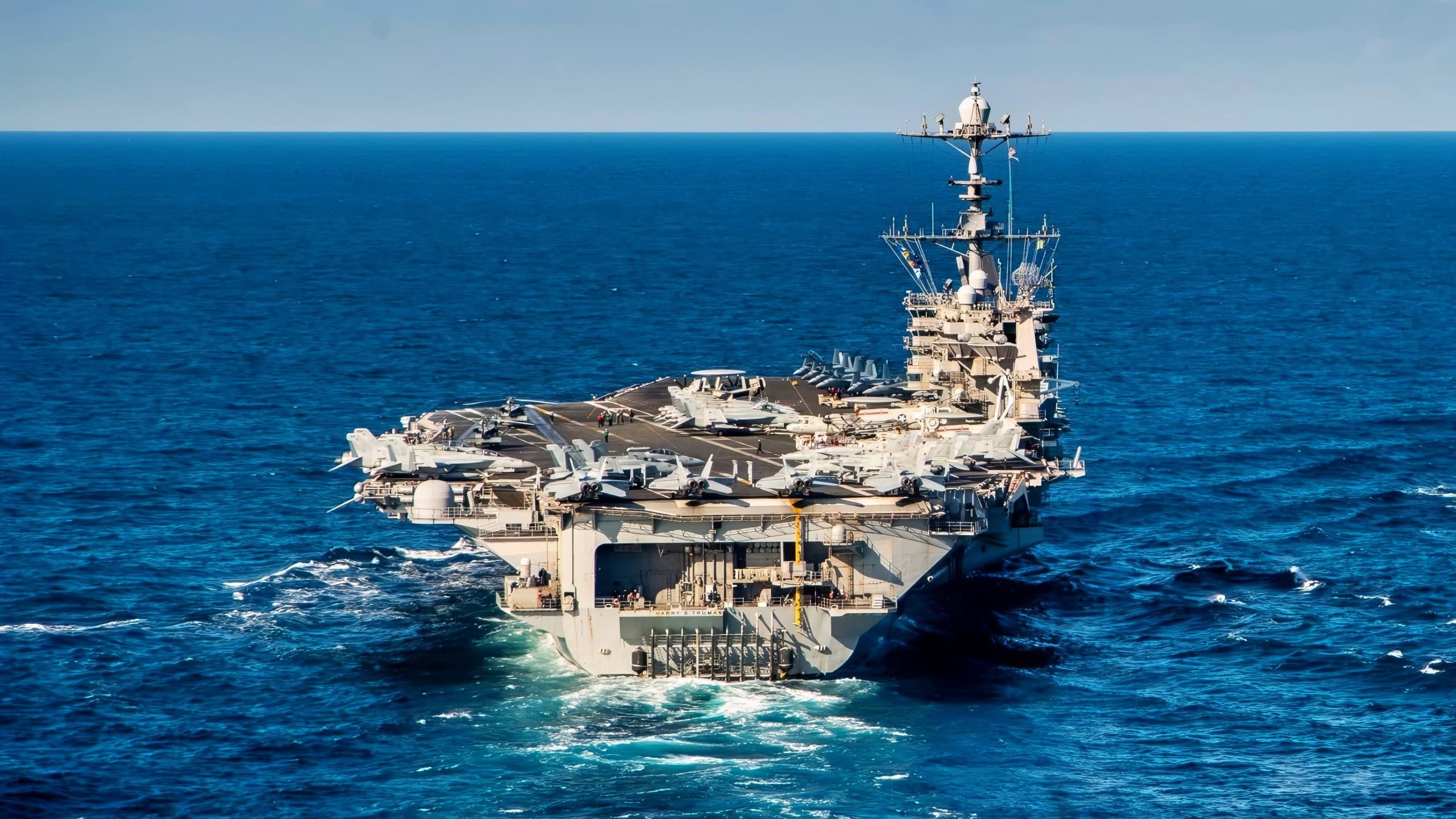
MEDITERRANEAN SEA (Jan. 22, 2021 The Arleigh Burke-class guided-missile destroyer USS Gravely (DDG 107) breaks away from the Nimitz-class aircraft carrier USS Harry S. Truman (CVN 75) following a replenishment-at-sea exercise, Jan. 22, 2022. The Harry S. Truman Carrier Strike Group is on a scheduled deployment in the U.S. Sixth Fleet area of operations in support of naval operations to maintain maritime stability and security, and defend U.S., allied and partner interests in Europe and Africa. (U.S. Navy photo by Mass Communication Specialist 3rd Class Bela Chambers)

The USS George H.W. Bush Carrier Strike Group sails in formation during a strait transit exercise in the Atlantic Ocean, Feb. 8, 2026. The George H.W. Bush Carrier Strike Group is at sea as an integrated warfighting team. Composite Training Unit Exercise (COMPTUEX) is the Joint Force’s most complex integrated training event and prepares naval task forces for sustained high-end Joint and combined combat. Integrated naval training provides combatant commanders and America’s civilian leaders highly capable forces that deter adversaries, underpin American security and economic prosperity, and reassure Allies and partners. (U.S. Navy photo by Mass Communication Specialist 3rd Class John R. Farren)
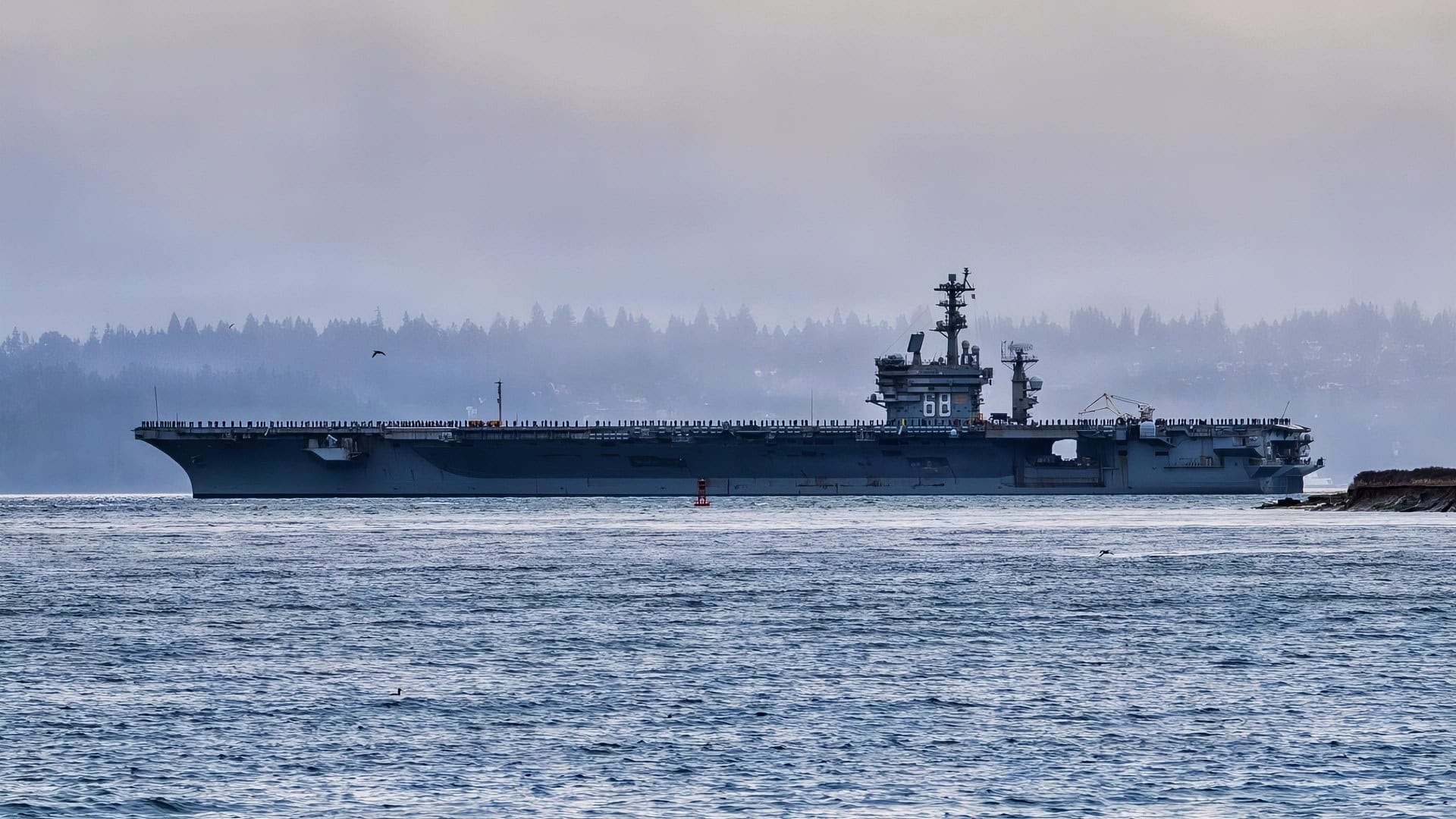
The Nimitz class aircraft carrier USS Nimitz (CVN 68) passes by a Washington State Ferry as it transits Puget Sound during the ship’s final departure from Naval Base Kitsap-Bremerton, Washington, March 7, 2026. Nimitz is underway in the U.S. 3rd Fleet area of operations as part of a scheduled homeport shift to Norfolk, Virginia. (U.S. Navy photo by Mass Communication Specialist Seaman Kimberli Ibarra Ruiz)
Cuba’s air defense network is deeply rooted in the past and heavily reliant on legacy Soviet military systems. Much of it goes back to the Cold War, but Havana has also spent years attempting to keep its equipment operational through refurbishment, improvisation, and some assistance from countries sympathetic to Cuba, primarily Belarus and Russia.
The centerpiece of Cuba’s air defenses is Soviet surface-to-air systems like the S-75 Dvina and S-125, as well as smaller, mobile systems. Additionally, Cuba retains some older, low-level air defenses, such as anti-aircraft guns. More recently, Cuba worked with Belarus to modernize some of its equipment, focusing on radar, mobility, and jamming resistance. One Cuban innovation has been to mount some S-125 launchers on modified T-55 tank chassis. It is a response to Cuba’s pinched financial situation, exacerbated by American sanctions.
Cuba retains a not-insubstantial number of anti-aircraft guns. During the Cold War, Cuba became highly militarized, a response to the assumption that the United States would eventually attempt an invasion or conduct an air campaign. A dense network of radar sites, widely dispersed surface-to-air missile batteries, and hardened shelters remains, and today, low-level air defenses are thought to be numerous.
The Cuban Air Force
Cuba once maintained a robust air presence, particularly Soviet fighters such as MiG-23s and MiG-29s. Though some remain nominally in service, their combat effectiveness is questionable.
A dearth of spare parts, low pilot training hours, and the availability of fuel in particular crimp Havana’s ability to mount a credible defense of the island from the air. Against a serious aerial threat, Cuba’s fighters would play a marginal role at best, with the majority of air defense conducted by ground-based systems.
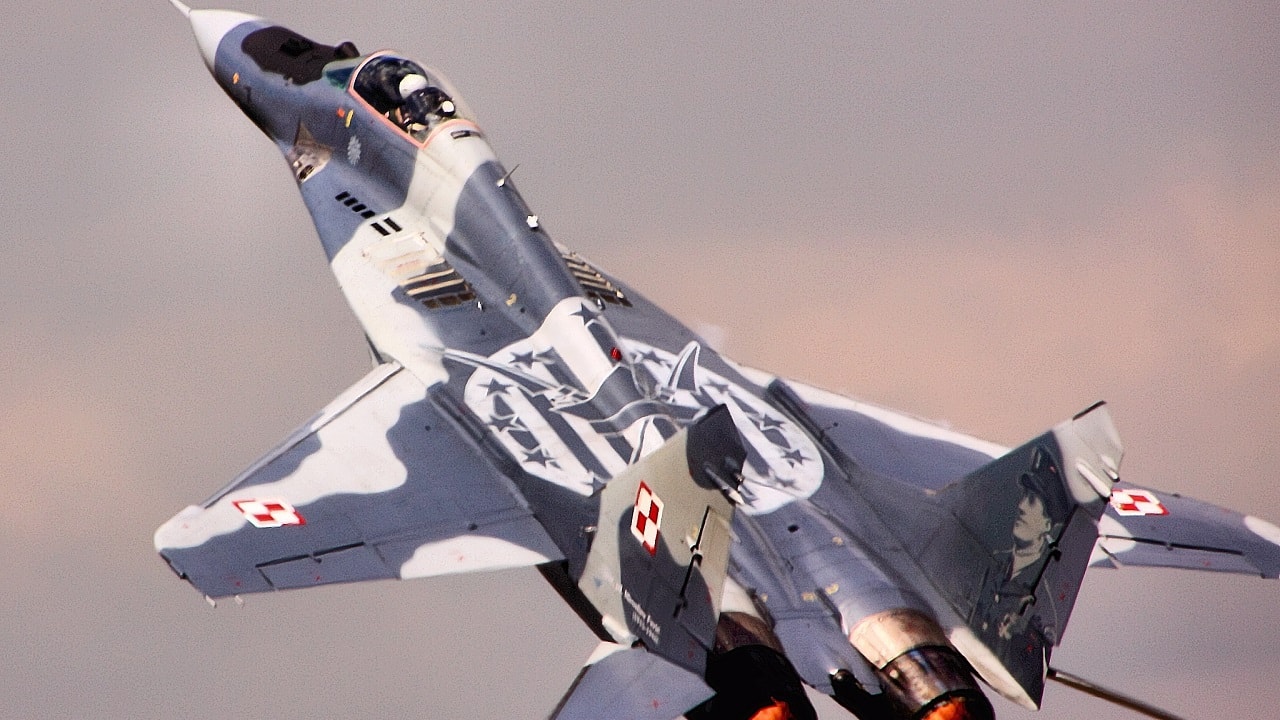
Polish Air Force MiG-29 at the 2013 Royal International Air Tattoo.
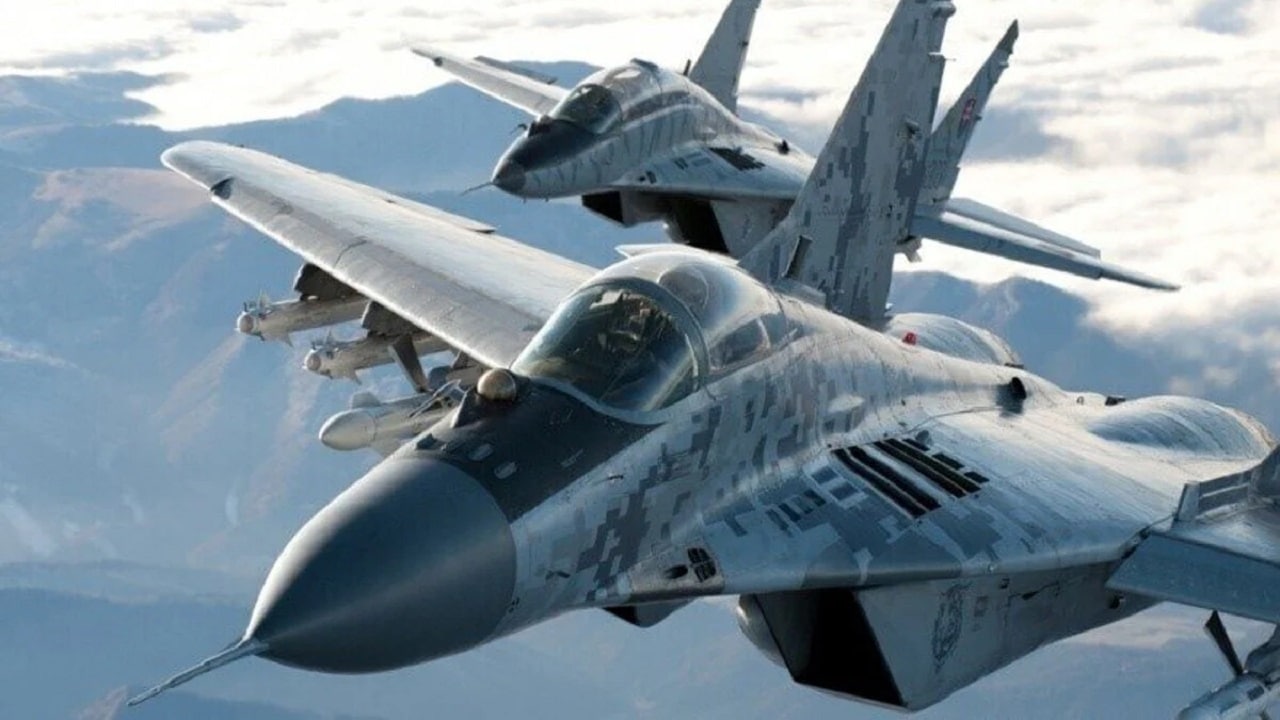
MiG-29. Image Credit: Creative Commons.
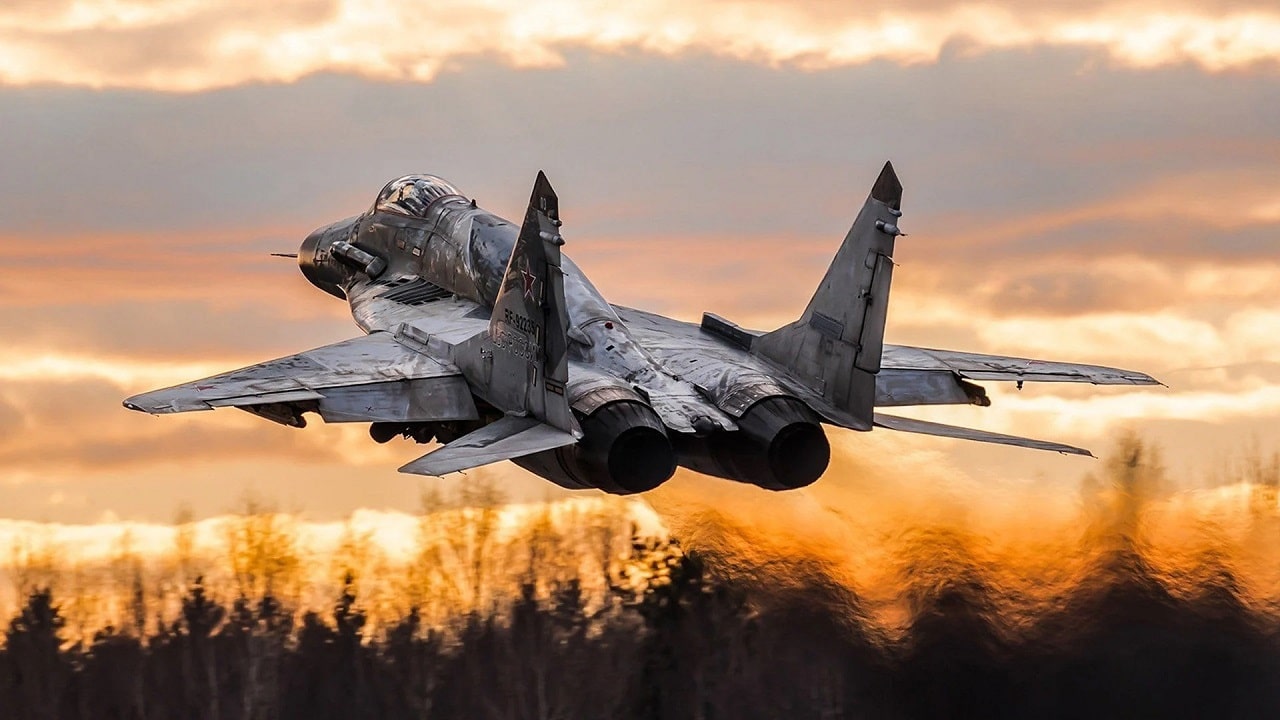
MiG-29 fighter jet. Image Credit: Creative Commons.
During the Cuban Missile Crisis
Cuban airspace was among the most heavily defended in the Western Hemisphere during the Cuban Missile Crisis. In the run-up to that dangerous time, the Soviet Union deployed not only nuclear missiles but a substantial amount of air defenses. SA-2 batteries provided an umbrella of coverage over wide swaths of the island, aided by Soviet radar networks and Soviet personnel. One of those SA-2 batteries shot down an American U-2 spy plane in October 1962, underscoring just how serious Havana took its own defense.
Fast-Forward to Today
In 2026, however, Cuba’s air defense situation is substantially different. Against a concrete American campaign to wrest air superiority from Havana, the island would almost certainly lose control of its airspace quickly.
The United States would very likely bring a wide array of aircraft to bear on the island, including F-35s and F-22s, both fifth-generation stealth aircraft, as well as a multitude of other assets, including electronic warfare platforms, cruise missiles, sucker capabilities, satellites, airborne early warning aircraft, and a robust suppression of enemy air defense operations that Cuba simply would not be able to match.
However, even against the American military colossus, Cuba could still pose a threat, and even dated systems can be dangerous. The 1999 Serbian shoot-down of an F-117 Nighthawk, itself a stealthy fighter, is a pointed example of older Soviet systems used to score hits on a technologically more sophisticated opponent.

F-117 Nighthawk at National Museum of Air Force 19FortyFive Photo
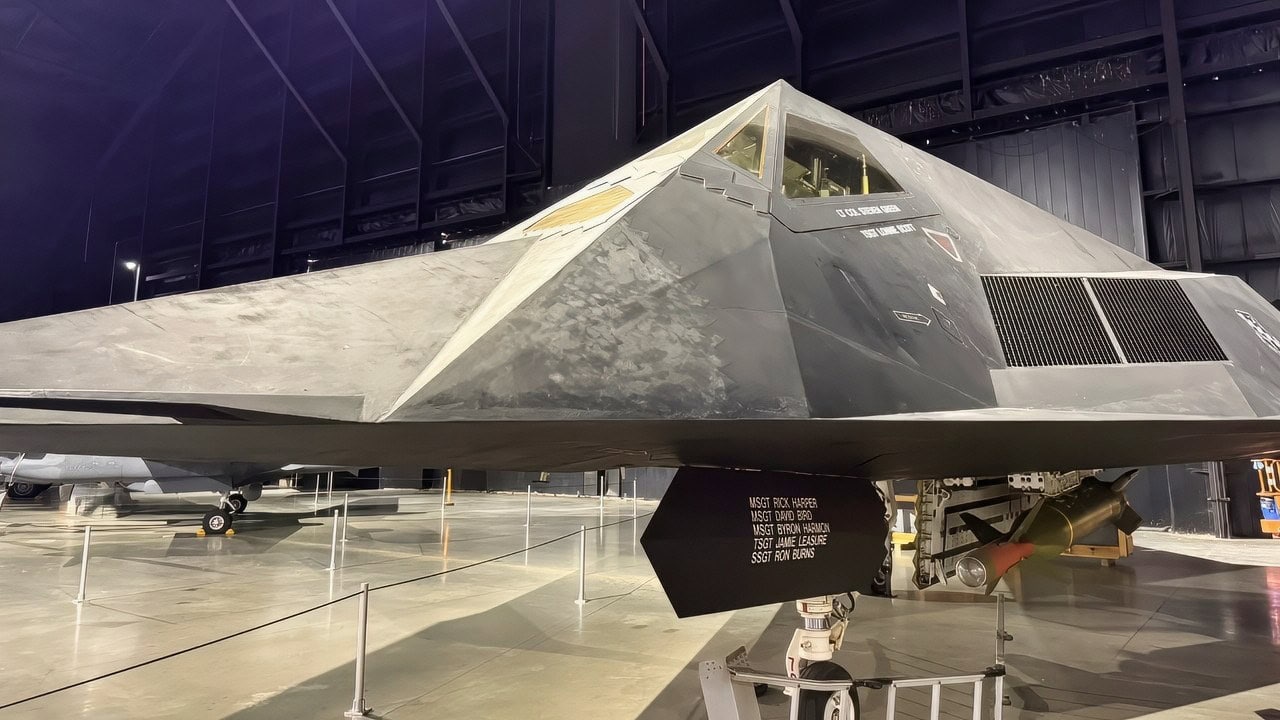
F-117A Nighthawk at USAF Museum. Image taken by 19FortyFive Owner, Harry J. Kazianis.
Though stealth aircraft, particularly B-2 Spirit stealth bombers, would dramatically degrade Cuba’s ability to detect and deter incoming air strikes, dense and overlapped air defenses could still complicate planning for such an operation. Aircraft losses would almost certainly be low, but they might be none.
The Cuban Air Defense Conundrum
The real issue for Cuba’s air defense situation concerns both the depth of its defenses and the ability to sustain them. Modern air defense systems are deeply integrated and rely not just on missiles stacked into batteries but also on resilient communications, sufficient replacement parts, properly trained air defense personnel, and the ability to absorb some losses and still mount a credible, threatening air defense presence.
But the Cuban economy has struggled for years, and is in a particularly painful period thanks to tightened American sanctions against fuel imports, particularly from Venezuela. Maintaining a robust, high-end air defense network is particularly resource-intensive and expensive. Though Cuba can credibly retain elements of its Cold War-era air defense network, replacing losses accrued from combat with the United States would be another matter entirely.
Unlikely Odds
In the face of a serious American air campaign, Cuba could make operations for the United States more complicated and more dangerous, but Havana would be exceedingly unlikely to stop the United States from eventually securing the ability to overfly the island with near-complete impunity.
About the Author: Caleb Larson
Caleb Larson is an American multiformat journalist based in Berlin, Germany. His work covers the intersection of conflict and society, focusing on American foreign policy and European security. He has reported from Germany, Russia, and the United States. Most recently, he covered the war in Ukraine, reporting extensively on the war’s shifting battle lines in the Donbas and writing about its civilian and humanitarian toll. Previously, he worked as a Defense Reporter for POLITICO Europe. You can follow his latest work on X.