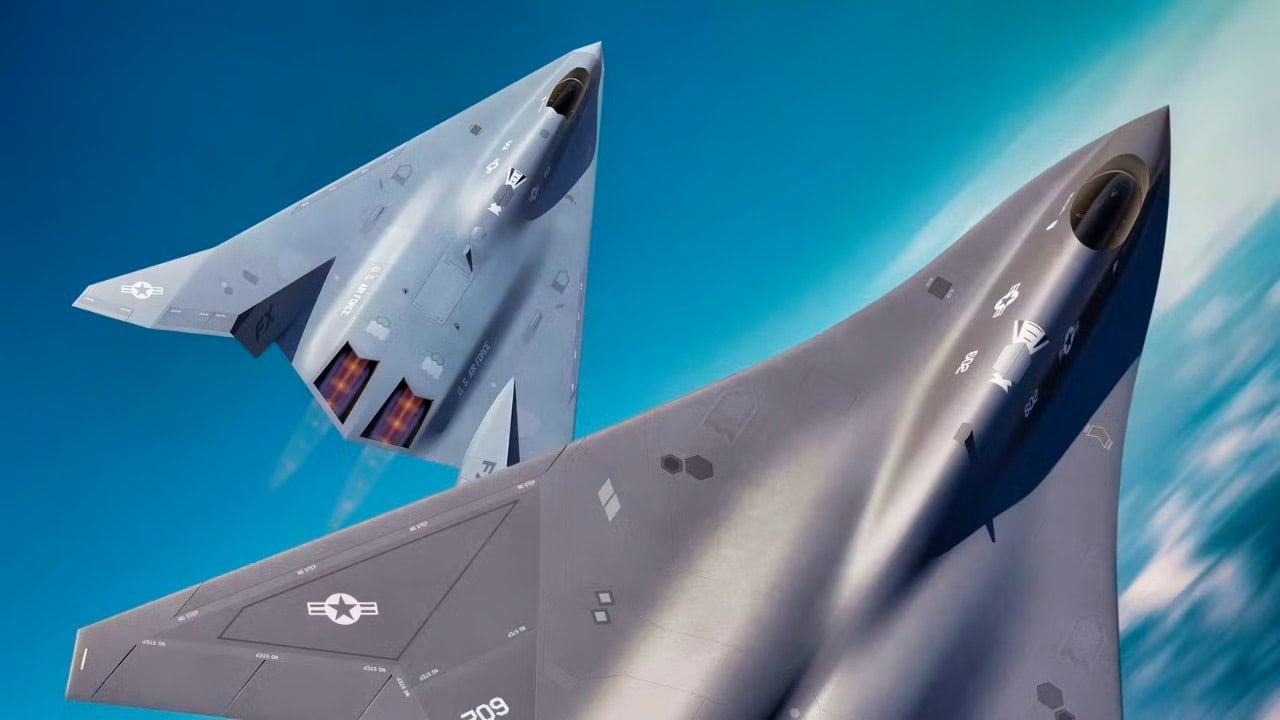
In classic American fashion, math seems to be the major failing of the United States Air Force’s F-47 sixth-generation stealth warplane.
For starters, the plane is highly complex, making it one of the most expensive defense platforms ever built. In fact, at a projected $300 million per airframe, the program seems laughably impractical due to its high cost.
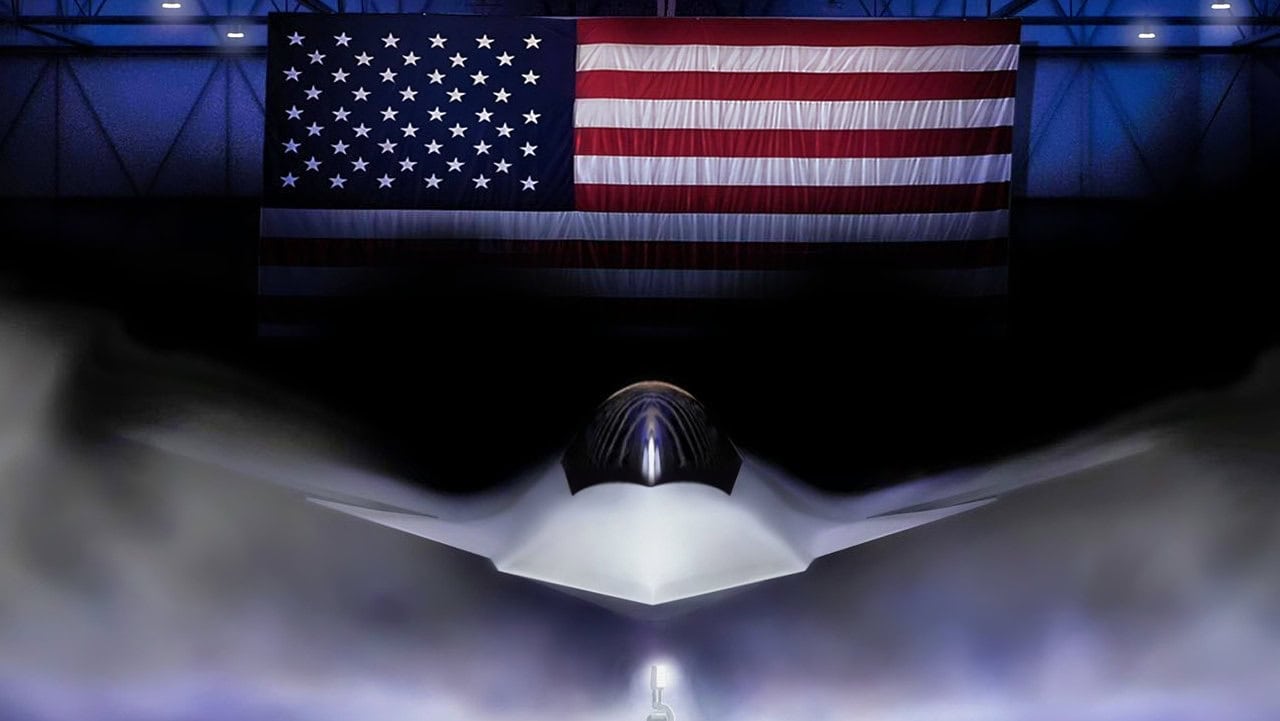
F-47 Fighter from U.S. Air Force.
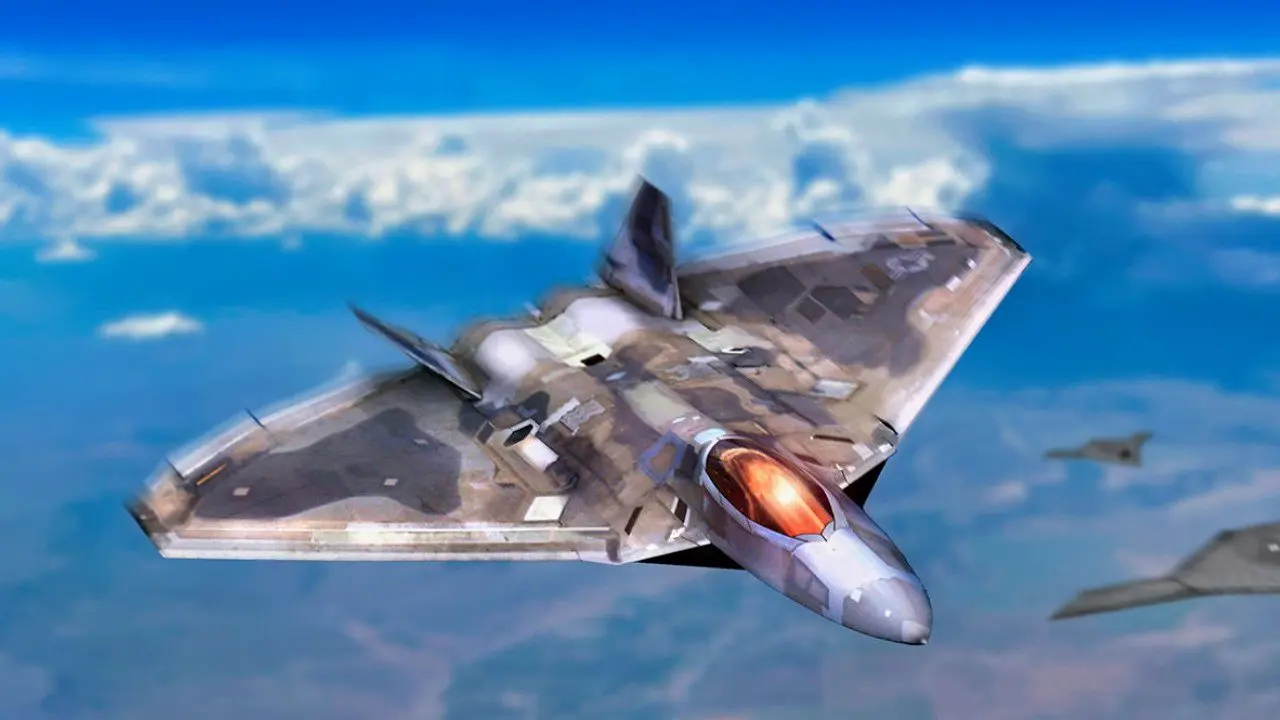
NGAD Fighter. Artist Rendering.
Not Able to Be Produced
The Air Force wants a fleet of 185 to 200 F-47s for the program to be worth it.
And because of the onerous cost and technical complexity, the idea that America’s already strained defense industrial base will be able to produce nearly 200 of these units in a timely fashion seems like a stretch–especially as the United States Armed Forces prepares for a potential war with the People’s Republic of China, the second-largest economy in the world (in GDP terms).
China already possesses well over 300 fifth-generation Chengdu J-20 Mighty Dragon air-superiority warplanes, and that number is growing each year.
China is further developing its other fifth-generation stealth warplane, the J-35. Meanwhile, China has demonstrated two variants of its proposed sixth-generation warplane.
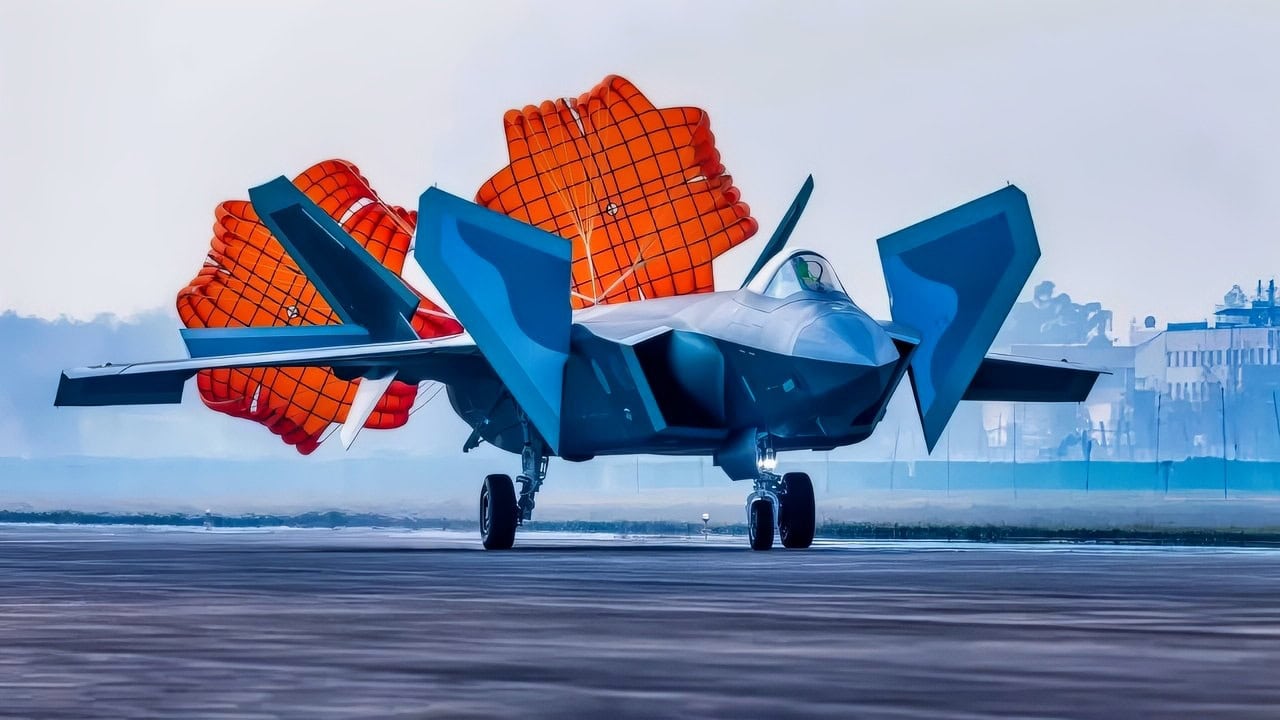
J-20S Fighter from China. Image Credit: Creative Commons.
And with China’s industrial capacity, the idea that the Americans will ever have the scale to match the impressive mix of China’s fifth- and sixth-generation warplanes is prima facie absurd.
Plus, if a real war between the United States and China erupted over, say, Taiwan, attrition rates would severely disfavor the United States.
Whatever force of F-47s (along with the F-22 and F-35) would likely be insufficient to endure a long war against China.
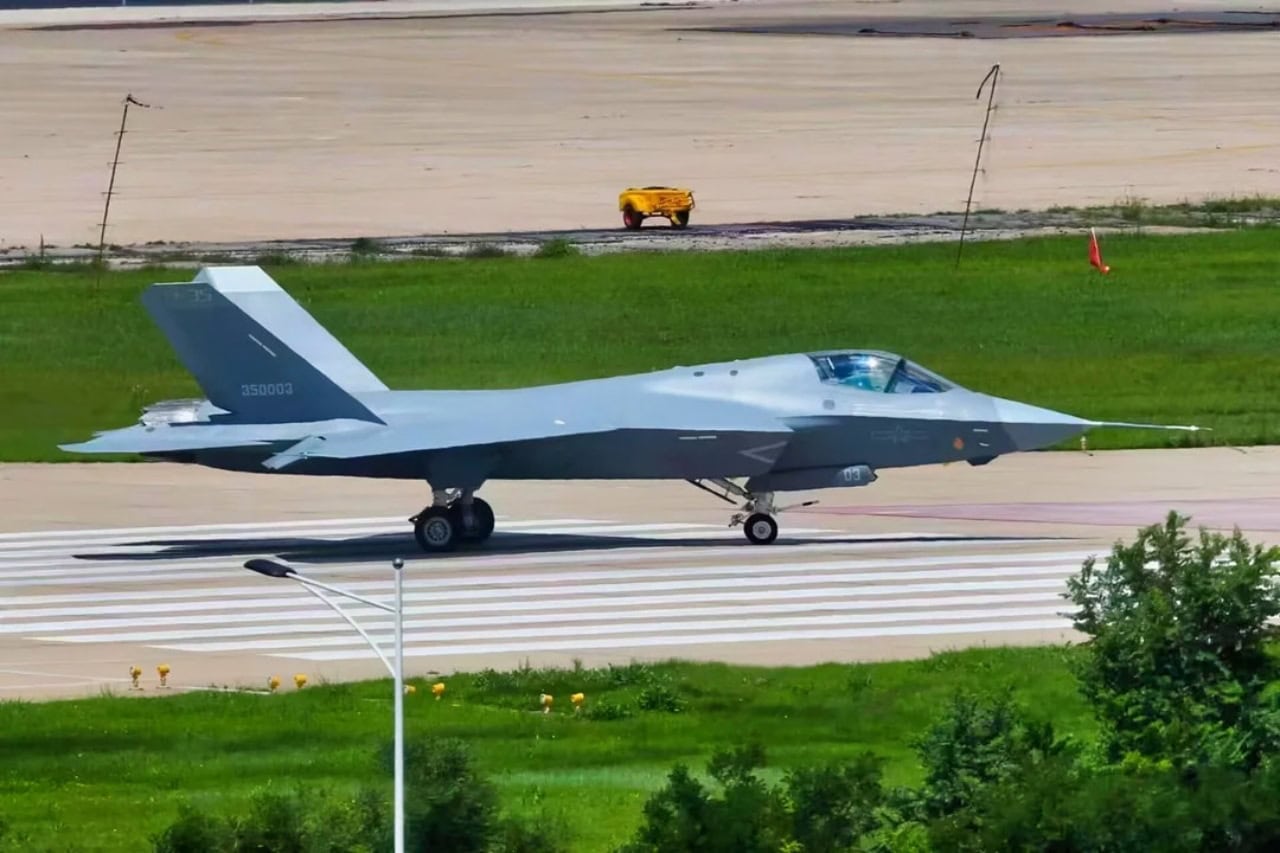
J-35 Fighter. Image Credit: Chinese Internet.
Sure, the initial force of these planes (which would be much smaller than the Pentagon intends) might pack a punch at the start of the war. But China has mass.
And that mass can outnumber the American planes. Once those American systems are destroyed or damaged, the United States will struggle to replace them.
China Has Mass
China, on the other hand, will have little difficulty replacing whatever advanced systems it damages or destroys in war.
Any American air group attacking China employs a much smaller number of F-47s than what the Pentagon desires, along with the finite numbers of F-22s and minimally combat-ready F-35s, and they’d need a substantial number of long-range stealth bombers, like the B-2 Spirit and its proposed replacement, the B-21 Raider, to conduct the strikes effectively.
In the case of both the B-2 and certainly the B-21, the Americans lack sufficient numbers of those planes for sustaining a conflict with China near their own territory.
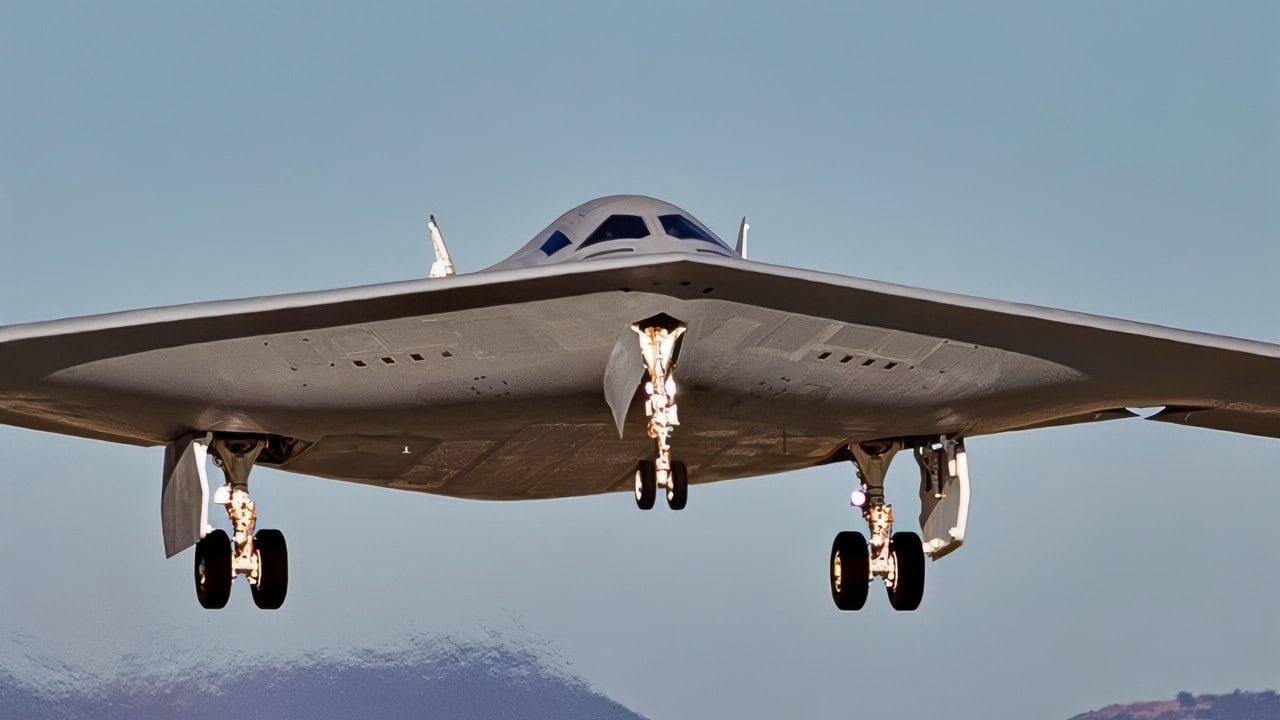
A second B-21 Raider test aircraft takes off, Sept. 11, from Palmdale, Calif., to join the Air Force’s flight test campaign at Edwards Air Force Base, Calif. The addition of the second test aircraft expands mission systems and weapons integration testing, advancing the program toward operational readiness. (Courtesy photo)
Can Drones Make Up the Difference?
The Air Force knows it lacks sufficient numbers of these advanced airframes across the board. So, the Air Force is looking to make up the difference with drones through the “Loyal Wingman” program.
The F-47 will be capable of piloting a swarm of advanced Collaborative Combat Aircraft (CCA). In fact, the Air Force wants more than 1,000 of these drone “loyal wingmen” to amplify firepower, defend the expensive F-47 from incoming attacks, and perform decoy operations.
While it’s unlikely the F-47 will ever reach that nearly 200-unit force level the Air Force intends (at least not anytime soon), possessing a force of CCA drones might be the force multiplier the Air Force wants.
At the same time, China is also developing its own “Loyal Wingman” system. And Beijing has already demonstrated a strong ability to outproduce the West in drone production.
What’s more, China’s drones are cheaper and more numerous than American systems.
Even with whatever few F-47s are produced if a Sino-American War erupts, and even as the US sends F-22s and F-35s to back up the F-47 and the drones, China will still outmatch that force in terms of numbers.
The F-47 Will Never Deliver Because It Lacks Sufficient Numbers
The bottom line is this: the United States has spent the last 40 years deindustrializing to the point that it simply cannot produce the weapons and platforms it needs to fight a peer rival like China in any meaningful way.
To compound these industrial problems, the Pentagon keeps building increasingly complex, expensive platforms that will never reach the production level required for these systems to be worth the investment.
On the other hand, China has both scale and increasingly advanced platforms, such as the J-20 or even the J-36 sixth-generation warplane prototype.
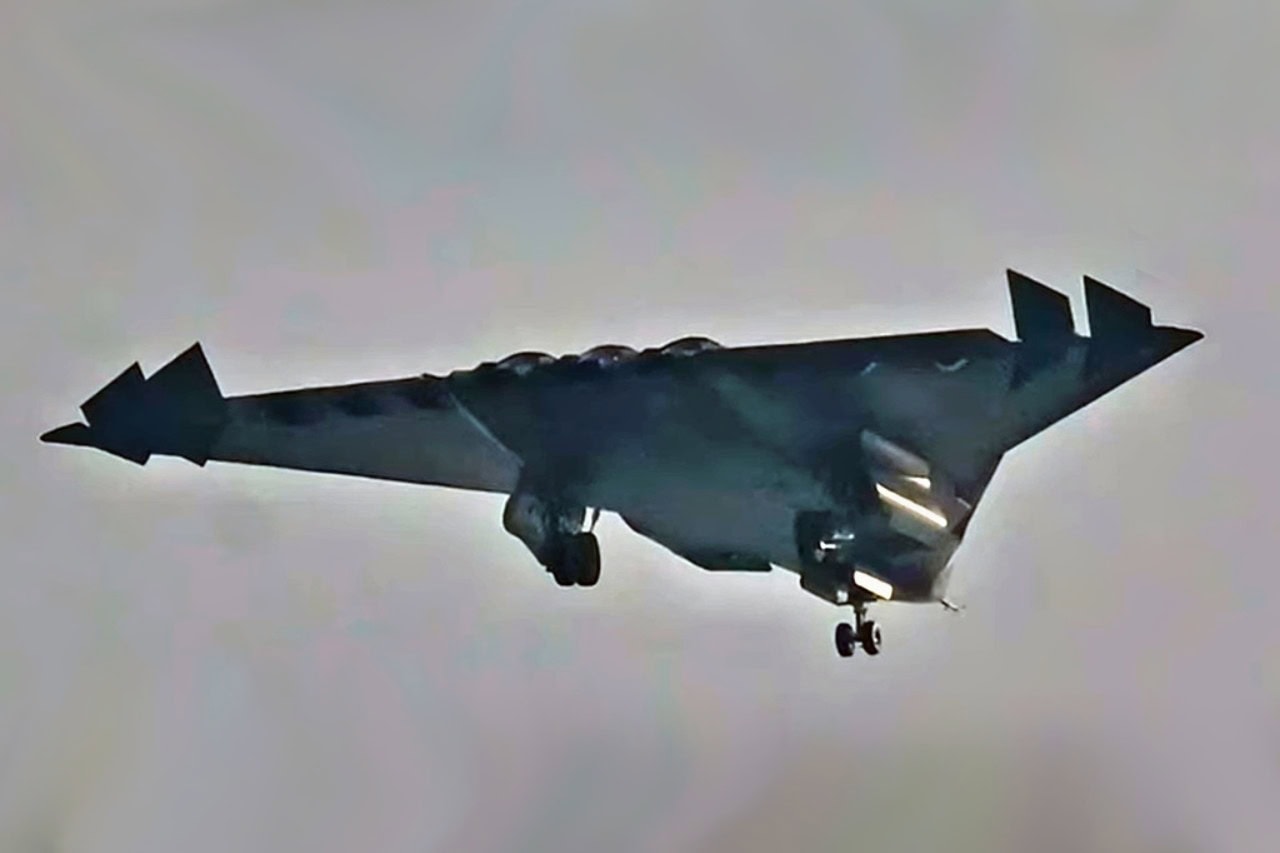
J-36 Fighter from China. Image Credit: Creative Commons.
America’s future force problem (which is becoming a problem much sooner than Washington realizes) is less a result of bad technology and more of a math problem.
America cannot produce these complicated systems in abundance when faced with an enemy that does possess advanced systems in large numbers–and can easily replace and expand those numbers on a whim–meaning the United States is at a severe disadvantage when it comes to great power competition.
The F-47 is not helpful if it is too expensive and America’s defense industrial base is too inefficient to produce the plane in sufficient numbers.
About the Author: Brandon J. Weichert
Brandon J. Weichert is the Senior National Security Editor at 19FortyFive.com. He also manages The Weichert Brief on Substack. Weichert also hosts “National Security Talk” on Rumble. He is the author of four bestselling national security books, the most recent of which is A Disaster of Our Own Making: How the West Lost Ukraine (Encounter Books). Follow him via Twitter/X @WeTheBrandon.