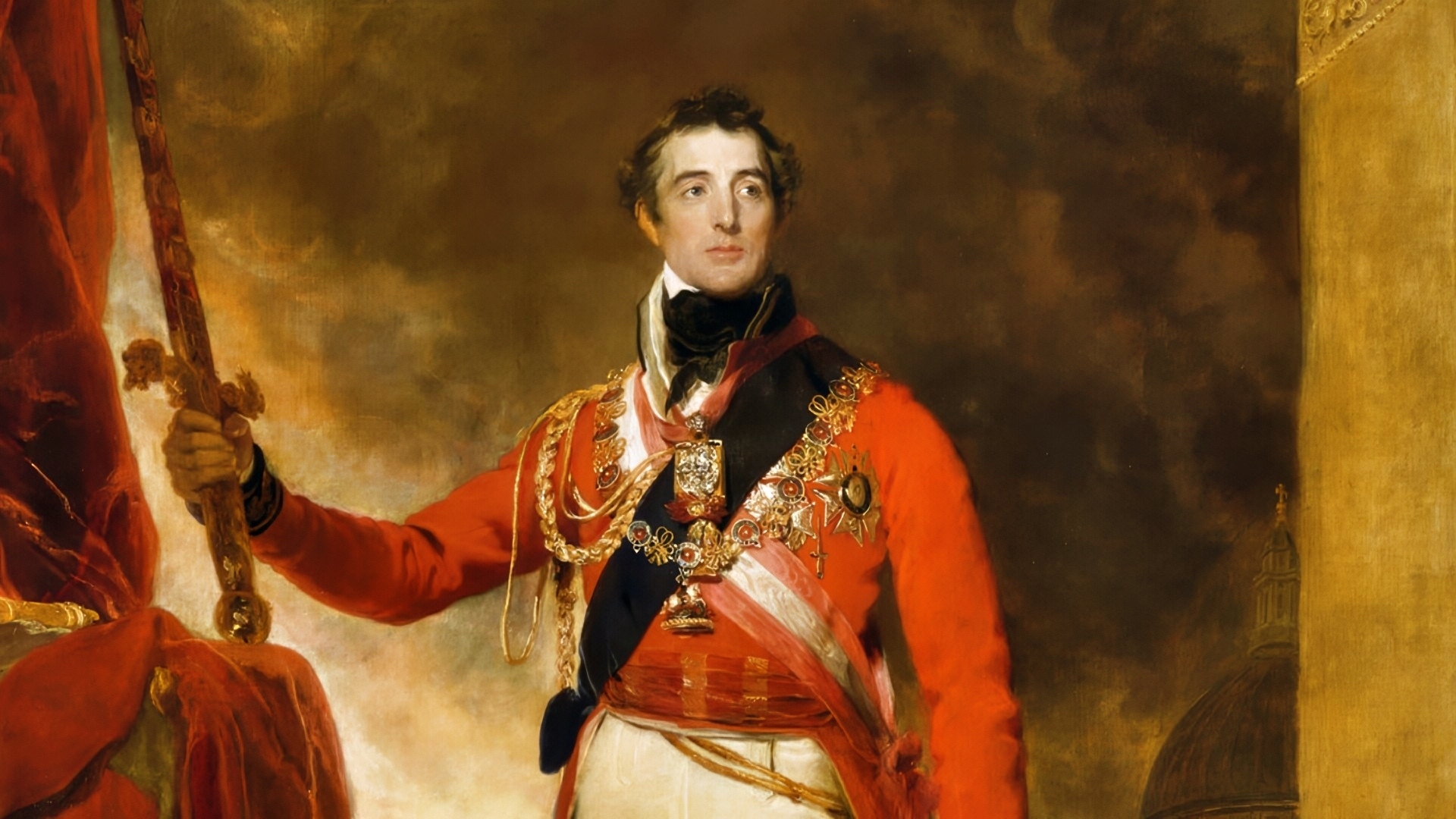
“The whole art of war consists in getting at what is on the other side of the hill,” Arthur Wellesley, Duke of Wellington, once said. The Duke of Wellington’s famous observation sums up a problem that shaped his military career — that commanders must make decisions even when they don’t have all the information they would like about their enemies.
It’s a familiar quotation to many today, but it appears to be a shortened version of a longer statement recorded toward the end of Wellington’s life.
According to The Croker Papers, the collected correspondence, diaries, and writings of British politician and author John Wilson Croker, he once discussed the subject with the author and his wife on September 4, 1852.
“All the business of war, and indeed all the business of life, is to endeavor to find out what you don’t know by what you do; that’s what I called ‘guessing what was at the other side of the hill,’” Wellington said.
He described that process as effectively guessing what is on the other side of the hill.
The History Behind the Quote
That conversation took place only ten days before Wellington died. That meant the comment was based on years of assessing his own life and his political and military experience. The account from Croker was published in 1884, some 30 years later.
The popular version of the quote changes the wording somewhat, but it retains the point that Wellington made – that before aircraft or electronic surveillance, a hill could physically prevent commanders from being able to observe an enemy’s formation.
They depended entirely on cavalry patrols and local informants, or perhaps intercepted messages and reports, to know what the enemy may have been preparing on the other side.
Guessing didn’t mean blindly choosing, either.
Wellington was describing the process of using obtained information to infer what was hidden and to make the best guess or judgment based on whatever information was available.
His reputation was built in part on his ability to assemble those fragments of information before he committed his army to a tactic or an advance.
Wellington In India
Arthur Wellesley was born in Dublin, Ireland, on May 1, 1769.
He was born into an Anglo-Irish aristocratic family.
He joined the British Army in 1787.
His career as a commander began to move quickly after he went to India in 1796.
After British forces defeated Tipu Sultan in 1799, the Indian ruler of the Kingdom of Mysore, Wellesley was appointed governor of Seringapatam and Mysore.
The job was demanding, requiring him to maintain order and organize supplies while gathering information about armed groups operating throughout the region.
In 1800, he led a campaign against the rebel leader Dhoondiah Waugh.
Using reports from scouts and local officials tracking Dhoondiah’s movements, he was able to defeat his force at Conaghul.
Then, he commanded troops against the Maratha Confederacy at Assaye on September 23, 1803.
He used intelligence on his enemy’s location, but it proved inaccurate, leaving him facing a much larger force than he had anticipated.
Wellesley ultimately attacked and won, though his army suffered extensive casualties.
The battle proved just how important good information was — because a commander who misunderstood what they were facing would put their entire force in danger.
The Peninsular War
In 1809, Wellesley returned to Portugal, where he would command British and Portuguese forces against Napoleon’s armies.

Napoleon with the Crown. Image Credit: Creative Commons.
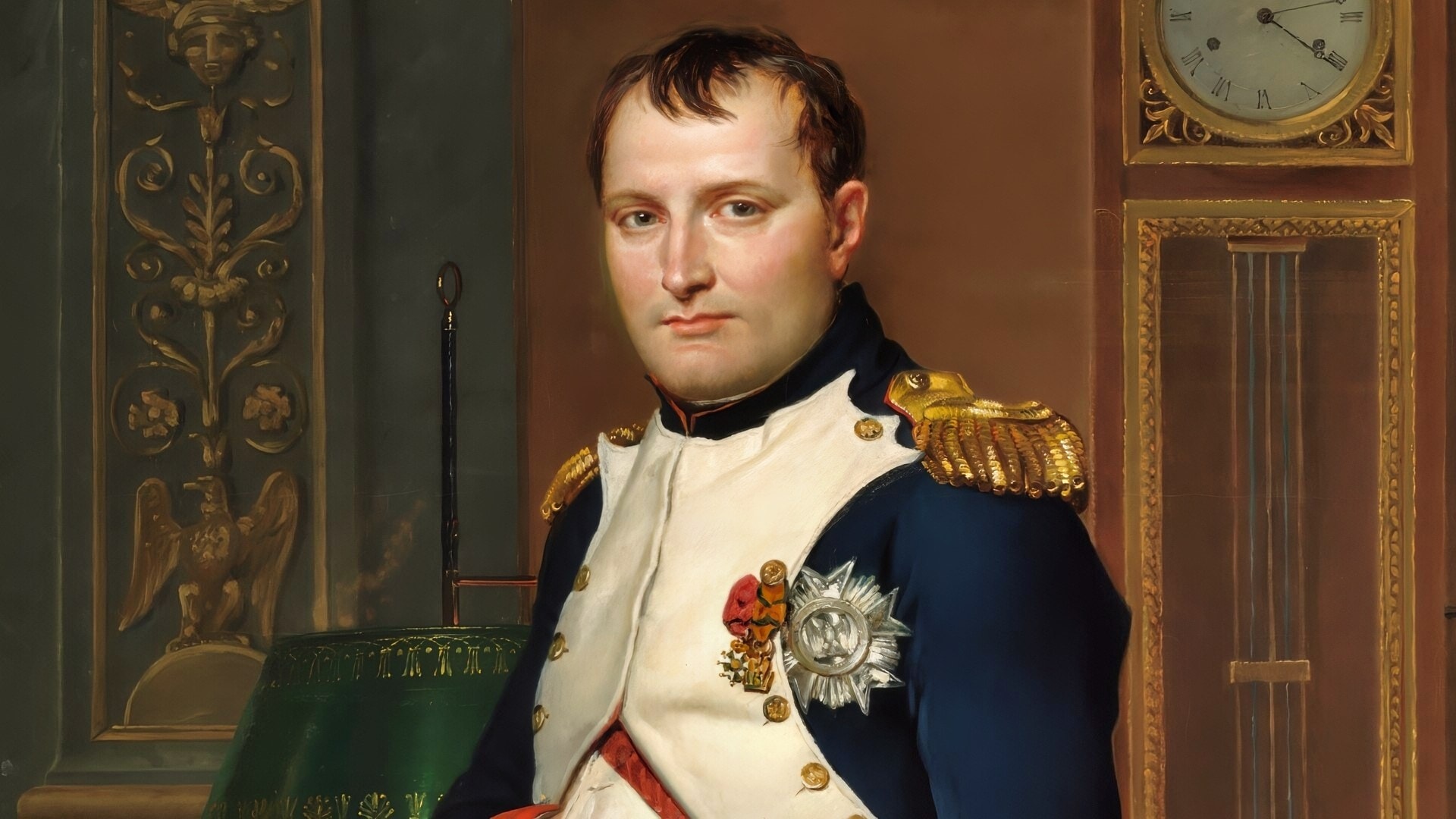
Napoleon Painting Creative Commons Image
There, he established networks of scouts and local agents who worked alongside Spanish guerrillas and reported on French movements and the size of troop formations.
He also spent time studying the roads and supply routes, allowing him to judge appropriate advances.
When Marshal André Masséna invaded Portugal in 1810, Wellington withdrew behind the Lines of Torres Vedras near Lisbon.
There, the French found defenses they had not anticipated and little food in the surrounding countryside. Masséna eventually retreated.
In July 1812 at Salamanca, Wellington also saw that Marshal Auguste de Marmont had stretched the French line way too far while attempting to outflank him – so Wellington attacked the exposed formations and secured a victory that allowed his army to enter Madrid.
He had, at this point, mastered the use of intelligence to make calculated decisions in war.
Waterloo and His Final Years
During the Battle of Waterloo on June 18, 1815, Wellington positioned much of his infantry behind the Mont-Saint-Jean ridge.
This limited Napoleon’s ability to see his deployment and protect his troops from French artillery fire.
But his army held until Prussian forces arrived and attacked Napoleon’s flank.
The French had been defeated, and Napoleon’s return to power came to an end.
Later, Wellington would serve as the British prime minister between 1828 and 1830. He briefly served again in 1834. He remained the commander-in-chief of the British Army until his death on September 14, 1852.
About the Author: Jack Buckby
Jack Buckby is a British researcher and analyst specializing in defense and national security, based in New York. His work focuses on military capability, procurement, and strategic competition, producing and editing analysis for policy and defense audiences. He brings extensive editorial experience, with a career output spanning over 1,000 articles at 19FortyFive and National Security Journal, and has previously authored books and papers on extremism and deradicalization.