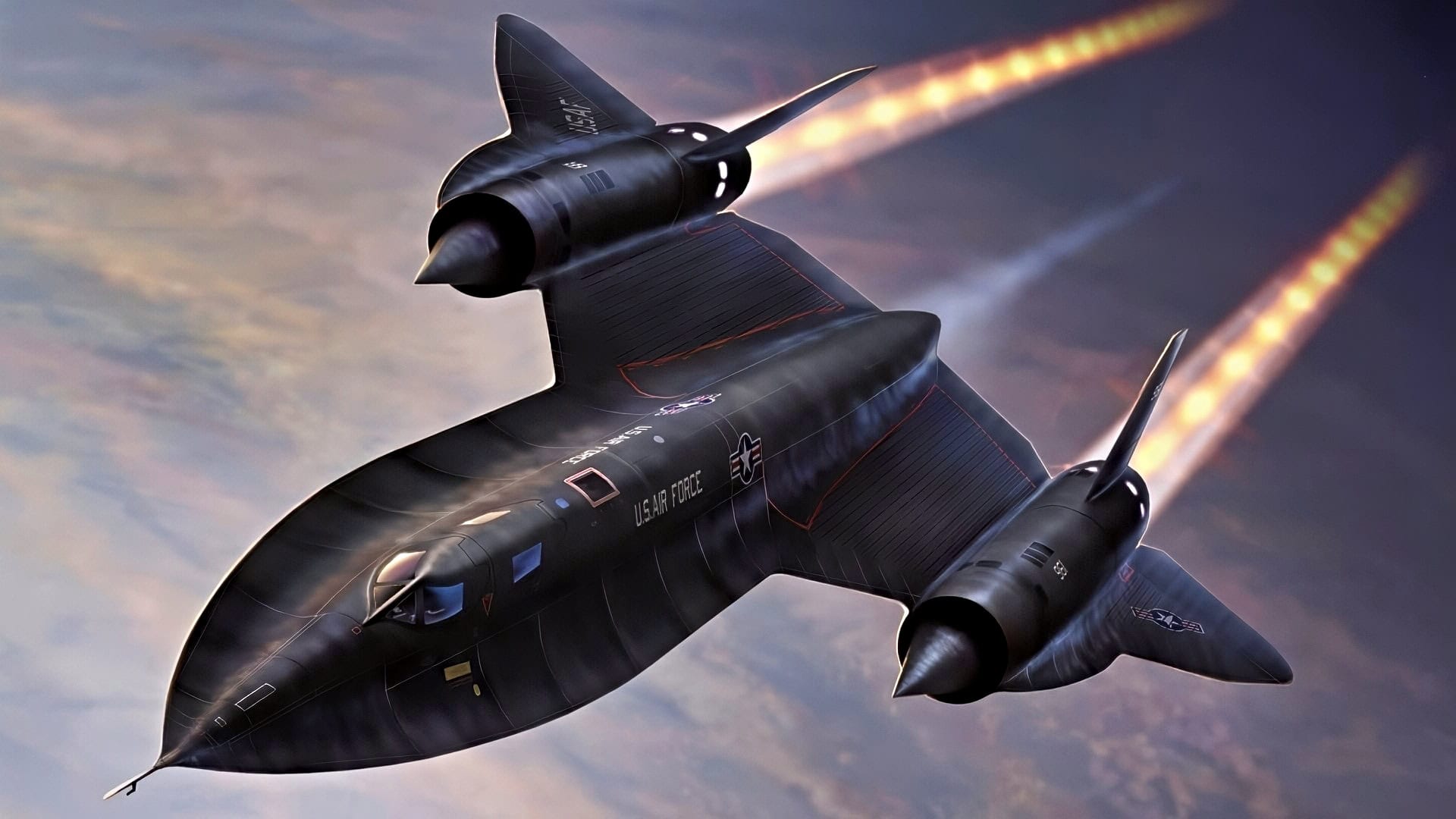
Summary and Key Points: Brandon J. Weichert profiles the Lockheed YF-12A, Kelly Johnson’s Project Kedlock interceptor built on the A-12 Oxcart after the XF-108 Rapier’s 1959 cancellation: two crew, Hughes AN/ASG-18 pulse-Doppler radar, 100-mile-range AIM-47A Falcon missiles, two 32,500-pound-thrust J58s, records of 2,070.101 mph and 80,257.65 feet on May 1, 1965, and a Mach 3.2 shot from 75,000 feet that hit a QB-47 drone at 500 feet.
The YF-12A Could Have Been the SR-71-style Plane to Strike Nuclear Bombers
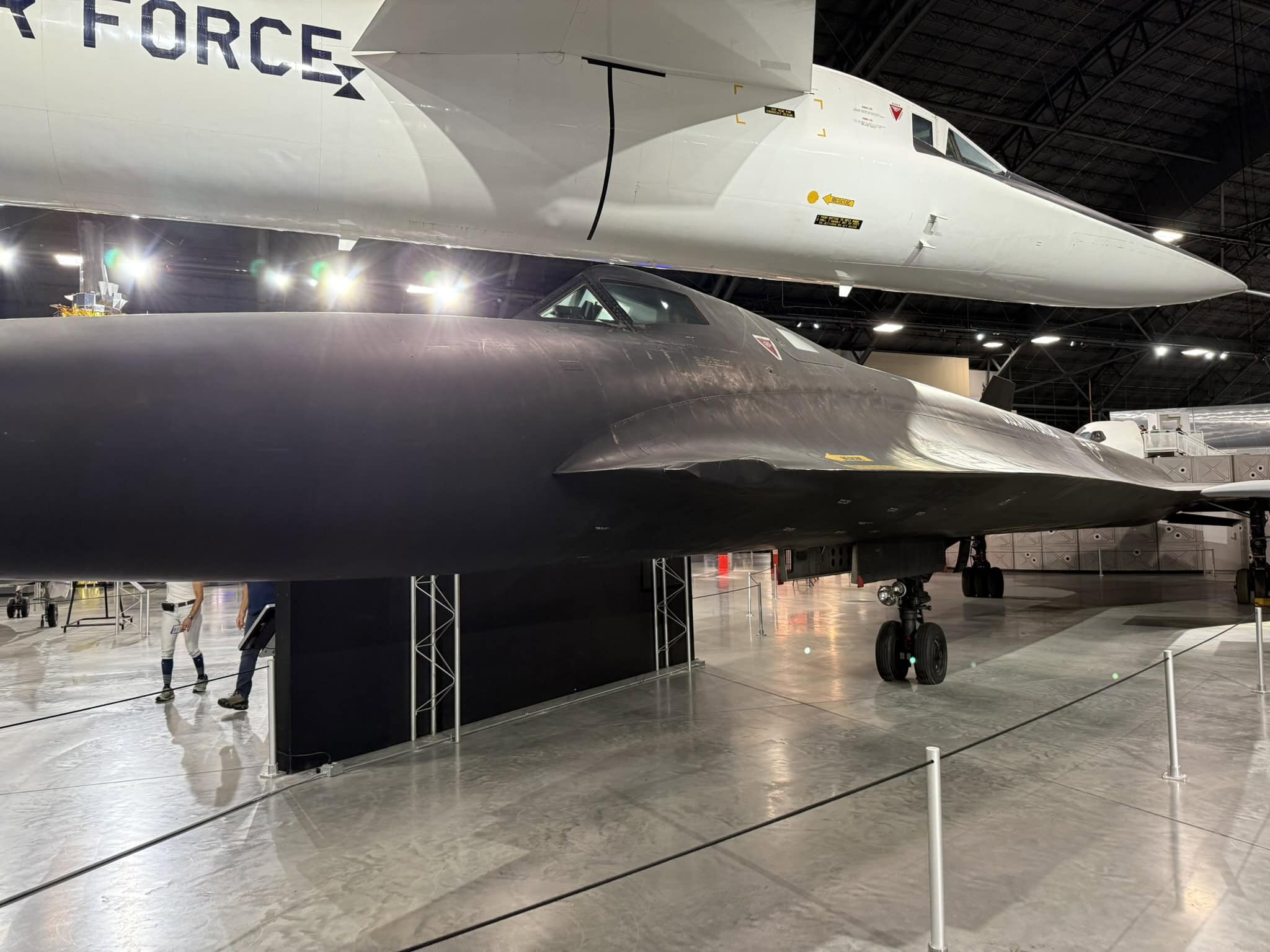
YF-12A. Image taken by Harry J. Kazianis at National Museum of the Air Force for 19FortyFive.com
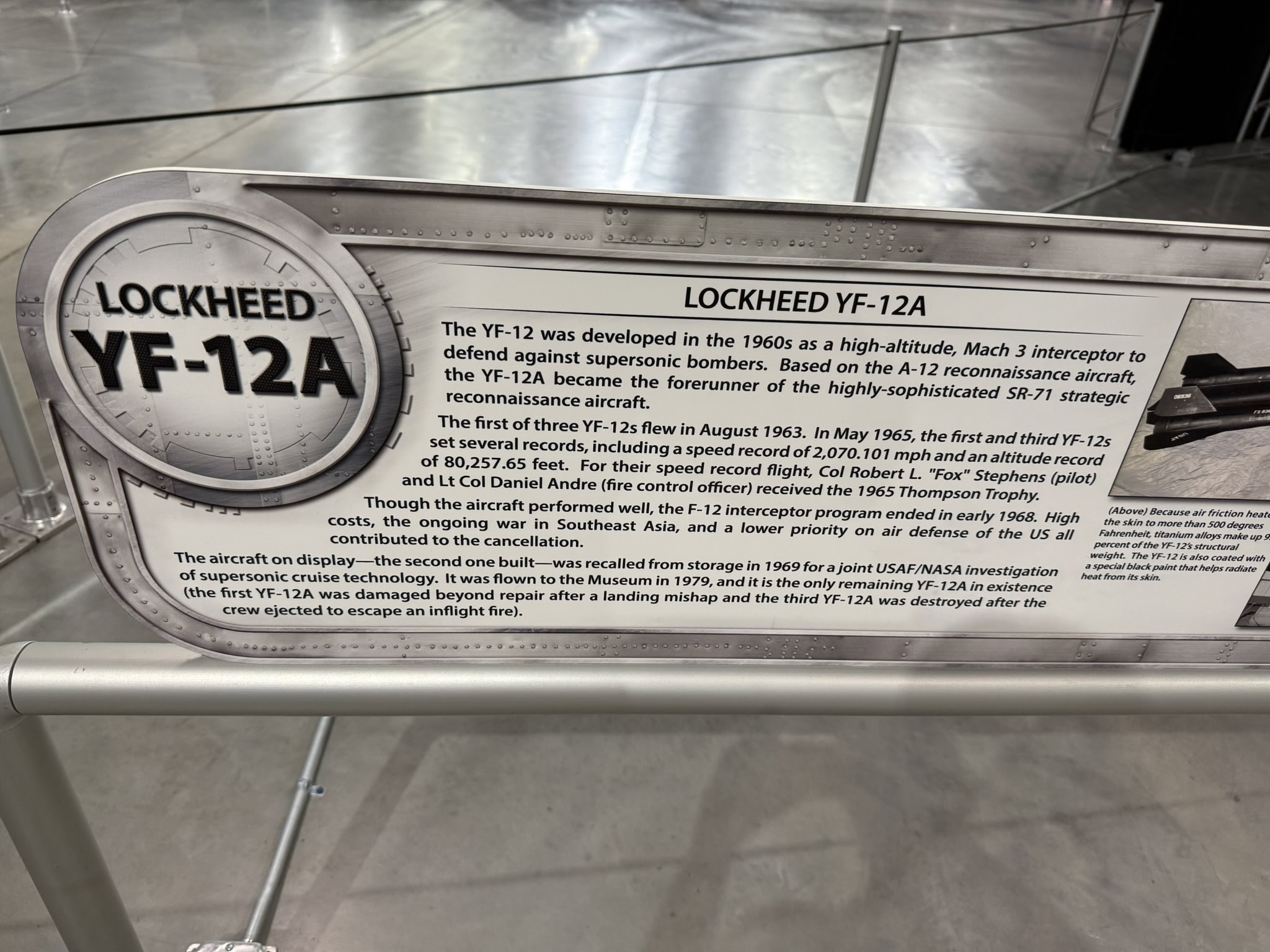
YF-12A. Image taken by Harry J. Kazianis at National Museum of the Air Force for 19FortyFive.com
The Lockheed YF-12A was designed to fly faster than Mach 3 and engage Soviet bombers at extraordinary distances.
This impressive experimental aircraft combined the Blackbird family’s speed and altitude capabilities with advanced radar and long-range air-to-air missiles.
The great Clarence “Kelly” Johnson of Lockheed’s legendary Skunk Works division created the plane. In March 1960, Johnson met with Air Force Gen. Howell M. Estes, Jr., to discuss converting the A-12 Oxcart (the CIA variant of what is better known as the SR-71 Blackbird) into a long-range interceptor.
The System
This system would have intercepted Soviet bombers approaching North American airspace. The US Air Force had previously pursued the North American XF-108 Rapier, a proposed Mach 3 interceptor that was canceled in 1959 because of its projected costs and changing strategic requirements.
Under the classified “Kedlock Program,” Lockheed developed three YF-12A prototypes. The A-12 was a single-seat plane. But the YF-12 had a two-person crew: a pilot and a weapons-control officer. The fuselage was also modified to better accommodate the Hughes AN/ASG-18 fire-control radar, and internal weapons bays were designed to carry AIM-47A Falcon missiles.
At 101 feet long, with a 55-foot-7-inch wingspan and two Pratt & Whitney J58 turbojet engines, each capable of producing about 32,500 pounds of thrust (with afterburner), this plane was pushed to speeds exceeding Mach 3. Meanwhile, this bird could operate above 80,000 feet.
On May 1, 1965, the YF-12A set an absolute speed record of 2,070.101 miles per hour and a sustained horizontal flight altitude record of 80,257.65 feet.
That’s astounding for a 1960s plane. Lockheed achieved these feats regularly throughout the mid-twentieth century with these systems.
The YF-12 became one of the fastest and highest-flying armed aircraft ever made.
Lockheed armed the YF-12A with the AIM-47A Falcon, which paired perfectly with the aforementioned AN/ASG-18 fire-control radar, providing pulse-Doppler technology that let the YF-12 distinguish moving aircraft from background radar returns.
Engineers designed it for the canceled F-108 program and later shifted it to the YF-12A. The AIM-47A had a range of more than 100 miles.
Meanwhile, the missile had radar guidance that was meant to take down high-speed Soviet bombers before they could release their nukes against US targets.
By pairing the AIM-47A missiles with the onboard Hughes AN/ASG-18 fire-control radar using pulse-Doppler tech, Lockheed gave its interceptors a critical advantage against Soviet attackers.
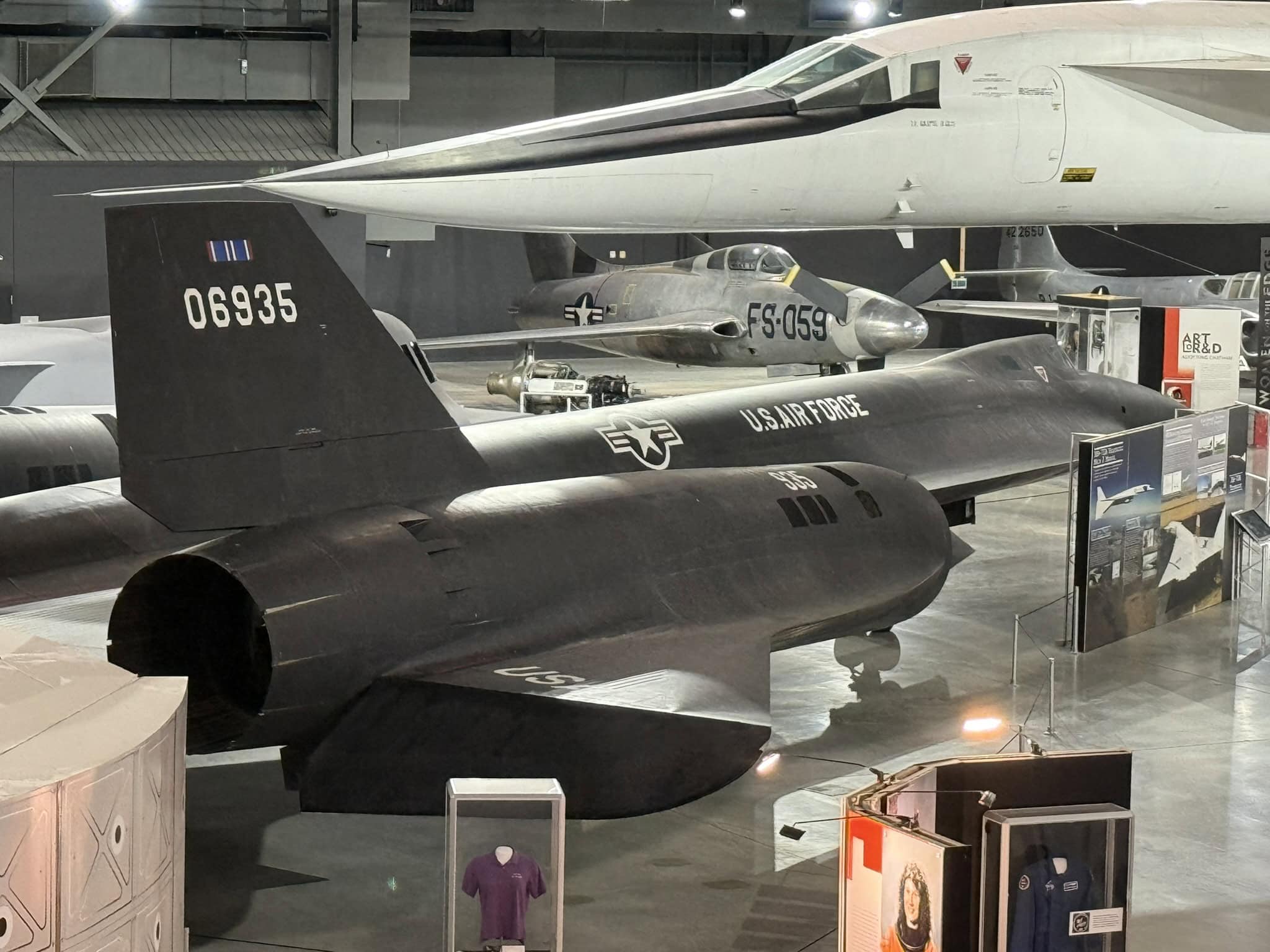
YF-12A. 19FortyFive.com Image from National Museum of the U.S. Air Force.
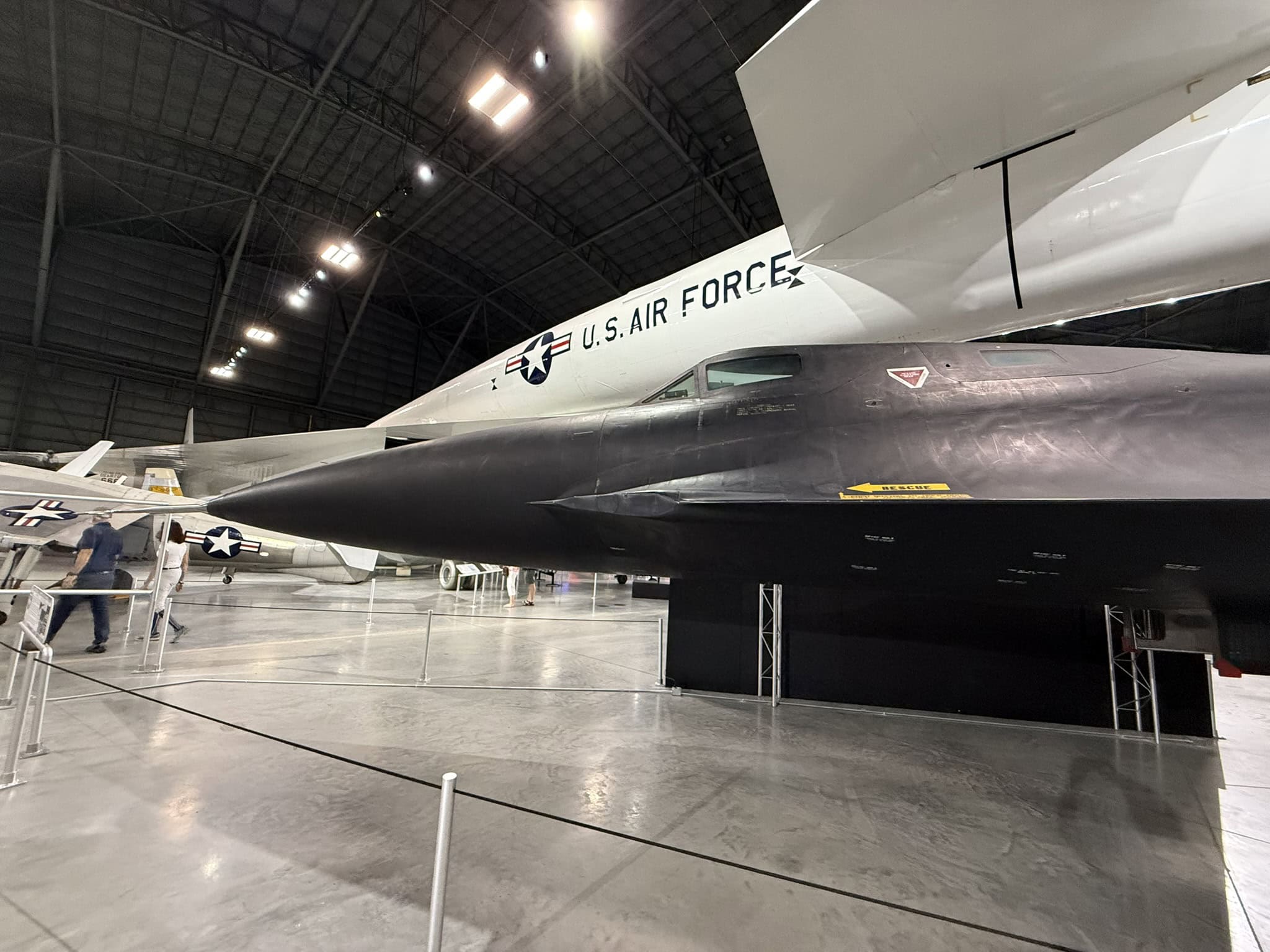
YF-12A. 19FortyFive.com Image from National Museum of the U.S. Air Force.
Conventional airborne radar systems could sometimes confuse moving targets with reflections from the Earth’s surface (it was the 1960s, after all).
The YF-12’s radar was essential to give pilots and their weapons control officers critical early advantages in any engagement against incoming Soviet nuclear bombers.
Plus, pairing that capability with the AIM-47A missile, while closing on Red nuclear bombers at speeds exceeding Mach 3 and altitudes above 80,000 feet, created a truly lethal combination.
Demonstrated Success
When the YF-12A tested these capabilities at the Eglin Air Force Base test range in Florida, it traveled at around Mach 3.2 and 75,000 feet.
The plane targeted a Boeing QB-47 drone (a converted B-47 Stratojet bomber) operating just 500 feet above the surface.
The math says the altitude difference was 74,500 feet (14.1 miles).
The YF-12A acquired the QB-47 drone at a horizontal distance of more than 100 miles.
The missile was then launched when the range closed to around 50 miles.
According to an Aviation Geek Monthly account, an online trade publication, the missile hit three feet from the QB-47’s left horizontal stabilizer.
That incredible capability was demonstrated six times more between March 1965 and September 1966 (with a seventh demonstration failing to hit the intended target from over the horizon).
Diminishing Returns
By the time the Air Force would have received the YF-12A (which they were planning to designate the F-12B), the Vietnam War was in full swing.
The Air Force’s needs shifted drastically from continental interceptor defense missions targeting incoming Soviet nuclear bombers to strategic bombing.
What’s more, both the United States and the Soviet Union had made significant gains in their intercontinental ballistic missile (ICBM) programs, meaning the YF-12As would have been little more than useful for missile defense.
Only three YF-12As were ever made.
Eventually, NASA and the Air Force used the YF-12 to test high-speed aerodynamics, propulsion, and other key aspects of supersonic flight.
At the time, the United States sought to expand its supersonic flight capabilities.
The Supersonic Transport (SST) program was in full swing at NASA, and the nation seemed on the brink of a total supersonic transportation revolution. But, of course, that never came to fruition.
The YF-12 program’s technology and lessons learned were invaluable.
Indeed, NASA today is looking to restore one of the YF-12’s siblings, an SR-71 Blackbird, to run supersonic flight tests.
Nevertheless, the Air Force was very close to building a serious nuclear bomber killer in the form of the YF-12A.
About the Author: Brandon J. Weichert
Brandon J. Weichert is the Senior National Security Editor at 19FortyFive.com. He also manages The Weichert Brief on Substack. Weichert is the co-host for The Mario Nawfal Show on Twitter/X. He is the author of four bestselling national security books, most recently A Disaster of Our Own Making: How the West Lost Ukraine (Encounter Books). His next book, Fortress Americas: A New Monroe Doctrine (Tucker Carlson Books), is due out December 8. Follow him via Twitter/X @WeTheBrandon.