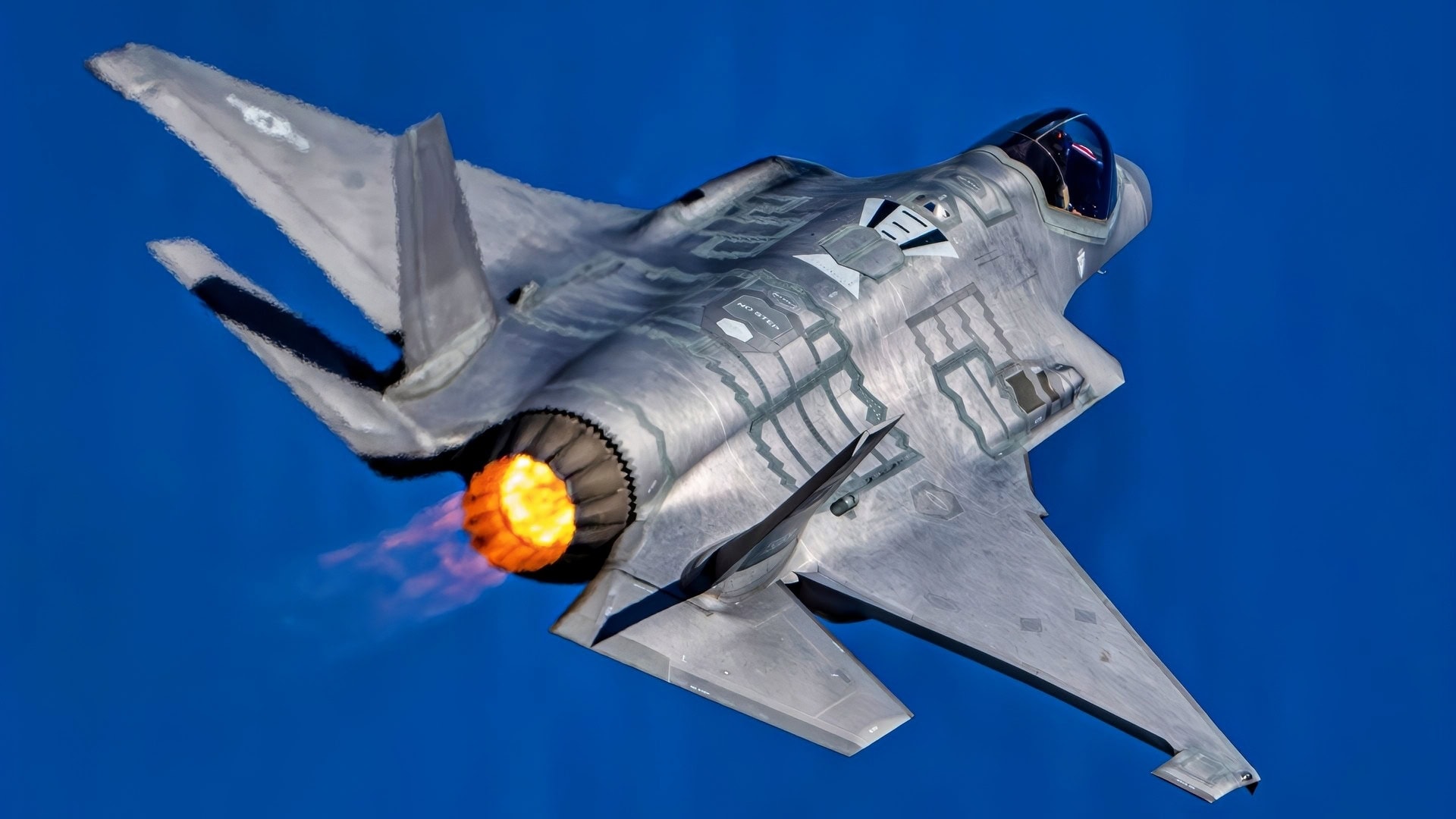
Summary and Key Points: Expert Caleb Larson reports Lockheed Martin CEO Jim Taiclet’s earnings-call pitch to keep the F-35 the “most numerous, most important” US fighter for the next decade and, having lost the F-47 and F/A-XX to Boeing, use Skunk Works to add sixth-generation sensors, distributed aperture systems, data links and beyond-line-of-sight capability, reaching 80 percent of a clean-sheet fighter at 50 percent of the cost under a new 10-year Pentagon deal covering 850 US airframes plus allied jets. Yes, the ‘Ferrari’ F-35 is possible.
A New Version of the F-35 by Lockheed Martin?
Lockheed Martin has previously suggested it could expand the F-35 Joint Strike Fighter’s capabilities and bring the fighter more in line with the crop of sixth-generation fighters that will enter service with the United States—and still thinks it’s possible. Yes, we are talking about what many have called the Ferrari F-35 fighter concept.
Speaking to investors last week during a quarterly earnings call ahead of this week’s public earnings release, Lockheed CEO Jim Taiclet said his company can ensure the F-35 keeps pace with evolving threats and remains combat-relevant for years to come.
“We have kind of locked in the F-35 as the… most numerous, most important fighter aircraft at scale in the U.S. inventory for the next 10 years,” Taiclet reportedly said during the earnings call. “We want to make sure that the F-35, which is going to be the bulk of the air combat power — especially in air-to-ground missions — that the F-35 be stabilized as a program for a long period of time to make it more efficient and also more effective,” he added.
The Pentagon and Lockheed Martin signed an agreement covering the next decade of F-35 production, including 850 airframes for the United States military and additional aircraft for friendly or allied foreign governments. The deal also covers spare parts.
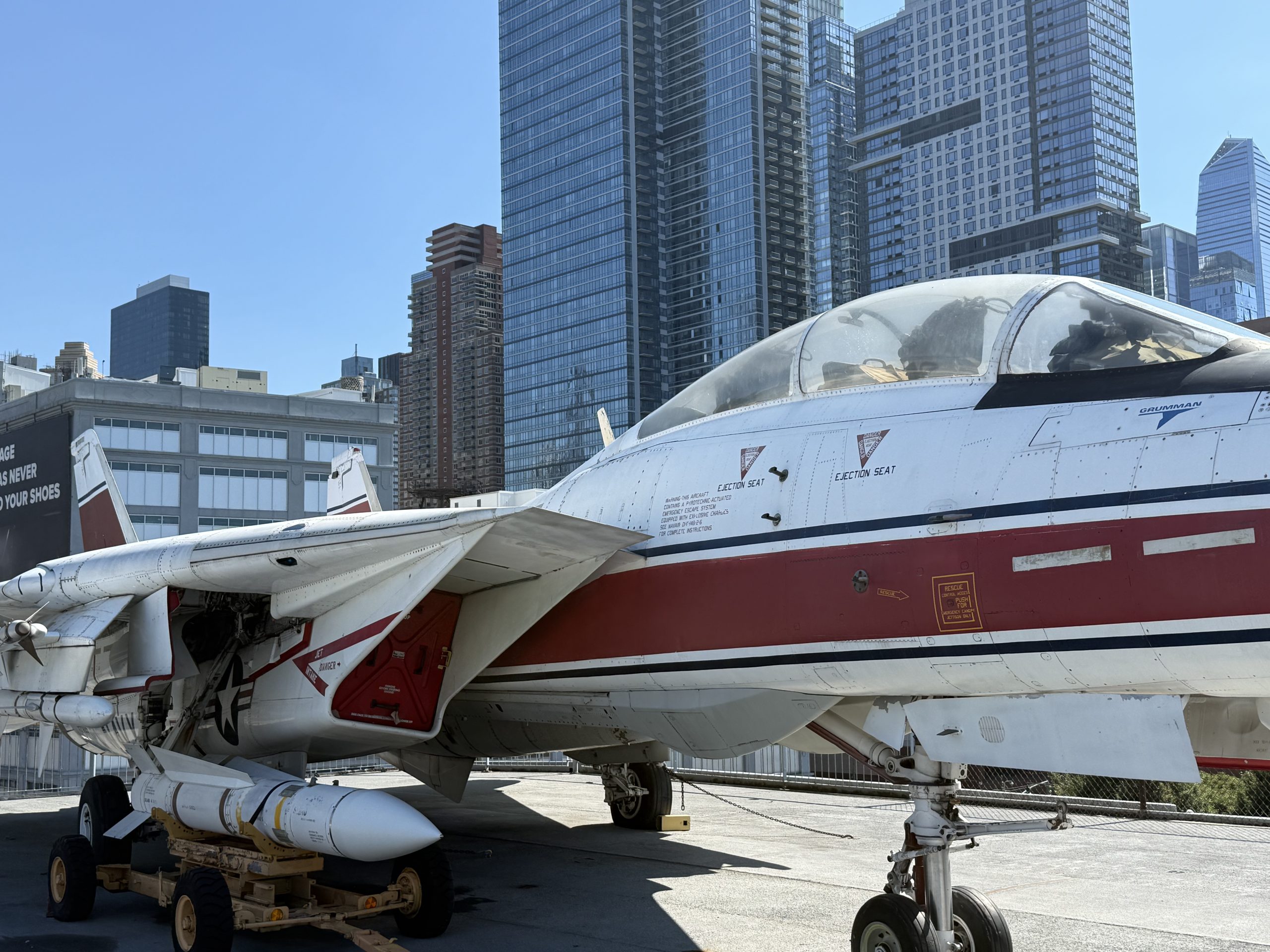
F-14 Tomcat Museum photo from 19FortyFive photo archives.
Ferrari F-35: Most of the Way at Just Half the Cost?
Taiclet’s Lockheed has been forced to deal with several high-profile losses. Both the F-47 fighter, a U.S. Air Force air superiority fighter that will replace the F-22 Raptor, and the U.S. Navy’s upcoming F/A-XX, which will replace the F/A-18E/F Super Hornet and EA-18G Growler platforms sometime next decade, were awarded to rival Boeing.
“The second part of the F-35 solution is that will now enable us to add in sixth-generation key technologies and try to get to 80% of what a sixth-generation clean-sheet aircraft would look like at 50% of that clean-sheet aircraft cost,” Taiclet added.
Decades of Aerospace Experience for Lockheed Could Make Ferrari F-35 Possible
Despite the recent high-profile losses to Boeing for the United States’ next-generation fighter aircraft, Lockheed has previously notched significant aerospace wins, notably the F-22 Raptor fighter and the F-35, jointly built with Boeing. Lockheed, Taiclet explained, could leverage decades of experience building some of the world’s most advanced aerospace projects to further develop the F-35’s capabilities through its classified design branch.
“That is something we actually think we can do at Skunk Works,” the secretive Lockheed division that has tackled some of the most advanced, classified aerospace projects in American history, including notable programs like the SR-71 Blackbird record-setting spy plane, the U-2 Dragon Lady, another spy platform, and the F-1117 Nighthawk, the world’s first operational stealth warplane.
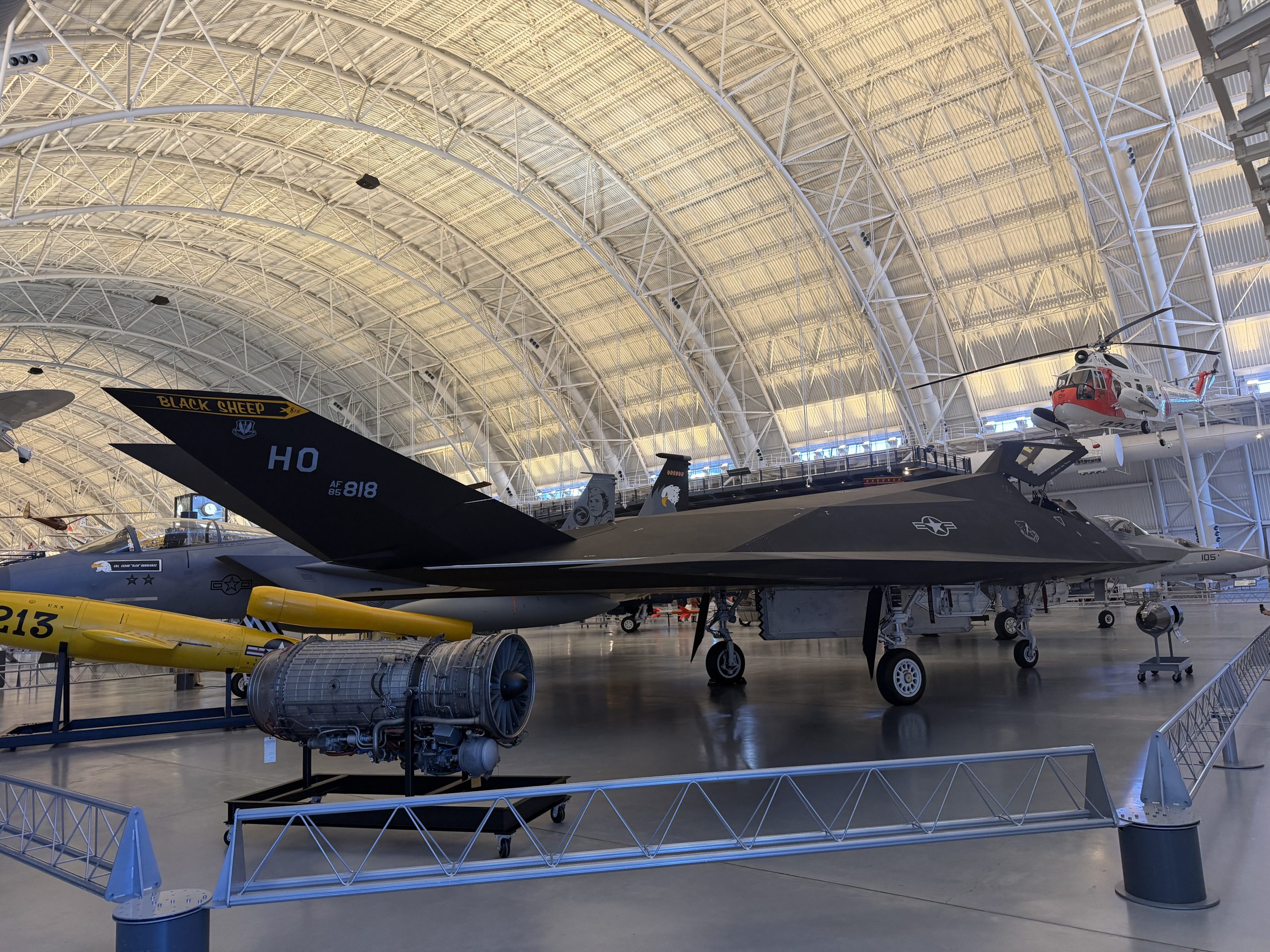
F-117 Nighthawk at the Smithsonian. 19FortyFive Original Image by Christian D. Orr.
“Then on modernization, when we input new capabilities, we will be able to have improved and enhanced test capabilities for our suppliers and us, because we can invest in those now too without risking price reductions later,” he said. “We will have faster modernization as a collective because of being able to do that.”
Lockheed is believed to have poured significant resources into the Next-Generation Air Dominance project, the initiative that ultimately yielded the F-47 fighter, and could, in theory, leverage that experience for an advanced F-35 derivative.
“When we input new capabilities, we’ll be able to have improved and enhanced test capabilities for our suppliers and us because we can invest in those now too, without risking price reductions later,” Taiclet added. The boost in capabilities will come from “sensors, distributed aperture system, data links and beyond-line-of-sight capabilities that the original F-22 didn’t have.”
Into the Future
It is unclear how much appetite the Pentagon has for an upgraded F-35 variant, though the idea is not inconceivable. And there is a lot of positives to a Ferrari F-35 conept.
Other platforms have been suggested for upgrades in the past, including the F-4 Phantom II, the F-14 Tomcat, and others.
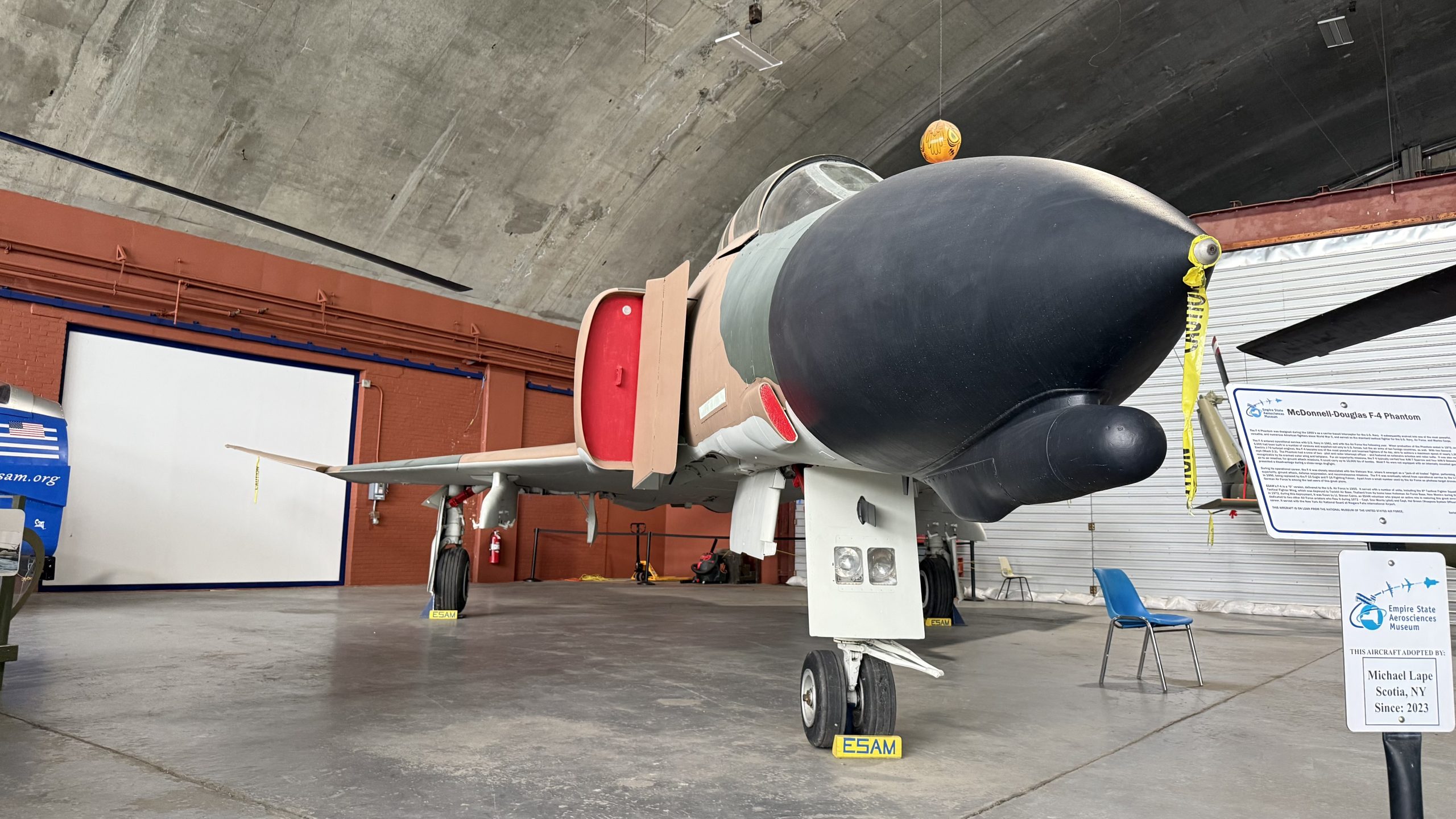
F-4 Phantom museum photo 19FortyFive original photo.
The F-15 and F-16 variants still in service with the United States today are more capable than their original variants. Still, with sixth-generation fighters just over the horizon, building out the capabilities of a previous generation of aircraft—despite their highly capable stealth characteristics—could prove a tough sell.
Whether the effort to upgrade today’s fifth-generation fleets is ultimately successful remains to be seen.
“It’s a little kind of — not uncomfortable — but novel for our industry to think that way,” Taiclet said. “But we are thinking that way.”
So, to sum this up in 2 words: it’s possible.
About the Author: Caleb Larson
Caleb Larson is an American multiformat journalist based in Berlin, Germany. His work covers the intersection of conflict and society, focusing on American foreign policy and European security. He has reported from Germany, Russia, and the United States. Most recently, he covered the war in Ukraine, reporting extensively on the shifting battle lines in Donbas and the war’s civilian and humanitarian toll. Previously, he worked as a Defense Reporter for POLITICO Europe. You can follow his latest work on X.