
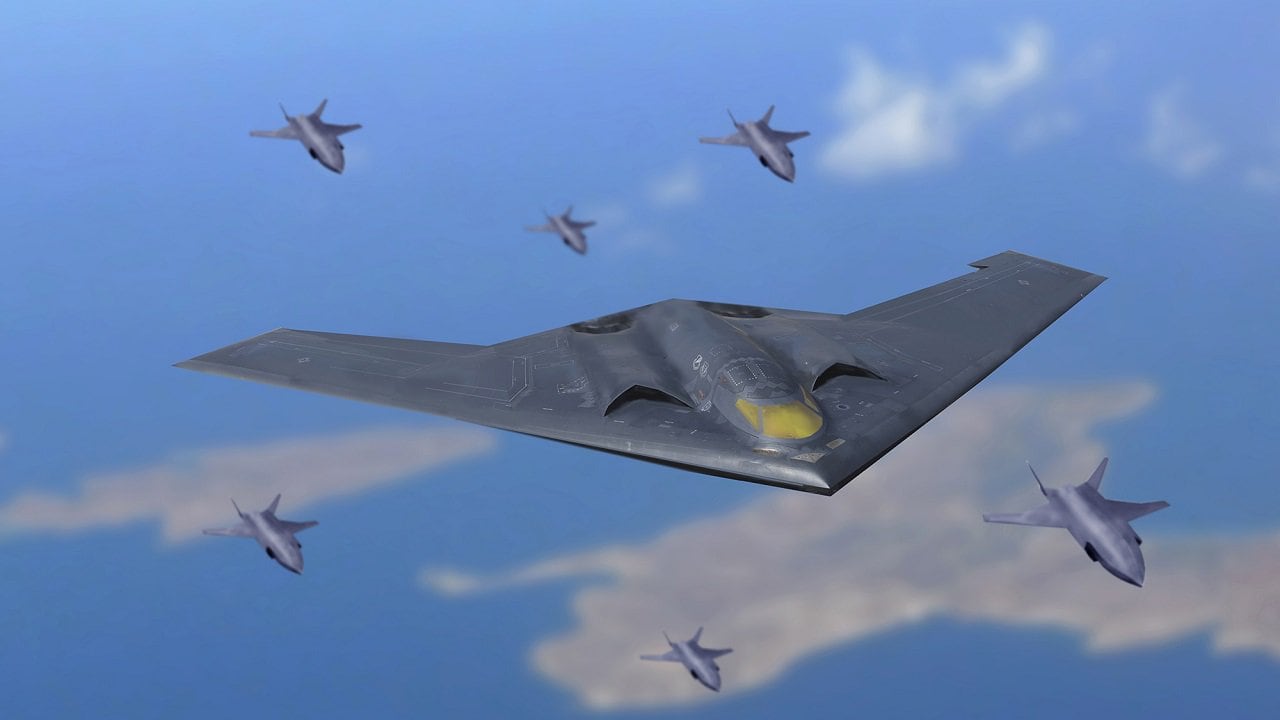
Key Points and Summary – Northrop Grumman and the U.S. Air Force are stuck in limbo on how many B-21 Raider stealth bombers to buy, with talks stalled by the federal shutdown.
-Official planning still orbits around 100 airframes, but the strategic reality of Russia’s PAK DA, China’s H-20, and a tiny, aging U.S. bomber force argues for at least 150 B-21s.
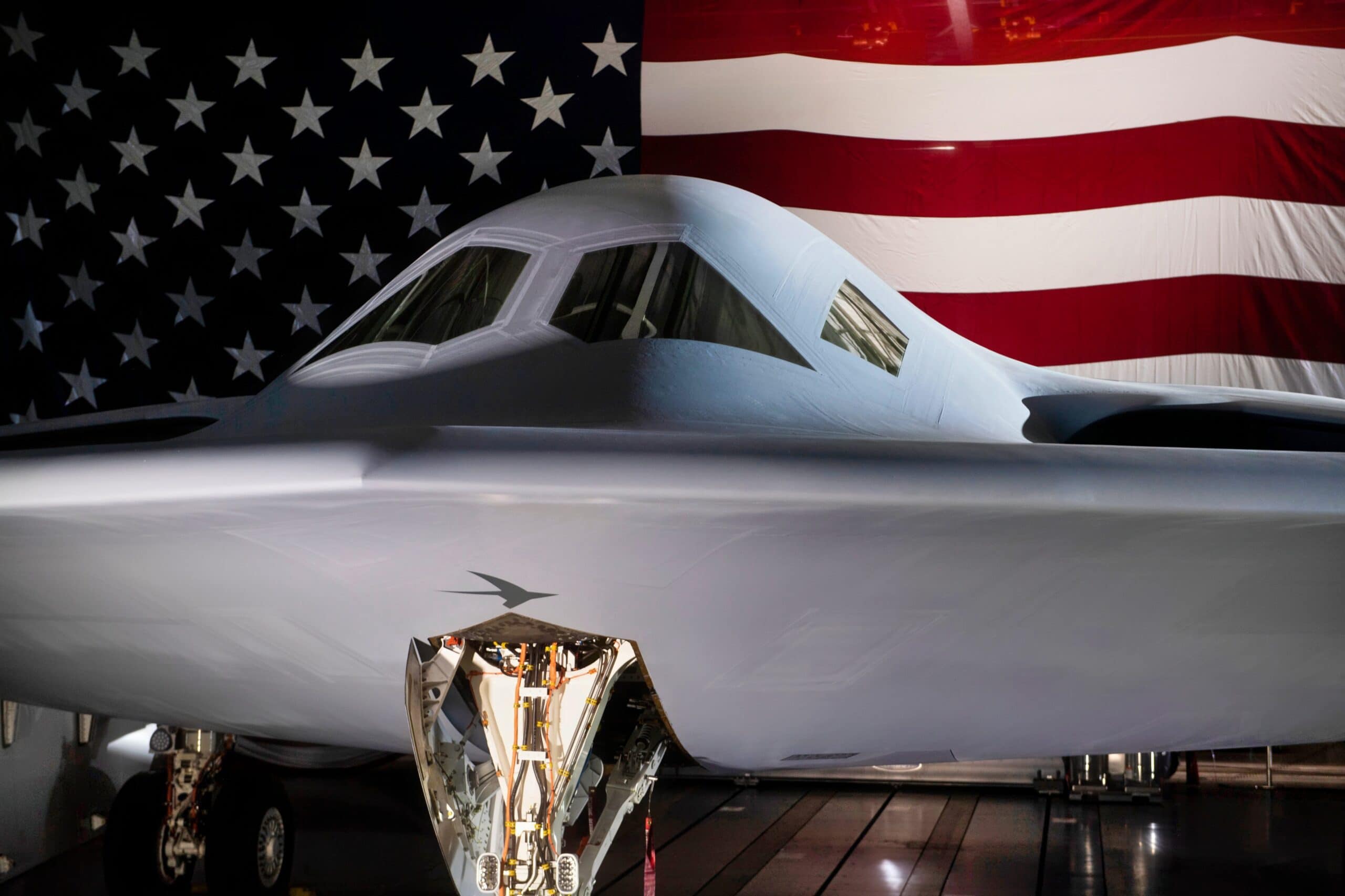
B-21 Raider. Image Credit: Creative Commons.
-Northrop has test aircraft flying and wants early low-rate production lots approved, even as it absorbs major losses on the program.
-Every week lost to political gridlock delays deterrence, complicates war plans for the 2030s, and risks underbuilding America’s next-generation bomber.
America’s B-21 Bomber Program Has a Simple Message: 150 or Bust
Northrop Grumman and the U.S. Air Force are still in talks regarding the future numbers of the B-21 Raider stealth bomber.
However, negotiations are being delayed by the federal government shutdown. This is a difficult predicament, since the Air Force, the Department of Defense, and Congressional lawmakers need clarity on the number of B-21s to be built.
150 B-21s Should Be the Objective
100 B-21s is the number usually cited for the total number to be produced. It would be more beneficial if at least 150 B-21s were built.
There is strategic uncertainty about the belligerence of great powers such as Russia and China, which are developing their own next-generation strategic bombers.
The United States needs as many nuclear-capable strike airplanes as it can get.
The efficacy of the B-2 Spirit bomber during a recent raid against Iranian nuclear facilities showed the United States how valuable stealth bombers are to the national security interests of the United States.
This Federal Government Shutdown Must End Soon
The pause of the Air Force-Northrop Grumman negotiations is frustrating as the government shutdown has no let up in sight.
The manufacturer has placed two B-21s in flight-test mode while others are undergoing ground testing.
Evaluators are assessing how well the weapons systems are being integrated and how other components are performing during flight tests.
Both Northrop and the Air Force Are Trying to Meet Objectives
Northrop Grumman would like the Air Force to “award early procurement contracts for the low-rate initial production lots (Lot 3 and Lot 5) before the end of 2025,” according to Zona Militar.
“We are in active discussions with the customer that would allow us to accelerate the production pace,” Northrop Grumman’s CEO, Kathy Warden said.
Warden admitted that the shutdown was having an effect on talks, but she had confidence that they would resume soon and that the impasse will be mitigated with concrete agreements on the future of the program.
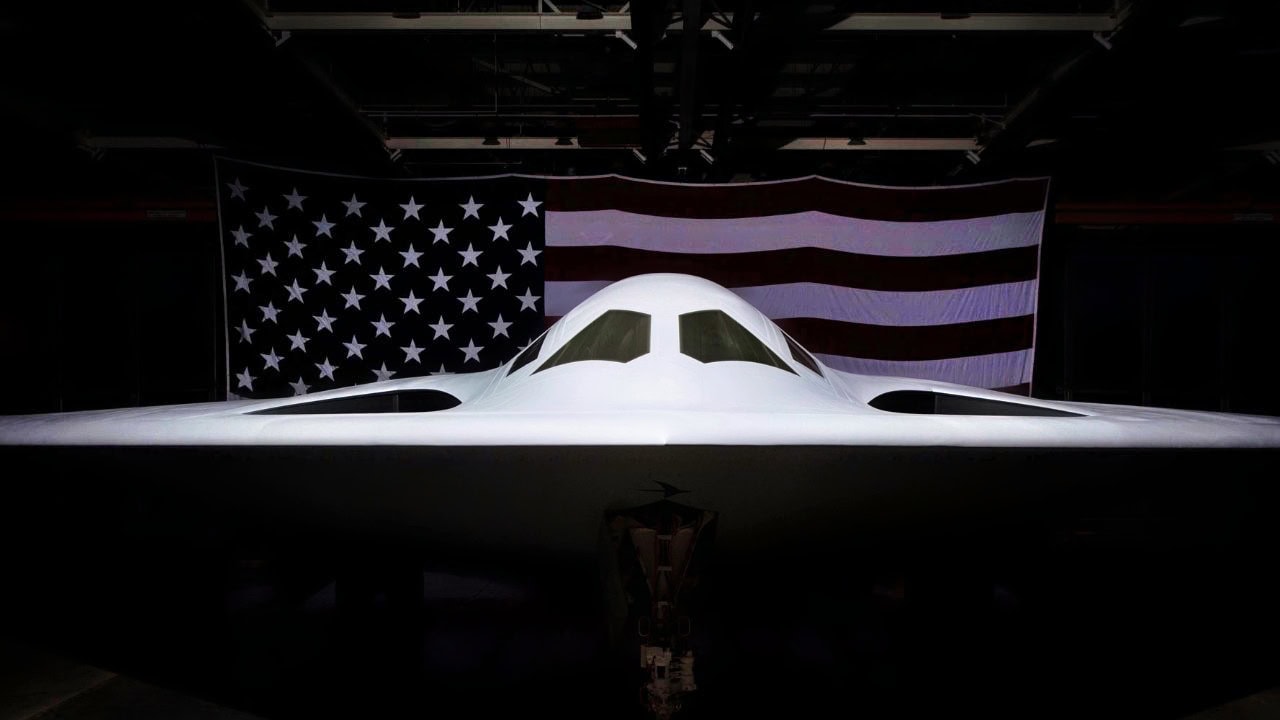
B-21 Raider Bomber. Image Credit: Creative Commons.
Warden said that Northrop is tasked to invest more money in the program should the early procurement contracts be agreed to.
Northrop Has Taken Losses on the B-21 This Year
Northrop Grumman has revealed that the B-21 program has not been a major money-maker for the company.
In April, Northrop Grumman declared a $477 million loss tied to a “process change” that was supposed to streamline production.
“Warden noted that increasing the production rate would generate higher sales and require new investments, though these are expected to be offset by greater long-term returns,” Zona Militar explained.
U.S. Defense Acquisition Processes Are Inefficient
This is frustrating to Air Force strategists and battle planners who are trying to glimpse into the future and figure out just how many B-21s will be needed.
The U.S. defense acquisition process is complex and often mystifying – even to experts who have been in the business for decades.
It is difficult to see the manufacturer and the defense entity in a lockdown mode, as the U.S. government struggles to emerge from the shutdown.
Other countries like Russia and China do not have such difficulty with their own governments who practice a form of authoritarian capitalism that allows the manufacturing of defense end items to continue unabated without the risks of shutdowns due to fiscal and partisan political concerns.
There is no time to hold up the B-21. The next-generation bomber will be able to menace enemy targets with ease. The long-range nature and lethality of the strike airplane is cause to celebrate its arrival. But every month that production is hobbled hurts the long-term outlook for the aerial combat order of battle.
China is developing the new H-20 stealth strategic bomber, and Russia has the PAK DA program for a long-range strike aircraft that can evade radar and deploy nuclear weapons. This is not the time for the Americans to dally with their B-21 program.
If the Air Force is to have 150 (not 100, as most Air Force reports say), production needs to begin rapidly. China and Russia need to be deterred, and a forward-looking nuclear strategy is one way to mitigate the threat from the two countries.
The U.S. military needs readiness, modernization, and the capacity for warfare. There are only 19 B-2s in service. This is not enough to win a war. The fleet needs to be modernized and ready for a long-term protracted period of conflict, especially if China were to invade Taiwan or Russia were to encroach militarily on a NATO country.
Meanwhile, the aging B-52 and B-1B fleet is not stealthy. They would not be ready for Day One of warfare with China or Russia. The average age for the conventional and stealth bombers is 40 years.
One way the United States could reach the 150 B-21 goal is to open another production site beyond the one in Palmdale, California. But this is not possible with the government shutdown impasse.
Every week that goes by without negotiations between the Air Force and Northrop Grumman on the production lot goals is a week lost that workers could be sent to other manufacturing hubs.
Remember, it took seven B-2s to knock out the Iranian nuclear sites during Operation Midnight Hammer. Imagine requiring numerous targets to be hit in a war with China or Russia, especially if they need to be attacked by bunker-busting
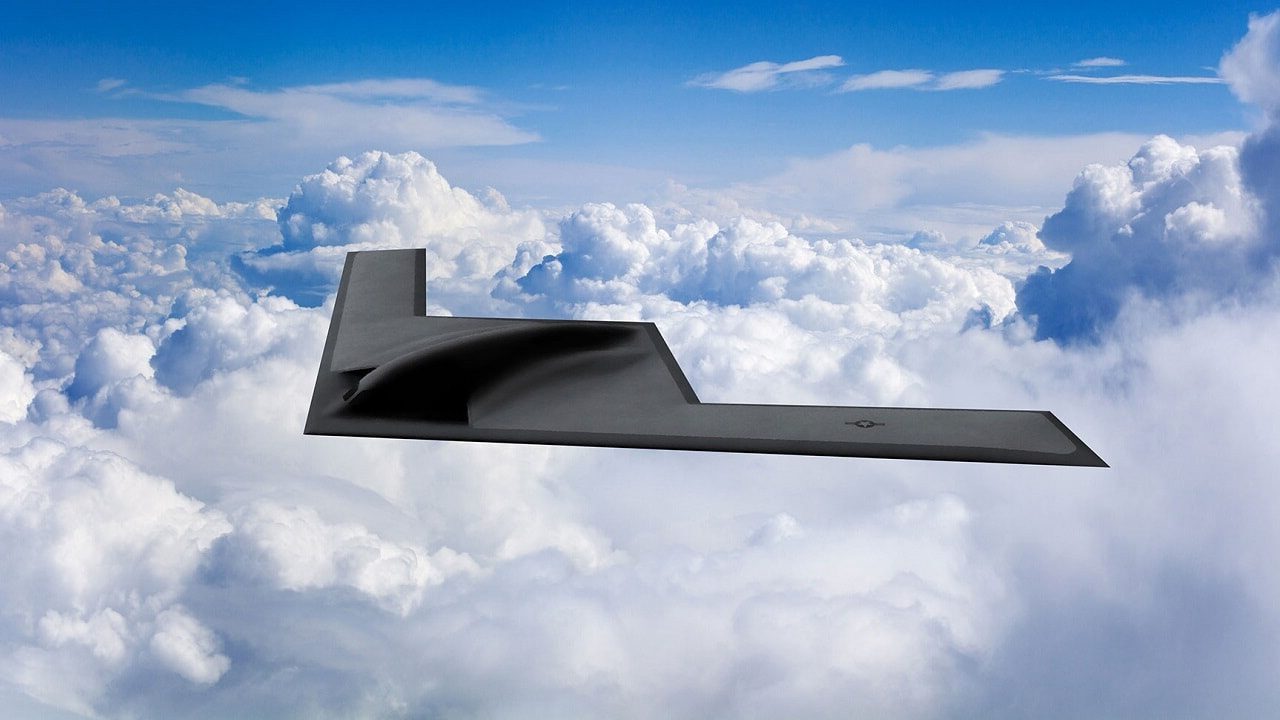
B-21 Raider Stealth Bomber. Image Credit: Creative Commons.
The Numbers Question
The United States would need more than 100 B-21s to reach all of the installations that need to be destroyed in a conflict.
The Air Force thus needs clarity on the number it produces to understand how it will execute doctrine and wage war in the 2030s. It would be good news if the service branch could acquire 150 B-21s.
Time is wasting. We’ll keep an eye on this situation and watch closely how many B-21s will be built.
The number will play a significant role in the future force and warfare projection needs in the coming decades.
About the Author: Brent M. Eastwood
Brent M. Eastwood, PhD is the author of Don’t Turn Your Back On the World: a Conservative Foreign Policy and Humans, Machines, and Data: Future Trends in Warfare plus two other books. Brent was the founder and CEO of a tech firm that predicted world events using artificial intelligence. He served as a legislative fellow for US Senator Tim Scott and advised the senator on defense and foreign policy issues. He has taught at American University, George Washington University, and George Mason University. Brent is a former US Army Infantry officer. He can be followed on X @BMEastwood.