Key Points and Summary – The US Navy has taken a pragmatic approach to titanium, using it sparingly in high-stress components rather than building whole hulls from the exotic metal.
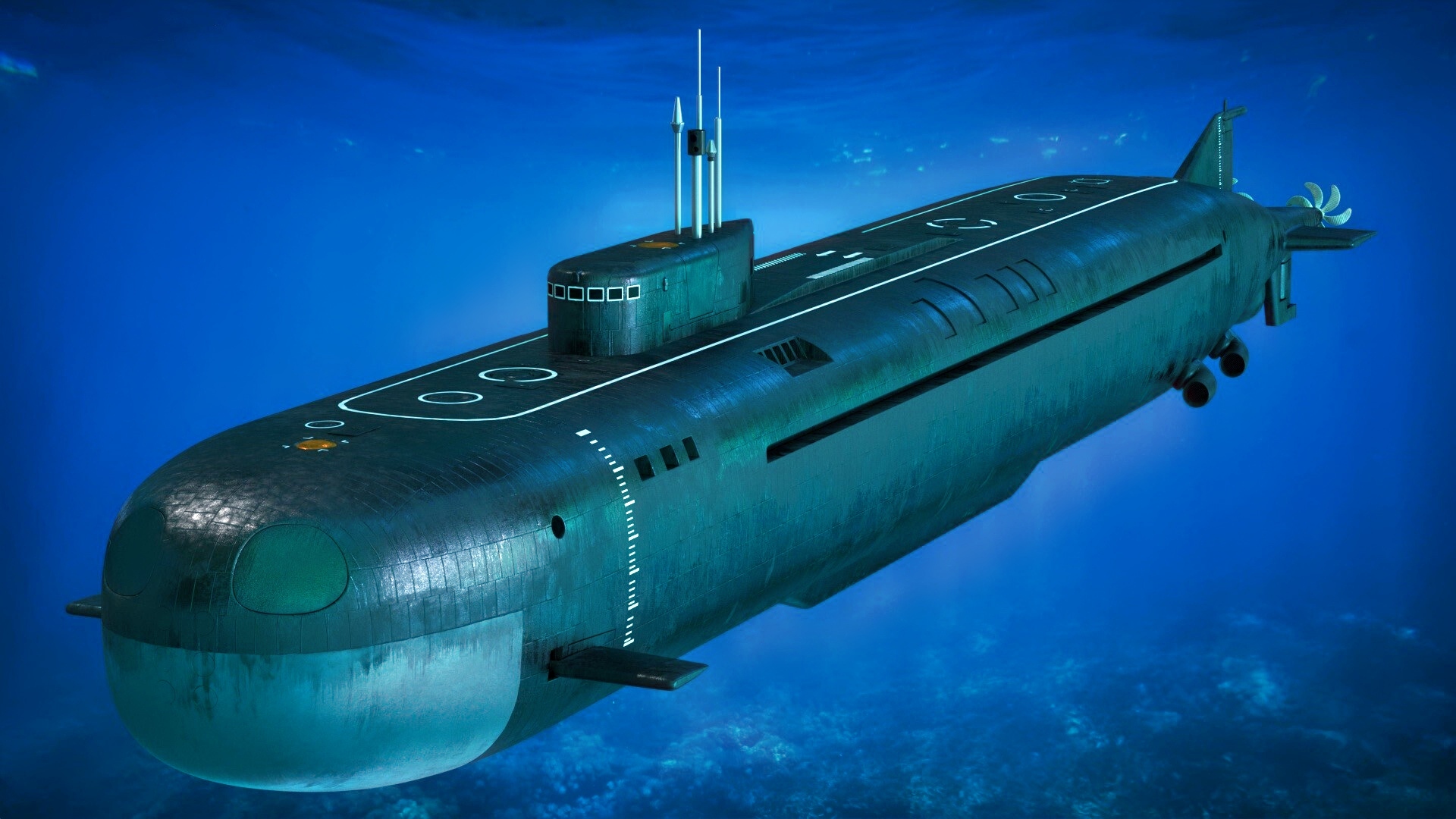
-Titanium’s strength, corrosion resistance and low magnetic signature made it attractive for Soviet designers, who built titanium-hulled boats like the Papa and Sierra classes and the record-setting K-278—at enormous cost and complexity.
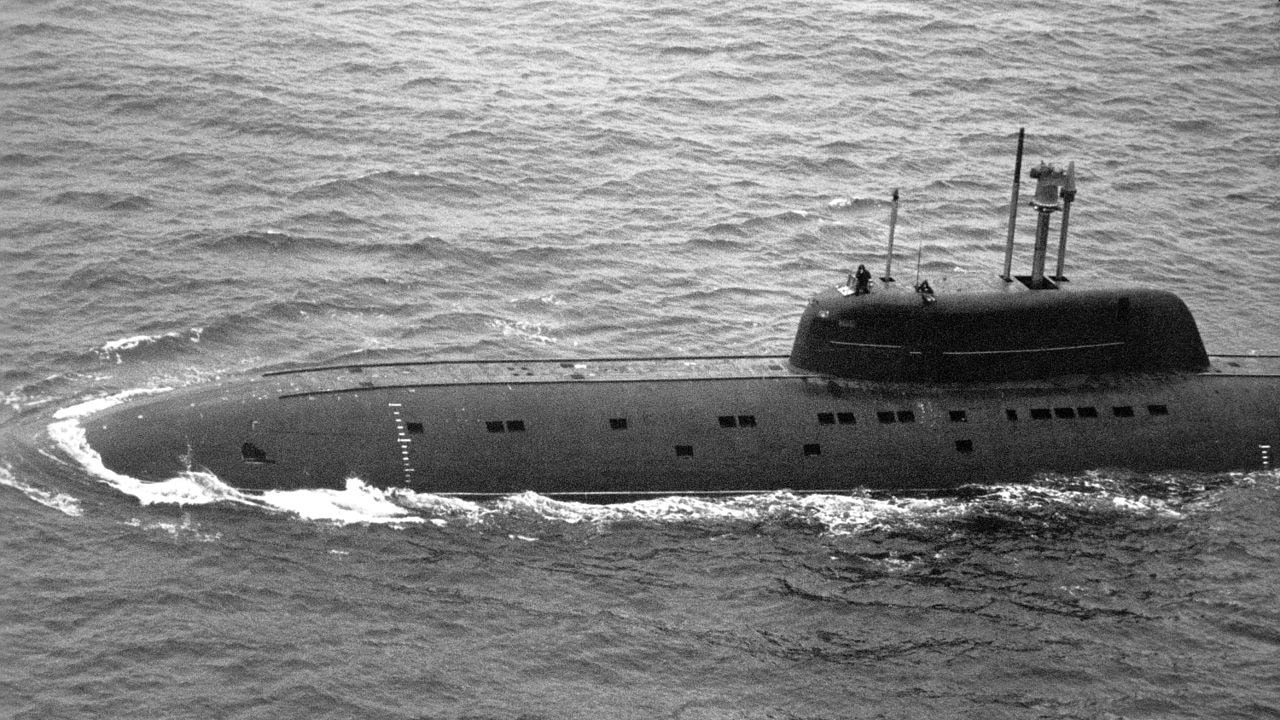
Sierra-Class Submarine. Image Credit: Creative Commons.
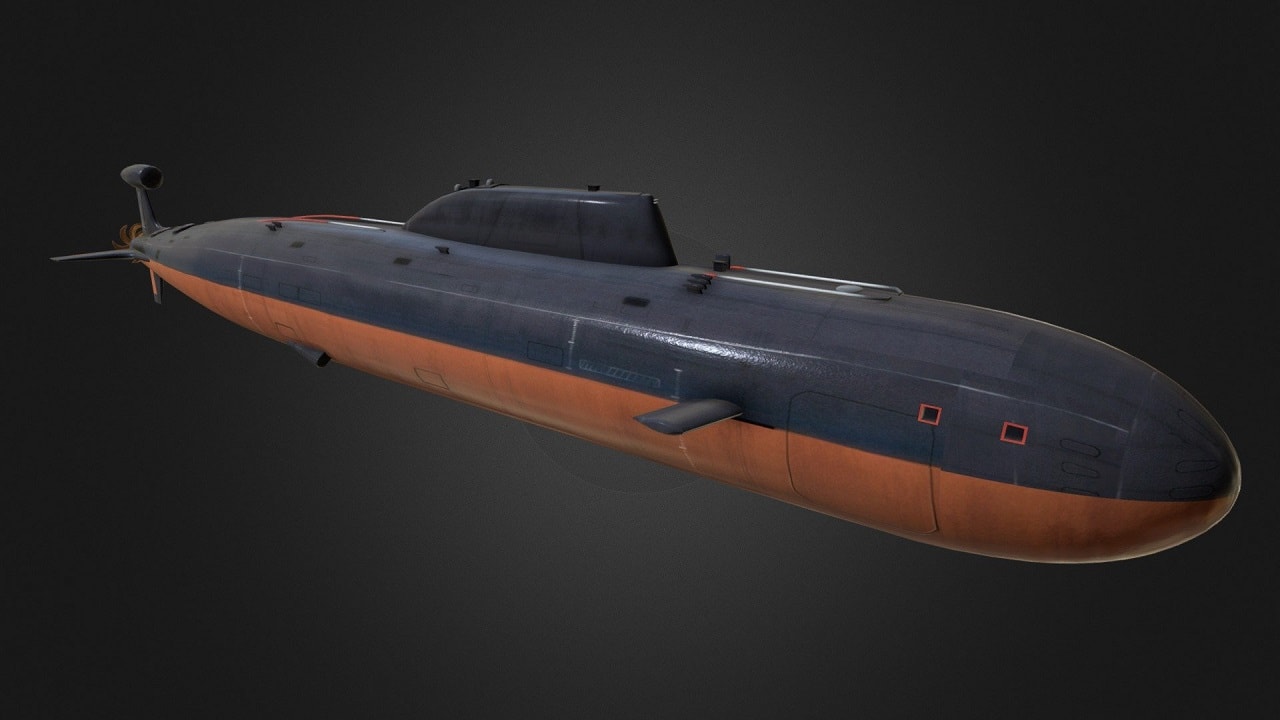
Russian Sierra-class nuclear-powered attack submarine. Artist rendering.
-Washington instead reserved titanium for niche roles in ships and for the SR-71 spy plane, covertly sourcing ore from the USSR. Today, US warships still rely on steel hulls but quietly depend on titanium parts to survive harsh maritime environments.
-The role of titanium in American shipbuilding has been shaped by pragmatism rather than an intensive search for exotic capabilities.
Soviet Titanium Subs vs. US Steel Hulls: Inside the Real ‘Metal War’ at Sea
Instead of treating the metal, with its quite properties as a revolutionary structural material, the United States Navy has used titanium as a highly specialized solution for marine components that must operate reliably for decades in some of the harshest and most unforgiving environments known to man: deep under the waves.
The American approach stands in stark contrast to the decisions made by the Soviet Navy, which decided instead to manufacture several classes of submarine hulls almost entirely from titanium, intent on pursuing a revolutionary rather than evolutionary capability boost.
Titanium has several advantages over steel, its main alternative. Titanium is biologically inert, making it a clear choice for medical applications.
For replacement hips, collarbone braces, dental implants, and other applications, titanium is prized for its lack of interaction with the body, a property that makes it biologically inert.
Titanium also has a higher strength-to-weight ratio than steel, and can resist the crushing effects of depth on sub hulls.
This high resistance to corrosion and interaction with other elements, along with its strength, would — in theory — give it an advantage over steel as the material of choice for submarine hulls.
But titanium is much more expensive than steel, one of the world’s most abundant building materials.
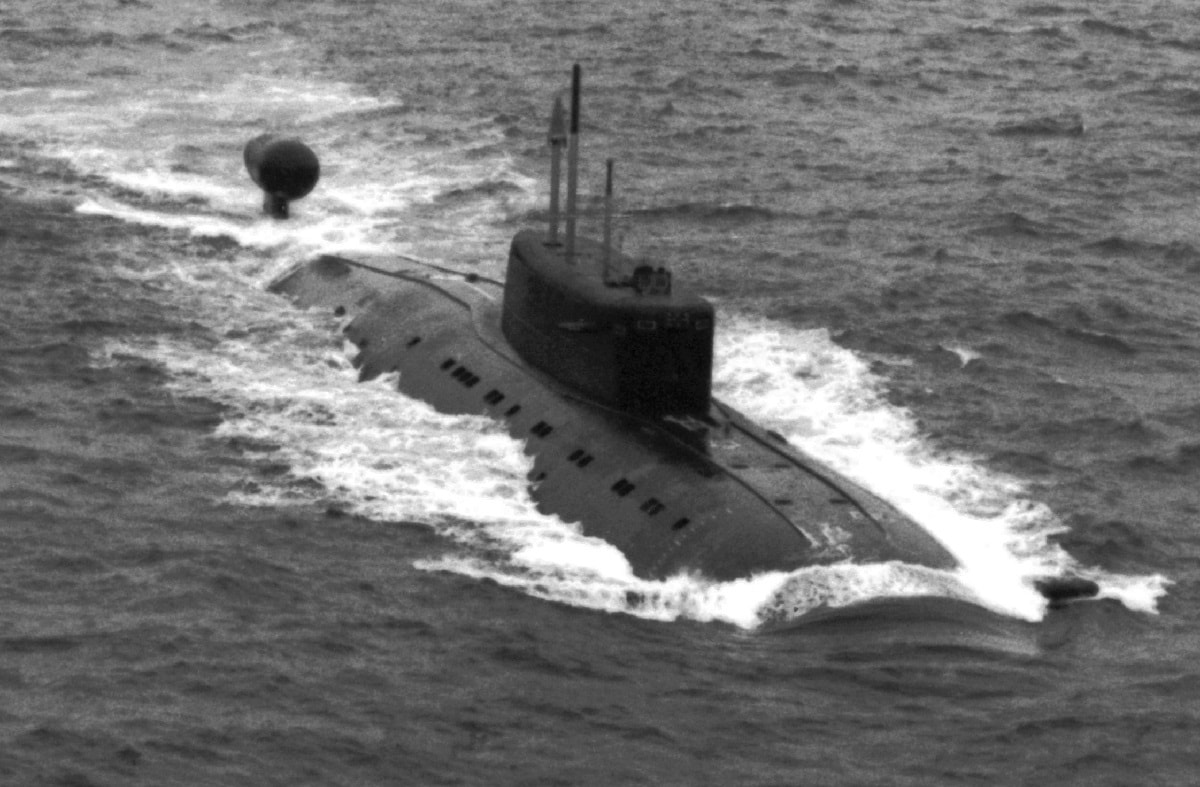
Sierra-class Submarine.
And it requires highly specialized manufacturing facilities. Like virtually every other metallic element, titanium must be heated to manipulate or refine its chemical composition.
But when heated, elements that come into contact with titanium are easily incorporated into the metal, and the resulting impurities can lead to structural defects or unintended properties.
To prevent contamination, titanium must be heated and manipulated in specialized facilities where atmospheric oxygen, nitrogen, carbon dioxide, and other trace elements are pumped out and replaced with inert gases such as helium or argon.
So while titanium certainly has a broad scope of military and civilian applications, huge projects like submarine hulls require significantly more infrastructure considerations than traditional steel.
Despite the challenges, however, the Soviet Union decided that the costs and complexities inherent to titanium could be justified and built several classes of titanium-hulled submarines.
The first of these, dubbed the Papa-class by NATO, was an extremely fast cruise missile submarine — and remains one of the fastest manned submarines ever, with a speed that may have exceeded 44 knots. The sub could dive deep, too, but was extremely noisy, reducing its utility to the Soviets.
The Sierra I-class and follow-on Sierra II-classes of submarines were nuclear-powered attack submarines that attempted to correct some of the deficiencies of the Papa-class, but remained expensive to build.
Lastly, the K-278, the lone submarine of its class, set several deep-sea records, made possible by its titanium hull. But that one-off submarine sank in 1989 following a fire onboard unrelated to its titanium hull.
Specialized Aerospace Applications
But despite limited application in the United States Navy beyond specialized components or in other niche roles, the material found great utility for a far different Pentagon project: the SR-71 Blackbird spy plane.
One SR-71 pilot, Colonel Rich Graham, who spent 15 years flying the Blackbird, explained the trickery and subterfuge that went into sourcing the titanium that would be incorporated into the advanced aircraft. “The airplane is 92% titanium inside and out. Back when they were building the airplane the United States didn’t have the ore supplies – an ore called rutile ore,” Colonel Graham explained.
“It’s a very sandy soil and it’s only found in very few parts of the world. The major supplier of the ore was the USSR. Working through Third World countries and bogus operations, they were able to get the rutile ore shipped to the United States to build the SR-71.”
Sailing Onward with Titanium?
At sea, titanium’s presence on American warships is selective.
It is highly prized for areas where intense heat, salt corrosion, and the crushing effects of sailing at depth can wreak havoc on piping and pump components, heat exchangers, and other crucial subsystems.
Within the context of the increasing complexity of surface ships and submarines, particularly from the Cold War onward, the application of robust, inert titanium components across the Navy was a logical choice, and one that reduced maintenance requirements over a ship or submarine’s lifespan.
Fast forward to today, and modern warships like the Arleigh Burke-class and the Zumwalt-class are a continuation of this choice.
About the Author: Caleb Larson
Caleb Larson is an American multiformat journalist based in Berlin, Germany. His work covers the intersection of conflict and society, focusing on American foreign policy and European security. He has reported from Germany, Russia, and the United States. Most recently, he covered the war in Ukraine, reporting extensively on the war’s shifting battle lines from Donbas and writing on the war’s civilian and humanitarian toll. Previously, he worked as a Defense Reporter for POLITICO Europe. You can follow his latest work on X.