
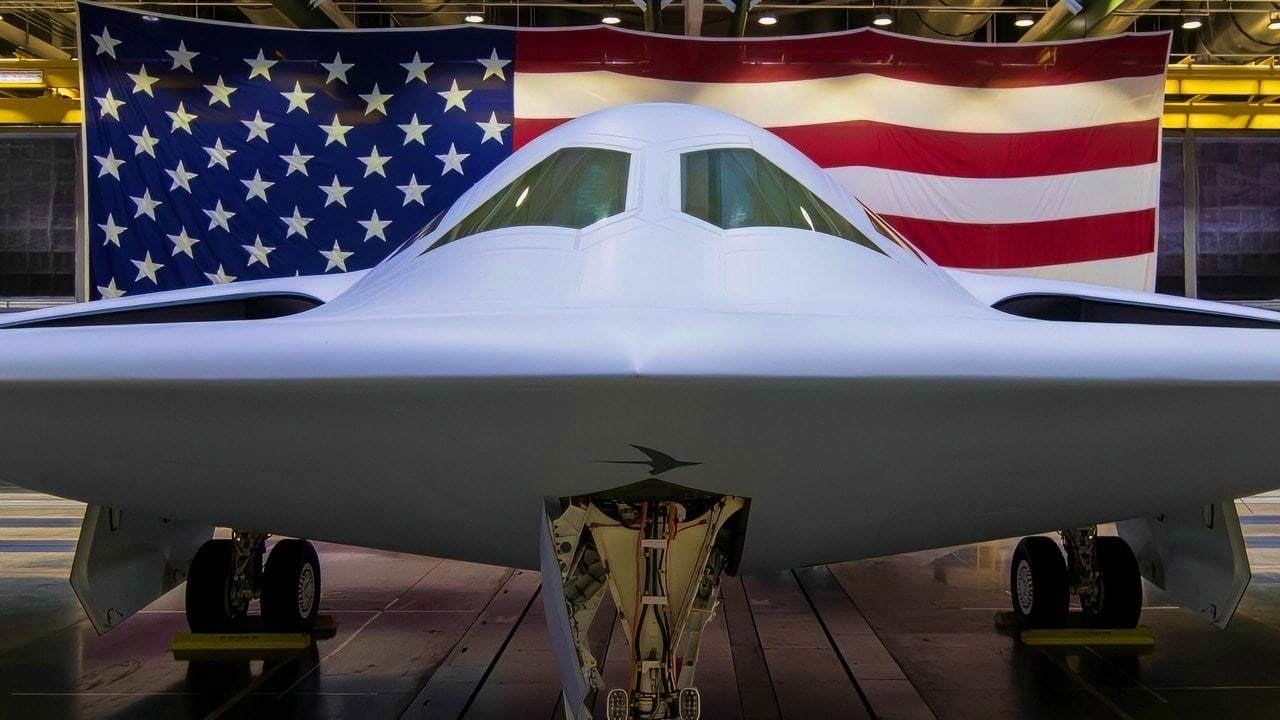
Synopsis- The United States and China are chasing the same prize: a next-generation flying-wing stealth bomber built for contested airspace. The B-21 Raider is already moving into production and is designed for rapid upgrades, nuclear and conventional missions, and global integration. China’s H-20 remains largely unseen, but is expected to prioritize long-range standoff strike with heavy missile payloads to pressure targets across the Indo-Pacific.
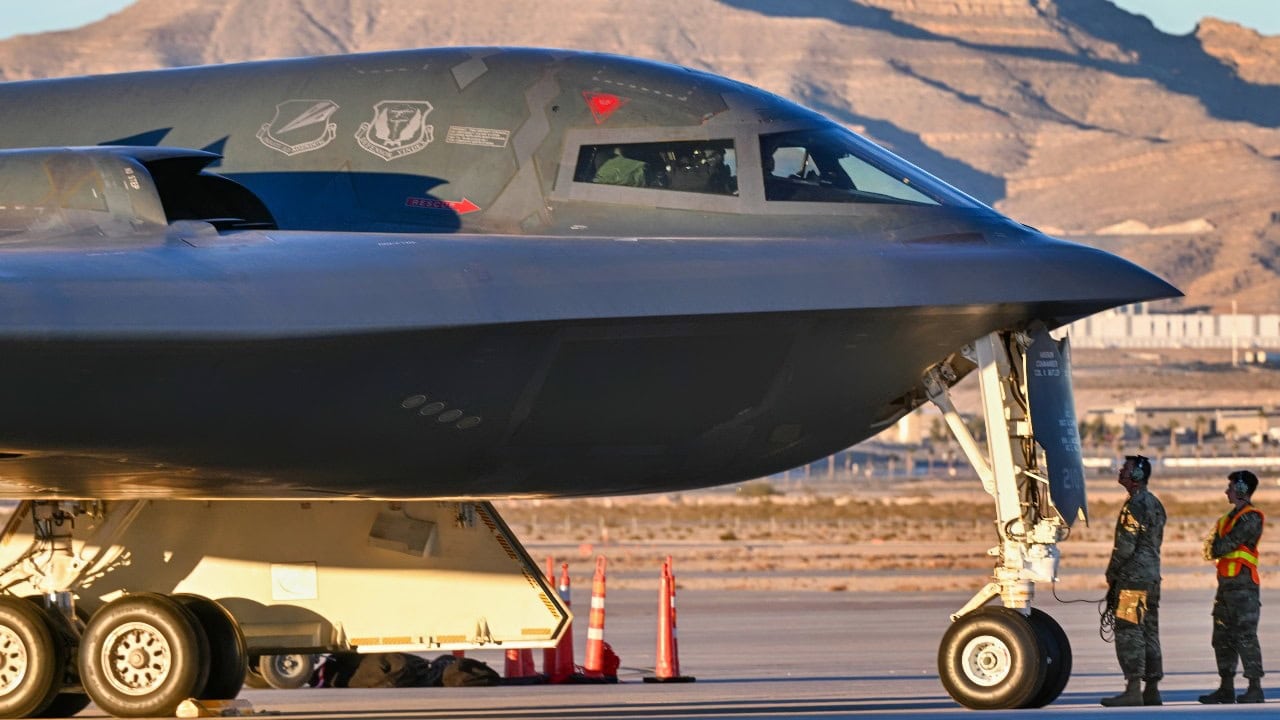
A B-2 Spirit prepares to take-off from Nellis Air Force Base, Nev. during Bamboo Eagle, Jan. 29, 2024. Bamboo Eagle provides Airmen, allies, and partners with a multidimensional, combat-representative battle-space to conduct advanced training in support of U.S. national interests. (U.S. Air Force photo by Senior Airman Bryson Britt)
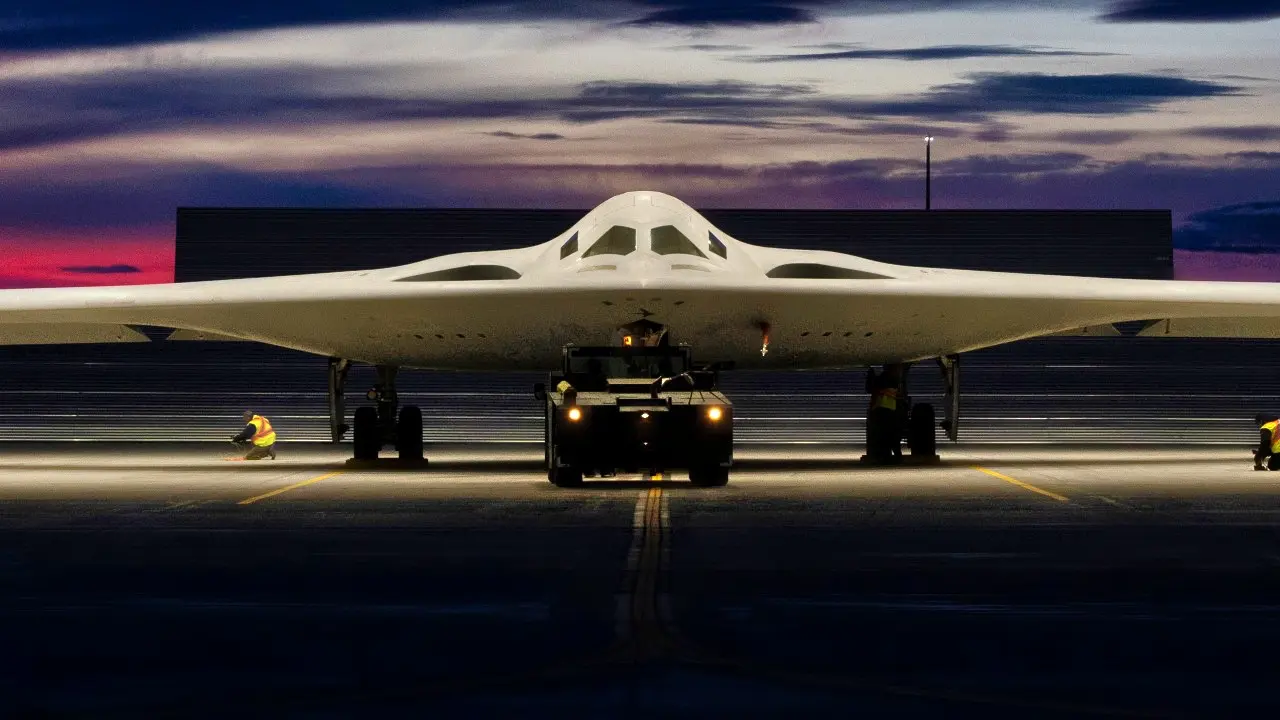
B-21 Raider Stealth Bomber.
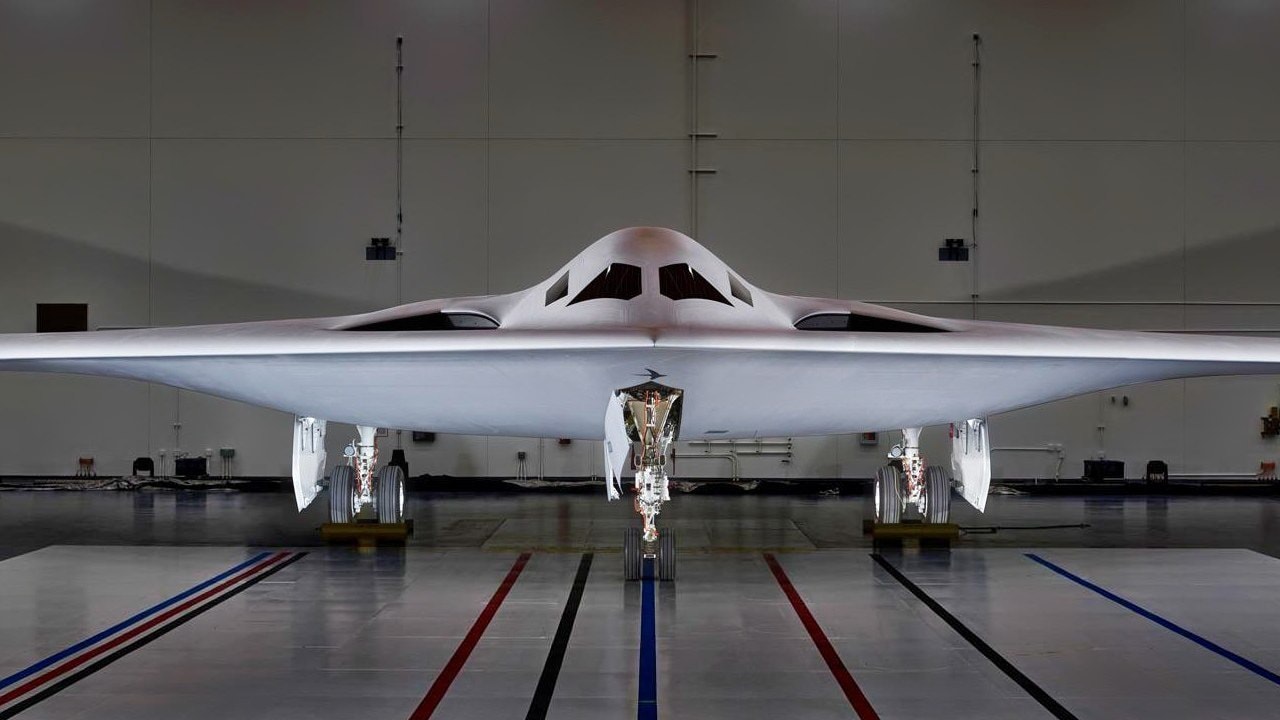
B-21 Raider Bomber U.S. Air Force.
-The article argues Beijing’s engineering hurdles and limited transparency mean the H-20 is still years away, while the B-21’s smaller, more flexible design and open architecture aim to preserve a U.S. edge.
-The looming issue is capacity: will 100 B-21s be enough?
In 4 Words: Not Going to Happen?
B-21 Raider vs. China’s H-20: The Flying-Wing Bomber Race Is On
The U.S. and China are both working to introduce a next-generation flying-wing stealth bomber: the B-21 Raider for the Americans, and China’s H-20. The B-21 is a known entity—it is already in limited production, with a digital-first design for rapid upgrades and global integration.
The H-20 is more secretive, but it focuses heavily on standoff capability, with a massive payload for regional power projection. It aims to deliver the stealth capabilities the United States enjoys thanks to the B-21 and its predecessor, the B-2, and should specialize in long-range missiles.
The United States expects its B-21 to maintain a significant tech edge.
“B-21 Raider will be a dual-capable penetrating strike stealth bomber capable of delivering both conventional and nuclear munitions,” the U.S. Air Force states. “The B-21 will form the backbone of the future Air Force bomber force consisting of B-21s and B-52s.”
Each Bomber Development
The Chinese have been developing the H-20 stealth bomber for a decade. Beijing wants a modern stealth bomber that can survive in a modern contested environment and has the range to operate in the second island chain and beyond.
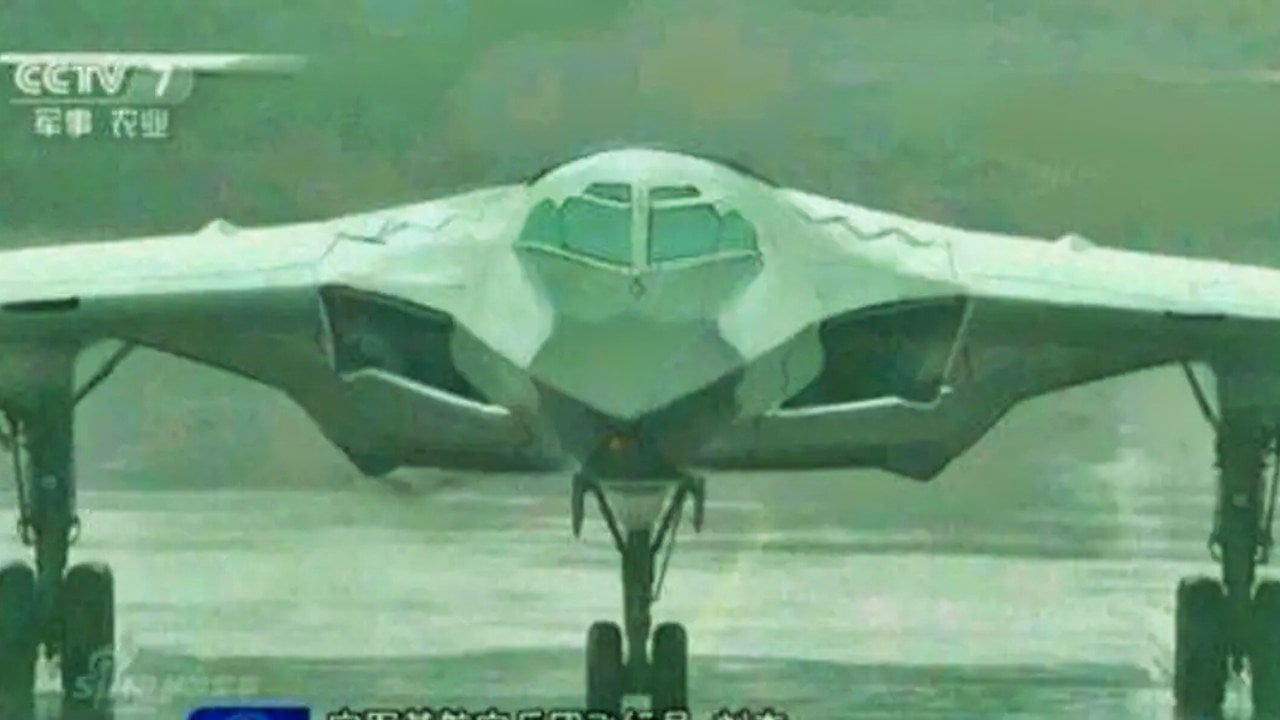
Image Credit of H-20 Bomber: Creative Commons.
As a long-range stealth bomber, the H-20 could bypass traditional defenses to strike targets deep in adversary territory, such as Guam, or even the U.S. mainland.
The Northrop Grumman B-21 Raider is set to replace the aging B-2 Spirit and B-1 Lancer as the backbone of the U.S. Air Force’s strategic bomber fleet.
While China and Russia are pursuing advanced bomber designs, the B-21 Raider’s technology is expected to keep the U.S. a step ahead of its opponents for the next generation of air warfare.
What Is Known About China’s H-20 Stealth Bomber
There is no official photograph of the H-20, but a photo posted on Chinese social media showed a new large combat aircraft undergoing a test flight, and this was speculated to be the future stealth bomber. The location and date of the image were not disclosed.
The aircraft in the photograph was a flying wing design, and it was followed by a chase plane. The indistinct image closely resembles a 2022 photo from a Chinese wind-tunnel test that featured a similar bomber.
It also resembled the U.S. B-2 Spirit stealth bomber remarkably closely.
The H-20 is intended to enhance China’s power-projection capabilities in the Asia-Pacific region. In contrast, the U.S. B-21 is designed for global power projection, ensuring the U.S. can maintain its strategic deterrence and respond to threats anywhere in the world.
Long-range Strike Capability
The H-20 is expected to have a range of up to 8,500 kilometers, allowing it to operate far from China’s shores. Some analysts in the U.S. government believe the bomber could have an unrefueled range of more than 10,000 km.
The H-20 Is Still Several Years Away
In July 2022, Chinese state media reported that the bomber was nearing its maiden flight. By March 2024, during the second session of the 14th National People’s Congress, Vice Commander of the People’s Liberation Army Air Force (PLAAF) Wang Wei indicated that the H-20 would be revealed “very soon.”
The U.S. military has stated that it still does not expect China’s long-awaited H-20 bomber to make its “debut”—it is unclear whether this refers to its entrance into operational service or its public emergence—until sometime in the next decade.
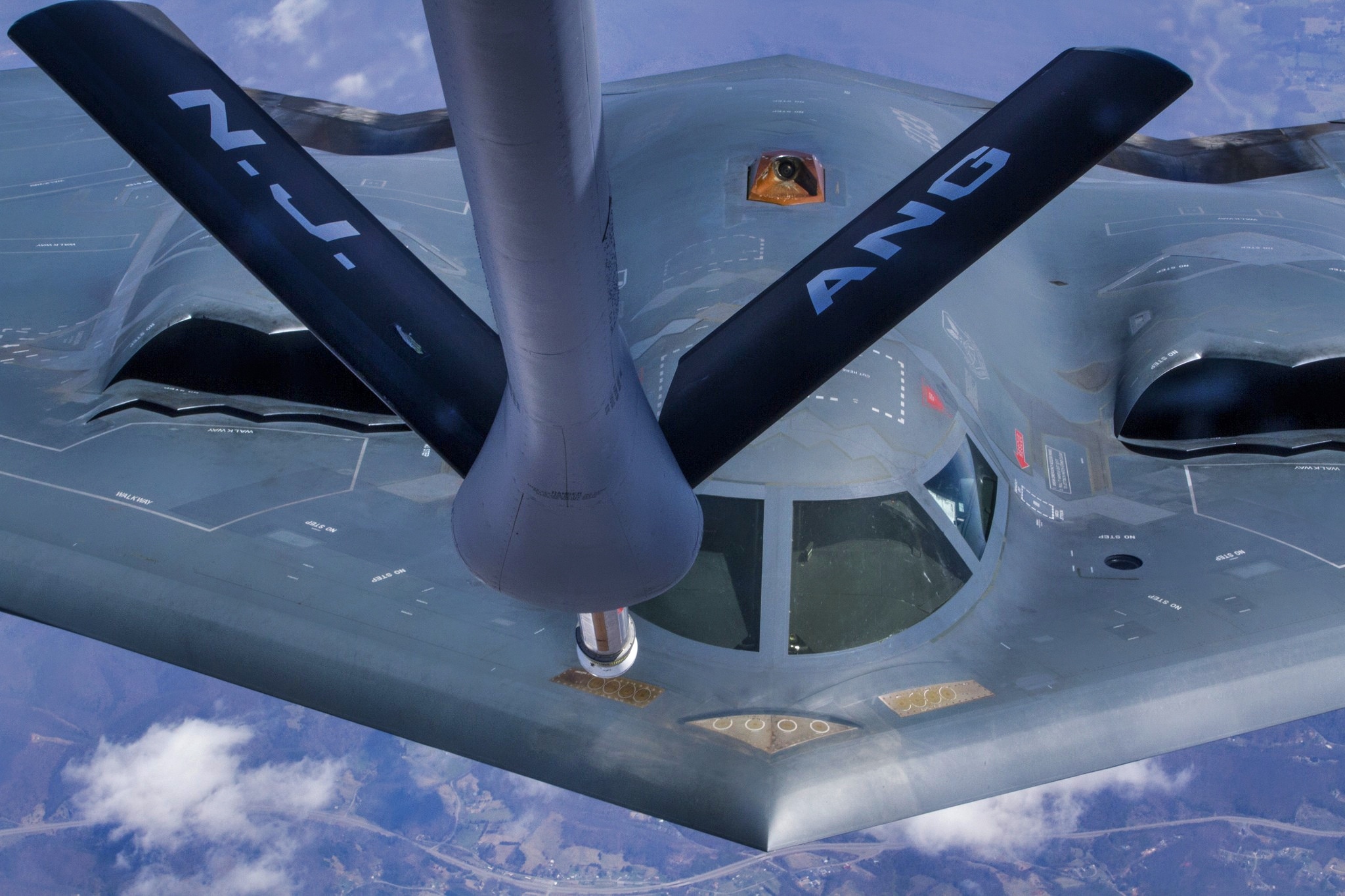
B-2 Spirit Stealth Bomber. Image Credit: Creative Commons.
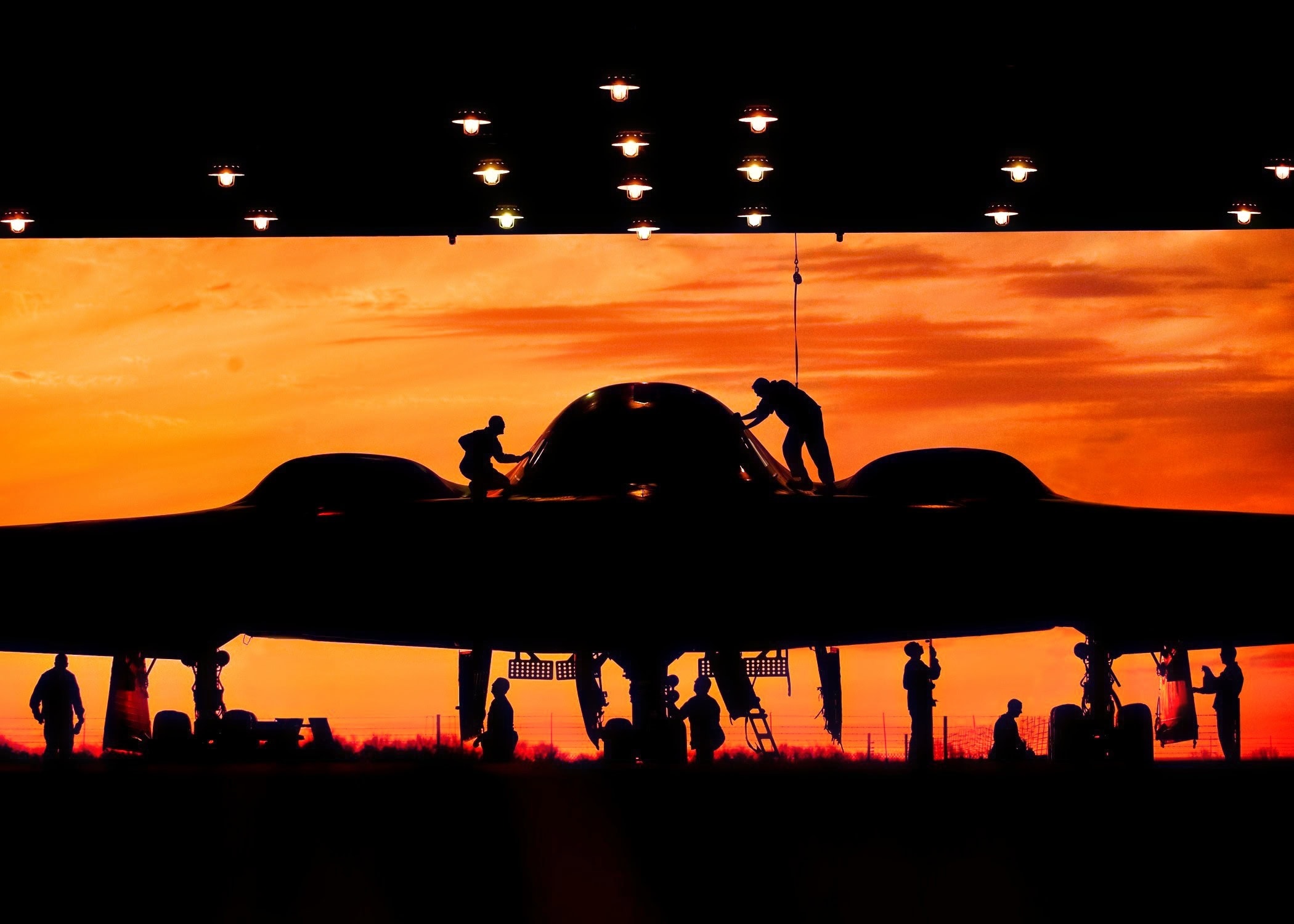
B-2 Spirit Bomber. Image Credit: Creative Commons.
Building a stealth bomber takes time and lots of testing. The Pentagon publishes an unclassified report on China’s military every year. The most recent report mentioned the H-20.
“The PRC is developing a new generation of long-range bombers, likely named the H-20. The H-20, which may debut sometime in the next decade, will have a range of more than 10,000 km [nearly 6,214 miles], enabling the PLAAF to cover the Second Island Chain and into the western region of the Pacific,” the report said. “The H-20 bomber’s range could be extended to cover the globe with aerial refueling. It is expected to employ conventional and nuclear weaponry and feature a stealthy design.”
The B-21, Smaller, More Flexible, Survivable:
The B-21’s compact design should help the U.S. pierce through China’s anti-access/area denial defenses more effectively, delivering precision strikes or gathering intelligence in high-threat environments where the larger B-2 might face greater risks.
The B-21’s smaller size also translates into greater operational flexibility. The B-2 Spirit, with its massive wingspan and heavy payload capacity, was designed for long-range, high-payload missions, often carrying large nuclear or conventional munitions over intercontinental distances.
The B-21 could also play a key role in multi-domain operations, integrating with space, cyber, and ground-based assets to provide a coordinated response to threats, including by conducting teams of Collaborative Combat Aircraft loyal wingman drones.
The B-21’s open-system architecture will allow frequent updates to its onboard systems, allowing it to carry additional weapons and making it easier to upgrade its avionics.
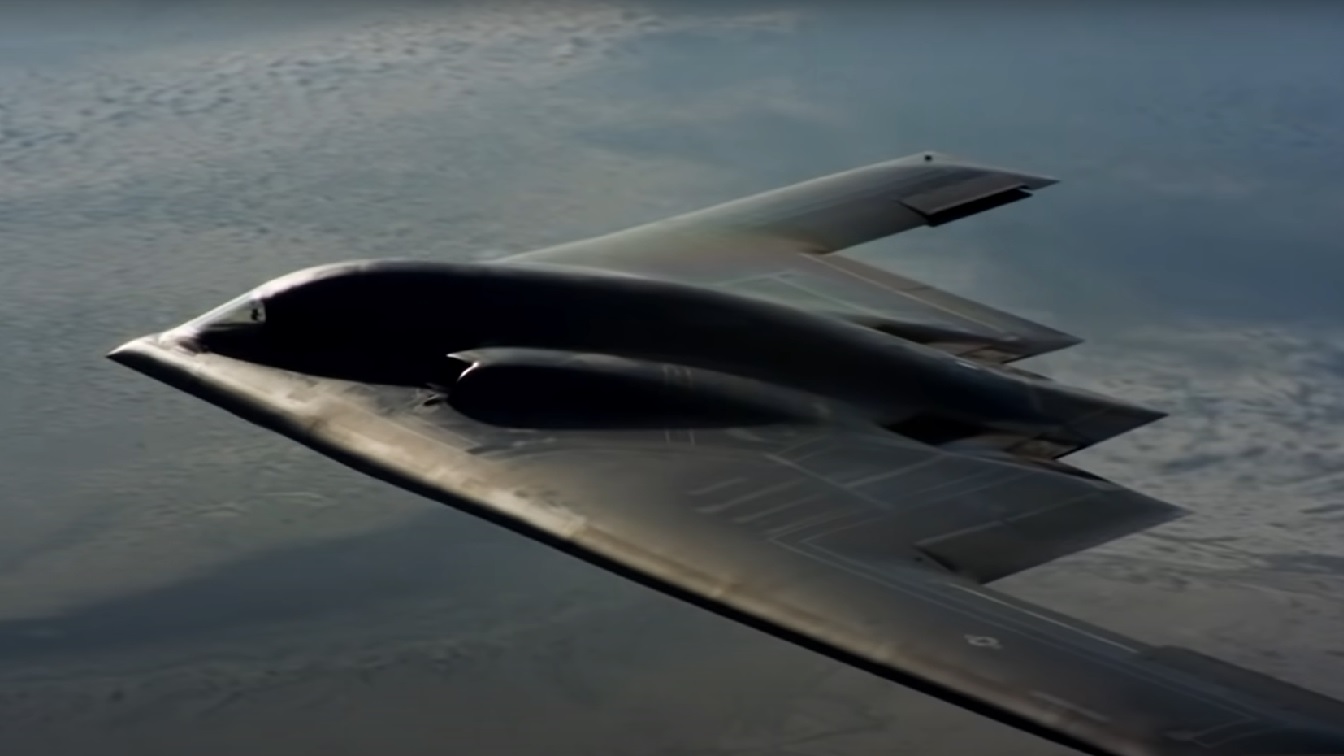
B-2 Spirit. Image Credit: Northrop Grumman.
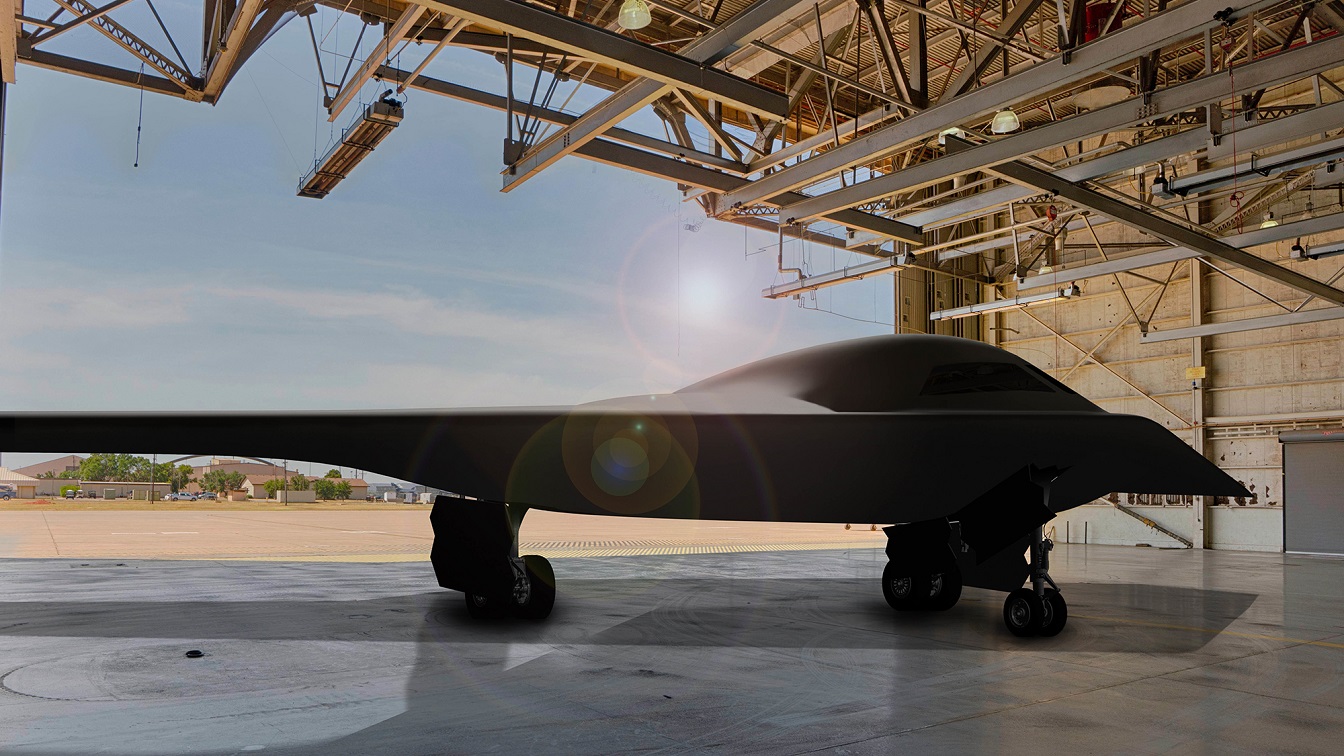
Artist rendering of a B-21 Raider concept in a hangar at Dyess, Air Force Base, Texas, one of the future bases to host the new airframe. (Courtesy photo by Northrop Grumman)
The B-21 reportedly can take off and land on smaller, more austere airfields. The aircraft will not require the B-2’s climate-controlled hangars.
Defense One interviewed an intelligence official, who said Chinese technology isn’t up to U.S. standards yet.
“The thing with the H-20 is when you actually look at the system design, it’s probably nowhere near as good as US [low observable] platforms, particularly more advanced ones that we have coming down,” the official said. “They’ve run into a lot of engineering design challenges, in terms of how do you actually make that system capability function in a similar way to a B-2 or B-21.”
China appears to be several years away, and by then, the B-21 Raider, which is already in production, should be in the U.S. inventory.
The B-21 has superior stealth, and its defensive suite, with a combination of passive and active defenses, is a step ahead in electronic warfare. China’s efforts, while developing, are unproven.
This opens up a new era of competition between the two superpowers.
In 4 Words: But the big question for the U.S. will be, “Is 100 B-21s enough?”
About the Author: Steve Balestrieri
Steve Balestrieri is a National Security Columnist. He served as a US Army Special Forces NCO and Warrant Officer. In addition to writing on defense, he covers the NFL for PatsFans.com and is a member of the Pro Football Writers of America (PFWA). His work was regularly featured in many military publications.