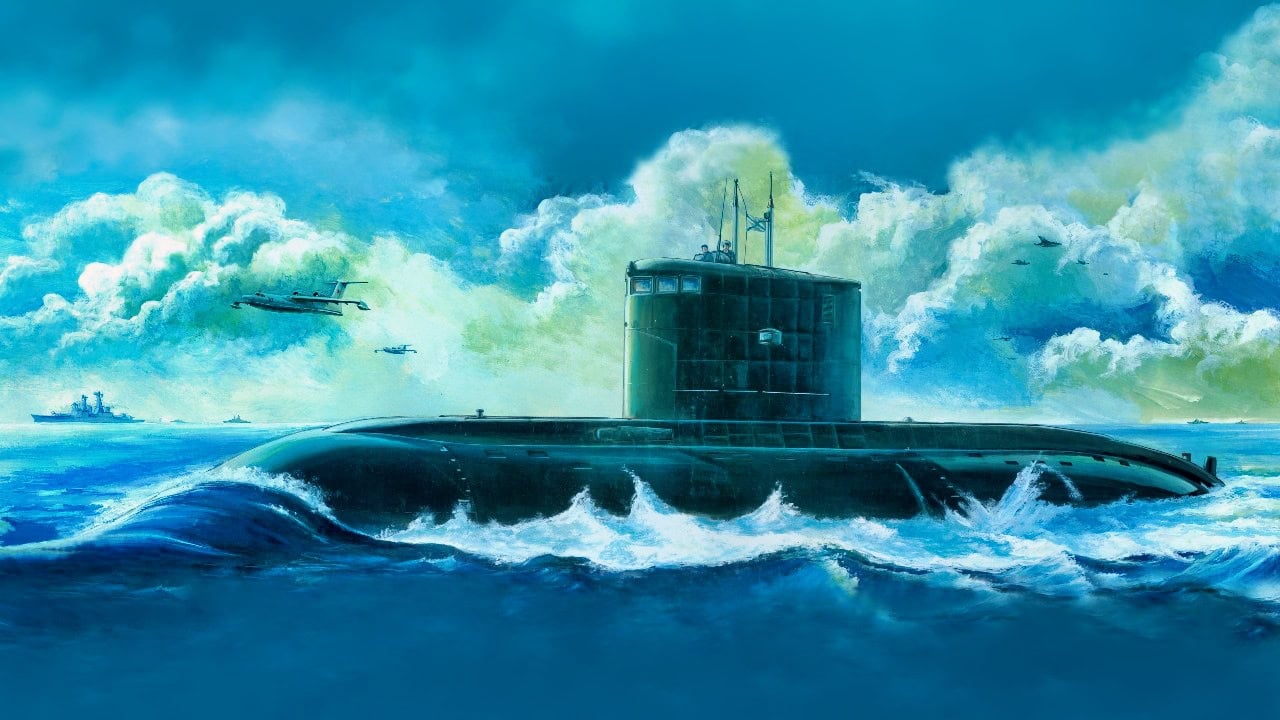
Key Points and Summary – Russia’s Black Sea Fleet just absorbed another serious blow beneath the surface. A Project 636.3 Kilo-class submarine—believed to be B-271 Kolpino—was struck while tied up at Novorossiysk, the base Moscow relied on after Sevastopol became a recurring target.
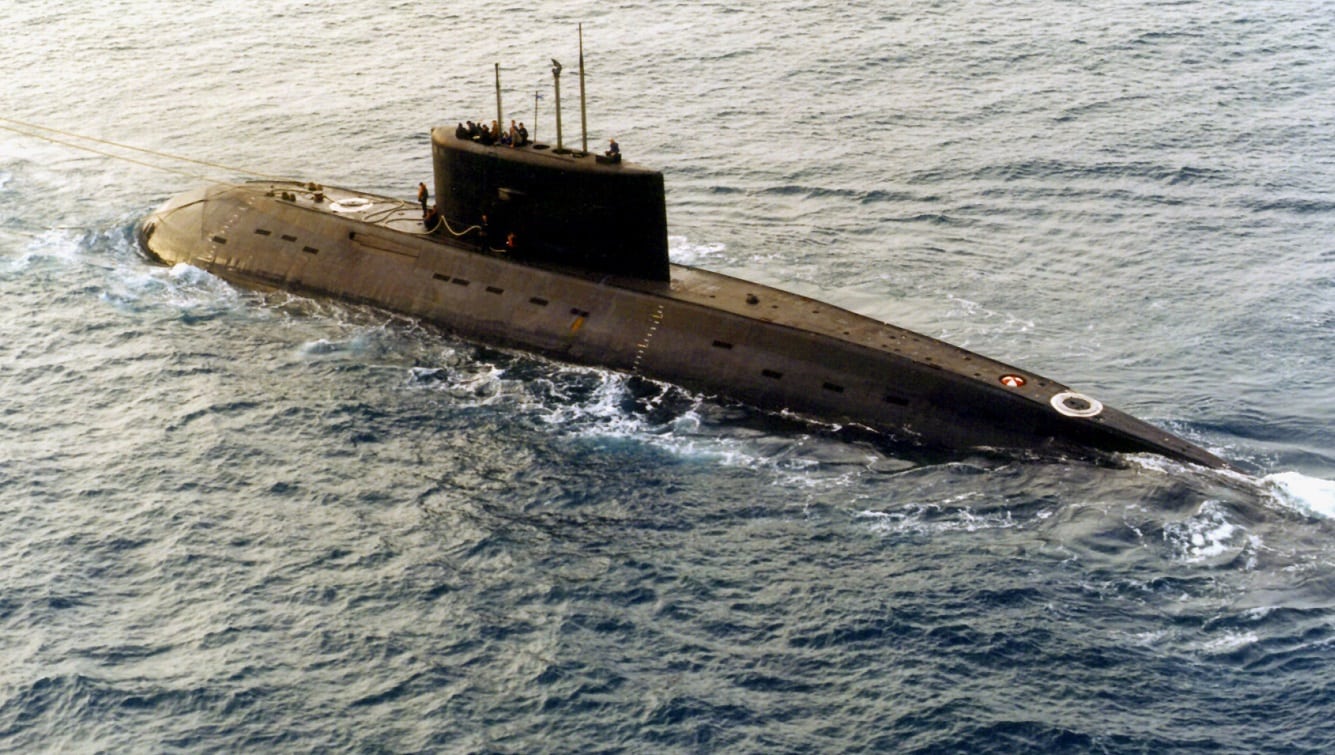
A Russian-built, Kilo-class diesel submarine purchased by Iran, is towed by a support vessel in this photograph taken in the central Mediterranean Sea during the week of December 23. The submarine and the support ship arrived at Port Said, Egypt, on Tuesday and were expected to begin transiting the Suez Canal today, Jan. 2, 1996. Ships and aircraft from the U.S. NavyÕs Sixth Fleet are tracking the submarine, which has been making the transit on the surface. This is the third Kilo-class submarine the Iranians have purchased from Moscow. DoD photo
-Ukraine’s SBU claims the attack used an underwater “Sub Sea Baby” drone, and imagery suggests an explosion close enough to cause major flooding and force the boat lower in the water.
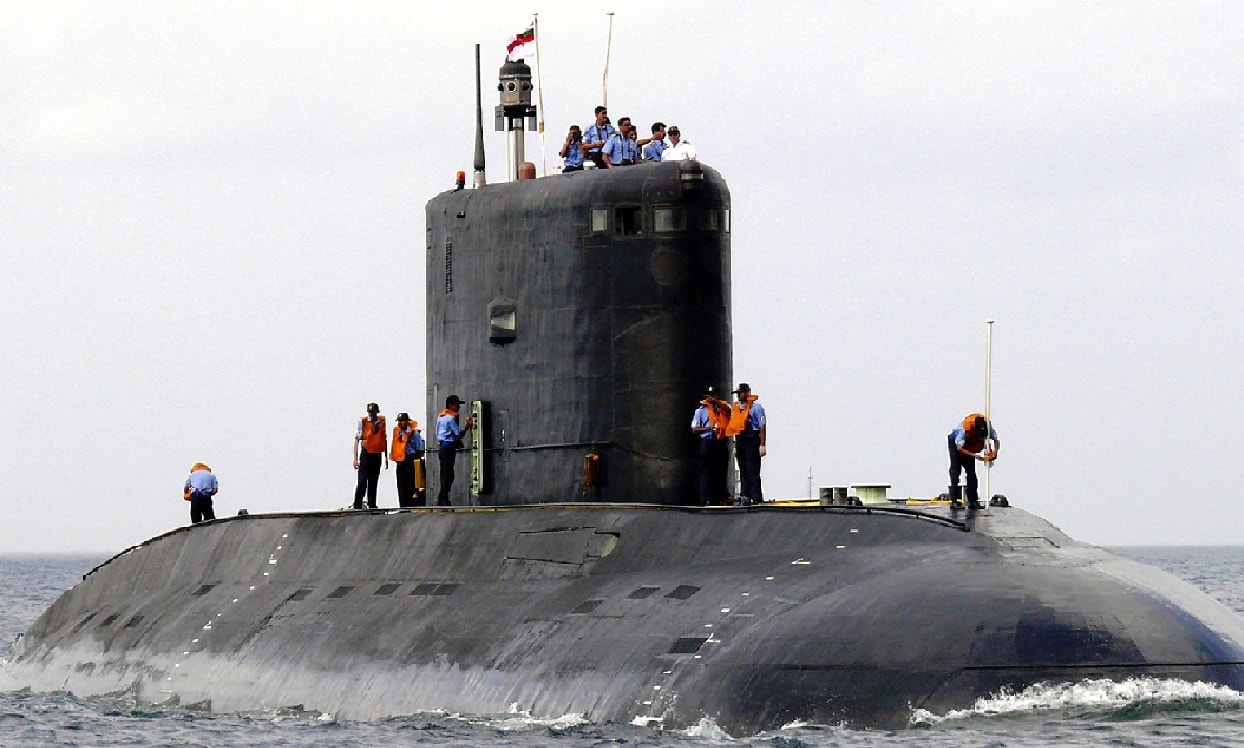
Kilo-class Submarine.
-If the pressure hull and stern systems were compromised, repairs may be impractical—especially with transit to full-service yards constrained—shrinking Russia’s Kalibr-capable launch options in the theater.
And Then There Were Two: The Destruction of Another Russian Kilo-Class Sub
Moscow has now officially lost half of the Kilo-class submarines that it had in its Black Sea fleet when its war in Ukraine began. UK MoD Defence Intelligence had issued a December 20 after-action assessment of last week’s unprecedented attack on an “improved” variant of a Russian Navy (VMF) diesel-powered Kilo-class submarine.
At the time, the sub was not at sea but was tied up at Russia’s Novorossiysk Naval Base in the Eastern Black Sea region. Ironically, Moscow had previously moved its Black Sea fleet to seek refuge at this naval facility because the Crimean port of Sevastopol had been attacked repeatedly.
Ukraine’s Security Service (SBU) has claimed responsibility for the attack, which the agency says was carried out overnight on 14-15 December using one of its underwater “Sub Sea Baby” naval drones. This is the first time one of these weapons has been used against a sub. It was also the second such submarine to be successfully attacked while docked in port.
The first was the Rostov-na-Donu, which was first damaged on September 13, 2023, while in dry dock at the Sevastopol Marine Plant. That boat was under repair for 9 months until June 2024, when it was restored to a condition that allowed it to float.
The sub was then transferred to the 13th Ship Repair Plant in Sevastopol on Kilen Bay. By July 2024, sources in the Russian VMF claimed that the dock repairs to the Rostov were completed, but on the night of August 2, the submarine was struck again by missiles and subsequently sunk.
The Second Submarine Out of Action
This sequence of events highlighted two of the most critical weaknesses of the Sevastopol base: its vulnerability to attack and the limited repair facilities available.
The attack this month using the uncrewed underwater vehicle (UUV) is believed to have put another Russian Project 636.3 Varshavyanka-class (NATO Kilo-class) submarine out of commission. It is thought it was the B-271 Kolpino, which was docked at the pier at Novorossiysk at the time.
A video subsequently released by the SBU on December 15 shows a large explosion at the pier from the strike and in the direct vicinity of the submarine. Satellite images taken a day later show that the underwater drone was only slightly off target, and some of the explosion’s force impacted the concrete pier.
The photointerpretation of the images shows a crater on the pier, estimated to be about 9 meters in diameter. This would indicate a massive warhead that exploded directly next to the submarine.
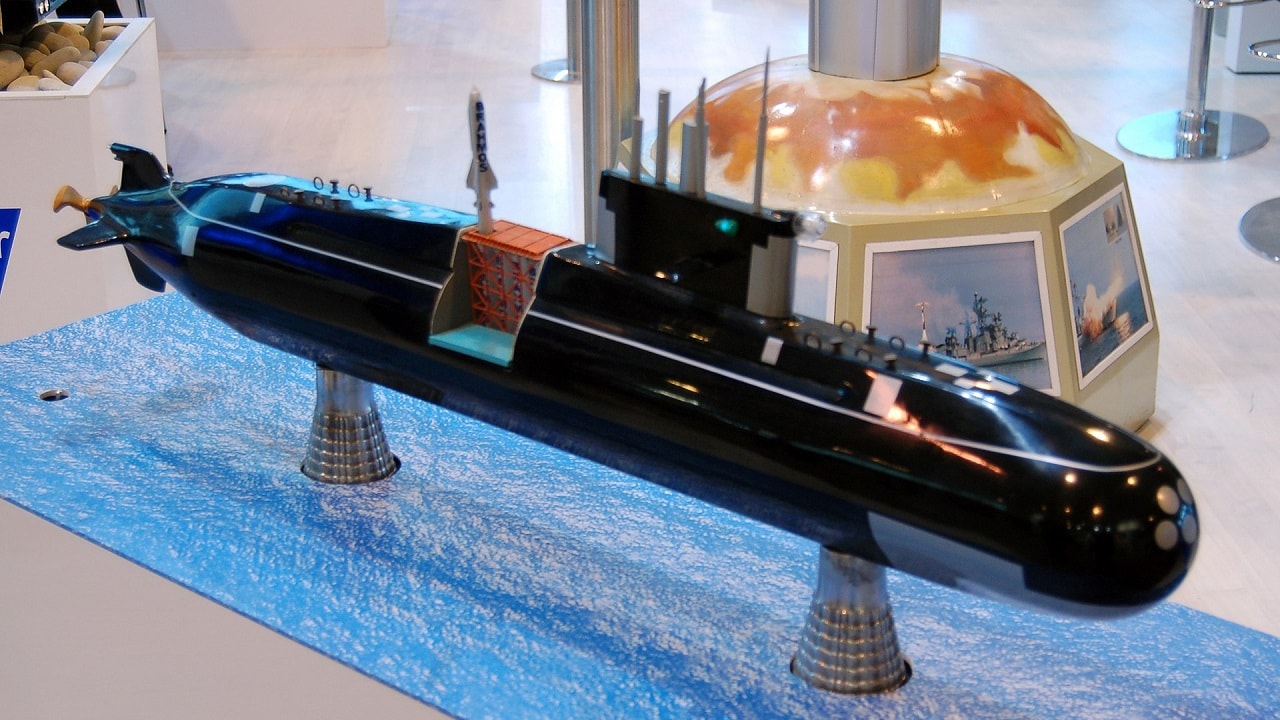
BrahMos missiles on Lada class non-nuclear submarine maquette. MAKS-2009.
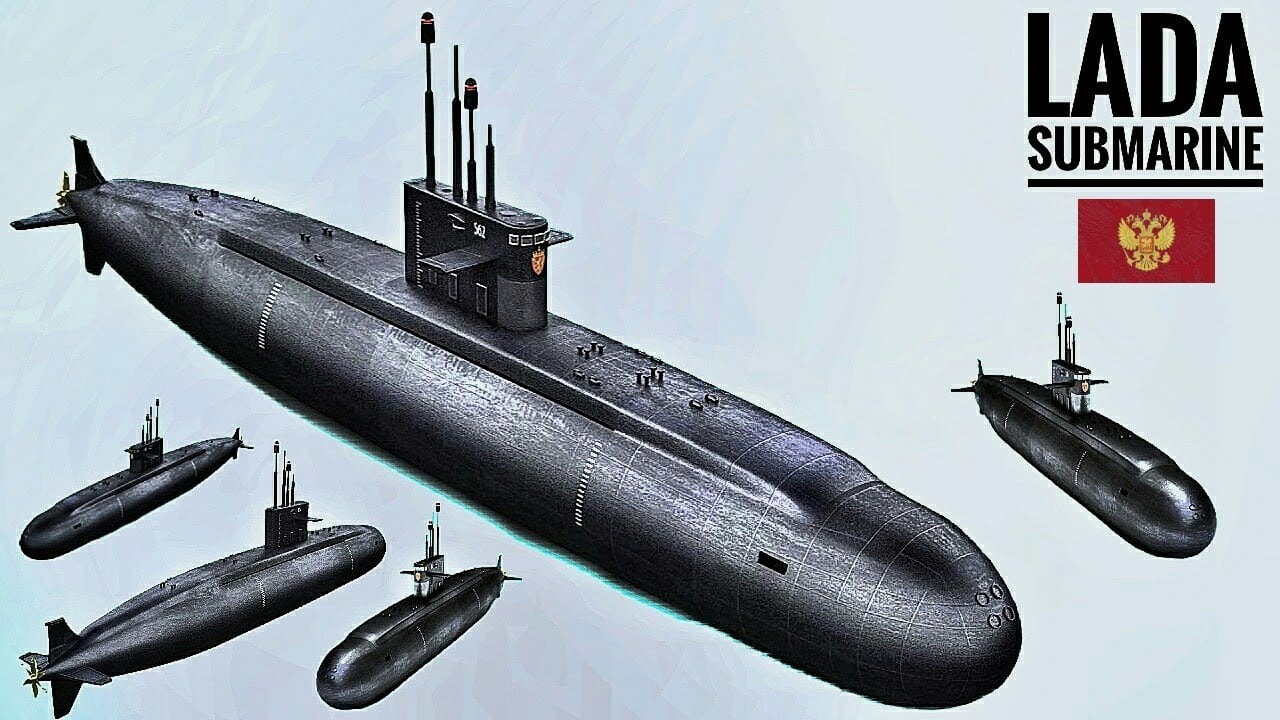
Lada-class Submarine. Image Credit: Creative Commons.
Other images show the submarine is still floating but is more than a meter deeper in the water than its waterline and is much lower than it should be under normal conditions. Examination of other photos confirms the extent of the Kolpino’s damage, as it is riding lower on the surface than one of the other still-intact Varshavyanka-class submarines, which is located on the other side of the pier.
Serious and Irreparable Damage
The flooding of several internal compartments has two profound implications for the boat. One is the damage to the hull if some of the submarine’s compartments are flooded.
As one of the NATO military intelligence analysts familiar with both Russian and Chinese submarine designs who spoke to 19FortyFive explained, “that level of damage would mean that both the light and pressure hull of the submarine have suffered significant damage.”
“Once this has happened, the sub is almost impossible to repair – at least to a level where it could be returned to normal service,” he continued. Looking at both satellite imagery and photos that appear to be drone footage, it seems the warhead’s impact was between 12 and 14 meters forward of the boat’s stern.
Secondly, flooding of the internal compartments at this location likely means damage to steering mechanisms, shafts, propellers, hydroelectric motors, and other equipment – to say nothing of the electronic systems that would be ruined by exposure to seawater.
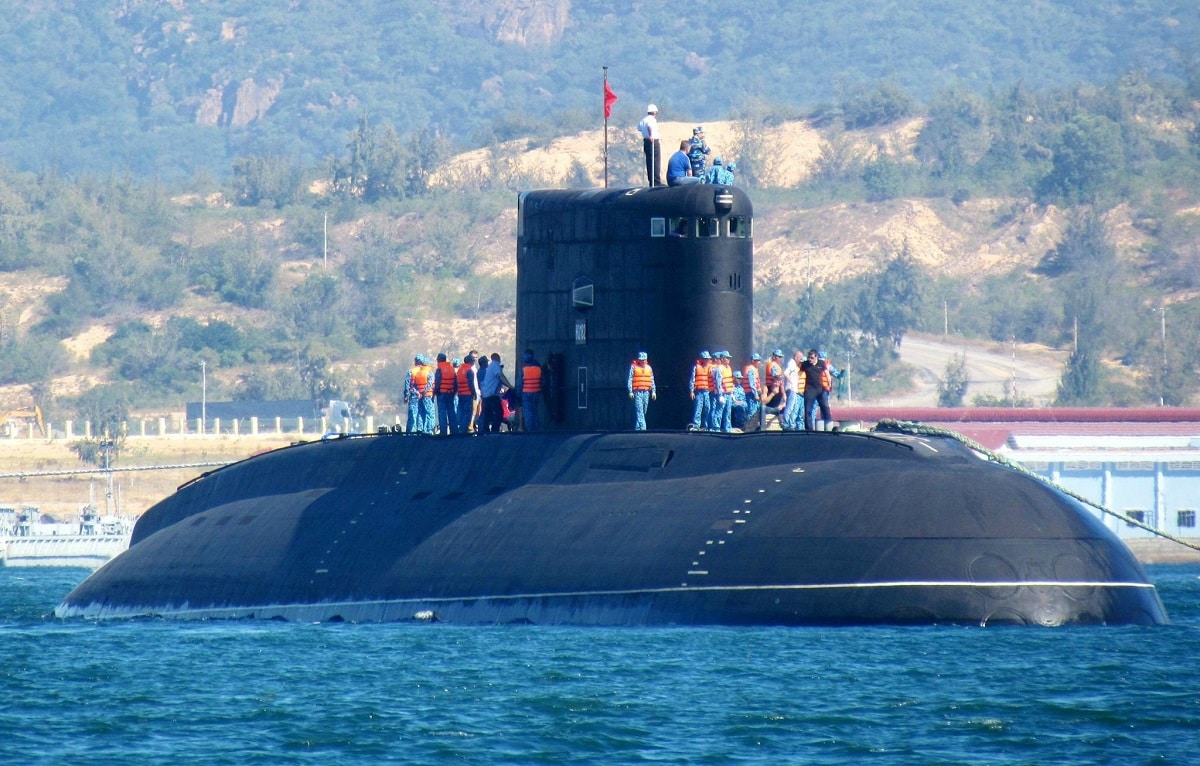
Russia-built Kilo-class Submarine. Image Credit: Creative Commons.
It probably also means that this submarine would be easier for the VMF to just cut up for scrap than to attempt repairs.
Full-scale repairs of Project 636.3 submarines have always been performed at the Kronstadt Marine Plant in the Baltic Sea.
But transferring naval vessels out of the Black Sea to that facility is now blocked by the Montreux Convention, which forbids passage through the Bosphorus in either direction for any belligerent states.
This leaves this damaged submarine now confined to a theatre where it cannot be properly maintained.
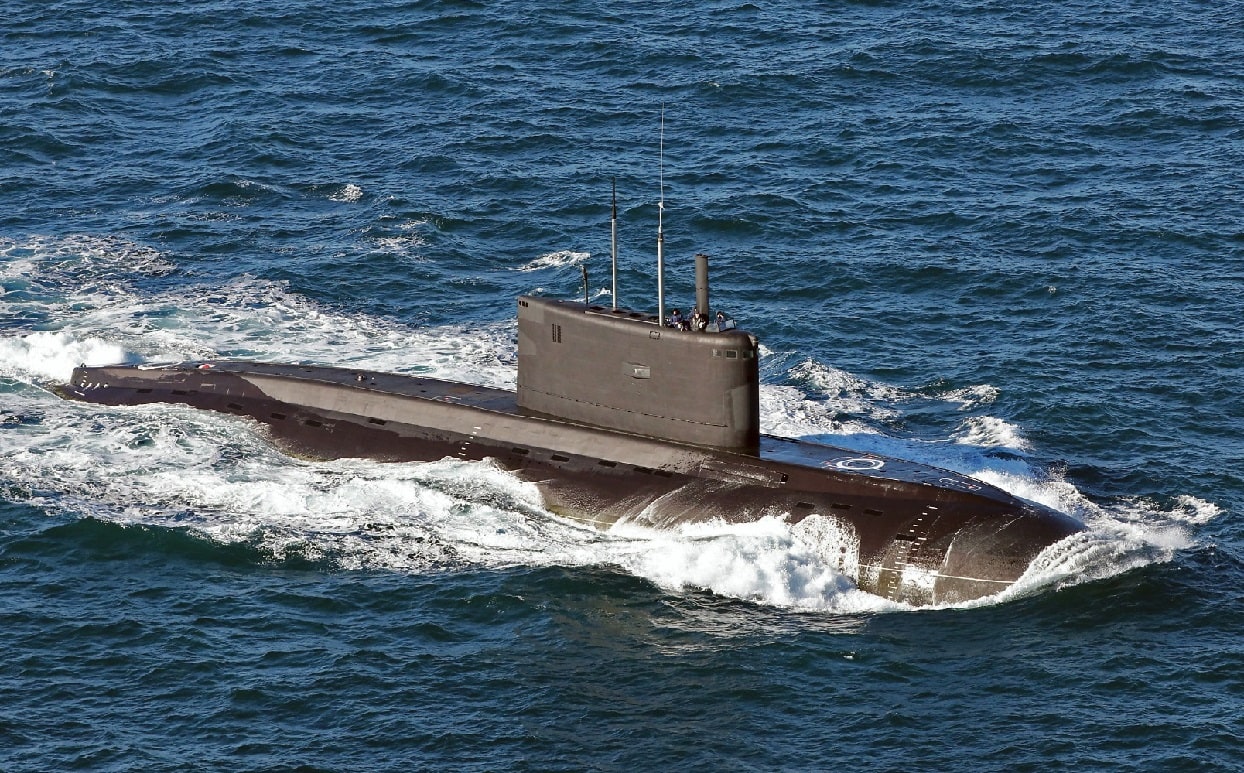
Kilo-class Submarine. Image Credit: Creative Commons.
These submarines in this class are capable of firing the Novator Kalibr cruise missile, which has been used extensively in strikes against targets in Ukraine.
The VMF’s inability to safeguard the sub, said one Ukrainian publication, will “likely significantly undermine the Russian military leadership’s confidence in Russia’s Black Sea Fleet force protection measures.”
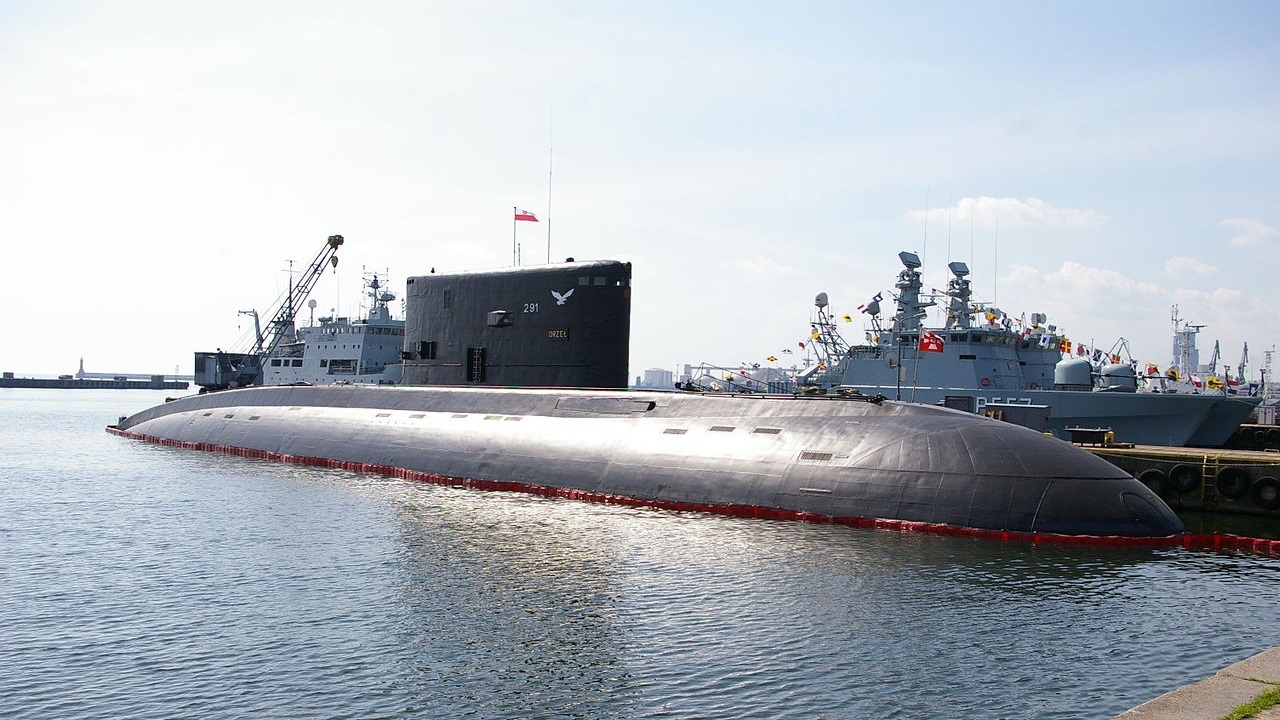
Polish Navy submarine, Kilo-Class.
About the Author: Reuben F. Johnson
Reuben F. Johnson has thirty-six years of experience analyzing and reporting on foreign weapons systems, defense technologies, and international arms export policy. Johnson is the Director of Research at the Casimir Pulaski Foundation. He is also a survivor of the Russian invasion of Ukraine in February 2022. He worked for years in the American defense industry as a foreign technology analyst and later as a consultant for the U.S. Department of Defense, the Departments of the Navy and Air Force, and the governments of the United Kingdom and Australia. In 2022-2023, he won two awards in a row for his defense reporting. He holds a bachelor’s degree from DePauw University and a master’s degree from Miami University in Ohio, specializing in Soviet and Russian studies. He lives in Warsaw.