
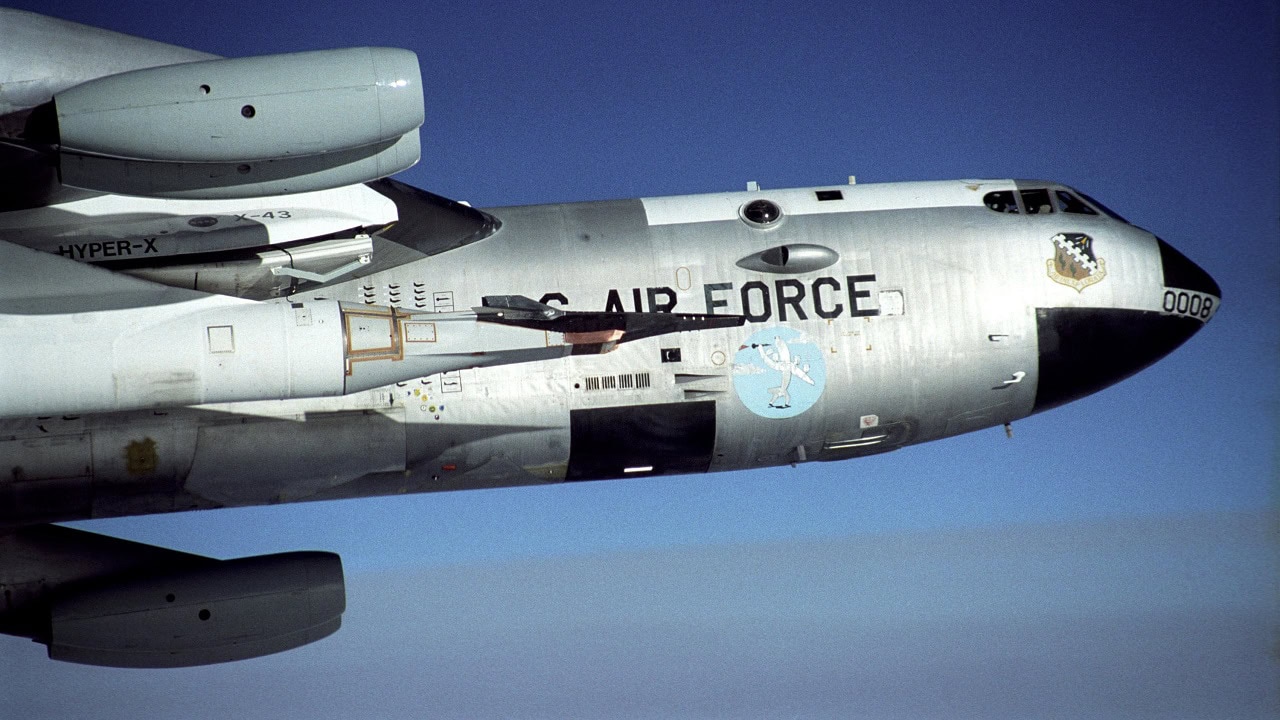
Key Points and Summary – NASA’s X-43A was a tiny unmanned testbed that did something huge: it pushed air-breathing flight to nearly Mach 10.
-Using a pioneering scramjet engine, the 12-foot X-43A rode a Pegasus booster to extreme altitude, then lit off for just seconds to generate priceless data on speed, heat, and control at hypersonic velocity.
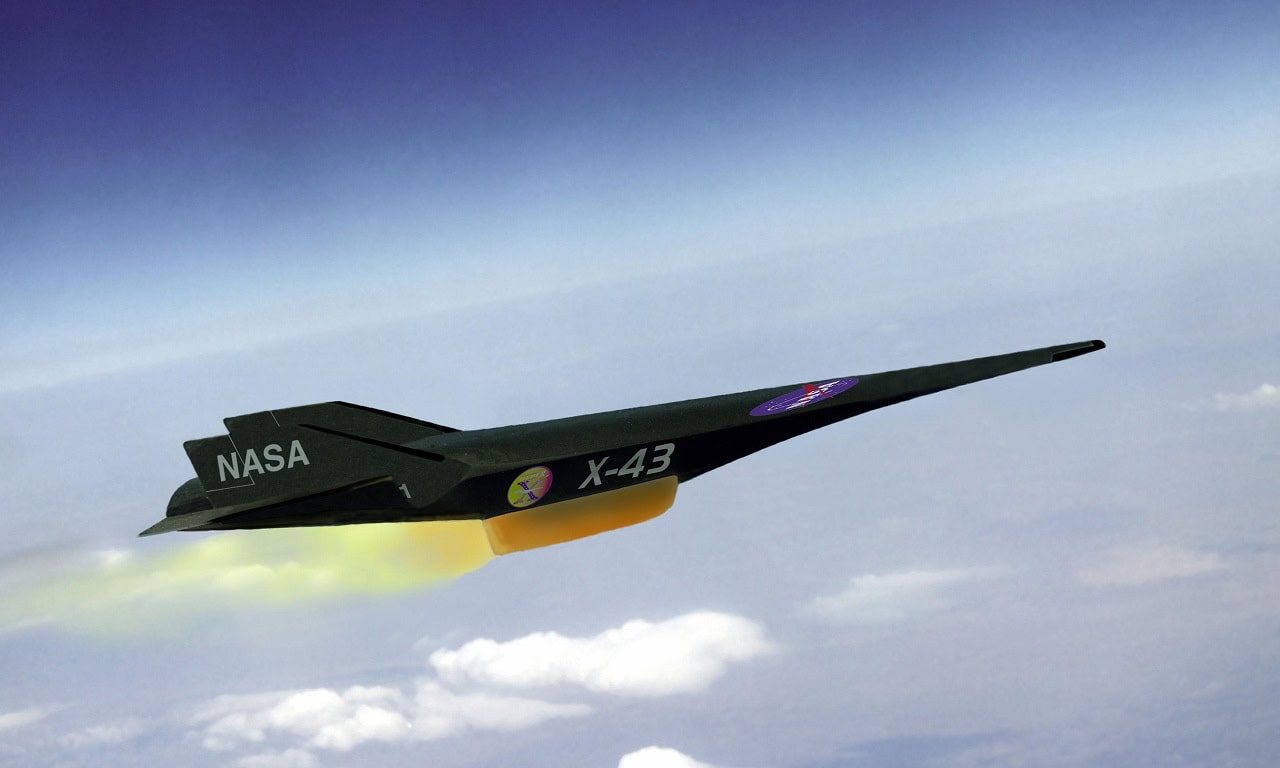
X-43. Image: NASA.
-Building on lessons from the X-15, the Hyper-X program showed that scramjets could work in the real world, far beyond the SR-71’s record.
-Those short, brutal flights still shape modern hypersonic missile and aircraft research—and keep the X-43A’s legend alive 20 years later.
Legendary X-43A Unmanned Testbed Aircraft Nearly Hit MACH 10
MACH 10 flight is the stuff of legend and fodder for Hollywood, but what if I told you NASA had an aircraft that almost reached this blistering speed?
The X-43A reached the near-MACH 10 threshold in 2004 with two test flights: one that first hit 5,000 miles per hour and another that achieved 7,000 miles per hour.
Is MACH 10 flight even attainable? Definitely, it is in the space industry.
The Space Shuttle would often fly at near MACH 25—that’s 17,500 miles per hour when it re-entered the earth’s atmosphere, according to NASA.
The space agency and the Air Force were thrilled about the near-MACH-10 flight of the X-43A.
“It was a great mission,” said Joel Sitz, X-43A project manager. “It was 90 seconds of terror, but once it’s over with, you realize you really accomplished some great things,” according to an Air Force news release.
What Is a Scramjet Engine?
The unmanned X-43A reached MACH 9.68 while testing on November 16, 2004. The X-43A was only 12 feet long. It used one of the first “scramjet” engines. This is also known as a “supersonic-combustion ramjet.”
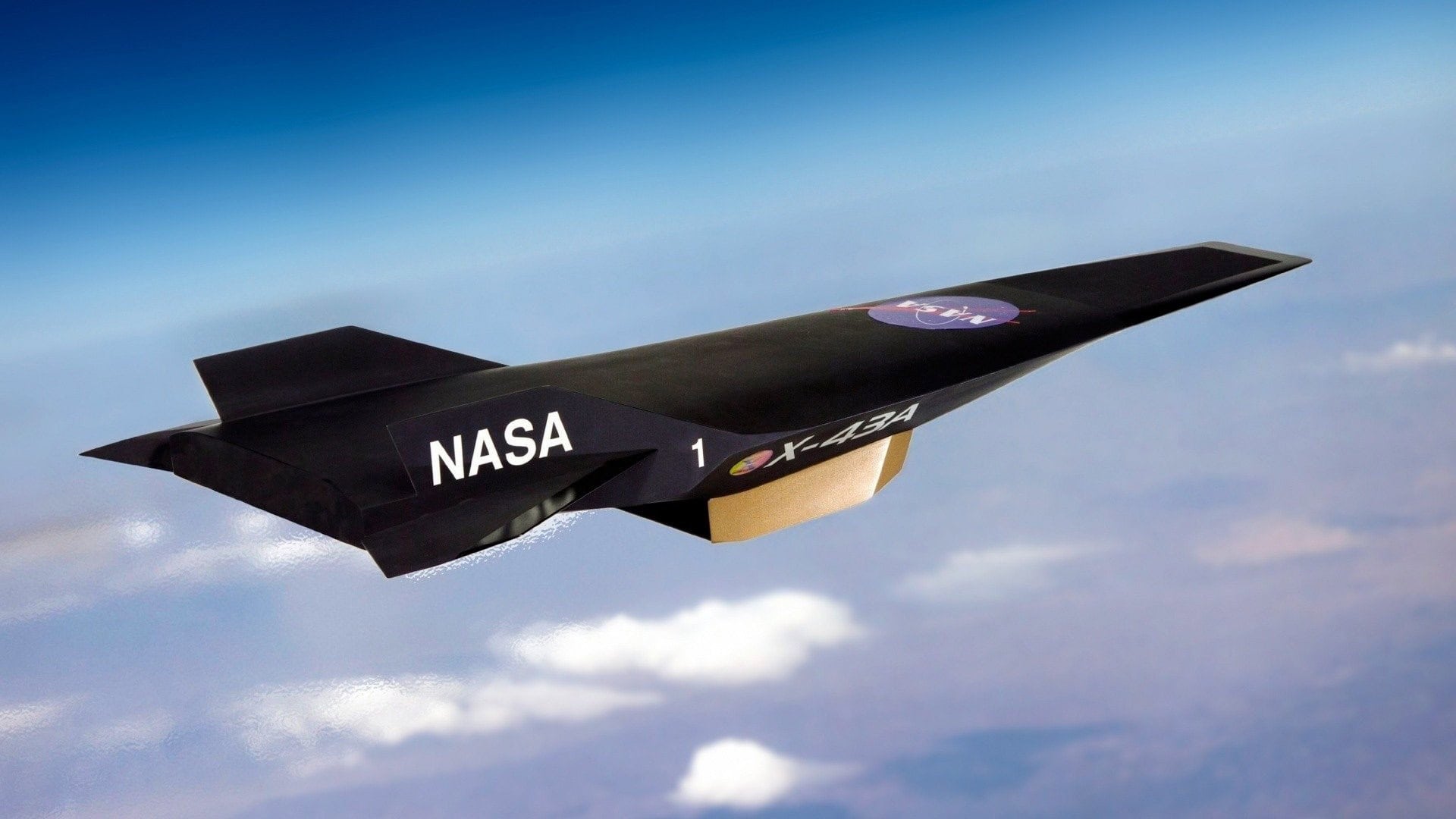
X-43A. Image Credit: Creative Commons.
“A scramjet draws oxygen for combustion from the atmosphere rather than carrying it like a rocket. The scramjet powered the X-43A for about 10 seconds, hitting speeds of 6,600 mph and temperatures of 3,600 degrees Fahrenheit. The flight ended as planned, in the ocean,” NASA wrote.
The X-15A-2 Program Was a Precursor to the X-43A
That speed and heat signature was achievable after 40 years of research and development. As for manned ultra-high speed flight records, the feat was accomplished by William J. “Pete” Knight, who flew the X-15A-2 to an astounding 4,520 miles per hour or Mach 6.7 on October 3, 1967.
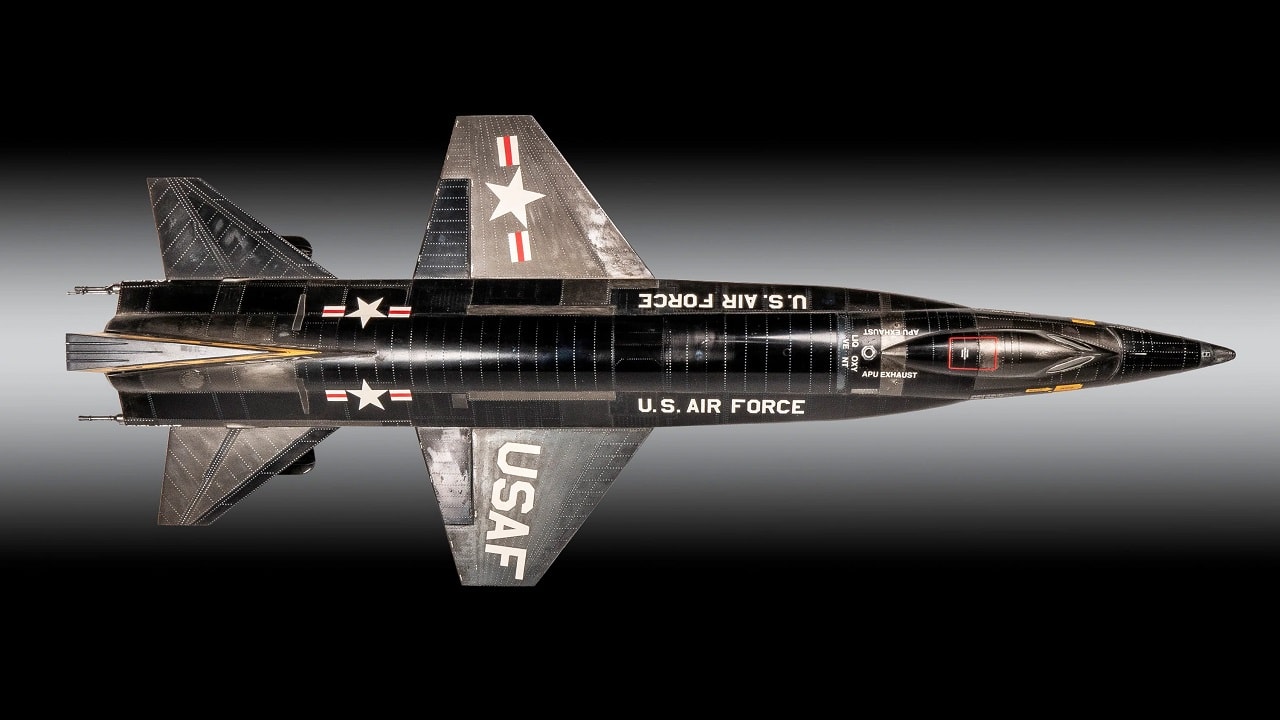
X-15. Image Credit: Creative Commons.
This flight created a temperature of 2,800 degrees since it had a replica scramjet engine on board. The fake engine melted down at that kind of heat.
That was the end of the X-15A-2 program.
Hypersonic +MACH 5 flight is when an aircraft or missile moves “so fast that it starts to change the chemistry of the air around it, breaking apart air molecules, and creating scorching heat,” NASA explained.
X-43A Was Not an Easy Feat of Engineering
The X-43A was part of the Hyper-X program for demonstrating hypersonic flight. The first launch of the X-43A and the program were delayed for three years. NASA Dryden/NASA Langley worked together to enable more flights, but the blistering temperatures during the flights were difficult for engineers to overcome.
The X-43A, first known as the Pegasus launch vehicle, was carried to altitude with a NASA Dryden NB-52 aircraft. The flight parameters were pre-programmed, and the NB-52 released the X-43A. It then separated from its booster and reached speeds between MACH 7 and MACH 10.
Flights were controlled out of the Dryden/Edwards Air Force Base area, and the tests were conducted over the Western Sea Range off the coast of California.
The NB-52 was a modified B-52, one of the oldest in the Air Force fleet, that was loaned to NASA for test flights of the X-43A. This was a historic booster aircraft that had also launched the X-15A-2 hypersonic aircraft.
The first scramjet engine was delivered to NASA in 1998. But the program had a long way to go before X-43A flights. Ground testing occurred at NASA Langley’s High Temperature Tunnel.
The Pegasus Hyper-X Launch Vehicles Were Extremely Important
Orbital Sciences Corporation entered production and built three Pegasus Hyper-X rocket launch vehicles. The X-43A had a wingspan of only 5 feet and weighed 3,000 pounds. It separated from the Hyper-X launch vehicle at a speed between Mach 7 and 10, at altitudes of 95,000 to 110,000 feet, for about 10 seconds.
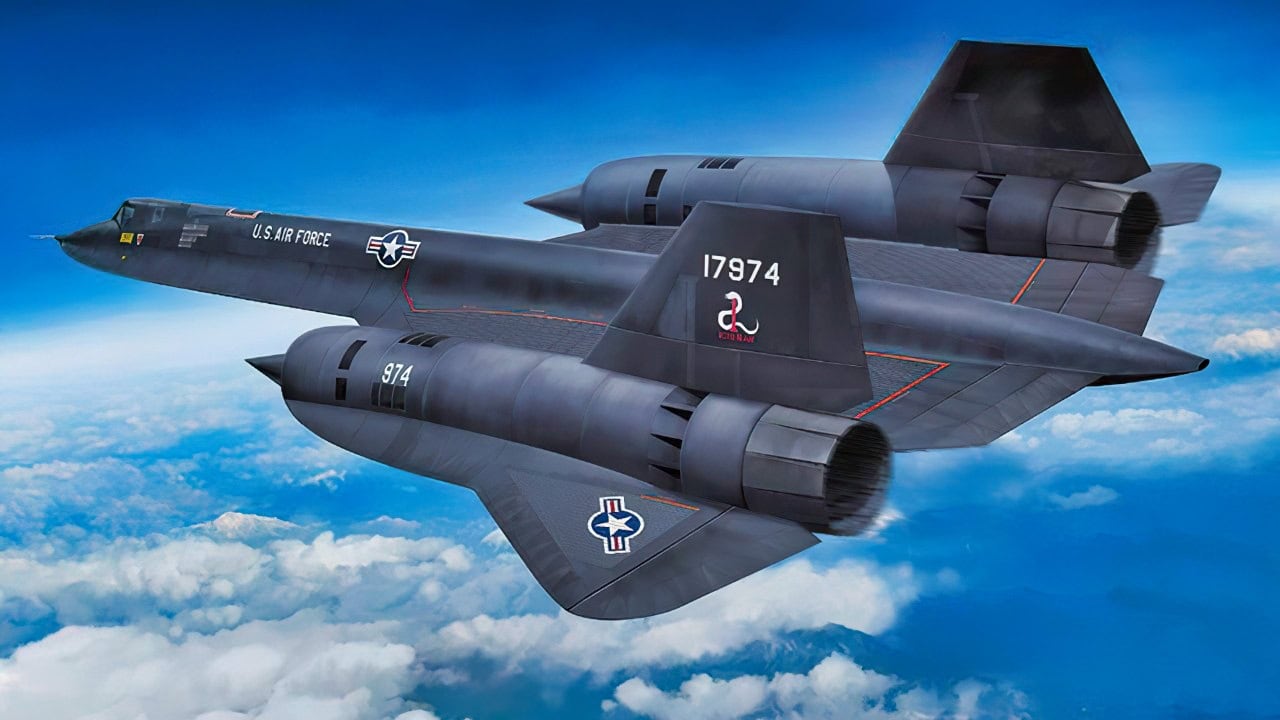
SR-71 Blackbird. Image Credit: Creative Commons.
The Hyper-X program cost $230 million for the ground tests and aerial flights. It lasted around seven years. This was a monumental accomplishment and paved the way for further research into scramjet technology, which still shapes hypersonic flight today.
“Scramjet engines get their oxygen from the atmosphere allowing more airplane-like operations for increased affordability, flexibility and safety in ultra-high-speed flights and for the first stage to Earth orbit. Once a scramjet-powered vehicle is accelerated to about Mach 4 by a conventional jet engine or booster rocket, it can fly at hypersonic speeds, possibly as fast as Mach 15, without carrying heavy oxidizer, as rockets must,” NASA announced in a news release.
Much Faster Than the SR-71
Up to that point, an air-breathing engine powering the manned SR-71 could only hit MACH 3.2. So the X-43A made history during its short flights.
The X-43A was a successful technology demonstrator for scramjet operations. This showed that hypersonic flight was achievable. The effort was expensive, and it was a good thing the aircraft were unmanned, given the more dangerous and deadly flights of the Bell X-2 in the 1950s.
The Hyper X program is relevant today, as NASA has collected substantial flight data for further analysis of hypersonic flight. This test bed will be a valuable part of future experiments and stands as a proof-of-concept that occurred over 20 years ago.
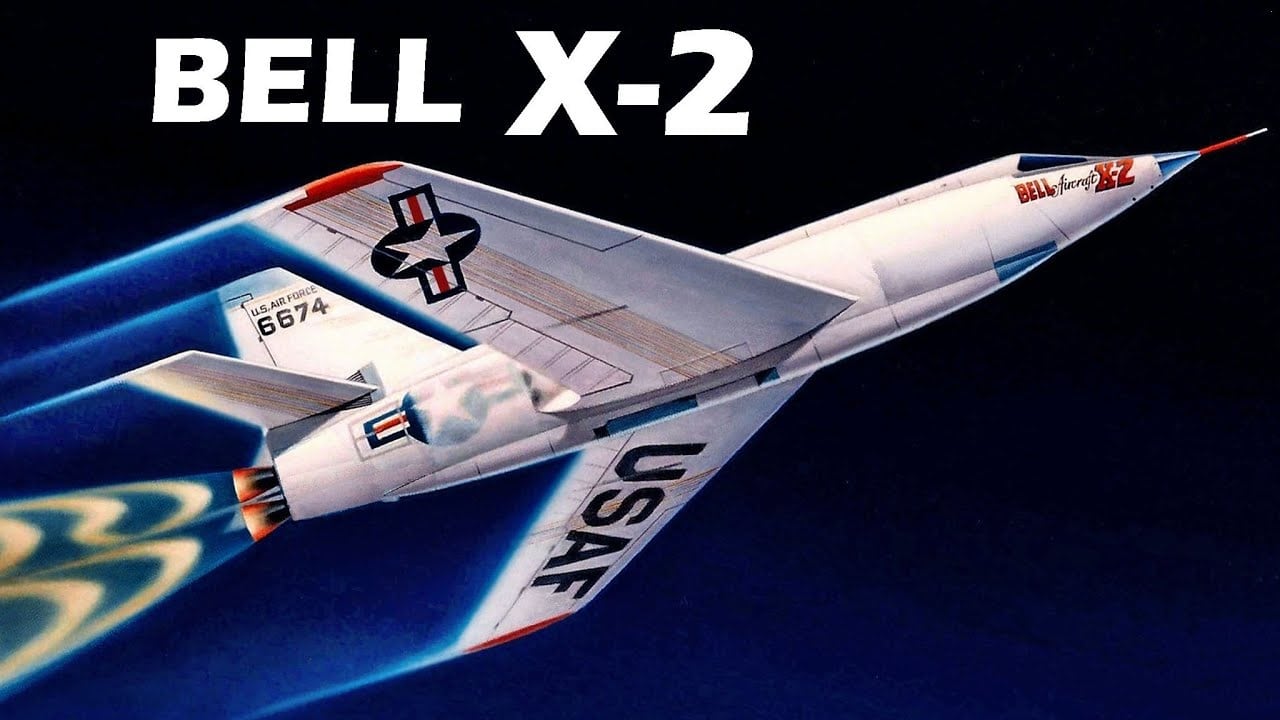
Bell X-2. Image Credit: YouTube Screenshot.
The flights included critical technologies that integrated aero-propulsion, enabling ultra-high speeds. The X-43A program paved the way for the Boeing X-51 Waverider project, which also used scramjet propulsion and completed its first +MACH 5-powered flight in 2010.
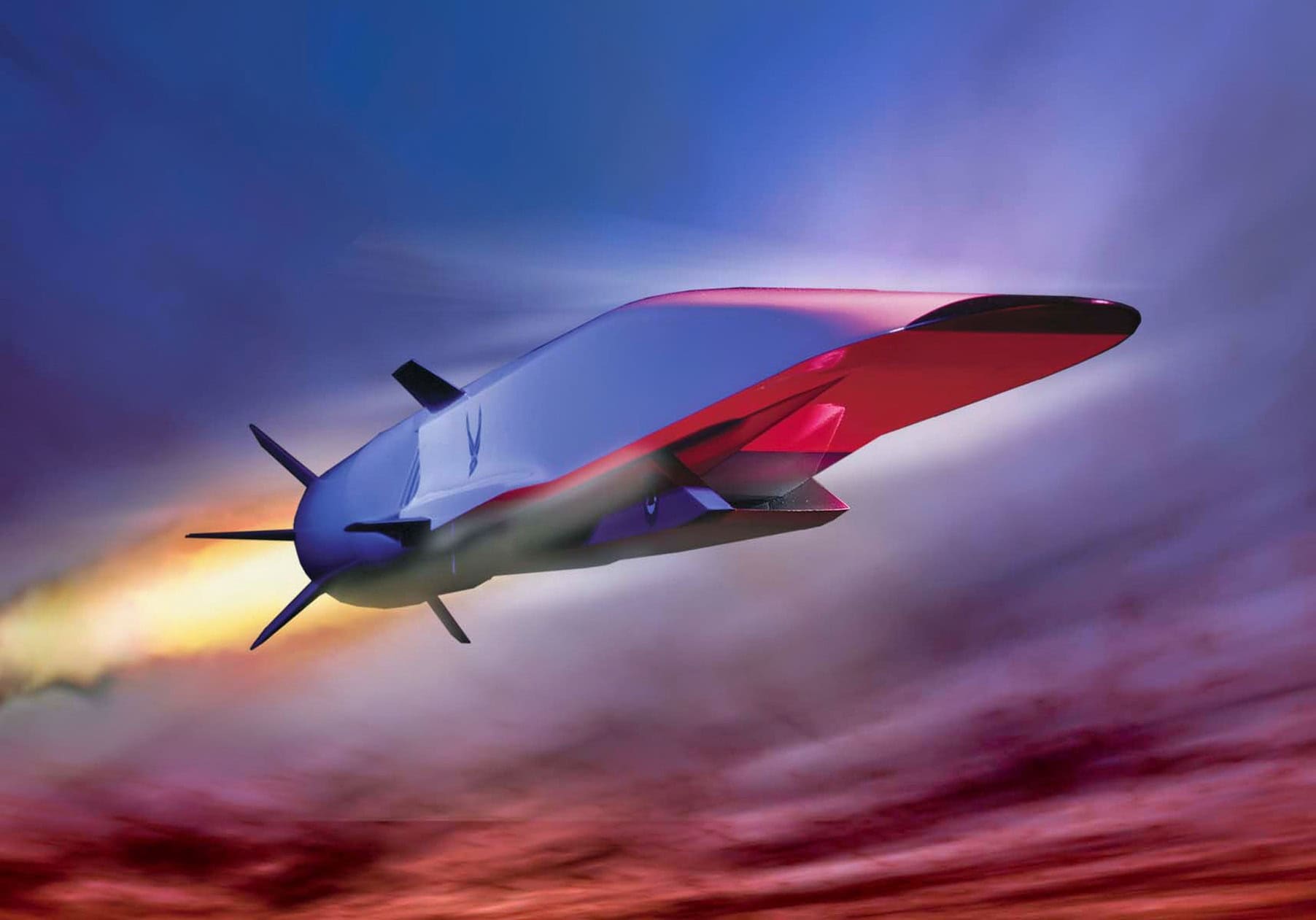
The X-51A Waverider is set to demonstrate hypersonic flight. Powered by a Pratt Whitney Rocketdyne SJY61 scramjet engine, it is designed to ride on its own shockwavem and accelerate to about Mach 6. (U.S. Air Force graphic)
The X-43A has stood the test of time, yet it likely could have been more successful and tested more robustly with greater funding and focus.
This aircraft had significant potential as a technology demonstrator. But it showed that some of the best engineers in the world could achieve such a fast flight and proved that scramjet propulsion had a bright future.
About the Author: Brent M. Eastwood
Author of now over 3,000 articles on defense issues, Brent M. Eastwood, PhD is the author of Don’t Turn Your Back On the World: a Conservative Foreign Policy and Humans, Machines, and Data: Future Trends in Warfare plus two other books. Brent was the founder and CEO of a tech firm that predicted world events using artificial intelligence. He served as a legislative fellow for US Senator Tim Scott and advised the senator on defense and foreign policy issues. He has taught at American University, George Washington University, and George Mason University. Brent is a former US Army Infantry officer. He can be followed on X @BMEastwood.