
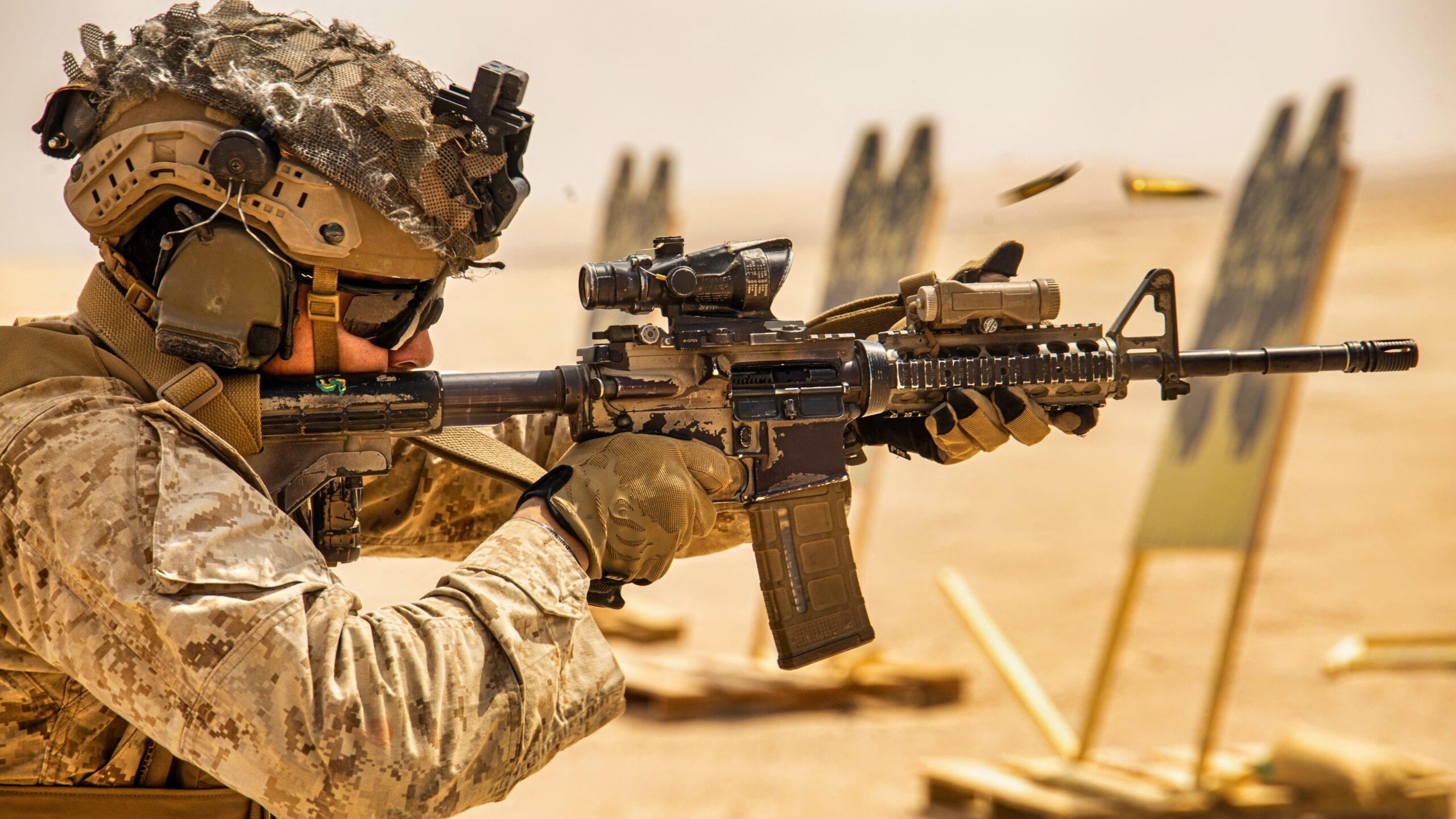
Key Points and Summary – Benjamin Franklin’s famous line, “There never was a good war or a bad peace,” reveals a man skeptical of war yet essential to America’s victory in one.
-Though he never fought as a conventional soldier, Franklin organized and led the Pennsylvania militia and helped shape colonial defense.

Benjamin Franklin. Image Credit: Creative Commons.
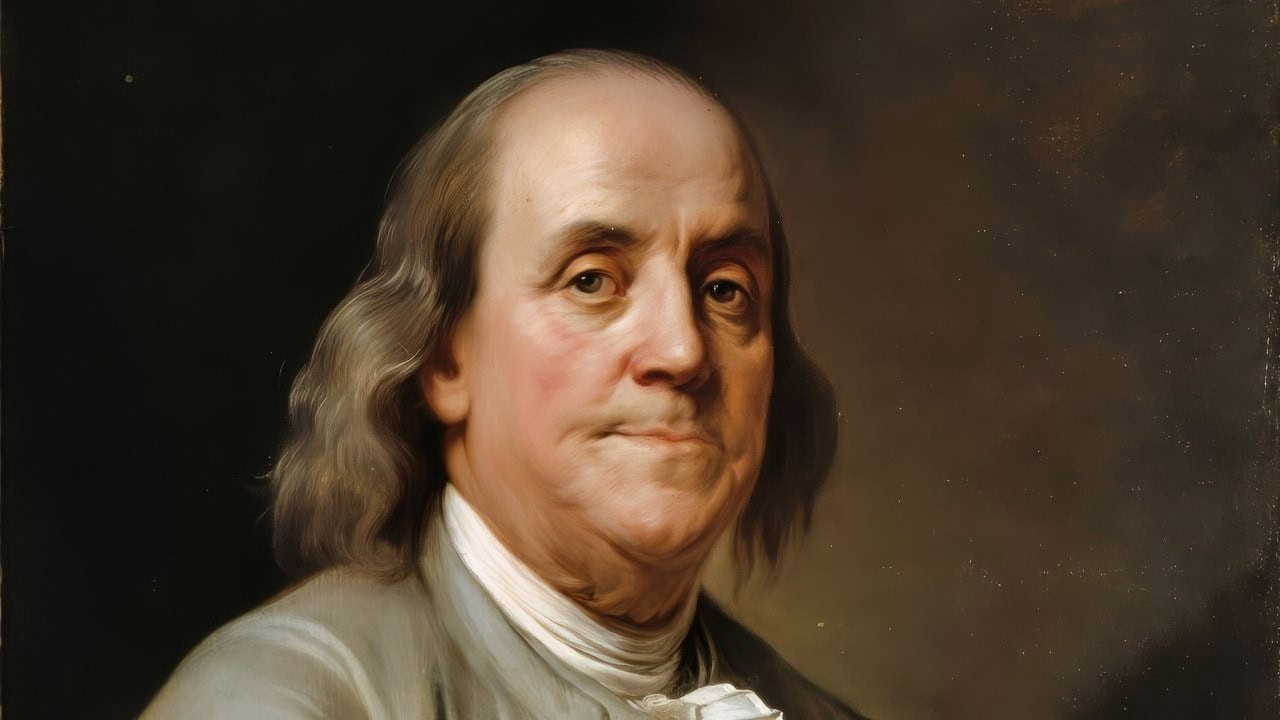
Benjamin Franklin. Image Credit: Creative Commons.
-His true battlefield was diplomacy: as America’s first major ambassador, he secured crucial French aid through the 1778 Treaty of Alliance, supplying money, arms, troops, and naval power that made independence possible.
-Residing in Passy outside Paris, he charmed French elites and cemented a legacy later symbolized by his face on the $100 bill.
Benjamin Franklin was Far More Than A Quote Machine: A True American
“There never was a good war or a bad peace.”—That quote belongs to Benjamin Franklin, one of the all-time great Founding Fathers, in a letter to Josiah Quincy, Sr., dated September 11, 1783. Not as famous as his “healthy, wealthy, and wise” proverb, but a part of his historical record all the same.
Ben Franklin may not have believed in the concept of a good war, but he undoubtedly would concur that the Revolutionary War yielded a good result: American independence.
Indeed, even though Mr. Franklin was neither a soldier nor a combat sailor during the Revolutionary War, his diplomatic efforts were every bit as important in securing American independence as General George Washington’s military victories on land and Captain John Paul Jones’s military victories at sea.
Never Quite a Soldier, But…
As noted by Gary McCloud in a May 25, 2024, article for TheGunZone, “No, Benjamin Franklin did not serve in the military in the traditional sense of enlisting as a soldier. However, he played a vital and active role in colonial defense, particularly in organizing and leading militia forces and contributing significantly to logistical and strategic planning…Perhaps Franklin’s most direct involvement with military matters was his crucial role in establishing and organizing the Pennsylvania Militia in 1747…He even served as a colonel in the militia, overseeing its training and organization, though he lacked formal military experience.
Revolutionary War Diplomat
As noted by the Benjamin Franklin Historical Society, “Benjamin Franklin was the first American ambassador received by a foreign government.”
This happened in 1778, when the Continental Congress—formed in 1777, following the Battles of Lexington and Concord—sent Benjamin Franklin to join Silas Deane and Arthur Lee to gather support from France for the independence struggle.
This trio negotiated a Treaty of Alliance and Treaty of Amity and Commerce with France, which was signed on February 6, 1778, after which Franklin was elected minister plenipotentiary to France and the sole representative of America in France.
Franklin’s ascendancy to the position of Ambassador to France was followed by John Jay’s appointment as minister to Spain in 1779 and John Adams to Holland in 1780. The BFHS info page continues: “Admired by the French for his experiments with electricity, inventions, and for his charming and humble personality, Franklin was a natural choice as ambassador.
Even though he was not fluent in French and his grammar was not perfect, the French complimented him.
He was the first official diplomat and ambassador to the 13 colonies. His presence in Paris annoyed the British government. Between 1778 and 1782, France kept providing the Continental Army with arms, ammunition, troops, uniforms, and naval support.”
The importance of Franklin’s role in building and sustaining Franco-American relations cannot be overstated, as without French financial and military aid, America could not have succeeded in its war for independence from the British Crown.
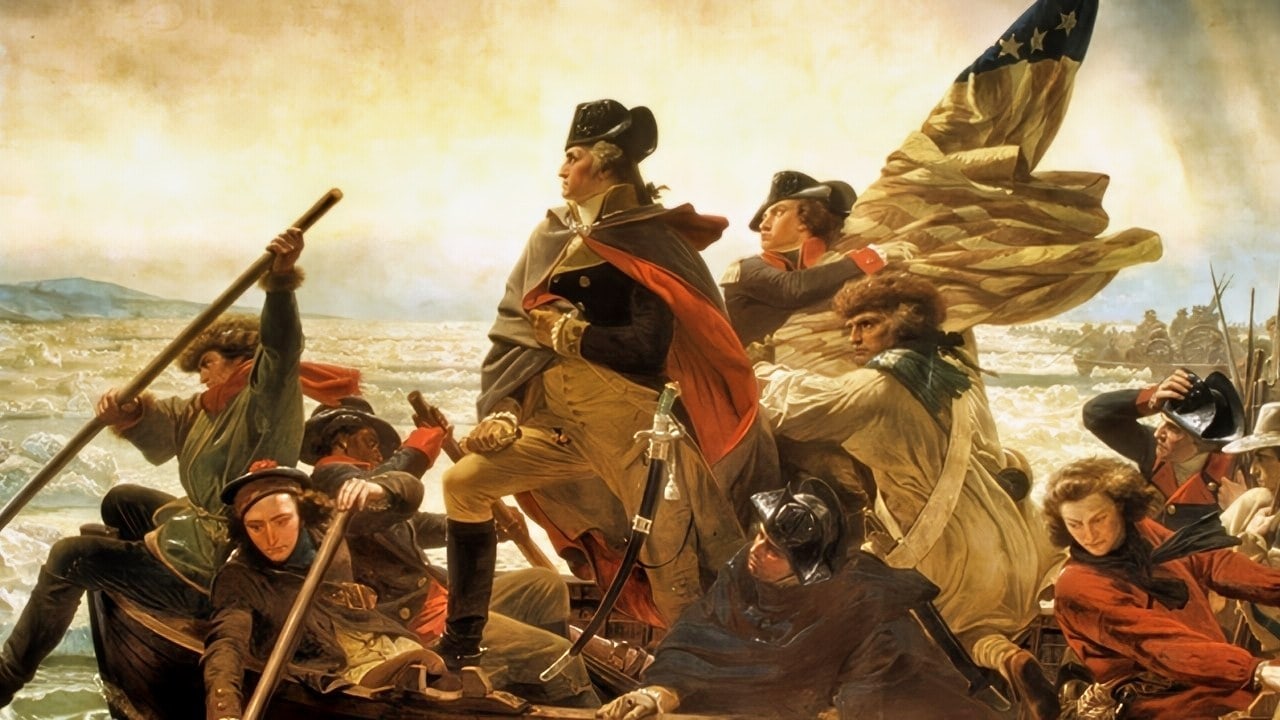
General George Washington. Image Credit: Creative Commons.
As the late historian Thomas A. Bailey said in his classic textbook “The American Pageant: A History of the Republic” (which just so happens to have been this writer’s assigned textbook for my Honors U.S. History class during my junior year of high school), to that the defeat of Britain in the Revolutionary War was a team effort between Britain and France “was like saying ‘Daddy and I killed the bear.’”
During his ambassadorial tenure, Ben Franklin resided in the swanky suburb of Passy, just outside Paris, in a house donated by a wealthy Frenchman and American sympathizer, Jacques Donatren Le Ray de Chaumont.
In Passy and Paris proper alike, he frequently hobnobbed with the rich and the political bigwigs who bankrolled the Revolution.
(And it was in Passy that he wrote the letter referenced in the opening paragraph of this article.)
Ambassador Franklin’s term officially ended on May 17, 1785, whereupon he was succeeded by none other than Thomas Jefferson.
Lasting Legacy
Benjamin Franklin died from a pleuritic attack at his home in Philadelphia on April 17, 1790, at 84 years of age. His last reported words, uttered to his daughter Sarah Franklin Bache (nicknamed “Sally”), were, “A dying man can do nothing easy.”
He was laid to rest at Philly’s Christ Church Burial Ground.
Ben Franklin has been memorialized and immortalized, and commemorated in more ways than you can shake a stick at.
The most obvious example is his portrait on the front of the $100.00 bill, which has been the single largest denomination in American currency since 1969, when all higher denominations were discontinued. Sorry, William McKinley ($500 bill), Grover Cleveland ($1,000 bill), James Madison ($5,000 bill), Salmon P. Chase ($10,000 bill), and Woodrow Wilson ($10,000 bill), but it’s “All About the Benjamins.”
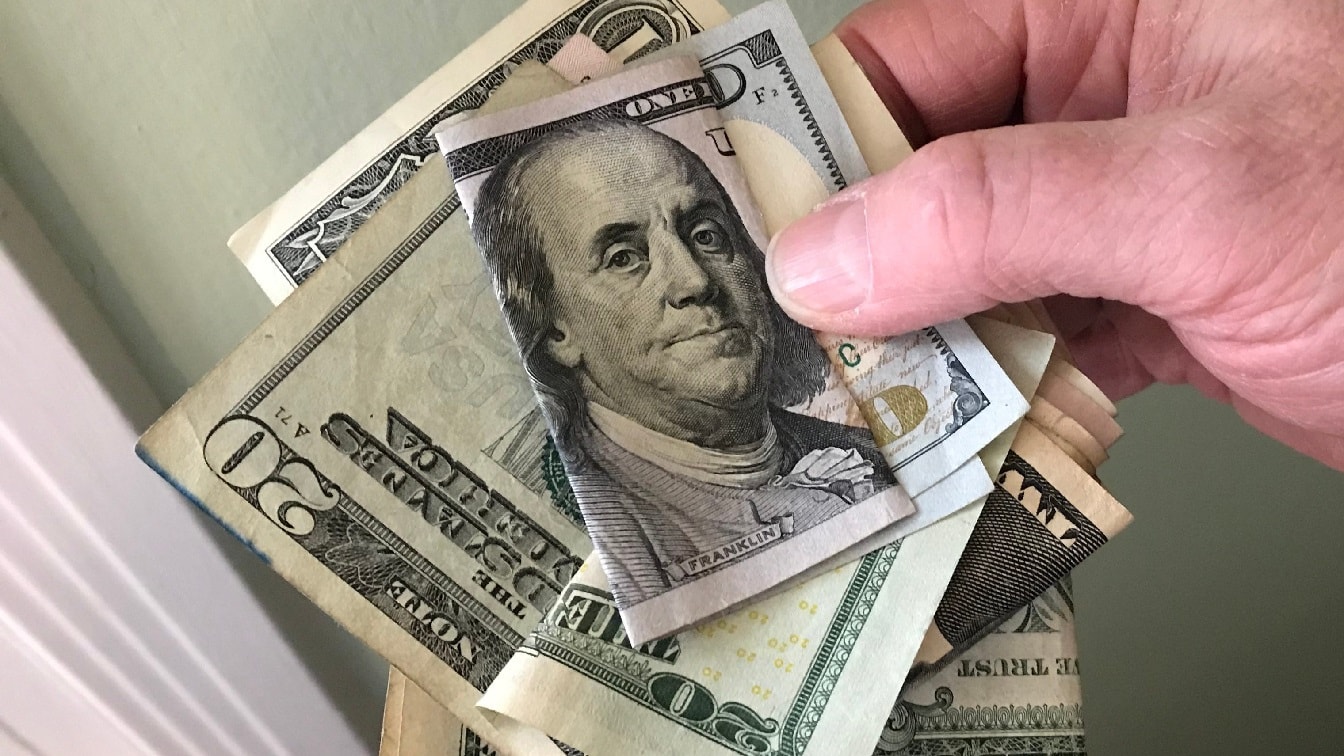
Stimulus Money. Image Credit: Creative Commons.
About the Author: Christian D. Orr, Defense Expert
Christian D. Orr is a Senior Defense Editor. He is a former Air Force Security Forces officer, Federal law enforcement officer, and private military contractor (with assignments worked in Iraq, the United Arab Emirates, Kosovo, Japan, Germany, and the Pentagon). Chris holds a B.A. in International Relations from the University of Southern California (USC) and an M.A. in Intelligence Studies (concentration in Terrorism Studies) from American Military University (AMU). He is also the author of the newly published book “Five Decades of a Fabulous Firearm: Celebrating the 50th Anniversary of the Beretta 92 Pistol Series.”