
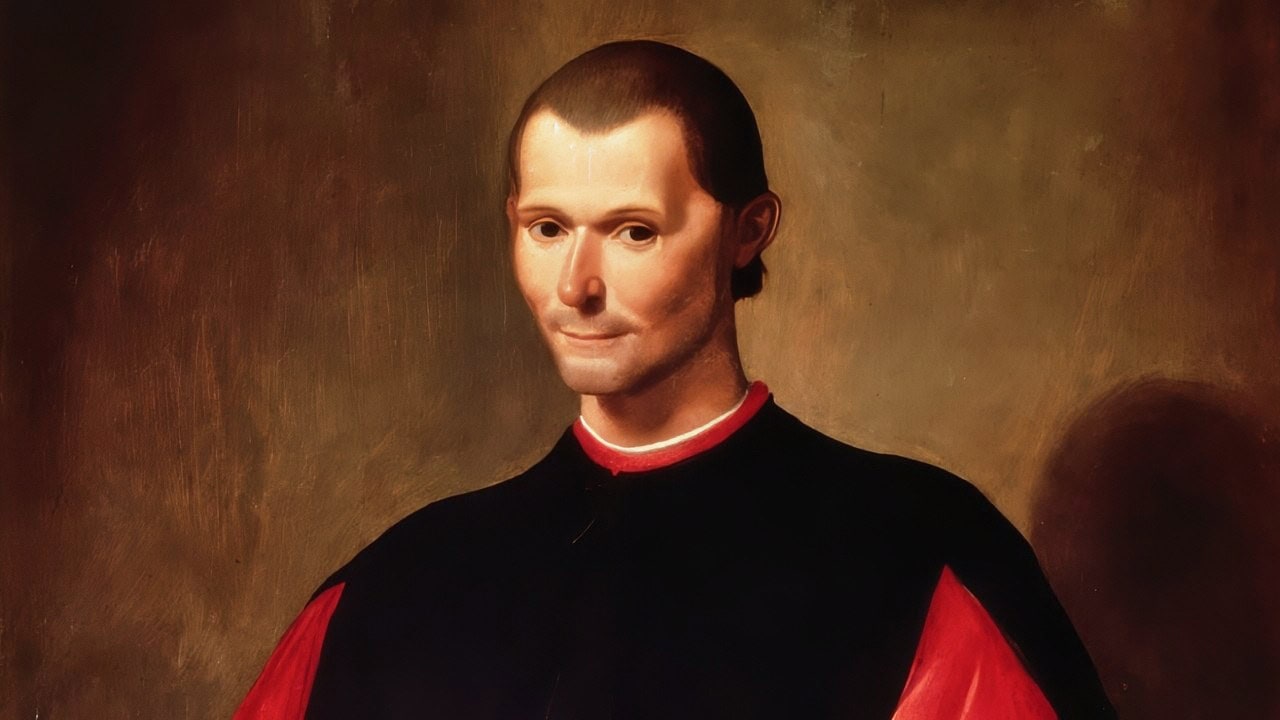
Synopsis- Niccolò Machiavelli, the Florentine diplomat and political thinker behind The Prince, lived through a ruthless era of Italian power struggles that shaped his hard-edged view of politics.
-Rising from a minor official to secretary of Florence’s war and diplomacy council, he watched popes, princes, and mercenaries make and break states.
-His failed attempts to reform Florence’s military and his downfall after the Medici return pushed him into exile, where he turned to writing.
-In The Prince, he distilled those experiences into a coldly pragmatic handbook arguing that, when forced to choose, it is safer for a ruler to be feared than loved.
Niccolò Machiavelli: The Real Mind Behind “Better to Be Feared Than Loved”
In 1517, Niccolò Machiavelli wrote his famous book The Prince, which is something of a handbook for aspiring rulers. In Chapter 17, he discusses whether a ruler should be feared or loved.
He argues that both fear and love should be pursued, but since it is difficult to achieve both, if you have to choose between them, it is better to be feared. “It would be best to be both loved and feared. But since the two rarely come together, anyone compelled to choose will find greater security in being feared than in being loved,” Machiavelli writes.
Many are aware of this quote, but few know the author, philosopher, political theorist, and historian behind these lines.
Early Life
Niccolò Machiavelli was born in Florence, Italy, to attorney Bernardo di Niccolò Machiavelli and his wife, Bartolomea di Stefano Nelli, on 3 May 1469.
At this time, Italy was not a united nation but rather a cluster of tumultuous city-states.
States, and the families that ran them, could rise and fall in an instant as popes, kings, France, Spain, and the Holy Roman Empire all fought for control and influence in the region.
Very little is known about the earliest years of Machiavelli’s life.
All we know for sure is that he was educated in grammar, rhetoric, and Latin by his teacher, Paolo da Ronciglione.
At some point (we don’t know the exact date), Machiavelli was appointed to the office responsible for the production of official documents.
He was then appointed as the secretary of the Dieci di Libertà e Pace, the Florentine council responsible for diplomacy and warfare.
It was in this position that Machiavelli witnessed statecraft firsthand.
He was inspired by Pope Alexander VI and his son, Cesare Borgia, the latter of whom he often wrote highly about. Machiavelli witnessed the brutal acts the Borgia committed against rebellious commanders and noted the dangers of offending a ruler and expecting trust afterward.
His time as secretary reinforced many realities that he would later write about in The Prince.
Political Career
From 1500 to 1510, Machiavelli was appointed as a diplomat and carried out several diplomatic missions in the region, mainly to the Papacy in Rome.
He tried unsuccessfully to quell a civil war in Pistoia between two opposing factions. As a result, both leaders were eventually banished from the city, a practice that Machiavelli would advocate for in future writings.
In his diplomatic missions, he witnessed the shortcomings of other nation-states as well as the structural shortcomings in his own city of Florence, especially compared to the strict rule of Borgia. This experience gave Machiavelli valuable insight into which rulers succeeded and which rulers failed at the time.
During his time as secretary, he conceived a militia for Florence. He insisted that citizens staff the militia, as mercenaries were often unpatriotic and uninvolved in the conflicts they took part in.
By 1504, he had a force of 400 farmers whom he trained and equipped with armor, lances, and small firearms.
Under his command, the small force successfully attacked and conquered the city of Pisa in 1509. His successes did not last long, as the wealthy and influential Medici family, supported by Pope Julius II and Spanish troops, defeated the Florentines at Prato.
This defeat, like his political career, would profoundly influence his later writings.
Exile and Final Days
Machiavelli was then tried for attempting to overthrow the Medici family and was forced to remain in Florence.
When his yearlong exile was completed, he returned to his estate at Sant’Andrea in Percussina.
There, he devoted himself to his studies, writing political treatises. He continued to undertake diplomatic missions to France, Germany, and other Italian city-states, but his greatest passion was writing and studying.
He sought any means to return to political life, though after his military defeat, that route seemed impossible. Instead, he joined intellectual circles and maintained close connections with politically savvy friends, looking for any way back into office.
Better to Be Feared or Loved?
During his final years, Machiavelli worked on a passion project that included everything he had learned throughout his life and career.
The project would later be titled Il Principe (The Prince) and would only be published after his death in 1532. Dedicated to Lorenzo di Piero de’ Medici, a close friend of Machiavelli and the eventual ruler of Florence, the book was written to advise the new ruler on how to use tactics and maintain his authority.
The Prince is a book that can best be described as cold-heartedly pragmatic. It is best remembered for its discussion of whether rulers should be feared or loved (see the quote at the beginning of this article).
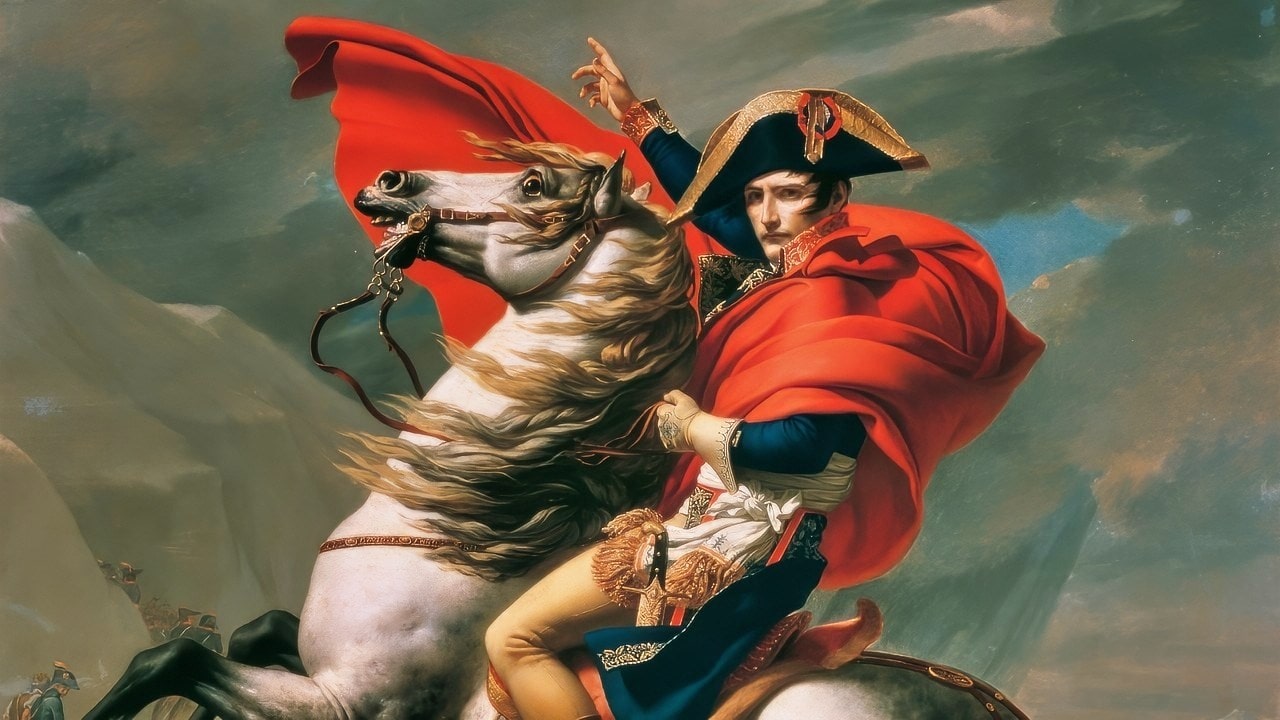
Napoleon Bonaparte. Image Credit: Creative Commons.
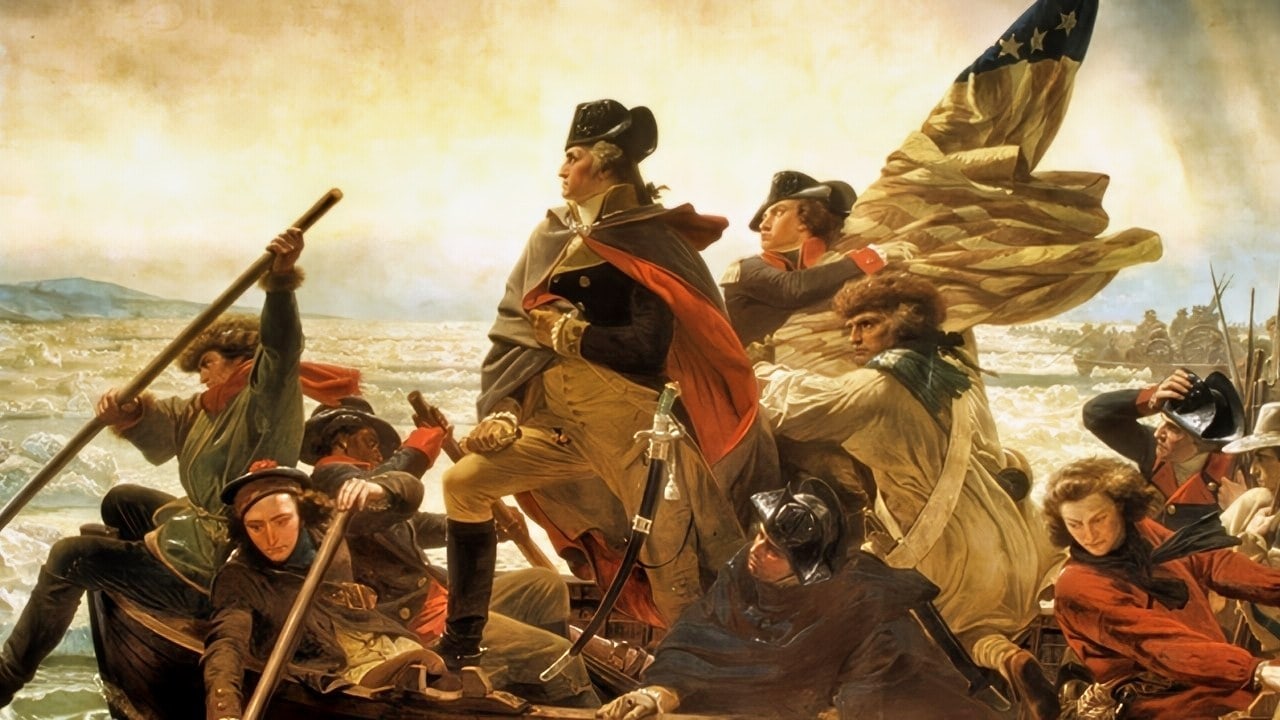
General George Washington. Image Credit: Creative Commons.
Machiavelli, through his experience, reasoned that love was a noble characteristic but could often be betrayed and abused by the masses. Fear, on the other hand, ensured stability, but excessive fear could easily lead to rebellion and revolution. The best course of action, Machiavelli asserted, was to be feared and loved at the same time. However, rulers can rarely achieve both, so if a ruler had to choose between love and fear, fear was the most practical and stable choice.
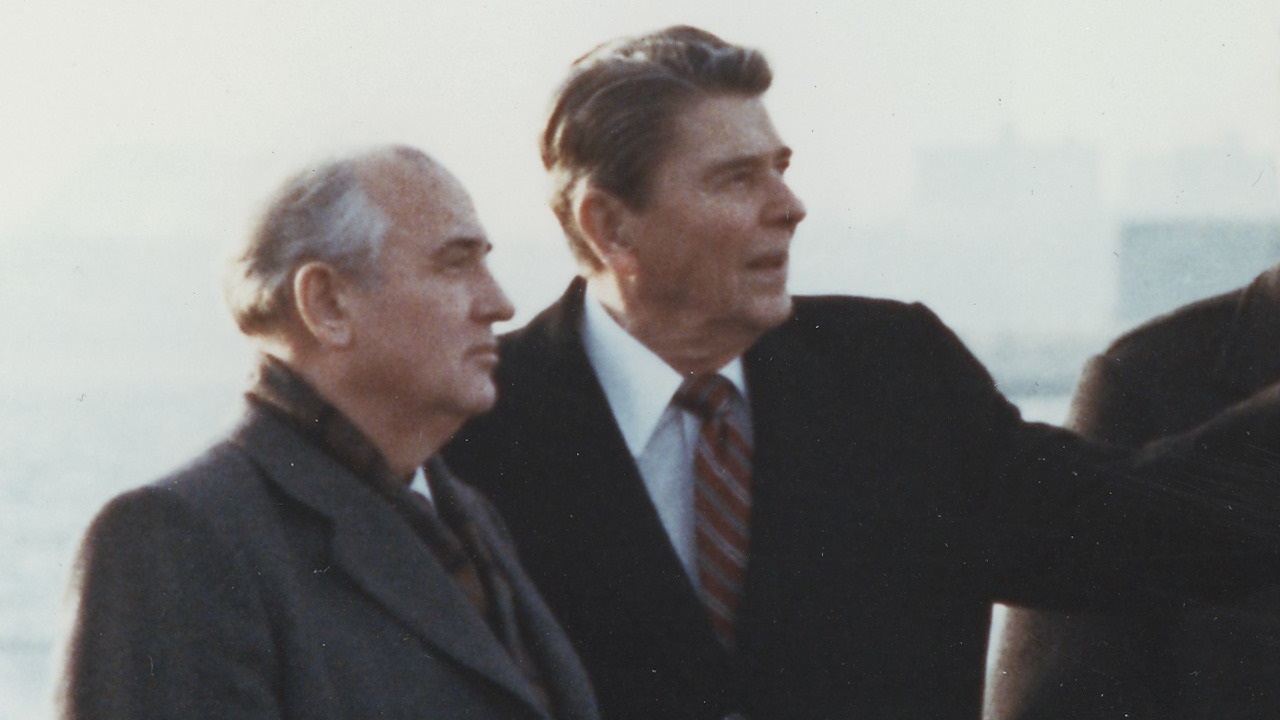
Photograph of President Reagan and Vice-President Bush meeting with General Secretary Gorbachev on Governor’s Island… – NARA – 198595 (1)
The Prince is a fascinating book that contains practical wisdom, although its subject matter and the time in which it was written make it a little dated.
About the Author: Isaac Seitz
Isaac Seitz, a Defense Columnist, graduated from Patrick Henry College’s Strategic Intelligence and National Security program. He has also studied Russian at Middlebury Language Schools and has worked as an intelligence Analyst in the private sector.