
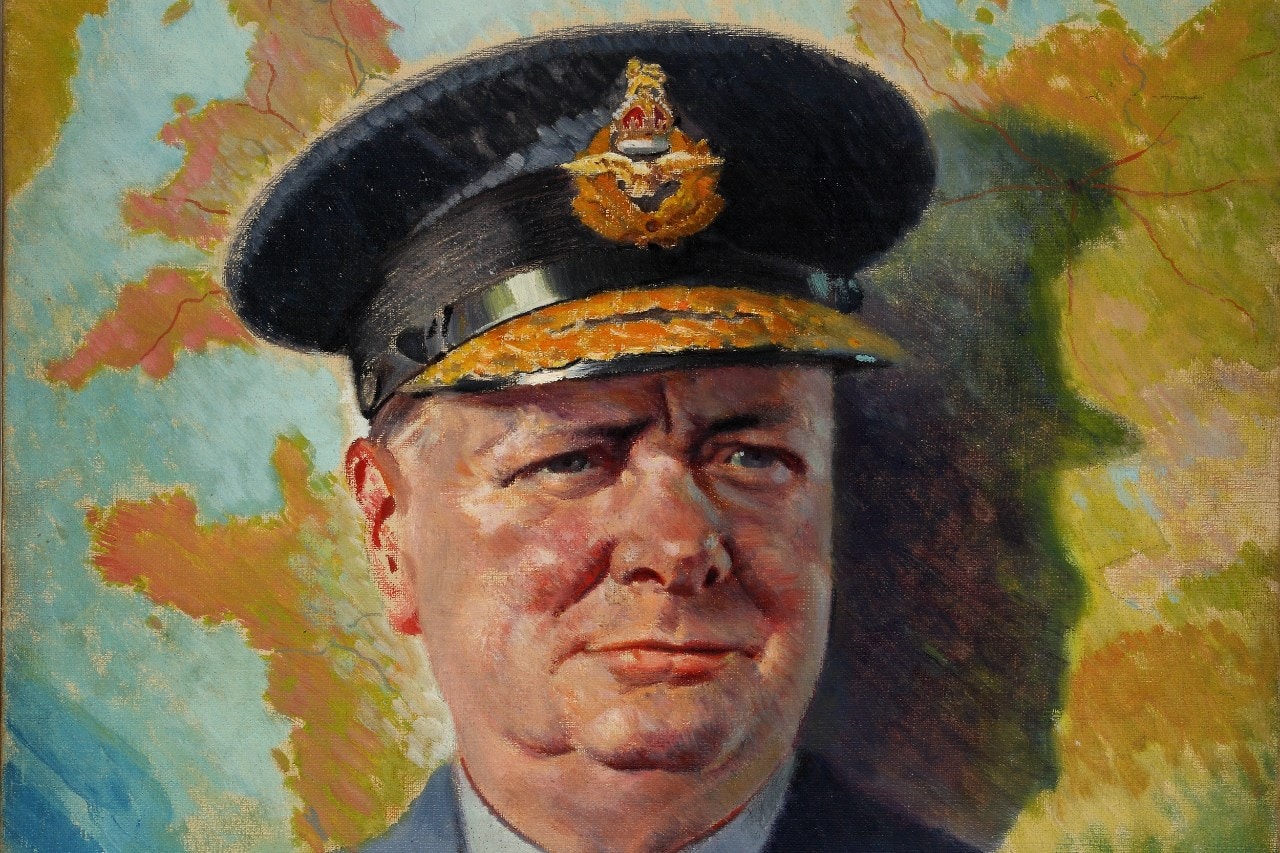
Key Points and Summary – Winston Churchill is remembered as the bulldog who led Britain through World War II, but this piece uses one of his most charming lines—“Pigs treat us as equals”—to explore the man behind the myth.
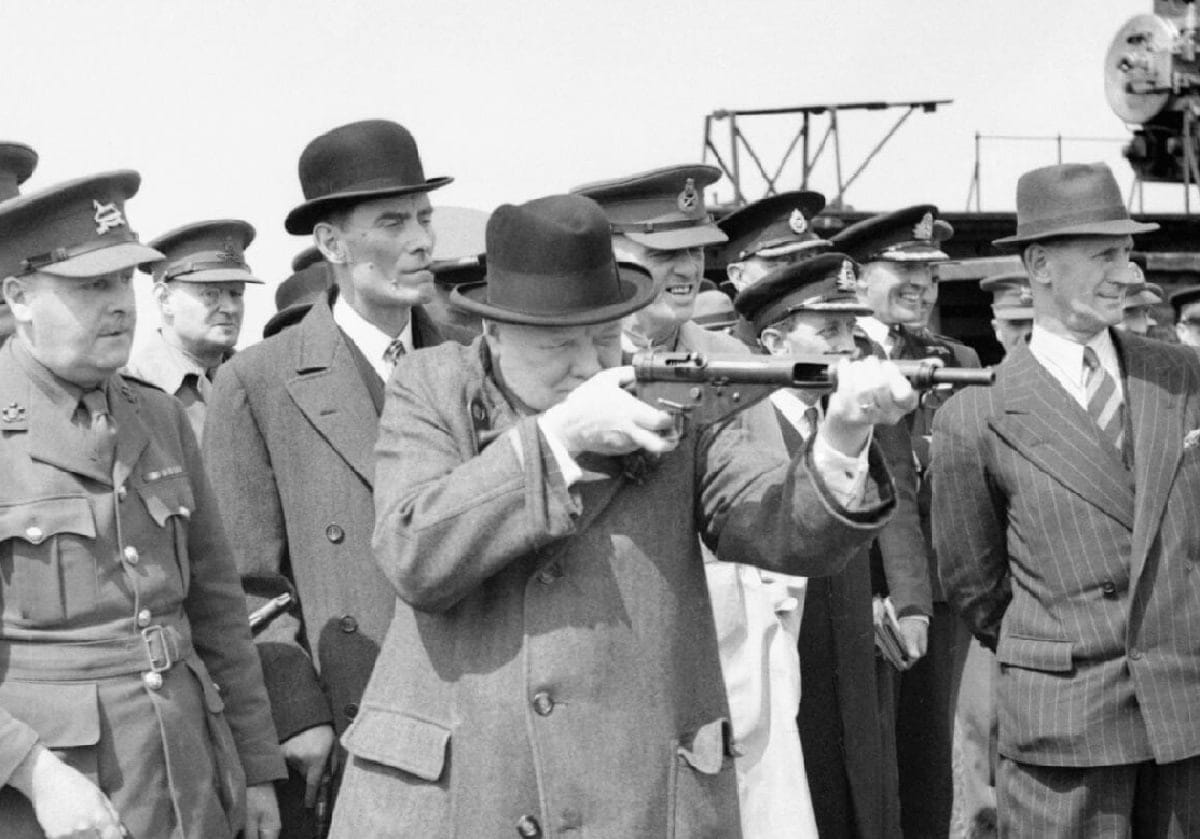
Winston Churchill. Image: Creative Commons.
-Drawing on historian Richard Langworth’s work, it walks through Churchill’s major mistakes, from Gallipoli and the Black and Tans to misjudgments over Hitler, Singapore, and Stalin, and shows how he learned from failure.
-The article then traces the origins and variations of his famous pig quote and his lifelong love of animals, revealing a leader who was deeply human, self-aware, and anything but flawless.
Winston Churchill’s Pig Quote Has a Message About Power and Humility
Quote of the day: “I am fond of pigs. Dogs look up to us. Cats look down on us. Pigs treat us as equals” – Winston Churchill
Winston Churchill was the British Prime Minister for two stints, in the 1940s and 1950s, and is most known for his leadership and oratory during World War II, especially his decision to fight on in 1940.
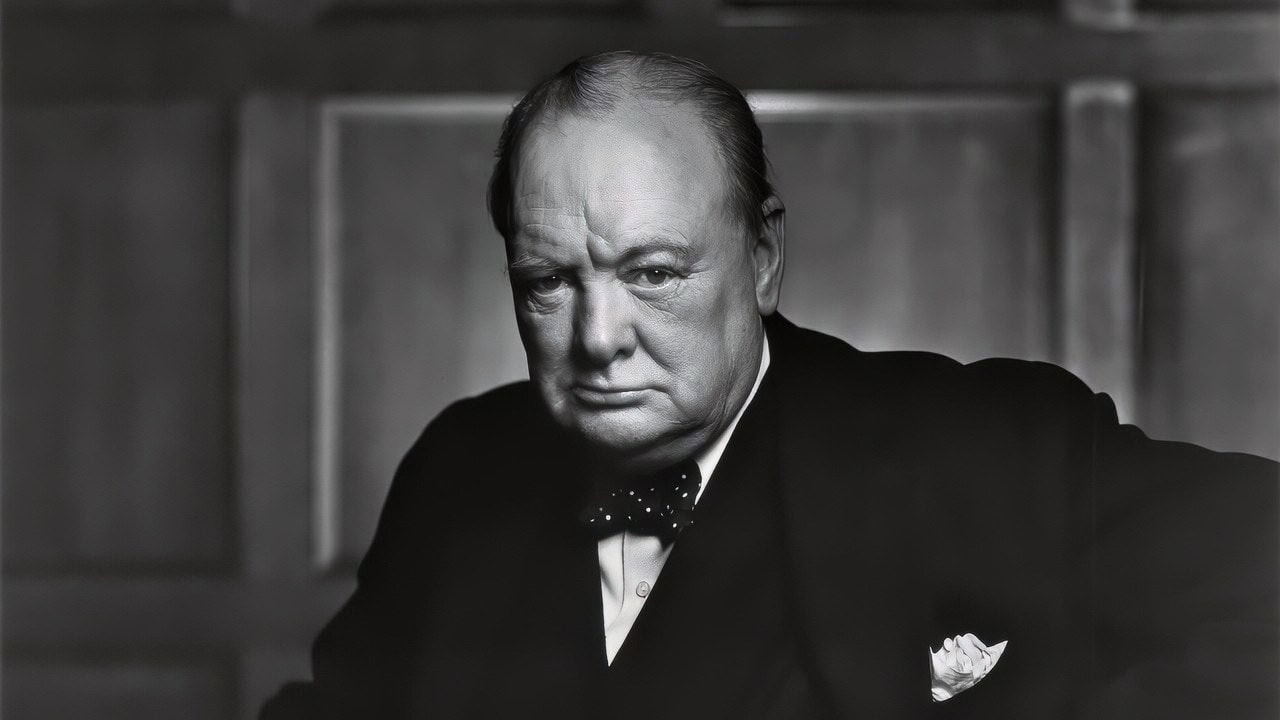
Sir Winston Churchill. Image Credit: Creative Commons.
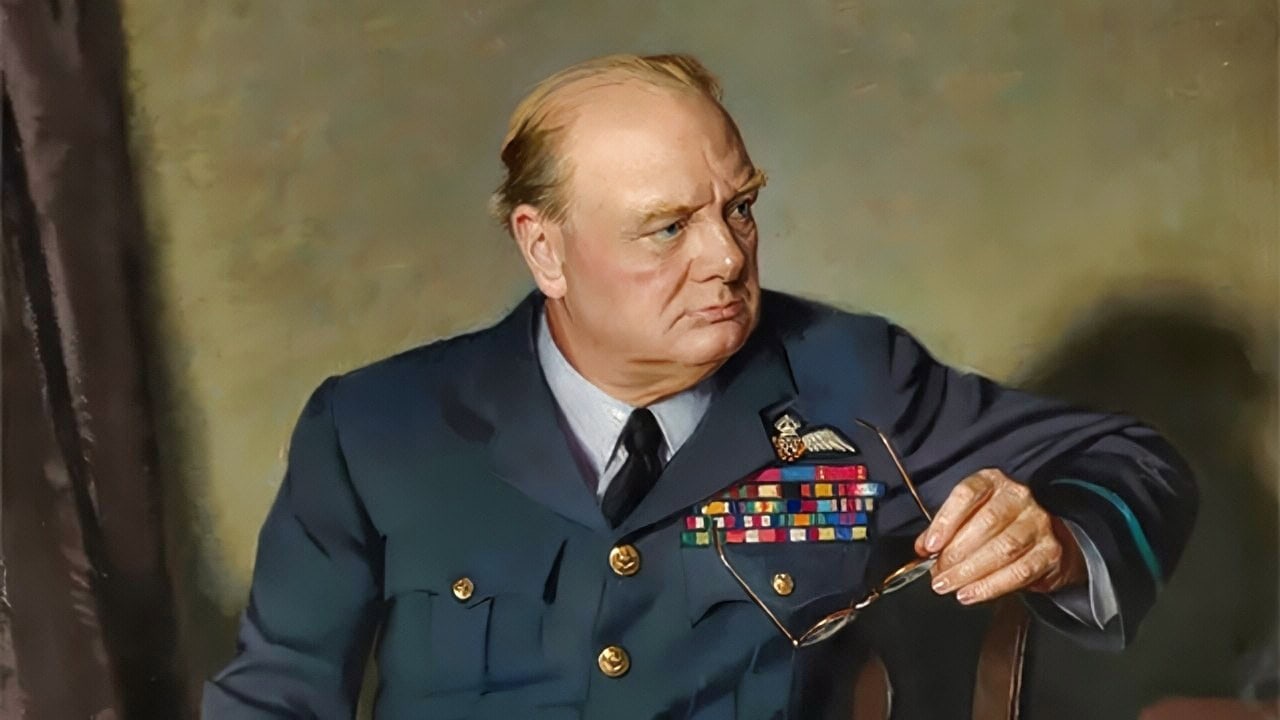
Winston Churchill Portrait. Image Credit: Creative Commons.
But that does not mean Churchill was impervious to mistakes.
Richard Langworth, a historian and Churchill biographer, wrote in 2021 about the many things Churchill did wrong throughout his career and how he learned from them.
“I always feel that, paradoxically, it diminishes Churchill when he’s regarded as super-human,” the article quoted Paul Addison as saying.
While Langworth denies some of the charges long leveled at Churchill by some historians (“poison gas, Bengal Famine, opposing self-determination, and racist war crimes“), he goes on to list several things Churchill did wrong.
Churchill’s Mistakes
According to the historian, Churchill’s mistakes included everything from leaving the Conservative Party in 1904 to “relying too much on the mercurial, disloyal, hypocritical Admiral Fisher, around 1915.
Also, during World War I, according to Langworth, Churchill’s mistakes included pushing for the Dardanelles and Gallipoli operations, “despite sloppy planning and worse execution by military commanders, without plenary authority to force a chance of success.”
Later, in the 1920s, Churchill defended the Black and Tans in Ireland, along with “railing to press his demands for Kurdish and Jewish states while helping to draw up the borders of the modern Middle East.” His restoration of the Gold Standard is also among the historians’ listed mistakes.
Other listed Churchill mistakes concerned the initial rise of Hitler during the 1930s. Churchill, per Langworth, listened to the Foreign Office when they asked him to tone down his rhetoric, and muted his opposition to Hitler’s occupation of the Rhineland and stuck too long with Edward VIII during the abdication crisis of 1936.
And while Churchill is forever synonymous with his leadership in the Second World War, he made plenty of mistakes then, too.
Per Langworth, Churchill put too much faith in the French Army before the fall of France. He accepted the leadership of the Tory Party, rather than ruling during the war as “a non-party leader at the head of the wartime coalition.” He also underestimated Singapore’s defenses and finally, “believing he could trust Stalin’s Yalta promises of free elections in Poland.”
“Churchill’s flaws were, like his qualities, on a grand scale, though the latter overwhelmed the former,” he writes. “Of course, the Dardanelles, the Black and Tans, the Gold Standard, any number of Second World War decisions from Norway to D-Day, are open to learned critique. But there’s a difference between presenting ‘a broad range of views’ and inventing myths. And when all you have is a hammer, everything looks like a nail.”
About the Turkey Campaign
An Imperial War Museum article looks at the 1915 Dardanelles campaign in particular and how it went wrong.
“Many in Britain, notably the First Lord of the Admiralty, Winston Churchill, believed that knocking the Ottomans out of the war would undermine Germany,” the article said of the campaign.
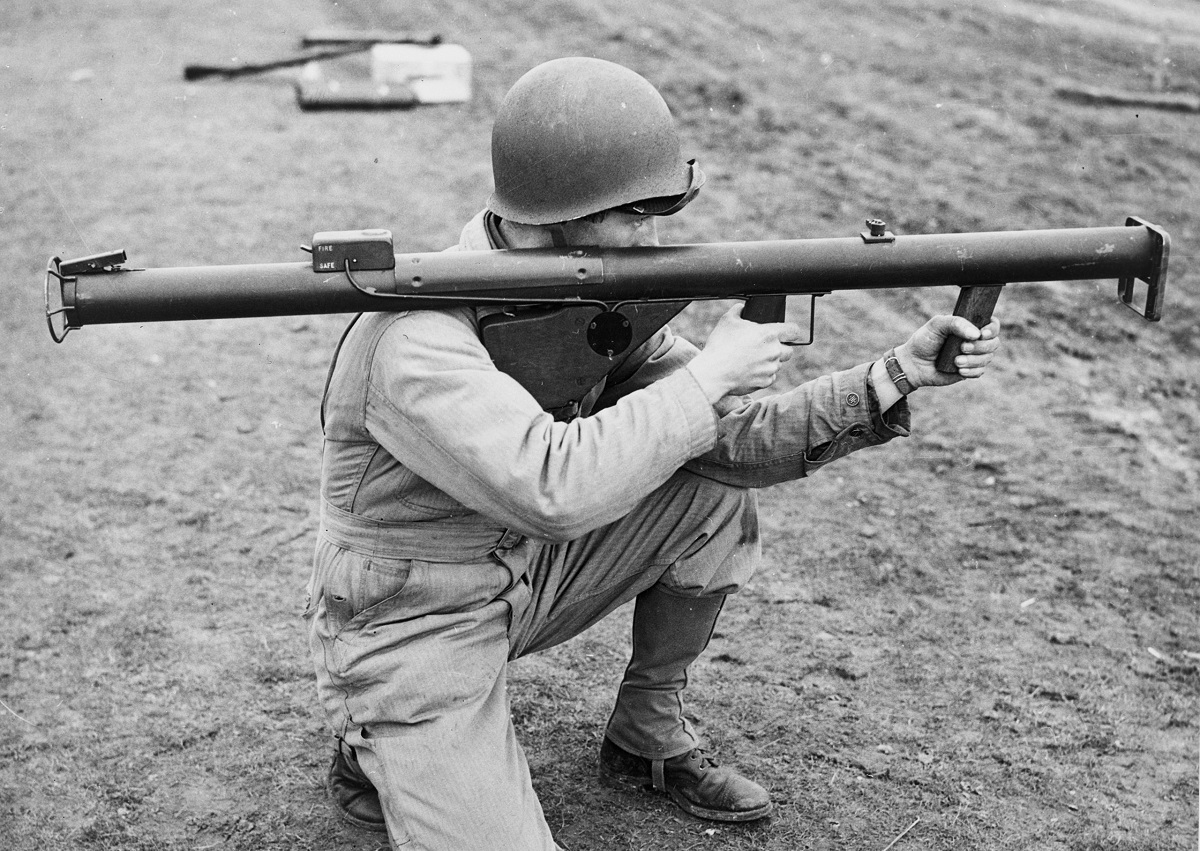
Bazooka Anti-Tank Weapon. Image: Creative Commons.
“They theorised that as a result of this attack, Britain and France would be able to help their weakest partner, Russia; that the Suez Canal and Britain’s Middle Eastern oil interests would be secured; and that undecided Balkan states, including Bulgaria and Greece, would join the Allied side. It was an exciting and alluring proposition. But it was based on the mistaken belief that the Ottomans were weak and could easily be overcome.”
However, the campaign did not work.
“Each fresh attempt was defeated, and by mid-January 1916, all Allied troops had been evacuated, and the attack on the Dardanelles abandoned,” the article said.
Learning From Mistakes
Langworth is not the only historian to emphasize Churchill’s ability to learn from his mistakes.
“Some of Churchill’s mistakes were major, too. In World War I, he led the disastrous campaign against Turkey. In World War II, he bungled the defense of Norway. And he thought the invasion of Italy would be easy. Churchill also underestimated the Japanese military,” an Investors’ Business Daily article from 2021 said. And it quoted Andrew Roberts in the book, “Churchill: Walking With Destiny.”
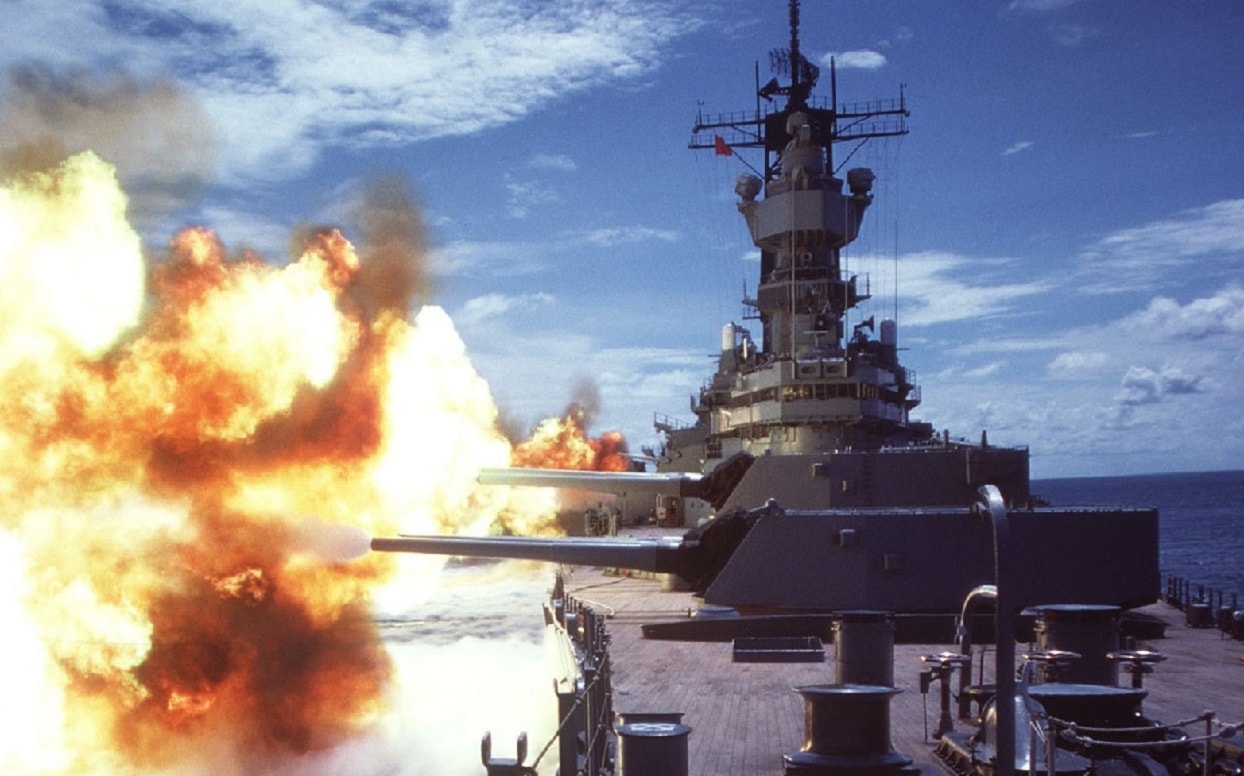
Iowa-Class Battleship during World War II.
Image: Creative Commons.
“Churchill learned from his mistakes and put the lessons to good use,” Roberts wrote. “Set against his failures is a far longer and more important list of successes, and he also learned from those.”
Winston Churchill Quote on Pigs
Winston Churchill had many famous quotations, and one of the quotes often attributed to him was “I am fond of pigs. Dogs look up to us. Cats look down on us. Pigs treat us as equals.” Oxford Reference attributes the quote to Churchill, in Sir Martin Gilbert’s “Never Despair,” which was the eighth and final volume of Gilbert’s “Official Biography of Winston Churchill.”
That book has Churchill delivering the quote in 1946, when the man who was marrying his daughter, Christopher Soames, visited Churchill’s family home of Chartwell for the first time. When the prime minister showed him around the farms, and specifically the piggery, Churchill “scratched one of the pigs” and said the quote.
Per the International Churchill Society, the prime minister was known as an animal lover, pigs in particular.
“Churchill surrounded himself with a veritable menagerie of animals, including sheep, goats, pigs, cattle, guinea pigs, hens, ducks, swans, goldfish and, of course, cats and dogs (notably two brown poodles, Rufus I and Rufus II). In 1926, during an economy drive – Chartwell and its staff were expensive to run – many of the animals were sold, but he couldn’t bear to part with his prized Middle White pigs,” the Society says.
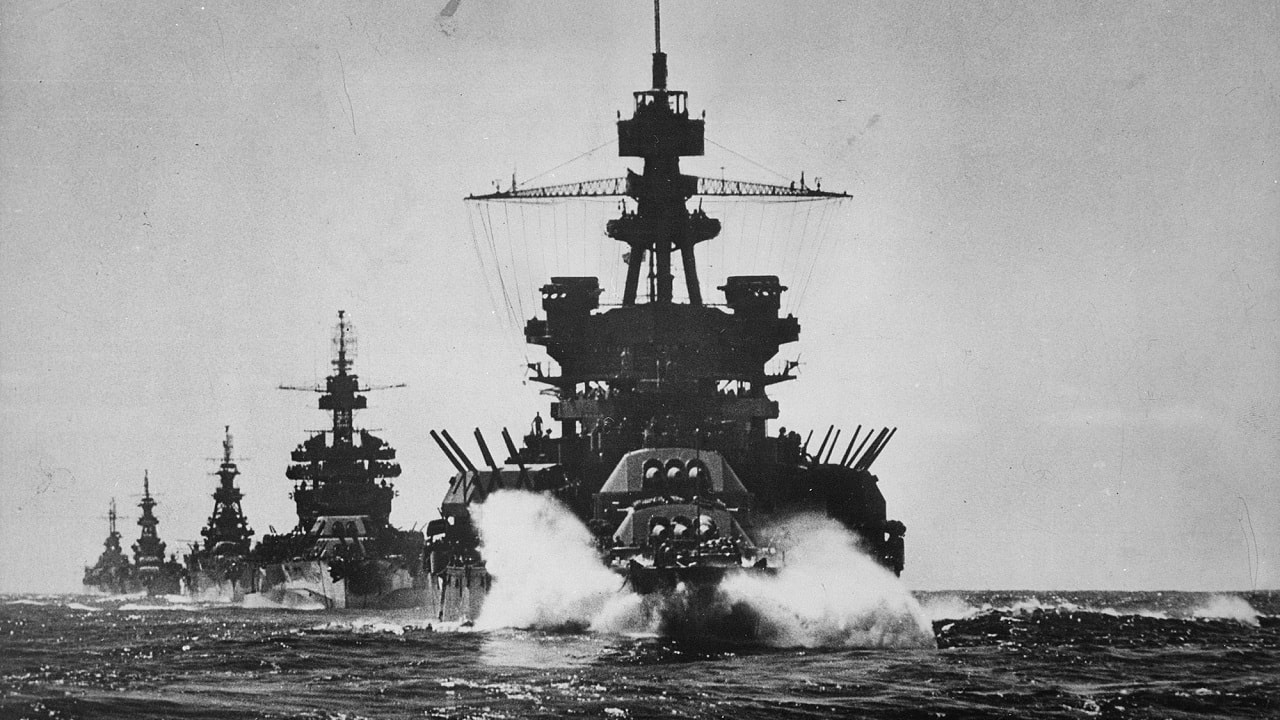
US Navy Battleships during World War II.
The Society page offers a slightly different version of the quote: “Dogs look up to you, cats look down on you. Give me a pig! He looks you in the eye and treats you as an equal.” It says Churchill said this around 1952, and references “Churchill: In His Own Words,” a quotation book authored by the aforementioned historian Richard Langworth. It’s very possible, of course, that Churchill was fond of the quote and said it often.
About the Author: Stephen Silver
Stephen Silver is an award-winning journalist, essayist, and film critic, and contributor to the Philadelphia Inquirer, the Jewish Telegraphic Agency, Broad Street Review, and Splice Today. The co-founder of the Philadelphia Film Critics Circle, Stephen lives in suburban Philadelphia with his wife and two sons. For over a decade, Stephen has authored thousands of articles that focus on politics, national security, technology, and the economy. Follow him on X (formerly Twitter) at @StephenSilver, and subscribe to his Substack newsletter.