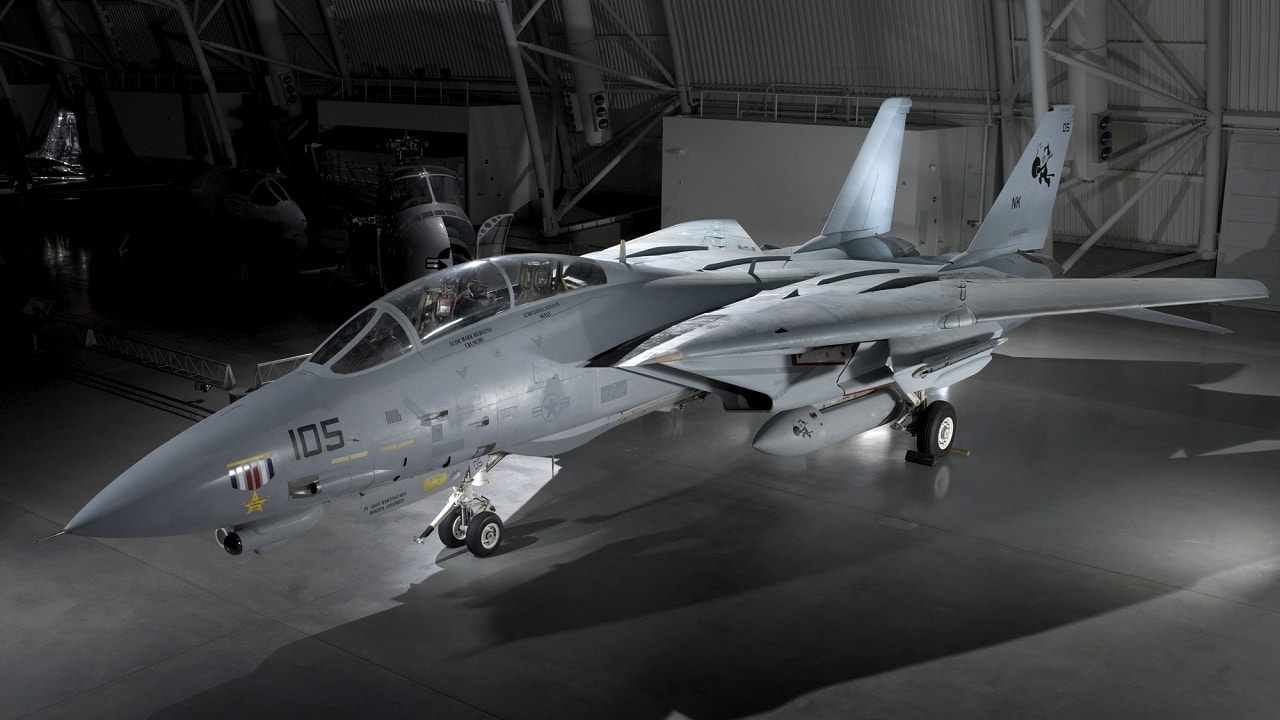
Key Points and Summary – The F-14 Tomcat began as a Cold War fleet-defense interceptor built to stop Soviet bombers at distance, pairing long-range radar with the AIM-54 Phoenix for beyond-100-mile, multi-target engagements.
-For closer fights it carried the heat-seeking AIM-9 Sidewinder, the medium-range AIM-7 Sparrow, and an internal M61A1 20mm Vulcan cannon for last-ditch dogfighting.
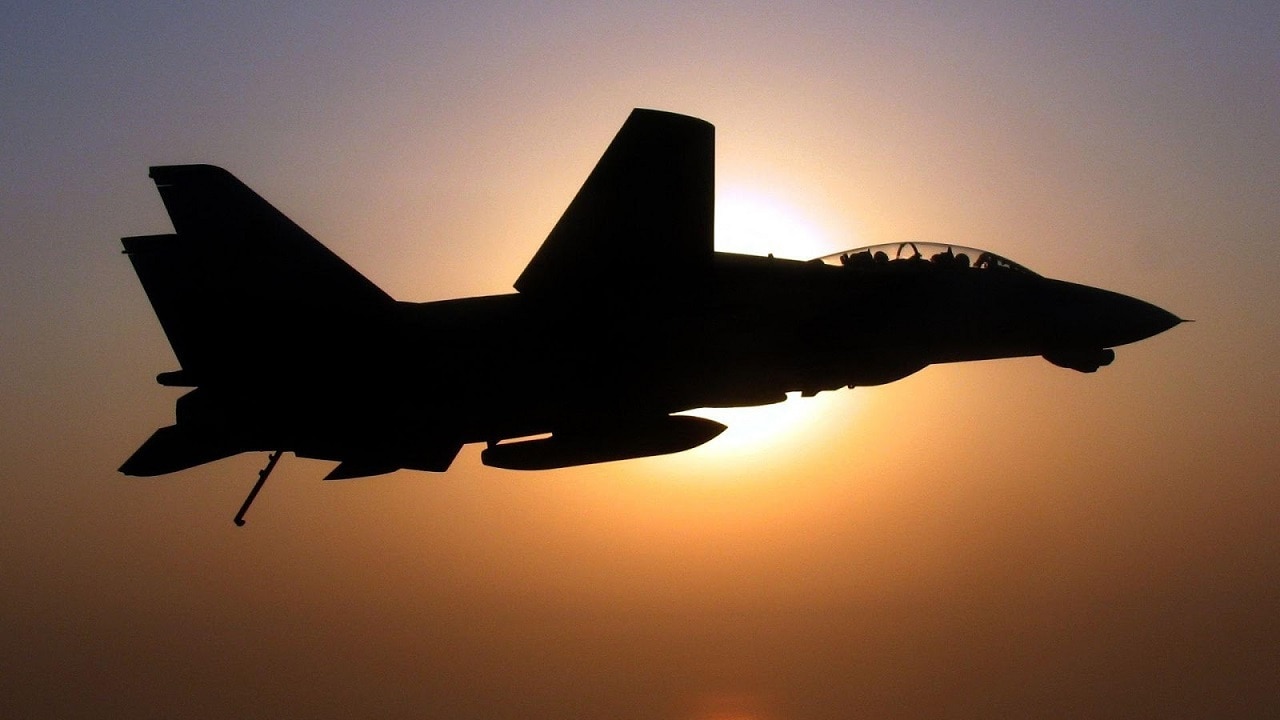
F-14 Tomcat. Image Credit: Creative Commons.
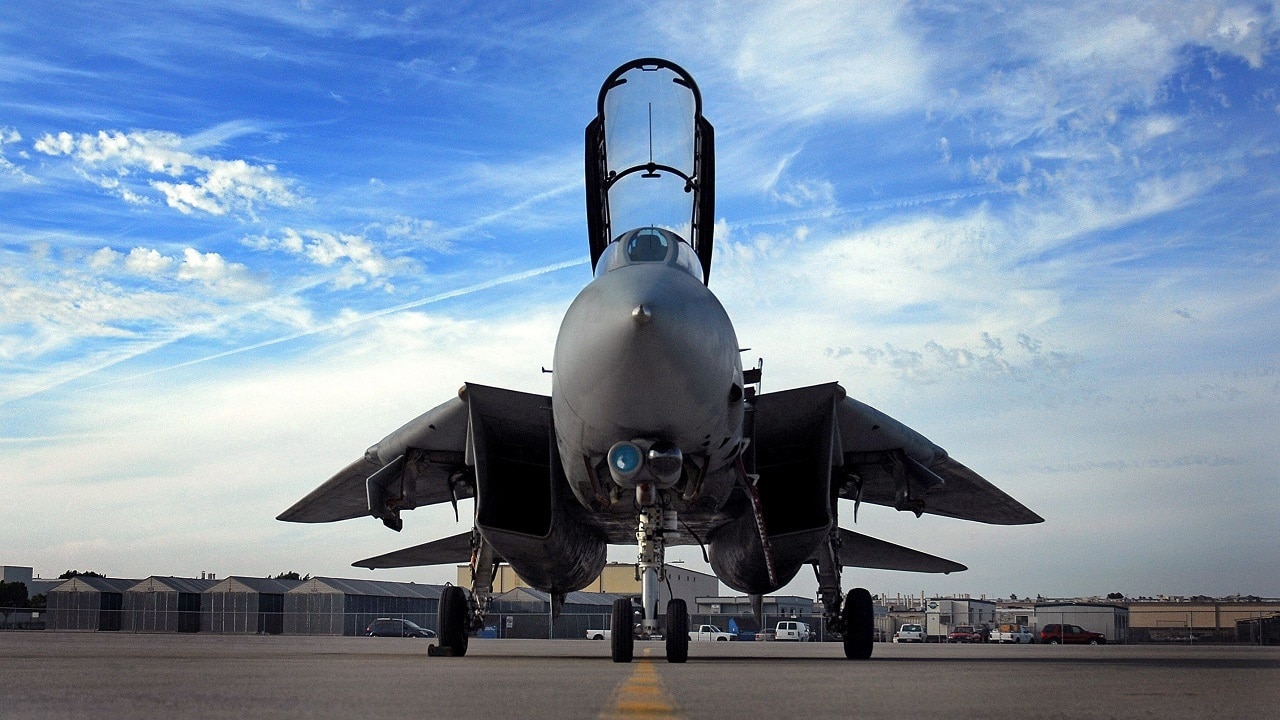
A U.S. Navy F-14D Tomcat aircraft from Fighter Squadron 31, sits on the flight line after completing its final flight at Naval Base North Island, San Diego, Calif., on Sept. 29, 2006. After 36 years of service, the Tomcat is being replaced by the F/A-18E/F Super Hornet aircraft.
-Over time, the Tomcat expanded into precision strike, using LANTIRN targeting to deliver laser-guided Paveways and later GPS-guided JDAMs in operations over the Balkans, Iraq, and Afghanistan.
-Engine upgrades improved reliability and performance before retirement in 2006.
The F-14 Tomcat’s Weapons Were Built for One Job—and Then It Became Much More
Known for its lightning-fast Mach 2.2 speed, unparalleled agility and dogfighting capability, and an ever-evolving weapons suite, the famous F-14 Tomcat Navy fighter transitioned effectively from a Cold War-era fighter into a highly lethal modern platform up until its retirement.
At the heart of the F-14’s original mission was long-range interception, a role that demanded a missile capable of engaging enemy bombers before they could launch anti-ship weapons. This requirement produced the AIM-54 Phoenix, a famous Tomcat weapon.
The Phoenix was equipped with its own onboard radar, enabling true fire-and-forget capability at ranges exceeding 100 miles.
This standoff range was considered quite significant in a tactical sense, as it enabled longer-range maritime air attacks from a fighter jet, allowing a carrier and its strike group to operate at a safer distance. The Pheonix could track multiple targets simultaneously and engage several attacking aircraft, something no other fighter could match at the time.
As a two-seat fighter jet, the aircraft became known for its air-to-air prowess, as several sets of eyes could monitor targets, enemy maneuvers, and overall combat-zone awareness.
While in flight, a pilot focuses on vectoring and locking in targets for the jet’s weapons; an aviator can simultaneously track additional targets, surveil the surrounding area with additional line-of-sight observations, and offer time-sensitive constructive input and instruction to the pilot.
The aviator role reduced pilots’ cognitive burden and enabled a more focused air combat platform.
AIM-9X Sidewinder
The Tomcat was also armed with an AIM-9 Sidewinder air-to-air missile, designed for close-in dogfighting.
As a heat-seeking missile, it provided a reliable, quick-reaction weapon for short-range aerial combat. Together, these missiles formed the backbone of the Tomcat’s air-combat arsenal throughout much of its career.
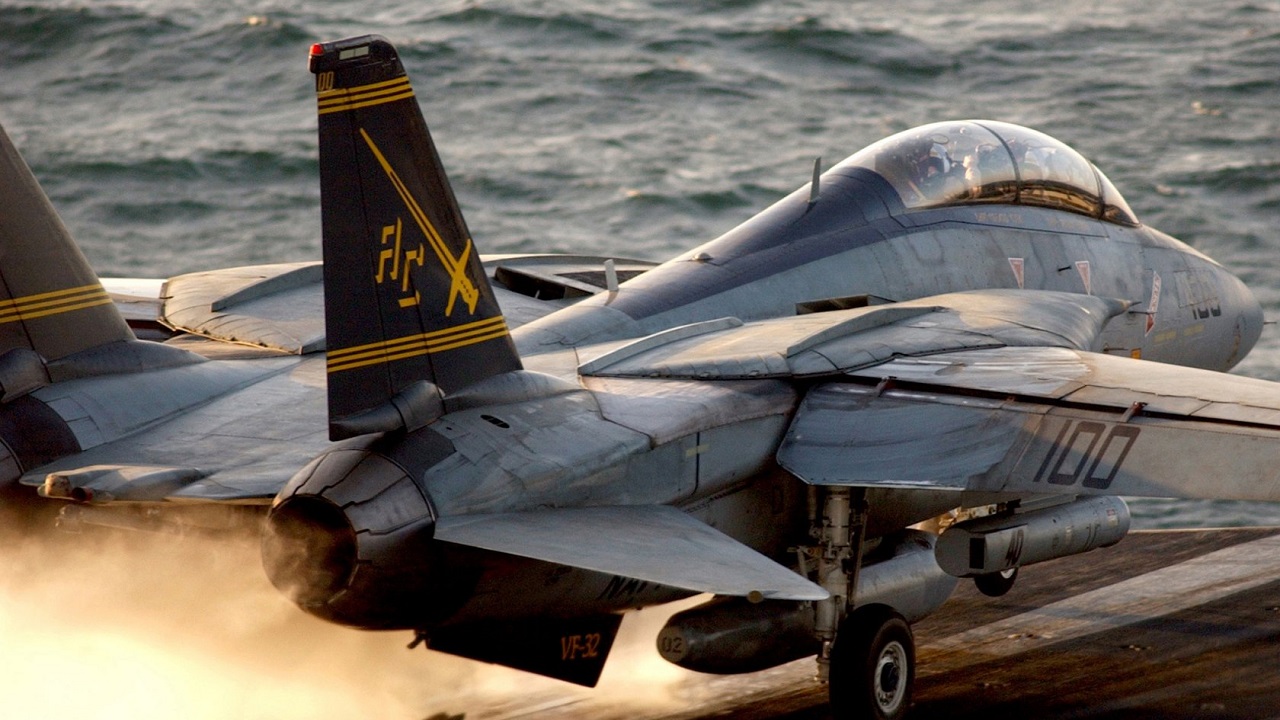
F-14 Tomcat. Image Credit: Creative Commons.
The Sidewinder was supported by a medium-range missile called the AIM-7 Sparrow, designed for a head-on attack at distances between the long-range Phoenix and the short-range AIM-9.
In addition to missiles, the Tomcat carried a built-in M61A1 Vulcan 20mm cannon, mounted beneath the cockpit on the left side of the fuselage.
This six-barrel Gatling-type gun provided a last-resort weapon for close-range engagements where missiles could not work due to the angle.
With a high rate of fire and ample ammunition, the Vulcan was designed to ensure the F-14 remained lethal in extremely close-in air combat engagements.
F-14 Ground Attack
The F-14 also developed significant precision ground attack capabilities, enabled by laser-guided targeting technology called LANTIRN.
This introduced new levels of precision air-to-ground attack to the F-14, which was subsequently able to fire the GBU-10, GBU-12, and GBU-16 Paveway series.
The Tomcat later became capable of using GPS-guided JDAMs, enabling all-weather targeting when weather obscuration complicated laser targeting.
Using these technologies, the F-14 Tomcat was used successfully to attack during operations over the Balkans, Iraq, and Afghanistan.
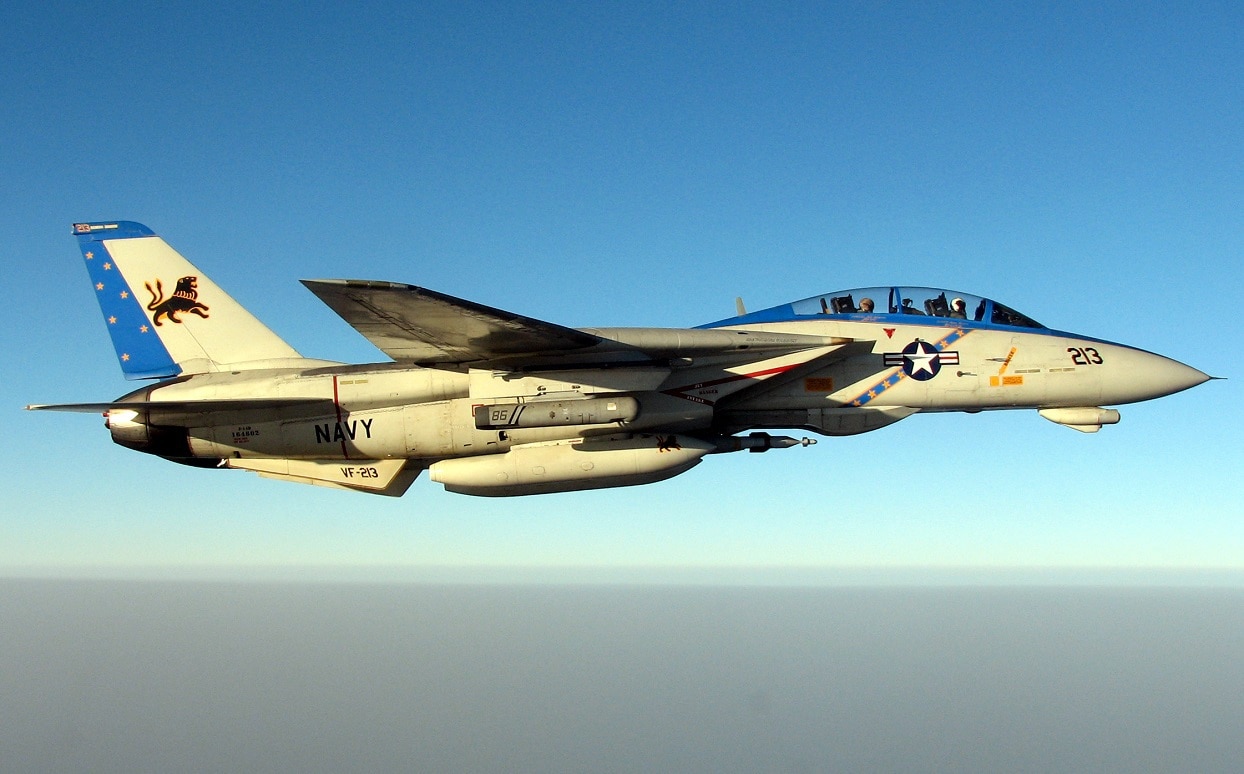
Persian Gulf (Oct. 10, 2005) A specially painted F-14D Tomcat, assigned to the ÒBlacklionsÓ of Fighter Squadron Two One Three (VF-213), conducts a mission over the Persian Gulf. VF-213 is assigned to Carrier Air Wing Eight (CVW-8), currently embarked aboard the Nimitz-class aircraft carrier USS Theodore Roosevelt (CVN 71). U.S. Navy photo by Lt.j.g. Scott Timmester (RELEASED)
The Tomcat could also carry unguided bombs, cluster munitions, and even air-to-surface missiles such as the AGM-88 HARM in limited testing roles.
The F-14 even received a massive, highly impactful engine upgrade, given that its original TF30 was retired due to performance problems and replaced with General Electric F110-GE-400 engines, which “solved” those problems.
This adjustment supported the aircraft’s propulsion and thrust-to-weight ratio, enabling the platform’s successful combat performance in Vietnam, Libya, the Gulf War, and 2003 Operation Iraqi Freedom.
The aircraft was retired in 2006.
About the Author: Kris Osborn
Kris Osborn is the President of Warrior Maven – Center for Military Modernization. Osborn previously served at the Pentagon as a highly qualified expert in the Office of the Assistant Secretary of the Army—Acquisition, Logistics & Technology. Osborn has also worked as an anchor and on-air military specialist at national TV networks. He has appeared as a guest military expert on Fox News, MSNBC, The Military Channel, and The History Channel. He also has a Masters Degree in Comparative Literature from Columbia University.