Aerospace & Defense
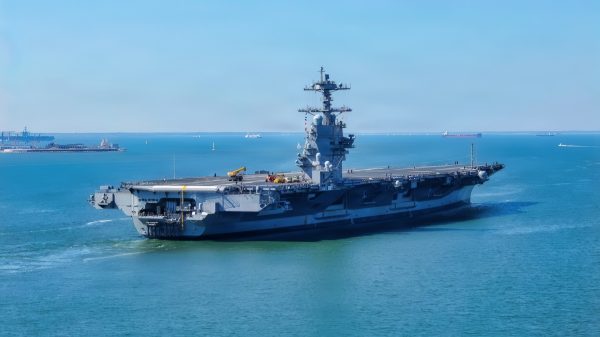
Brandon J. Weichert reads the fine print on aircraft carrier USS John F. Kennedy (CVN-79), the Gerald R. Ford-class ship that passed preliminary acceptance...
Hi, what are you looking for?

Brandon J. Weichert reads the fine print on aircraft carrier USS John F. Kennedy (CVN-79), the Gerald R. Ford-class ship that passed preliminary acceptance...
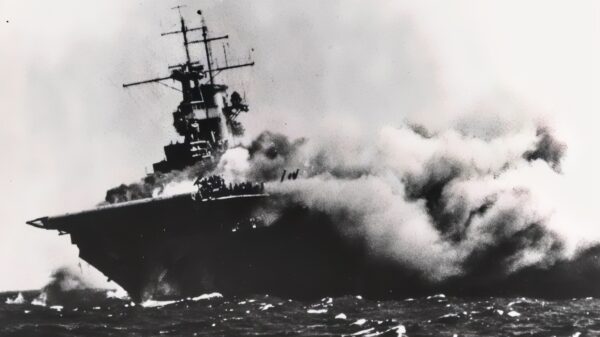
Sean Spoonts traces aircraft carrier USS Wasp (CV-7) back to arithmetic. The Washington naval treaties gave the US Navy 135,000 tons of carriers; Lexington...


“Our Navy is the surest guarantee of peace and the cheapest insurance against war,” Theodore Roosevelt reportedly told a University of Virginia audience in...
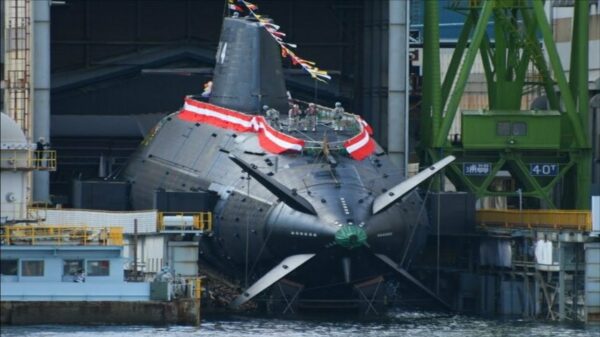

Japan’s Taigei-class is its most advanced attack submarine: 84 meters long, 3,000 tons, built around lithium-ion batteries that replaced the Sōryū-class’s Stirling air-independent propulsion...


After World War II had ended, the Essex-class carriers were upgraded to carry larger, heavier jet aircraft. These modifications included jet-blast deflectors (JBDs), greater...
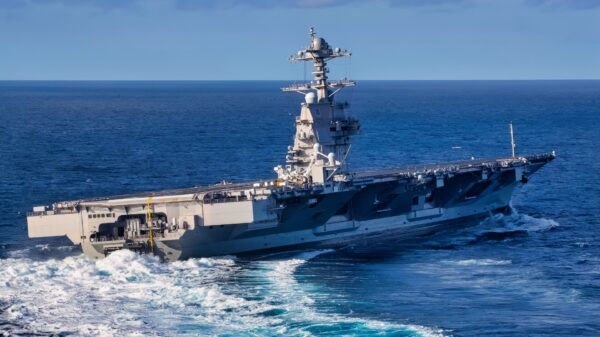
The USS Gerald R. Ford has been at Norfolk Naval Shipyard since July 7, the yard’s first Ford-class job, after a 326-day deployment with...
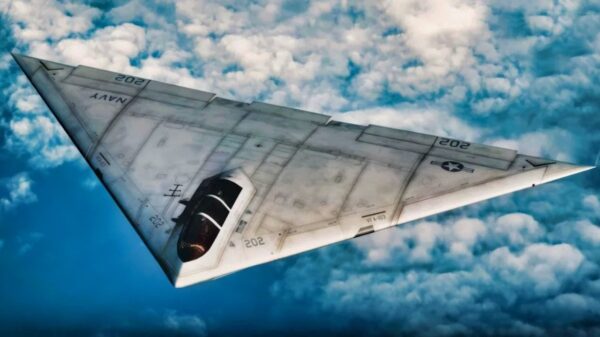
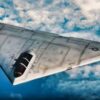
The A-12 Avenger II, the “Flying Dorito,” was a McDonnell Douglas-General Dynamics flying wing meant to replace the A-6 Intruder from carrier decks with...


Chinese researchers led by Li Zhiyuan of the China Airborne Missile Academy claim, in a paper in Aero Weaponry, that a missile-borne single-photon lidar...


Only two navies run nuclear-powered aircraft carriers: the US with 11, and France with one. The Charles de Gaulle, commissioned five years late in...


The USS Gerald R. Ford cost $13 billion to build and up to $8 million a day deployed. Its 326-day deployment ended with a...