Synopsis: Theodore Roosevelt’s famous “speak softly and carry a big stick” line captured the foreign-policy instinct that made him a defining figure of the early 20th century.
-Rising from New York reform politics to Assistant Secretary of the Navy, Roosevelt tied American influence to credible maritime power.
-As president after McKinley’s assassination, he practiced active engagement—intervening in hemispheric disputes, projecting strength with the Great White Fleet, and driving the Panama Canal as a strategic necessity. Admirers credit him with elevating U.S. stature; critics argue he overreached and bullied smaller states.
-Either way, Big Stick diplomacy reshaped America’s role abroad for decades.
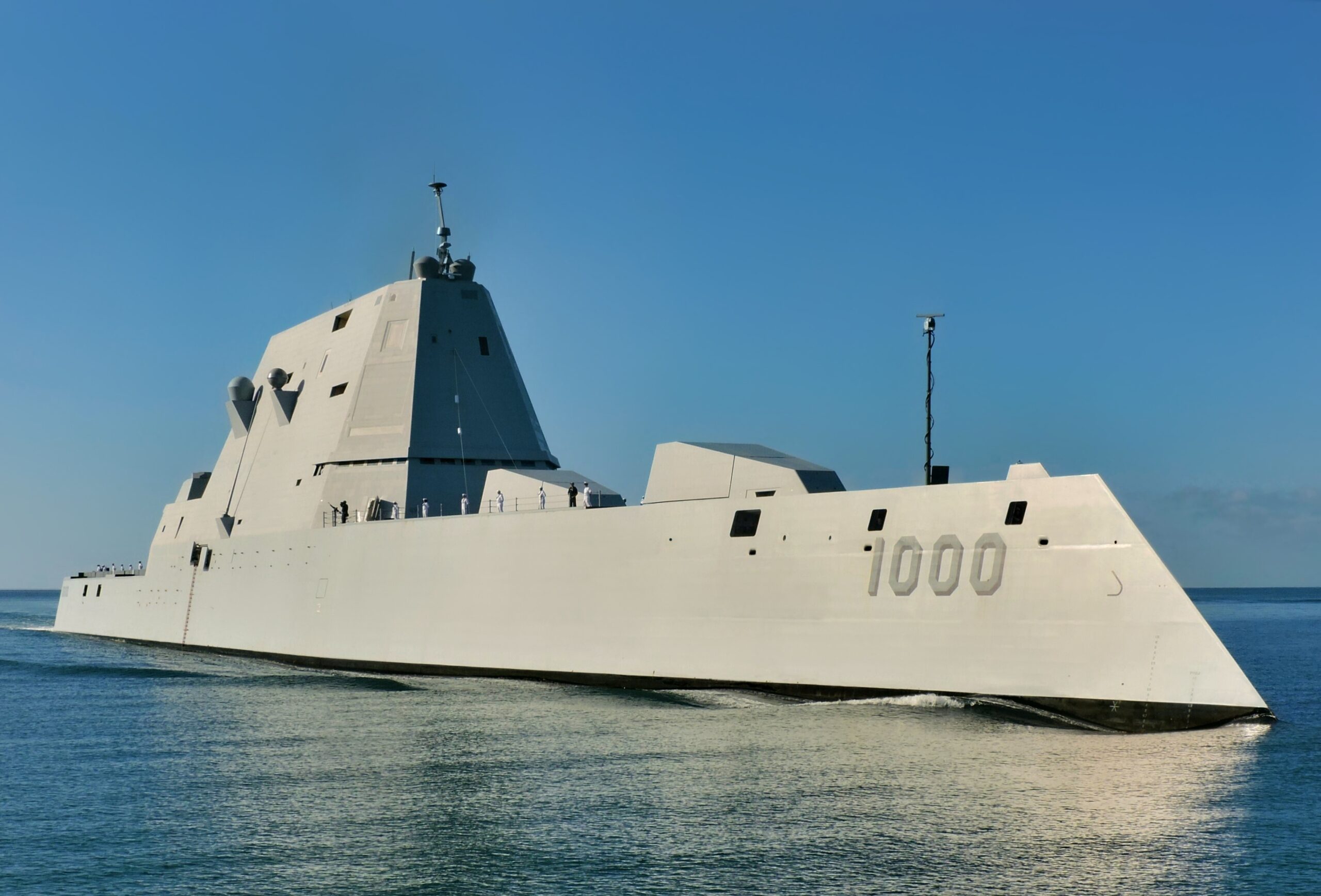
Zumwalt-Class Destroyer U.S. Navy. Image Credit: Creative Commons.
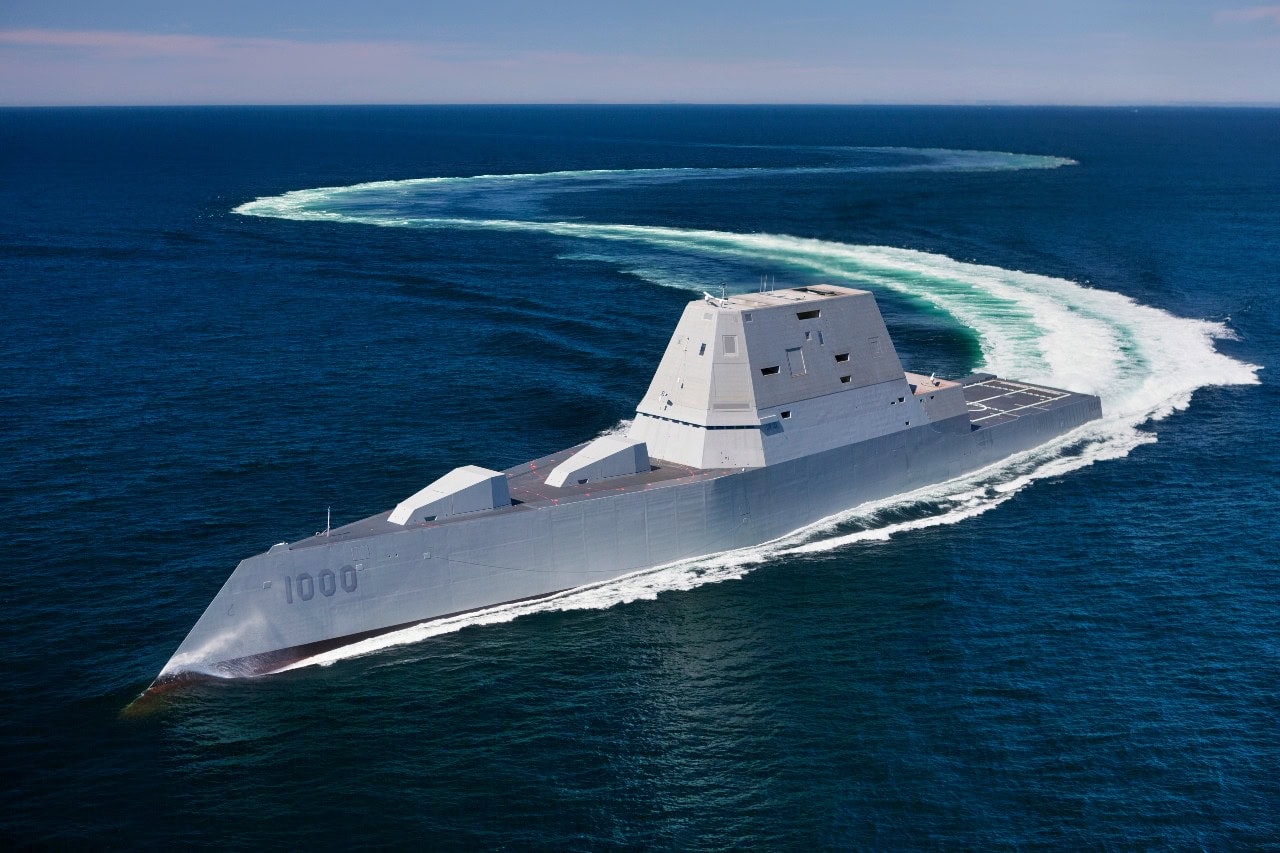
Zumwalt-Class Destroyer U.S. Navy.
Theodore Roosevelt’s “Big Stick” Diplomacy Beyond the Quote: Why “Speak Softly” Still Matters
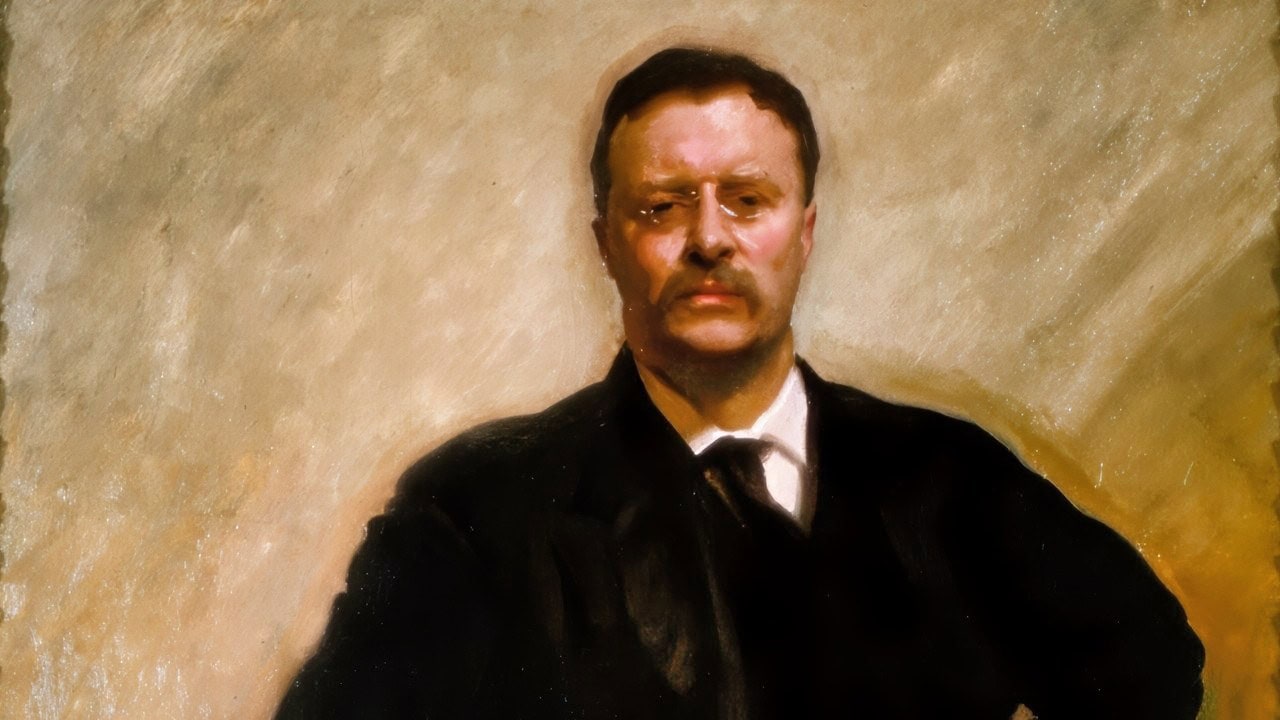
In a letter written to Henry L. Sprague, dated January 26, 1900, the then-Governor of New York, Theodore Roosevelt, stated: “I have always been fond of the West African proverb: ‘Speak softly and carry a big stick; you will go far.'”
Roosevelt is often described as the father of “Big Stick Ideology,” and while the idea had existed for centuries, he certainly popularized the embodiment. Roosevelt is something of a controversial character in American history.
He was known for his aggressive foreign policy, particularly in Central and South America, where he sought to strengthen the US’s sphere of influence. His strict foreign policy reflected the personality that defined Theodore Roosevelt.
Early Life and Education
Roosevelt was born on October 27, 1858, to Martha Stewart Bulloch and businessman Theodore Roosevelt Sr. in Manhattan, New York.
As a child, Roosevelt possessed unnaturally poor health, suffering from asthma attacks and being in poor shape. Nevertheless, the young boy demonstrated some of the same enthusiasm, mischievousness, and inquisitiveness that would characterize the rest of his life. Another trait that he retained was his love of nature and animals. This love of zoology and nature would later manifest itself in the national park system that he would create as President.
As a child, Roosevelt was educated at home, which made him adept in history, biology, geography, and several languages, but he was weak in mathematics. In 1876, Roosevelt attended Harvard University, where he showed an interest in naval history and strategy. However, his experience at Harvard left him disappointed overall, and he dropped out.
He attended Columbia Law School instead, where he showed an interest in politics. He joined the local Republican Party, and it was then and there that he decided he would be part of the governing class. In 1880, he married his first wife, Alice Hathaway Lee, who died two years later after delivering their first child.
Political Career
Roosevelt officially entered politics when he was elected to the state assembly in 1881. Immediately, he set to work, rooting out corruption in his party and advocating investigations into corrupt officials.
These anti-corruption efforts not only secured his reelection but also made him a high-profile figure in the local Republican Party. He moved into national politics when he supported George F. Edmunds for President against Chester A. Arthur in 1884.
He distinguished himself among his peers for his quick wit and superb rhetorical skills. After the election loss, Roosevelt retreated westward to the Dakota Territory to further assess his political prospects.
In the 1896 election, Roosevelt campaigned for William McKinley, who won. As a reward for his loyalty, Roosevelt was appointed Assistant Secretary of the Navy, a position he had long coveted and for which he had extensive knowledge thanks to his interest in naval strategy and history. His end goal was to make the US a world power, and a strong Navy was the means to that end. Roosevelt began building up the Navy by modernizing the US fleet. When the Spanish-American War broke out in 1898, he left his post and joined a volunteer cavalry unit as a lieutenant colonel. His exploits during the war earned him national fame, and upon his return to the US from Cuba, he was hailed as a war hero.
Theodore Roosevelt Becomes President
Roosevelt’s reform-mindedness and his heroic actions in war earned him as many enemies in his party as allies. Many old-line politicians viewed Teddy as more of a hindrance than a hero. In 1900, he tried to run for governor of New York, but the Republican Party nominated him as Vice President for President McKinley’s second term, which many thought would put him in a safe place where he could not harm.
Roosevelt reluctantly accepted this, thinking that he could run for president in 1904. However, in 1901, only six months after McKinley’s inauguration, McKinley was assassinated by an anarchist.
Consequently, Roosevelt became the 26th President of the United States.
In foreign policy, Roosevelt was not an isolationist; he believed in active engagement to protect US interests. He wanted to boost the US’s position on the world stage, arguing that a strong America would be respected and left alone.
He adopted a doctrine similar to the Monroe Doctrine, which stated that the US must act as the “policeman of the West.”
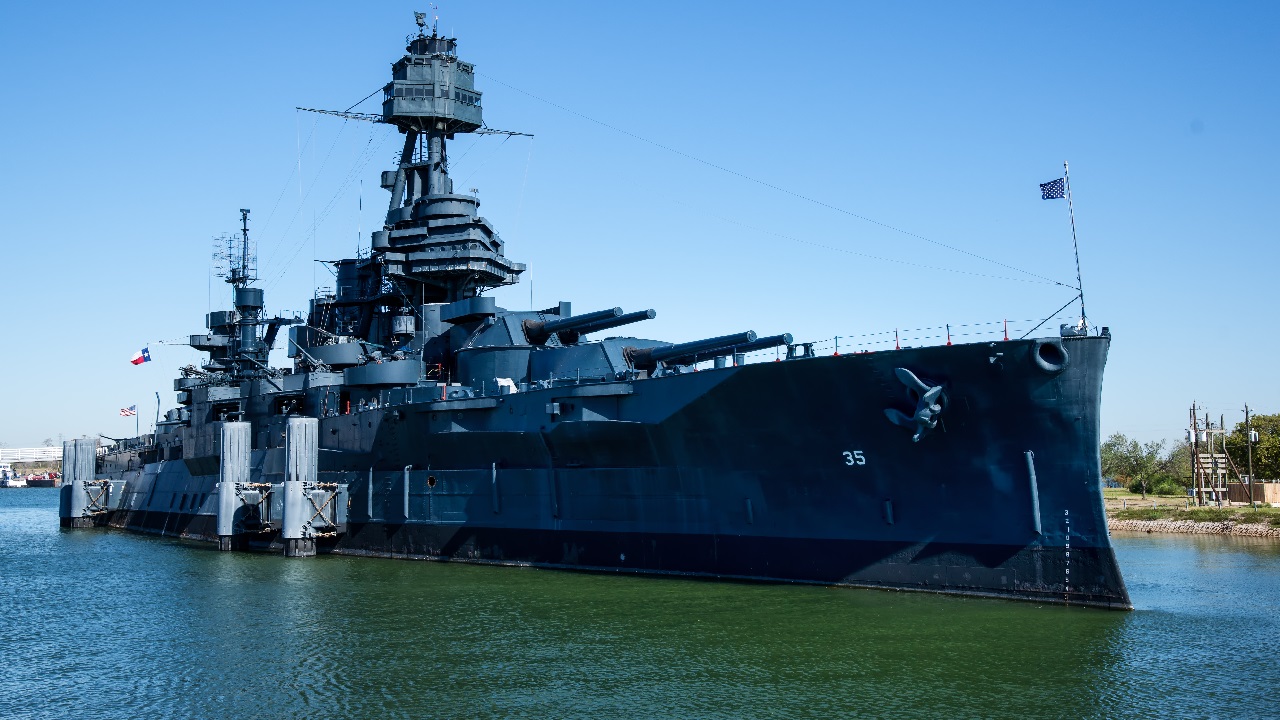
Battleship USS Texas from 2011. Image Credit: Creative Commons.
When Germany and Britain sent warships to collect debts from Venezuela, Roosevelt intervened by deploying his own warships, forcing Britain and Germany to back down and allowing him to act as a mediator in the conflict. When the Russo-Japanese War broke out in 1904, Roosevelt closely monitored the situation. He negotiated an end to the war between the two parties, further cementing the US as a major player in world politics.
Big Stick Diplomacy
During his two terms, Roosevelt expanded the Navy, sending a fleet of 16 warships on a world tour as a show of force and announcing to the world that the US was not to be messed with.
His administration also oversaw the creation of the Panama Canal, though arguably through dubious means. Roosevelt viewed the canal as a necessity for national security and as vital to America’s economic growth.
He became the first President in US history to leave the US while in office to inspect the progress on the canal. The Panama Canal would open five years after he left office.
Roosevelt was a controversial figure during his time and today. Many argued that his actions trampled on the sovereignty of other nations, especially in Central and South America and in the Caribbean.
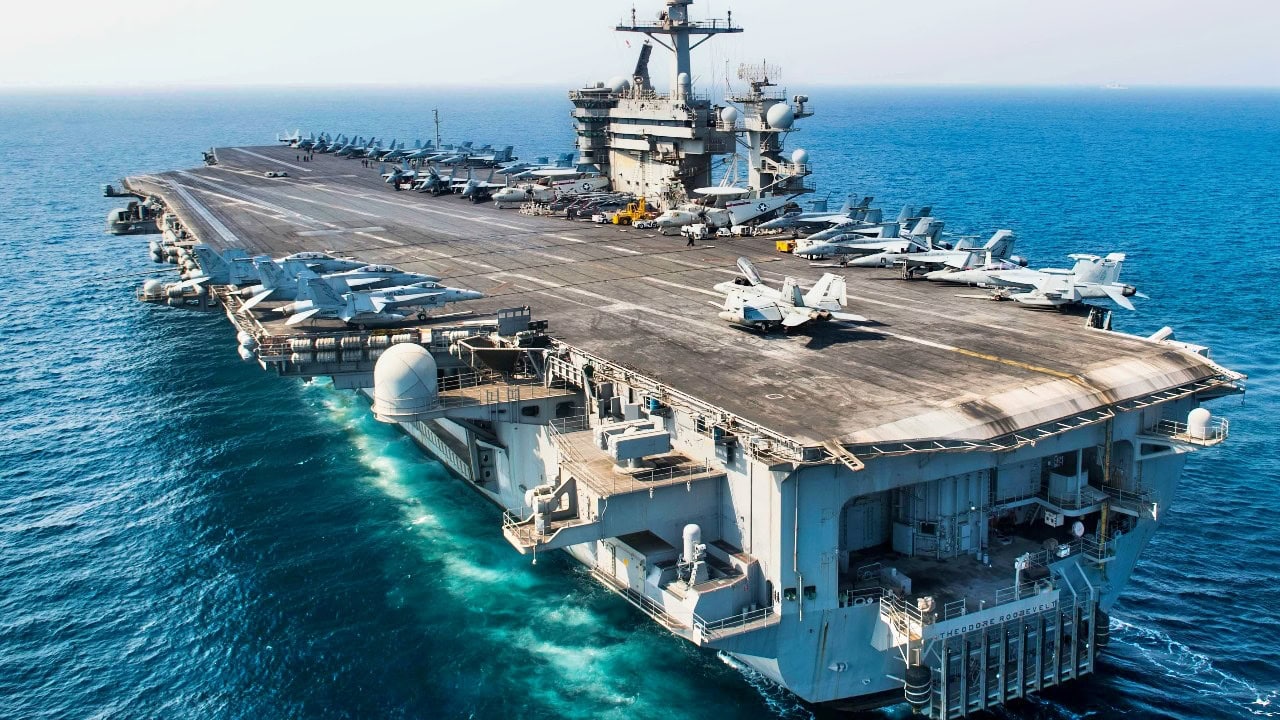
(Oct. 10, 2015) The aircraft carrier USS Theodore Roosevelt (CVN 71) transits the Arabian Gulf. Theodore Roosevelt is deployed in the U.S. 5th Fleet area of operations supporting Operation Inherent Resolve, strike operations in Iraq and Syria as directed, maritime security operations and theater security cooperation efforts in the region.
However, Roosevelt’s Big Stick Ideology cemented the US as a major player on the international stage.
He mediated the end of several conflicts, earning him the Nobel Peace Prize, and strengthened the Navy, ensuring that no one wanted to mess with the US. His foreign policy was as brutal and relentless as the man who envisioned it. He even has an aircraft named after him.
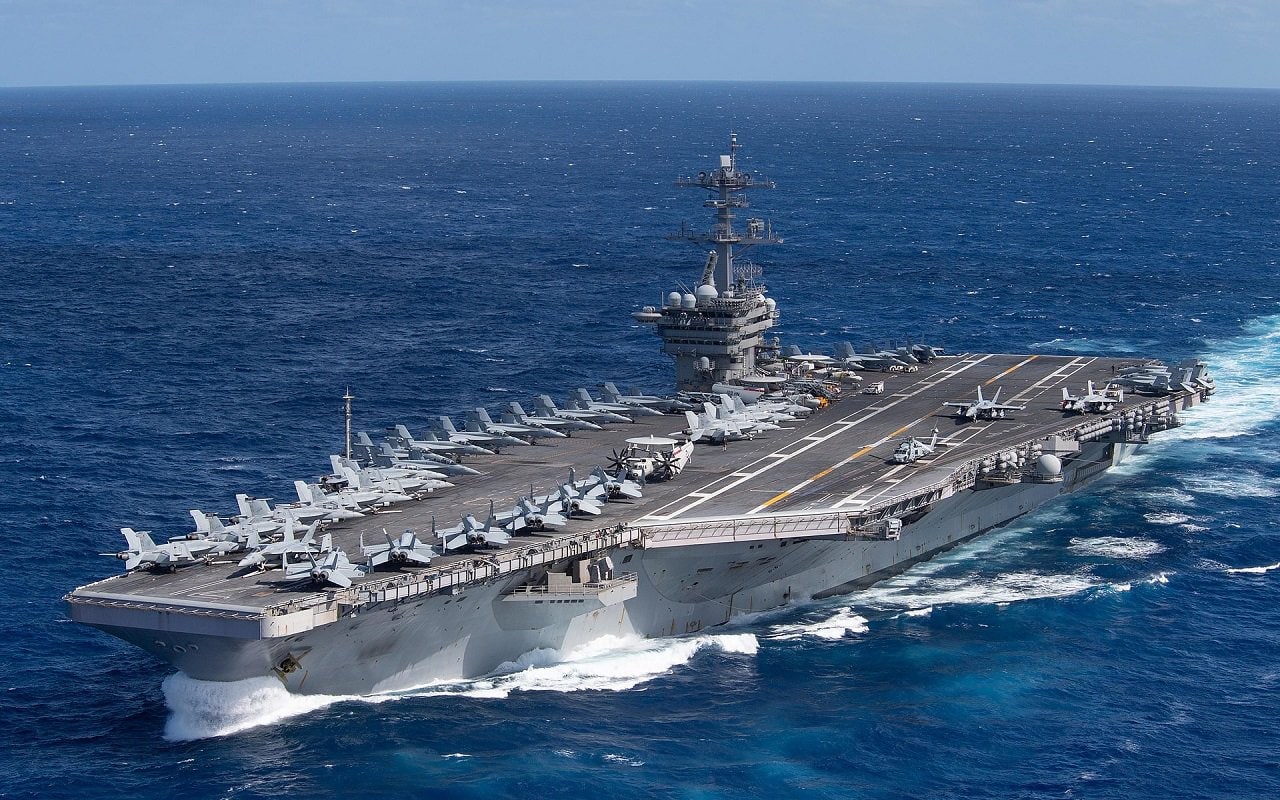
(Jan. 25, 2020) The aircraft carrier USS Theodore Roosevelt (CVN 71) transits the Pacific Ocean Jan. 25, 2020. The Theodore Roosevelt Carrier Strike Group is on a scheduled deployment to the Indo-Pacific. (U.S. Navy photo by Mass Communication Specialist Seaman Kaylianna Genier)
About the Author: Isaac Seitz
Isaac Seitz, a Defense Columnist, graduated from Patrick Henry College’s Strategic Intelligence and National Security program. He has also studied Russian at Middlebury Language Schools and has worked as an intelligence Analyst in the private sector.