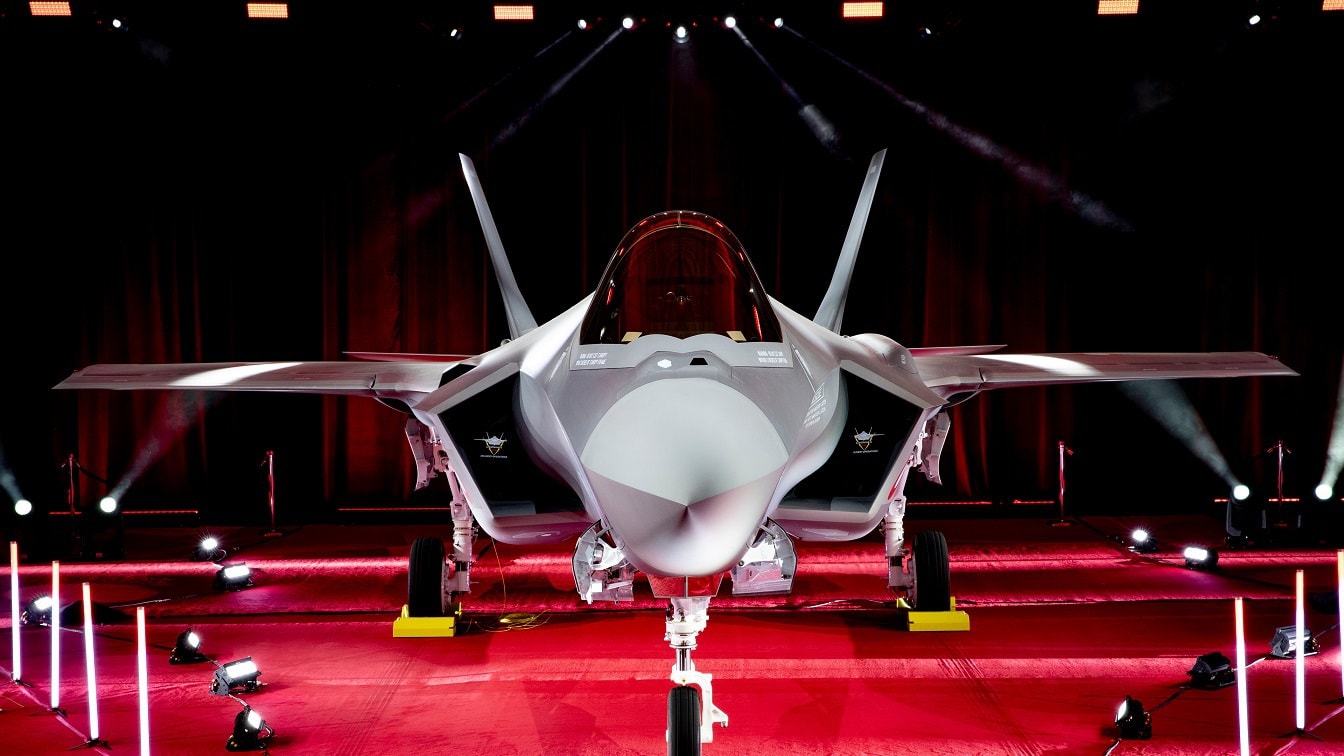
Key Points and Summary – Denmark is massively upgrading its air combat capabilities with a new $951 million deal to acquire 236 AMRAAM air-to-air missiles for its F-16 and growing F-35 fleet.
-This firepower boost supports a broader plan to expand the Danish F-35 force to 43 jets by 2027, enhancing NATO interoperability and deterrence against Russia.
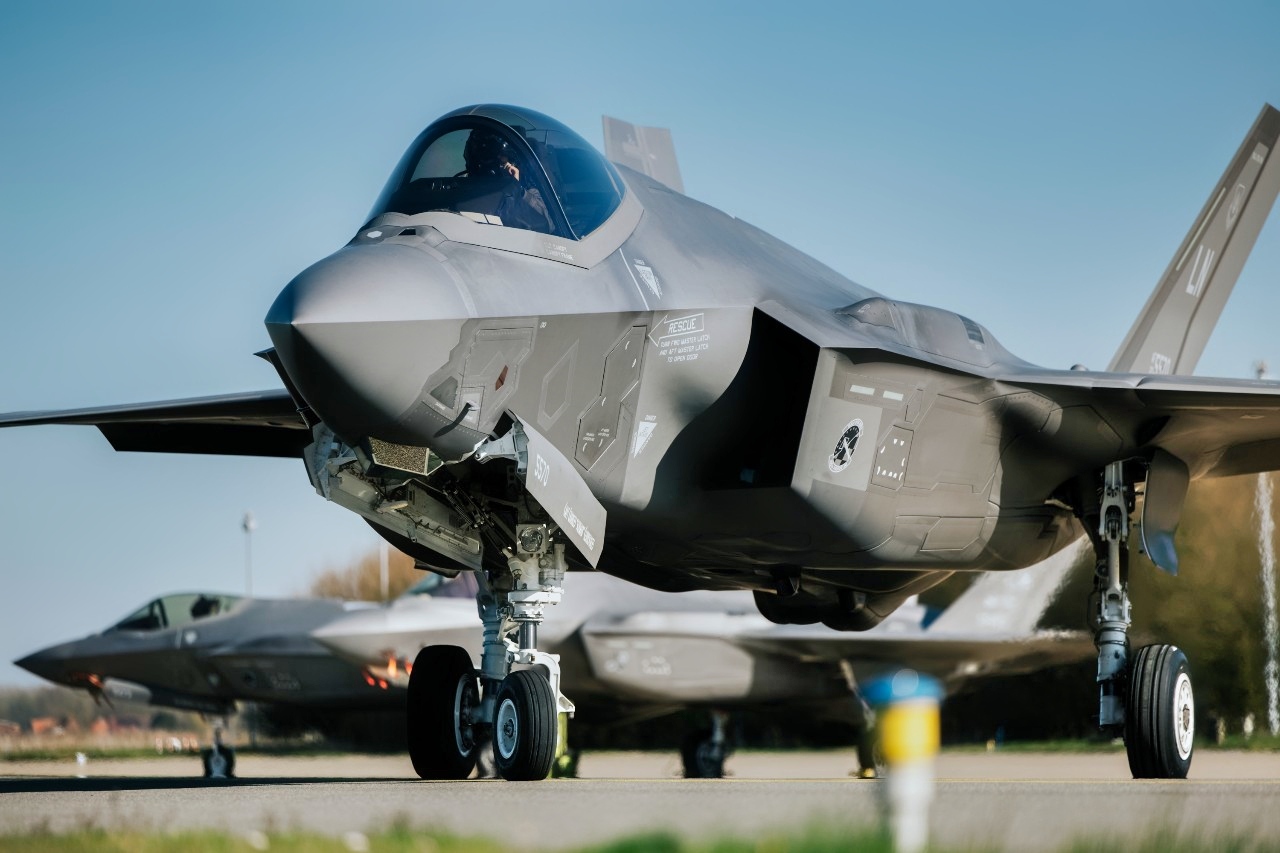
A U.S. Air Force F-35 Lightning II taxis during a cross-servicing event at NATO Allied Air Command’s Ramstein Flag 2025 exercise April 4, 2025. Successful cross-servicing at RAFL25 is an example of the importance of integrated logistics and maintenance training that enhances U.S. warfighting readiness by strengthening United States Air Forces in Europe – Air Forces Africa’s ability to deploy, sustain, and project fifth-generation capabilities across the European theater. (Royal Netherlands photo by Sgt. Maj. Jan Dijkstra)
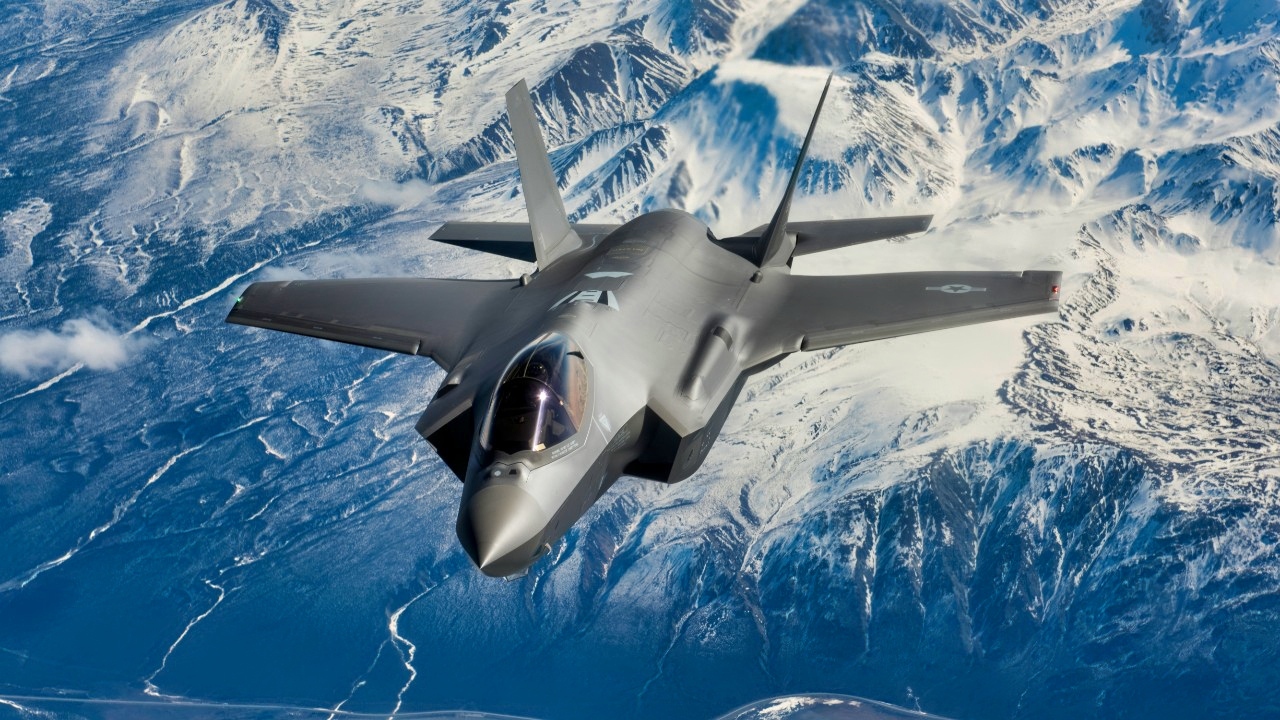
A new F-35A Lightning II fifth-generation fighter aircraft flies over the Alaska Canada Highway en route to its new home at the 354th Fighter Wing, Eielson Air Force Base, Alaska, April 21, 2020. The F-35 represents a new model of international cooperation, ensuring U.S. and Coalition partner security well into the 21st Century. (U.S. Air National Guard photo by Tech. Sgt. Adam Keele)
-However, this deepening military cooperation comes amidst a “clear contradiction” in relations, as diplomatic tensions rise over reports of President Trump’s renewed interest in acquiring the Danish territory of Greenland.
Denmark Arms F-35 & F-16 Fleets with 236 Advanced Air-to-Air Missiles
Denmark is massively revving up its fleet of F-16 and F-35 fighters to improve NATO interoperability, upgrade the F-16s with F-35-like technologies, and acquire large numbers of new, more capable air-to-air missiles.
In a recent $951 million deal with RTX, the Danish military is acquiring 236 AMRAAM AIM-120C air-to-air missiles for its F-35 and F-16 fleet.
These missiles will be added to previous Danish acquisitions of fighter-jet-fired weapons, including AIM-120C and some AIM-9X Sidewinder Block II missiles.
Both of these missiles, and the AIM-120D, have been substantially upgraded by Raytheon in recent years through software adjustments that have improved the range, guidance, and explosive power of the weapons.
Upgrades to the gun have also “hardened” the guidance systems to reduce the likelihood of “jamming” while en route to a target.
There is a clear contradiction, tension, or juxtaposition between Congress approving Foreign Military Sales of US-built weapons to Denmark and the fast-escalating tensions between the US and Denmark over reports that President Trump is interested in acquiring Greenland, a Danish territory.
Upgraded AMRAAMS
It is not clear which AMRAAMs Denmark is receiving, as they may be “export” variants.
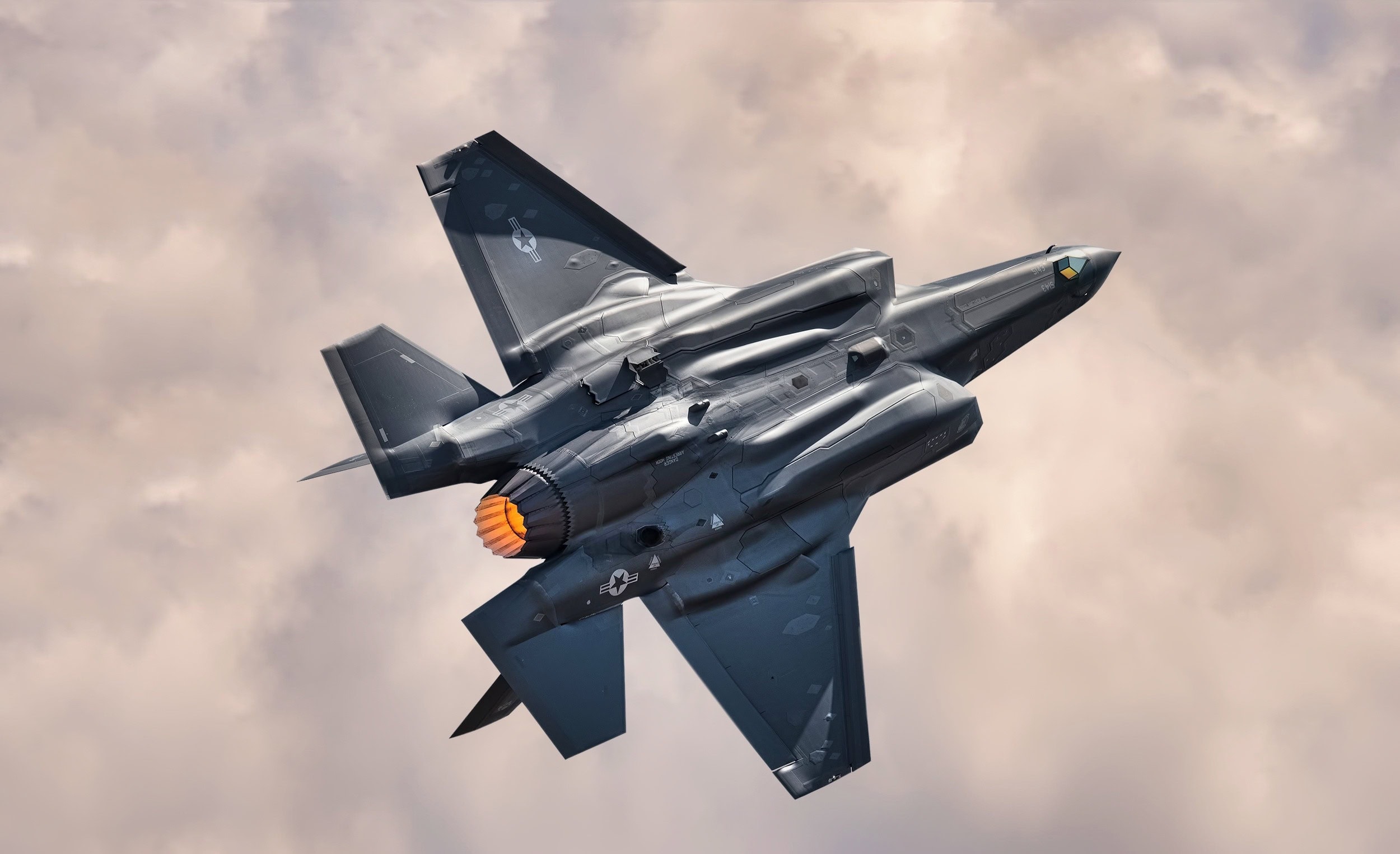
F-35 Fighter. Image Credit: Creative Commons.
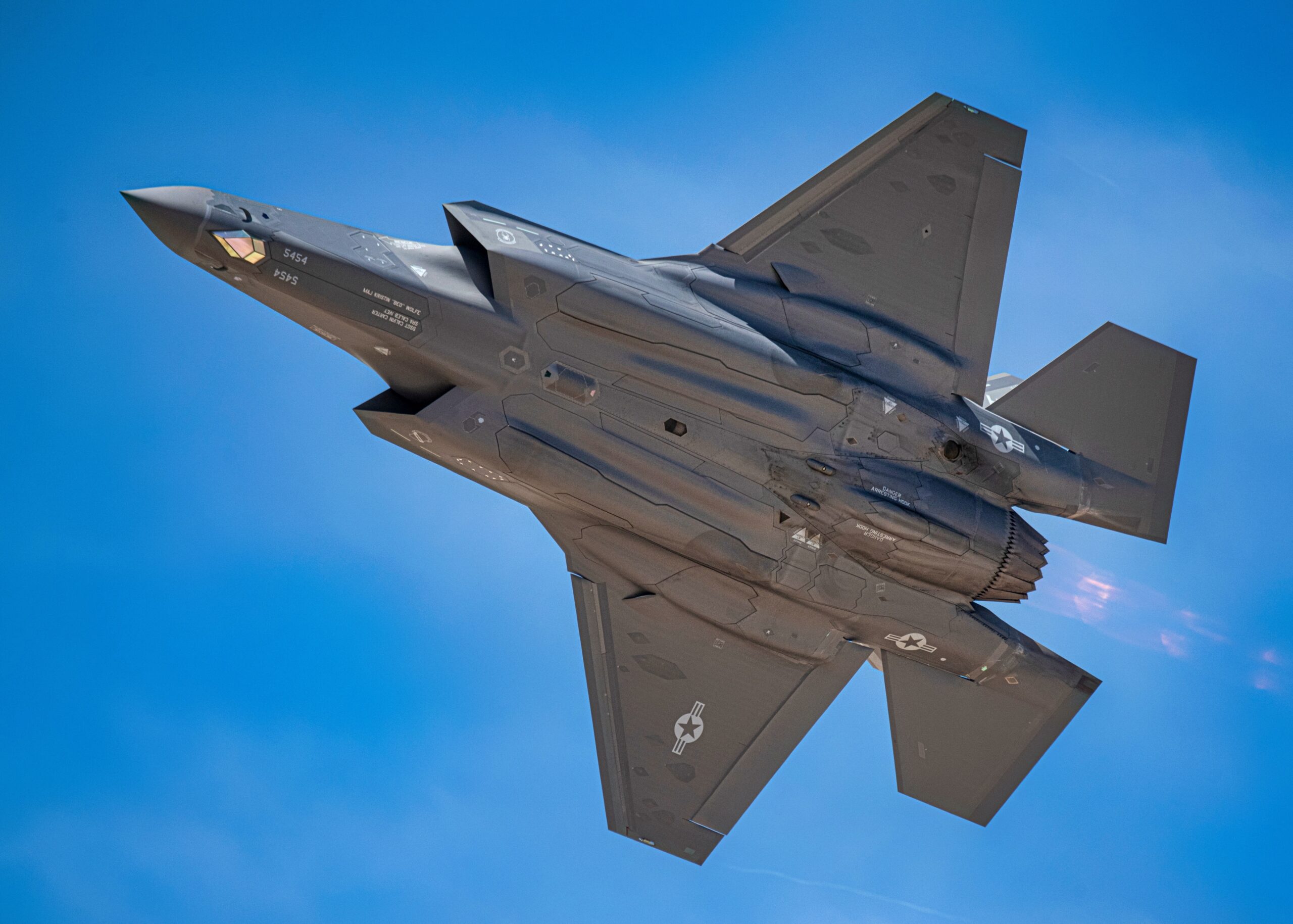
A U.S. Air Force F-35 Lightning II flies over Holloman Air Force Base, New Mexico, May 6, 2022. The F-35 Demonstration Team travels to shows around the country, as well as internationally, to highlight the combat capabilities of the F-35. The mission of the team is to recruit, retain and inspire. (U.S. Air Force photo by Senior Airman Jacob T. Stephens)
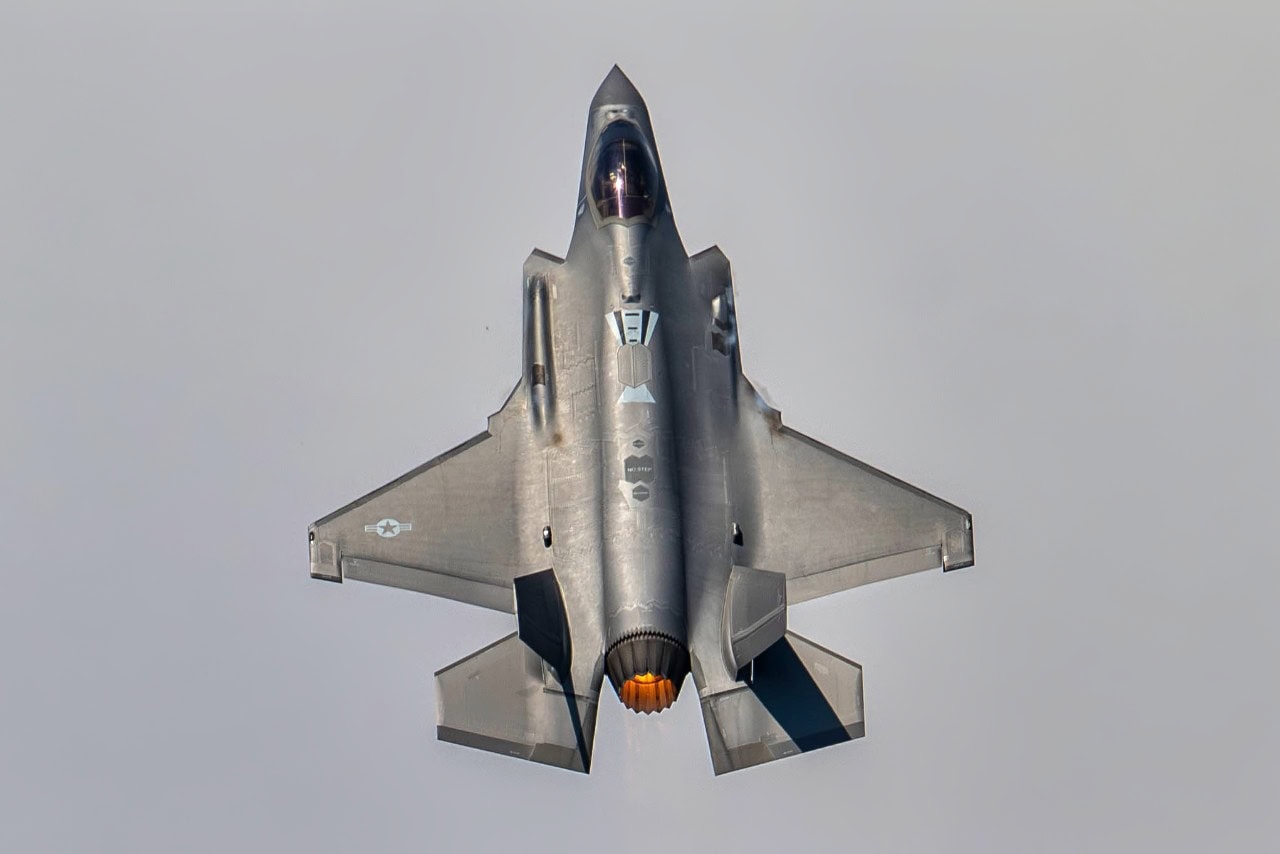
U.S. Air Force Maj. Kristin “BEO” Wolfe, F-35A Lightning II Demonstration Team commander, flies over Kennewick, Washington, during the Tri-Cities Water Follies Airshow Over the River, July 30, 2023. The F-35 Demonstration Team participated in the 2023 Tri-Cities Water Follies airshow and various other events in support of their mission to recruit, retain and inspire new and old generations of Airmen. (U.S. Air Force photo by Staff Sgt. Kaitlyn Ergish)
Yet they are likely to substantially improve the size and effectiveness of the Danish arsenal. This gives the Danish Air Force more firepower to attack targets, “blanket” an area with munitions, or arm a larger fleet of F-16s and F-35s for air-to-air combat.
US Department of State comment cited in Zona Militar stated: “The proposed sale will improve Denmark’s capability to meet current and future threats by ensuring it has modern and effective air-to-air munitions. This sale will further strengthen the already high level of interoperability of the Danish Air Force with US Joint Forces, as well as with other regional and NATO forces. Denmark will have no difficulty absorbing these items and services into its Armed Forces.”
Adding F-35 & F-16 “Mass Power”
An interesting essay in Zona Militar, as noted above, explains that the added weapons are indeed part of an overall effort to upgrade and improve the lethality of its fleet of F-16s and to add more F-35s.
Adding more F-35s makes sense for Denmark, as it has already received its first aircraft, and a larger fleet will position its Air Force to contribute substantially to a collective, multinational integrated F-35 force.
This brings additional deterrence-related implications, as it could strengthen any Danish effort to support NATO’s interest in stopping, thwarting, or simply preventing any Russian incursion in Eastern Europe.
Lockheed F-35 executives have told me that, by 2030, Europe overall will be armed with hundreds of F-35s, a collective force made much larger and more effective by the existence of a common data link operating across all F-35s called Multi-Function Advanced Data Link (MADL)
The new weapons will greatly fortify Denmark’s growing fleet of F-35s, a force that is expanding from 27 aircraft to 43 by 2027, according to an essay in Defense News from October 2025.
Therefore, increasing the arsenal of air-to-air weapons will more fully and effectively “arm” Denmark’s F-35s and better enable a NATO force to “mass” 5th-generation power across the continent. This ability to mass is quite significant for NATO, as Russia is known to operate only 15 to 20 combat-ready Su-57s, with plans to have a force of 76 aircraft by 2028.
Russia has struggled with production and cost challenges with its Su-57 fleet, leaving the country with a substantial 5th-generation air-power “deficit” in the event of a Russia-NATO conflict.
F-35 & F-16 Synergy
The new air-to-air weapons bring the added advantage of arming Denmark’s fleet of F-16s as well, which have in recent years been receiving substantial service-life extension upgrades to ensure the decades-old aircraft can remain functional and operationally relevant as they surge into the coming decades.
The ability to fortify a growing 5th-gen fleet of F-35s with upgraded 4th-gen F-16s is significant, as it enhances Denmark’s overall firepower.
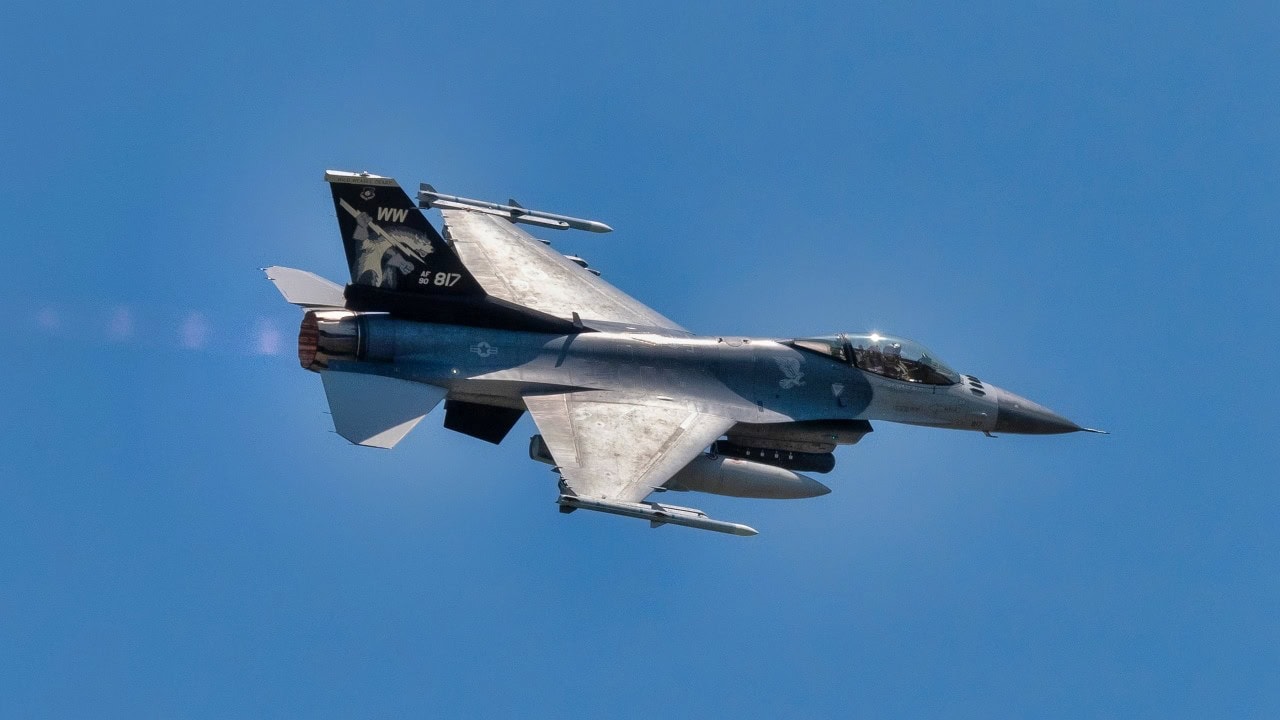
Capt. Charles “Static” Trader, both with the 13th Fighters Squadron F-16 pilots, performs an aerial demonstration in an F-16 Fighting Falcons during the Japanese-American Friendship Festival 2024 at Yokota Air Base, Japan, May 18, 2024. During two-day bilateral festival, The F-16 Fighting Falcon performs a multitude of aerial maneuvers during air festivals to showcase the ability and skill of the aircraft and pilot. (U.S. Air Force photo by Yasuo Osakabe)
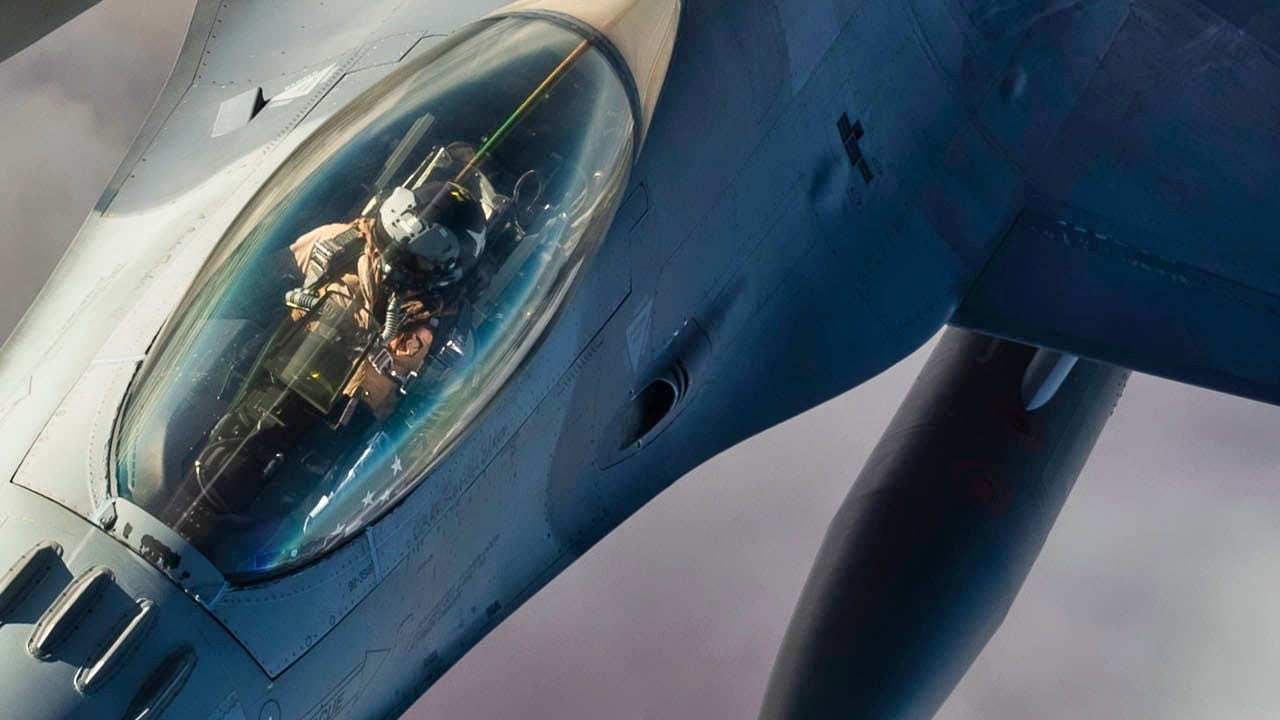
A U.S. Air Force F-16 Fighting Falcon is refueled over the U.S. Central Command area of responsibility Nov. 22, 2024. The F-16 avionics system includes highly accurate enhanced global positioning and inertial navigation systems in which computers provide steering information to the pilot. (U.S. Air Force photo by Staff Sgt. William Rio Rosado)
Stealthy 5th-generation F-35s can help a European force establish air superiority in a conflict with Russia, an operational environment where 4th-gen F-16s can provide additional air attack support. This situation is improved by a rapidly increasing ability for F-35s to interoperate and share target information with 4th-gen aircraft.
This target sharing between F-35s and F-16s is greatly enhanced by the extent to which F-16s can be retrofitted with an AESA radar similar to that on the F-35.
AESA radar is not only more precise and higher-resolution but can also track multiple targets simultaneously.
In a tactical sense, this means that F-35s and F-16s are well-positioned to acquire targets, share information, and form a combined air attack force.
About the Author: Aviation Expert Kris Osborn
Kris Osborn is President of Warrior Maven – Center for Military Modernization. Osborn previously served at the Pentagon as a highly qualified expert in the Office of the Assistant Secretary of the Army—Acquisition, Logistics & Technology. Osborn has also worked as an anchor and on-air military specialist at national TV networks. He has appeared as a guest military expert on Fox News, MSNBC, The Military Channel, and The History Channel. He also has a Masters Degree in Comparative Literature from Columbia University.