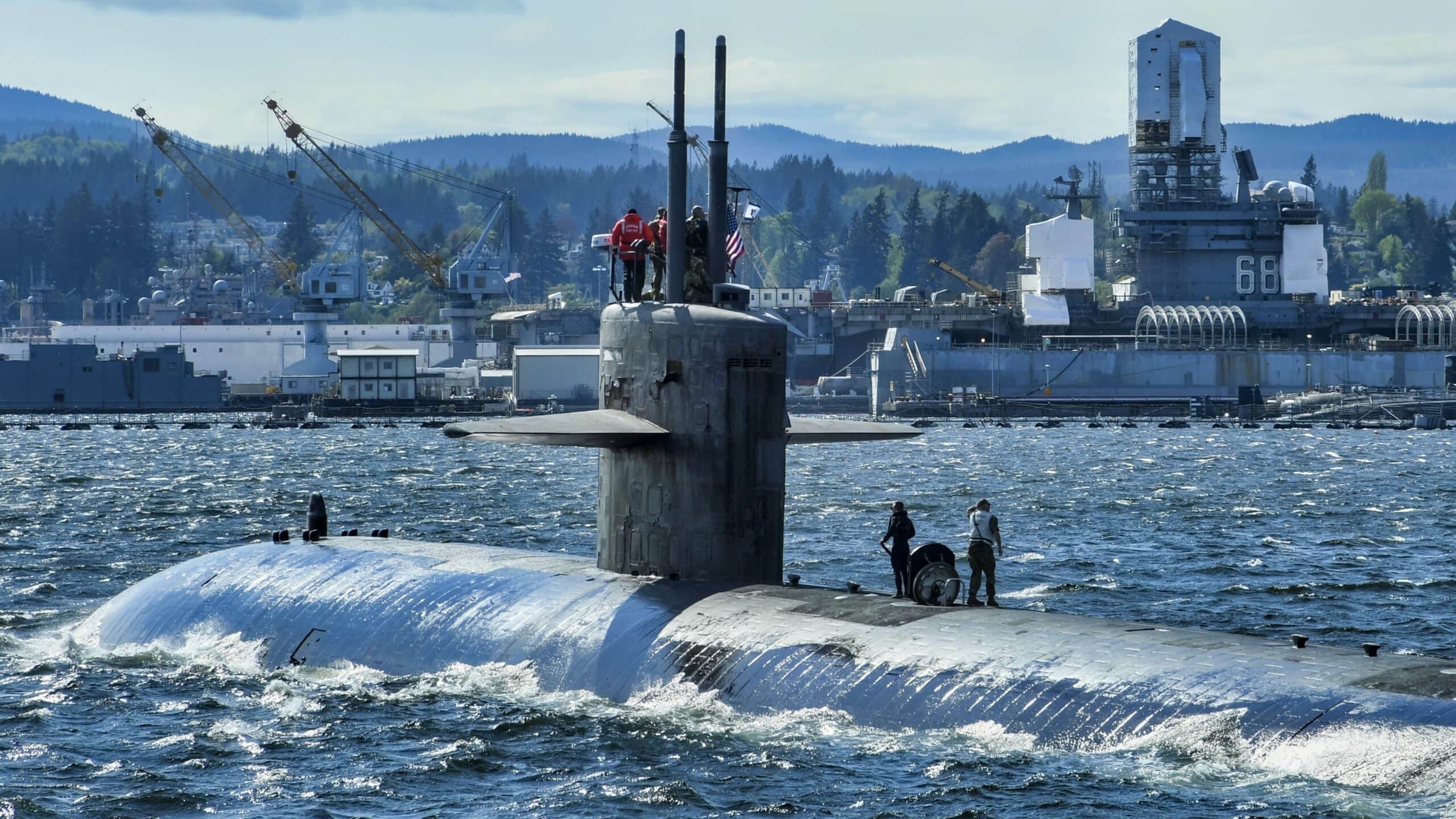
Key Points and Summary – President Trump has suggested the U.S. may need to “take” or “buy” Greenland to secure the Arctic against growing Russian and Chinese influence, asserting that Denmark’s current defense—relying on elite Dog Sled Patrols—is insufficient.
-A lesser-known Cold War agreement already grants the U.S. broad access to expand military bases on the world’s largest island.
-With melting ice opening new waterways and the Navy accelerating its Arctic Road Map, a massive expansion of U.S. forces in Greenland could serve as a critical deterrent without requiring armed conflict.
How Melting Ice and Russian Aggression Are Pushing US into Greenland
Elite Danish Special Forces operate far-reaching Dog Sled Patrols in the Arctic wilderness to secure the Greenland countryside. Yet the Trump administration says the country’s small military presence on the vast Arctic landmass may be insufficient to safeguard the territory from growing threats.
While some speculate the US could essentially “take” the territory, there is also a possibility that the US could “buy” Greenland or reach an agreement on its security with Denmark.
“We need Greenland from the standpoint of national security and Denmark is not going to be able to do it, I can tell you,” Trump said Sunday on Air Force One, as quoted in CNBC.
Is there room for a vastly expanded US presence in Greenland that might not fracture NATO or provoke worldwide condemnation?
The US already has considerable military flexibility in Greenland, according to a lesser-known Cold War agreement cited in the New York Times, which gives the US “sweeping military access to construct, install, maintain and operate” military bases in Greenland. At the moment, the US has one military base in a faraway corner of Greenland, yet the existing agreement allows for a considerable expansion of US forces there.
The concept of an expanded US military presence could make strategic sense given Russia’s well-known efforts to seize territory, power, and influence in the Arctic region. Strategic competition between the US and Russia has only intensified as the pace of melting ice generates new waterways and points of access.
Russia’s Northern Sea Route borders the Arctic, and Putin has in recent years been massively expanding his country’s military presence in the region.
The area of Greenland is vital not only for its natural resources but also for its critical geographic location.
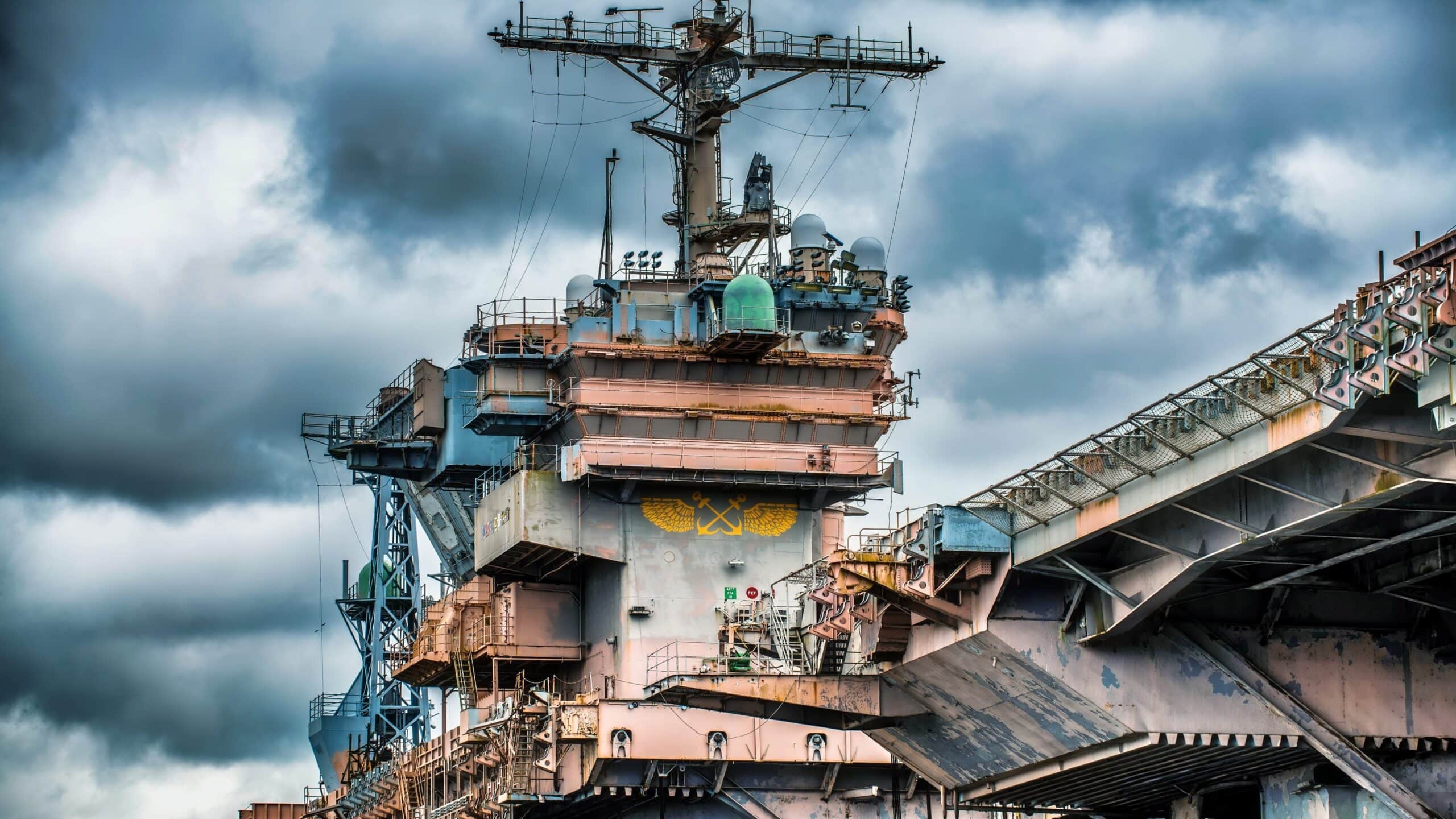
Aircraft Carrier U.S. Navy. Image Credit: U.S. Navy
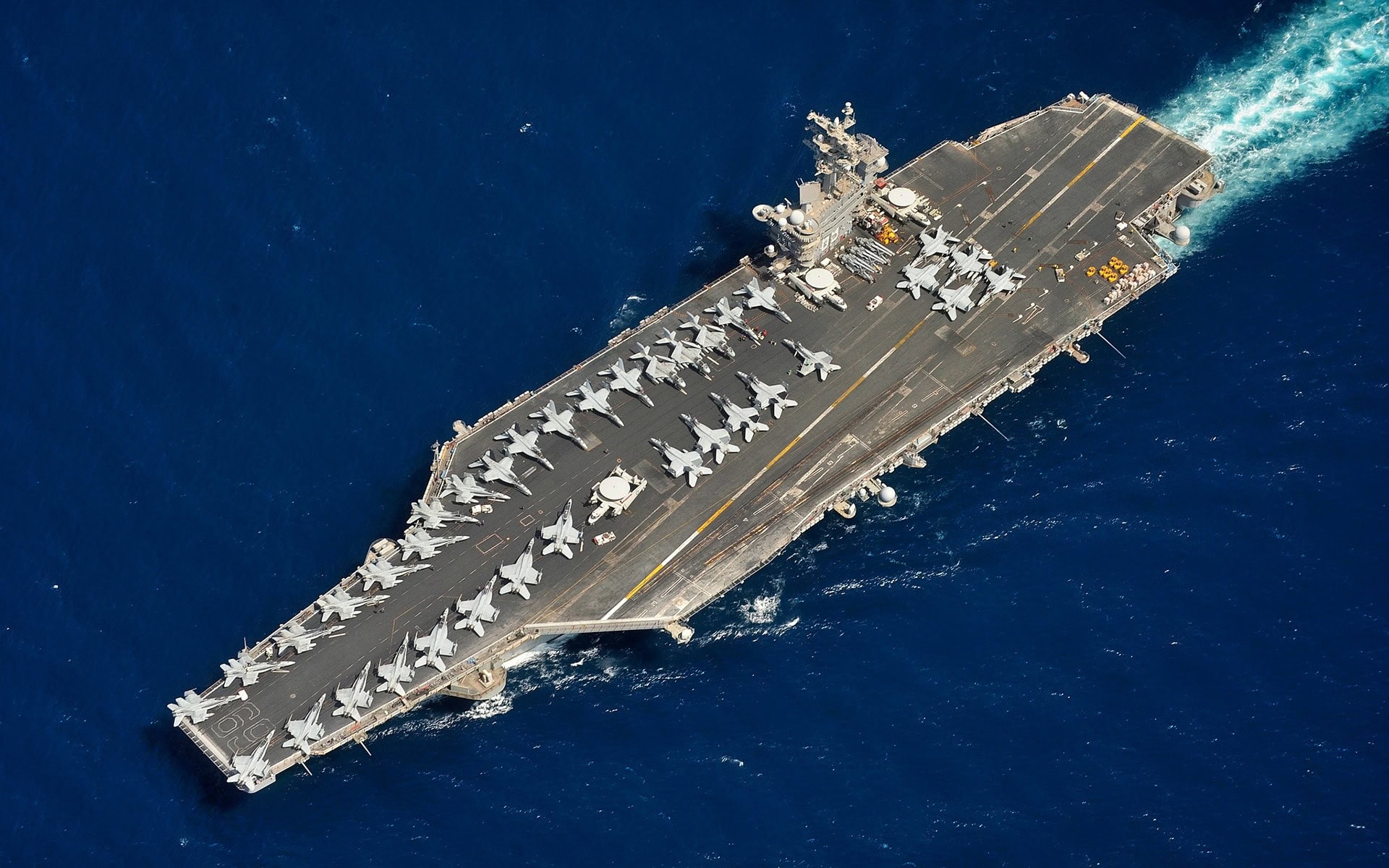
Nimitz-Class aircraft carrier. Image Credit: Creative Commons.
A Greenland-based US military force could quickly and easily occupy other parts of the Arctic and also put Russia at risk from strategically advantageous ranges. A large-scale US military presence in Greenland could serve as a serious deterrent to the fast-growing Russian and Chinese efforts to exert military and territorial power in the Arctic.
Greenland Attack?
The word ‘attack’ itself seems somewhat at odds with the reality of what a US takeover might look like, as occupying the area would require little to no actual use of force, and Denmark would be unlikely to formally resist.
Annexing Greenland would simply involve “going there” and establishing a greater military presence to help ensure Arctic, regional, and global security.
It is unlikely that any US occupation of Greenland would involve actual armed “conflict,” “war,” or the use of weapons systems.
World’s Largest Island
Regarded as the world’s “largest island,” Greenland spans 836,000 square miles and occupies a massive territory of ocean just East of Northern Canada and the Arctic.
Therefore, the most significant strategic or security-related advantage for the US would not be limited to long-range missiles and missile defenses but also to Naval operations.
Navy Arctic Road Map
For years, the US Navy has been refining an updated Arctic Road Map amid the rapidly accelerating pace of ice melt.
Previously, the service was preparing for a large-scale increase in icebreakers and a much larger overall Arctic presence by the 2040s; however, the pace at which melting ice is opening up new waterways and the intensity with which Russia and China are pursuing military and geopolitical aims in the Arctic have inspired the Navy to accelerate its Arctic expansion massively.
This involves critical work now underway at the Office of Naval Research to develop ice-resistant weapons systems and military technologies that can operate in extreme weather conditions.
Ships and deck-mounted weapons, for example, could be engineered with specialized “heating” technology designed to expedite ice melting.
About the Author: Kris Osborn
Kris Osborn is President of Warrior Maven – Center for Military Modernization. Osborn previously served at the Pentagon as a highly qualified expert in the Office of the Assistant Secretary of the Army—Acquisition, Logistics & Technology. Osborn has also worked as an anchor and on-air military specialist at national TV networks. He has appeared as a guest military expert on Fox News, MSNBC, The Military Channel, and The History Channel. He also has a Masters Degree in Comparative Literature from Columbia University.