
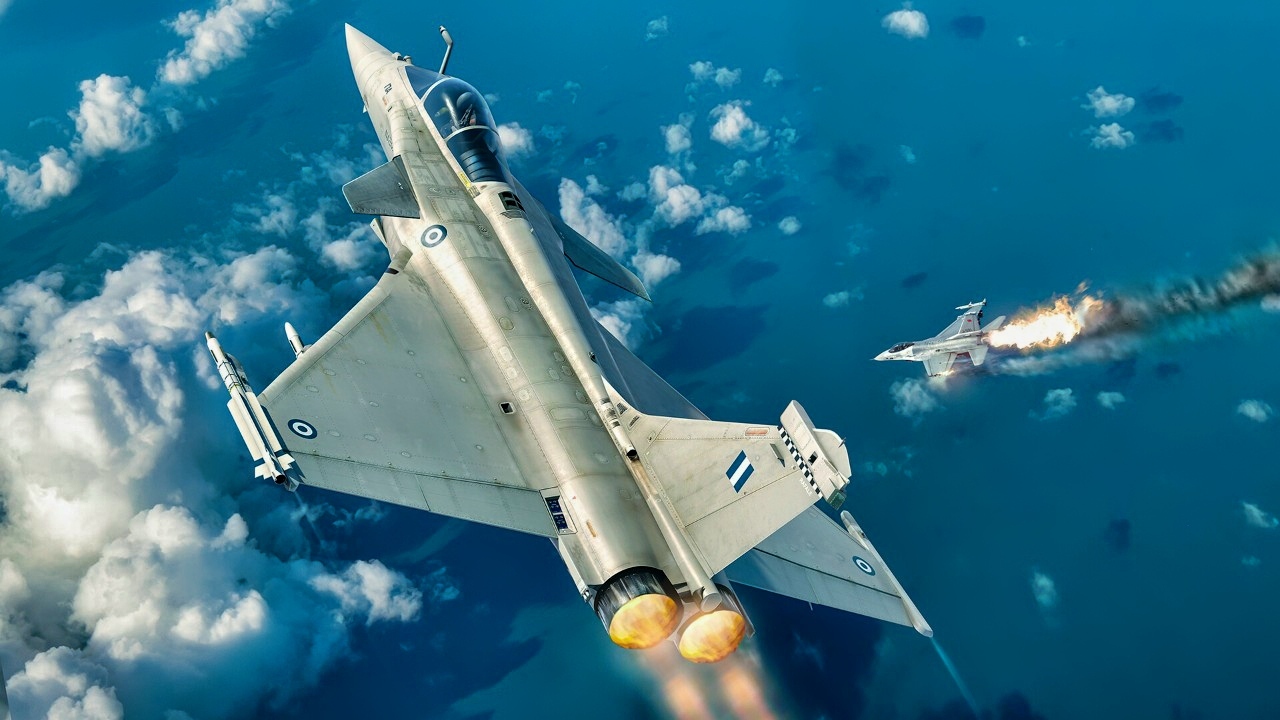
Operation Sindoor Was Only Three Days. Its Next War Risk Could Last Much Longer
In May of last year, India and Pakistan fought a short, sharp conflict that has come to be called “Operation Sindoor,” after the Indian code name for the campaign. India launched the campaign in response to a terrorist attack perpetrated by two Pakistani-based militias.
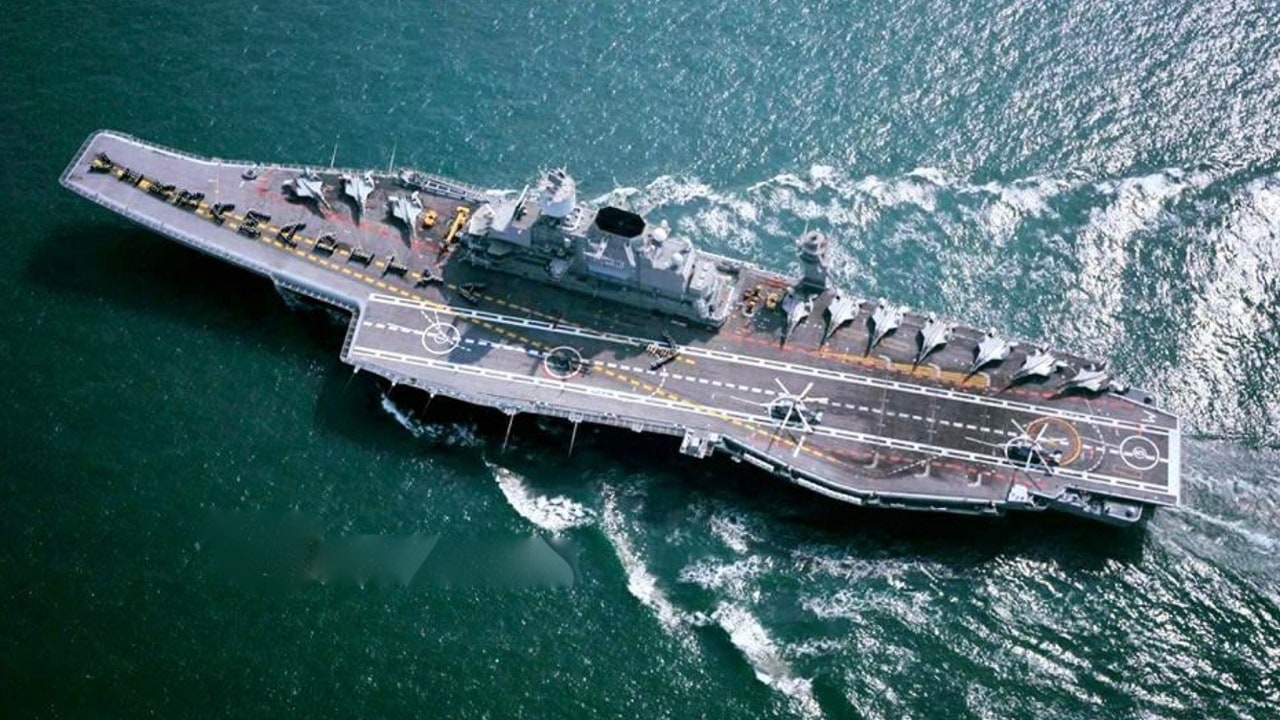
Kiev-Class Aircraft Carrier Rebuilt and Serving in India’s Navy.
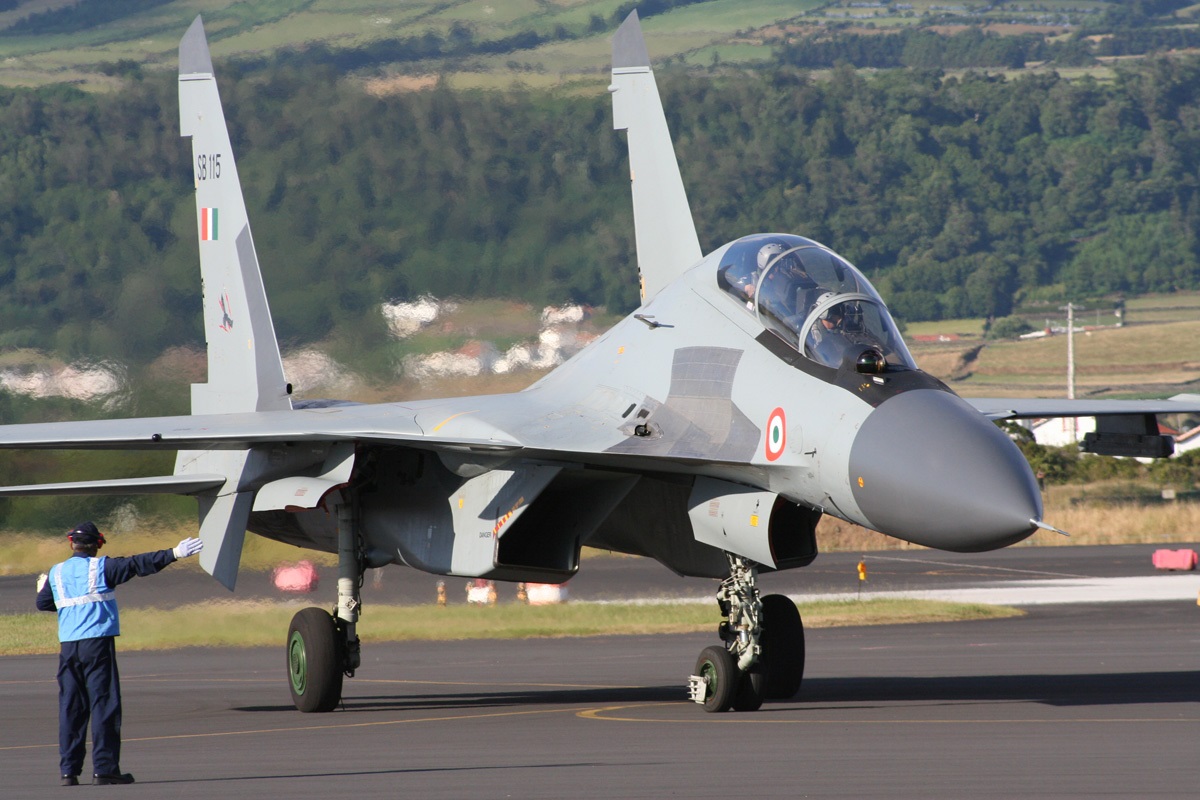
A member of the Indian air force marshals in a Sukhoi Su-30 MKI on the flight line, July 13, here at Lajes Field. The Indian air force is passing through Lajes on their way to participate in Red Flag at Nellis Air Force Base, Nevada. It is the first time the Indian air force has ever participated at Red Flag or deployed this aircraft to the United States.
Pakistan downed several Indian aircraft, even as Indian strikes inflicted damage on several Pakistani-affiliated militia bases.
For India’s part, demonstrating the ability to strike Pakistan while remaining firmly below the nuclear threshold restored deterrence following several cross-border terrorist attacks. From Pakistan’s point of view, India fooled around and found out, getting itself a bloody nose for its efforts.
Worryingly, the military legacy of Operation Sindoor remains uncertain. Both India and Pakistan learned some important tactical lessons about themselves and each other. India, in particular, has embarked on a major program to modernize its intelligence and defense acquisition apparatus, while Pakistan is enjoying the fruits of its relationship with China.
Both seem to believe that they “won” the skirmish, boding ill for a cautious approach to the next conflict. In failing to resolve any of the core issues between India and Pakistan, Sindoor may have simply set the stage for a more serious scrape in the future.
The Dispute
Operation Sindoor spanned three days in May 2025. After a substantial buildup in the previous weeks, India launched a series of air and missile strikes that were met with substantial Pakistani opposition. Some nine targets in Pakistan were hit as a massive Beyond Visual Range (BVR) air battle raged in the skies.
Pakistan claimed to have downed five Indian aircraft, including three modern Dassault Rafale fighters. Drone, missile, and artillery barrages then ensued from both sides over the next two days, before imposition of a ceasefire at the behest of both governments and with the clumsy intervention of the Trump administration.

Dassault Rafale Fighter. Image Credit: Creative Commons.
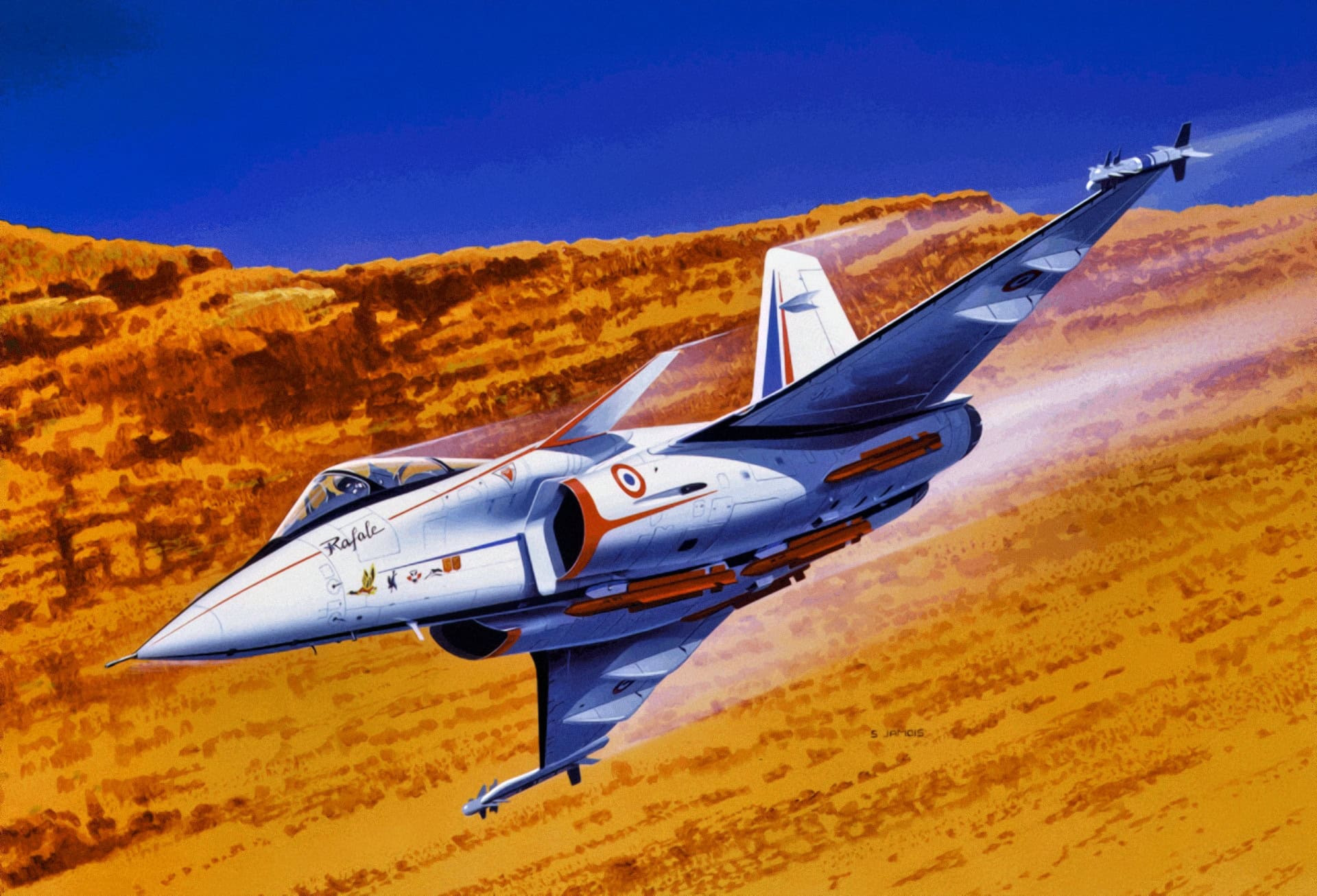
Dassault Rafale Artist Image. Image Credit: Creative Commons.
The Geopolitics
Relations between India and Pakistan have always been subject to the vagaries of geopolitics.
Five years ago, de facto alignment between the United States and India seemed inevitable. The Afghan War seemed to have permanently damaged the relationship between Pakistan and the US. At the same time, China’s growing power threatened both Washington and New Delhi. India’s long-term relationship with Russia seemed to have reached an economic and technological dead end.
Things have changed. Russia’s botched invasion of Ukraine isolated Moscow, making the relationship with India critical for the Kremlin. India took advantage by negotiating advantageous terms for energy and technology purchases, putting New Delhi in tension with the Biden administration.
The return to power of President Donald Trump unexpectedly led to diplomatic tension with India’s Modi administration, with threats of sanctions and tariffs putting enormous pressure on the relationship. Pakistan played its cards with the new US President effectively, crediting him with the ceasefire after Operation Sindoor and, in general, repairing much of the enduring damage to bilateral relations.
Both Pakistan and India benefited from their foreign backers. India relied upon Russian weaponry to deter Pakistani counter-strikes, while Pakistan used Chinese weapons and Chinese satellite intelligence to inflict damage on the Indian strike packages.
For India’s part, the threat of Sino-Pakistani collaboration has long been paramount, and has helped drive cooperation with both Russia and the United States. India also continues to pursue the acquisition of European and American arms, reinforcing the relationship with both and hedging against the failure of Russian arms shipments.
India vs. Pakistan: What Happens Next?
There are deep causes for the enduring rift between India and Pakistan, ones dear to both sides and unlikely to go away anytime soon. However, tensions on the subcontinent have always been affected by geopolitical considerations.
Despite expectations of a major shift in alignment, India continues to depend on Russia, and Pakistan continues to depend on China, while the United States plays an ambiguous, hard-to-predict role.
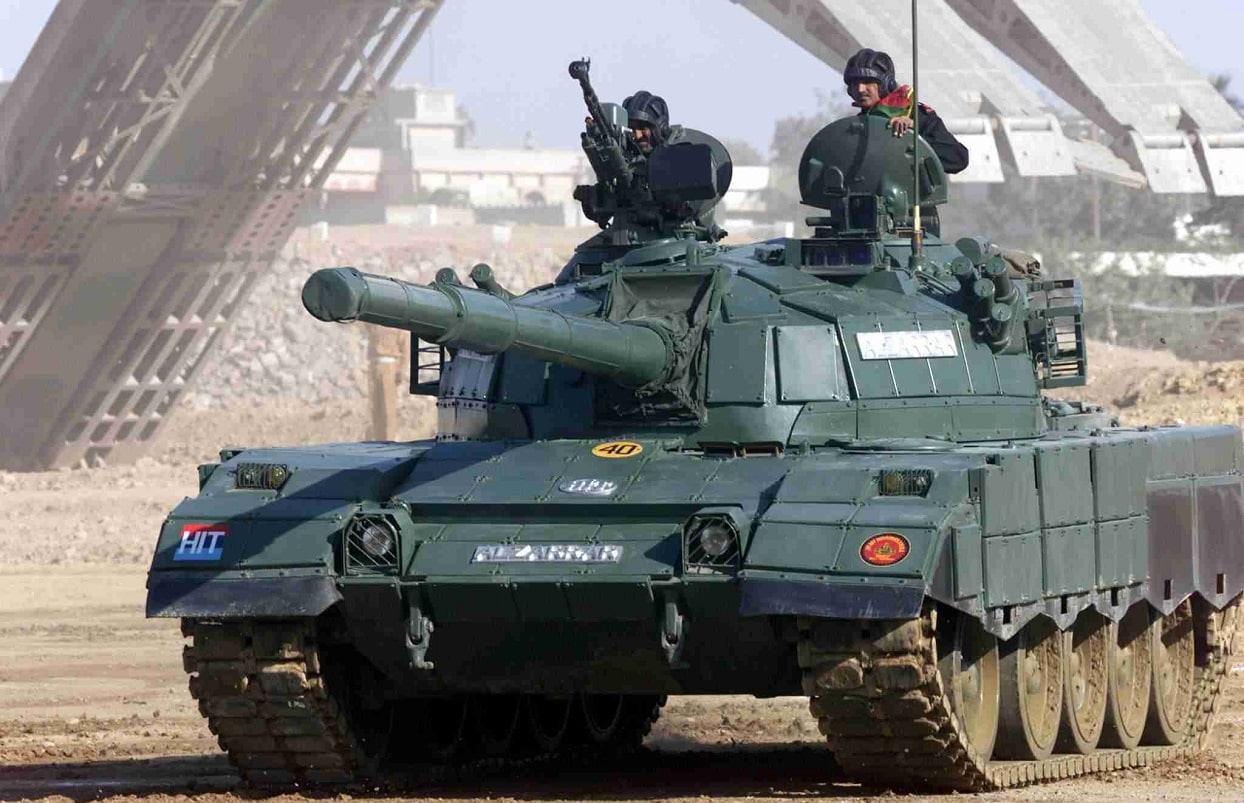
Pakistan Army. Image: Creative Commons.
Especially worrying is the fact that no one seems all that serious about making it easier to apply the brakes in a new major conflagration.
Russia is too vulnerable and the United States too detached to exert real pressure, while China is more focused on the Western Pacific and internal issues.
Two nuclear-capable antagonists, each emboldened by perceived success and with real grievances against one another, is an extremely dangerous recipe.
About the Author: Dr. Robert Farley, University of Kentucky
Dr. Robert Farley has taught security and diplomacy courses at the Patterson School since 2005. He received his BS from the University of Oregon in 1997, and his Ph. D. from the University of Washington in 2004. Dr. Farley is the author of Grounded: The Case for Abolishing the United States Air Force (University Press of Kentucky, 2014), the Battleship Book (Wildside, 2016), Patents for Power: Intellectual Property Law and the Diffusion of Military Technology (University of Chicago, 2020), and most recently Waging War with Gold: National Security and the Finance Domain Across the Ages (Lynne Rienner, 2023). He has contributed extensively to a number of journals and magazines, including the National Interest, the Diplomat: APAC, World Politics Review, and the American Prospect. Dr. Farley is also a founder and senior editor of Lawyers, Guns and Money.