
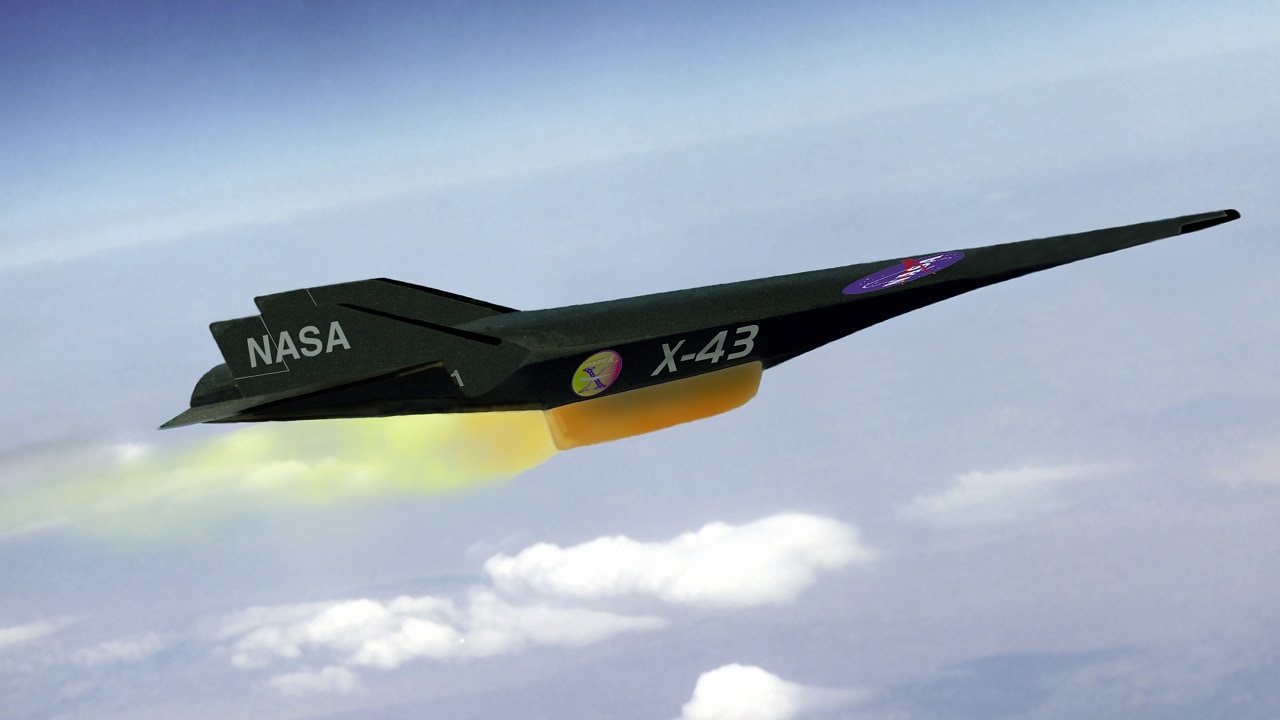
Key Points and Summary – NASA’s Hyper-X program, which ran for eight years and cost $230 million, produced the X-43A—the “fastest air-breathing vehicle ever built.”
-Launched from a B-52, the X-43A set a Guinness World Record in 2004 by reaching Mach 9.6 (nearly 7,000 mph) before the program was canceled in favor of the X-51A Waverider.
-Today, NASA continues its high-speed research with the piloted X-59, an aircraft designed to solve the “sonic boom” problem and reshape the future of supersonic flight.
The X-43A Broke All the Records at Mach 9.6
According to NASA, the Hyper-X program lasted 8 years and cost about $230 million. NASA described it as “a high-risk, high-payoff research initiative that tackled challenges never before attempted.” Only three were ever built, and they were designed to be single-use.
Simple Flying describes the NASA X-43, which grew out of the Hyper-X program, as “the fastest air-breathing vehicle ever built,” with two flying successfully while the third was destroyed.
Per Simple Flying, it was on that second flight that it hit Mach 9.6, coming very close to Mach 10.
In June of 2005, the Guinness Book of World Records officially recognized the X-43 as “setting the speed record for a jet-powered aircraft by Guinness World Records.”
How It Worked
The X-43, each time, was launched from a B-52 Superfortress.
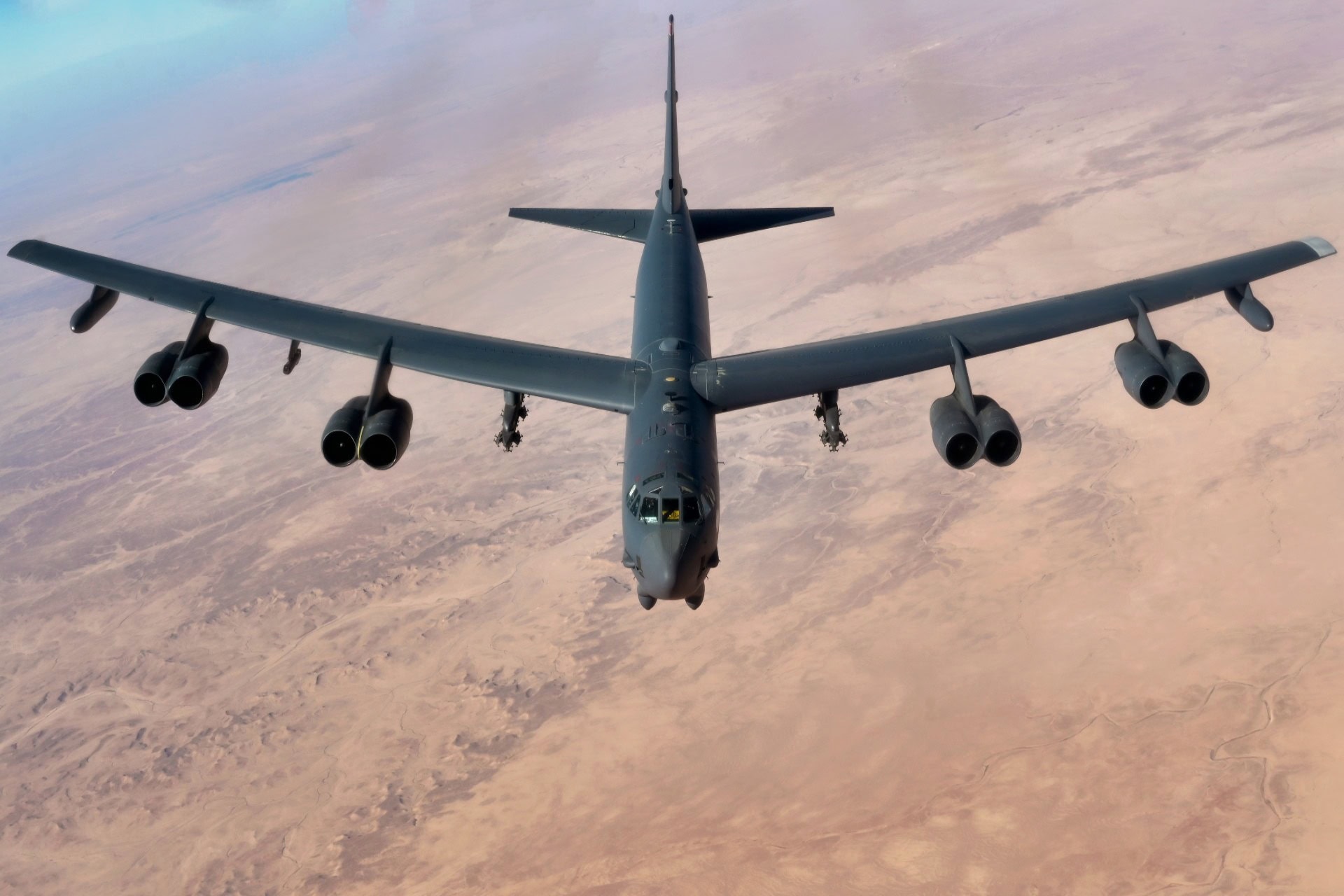
A U.S. Air Force B-52H Stratofortress conducts a combat air patrol in support of Operation Inherent Resolve over the U.S. Central Command area of responsibility, Dec. 15, 2024. The deployment of the long-range heavy bombers into the USCENTCOM theater demonstrates the United States’ dedication to deterring aggression and maintaining stability in the region alongside allies and partners. (U.S. Air Force photo by Staff Sgt. Gerald R. Willis)
“To achieve their enormous speed, they were carried by the B-52, then a winged booster aircraft would fire before being discarded,” Simple Flying reported. “Finally, the X-43’s scramjet engine would kick in and take it to its maximum speed. The aircraft was built to test hypersonic flight, with the program first starting in the late 1990s. The first flight took place in 2001, but it failed, and the aircraft was destroyed.”
The other two flights arrived three years later, both in 2004. The first reached Mach 6.8, while the second flirted with Mach 10 before settling at Mach 9.6. That broke records previously set by the SR-71 Blackbird.
“At nearly 5,000 mph, the March flight easily broke the previous world speed record for a jet-powered (air-breathing) vehicle,” NASA says on its history website of the record-breaking flight.
“The X-43A research vehicle was boosted to 95,000 feet for a brief, preprogrammed engine burn at nearly Mach 7, or seven times the speed of sound. During its third and final flight—in which it reached nearly Mach 10—the X-43A flew at approximately 7,000 mph at 110,000 feet, setting the current world speed record for an air-breathing vehicle.”
However, the X-43 program ended shortly after the flight.
The End of the Line
Following the announcement of President George W. Bush’s “President’s Vision for Space Exploration” in early 2004, NASA ended the X-43B and X-43C programs and shifted its strategy.
Its successor was the X-51 program, developed for the Air Force.
Four X-51As were built for the Air Force. The X-51A program is a technology demonstrator and was not designed to be a prototype for a weapon system,” the Air Force’s website said.
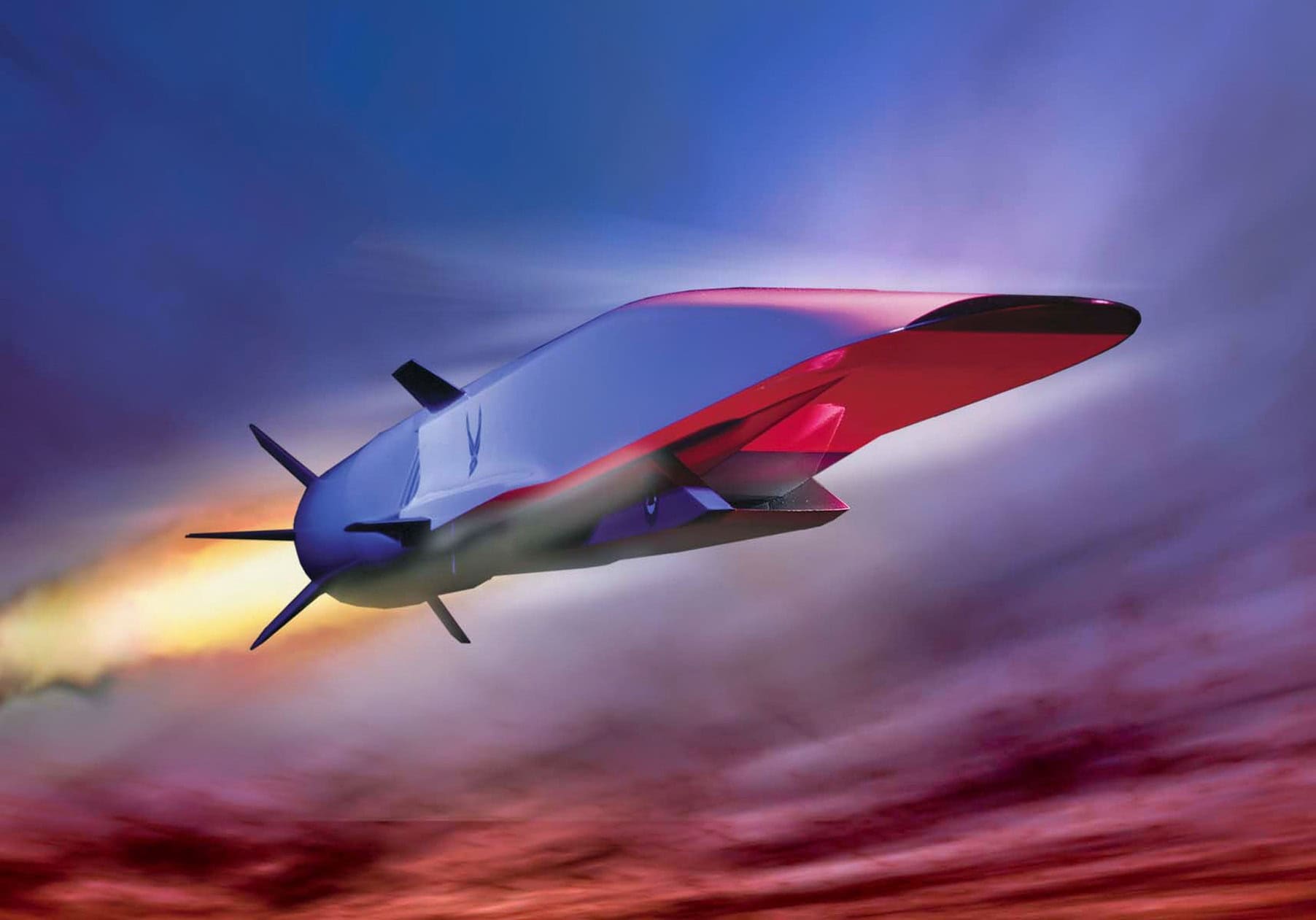
The X-51A Waverider is set to demonstrate hypersonic flight. Powered by a Pratt Whitney Rocketdyne SJY61 scramjet engine, it is designed to ride on its own shockwavem and accelerate to about Mach 6. (U.S. Air Force graphic)
“It was designed to pave the way to future hypersonic weapons, hypersonic intelligence, surveillance and reconnaissance, and future access to space. Since scramjets can burn atmospheric oxygen, they don’t need to carry large oxidizer tanks like conventional rockets. They are being explored as a way to launch payloads into orbit more efficiently.”
Its first ramjet-powered hypersonic flight took place in May 2010, when it reached approximately Mach 5, according to the Air Force. The X-51A had its last flight in May 2013, while the Air Force says that “the more than 9 minutes of data collected from the X-51A program was an unprecedented achievement proving the viability of air-breathing, high-speed scramjet propulsion using hydrocarbon fuel.”
A Project Reunion
The X-43 program has been over for more than 20 years. But in May of 2019, around the 15th anniversary of that last flight, a group of team members who had worked on the project held a small reunion.
As reported on the Air Force Materiel Command’s website, the reunion took place at Arnold Air Force Base in Tennessee, where many of the people who worked on the project ended up based.
“It’s surprising the number of people here at Arnold that supported this project,” Troy Bisby, Air Force project manager, who had been the team leader on the Vehicle Assembly, Integration and Systems Test.
“NASA had a desire to demonstrate a scramjet-powered flight and, working with Boeing, came up with a conceptual design,” Bisby said of the transition to the X-51 program.
“The contract for this project was one of the largest contracts at that time and a big undertaking,” Don Thompson, formerly with Micro Craft, said in the Air Force article.
“I was fortunate while I worked on the Hyper-X project to travel all over the country and meet some fascinating people,” Thompson added. “Some of the ones that I worked with had literally come out of retirement to work on this project because of their expertise in the field of hypersonics.
And while the Hyper-X project lived a short life, Bisby expressed thankfulness that it made it to the air at all.
“Often, because of funding cuts or a change in government priorities, a program ends before any hardware is built,” he said in the article. “This is one that actually went all the way to record-setting flights. It was a ton of fun, and it was truly a team effort.”
Solving the Sonic Boom
Meanwhile, in 2023, a BBC article looked at how X-planes could solve the sonic boom problem, achieving Mach speeds without the sounds that tend to bother people below. And that pointed to the X-59, which flew for the first time last month.
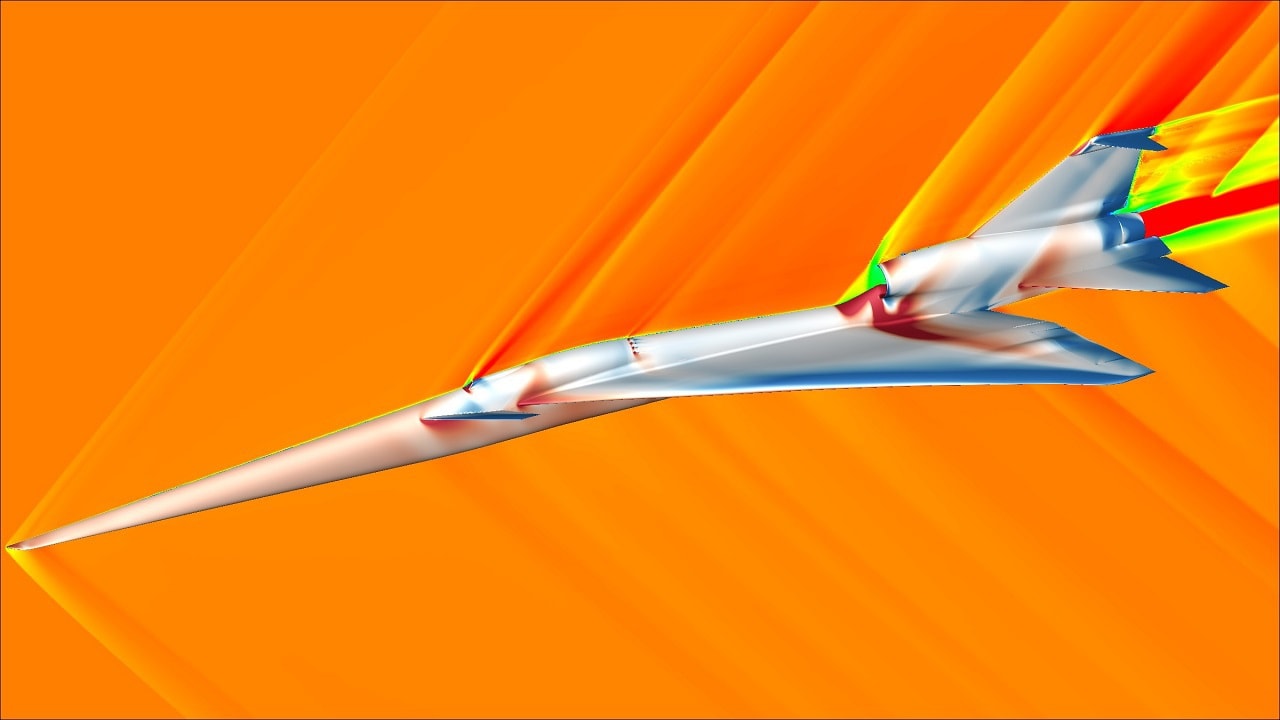
X-59 artist rendering. Image Credit: Creative Commons.
The government shutdown delayed disclosure of the flight’s details, but NASA has now released them.
“X-59 is the first major, piloted X-plane NASA has built and flown in over 20 years – a unique, purpose-built aircraft,” NASA associate administrator for its Aeronautics Research Mission Directorate Bob Pearce said in a NASA announcement last week. “This aircraft represents a validation of what NASA Aeronautics exists to do, which is to envision the future of flight and deliver it in ways that serve US aviation and the public.”
About the Author: Stephen Silver
Stephen Silver is an award-winning journalist, essayist, and film critic, and contributor to the Philadelphia Inquirer, the Jewish Telegraphic Agency, Broad Street Review, and Splice Today. The co-founder of the Philadelphia Film Critics Circle, Stephen lives in suburban Philadelphia with his wife and two sons. For over a decade, Stephen has authored thousands of articles that focus on politics, national security, technology, and the economy. Follow him on X (formerly Twitter) at @StephenSilver, and subscribe to his Substack newsletter.