
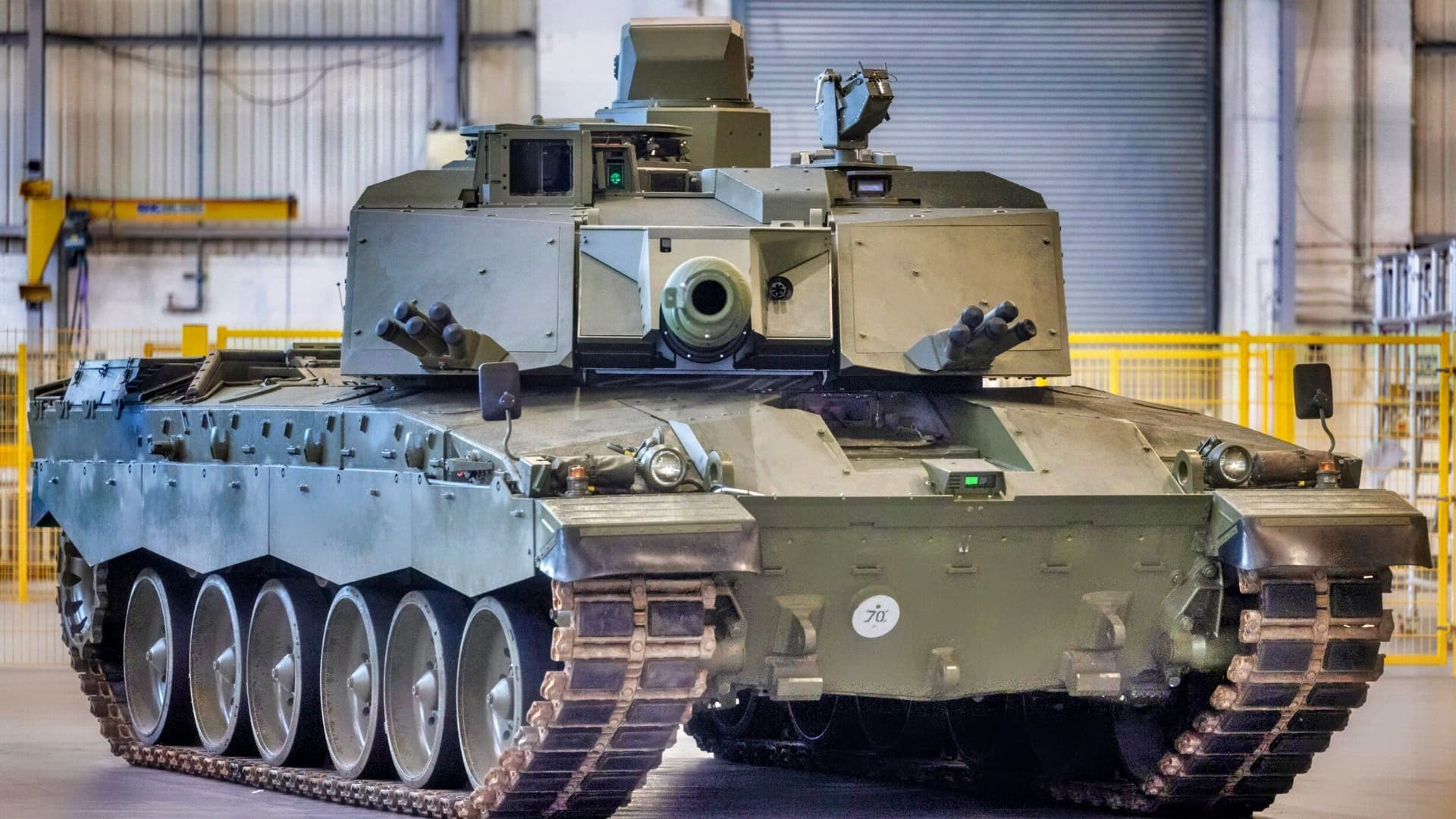
Synopsis: A December 2025 parliamentary disclosure has revealed “uncomfortable truths” about the British Army’s Challenger 3 program: only eight vehicles are currently in the design/testing phase, and the main manufacturing phase “has not started.”
-Despite an £800 million contract to upgrade 148 Challenger 2 hulls with NATO-standard 120mm smoothbore guns, the lack of progress threatens the fleet’s Initial Operating Capability target of 2027.
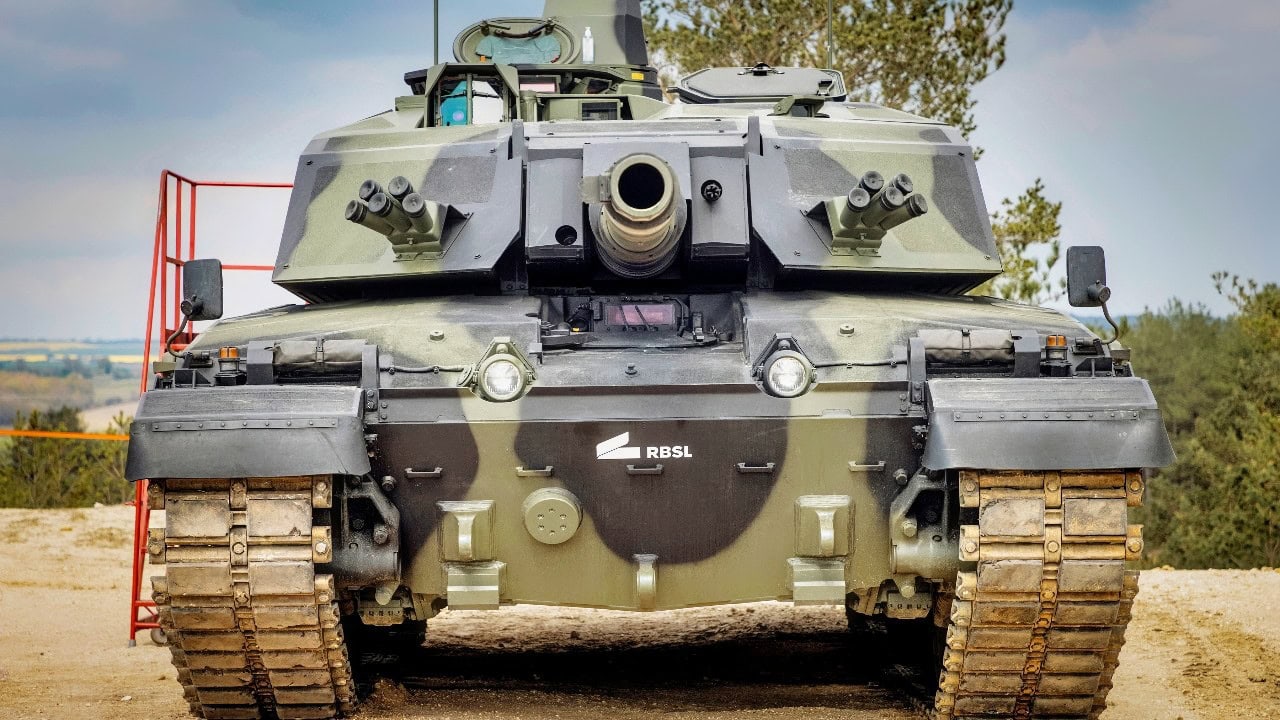
The Challenger 3 Main Battle tank. Image Credit: Creative Commons.
-Experts now warn that this “slipping timeline” risks leaving the UK dependent on an aging, shrinking legacy fleet during a critical transition period.
Will the Challenger 3 Arrive On Time?
When the British Army announced plans to modernize its heavy armor by converting Challenger 2 tanks into the new Challenger 3, the promise was straightforward: fewer tanks, but dramatically more capable ones, delivered on a clear path to service later this decade.
The plan is not, however, panning out as planned. In December 2025, parliamentary disclosure confirmed two uncomfortable truths that explain precisely why so many observers have been discussing the likelihood of a delay: only eight vehicles have been allocated for the design/build/testing phase, and the manufacturing phase hasn’t started yet.
When Conservative MP for Huntingdon Ben Obese-Jecty asked Labour’s Minister for Defence Procurement Luke Pollard about the status of the program on December 11, he was given the response:
“There are 285 Challenger 2 Main Battle Tanks in service in the British Army. The Ministry of Defence does not break down equipment numbers further due to operational sensitivity. Eight vehicles are allocated to Rheinmetall BAE Systems Land (RBSL) for the design, build, and testing phase of Challenger 3 conversion. The manufacturing phase is yet to start.”
Challenger 3 is not a brand-new tank that’s rolling off an assembly line – it’s a conversion of existing Challenger 2 hulls with a new turret, new main gun, and new digital architecture.
That makes the conversion pipeline a critical metric to watch – and the news from December wasn’t good. Only 285 Challenger 2 main battle tanks are in service, meaning that the British Army’s armored mass still largely depends on a legacy fleet while the Challenger 3 is still in early production, not the manufacturing phase.
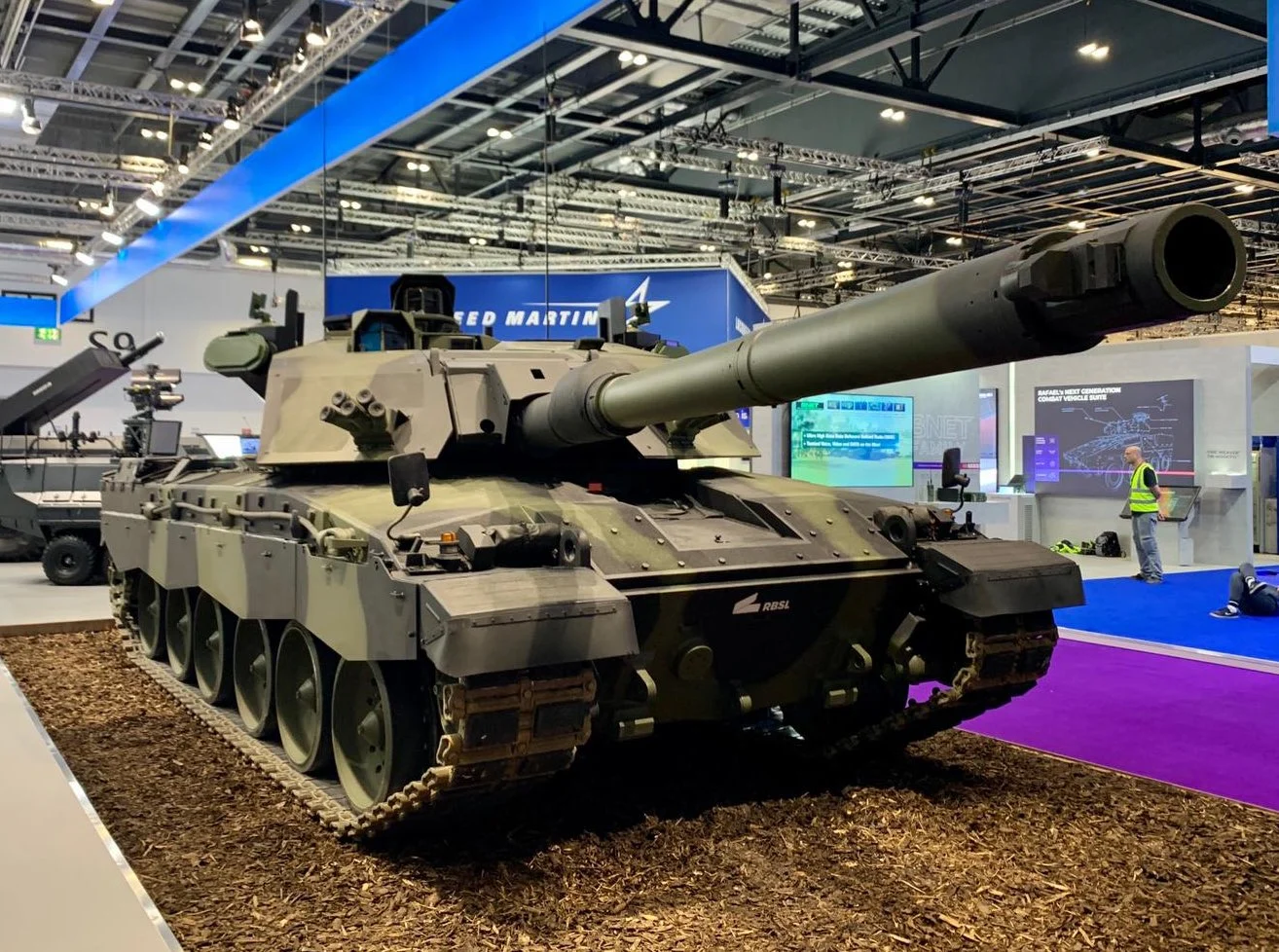
Challenger 3 Tank. Image Credit: Creative Commons.
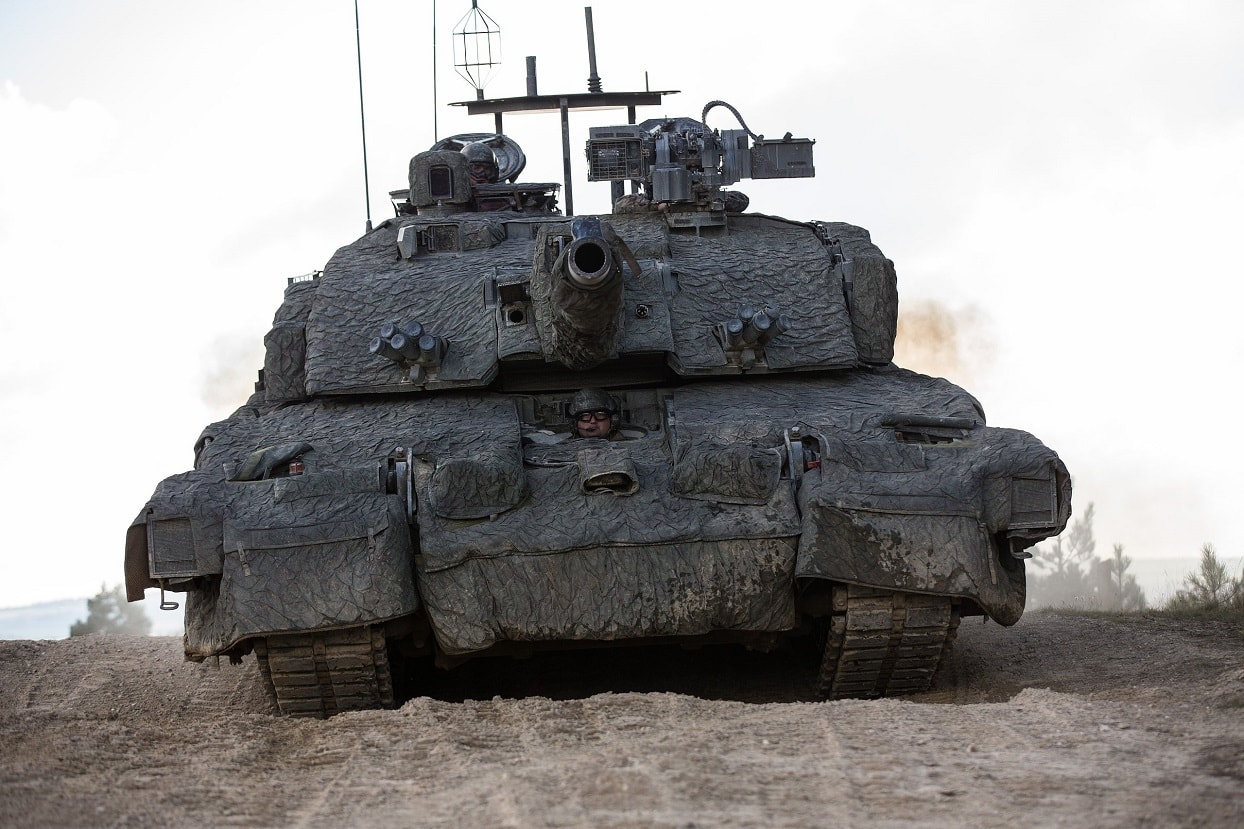
Challenger 3. Image: Creative Commons.
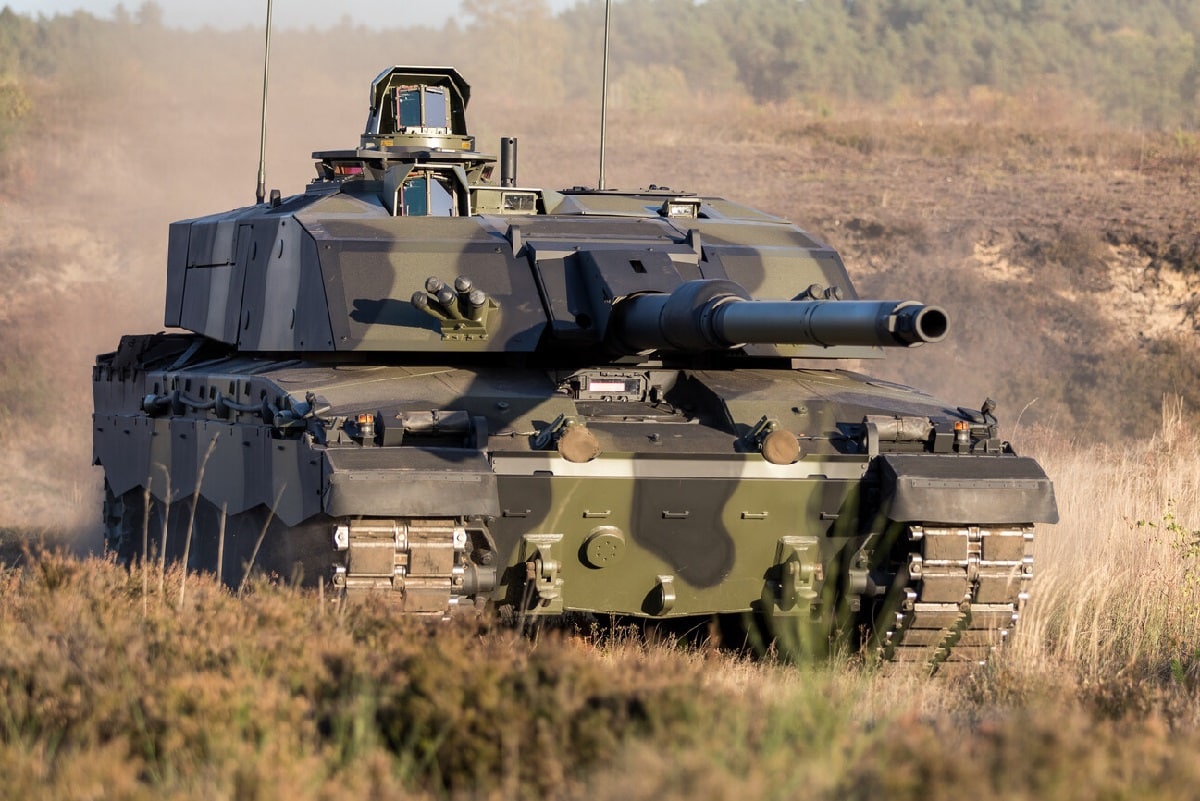
Challenger 3 Image Credit: BAE Systems.
The immediate question is simple: if the UK has publicly committed to a 148-tank Challenger 3 force, why does it appear that only a handful of vehicles are in the program’s hands so far, and what does it mean for British armored readiness through the late 2020s?
The Challenger 3 and Its Slipping Timeline
Built by Rheinmetall BAE Systems Land (RBSL) as part of a Ministry of Defence contract signed in May 2021, the Challenger 3 is intended to be a reset for the British tank force.
The £800 million contract to upgrade 148 tanks was part of a large investment in the country’s armored capabilities, with the remainder of the Challenger 2 fleet expected to be retired rather than upgraded.
The Challenger is Britain’s heaviest ground combat vehicle designed to support infantry in high-intensity combat. The most visible change in Challenger 3 is its weaponry: the Challenger 2’s gun was upgraded to a Rheinmetall 120mm smoothbore, a NATO-standard family of tank guns that improves ammunition commonality with allies and allows for the use of newer ammunition.
Rheinmetall has described the gun as central to the tank’s improved lethality, revealing plans to use programmable multipurpose rounds and kinetic energy ammunition already used across NATO’s smoothbore ecosystem.
The parliamentary answer from December, however, suggests that the program is still in what procurement professionals would call a “demonstration” or “prove-out” phase: a small number of vehicles have been allocated, the design is still being validated, and manufacturing has not yet begun.
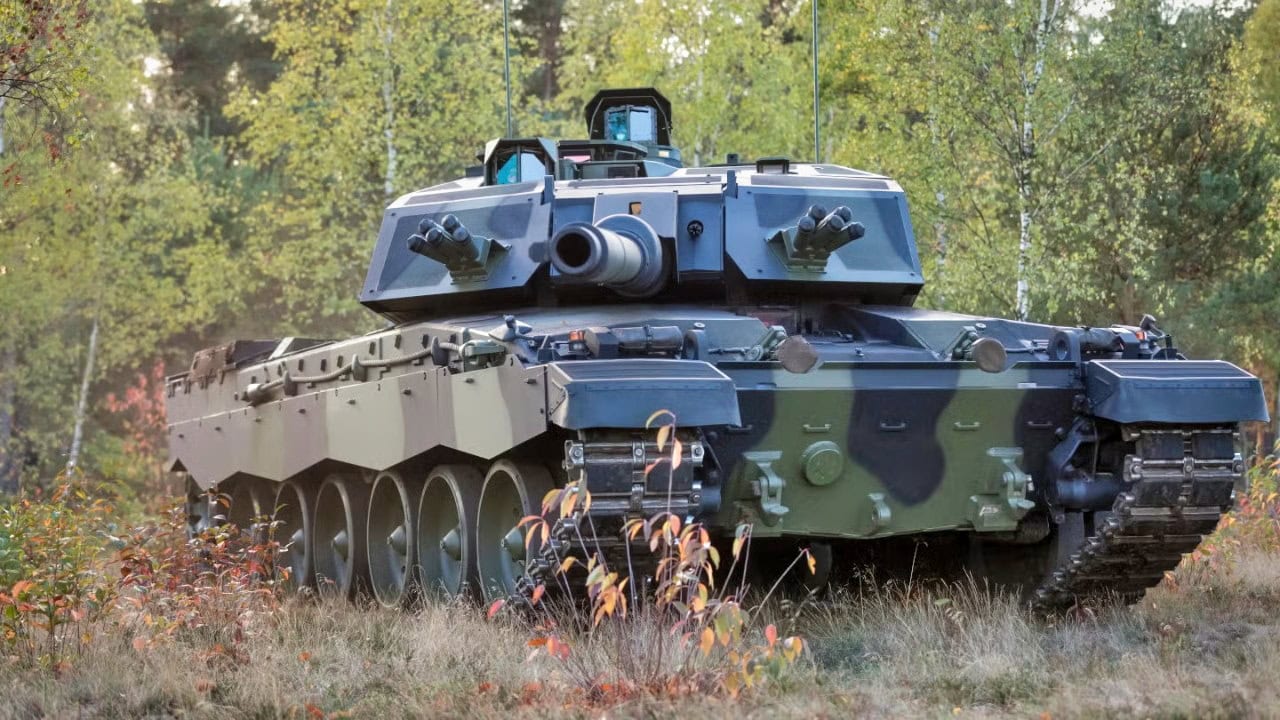
Challenger 3 Tank. Image Credit: Creative Commons.
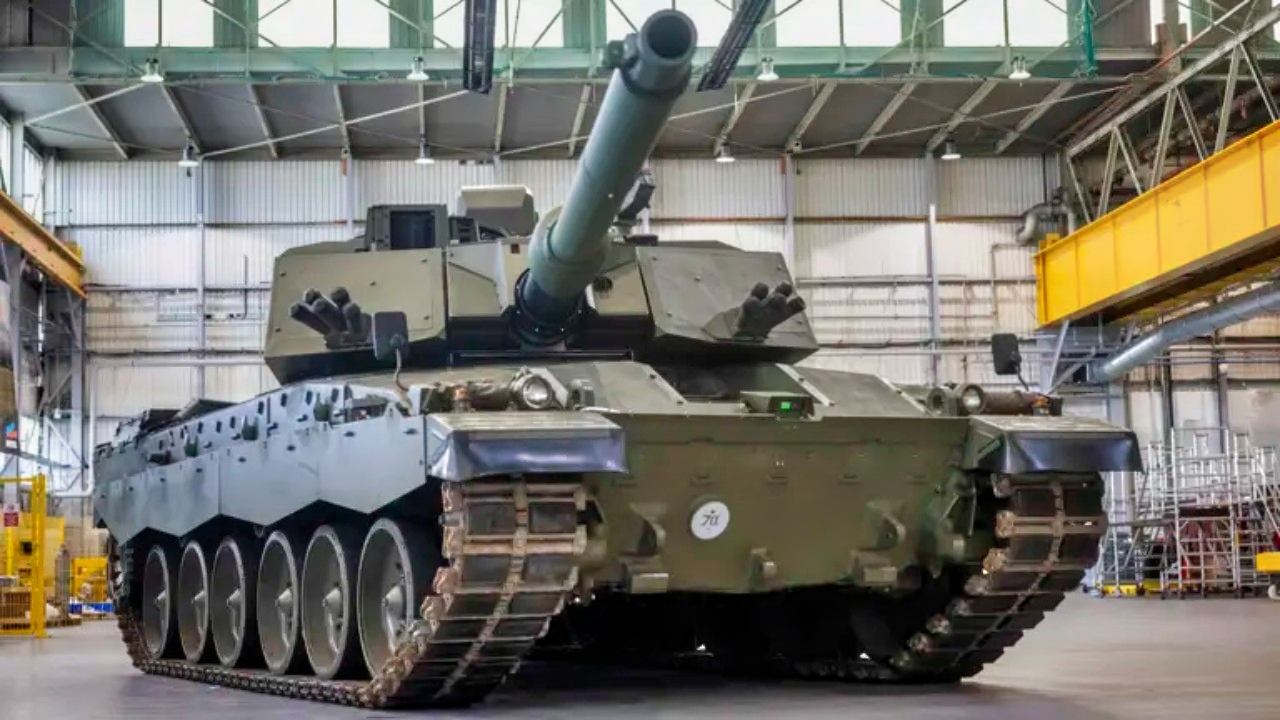
Challenger 3 Tank. Image Credit: Creative Commons.
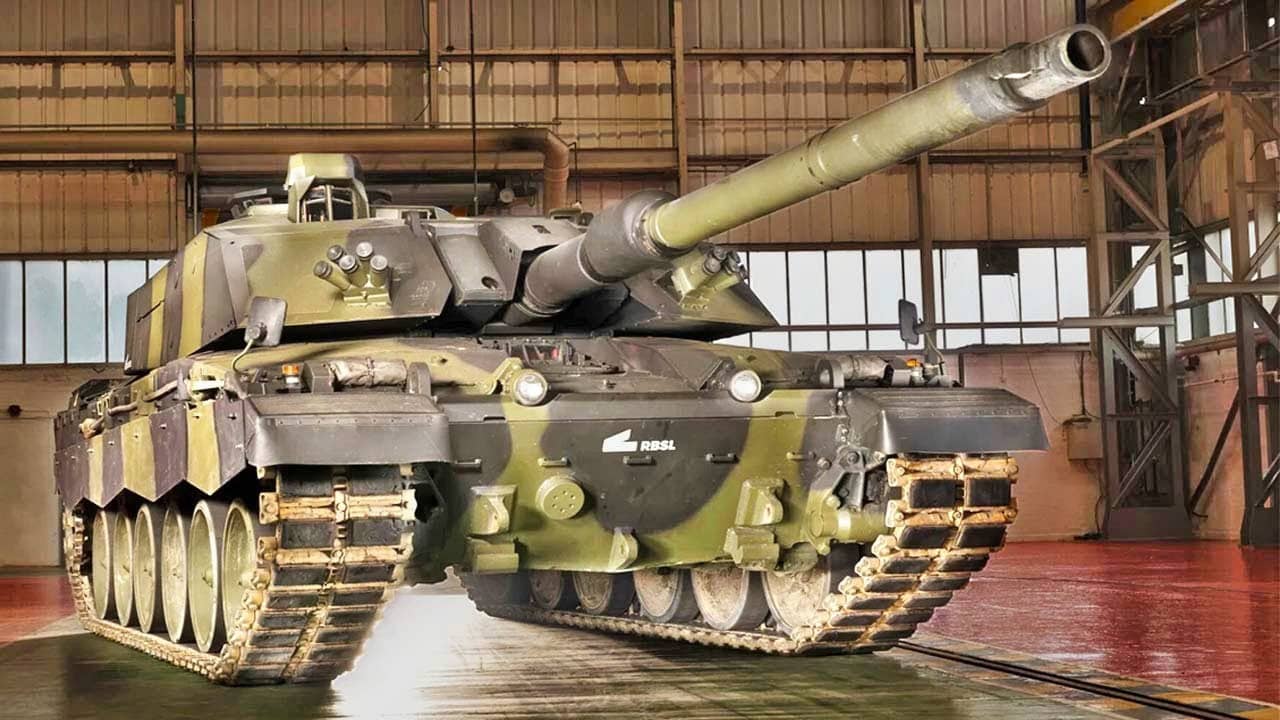
Challenger 3 Tank. Image Credit: Creative Commons.
Under the original program outline, Challenger 3 was expected to enter service in the mid-to-late 2020s, with production conversions ramping up earlier in the decade – but the Ministry of Defence has now confirmed that full manufacturing will only begin after the trials are successfully completed and not on a fixed date.
What It Means for British Readiness
A UK Parliament research briefing originally stated that the 148-tank Challenger 3 force was expected to reach initial operating capability in 2027 and full operating capability by 2030. If the schedule sticks, it means that the Army will also have enough trained crews, the necessary support infrastructure, and deployable vehicles to ensure Challenger 3 is a real, usable capability and asset.
It is now unclear, however, whether that schedule will remain in place – and it can only if the initial trials are successfully completed in the near future.
The slipping schedule is a problem because official tank totals often include vehicles that are not combat-ready, masking how much usable armored capability is actually available at any given time.
For NATO allies focused on deterrence in Europe, the concern is not Challenger 3’s capability – which is widely described as a major leap in modernization and lethality – but the risk of a prolonged transition period in which the Challenger 2 must be sustained longer than intended while Challenger 3 exists only in small numbers. Nobody is doubting that the Challenger 3 will be a formidable asset – but it needs to move quickly from trials to sustained production, because until that happens, the British Army remains dependent on a shrinking and aging armored fleet.
About the Author:
Jack Buckby is a British researcher and analyst specialising in defence and national security, based in New York. His work focuses on military capability, procurement, and strategic competition, producing and editing analysis for policy and defence audiences. He brings extensive editorial experience, with a career output spanning several thousand published pieces at National Security Journal and 19FortyFive, and has previously authored books and papers on extremism and deradicalisation.