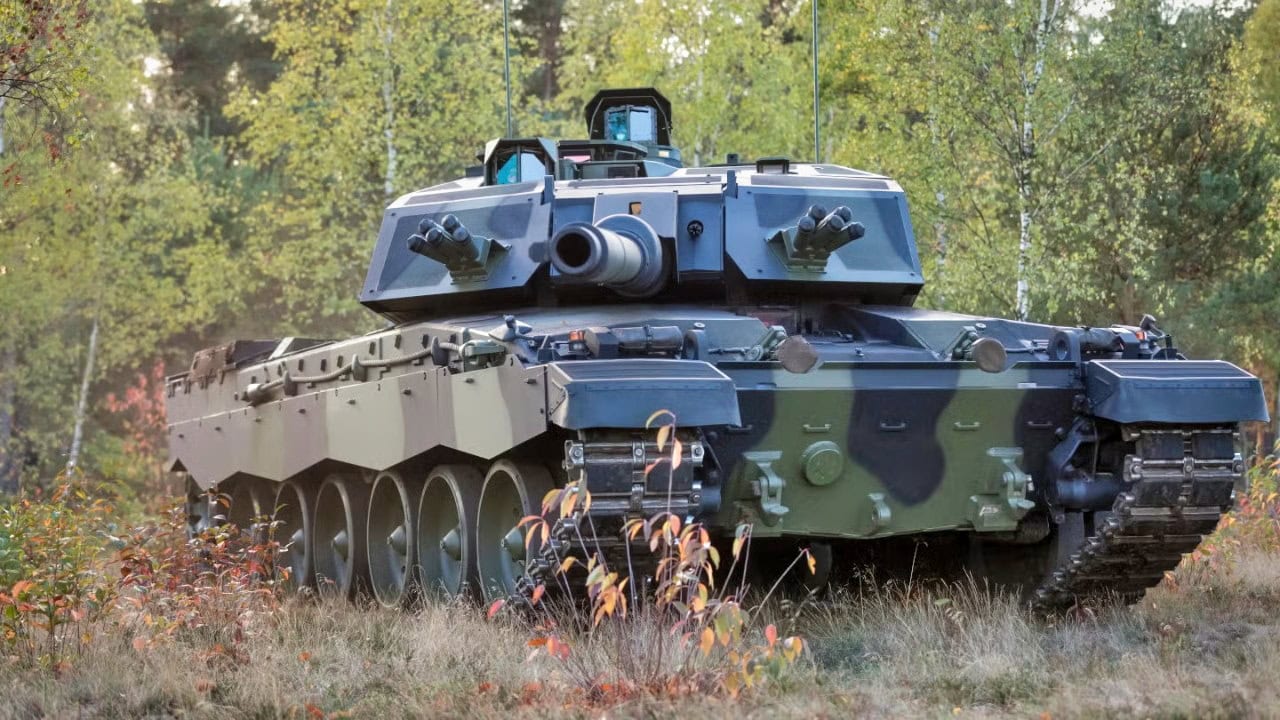
Key Points and Summary – The British Army’s Challenger 3 main battle tank is slipping again, with officials signaling that manufacturing won’t begin until demonstration trials fully prove performance—an implicit admission the program is behind schedule.
-Technical issues tied to refurbishing aging Challenger 2 hulls, including non-standard wear and production variances, may be compounding delays and raising the prospect that building new hulls could be cheaper than reworking old ones.
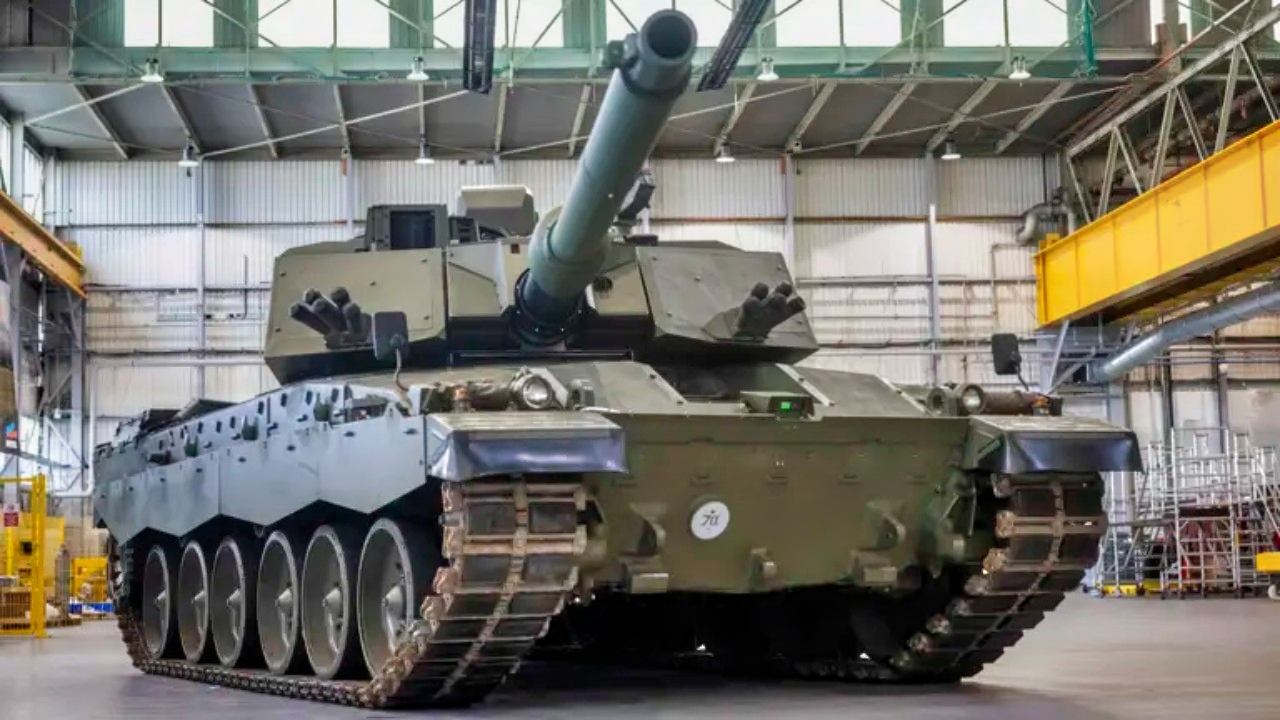
Challenger 3 Tank. Image Credit: Creative Commons.
-But the larger issue is structural: even if Challenger 3 becomes the UK’s most lethal tank, planned fleet size—about 148 by 2030—looks too small for a credible armored division against a Russian-style combined-arms threat, shifting the debate toward sustainment, enablers, and doctrine rather than just upgrading platforms.
The Challenger 3 Delay Exposes a Bigger UK Army Problem
The British Army’s upcoming main battle tank, the Challenger 3, is facing new delays and may end up significantly behind schedule. The information came to light in a statement given by a British lawmaker earlier this month.
Luke Pollard, an MP from the Labour Party, explained where exactly the Challenger 3 program is in its development. “Challenger 3 is currently undergoing demonstration phase trials to prove the performance of the tanks,” he said. “Manufacturing will begin once the tank’s performance is proven, rather than being tied to a specific deadline.”
But, he added, “the project team will review the timeline regularly to ensure alignment with delivery milestones, operational needs, and emerging technical risks.”
Though couched in relatively positive language, the statement is, in essence, an admission of delay.
Recent reporting outlined what may be one of the reasons for the Challenger 3 delay: in essence, non-standard hulls, slight differences in size due to wear over years of use, and different production standards between individual hulls.
It has been suggested that building new, from-scratch hulls for the Challenger 3s may be more affordable than refurbishing older Challenger 2 hulls.
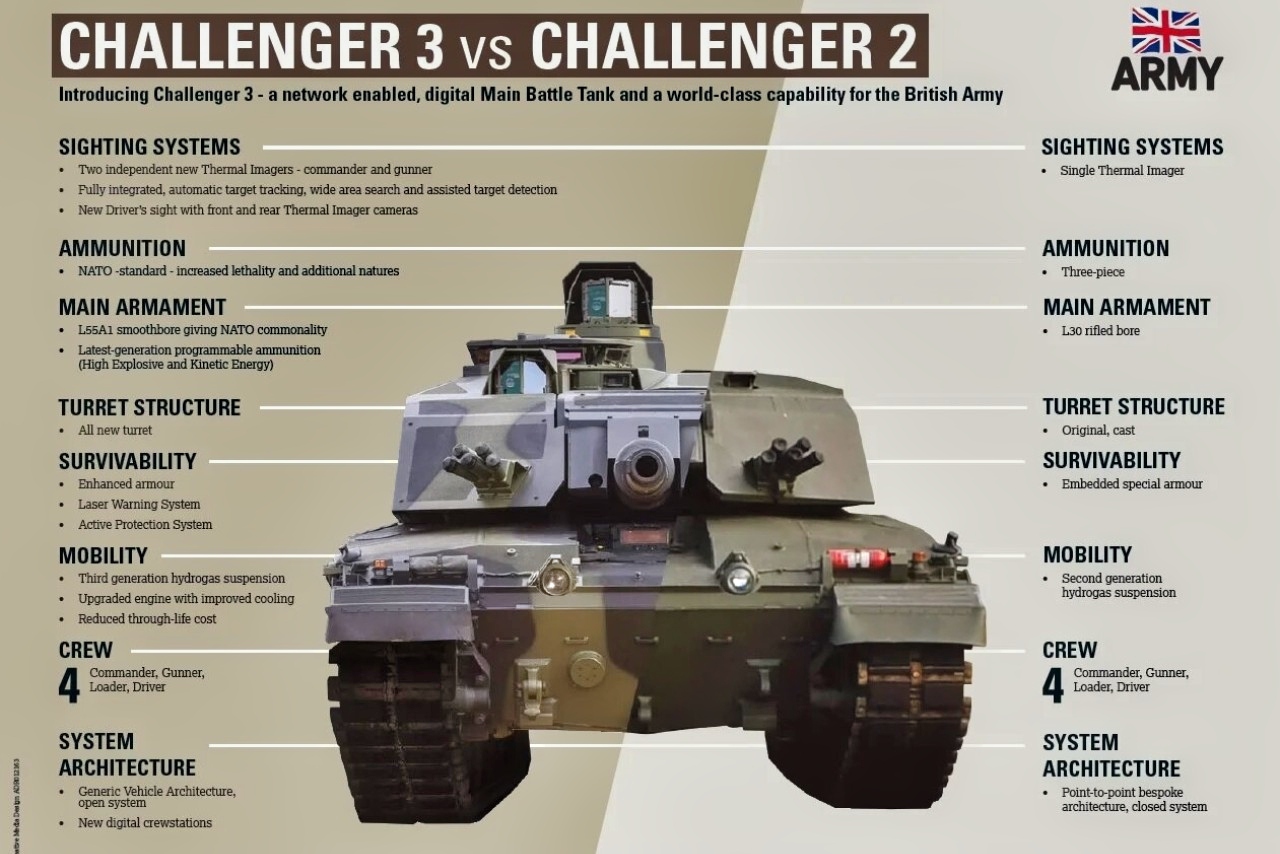
The Challenger 3’s turret will radically differ from that of its predecessor and bring it in line with the rest of the NATO alliance after decades of bucking NATO standardization.
While previous generations of main battle tanks favored a rifled main gun, a design concession that allowed the tanks to fire high-explosive squash head ammunition, modern tank armor essentially negates the advantages that type of ammunition offered. Instead, the Challenger 3 will have a smoothbore 120mm main gun, allowing it to fire NATO-standard 120mm tank ammunition.
The Bigger Challenger 3 Problem
But production delays aside, the Challenger 3 program faces a deep structural problem, and one that engineering solutions cannot address: the Challenger 3 force will be too small to fight.
The Royal United Services Institute, the oldest military and defense think tank in the United Kingdom, examined the Challenger 3 program and considered both the size of the future Challenger 3 force and the nature of threats the United Kingdom could face. The picture RUSI painted is dire.
“Similarly, when RUSI analysts last looked at the Army, and the combat division the UK claims to have, it measured the number of main battle tanks and self-propelled artillery in the UK’s inventory and found the numbers wanting when set against a ‘credible’ armoured division of anywhere from 170 to over 300 tanks and around 110 to 220 artillery pieces,” RUSI wrote.
It added that “numbers have not improved in the subsequent four years: under the Challenger 3 programme the UK will have a total of 148 main battle tanks (in 2030).”
“Meanwhile, the UK has essentially removed the AS90 artillery from service by donating 32 to Ukraine, replacing them with 14 Archer guns until the ‘Mobile Fires Platform’ is procured (some time ‘this decade’).” It saved its harshest critique of the program for last.
“The Challenger 3 may be the ‘most lethal tank’ ever fielded by the British Army, but it is going to be available in such limited numbers that it will have to perform heroically in the face of a notional foe in the form of Russian ground forces, such as a Combined Arms Army.”
Compared to other armies in Europe, the British Army’s smaller Challenger 3 tank fleet looks tiny. Within the wider context of the NATO alliance, the fleet is tiny. Take the M1 Abrams and its variants. That platform is in service with the United States, Australia, Poland, Ukraine, and other countries. Just in the United States alone, there are around 4,600 tanks in service.
Or consider, for a moment, the Leopard 2 main battle tank, originally designed by West Germany and today in service with Germany, several Nordic countries, and elsewhere in Europe, including Ukraine. The German fleet of Leopard 2 tanks alone numbers about 320 hulls in total — and is more than double the size of the projected Challenger 3 fleet.
Challenge 3 Photo Essay
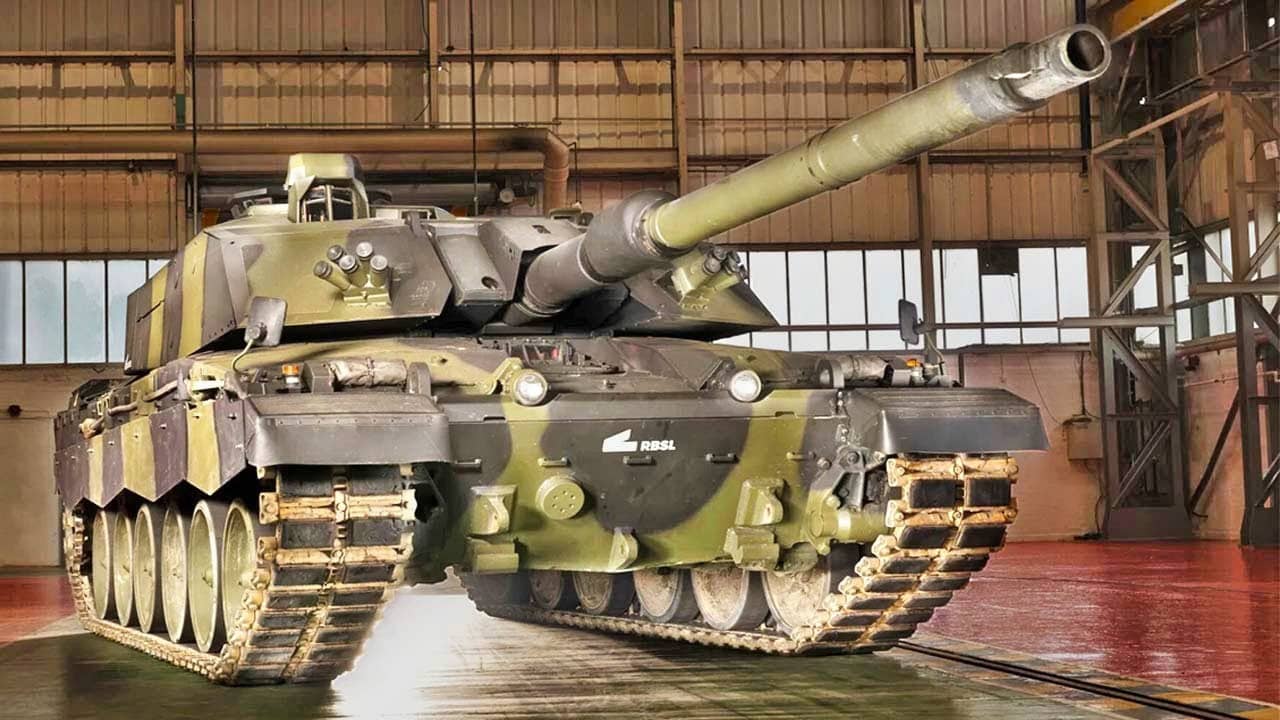
Challenger 3 Tank. Image Credit: Creative Commons.
Challenger 3 Tank. Image Credit: Creative Commons.
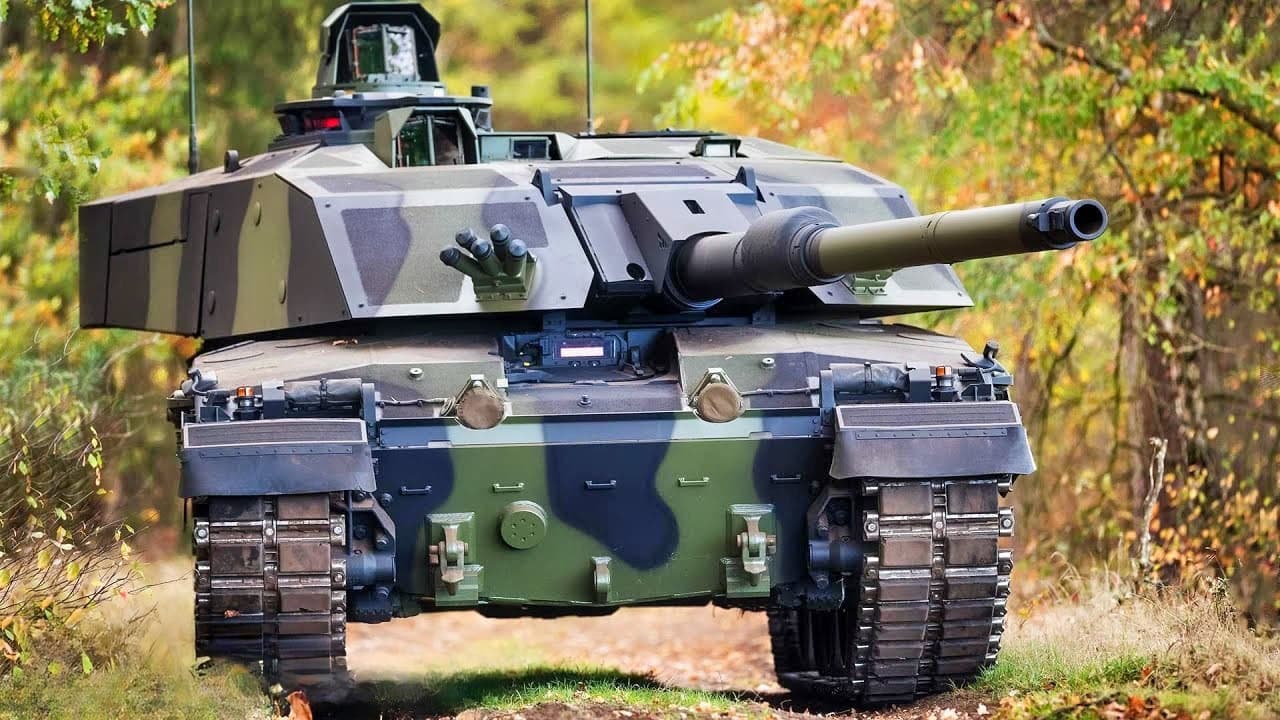
Challenger 3 Tank. Image Credit: Creative Commons.
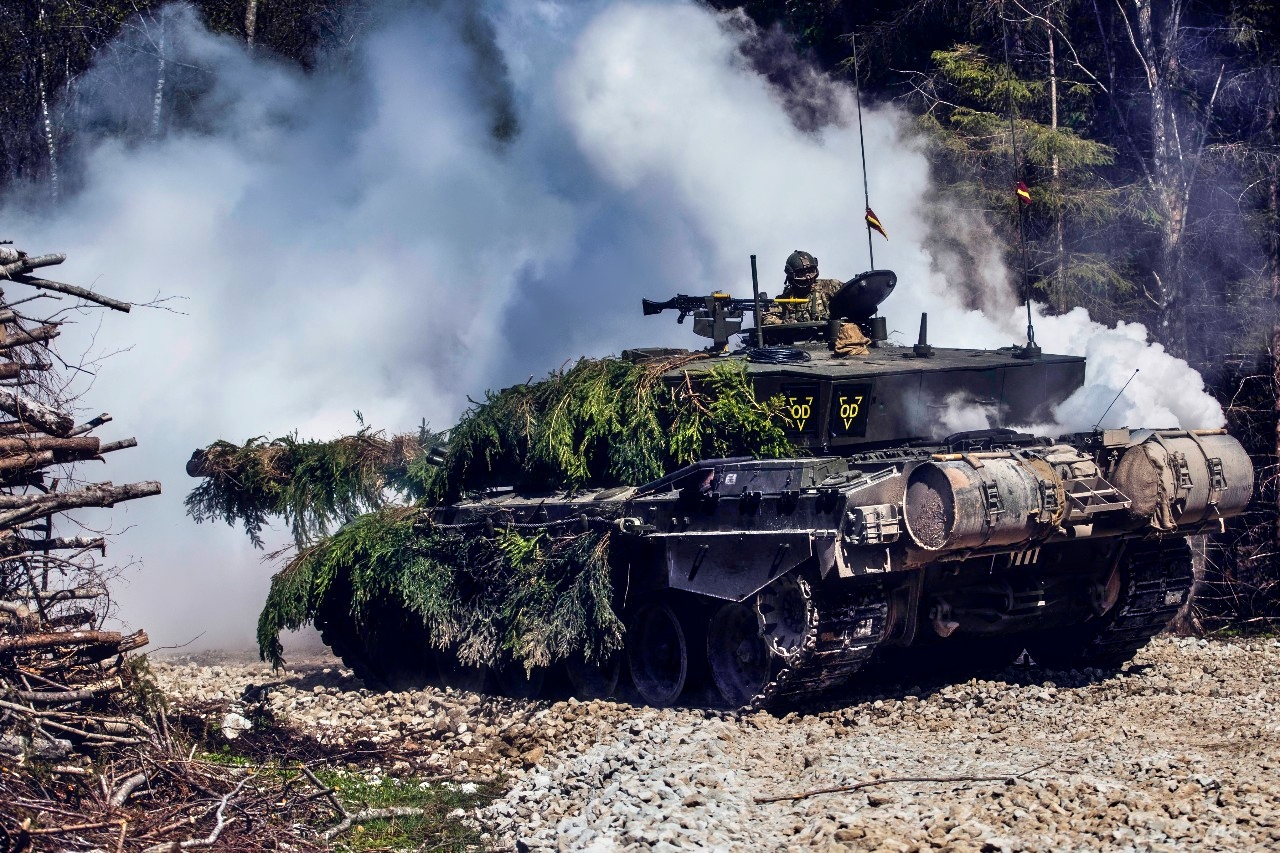
A British Army Challenger 2 Main Battle Tank (MBT) lays down a smoke screen during Spring Storm 19, Estonia’s largest annual military exercise. Roughly 9,000 soldiers from Estonia, other NATO Allies and partner nations have gathered near the town of Jõhvi to engage in a collective defence exercise, strengthening their ability to work together in times of crisis. The exercise runs from 29 April until 10 May.
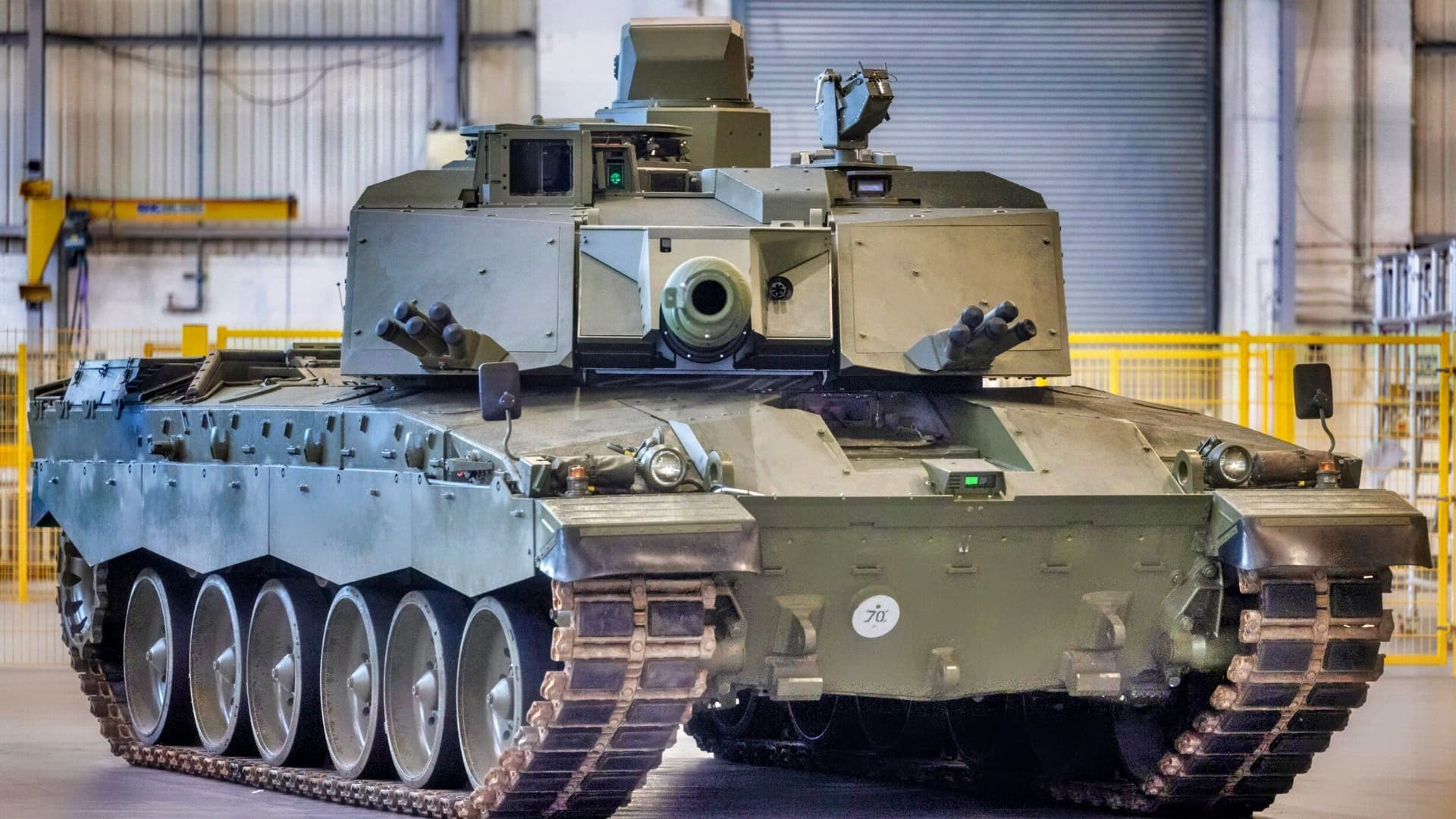
Challenger 3 Tank. Image Credit: British Government.
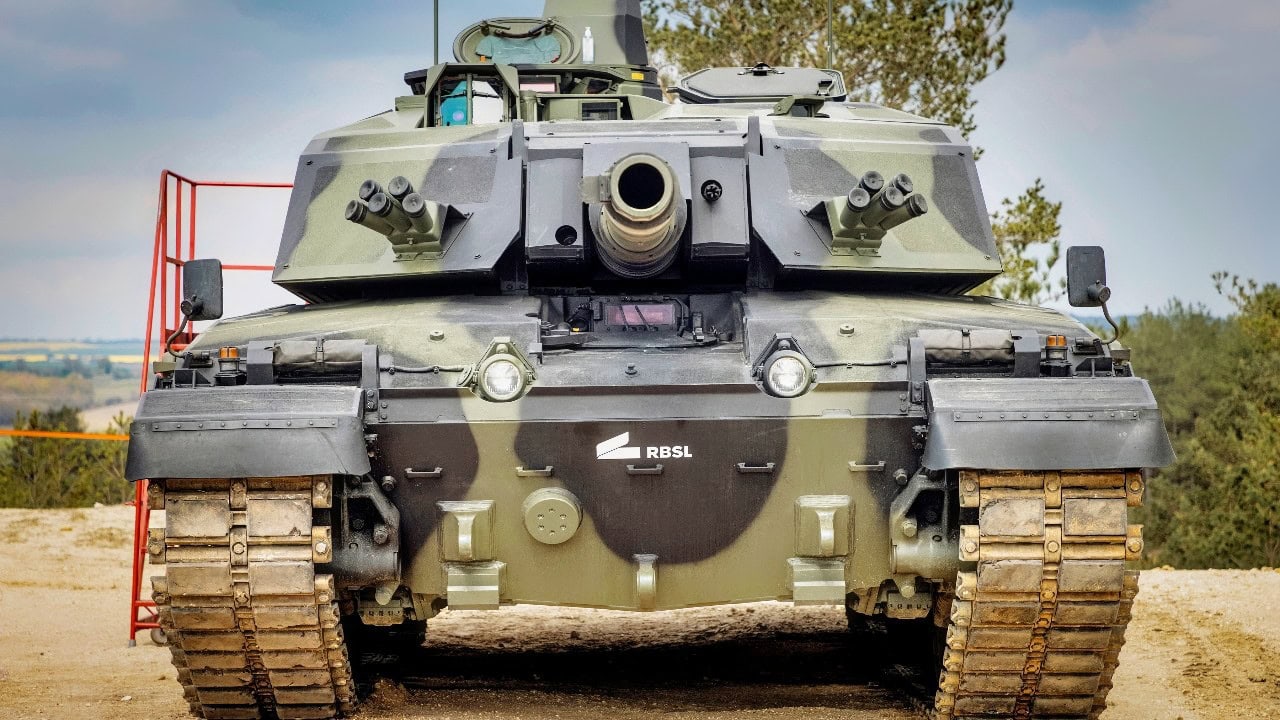
The Challenger 3 Main Battle tank. Image Credit: Creative Commons.
Beyond Numbers
Just counting the numbers alone would be a rather incomplete evaluation of the effectiveness of the British Challenger 3 fleet and does not account for factors such as logistics, sustainment, training, and other vital aspects of fighting effectiveness.
But, as RUSI explains, “solutions are available, but they will require hard thinking and prioritisation. In some cases, increased firepower will be desirable.
But it may be that the UK should be investing in sustainment and enablers like bridging equipment before purchasing a single additional tank or jet that it can’t, in any case, deploy and support.”
“Technology should play a key role – for example, learning the lessons about where drones can complement artillery and provide effective local surveillance,” RUSI adds.
“But it will take novel thinking and the development of doctrine and tactics, allied to new training, to achieve increased combat output – and effect – with forces that appear unlikely to increase in terms of personnel.”
About the Author: Caleb Larson
Caleb Larson is an American multiformat journalist based in Berlin, Germany. His work covers the intersection of conflict and society, focusing on American foreign policy and European security. He has reported from Germany, Russia, and the United States. Most recently, he covered the war in Ukraine, reporting extensively on the war’s shifting battle lines from Donbas and writing on the war’s civilian and humanitarian toll. Previously, he worked as a Defense Reporter for POLITICO Europe. You can follow his latest work on X.