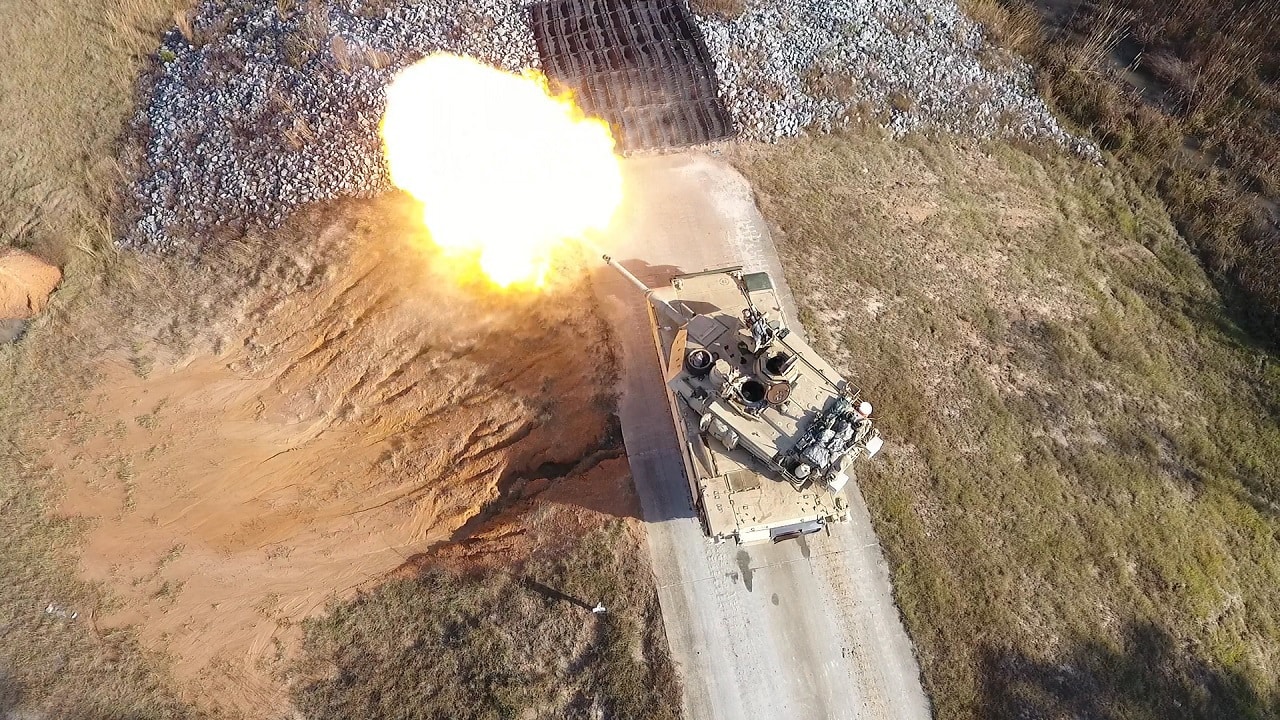
Summary and Key Points: As the U.S. expands its presence in Poland to reinforce NATO’s eastern flank, some arriving soldiers are discovering an unexpected readiness gap: housing.
-With limited on-post availability at U.S. Army Garrison Poznan, troops are being directed into the local market, where they must cover deposits, lease start-up costs, and other expenses out of pocket.
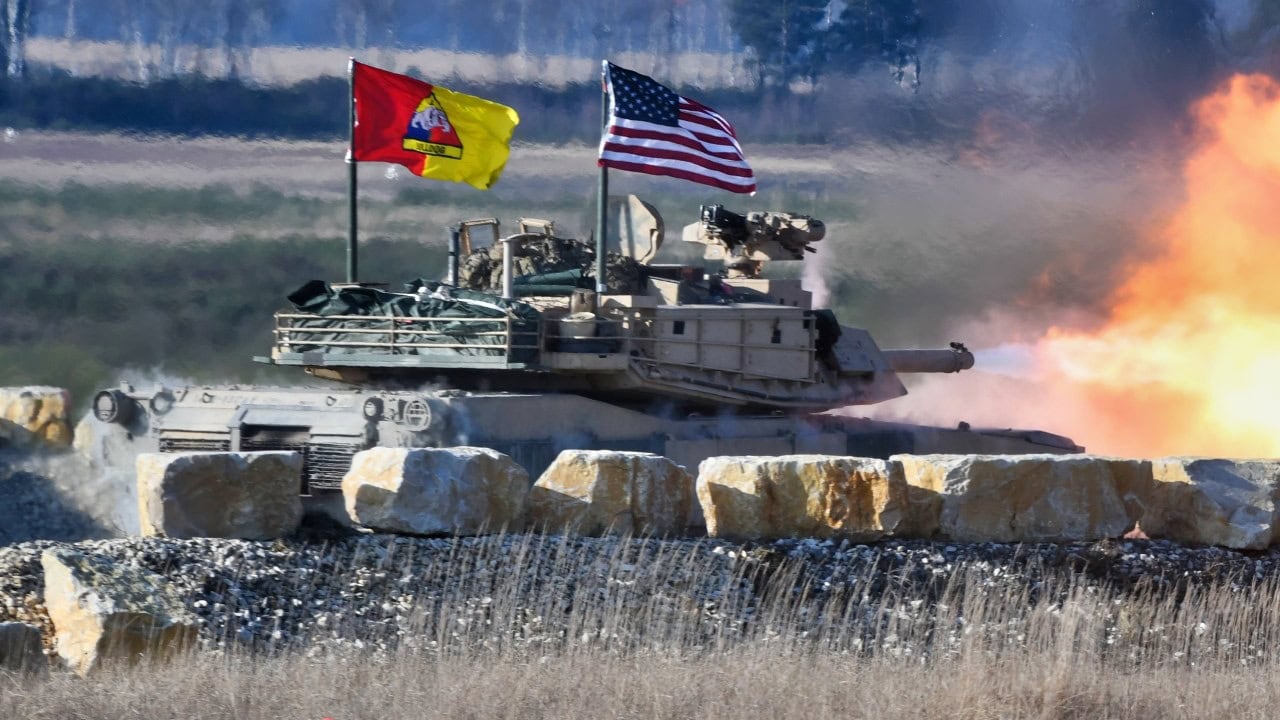
A U.S. M1 Abrams engages a target during the final event on Feb. 17, 2025 as part of the U.S. Army Europe and Africa International Tank Challenge at 7th Army Training Command’s Grafenwoehr Training Area, Germany. The USAREUR- AF International Tank Challenge builds tactical skills and enhances esprit de corps across the 11 teams from five participating allied and partner for peace nations. (U.S. Army photo by Sgt. Collin Mackall)
-Accounts describe confusion, sponsor shortfalls, and financial strain that can trap families in limbo at the start of a permanent assignment.
-The issue highlights how quickly operational posture can outpace support systems—and why housing, finance, and logistics policies need to match the strategic pace of deployments.
U.S. Army’s Poland Buildup Has a Problem: Soldiers Can’t Find Housing
As U.S. Army Europe and NATO allies rev up defenses along the eastern flank of Europe, close to Russia, more soldiers are being deployed to “duty station” assignments in Poland.
But soldiers as they arrive are finding it unexpectedly difficult to find housing during their missions.
Stars & Stripes shares the stories of a number of soldiers who, upon arriving at the U.S. Army Garrison in Poznan, Poland, discover there is no on-post housing available.
Soldiers are being told they need to find their own housing off-base, using their own money to secure apartments, pay up-front leasing costs, and accommodate all the expenses associated with acquiring a private-sector living space.
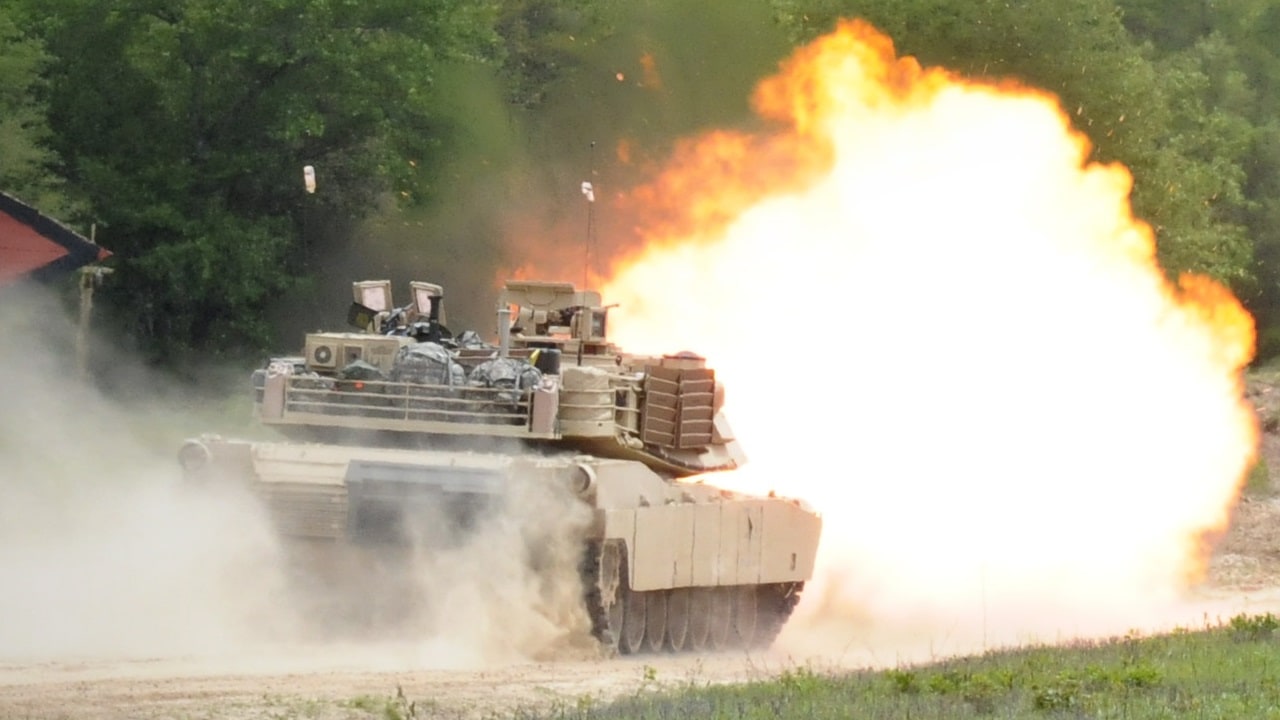
M1 Abrams Tank like in Ukraine. Image Credit: Creative Commons.
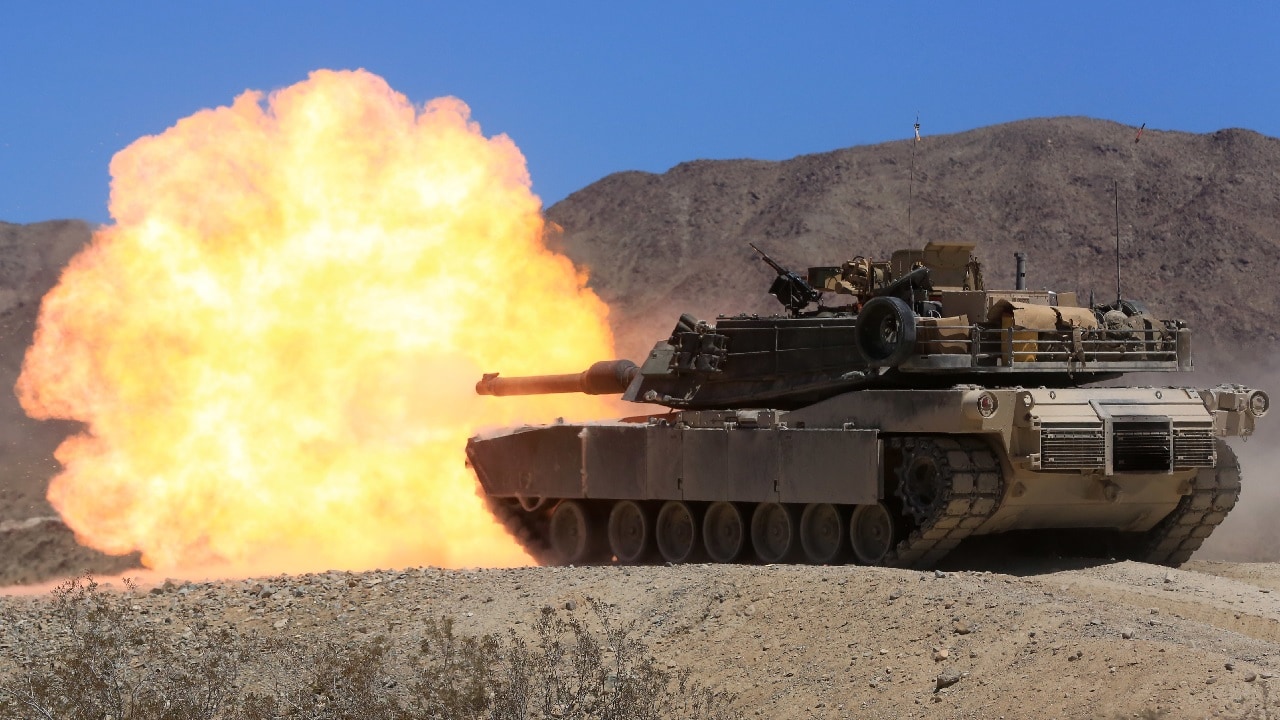
M1 Abrams Tank
The Stars & Stripes essay catalogues many specific instances or U.S. Army soldiers finding themselves essentially stuck, and trapped in an impossible financial position. This would seem surprising considering the importance to Poland of the Army’s mission.
As part of the growing U.S. Army presence there, the service offers some permanent duty station positions in the country—but they now come with unanticipated financial burdens.
Stars & Stripes quotes Staff Sergeant Courtney Brittian, an Army intelligence specialist assigned to Poland, who says, “I wasn’t informed by my sponsor about the upfront costs of living off post before I arrived. I knew Poland, but I didn’t realize how different the financial side would be when you’re here permanently.”
Massing Soldiers in Poland
It makes strategic sense that the Pentagon is substantially plussing up its presence in Poland as a visible deterrent against any Russian attack on NATO. That personnel assigned to permanently base there get insufficient support for the transition is part of the growing pains attached to the process.
The alliance with Poland is extremely critical and expanding—the country not only flies F-35s but is also receiving Abrams tanks, Patriot missile batteries, and other U.S. military systems designed to deter or stop a Russian invasion.
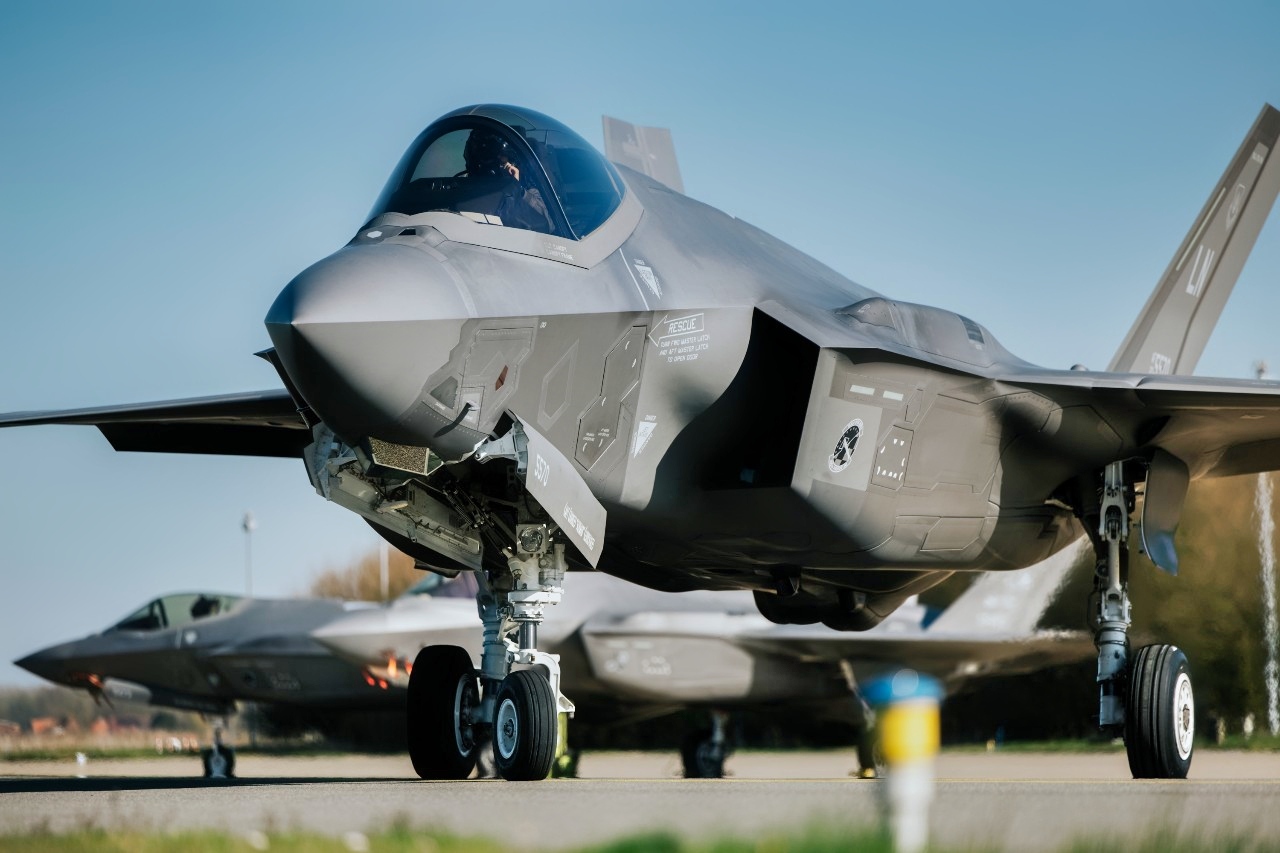
A U.S. Air Force F-35 Lightning II taxis during a cross-servicing event at NATO Allied Air Command’s Ramstein Flag 2025 exercise April 4, 2025. Successful cross-servicing at RAFL25 is an example of the importance of integrated logistics and maintenance training that enhances U.S. warfighting readiness by strengthening United States Air Forces in Europe – Air Forces Africa’s ability to deploy, sustain, and project fifth-generation capabilities across the European theater. (Royal Netherlands photo by Sgt. Maj. Jan Dijkstra)
Russia does not appear to have fifth-generation air power in any way sufficient to rival NATO, as there are only a small number of Russian Su-57s, compared with NATO’s hundreds of F-35s.
Russia’s Land Force
Russia’s land force, however, is a serious threat to NATO’s eastern flank—that much has not changed for years.
While the threat might be seen in a new light, thanks to the massive damage done to the Russian Army by Ukraine, it certainly must still be taken seriously.
In recent years, the Pentagon has substantially increased its firepower and force strength in Europe as part of a specific effort to deter Russia.
The plan to fortify Eastern Europe with a U.S. and allied force has been underway for many years now, picking up pace after a Rand wargame nearly 10 years ago found that Russia could successfully invade the Baltics with a massive ground force in a short period of time—much faster than NATO could respond.
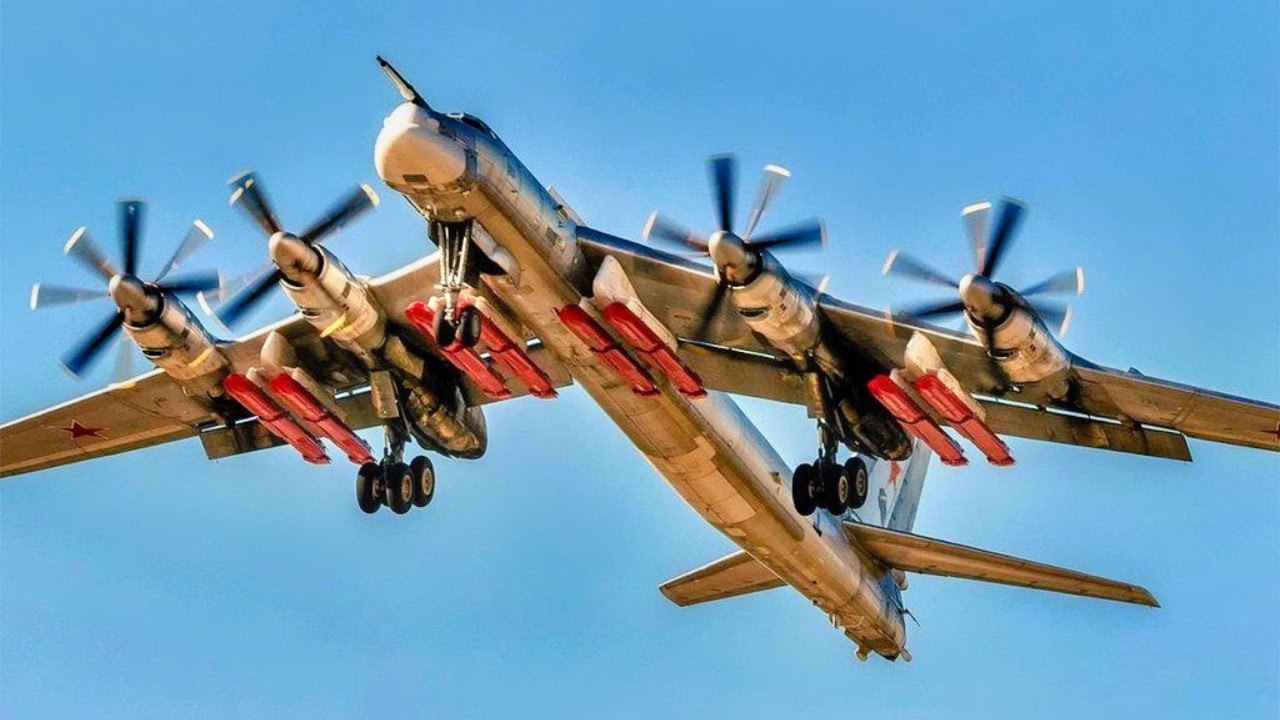
Tu-95 Bomber from Russia. Image Credit: Creative Commons.
After this study was published, the Pentagon made specific, visible efforts to increase its land force presence in Eastern Europe.
This effort has evolved, and refining the related logistical practices is a work in progress. But the Army needs its soldier support plans, logistics, finances, and housing practices to catch up with its strategic initiative in Poland.
About the Author: Kris Osborn
Kris Osborn is the President of Warrior Maven – Center for Military Modernization. Osborn previously served at the Pentagon as a highly qualified expert in the Office of the Assistant Secretary of the Army—Acquisition, Logistics & Technology. Osborn has also worked as an anchor and on-air military specialist at national TV networks. He has appeared as a guest military expert on Fox News, MSNBC, The Military Channel, and The History Channel. He also has a Masters Degree in Comparative Literature from Columbia University.