
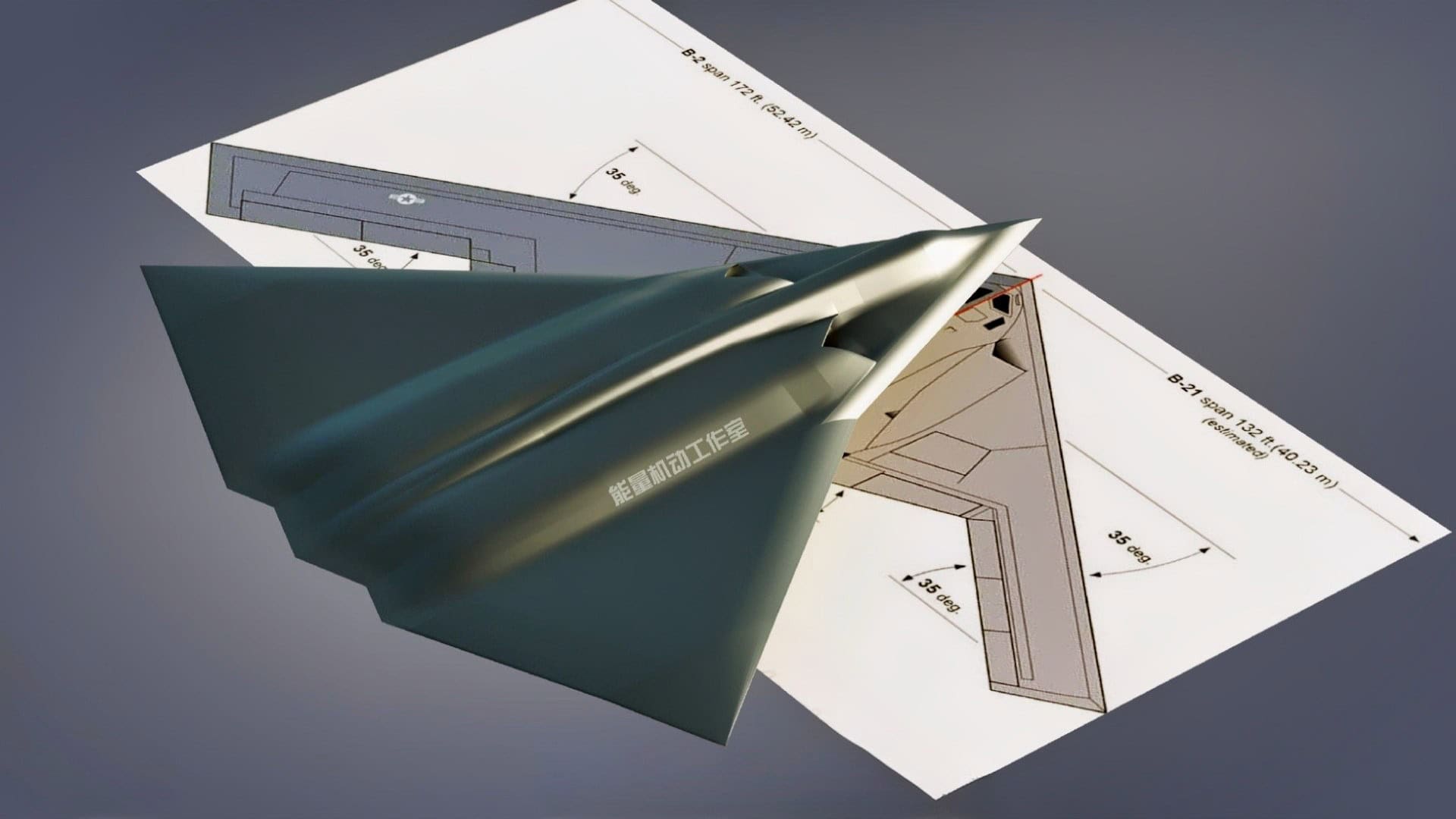
Summary and Key Points: China’s airpower modernization has produced multiple stealth fighters, but its long-range bomber force remains the weak link. The H-6 fleet—upgraded but rooted in an older Tu-16 design—gives Beijing numbers without true global reach. China’s answer is the H-20, a rumored flying-wing stealth bomber intended to penetrate advanced defenses and threaten distant targets like Guam.
-Public details are scarce, largely derived from propaganda glimpses and unofficial renderings.
-Range and payload estimates vary widely, and U.S. officials remain skeptical that China can deliver B-2/B-21-level low observability anytime soon.
In 3 Words: May Never Fly.
China’s H-20 Stealth Bomber: The One Capability Beijing Still Can’t Prove
In the past twenty years, China has undertaken significant efforts to modernize its air force.
Whereas China once copied Soviet designs, it is now capable of producing and developing multiple stealth fighters simultaneously.
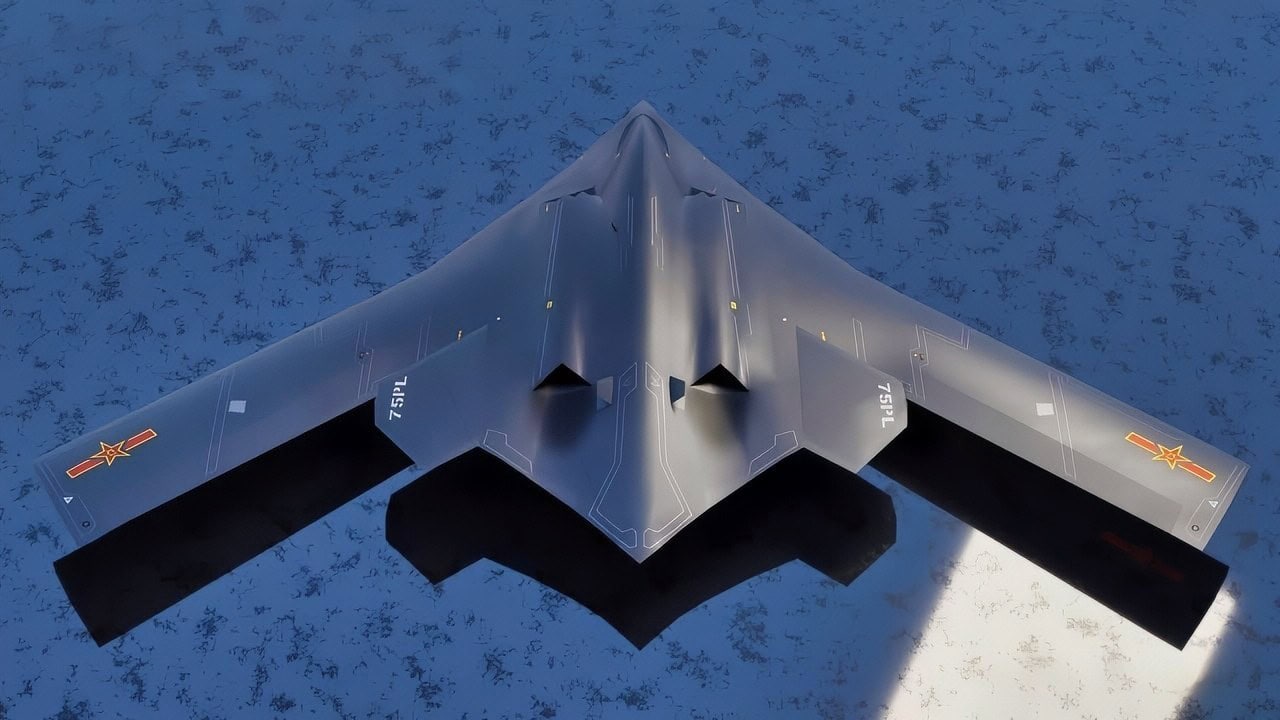
H-20 Bomber YouTube Screenshot Artist Rendering
While its progress with fighters and smaller aircraft has been impressive, the PLAAF has struggled to modernize its long-range strategic air wing.
China is developing its first stealth bomber, the H-20, to enhance its long-range power-projection capabilities.
However, Western officials are skeptical about whether China has the capacity to complete such an ambitious project.
Why China Wants a Long-Range Bomber
In an interview with The War Zone, the head of U.S. Air Force Global Strike Command (AFGSC), Gen Stephen Davis, gave his thoughts on the H-20’s future prospects. “I can certainly understand their [the Chinese] desire to have a long-range strike capability like the United States, and I know that they’re pursuing it aggressively,” Davis said. “What I can tell you is they’re just not there yet,” he continued. “I think our adversaries look at our long-range strike capabilities, and … want to mimic them, but they can’t.”
The U.S. is currently the world leader in the quality of its strategic bombers. While China has more bombers overall, the U.S. bombers have greater range, payload capacity, and avionics.
Currently, the Xi’an H-6 forms the backbone of China’s strategic bomber force. The H-6 was originally a licensed version of the Soviet Tupolev Tu-16. Over time, however, China has been incrementally upgrading this aircraft, replacing its engines, avionics, and onboard navigation systems.
It has a modest range of 3,200 nautical miles and can carry up to six air-to-surface cruise missiles.
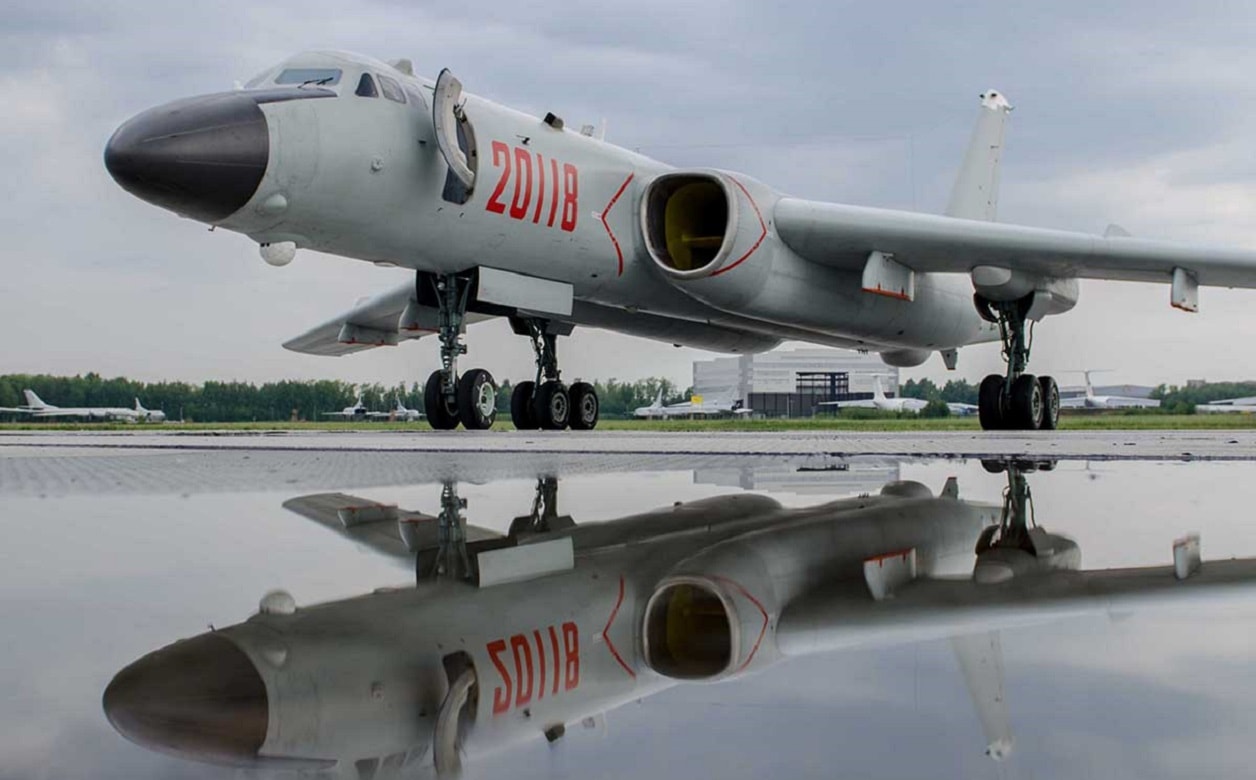
H-6 Bomber. Image Credit: Creative Commons.
Its most notable armaments, however, are the JL-1 nuclear-capable ballistic missile and the CH-AS-X-13, an airborne equivalent of the DF-21 hypersonic missile. With approximately 200 H-6s active across the PLAAF and PLAN, China possesses a large fleet of bombers, though it lacks the range and payload capacity of American or even Russian bombers.
H-20: What We Know About China’s Newest Bomber
With this in mind, it is unsurprising that China has sought to modernize its strategic fleet. China seeks to transition from a predominantly anti-access/area-denial posture to one anchored in genuine global-strike capabilities.
This shift requires a survivable platform capable of penetrating advanced air defenses and holding distant targets at risk, including American bases such as Guam and potentially beyond. Chinese state media and officials have periodically teased the X-20 with official propaganda videos showing glimpses of what looks like a flying wing stealth bomber, akin to the B-2, although the public has not yet been given a full-view of the aircraft.
Although many details remain undisclosed, the consensus view is that the H-20 adopts a tailless, blended-wing airframe with internal weapon bays designed to minimize radar returns from multiple aspects and reduce drag for long-endurance flight.
Based on glimpses in propaganda videos, along with artist renderings and models (most of which are unofficial) that appear to confirm this design, we can only speculate until China officially reveals the bomber.
Many have questioned China’s ability to produce stealth bombers, given the sophisticated shaping and RAM coatings required.
Despite the emergence of several new stealth fighters for the PLAAF, it remains uncertain whether these skills can be applied to the H-20 program.
When it comes to the H-20’s actual capabilities, all we can do is guess. U.S. military estimates have placed the H-20’s unrefueled range around 10,000 kilometers, enough to threaten key positions throughout the Western Pacific and into the Central Pacific without tanker support.
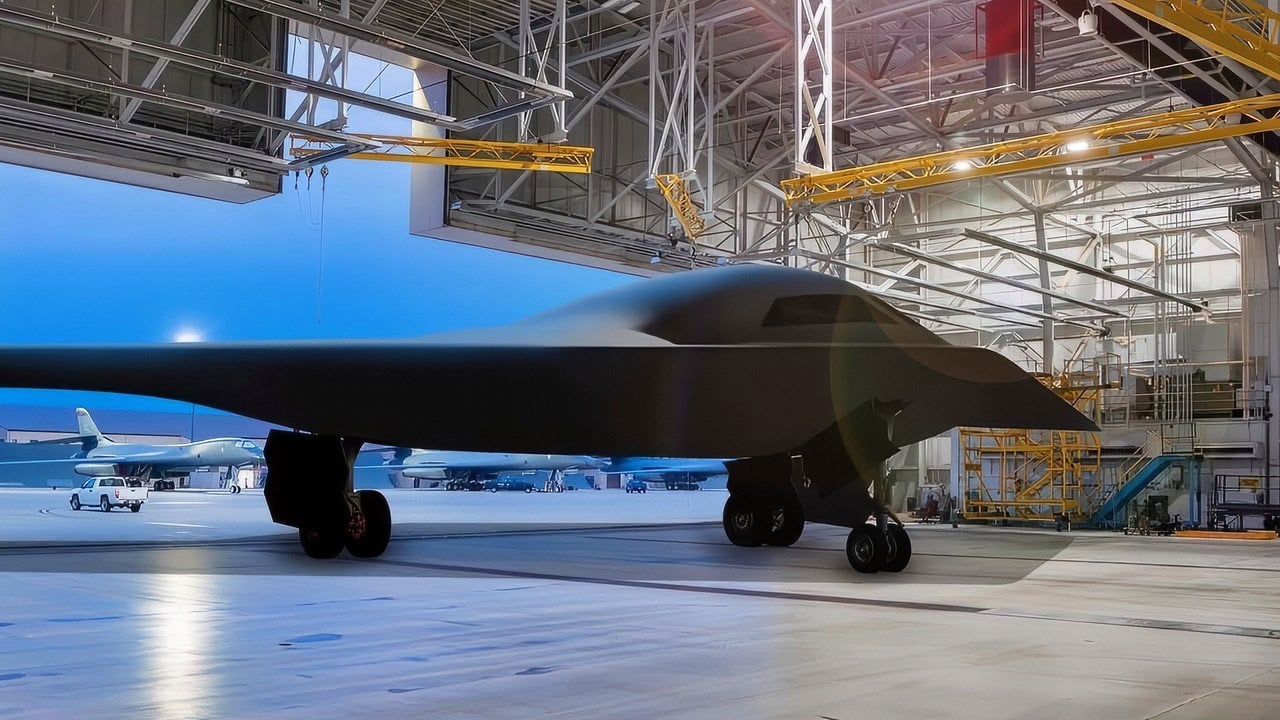
Artist rendering of a B-21 Raider in a hangar at Ellsworth Air Force Base, South Dakota, one of the future bases to host the new airframe. AFCEC is leading a $1 billion construction effort at Ellsworth to deliver sustainable infrastructure to meet warfighter demands for bomber airpower. (U.S. Air Force graphic)
Chinese-leaning reports have sometimes floated even longer ferry ranges on the order of 13,000 kilometers, although this remains speculation. Likewise, the payload capacity is completely unknown.
U.S. assessments indicate approximately 10 tons of ordnance, whereas more optimistic Chinese commentary has suggested 30–40 tons. Even at the lower end, the aircraft would represent a steep change over China’s long-serving H-6 variants in both payload flexibility and survivability.
The U.S. is Not Impressed with the H-20
Despite the potential of the H-20 program, the U.S. remains undeterred by China’s strategic aviation ambitions. “Really, China is a regional bomber force at best. I think they’re trying to continue to develop that,” Davis said, dismissing the H-20.
His comments echoed earlier U.S. intelligence assessments from 2024 that described the H-20 as “not really” a major concern in the near term, citing engineering challenges in achieving low-observable performance comparable to that of the B-2 or the forthcoming B-21.
The H-20 is an ambitious endeavor to modernize China’s long-range strategic bomber forces. However, as U.S. officials have noted, the PLAAF is a long way from developing the technology to create a platform comparable to the B-2 or the B-21.
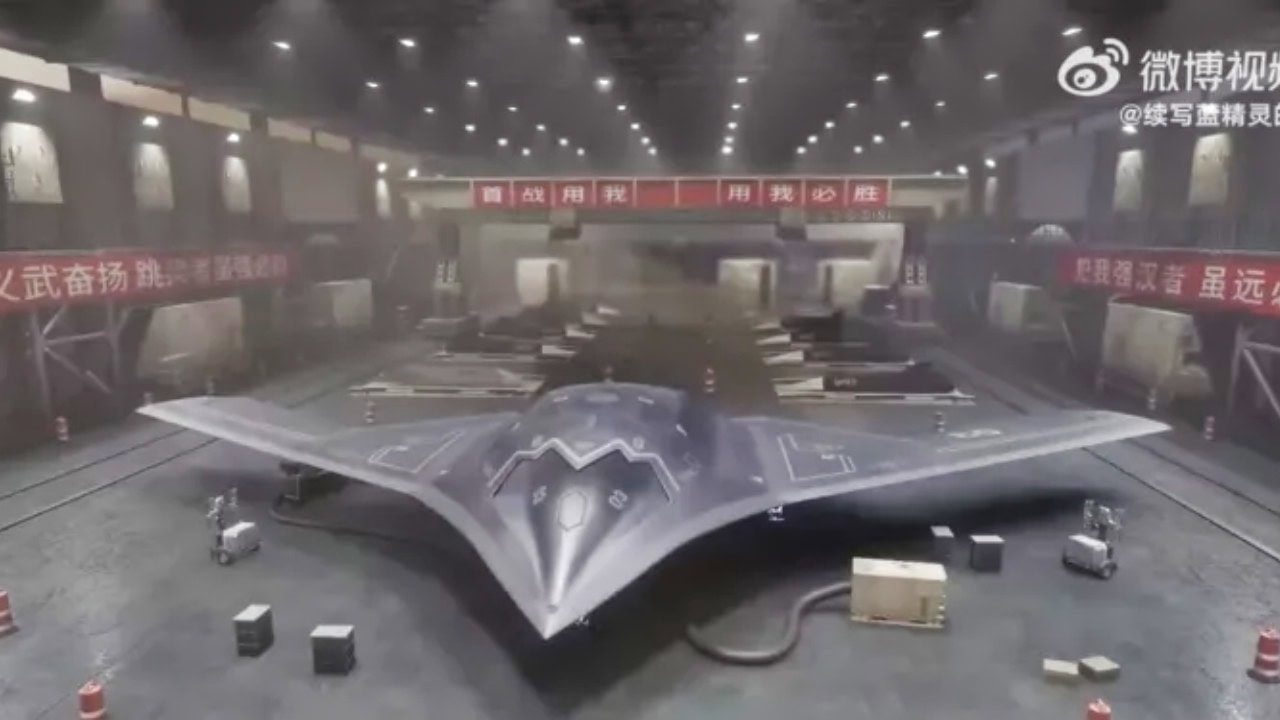
H-20 Bomber. Image Credit: X Screenshot.
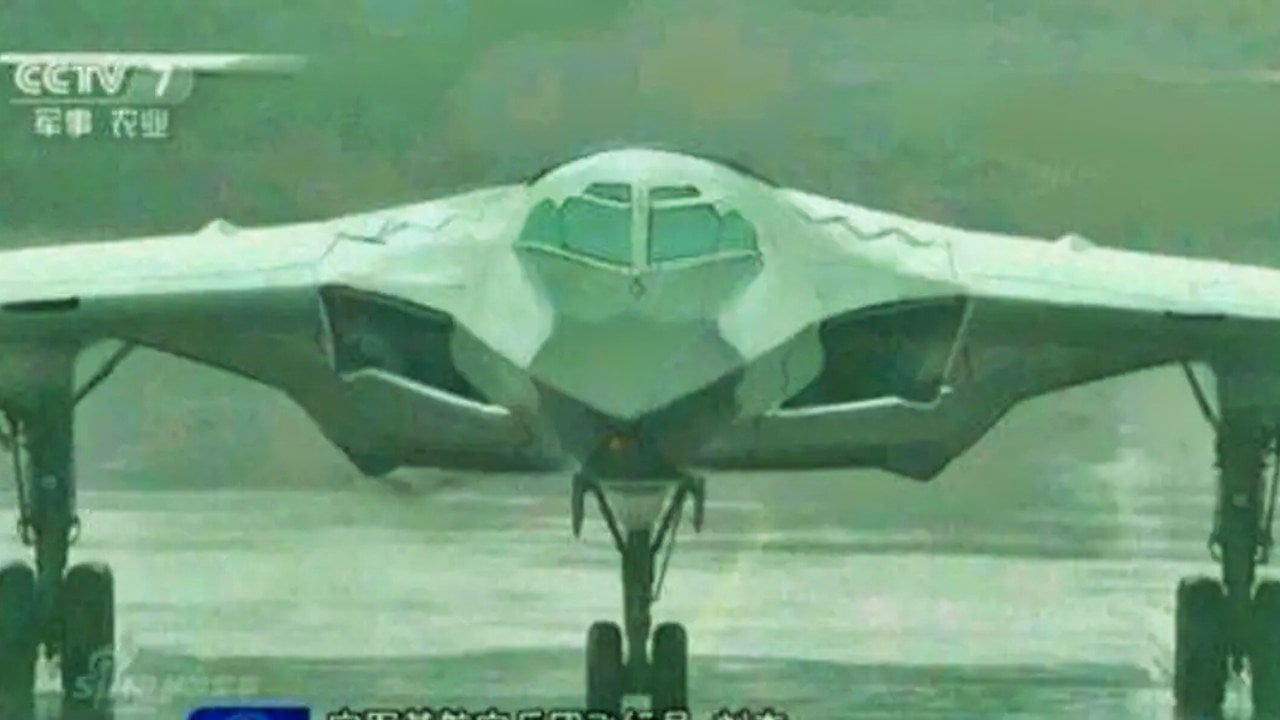
Image Credit of H-20 Bomber: Creative Commons.
Some have gone so far as to question whether the H-20 is a real aircraft or an elaborate Chinese deception. As it stands, there are too many questions about the bomber, and China has yet to provide any answers.
Whether the aircraft makes its first flight in the near future or whether the H-20 enters production at all is a question that only time can answer.
About the Author: Isaac Seitz
Isaac Seitz, a Defense Columnist, graduated from Patrick Henry College’s Strategic Intelligence and National Security program. He has also studied Russian at Middlebury Language Schools and has worked as an intelligence Analyst in the private sector.