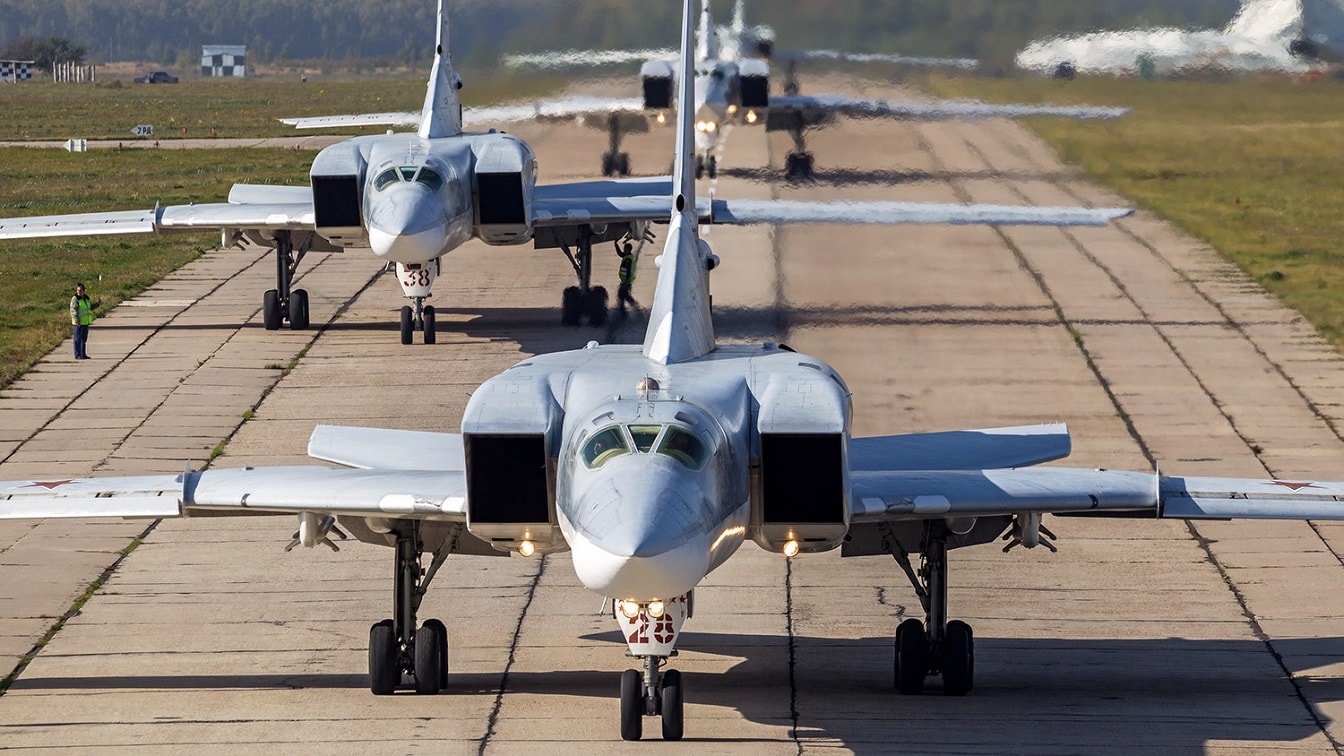
Synopsis: As of February 2026, the Tu-22M3 “Backfire” has transitioned from a Cold War supersonic penetrator to a long-range standoff platform, mirroring the U.S. B-52’s evolution.
-However, Russian industrial limitations and sanctions have hindered the “M3M” upgrade’s goal of achieving B-52-like network-centric capabilities.
-While the Tu-22M3 effectively launches Kh-22 and Kh-32 missiles from outside Ukrainian air defense bubbles, its large radar cross-section and lack of advanced in-flight data-linking (similar to the B-52’s CONECT) leave it vulnerable.
-With airframes nearing the end of their service life, the Backfire’s future remains a high-stakes race between modernization and structural fatigue.
Why Russia is Turning the Supersonic Tu-22M3 into a “Standoff Sniper” Over Ukraine
Unlike the extensively upgraded B-52, which continues to evolve with new technology, Russia’s industrial limitations may prevent similar advancements with its classic Tu-22M, despite the “M3” modernization effort.
As modern air defenses improve, can the Tu-22M remain a viable strategic bomber, or is its future in doubt?
Russia’s use of the Tu-22M in Ukraine seems to address this question as it represents a tactical shift away from the concepts that first informed the creation and deployment of the bomber during the Cold War.
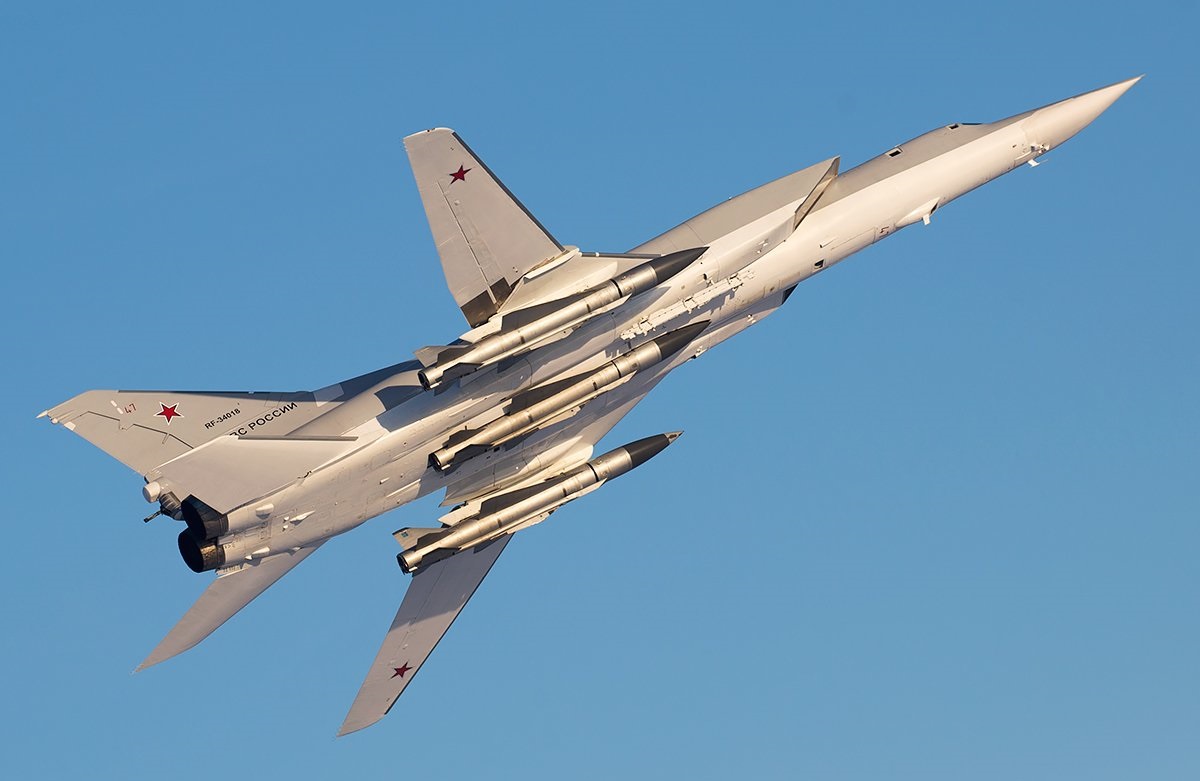
Tu-22 carrying KH-22 missile.
Tactical Bomber Shift
In a manner not inconsistent with the United States Air Force’s approach to the B-52, Russia has adapted the roles and missions of its classic supersonic bomber from a close-in, conventional “area” bomber to a stand-off platform capable of firing long-range weapons without becoming vulnerable to advanced air defenses.
Generally speaking, new generations of modern air defenses have increasingly made it next to impossible for non-stealthy aircraft to operate within range of being hit, particularly in Ukraine. It is likely a key reason why the mystery of air support has continued in Ukraine, meaning neither side has been able to establish air superiority.
Nonetheless, Russia appears to have made a tactical shift with its Tu-22m bomber in Ukraine, as it has both been effective and vulnerable.
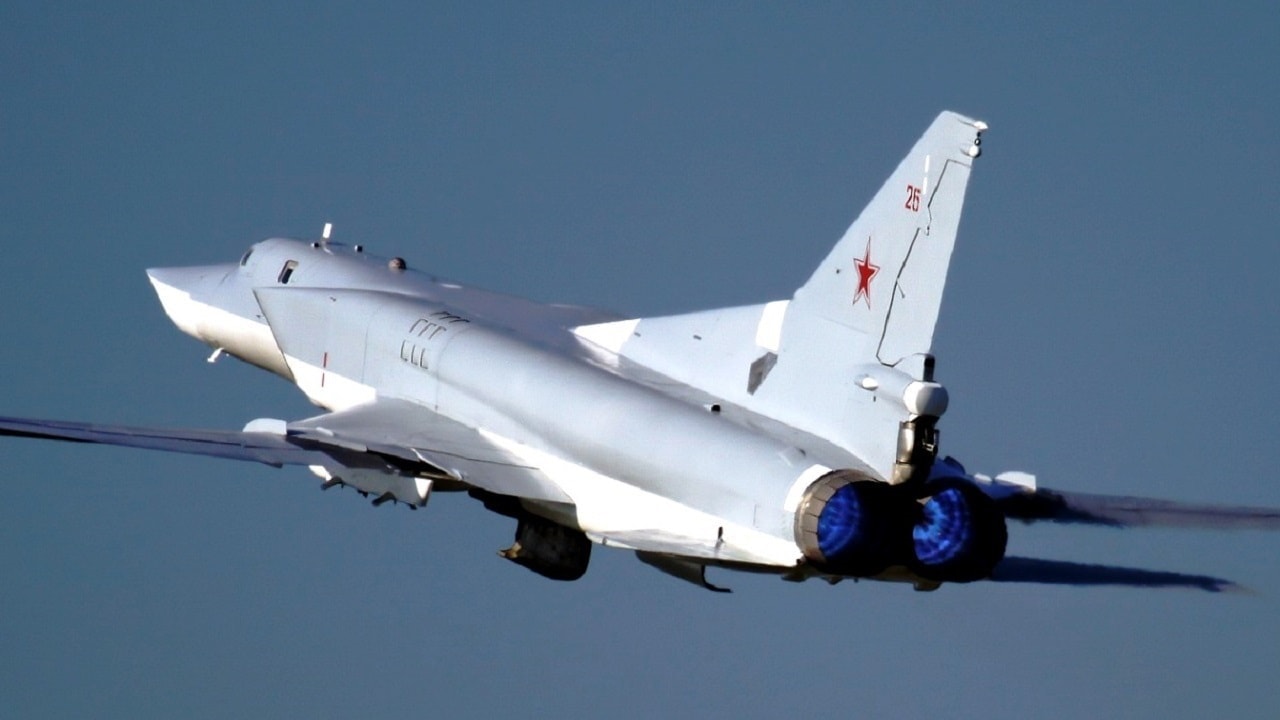
Russian Air Force Tu-22M2M fighter-bomber.
Numerous reports cite instances where Ukrainian forces have shot it down, yet it has also been effective in some instances in attacking Ukrainian targets. A report from the Kyiv Independent in April 2024 stated that Ukrainian air defenses had shot down a Russian Tu-22M for the first time.
New Weapons for Tu-22M3
Also, much like the US Air Force B-52, Russia’s Tu-22 has been the focus of years of upgrades, sustainment, and modernization efforts as the Tupolev Design Bureau initially built it in the 1960s.
The most modern variant, the Tu-22M3s, emerged in 2018 and is reportedly capable of high-altitude, stand-off-range bombing with Kh-22 cruise missiles.
The plane’s hull is made of aluminum alloys and heat-resistant steel, using titanium and magnesium.
According to the London-based International Strategic Studies Institute, Russia operates as many as 57 Tu-22M3s, yet much like the B-52, its bombing missions are likely restricted to less-contested airspace, given that the large airframe presents a “hittable” target for advanced air defenses.
TU-22M3M Bomber. Image from Russian Military.
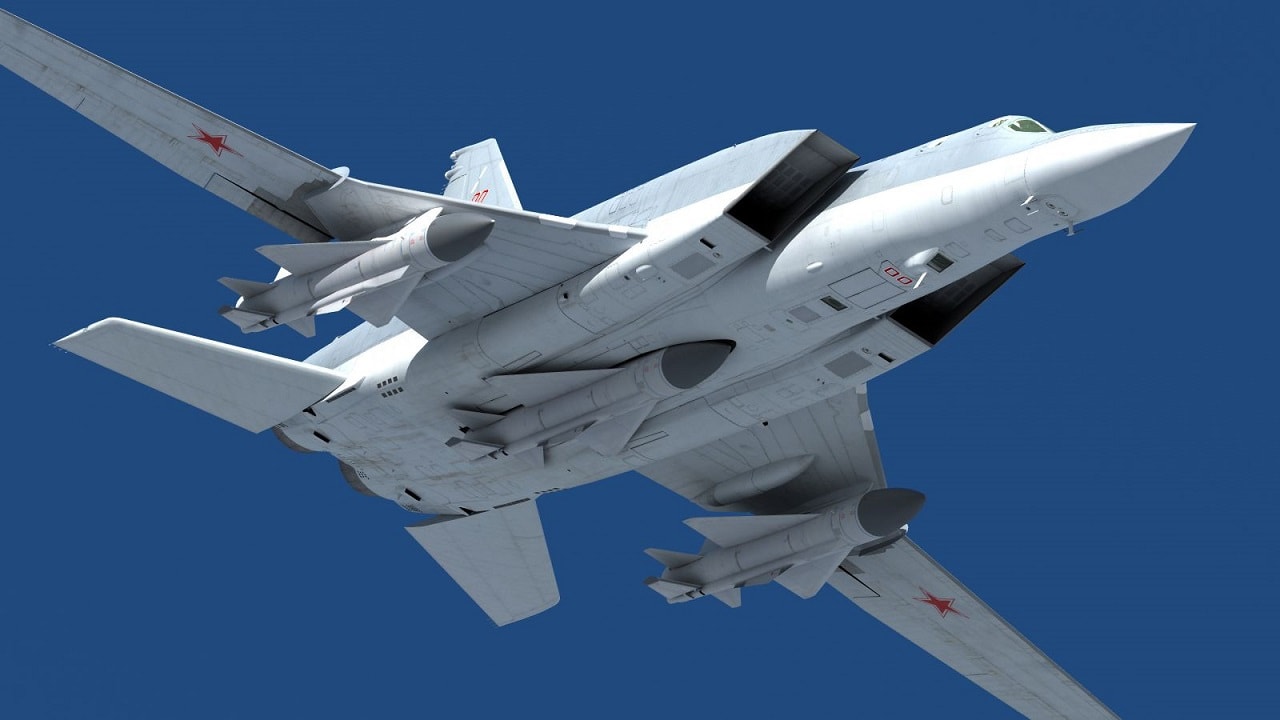
Russian Tu-22M3M fighter-bomber. Image Credit: Creative Commons.
The use of a long-range cruise missile, such as the nuclear-capable Kh-22, parallels the B-52’s Advanced Long-Range Cruise Missile (ALCM) and may have inspired the emerging US Air Force nuclear-capable Long Range Stand-Off weapon.
Tu-22M3 Upgrades
However, several key unanswered questions remain regarding the scope of the Tu-22M3 modernization efforts, as they may not in any way parallel the success of the B-52.
For instance, an essay in Russia’s TASS news agency in 2023 reported that the Tu-22M3s received an upgraded payload capacity, which might align with the B-52’s massive internal weapons bay and its upgrade.
At the same time, it seems unclear whether the Russian bomber has integrated anything like the B-52 Combat Network Communications Technology (CONECT) system, capable of providing real-time in-flight intelligence updates.
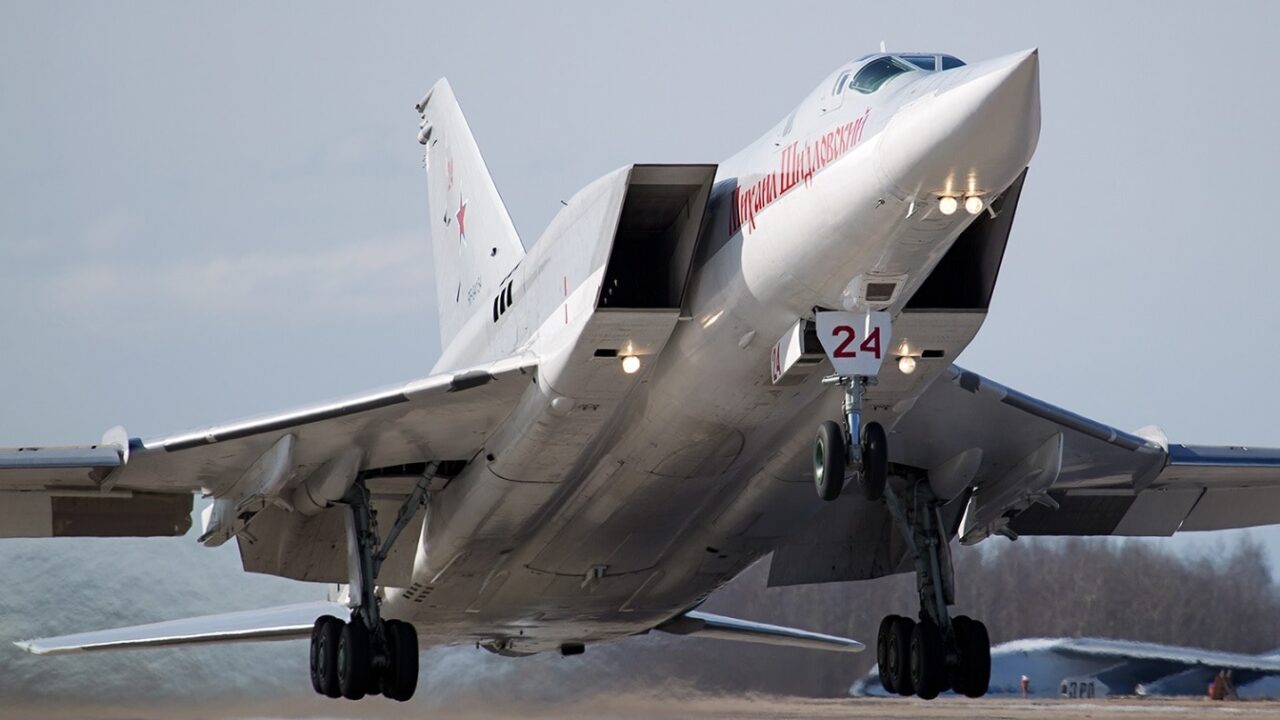
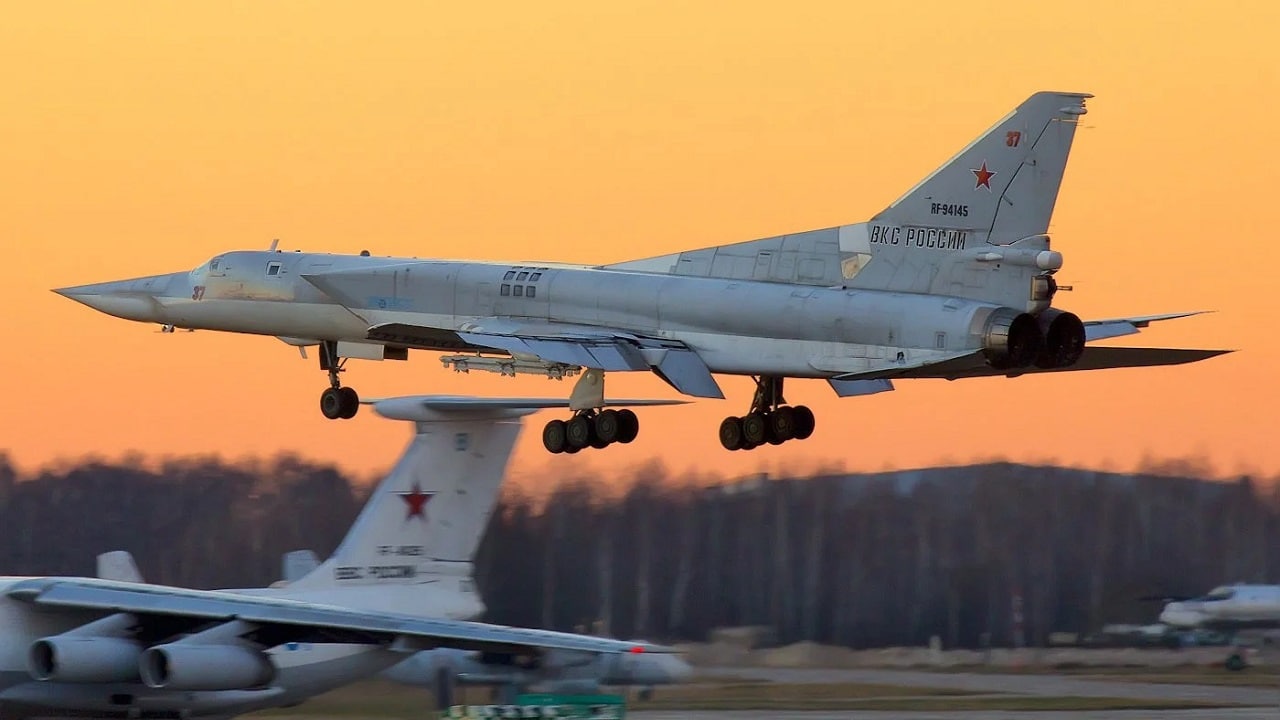
Tupolev Tu-22M3 taking off at Ryazan Dyagilevo.
The B-52 is also possibly configured as an arsenal plane capable of transporting and launching drones, ordnance, or weapons systems to forward locations.
It is also well within the realm of possibility that the B-52 will fire lasers, launch and recover drones, and operate unmanned systems from the cockpit as an aerial command-and-control node.
The Russian Tu-22M3 airframes have likely remained viable with some structural support, much like the B-52, yet it seems unclear whether the bomber has modernized in a way that could truly rival the iconic B-52.
Author Biography: Defense Expert Kris Osborn
Kris Osborn is the President of Warrior Maven – Center for Military Modernization. Osborn previously served at the Pentagon as a highly qualified expert in the Office of the Assistant Secretary of the Army—Acquisition, Logistics & Technology. Osborn has also worked as an anchor and on-air military specialist at national TV networks. He has appeared as a guest military expert on Fox News, MSNBC, The Military Channel, and The HistoryChannel. He also has a Master’s Degree in Comparative Literature from Columbia.