
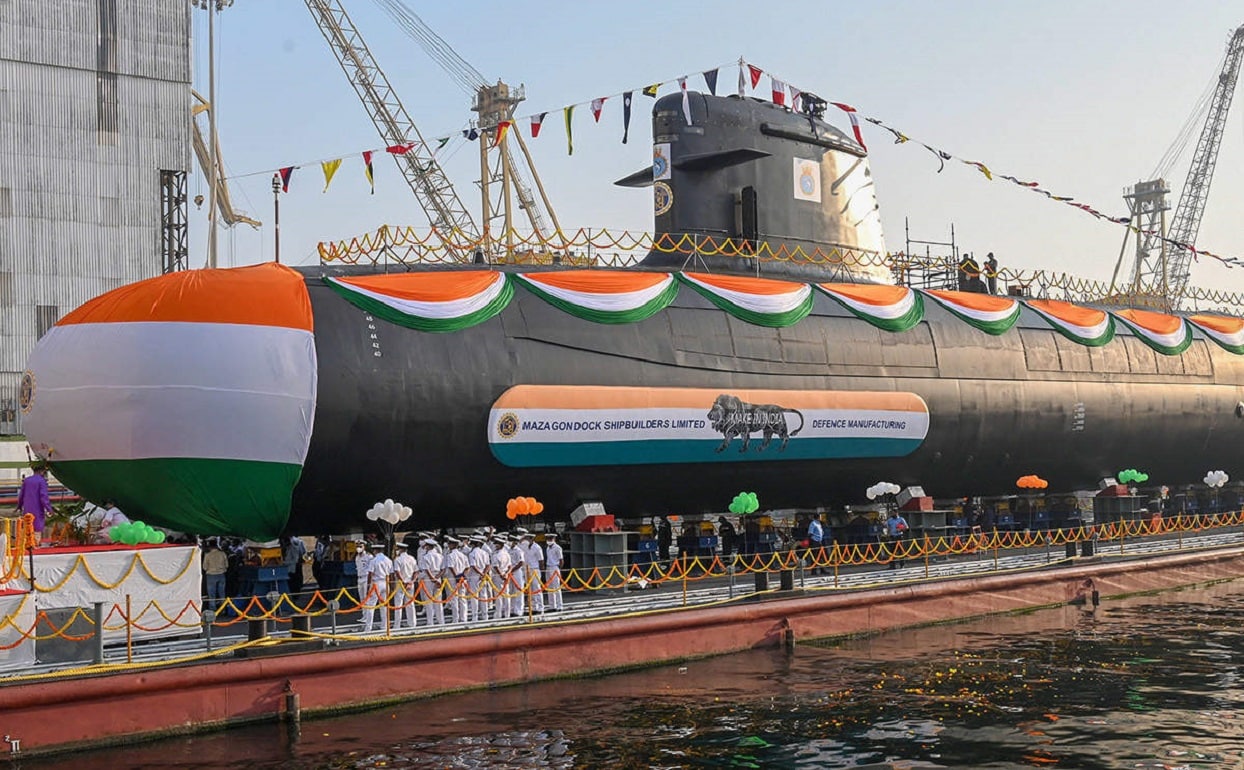
Summary and Key Points: India’s first nuclear-powered ballistic missile submarine, INS Arihant, suffered a costly accident in 2017 when seawater flooded a propulsion-area compartment while the boat was in harbor—reportedly after a hatch was left open.
-The damage forced extensive repairs and kept the 6,000-ton submarine out of service for roughly ten months, a gap felt during India’s Doklam standoff with China.
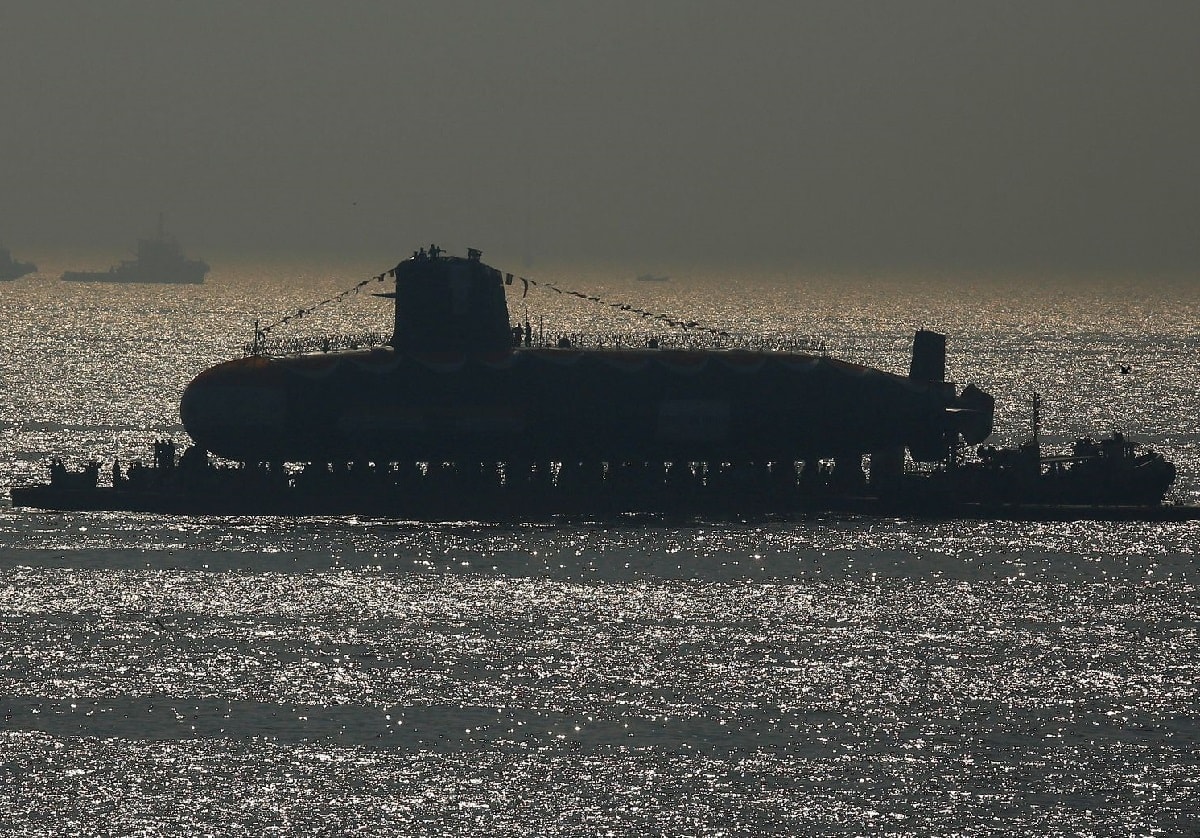
INS Arihant Submarine. Image: Creative Commons.
-The incident sparked debate over whether an external hatch even existed in that area and why warning systems didn’t prevent the flooding.
-Beyond embarrassment, the episode underscored how a single human error can sideline a cornerstone of India’s sea-based nuclear deterrent.
A $3 Billion Submarine, Seawater, and 10 Months Lost: The INS Arihant Blunder
The Arihant, India’s first nuclear-powered ballistic missile submarine, experienced a significant accident in 2017 after a crew member left a hatch open, allowing seawater to flood the propulsion compartment. This incident resulted in nearly a year of repairs.
“Batten Down the Hatches.” The earliest mention of this term was in 1769, when it was used to secure a ship against bad weather or to keep it from leaking or sinking. Bob Dylan wrote about the sinking of the Titanic in his song Tempest, “They battened down the hatches…But the hatches wouldn’t hold.”
Sailors have committed blunders since the first men took to the sea. We’re human and therefore, fallible. However, some blunders are more egregious than others. An example of this was the $3 billion submarine of the Indian Navy, the INS Arihant.
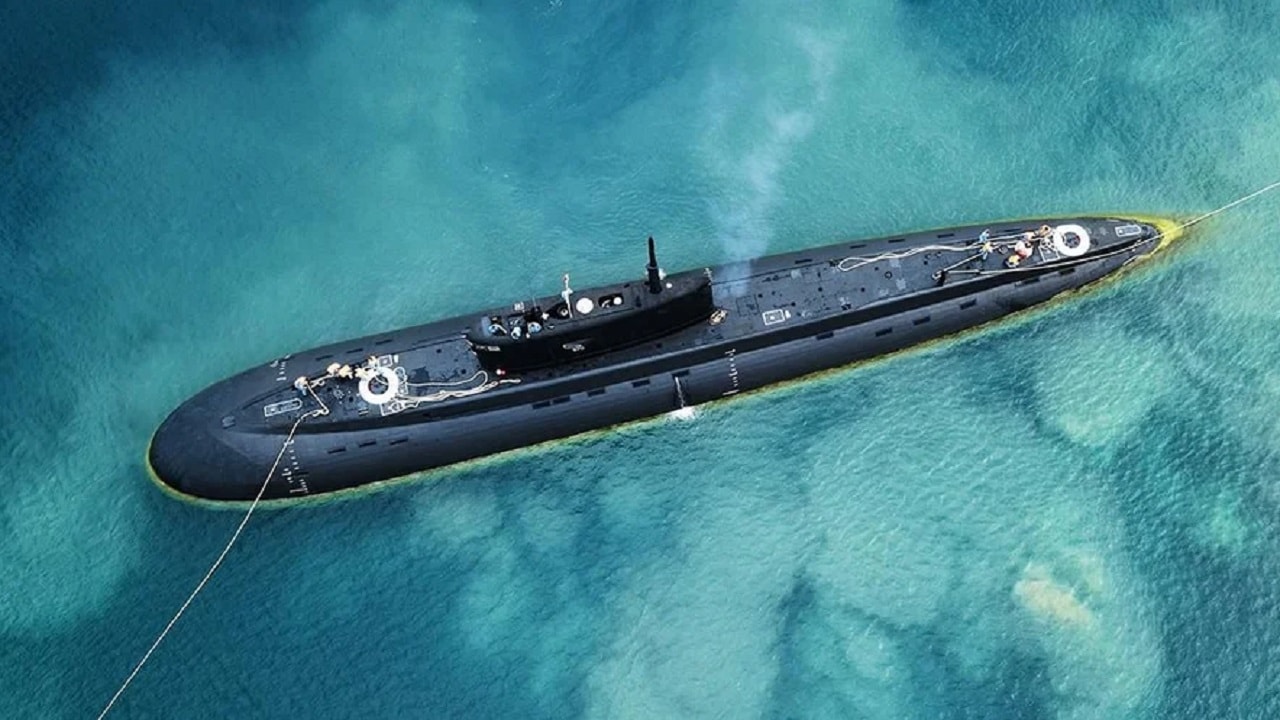
Kilo-Class Submarine. Image Credit: Creative Commons.
But since the first submarine disaster in the United States, more have followed.
During the American Civil War, the CSS Hunley became the first “successful” submarine in that it could effectively submerge yet had problems surfacing—and sadly, that cost the lives of its entire crew, after blowing up a Union ship, the USS Housatonic, in Charleston Harbor.
Brief Background History Of the Arihant Submarine
India was proud of building its first nuclear-powered ballistic missile submarine. The Arihant (meaning conqueror) was the first of five planned nuclear missile boats. The Arihant was designed and constructed as part of the Indian Navy’s Advanced Technology Vessel project.
Arihant was launched on July 26, 2009, the anniversary of Vijay Diwas (Kargil War Victory Day), by Prime Minister Manmohan Singh, and commissioned into the Indian Navy in October 2016.
The modified Russian Akula-1-class nuclear attack submarine was lengthened to carry either 12 K-15 short-range nuclear missiles or 4 K-4 intermediate-range nuclear missiles.
K-15 missiles, with their 434-mile range, primarily target India’s fierce rival Pakistan. In contrast, K-4 missiles, with their 2,174-mile range, can reach all of Pakistan and as far as India’s biggest and most feared enemy in Beijing.
A second missile submarine, INS Arighant, was launched in December, and at least three submarines are planned.
An Embarrassing Blunder Caused Massive Damage
A crew member left the rear hatch open while the submarine was docked, allowing saltwater to flood the propulsion compartment.
According to an Indian Navy source, a hatch was left open on the rear left side of the ship, allowing seawater to rush into the propulsion area while the Arihant was in harbor.
Arihant was out of action for 10 months while water was pumped out and pipes were cut and replaced. There was substantial damage to the submarine’s pipes.
Given how corrosive seawater can be to the various pipes, including those that carry pressurized water coolant to and from the ship’s 83-megawatt nuclear reactor, all had to be cut out and replaced.
Indian authorities likely felt that pipes exposed to corrosive seawater couldn’t be trusted again, particularly pipes that carry pressurized water coolant to and from the reactor.
Failing pipes could not only endanger the ship’s crew but also the entire submarine and her nuclear weapons.
The incident was a major embarrassment for the Indian Navy and raised concerns about the submarine’s readiness and operational capabilities. Regardless of whether there was a hatch or not, why were the nuclear reactor and the propulsion system left unattended? This blunder allowed water to reach levels it shouldn’t have, especially in the port.
Lengthy Repairs Were Felt During Standoff With China
The 6,000-ton missile boat was out of service for approximately ten months while repairs were carried out. India’s standoff with China during the Doklam border crisis in 2017 was where the INS Arihant’s absence was keenly felt.
The embarrassment was so deep that the Indian government didn’t even acknowledge that the submarine had undergone repairs until 2018.
Impact And Controversy Ensue Over “Non-Existent Hatches”
A controversy arose after media reports and naval analysts reported that the submarine lacked hatches in the propulsion compartment. The Arihant is modeled after a double-hulled, sealed nuclear reactor vessel from Russia.
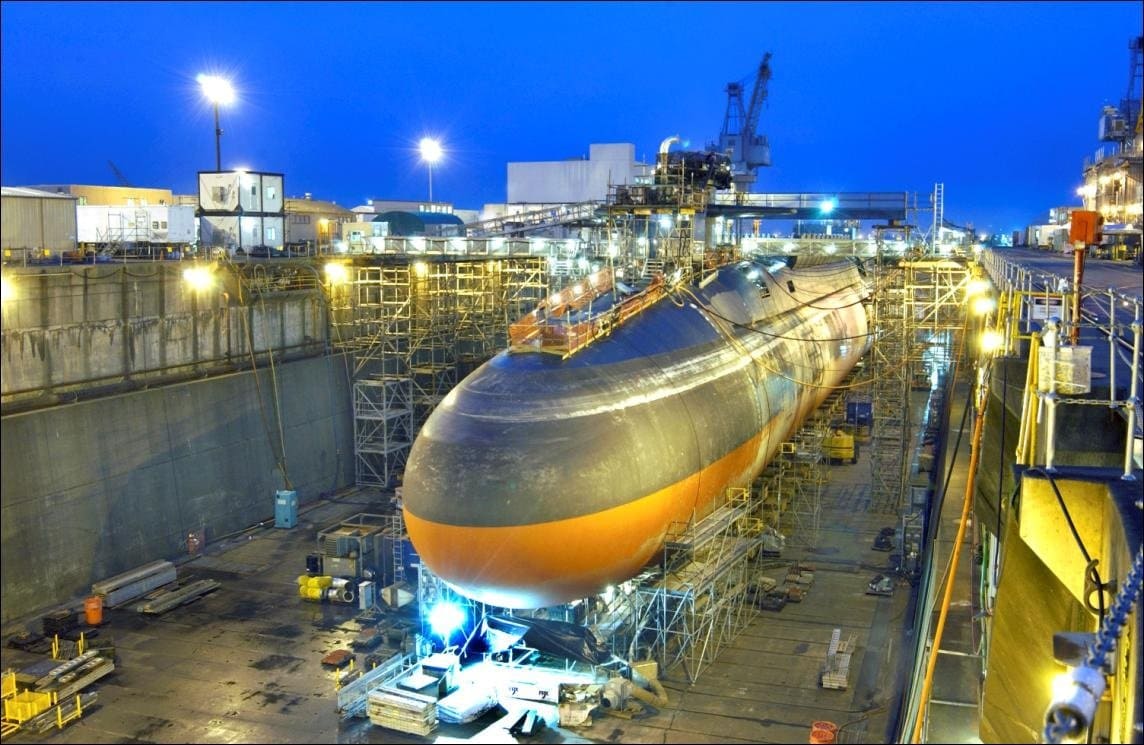
(March 15, 2004) – Night falls at Puget Sound Naval Shipyard and Intermediate Maintenance Facility, Bremerton, Wash., as work continues on the strategic missile submarine USS Ohio (SSGN-726). The USS Ohio is one of four Trident Submarines undergoing conversion to a new class of guided missile submarines. The SSGN conversion program takes Ohio-class ballistic missile submarines through an extensive overhaul that will improve their capability to support and launch up to 154 Tomahawk missiles. They will also provide the capability to carry other payloads, such as unmanned underwater vehicles (UUVs), unmanned aerial vehicles (UAVs) and Special Forces equipment. This new platform will also have the capability to carry and support more than 66 Navy SEALs (SEa, Air and Land) and insert them clandestinely into potential conflict areas. U.S. Navy photo by Wendy Hallmark.
The Economic Times noted, “There are no external hatches in the compartment that houses the steam turbine, gearbox, generator, and shaft that drives the propeller.
“Under normal circumstances, it is not possible for seawater to enter the submarine, and certainly not via a ‘non-existent hatch.’ It is also not possible for a modern submarine that has various sensors not to have a warning system about an open hatch in any other area of the submarine that is critical for its survival.”
Some naval analysts dismissed the hatch assertions as dubious. Moreover, the Government of India (GoI) did not explain the incident or the various conspiracy theories circulating, citing national security concerns.
INS Arihant is critically important to India as the cornerstone of its nuclear triad, providing a survivable, sea-based second-strike capability.
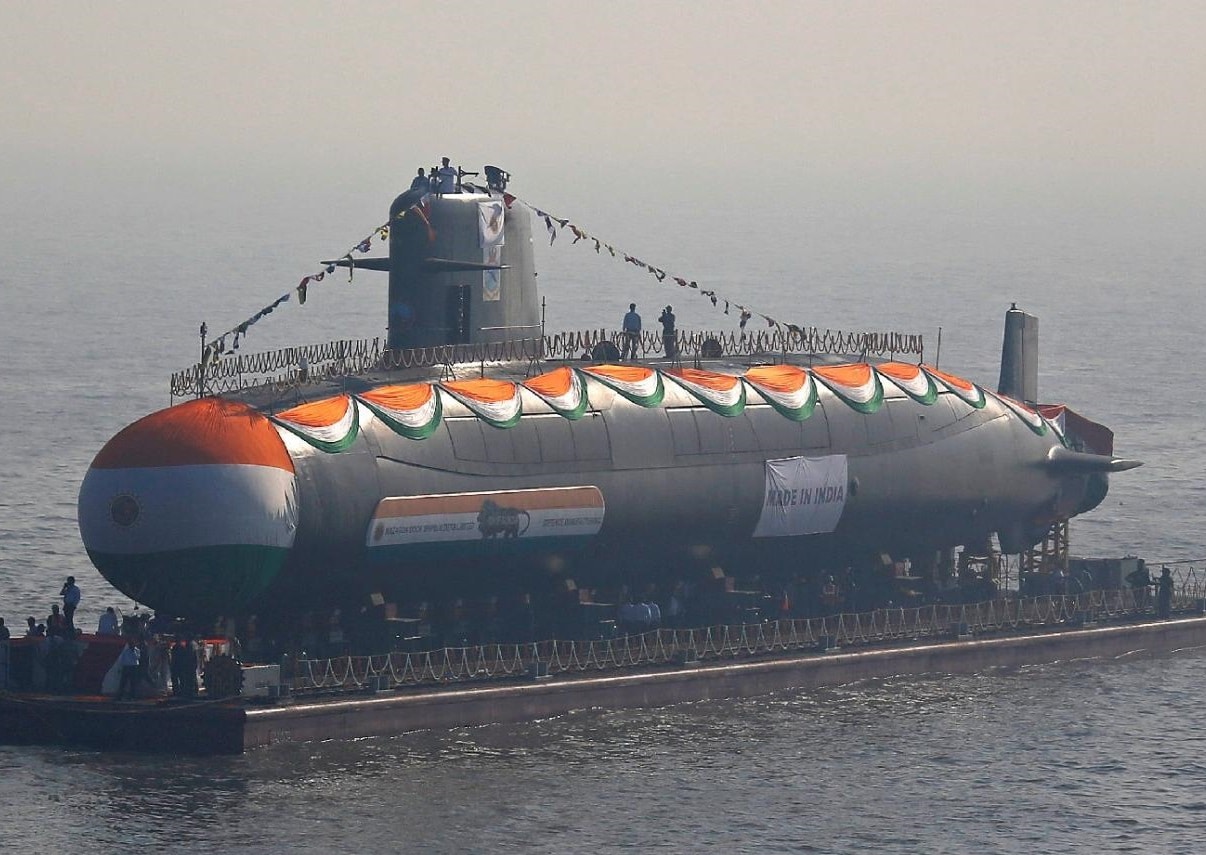
Arihant. Image: Creative Commons.
Despite the incident that flooded its propulsion compartment, the project, as an indigenous initiative, reduces dependence on foreign technology and advances India’s defense manufacturing capabilities.
And as the first indigenously built nuclear-powered ballistic missile submarine (SSBN), it guarantees the ability to retaliate against nuclear attacks, bolstering India’s “No First Use” policy and strengthening strategic deterrence against China and Pakistan.
About the Author: Steve Balestrieri
Steve Balestrieri is a National Security Columnist. He served as a US Army Special Forces NCO and Warrant Officer. In addition to writing on defense, he covers the NFL for PatsFans.com and is a member of the Pro Football Writers of America (PFWA). His work was regularly featured in many military publications.